Backpacking Gear
Budget Alternatives to Expensive Backpacking Gear: 10 Picks Worth Considering
Ten backpacking gear picks where a lower-cost option covers the same ground as a premium counterpart, from headlamps and boots to tents and down sleeping bags.
Introduction
Backpacking gear can get expensive quickly, and it is easy to assume that the priciest option is the one that makes a trip enjoyable. That assumption does not hold up. A well-chosen budget item can still be high quality, survive seasons of trail abuse, and do exactly what you need it to do.
The distinction that matters is between cheap and budget. Cheap gear is poorly made and will not last. Budget gear can be genuinely good: durable, comfortable, and capable, costing less because it skips features you may not need rather than because it skips quality.
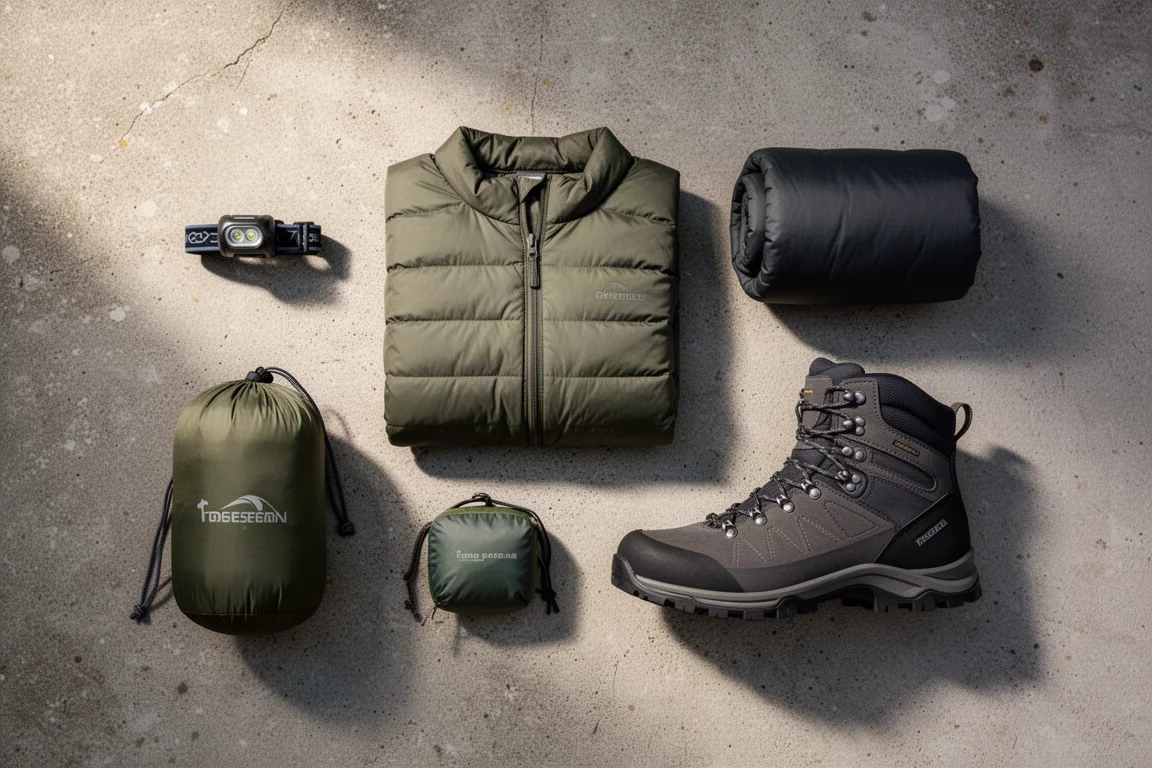
The ten items below cover five gear categories. In each one, a lower-cost option sits alongside its premium counterpart so the trade-off is visible rather than assumed.
How to Decide Between Budget and Premium Gear
Three considerations usually settle the question of whether to spend more.
The first is budget. Not everyone has disposable income to spare, and for many people one new piece of gear is the entire year’s backpacking purchase. The goal is an item that fits the budget and still delivers a quality experience.
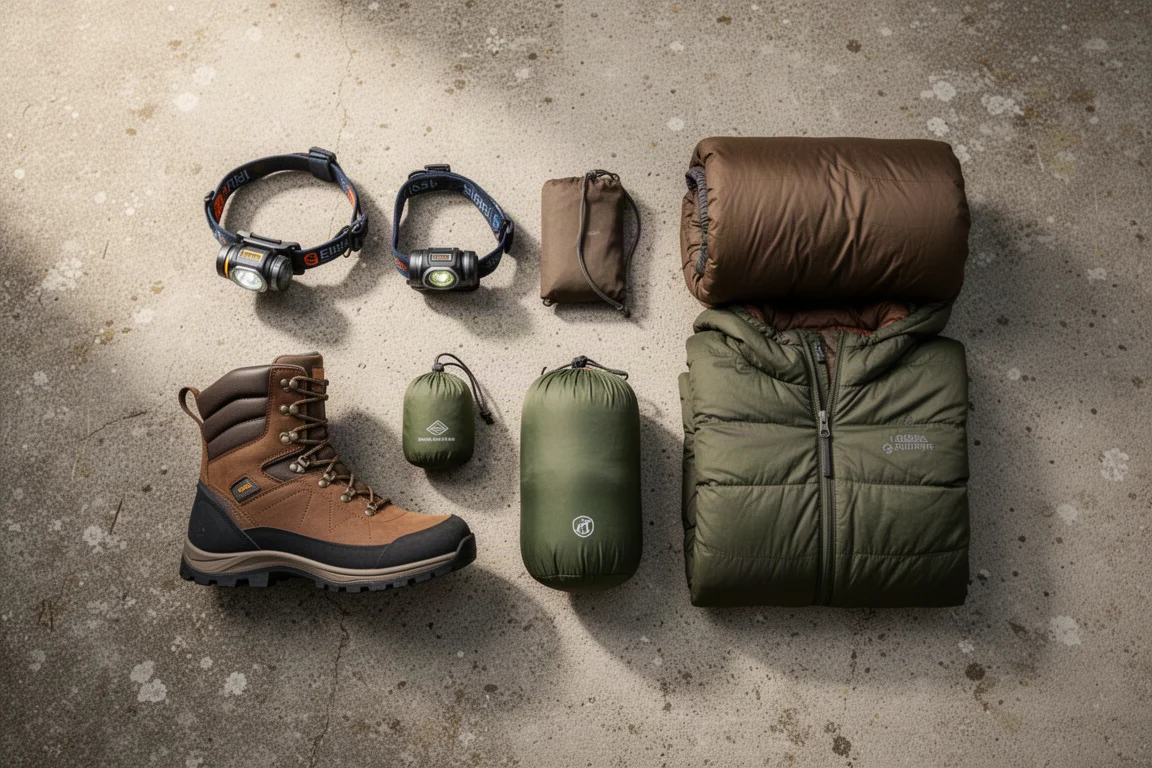
The second is goals and conditions. Where you live, the trails you can reach, and the seasons you hike in all shape what you actually need. A lower-cost item that checks the boxes for your conditions is a better buy than a premium item built for conditions you rarely see.
The third is frequency of use. Gear that only comes out for early-season or late-season trips spends most of the year on a shelf, and investing heavily in something that rarely gets used rarely makes sense.
Headlamps: Nitecore NU21 vs Petzl Actik Core
Both of these lights illuminate a campsite and a tent. The question is whether the extra spend buys something you will actually notice on the trail.
Nitecore NU21 Headlamp
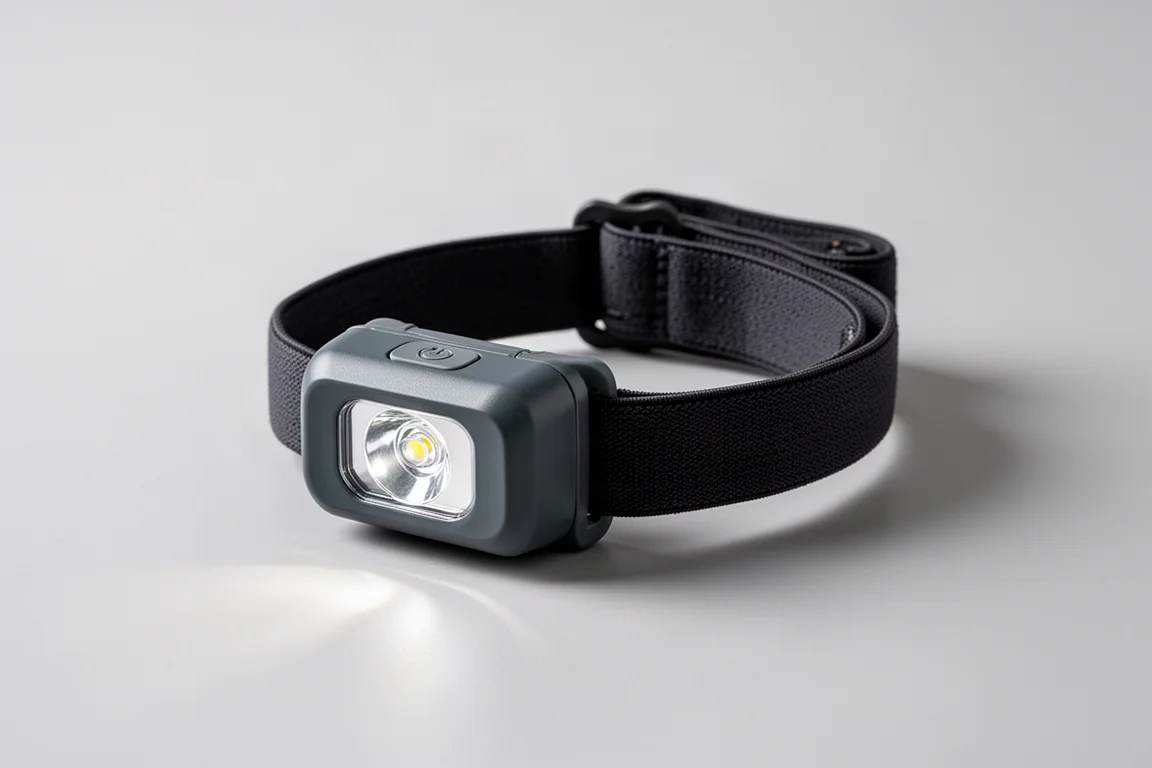
The Nitecore NU21 is a $30 headlamp with output in the 200 to 300 lumen range. For most backpacking conditions that is more than sufficient: enough light to cook, sort gear, read, and move around camp after dark.
Petzl Actik Core Headlamp
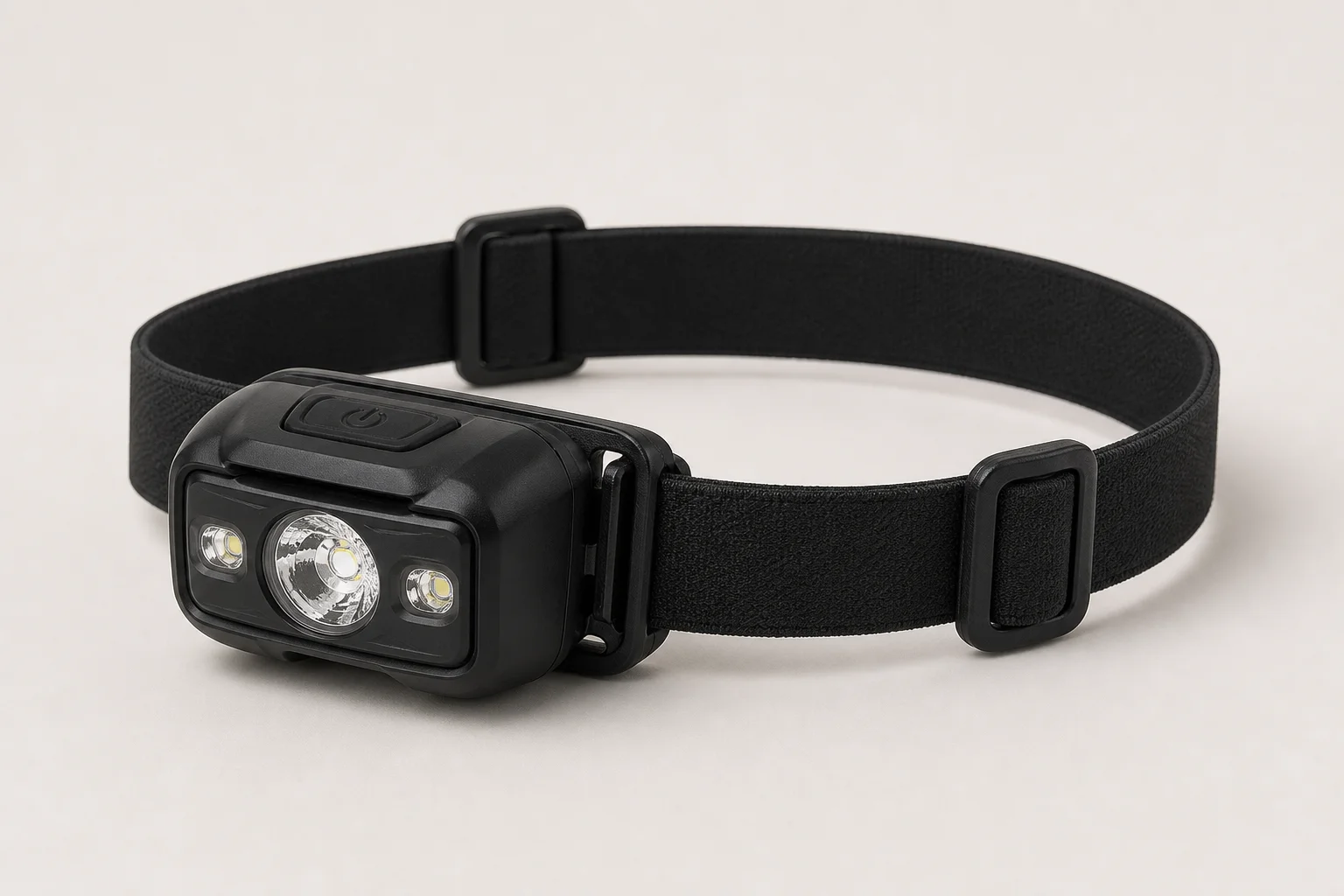
The Petzl Actik Core sits at nearly $90. Its advantages are a rechargeable Core battery and a higher lumen output, which spreads more light across a larger area or reaches further into the distance. If you specifically need that reach and rechargeable power, the price is defensible. If you do not, the lower-cost light covers the same basic job.
Footwear: Nortiv 8 Drift Shield vs Danner Trail 2650 Mid
Most hikers default to a trail runner in warm months and only occasionally need a waterproof boot for wet, slushy, or shoulder-season conditions. When a boot is the exception in your rotation rather than the rule, the price gap between a budget boot and a premium one is worth examining.
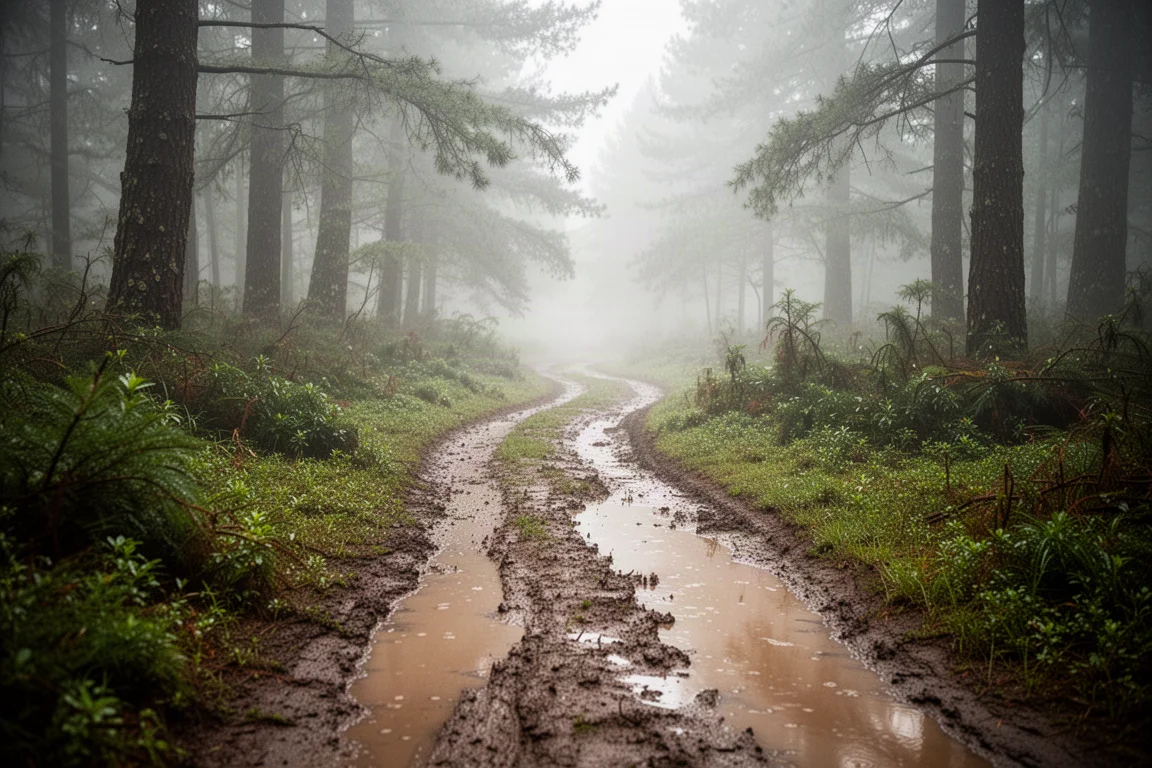
A waterproof boot earns its place when conditions turn, but it does not need to be the most expensive boot in the shop to keep your feet dry and supported.
Nortiv 8 Drift Shield Waterproof Boot
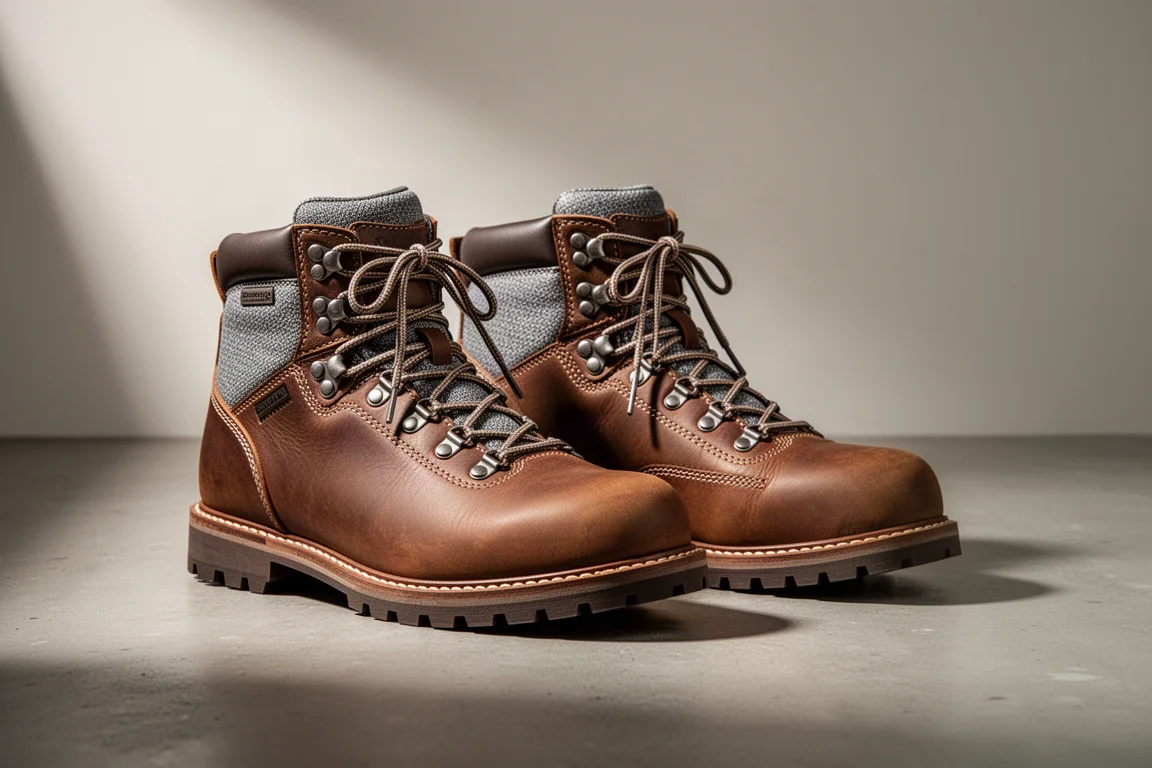
The Nortiv 8 Drift Shield is a waterproof, supportive mid-height boot priced around $60. A gusseted tongue keeps debris out and extends the waterproof coverage higher up the foot. It has held up across a year of winter trips, and the sole performs decently, though the tread pattern is not the most aggressive available. For a boot that only sees occasional use, that is a lot of capability for the money.
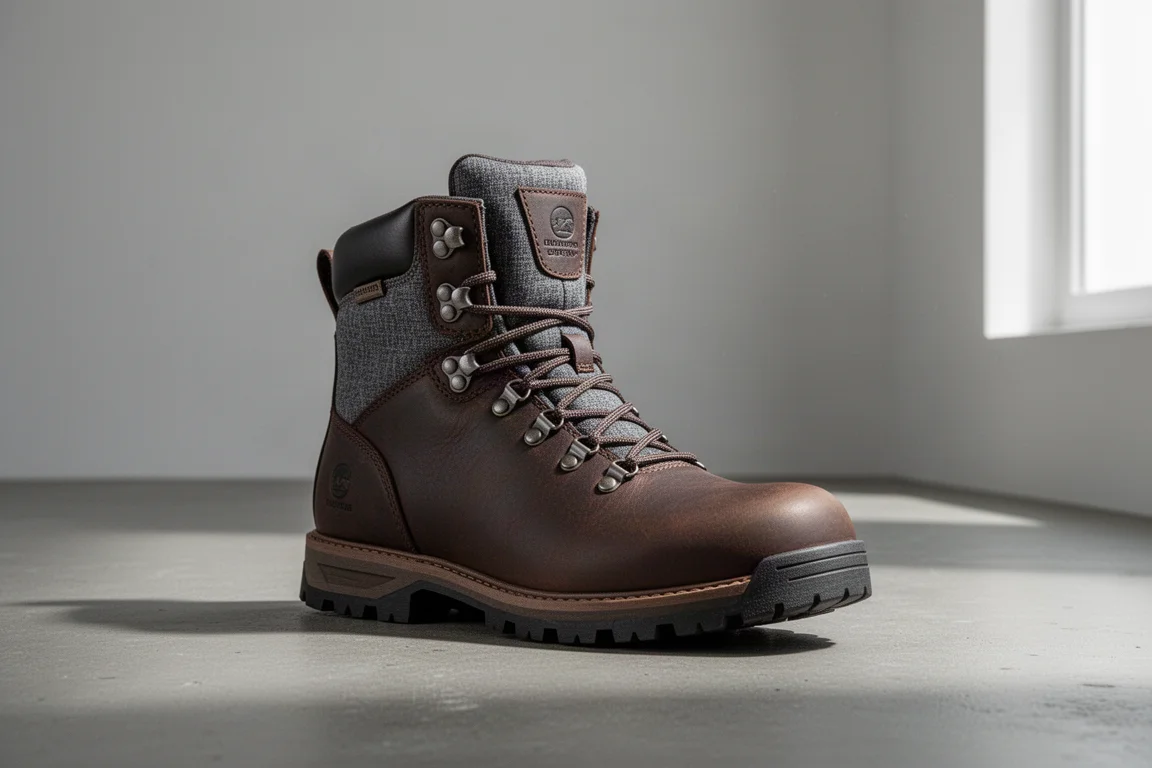
Danner Trail 2650 Mid
The Danner Trail 2650 Mid is also a waterproof boot, at roughly $160 to $180, which is close to $100 more. It is the stronger long-term investment if you hike in a boot regularly or want the more refined build. If boots are the exception in your kit, the cheaper option frees budget for the gear you use on every trip.
Down Jackets: Decathlon MT500 vs Arc’teryx Cerium
Down jackets are one of the clearest places to overspend, because the premium is not always matched by a difference you can feel.
Arc’teryx Cerium Down Jacket
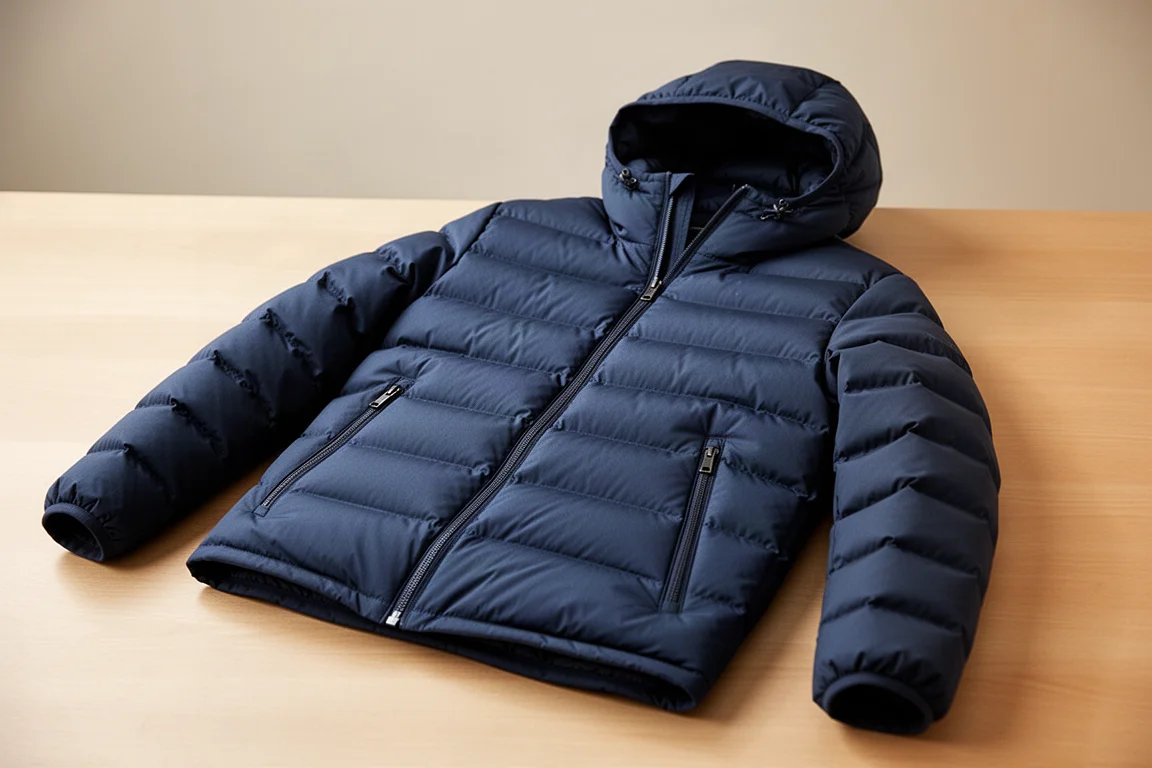
The Arc’teryx Cerium is a $400 jacket and the premium reference point in this comparison. Build quality is high, and an earlier Cerium lasted at least a decade of trips before it was damaged. If longevity and premium materials are the priority, that track record is the argument for the price.
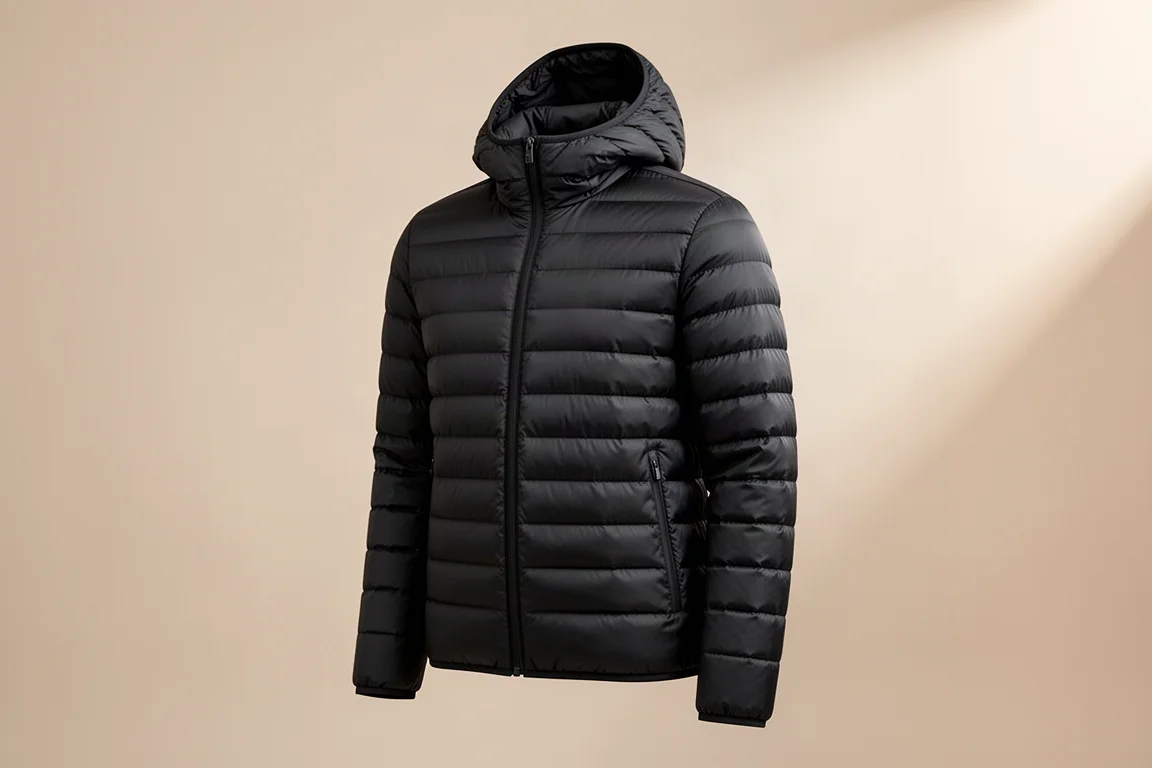
Decathlon MT500 Down Jacket
The Decathlon MT500 comes in at $180 and is often discounted further. On warmth and comfort, the difference between the two jackets is negligible in practice, which makes a gap of more than $200 hard to justify on performance alone. The open question is long-term durability, since the MT500 has not yet been in service for a decade.
Tents: Hillzero Scout vs MSR Hubba Hubba LT1
Both tents are fully freestanding, one-person, double-walled designs made from nylon. On specification they are close. On price they are not.
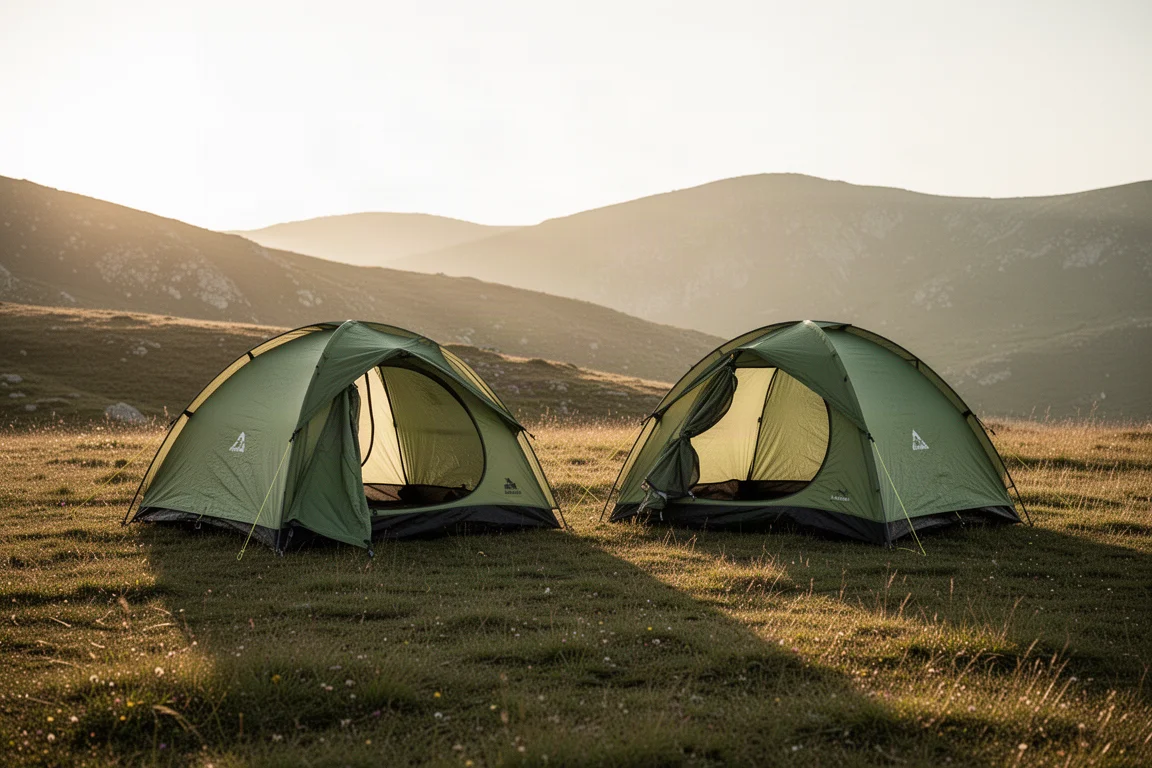
That overlap is the interesting part. When materials and basic architecture match this closely, the decision comes down to details, brand track record, and how much those are worth to you.
Hillzero Scout 1-Person Tent
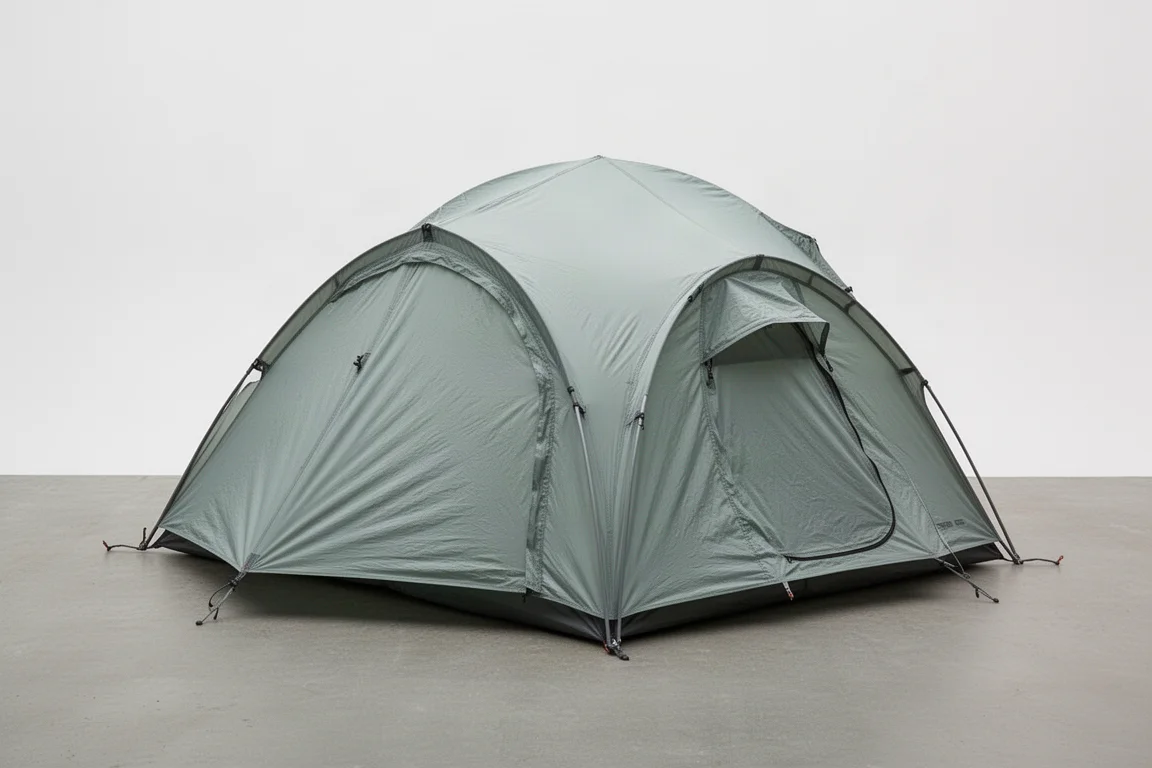
The Hillzero Scout is the $260 option and it performs very well in this class. It is fully freestanding, double-walled, and made from nylon, matching the specification of tents that cost nearly twice as much. For lightweight solo backpacking on a defined budget, it covers the essentials without obvious compromise.
MSR Hubba Hubba LT1 Tent
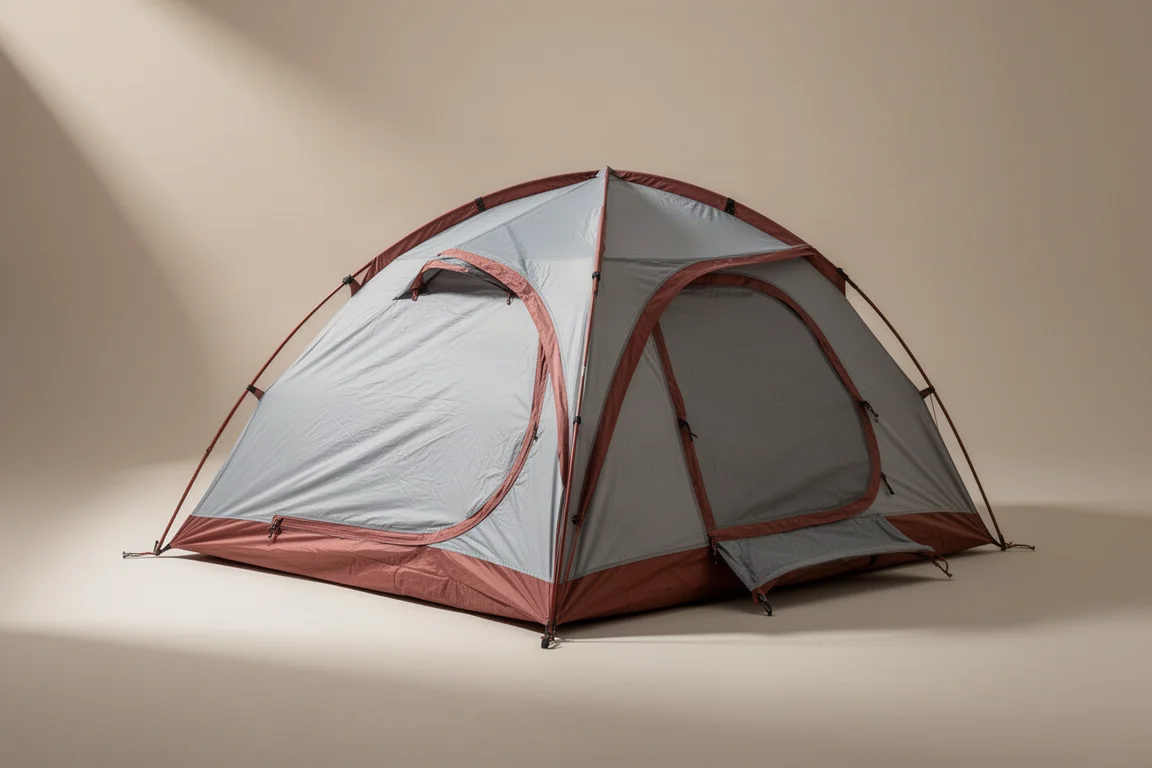
The MSR Hubba Hubba LT1 costs $470 and, at that price, it is difficult to recommend. It shares its materials and its freestanding double-wall layout with the cheaper tent above, yet it comes with notable issues that make spending close to $500 a poor trade.
Sleeping Bags: Big Agnes Greystone 20 vs Sea to Summit Ascent
Sleeping bags are another area where careful buying pays off. Plenty of well-made options will keep you warm and comfortable without a premium price tag.
Big Agnes Greystone 20° Down Sleeping Bag
The Big Agnes Greystone 20 is a $270 down bag. It does not use ultra-high fill-power down, so it is not the lightest bag available, but it is light enough to carry without complaint. It has a full-length side zipper, generous loft, a draft collar across the opening, and a roomy hood. If you want more warmth, a 0°F version of the Greystone costs less than the premium bag below.
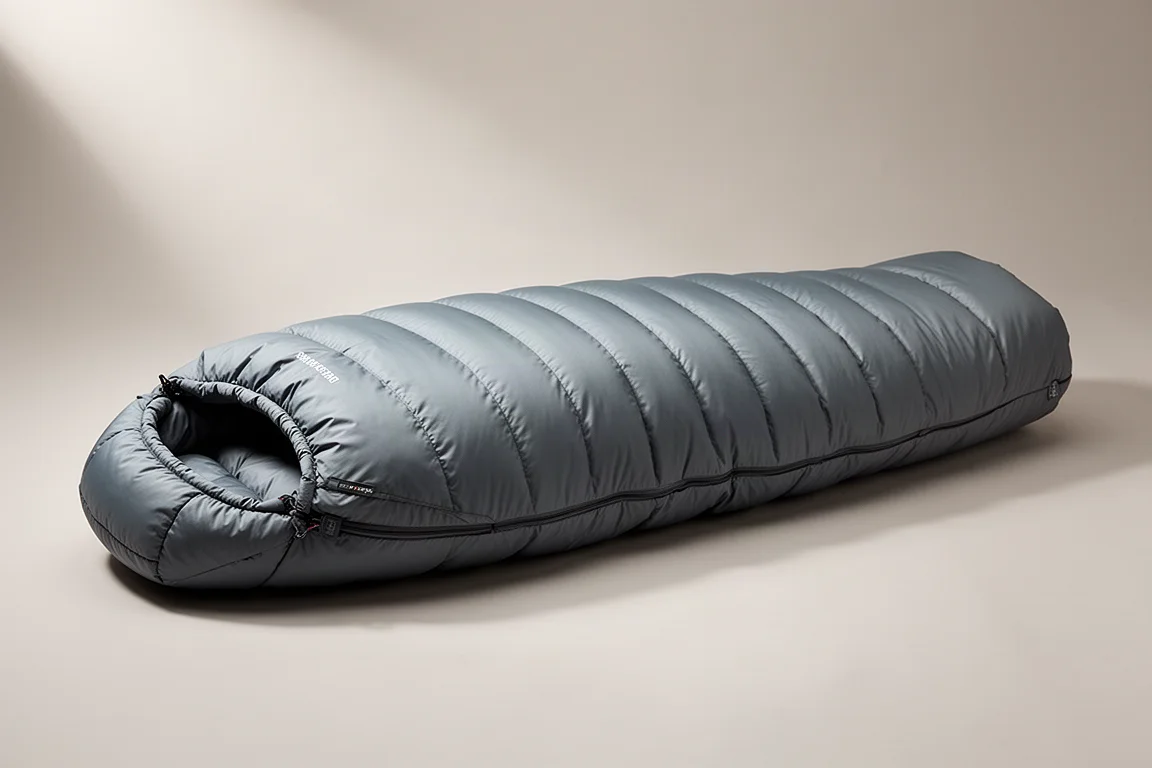
Sea to Summit Ascent Down Sleeping Bag
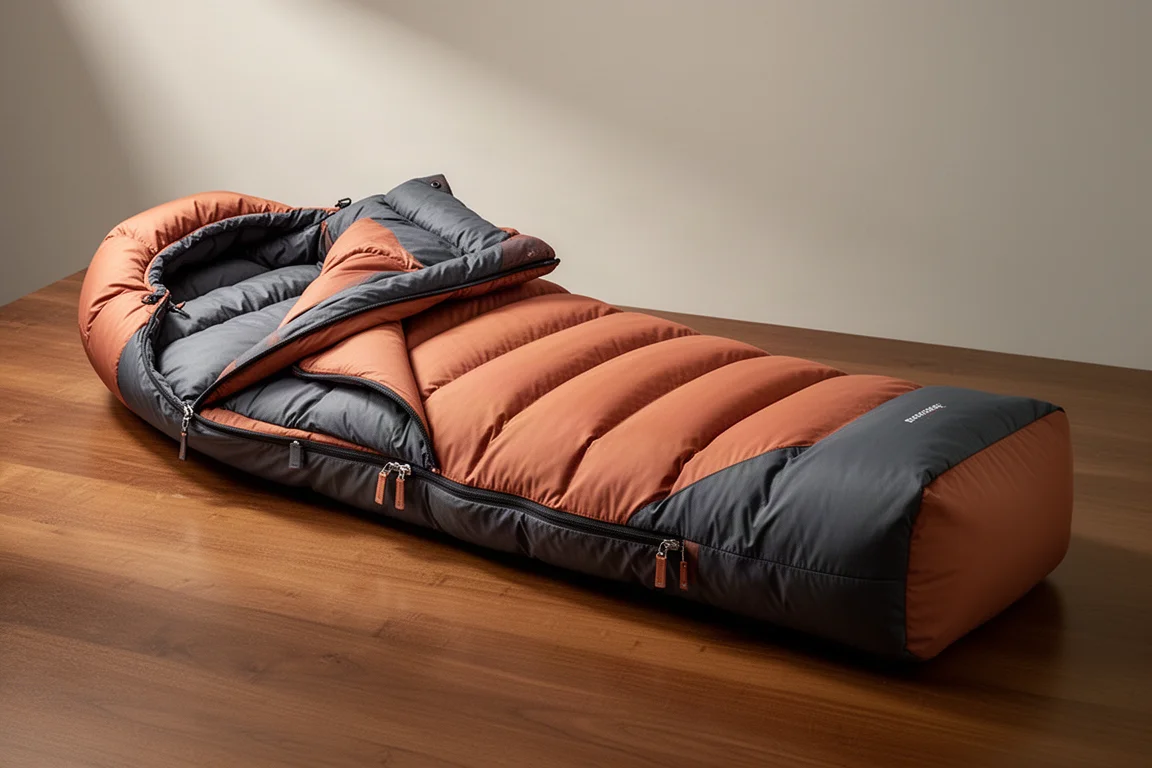
The Sea to Summit Ascent is the $450 option and a 15°F bag, so it sleeps warmer than the 20°F Greystone. It also adds features: a zipper at the foot box for venting your feet, a full-length zipper on one side, a second zipper on the other side so the bag can open out and work as a quilt, and snaps at the top that let it be worn almost like a poncho around camp. Those extras add cost and weight, and they are worth paying for only if you value that versatility.
Buying Advice
The pattern across all five categories is consistent. Budget gear is not the same as cheap gear: the lower-cost items here are well made, hold up over time, and do the job. What you give up by spending less is usually a specific capability, a set of convenience features, or the certainty of a long track record rather than basic function.
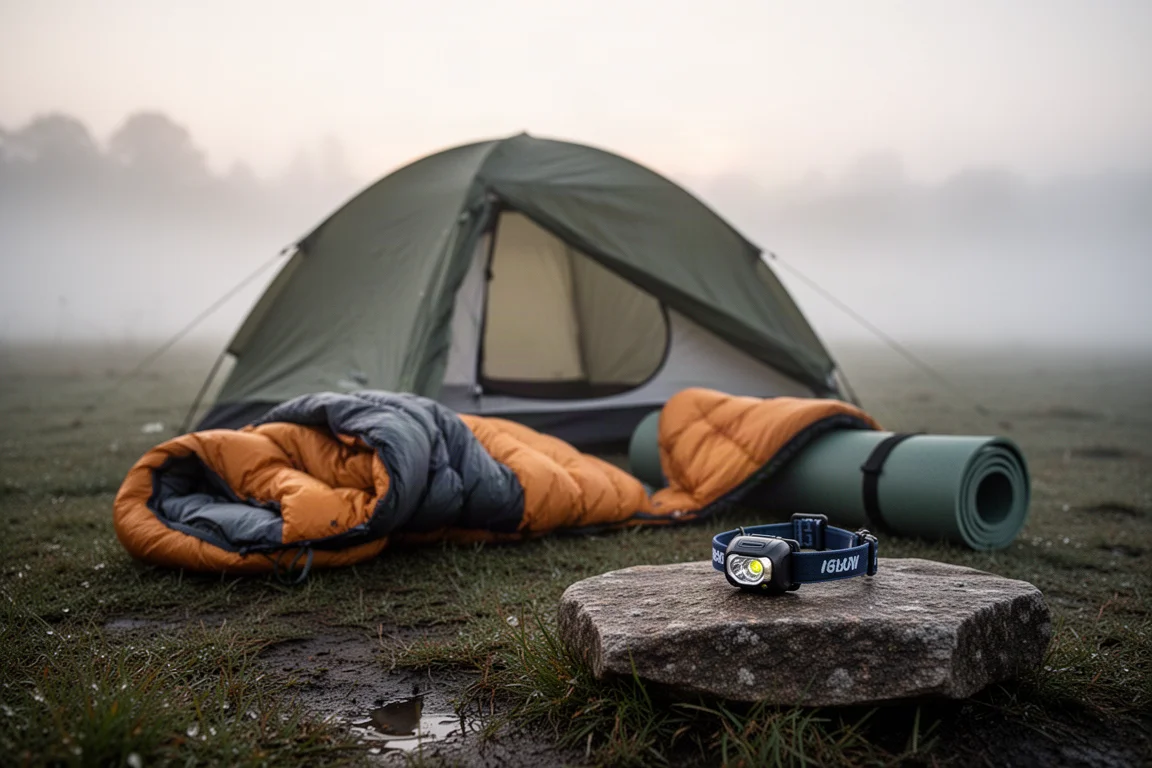
Start with your conditions and your goals, then set a budget, then look for the item that meets those needs. If a piece of gear will only come out for a handful of trips a year, there is little sense in paying for capability that sits on a shelf. If you use something on every trip and need the extra performance it offers, the premium option can still be the right call. Spending less is not settling; it is paying for what you will actually use.
Conclusion
Choosing budget alternatives does not mean accepting worse gear. A $30 headlamp, a $60 waterproof boot, a $180 down jacket, a $260 freestanding tent, and a $270 down sleeping bag can each deliver a genuinely good experience in the backcountry. Where the premium versions earn their price, it is through specific capabilities, extra features, or proven longevity, and those are worth paying for only when they line up with how you actually hike.
Further reading
Related Reviews

Backpacking Gear
Building a 10 lb Base Weight: An Ultralight Backpacking Gear List
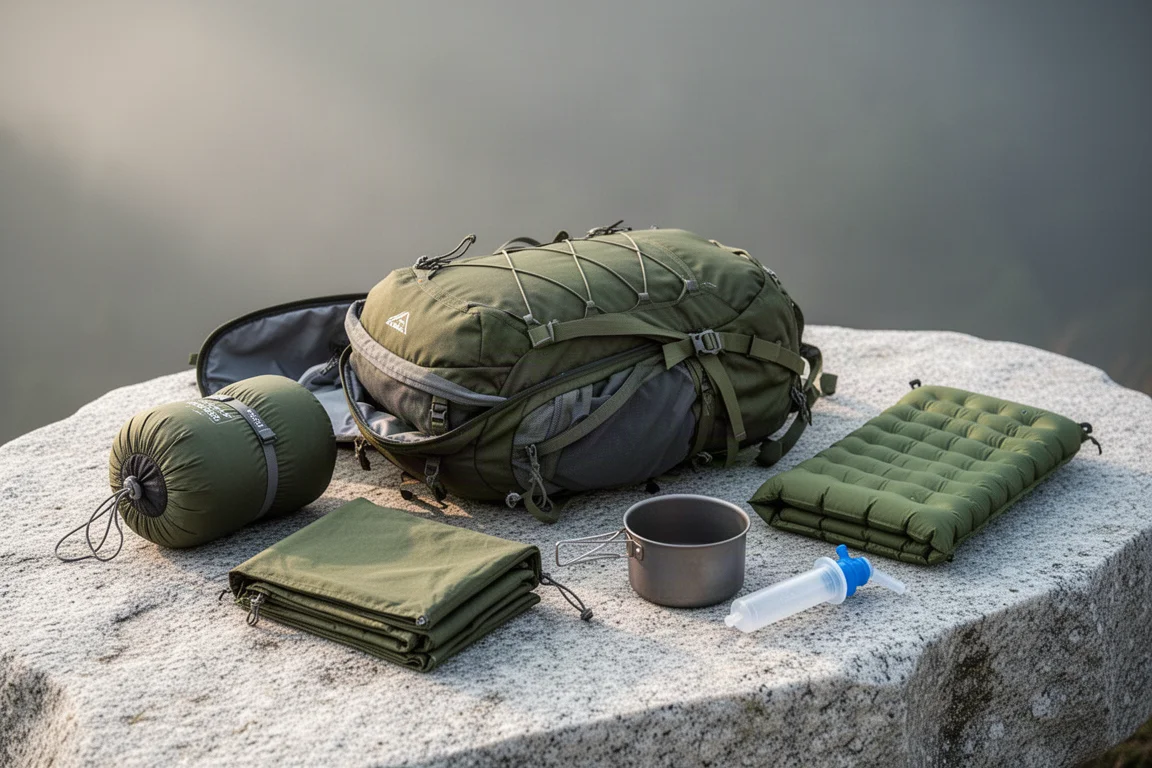
A practical walkthrough of the ultralight pieces behind a 10 lb base weight, from a 765 g pack and a roomy one-person tent to a full camp chair and a dependable water filter.
Backpacking Gear
A 15-Pound Lightweight Backpacking Gear List for Solo Trips
A beginner-friendly 15-pound backpacking setup built from easy-to-find gear, with notes on what each piece does, how it packs, and where to spend your attention.
Backpacking Gear
8 Ultralight Backpacking Gear Upgrades Worth Carrying
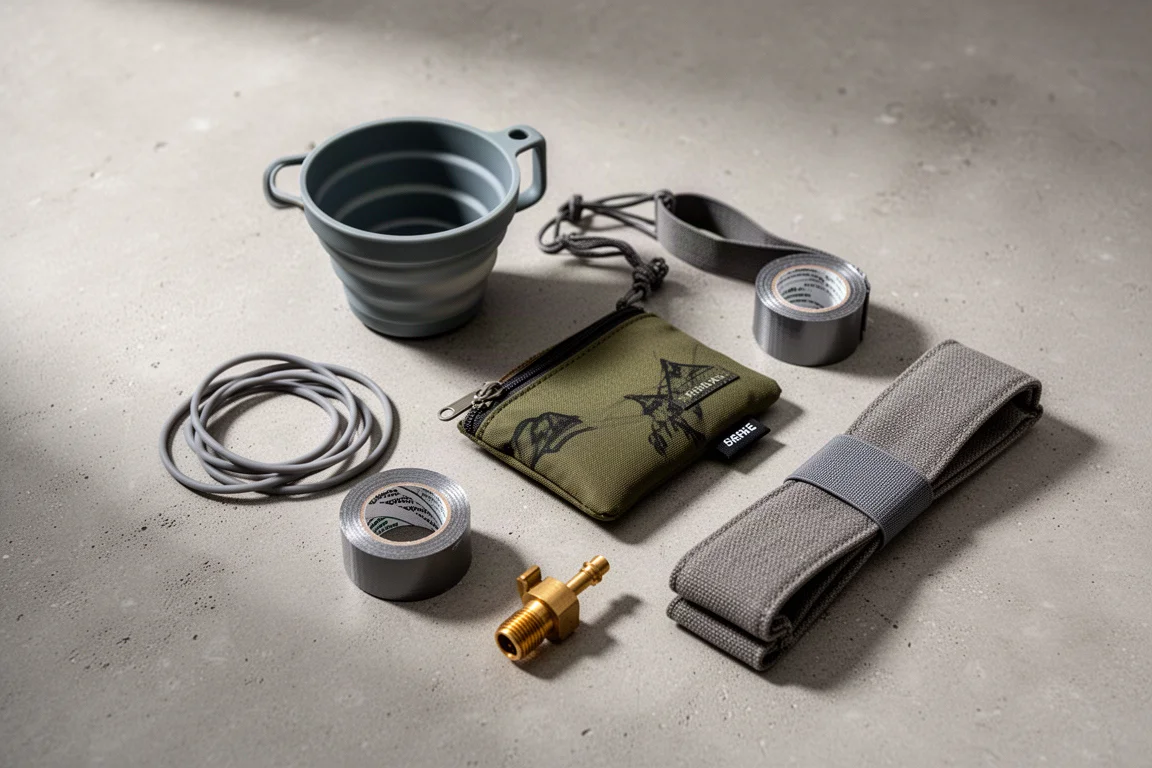
Eight small, affordable backpacking upgrades that solve real trail annoyances, from a pillow that stays put to a fuel valve that rescues leftover canister gas.