Hi-Fi Speakers
Buchardt S400 Mark III Review: A Bolder, Clearer Compact Speaker
The Buchardt S400 Mark III replaces the S400 Mark II with new drivers, a larger cast aluminium waveguide and a redesigned cabinet. Here is what changed, how it sounds, and who should consider it.
Introduction
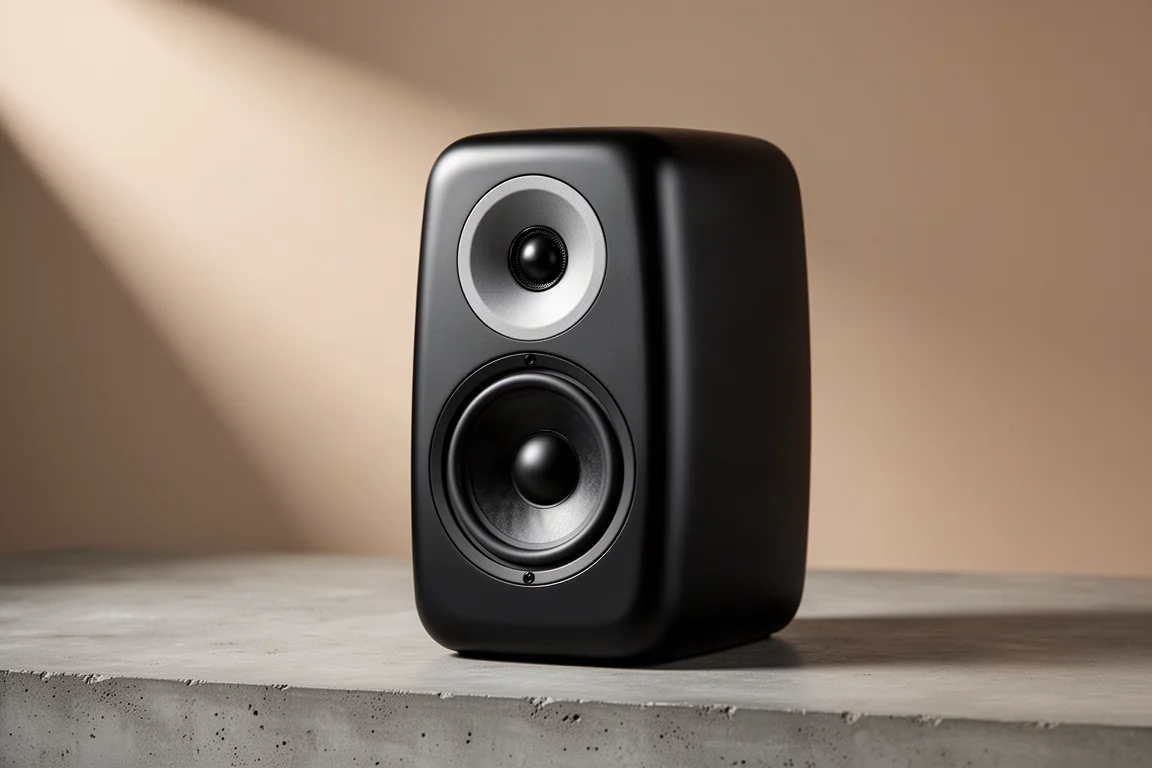
The Buchardt S400 Mark III is the replacement for the S400 Mark II, and this is not a mild refresh. Every part of the speaker has been changed: the tweeter, the mid-woofer, the waveguide, the cabinet dimensions and the rear panel. The result is a compact standmount that sounds bigger, bolder and more transparent than the model it replaces, while keeping the direct-to-listener sales model that Buchardt has built its name on.
Buchardt is a Danish manufacturer that sells direct worldwide. There are no dealers and no distributors between the factory and the buyer, and the price is the same wherever you are in the world. That structure matters, because it is a large part of how a speaker with this much engineering inside it reaches the price it does.
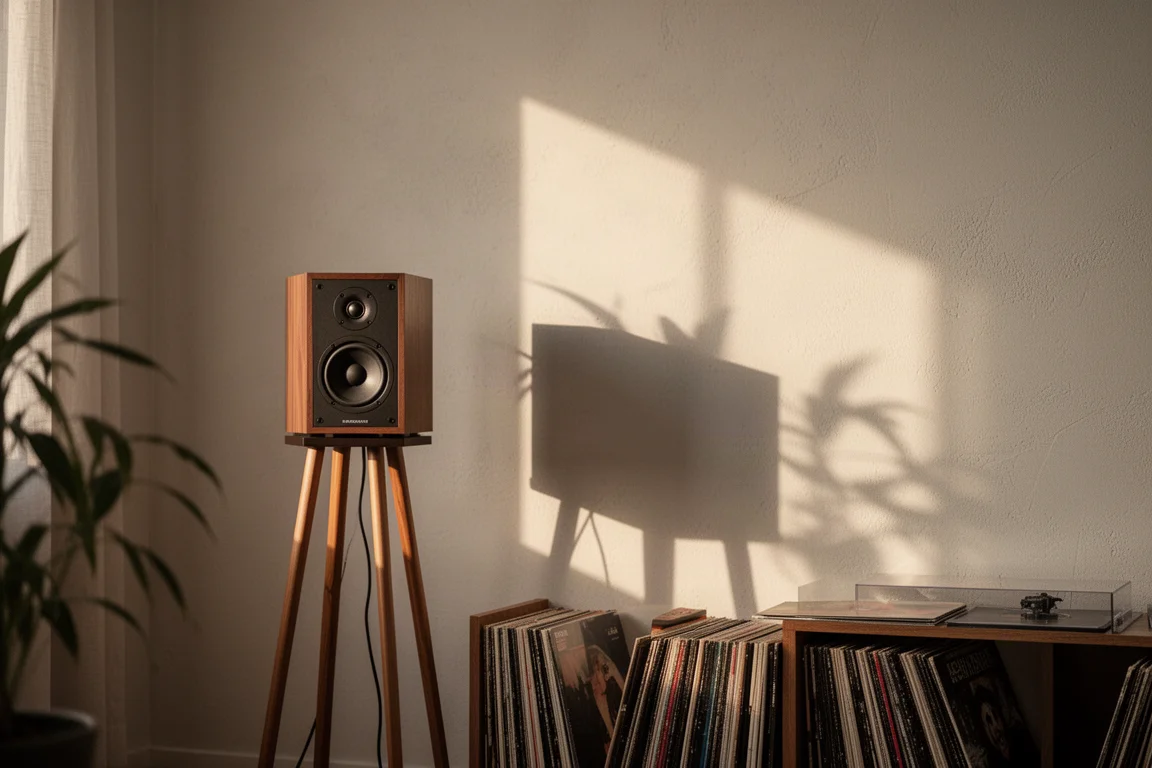
The first thing that stands out is scale. The S400 Mark III is a small speaker that moves a serious amount of air, and it does so without sounding strained. High frequencies are very transparent, the midrange stays clean, and the low end reaches far deeper than the cabinet size suggests. It is the kind of speaker that makes a room feel larger than it is.
Who the Buchardt S400 Mark III Is For
This is a speaker for listeners who want a small cabinet that behaves like something much bigger. If your room will not comfortably take a floorstander, but you are unwilling to give up weight, depth and presence in the low end, the S400 Mark III is aimed squarely at that gap.
It also suits listeners who do a lot of quiet, late-night listening. Small speakers often need extra volume before they connect with the music, and this one is noticeably better than average in that respect, so the system stays enjoyable at restrained levels.
Finally, it is a sensible target for anyone already running an S400 Mark II. The Mark III is a logical upgrade for that owner, since the changes touch every part of the design rather than a single component.
Main Strengths
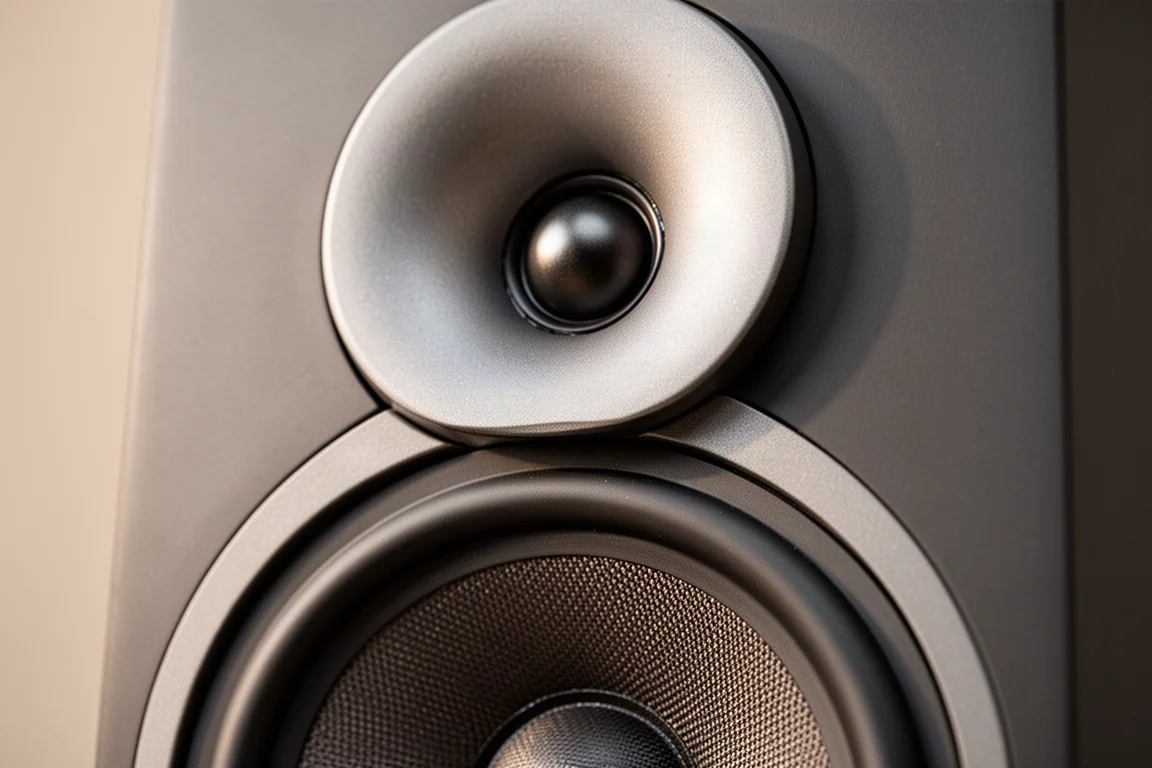
The driver complement is where the biggest changes begin. The Mark III uses a 26 mm aluminium dome tweeter with a neodymium magnet, a new design built specifically for this speaker by SB Acoustics. The Mark II used a 19 mm soft dome. Below it sits a 7.5 inch mid-woofer, also from SB Acoustics and also neodymium powered, where the Mark II used a 6 inch unit. In physical terms, that is a substantial increase in moving area.
The tweeter now sits above the woofer rather than below it, mounted in a larger cast aluminium waveguide. The rear of the waveguide is damped with a rubber-like material to control resonance, and the wider flare exists to blend the larger mid-woofer smoothly into the tweeter. The new tweeter-above-woofer layout came out of listening tests, and the change is obvious the moment a Mark III is placed beside a Mark II.
The cabinet is roughly 18 percent larger than the Mark II, and the rear panel is an even bigger departure. The large passive radiator of the Mark II is gone, replaced by an aluminium back panel and a bass port.
Sonically, the Mark III is bolder, more detailed and clearer than the Mark II, and more dynamically alive. That added clarity runs all the way down through the bass, which is where the new driver and the larger cabinet really pay off. It goes deep, and it does so with an authority that usually belongs to a much larger speaker.
Imaging is excellent. The speaker gets out of the way and places a wide, stable soundstage into the room, which makes it easy to follow individual instruments inside dense recordings. Dense instrumental material, from a 1987 Philip Glass dance record to brass-heavy, jazzy film-score pieces, was handled with real finesse, and live 1977 recordings came through with naturally balanced, open vocals.
How the Mark III Compares With the Mark II and the Klipsch Rebellion Heritage
The Mark II is a rich, full and spacious speaker with good detail, and it is remarkably easy to live with over long sessions. Listening fatigue is essentially absent. The Mark III keeps that overall balance but adds clarity, detail and dynamic life on top of it, and the improvement carries into the bass as well.
Against the Klipsch Rebellion Heritage, the picture changes depending on what you value. The Klipsch is a far more sensitive design at a rated 95 dB, and it is clearly more dynamically alive, with a stronger jump factor and a more forward, immediate character. It also holds its composure well when pushed into low to mid 90 dB peaks. The Mark III is the more laid-back of the two, but it makes more and better bass, and the Klipsch is comparatively light at the bottom. The net effect is that the Mark III sounds like the larger speaker of the pair.
Which one is better is genuinely a matter of taste. If maximum immediacy and sensitivity top your list, the Klipsch has the edge. If depth, weight and a relaxed, transparent presentation matter more, the Buchardt is the more complete package.
Things to Consider Before Buying
The S400 Mark III is a 4-ohm speaker. Buchardt rates sensitivity at 90 dB in room and 87 dB anechoic, which makes it a moderately high-sensitivity design, but the 4-ohm impedance still means it deserves an amplifier that is comfortable driving lower-impedance loads. A capable solid-state amplifier is the sensible match here.
Placement matters a great deal with a speaker of this size. Get it out into the room, roughly two feet from the wall behind it, and you will hear more of the direct sound and proportionally less of the wall reflection. When you are not listening, pushing the speakers back against the wall is a practical compromise, provided you pull them out again for focused sessions.
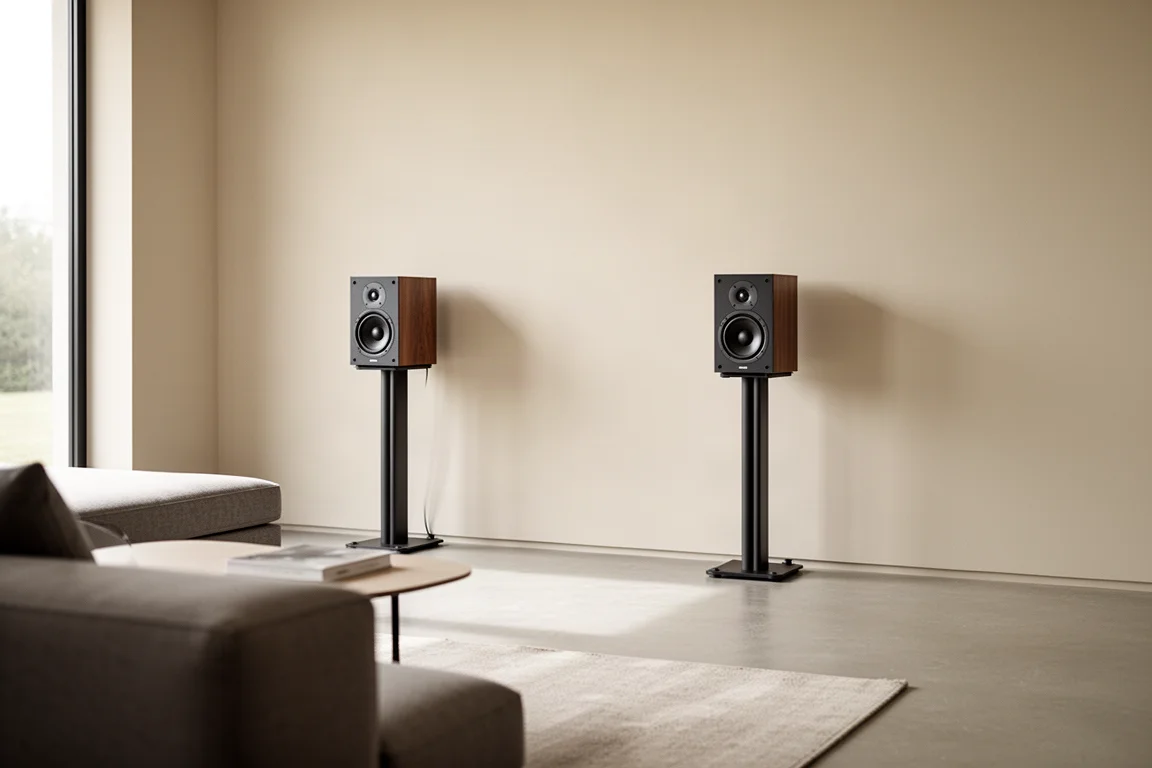
Buchardt offers a matching tripod stand with wooden legs that suits the speaker closely and stays very stable. On finishes, satin black and satin white are the standard options, while the walnut and oak real wood finishes carry an upcharge.
It is also worth noting that the rear of the cabinet now uses a bass port rather than the large passive radiator found on the Mark II, so the back panel is cleaner and flatter than before.
Buying Advice
The warranty is one of the strongest arguments for buying direct from Buchardt. Passive speakers are covered for 10 years, which is double what most speaker companies offer. For a product you intend to keep for a decade or more, that is a meaningful part of the value.
Pricing is the same everywhere in the world. A pair in satin black or satin white is 2,300 euros, which converts to 2,650 dollars in the United States. There are no shipping charges, no taxes, no duties and no import fees added on top. The walnut and oak real wood finishes cost extra.
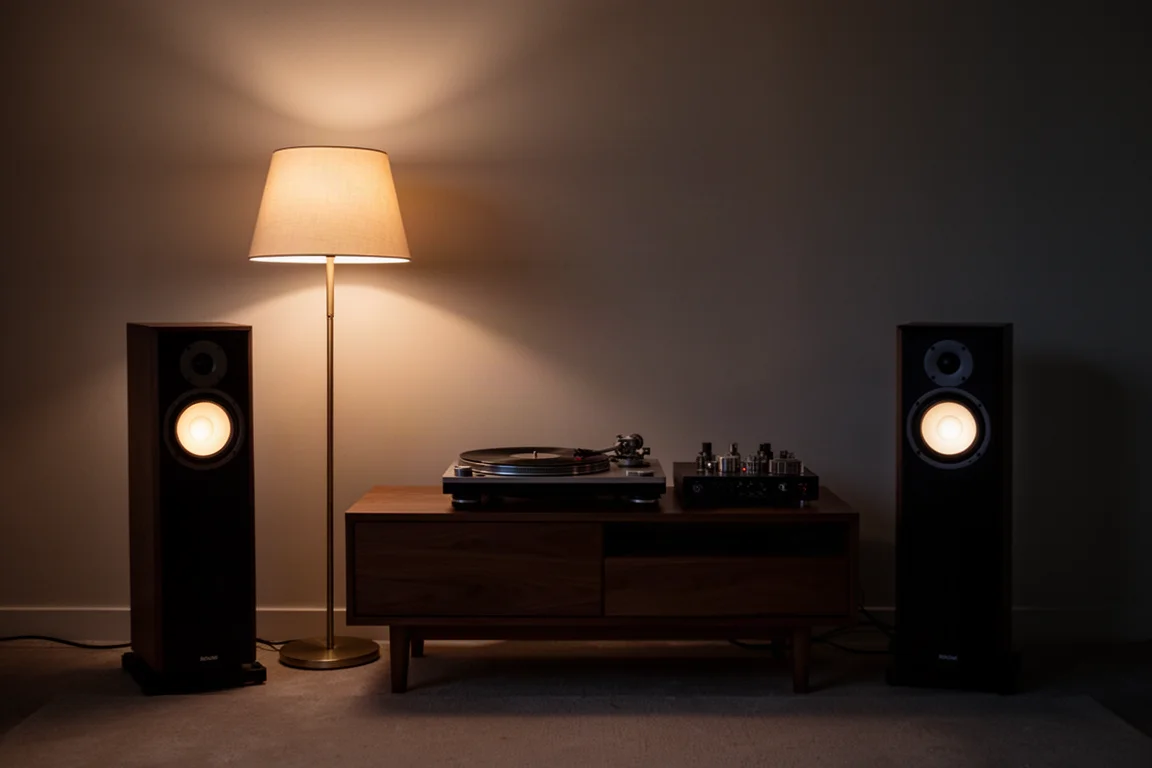
A 45-day home trial period takes most of the risk out of buying without hearing the speaker first, which matters when there is no dealer network to visit. If you own an S400 Mark II, the Mark III is a logical upgrade and a clear step forward in clarity, dynamics and bass. If you are already happy with the Mark II, there is no urgency, since it remains a comfortable and spacious speaker in its own right.
Conclusion
The Buchardt S400 Mark III is a well-considered redesign rather than a cosmetic update. A larger aluminium dome tweeter, a 7.5 inch mid-woofer, a cast aluminium waveguide and a bigger cabinet combine to deliver a small speaker that sounds bold, transparent and far larger than its dimensions suggest. Deep bass, excellent imaging and strong low-volume behaviour make it easy to live with, and the 10-year warranty, worldwide pricing and 45-day home trial make the direct-buy route straightforward. Pair it with an amplifier that handles a 4-ohm load, give it room to breathe, and it rewards the effort.
Product link
View more details for Buchardt S400 Mark III
This product is mentioned in the review. Check the specifications, options, and compatibility before buying.
View more details for Buchardt S400 Mark IIIFurther reading
Related Reviews
Hi-Fi Speakers
1723 THX Tower vs 1528 Bookshelf: Which Speaker Fits Your Room?
Two speakers at roughly the same price, built very differently. How the 1723 THX tower and the 1528 bookshelf compare on construction, bass, power needs, and sound.
Hi-Fi Speakers
Acoustic Energy AE 300 Review: Deep Bass From a Compact Standmount
A two-way standmount with real wood veneer, surprising low-end weight, and a warm, easygoing character. Here is what to know before buying.
Hi-Fi Speakers
Acoustic Energy AE1 40th Anniversary Review: A Modern Take on a British Classic
A compact standmount that revives a 1980s favorite with all-new parts, a warm mid-centric balance, and a price of £1,499 per pair.