Integrated Amplifiers
Buchardt I150 Review: A Class D Integrated Amplifier With Built-In Room Correction
A close look at the Buchardt I150, a 150-watt Class D integrated amplifier with Hypex modules, an ES9028 Pro DAC, and a room correction suite you can run from a phone.
Introduction
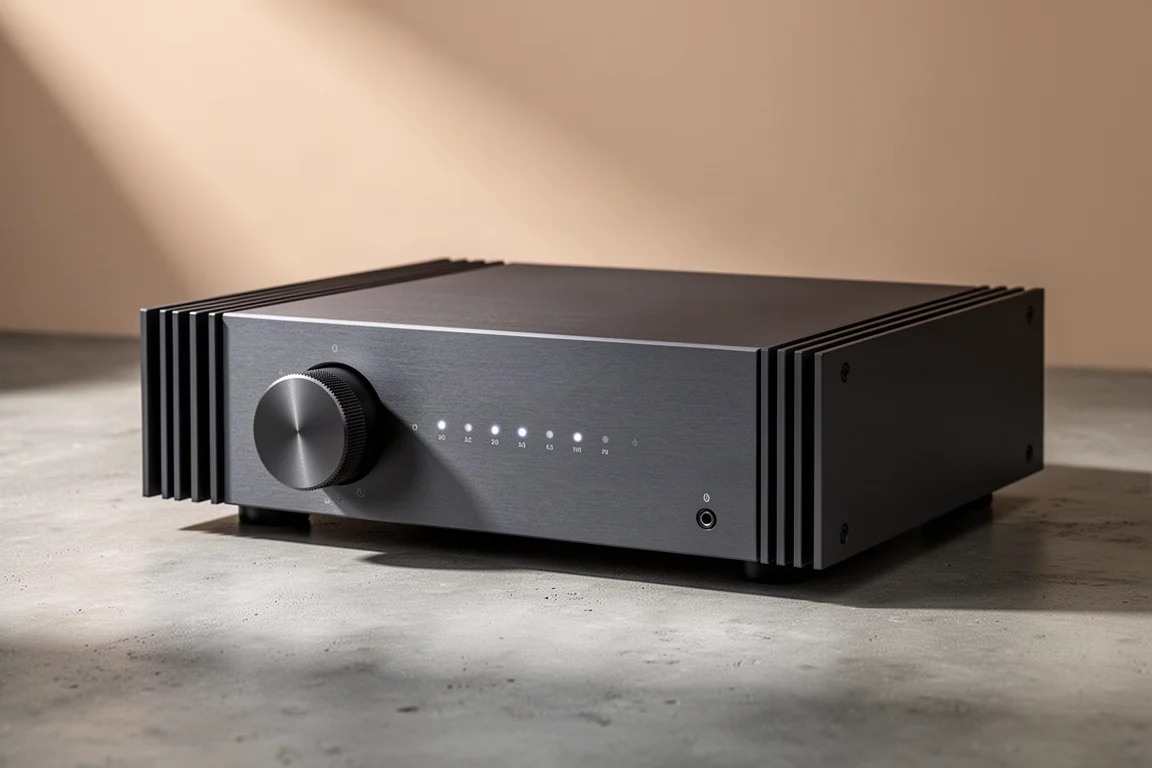
The Buchardt I150 is an integrated amplifier that covers two eras at once. Its output stage is modern Class D, built around Hypex modules and rated at 150 watts into 8 ohms and 300 watts into 4 ohms. Its preamp and DAC sections run from a linear power supply with an analog volume control, while the amplifier section draws on a separate Hypex power module. Splitting the supplies that way is the kind of detail that usually appears in much more expensive designs.
The asking price is 2,500 euros, which converts to roughly 2,680 US dollars or about 3,424 Canadian dollars. That number shapes every judgement about this amplifier, because there are plenty of cheaper routes to a lot of power.
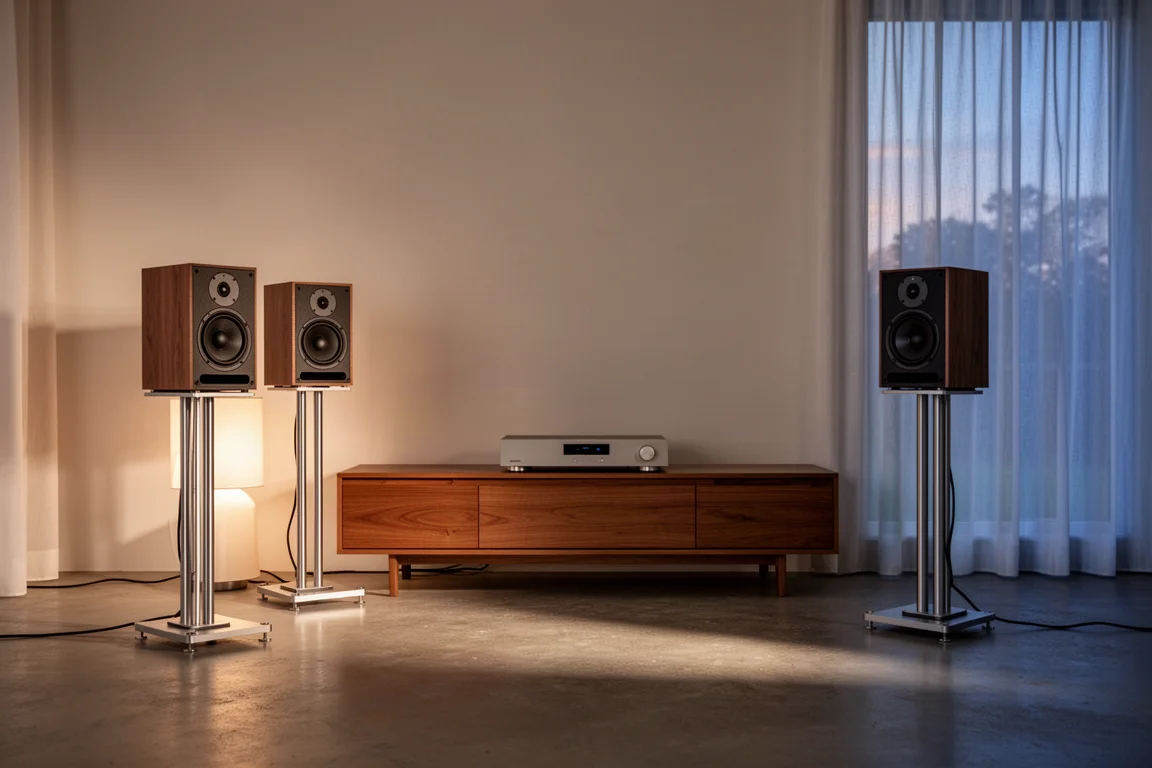
What makes the I150 interesting is not the wattage on its own, but how much processing and connectivity Buchardt has wrapped around it. Room correction, a full EQ suite, bass management, and a capable DAC are all built in, and those extras change what the amplifier is really competing against.
Who This Amplifier Is For
The I150 makes the most sense for listeners whose music arrives digitally. Bluetooth, coaxial, two optical inputs, and a full-size USB connection cover streaming, a disc player, a TV, and a computer without extra boxes. A CD player with an optical output can run through the internal DAC, so a single analog input is not automatically a problem.
Where it gets tighter is a system built around two analog sources. The I150 offers exactly one RCA input, so a turntable plus an outboard phono stage, or a favorite CD player used through its own converters, will need a plan. If that describes your setup, this is the point to think hardest about.
Main Strengths: Power, Connectivity, and Build
Power delivery is confident rather than merely adequate. The 150 watt rating into 8 ohms and 300 watts into 4 ohms suggests the amplifier will drive a wide range of speakers without strain, including compact stand-mounts that are efficient but still reward current.
The DAC section is a genuine highlight. The I150 uses an ES9028 Pro converter, a chip that appears in several more expensive standalone DACs, and the chip alone is said to cost around 72 dollars before the supporting circuitry is counted. Bluetooth covers aptX HD and AAC, which keeps wireless listening reasonable for both Android and Apple devices.
Around the back there are two subwoofer outputs, a set of preamp outputs, coaxial and dual optical S/PDIF connections, a full-size USB port, a Bluetooth module, and solid binding posts alongside an IEC socket and a master power switch. The chassis is heavy folded metal, roughly a quarter of an inch thick, with edges folded over the sides and back and ventilation holes cut into the flanks. Up front, a large volume knob, a row of eleven small LEDs, and a tiny power button keep the fascia clean.
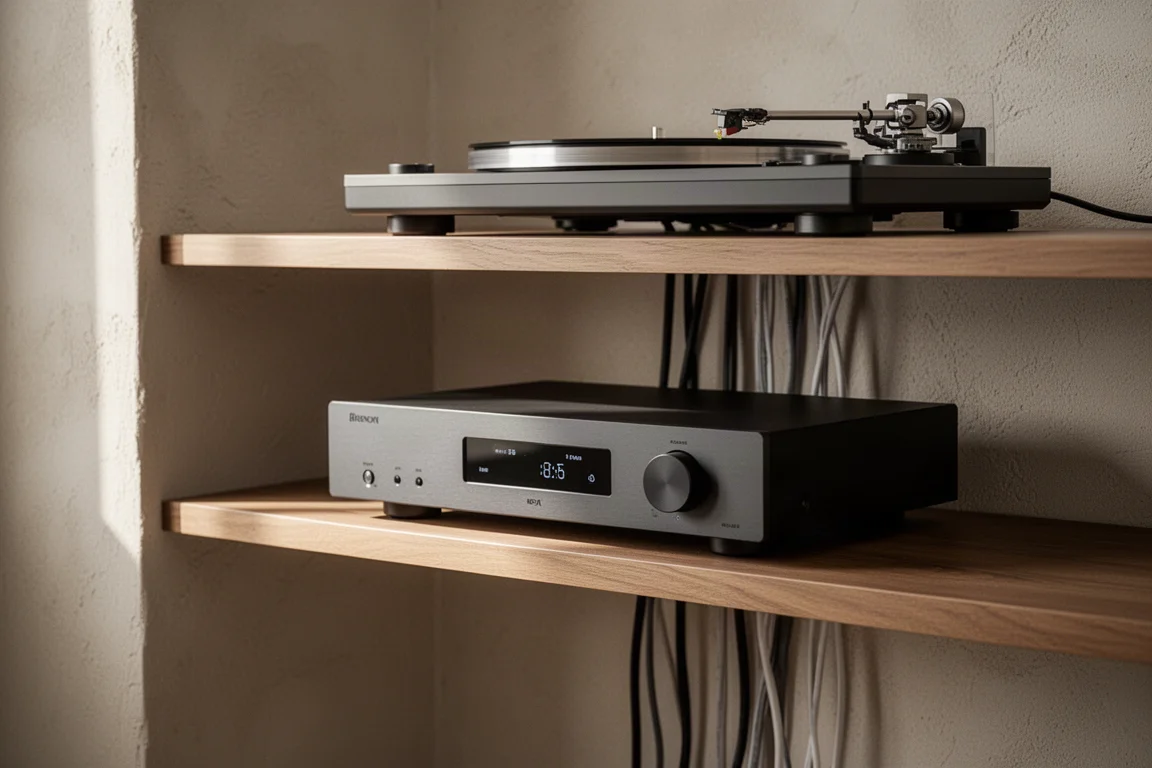
Ergonomics hold up well too. The remote is nicely made, the control app is straightforward, and setup is quick enough that the deeper features do not feel like a project.
Room Correction and DSP Built In
Room correction is the feature that separates the I150 from most amplifiers at this price. Buchardt’s own implementation can be run from an iPhone using the phone’s microphone, which removes the usual routine of moving a measurement mic around the room. It is quick and approachable, and that matters, because correction is far more useful when an owner will actually use it.
The correction is not the whole story. The app also provides a parametric EQ, shelving filters, and adjustable Q, so the width of a cut can be narrowed to a specific band or widened for a smoother result. Bass management and low-pass filtering are handled here as well, which is useful when subwoofers are part of the system. Buchardt describes the processing as lossless.
Sound Quality
Straight out of the box, with no EQ and no correction engaged, the I150 carries a trace of the dryness that Hypex-based amplifiers often show. It is not a sterile sound, though. The amplifier comes across as more dynamic than several other designs built on the same modules, and warmer than the NAD C338.
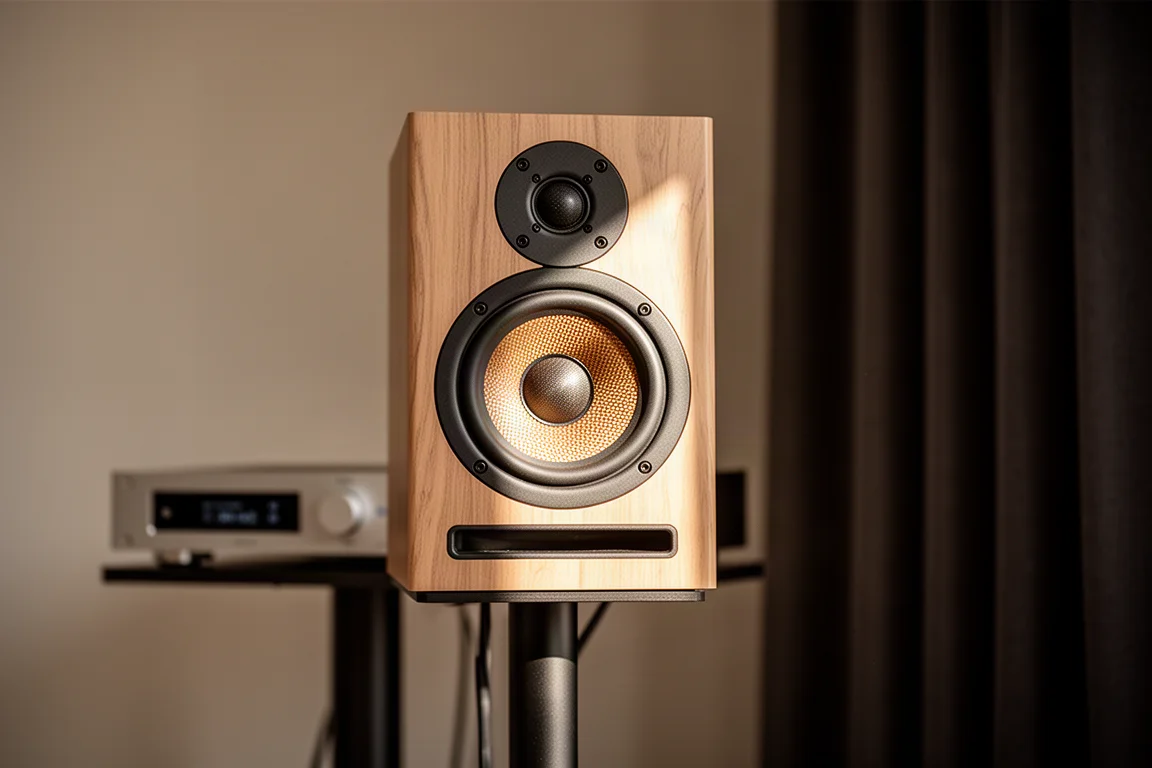
Detail retrieval is strong. Compared with a Class AB two-channel power amplifier such as the Emotiva XPA-2 Gen3, the I150 pulls out more low-level information, while the larger amplifier counters with greater dynamic swing and a wider soundstage. That gap narrows considerably once the DSP tools come into play. Running room correction from a phone trimmed a little bass in the system used for listening, and a small boost in the app brought back the punch around 70 Hz.
Pairing the amplifier with ELAC Uni-Fi 2.0 speakers showed how effortless the power delivery is. Those speakers are easier to drive than the first generation, but they still respond well to current, and the I150 had no trouble getting them moving.
Things to Consider Before Buying
Two issues deserve attention before ordering. The first is the single RCA input, which is a real limitation for analog-heavy systems. The second is price. At 2,500 euros the I150 asks a lot up front compared with building a system gradually over time.
Character is the other consideration. Listeners who prefer the lush, weighty presentation of an autoformer amplifier, or the warmer balance of models like the Denon PMA-600NE or the Cambridge AXA25 and AXA35, may find the I150 leaner than they want, even after EQ and correction. If that family of sound is your reference point, it is worth hearing this amplifier before committing.
Buying Advice
The value case becomes clearer when the built-in pieces are priced separately. A standalone DAC using the same ES9028 Pro converter is a meaningful expense, and the I150 effectively includes one. Room correction that works well enough to reduce the need for acoustic treatment can save several hundred dollars, and the bass management and DSP suite would otherwise cost a few hundred more in separate hardware. Subtract those items from the purchase price and the I150 sits much closer to conventional integrated amplifiers.
That logic only holds if the features will be used. An owner who never opens the app, never runs correction, and never connects a subwoofer is paying for capability that stays idle, and a simpler amplifier may be the smarter purchase.
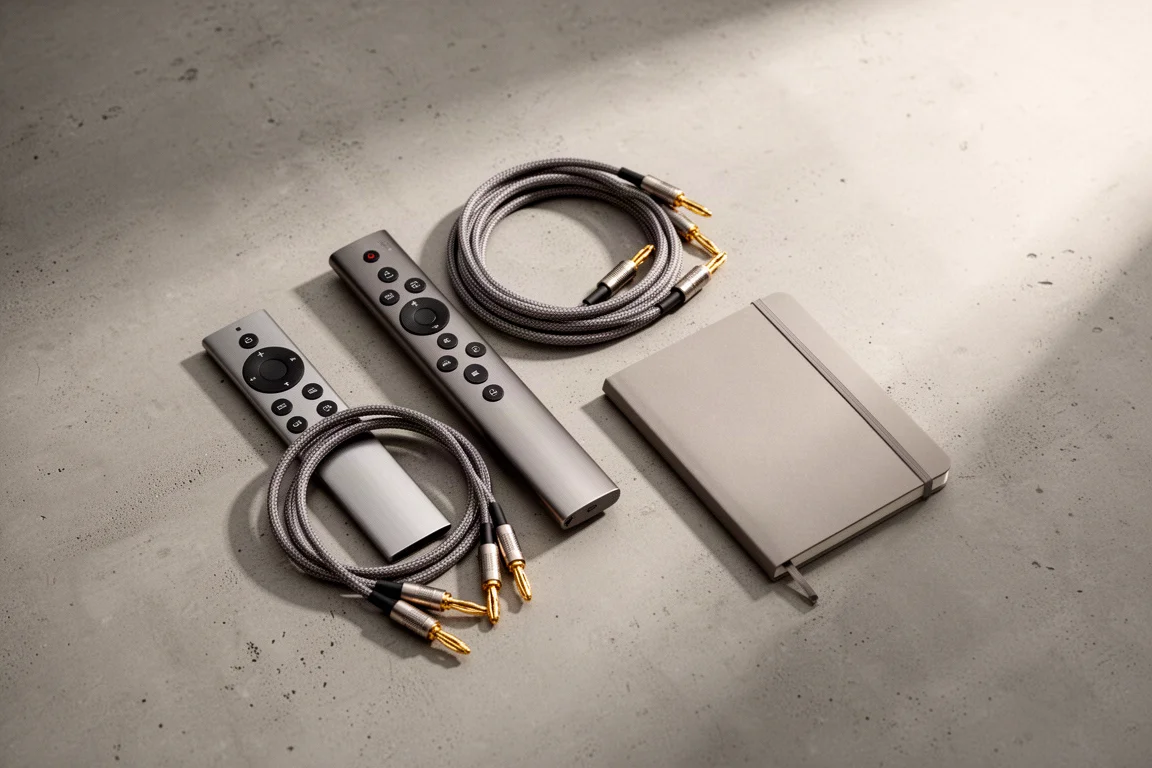
For everyone else, the I150 is easy to recommend. Among Class D amplifiers built on Hypex modules, it stands out as the most convincing performer in its class, and the way the preamp section is isolated from the output stage appears to be a large part of why.
Conclusion
The Buchardt I150 is a thoughtfully engineered integrated amplifier that combines serious power, a strong DAC, and a room correction suite in a single chassis. The single analog input and the price are the two real obstacles, and the slightly dry character will not suit every taste. For a digital-first system where the app’s tools will genuinely be used, it earns its place.
Product link
View more details for Buchardt I150
This product is mentioned in the review. Check the specifications, options, and compatibility before buying.
View more details for Buchardt I150Further reading
Related Reviews
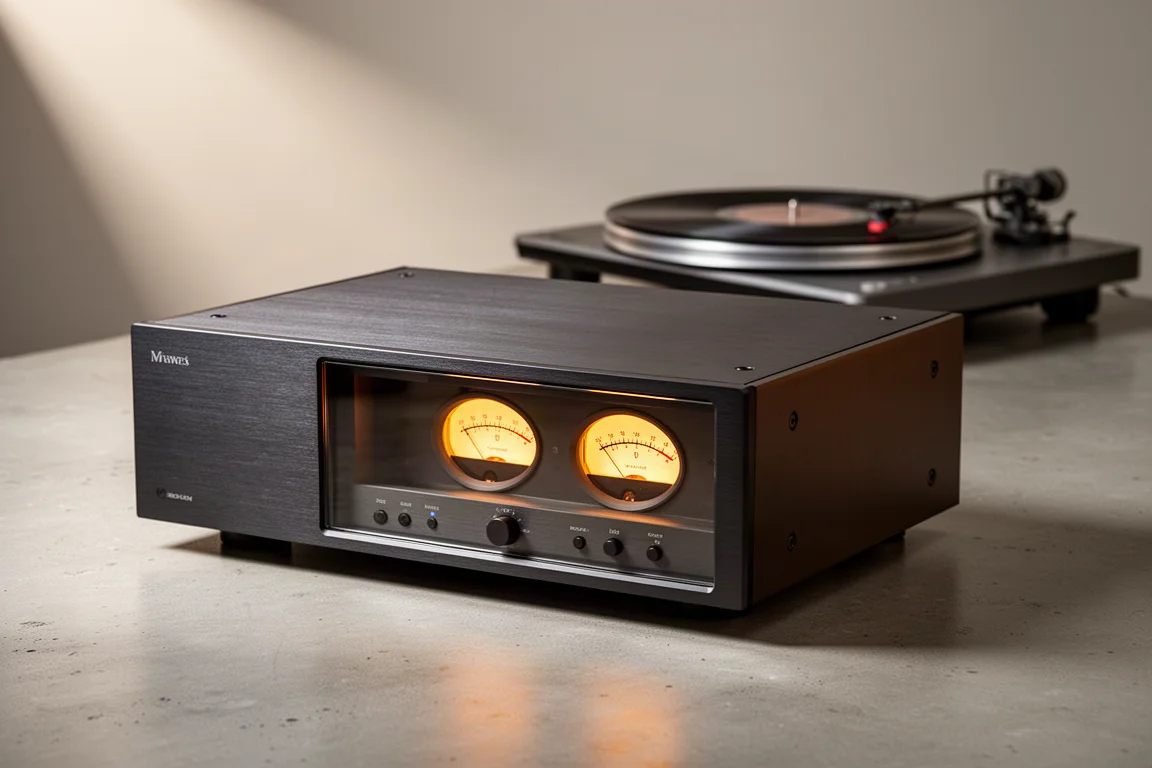
Integrated Amplifiers
Advance Paris A10 Classic Review: Vintage Looks and a Lively, Punchy Sound
The Advance Paris A10 Classic pairs glowing blue VU meters and a tube stage with one of the widest input sets on any integrated amplifier. Here is what it does well and what to weigh before spending $2,500.
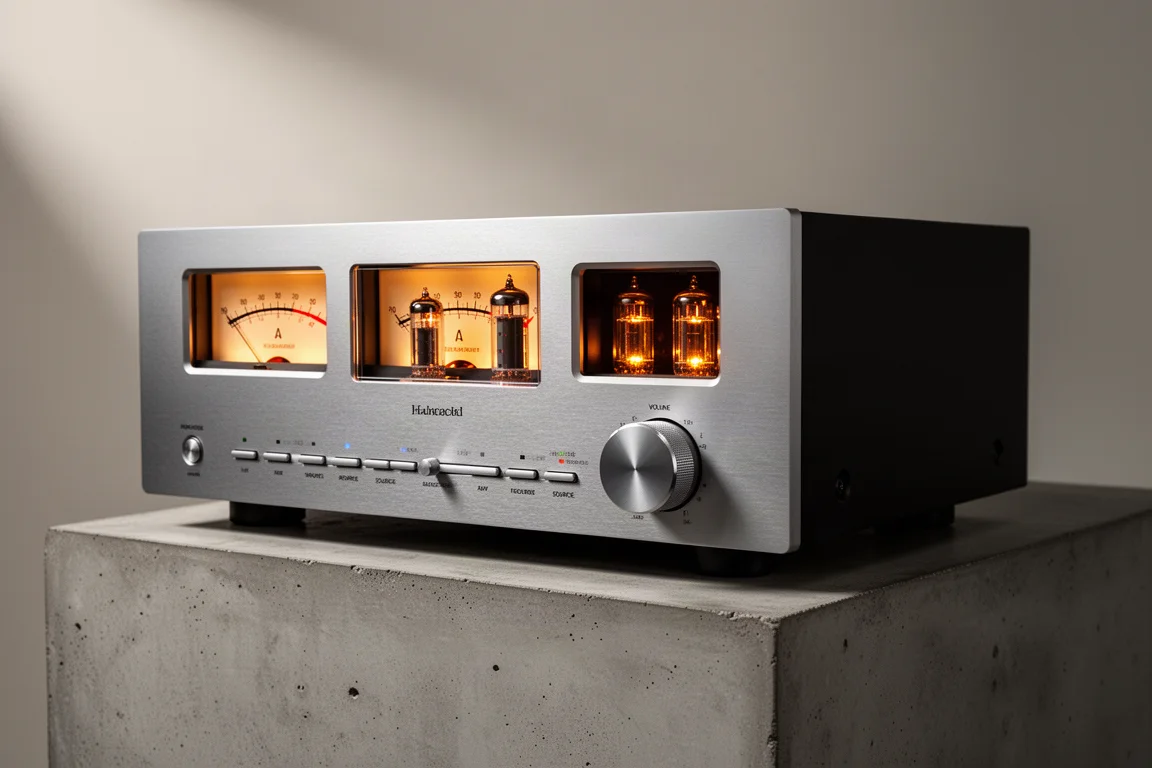
Integrated Amplifiers
Advance Paris A12 Apex Review: A Modern Integrated Amplifier With Vintage Character
A dual mono integrated amplifier with 180 watts per channel, a tube front end, VU meters, and a connectivity list that covers turntables, televisions, computers, and headphones.
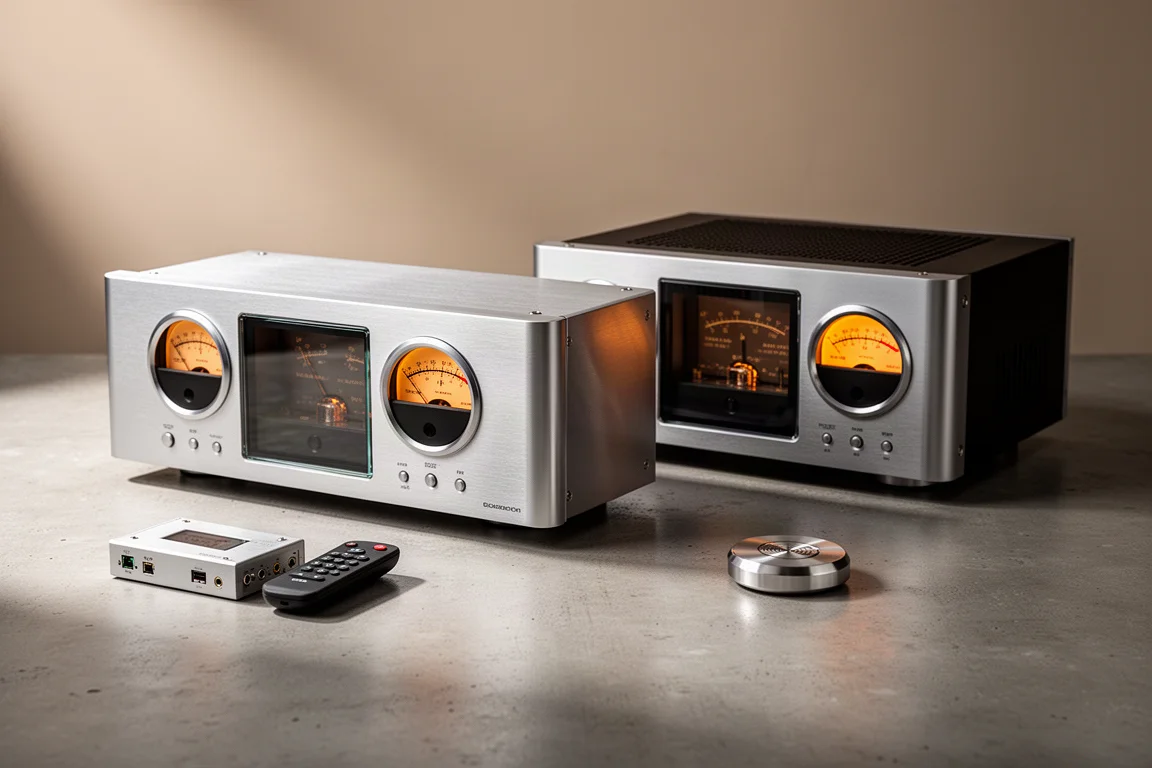
Integrated Amplifiers
Advance Paris Nova Range Review: AI130, AI190 and Modular Upgrades
A practical look at the Advance Paris Nova range, including the AI130 and AI190 integrated amplifiers and the modular streaming, Bluetooth and remote accessories that expand them.