Hi-Fi Speakers
Buchardt A10 10th Anniversary Review and Speaker Comparison
A close look at the Buchardt A10 10th Anniversary active speaker, plus how it compares with the passive Buchardt S400 Mark II and the floorstanding Zu Audio Dirty Weekend 6.
Introduction
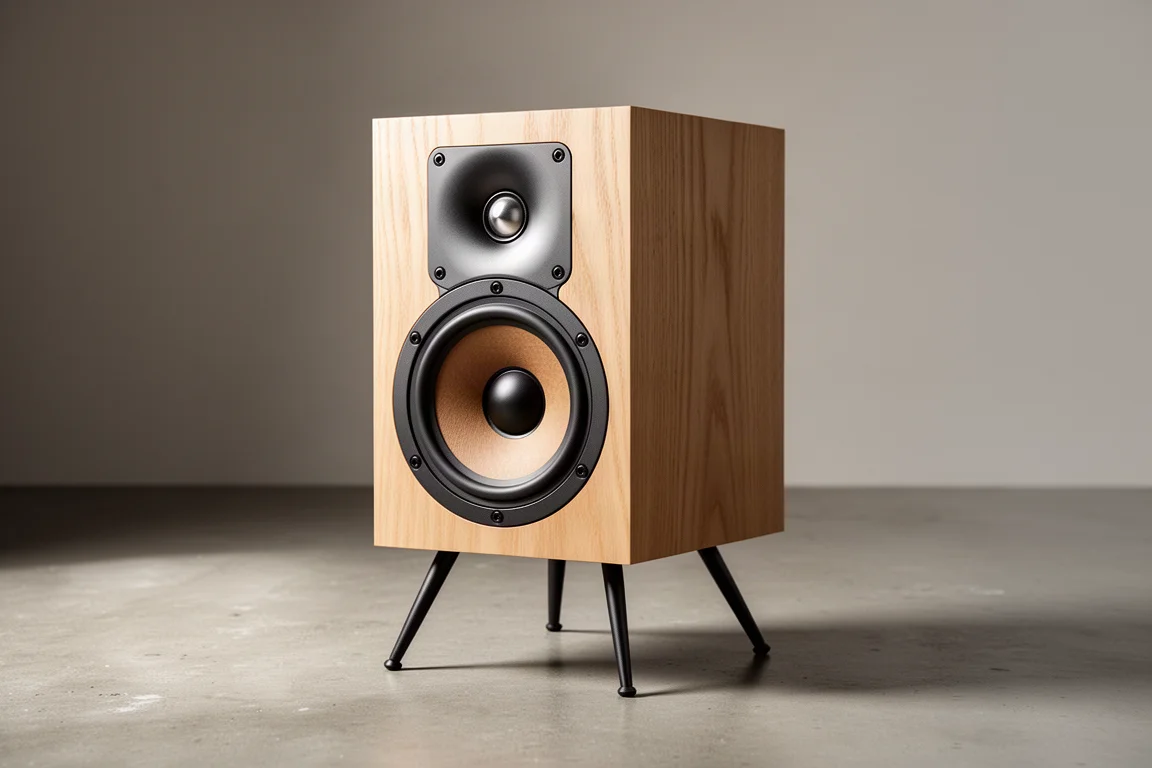
The Buchardt A10 10th Anniversary is a compact active speaker that stands under 15 inches tall, yet it reaches down to a claimed 28 Hz. That combination is unusual enough to make it worth a close look, and it is the reason this speaker sits in a different category from most small designs.
This guide covers what the A10 does well, where it asks for compromises, and how it compares with two very different alternatives: the passive Buchardt S400 Mark II and the floorstanding Zu Audio Dirty Weekend 6.
Why the Buchardt A10 10th Anniversary Stands Out
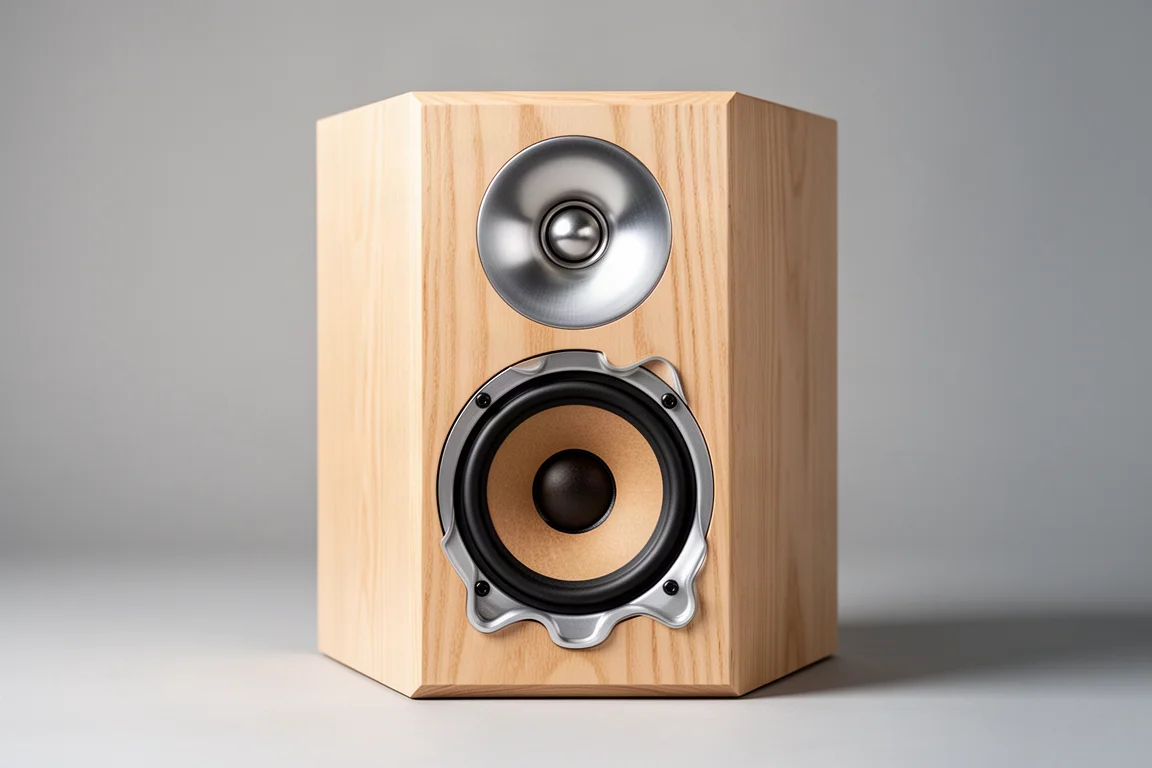
The A10 is an active, powered speaker built into a sealed cabinet, also known as an acoustic suspension design. It keeps the visual signature of the Buchardt range, including the deep cast aluminium waveguide that surrounds the tweeter, but it changes the recipe in two important ways. The tweeter is a 0.74 inch (19 mm) aluminium dome rather than the fabric soft dome used elsewhere in the range, and the cabinet is made from solid European ash rather than a veneer over MDF.
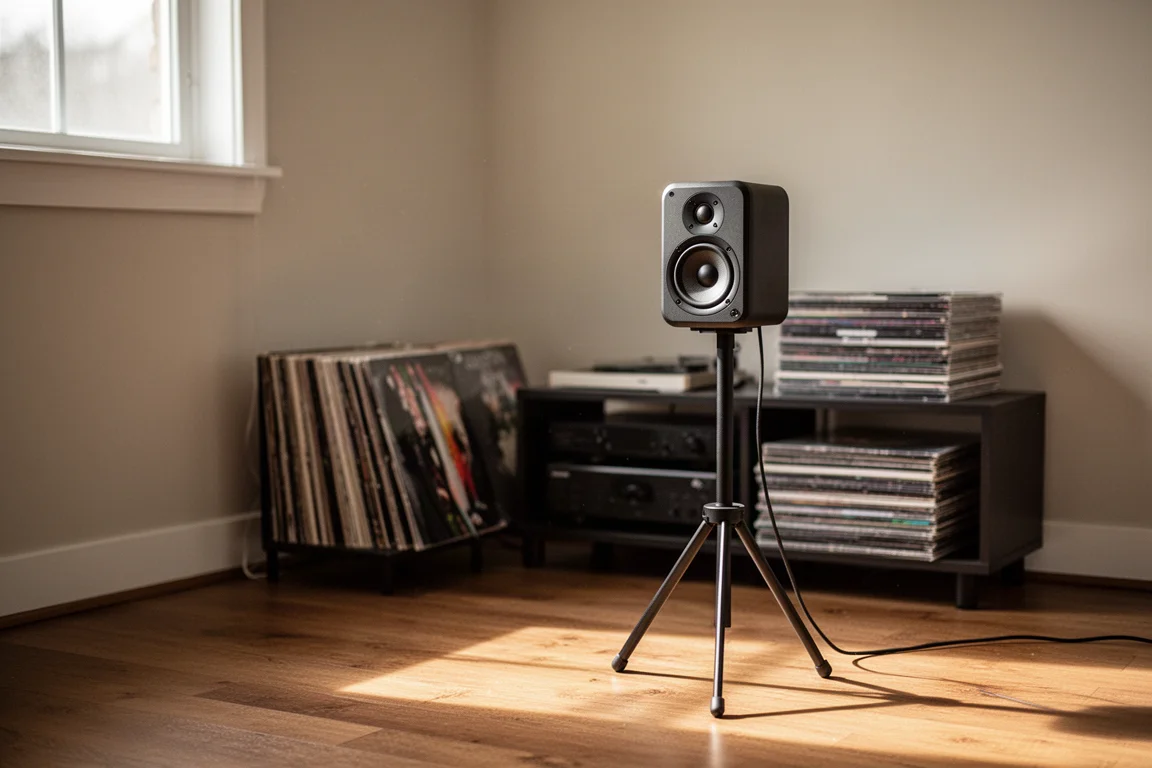
The cabinet has a very solid, substantial feel for its size, and the speaker is sold direct worldwide. Buchardt’s active models are often run wirelessly, but a wired analog connection is also available, and that is the setup used for the listening notes below.
Purifi Woofer, Class D Power, and a Solid Ash Cabinet
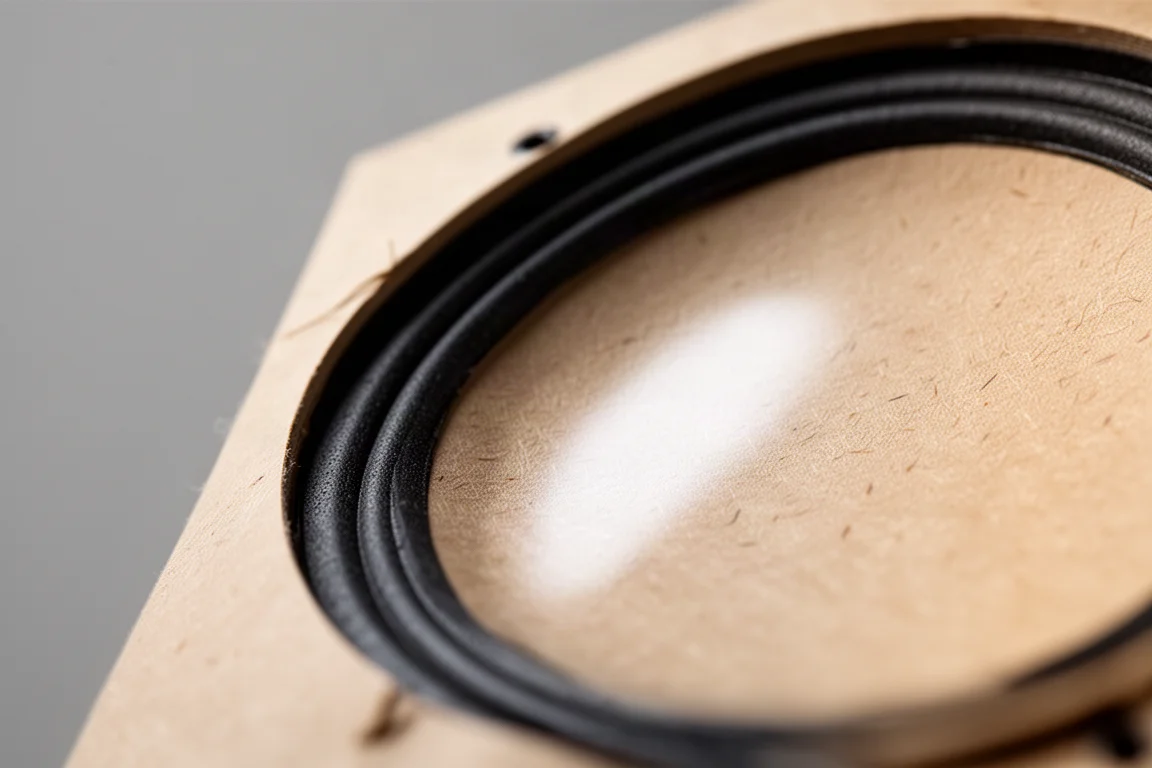
The 6.5 inch paper cone woofer is made by the Danish driver specialist Purifi, and it is a proprietary version built for Buchardt. It uses three voice coils, each driven by its own dedicated 50 W Class D amplifier, with a fourth Class D amplifier driving the aluminium dome tweeter. Purifi sells a similar driver separately for around $439 each, which gives a sense of how much of the design budget sits in the motor and cone assembly.
The rear panel also carries an unusually detailed country-of-origin disclosure. The electronics are made in China, the solid ash cabinet is made in Denmark, the Purifi driver is made in Denmark, the tweeter is made in Indonesia, and final assembly and quality control take place in Denmark. Warranty coverage runs to five years for the speaker and four years for the electronics when the purchase is registered with Buchardt.
Listening Notes on Bass, Transparency, and Room Size
Bass is the first thing that stands out. On bass-heavy material the A10 produced deep, powerful and unusually clear low frequencies for a speaker of this size, with a fast, tight character rather than a soft, rounded thump. The claimed extension to 28 Hz is credible in a small to midsize room, but it is not the same as what a dedicated subwoofer delivers, so listeners who want true subwoofer depth should still plan for one.
Tonally, the A10 avoids imposing a character of its own. A bass-heavy recording sounds bass-heavy, while an aggressive, midrange-forward rock record sounds forward and in your face, with very little low end to speak of. That transparency is the point of the design, and it means the speaker is at its most convincing with well-balanced recordings, including quieter material where a prominent vocal sits cleanly in the mix.
Where the A10 asks for care is room size and playback level. It does its best work in small to midsize rooms at moderate volumes. Pushed very loud, it runs out of headroom sooner than a larger floorstander, and the presentation becomes more forward and less composed.
Master Tunings and Wireless Options
One of the more distinctive features of Buchardt’s active speakers is the set of Master Tunings. These are alternative response curves that are loaded into the speaker from a USB stick inserted into the service port on the rear panel. Around ten are available, and they are free to download.
The flat tuning is the most neutral starting point. The warm tuning adds fullness and richness while shelving down some top-end detail, and it can sound too warm for listeners who already prefer the warm side of neutral. A nearfield tuning is also offered, and it works well at roughly one metre from the speaker, where the presentation feels more immersive. Even in nearfield use, the flat tuning remained the preferred setting here, which underlines the main point: these curves exist to be experimented with.
Wireless operation needs an optional hub, sold separately at around 300 euros. The A10 also accepts a wired analog input, which is immediately converted to PCM digital so the internal DSP can apply the selected tuning. A sensitivity switch on the rear panel offers plus 6, minus 6 and flat positions.
Buchardt S400 Mark II as the Relaxed Passive Alternative
The S400 Mark II is a passive speaker, so it needs an external power amplifier, and it costs roughly half as much as the A10. The two share a family resemblance but not a character.
Compared directly, the A10 is the more transparent of the two, with more inner detail, greater clarity and more top-end extension. Its bass also goes deeper and is tighter and faster. The S400 Mark II is more at ease and more relaxed, and it is noticeably less critical of harsh, bright, edgy or heavily compressed recordings. It has a sweetness and roundness that is easy to live with over long sessions, and difficult recordings are simply easier to listen to through it.
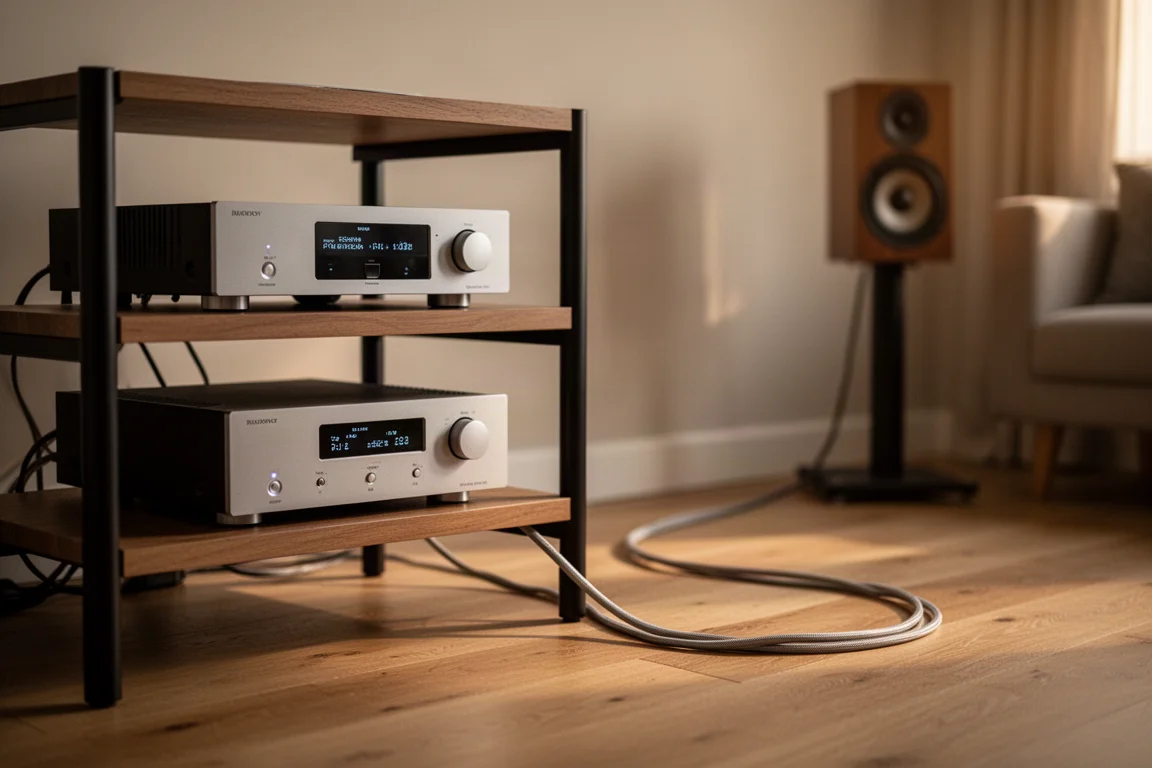
That difference defines the choice between them. The A10 rewards listeners who want maximum transparency and are willing to feed it good recordings. The S400 Mark II suits listeners who would rather step back slightly from that level of scrutiny, and it needs a power amplifier, which adds cost and one more component to the system.
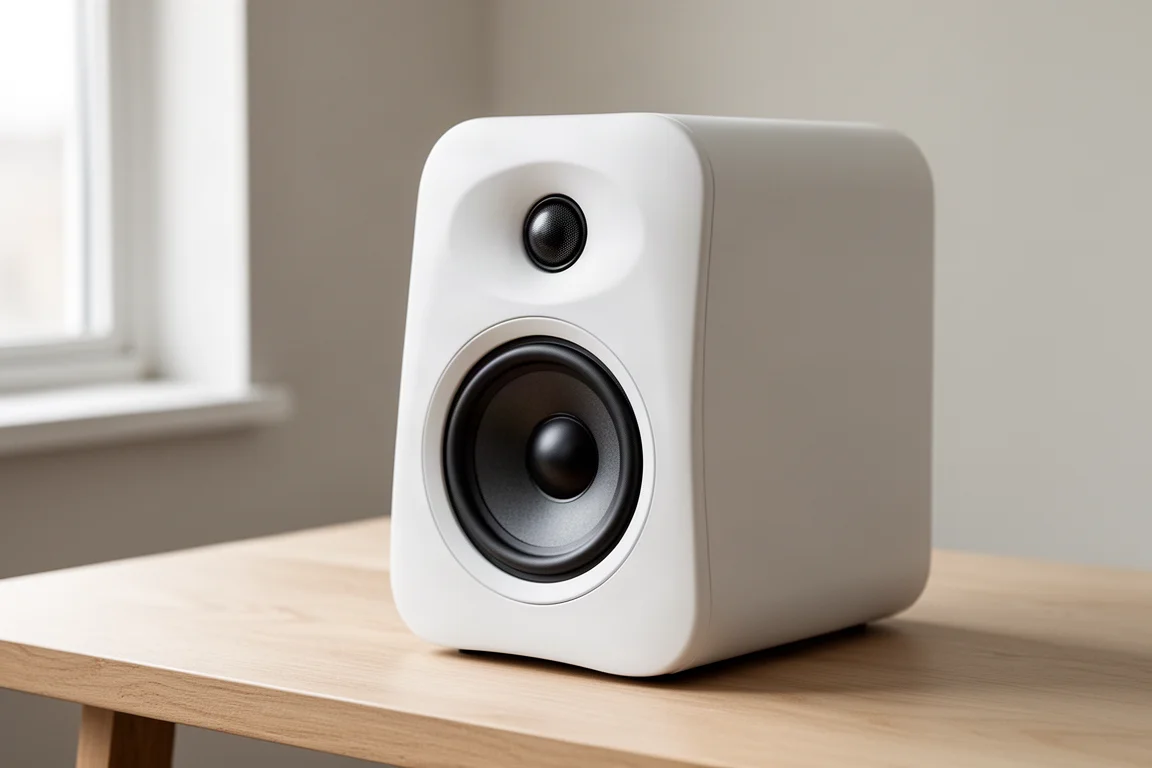
Zu Audio Dirty Weekend 6 and Floorstanding Dynamics
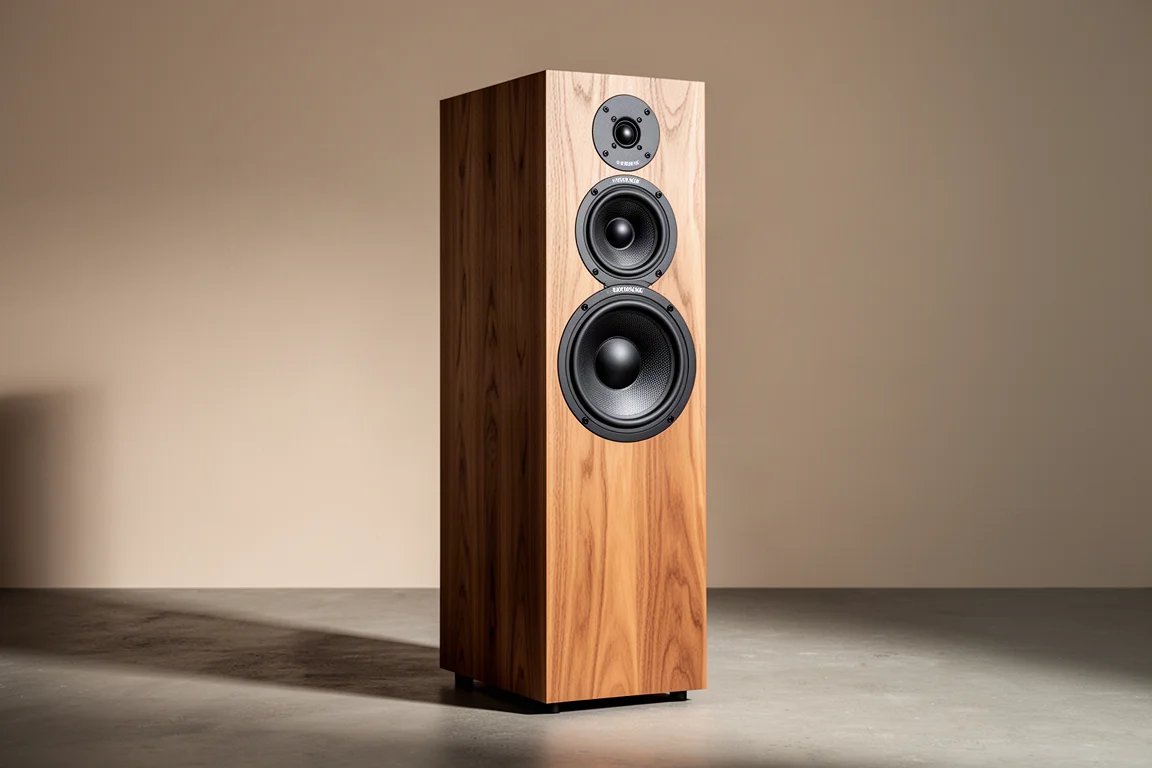
The Zu Audio Dirty Weekend 6 takes a different approach again. It is a floorstanding speaker built around a 10 inch full-range driver and a tweeter.
Against the A10, the floorstander gave up ground on bass and clarity. The A10 produced deeper, more powerful and better-defined low frequencies, and it sounded the clearer of the two. Where the Dirty Weekend 6 pulled clearly ahead was dynamics. On recordings with wide soft-to-loud contrasts it had the advantage, and it could also play louder with ease, which is precisely where the smaller active speaker runs out of room.
Buying Advice for Matching a Speaker to Your Room
Room size and listening habits should decide this more than any single specification. If the system lives in a small or midsize room, if listening levels are moderate, and if transparency plus an adjustable sound are the priorities, the A10 is a strong candidate. Its Master Tunings move the balance toward warm or toward nearfield listening without any hardware change, and the sealed cabinet and Purifi-based woofer deliver bass that is unusual for the size.
If a more forgiving, relaxed presentation matters more, and a separate power amplifier is acceptable, the S400 Mark II is the calmer option at roughly half the price. If the room is larger, if loud playback is part of the plan, and if dynamic contrast matters above all, a floorstander such as the Dirty Weekend 6 makes more sense.
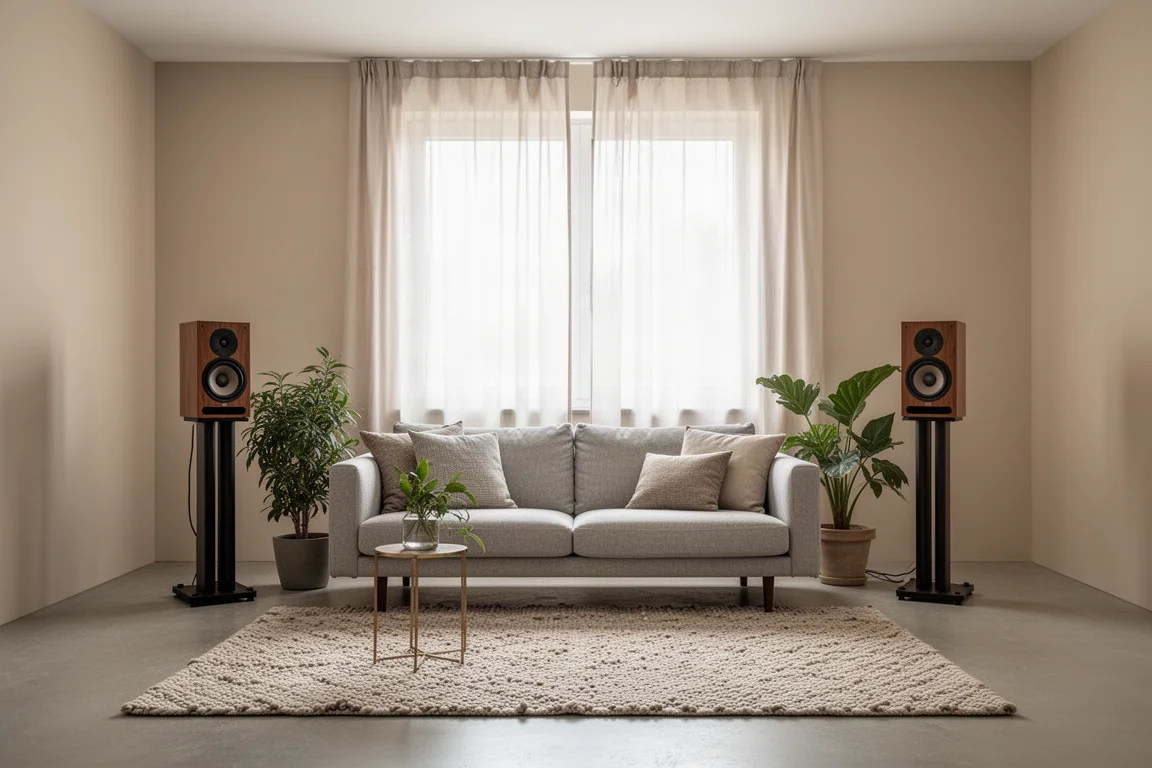
Two practical points apply to the A10. First, its deep bass is not a substitute for a subwoofer, so anyone who wants serious low-frequency output for films or electronic music should budget for one. Second, wireless operation needs the optional hub, so a wired setup is the simpler route.
Conclusion
The Buchardt A10 10th Anniversary is an impressive piece of design. It is a speaker under 15 inches tall that produces bass with depth, speed and clarity that is hard to find at this size, and its Master Tunings make it unusually adaptable to a room and a taste. It is also honest about its limits: it shines in small to midsize rooms at moderate levels, it rewards good recordings and exposes poor ones, and it does not replace a subwoofer.
For listeners who want a transparent, highly adjustable active speaker, it is a convincing choice. For those who prefer a more relaxed presentation, or who need floorstanding dynamics, the alternatives covered here make the decision a straightforward one.
Further reading
Related Reviews
Hi-Fi Speakers
1723 THX Tower vs 1528 Bookshelf: Which Speaker Fits Your Room?
Two speakers at roughly the same price, built very differently. How the 1723 THX tower and the 1528 bookshelf compare on construction, bass, power needs, and sound.
Hi-Fi Speakers
Acoustic Energy AE 300 Review: Deep Bass From a Compact Standmount
A two-way standmount with real wood veneer, surprising low-end weight, and a warm, easygoing character. Here is what to know before buying.
Hi-Fi Speakers
Acoustic Energy AE1 40th Anniversary Review: A Modern Take on a British Classic
A compact standmount that revives a 1980s favorite with all-new parts, a warm mid-centric balance, and a price of £1,499 per pair.