Integrated Amplifiers
Bryston B60 Integrated Amplifier Review: A 27-Year-Old Amp Brought Back to New
A restored Bryston B60 integrated amplifier, the Back to the Future restoration program behind it, and what to weigh before buying vintage gear.
Introduction
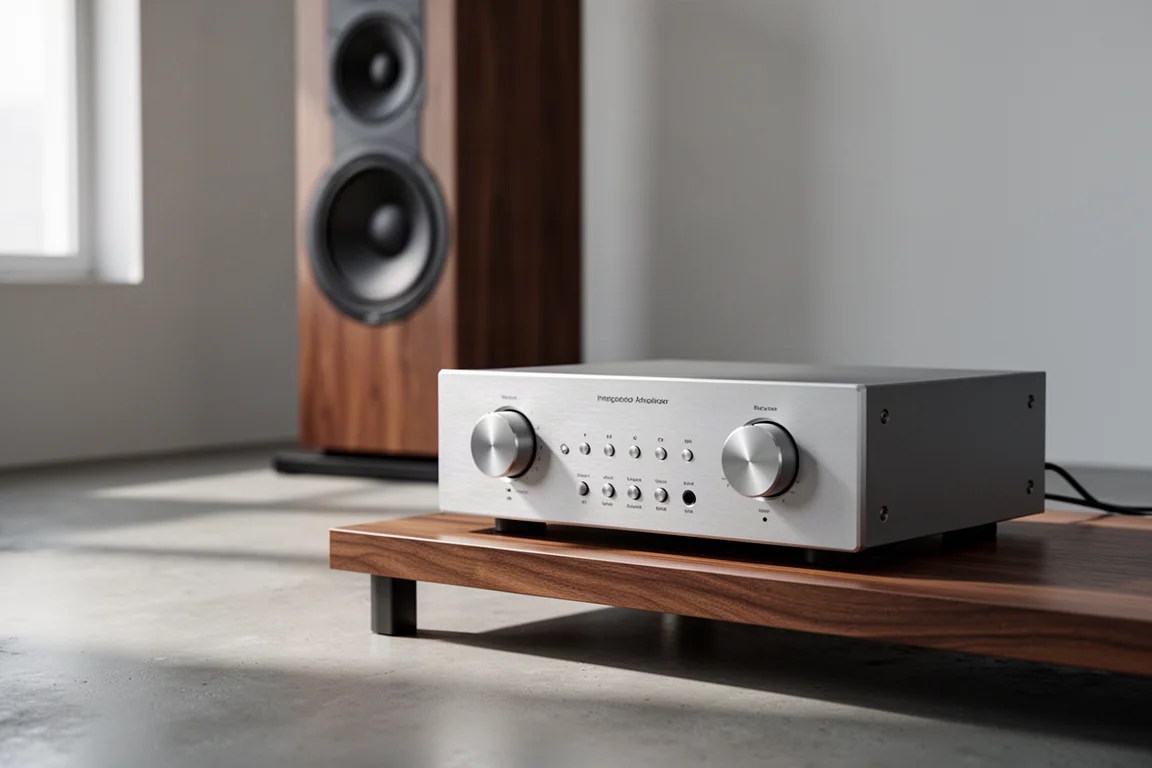
Bryston is a Canadian manufacturer that has been building power amplifiers and preamplifiers since the 1970s. What sets the company apart for long-term owners is not only the hardware but the support behind it: a 20-year warranty on current products, and a restoration service called Back to the Future that returns older amplifiers to the condition they left the factory in.
This article looks at the Bryston B60 integrated amplifier, a 27-year-old unit that has been through the complete restoration process, and what that means for anyone weighing up a vintage Bryston against a brand-new one.
What Bryston’s Back to the Future Program Does
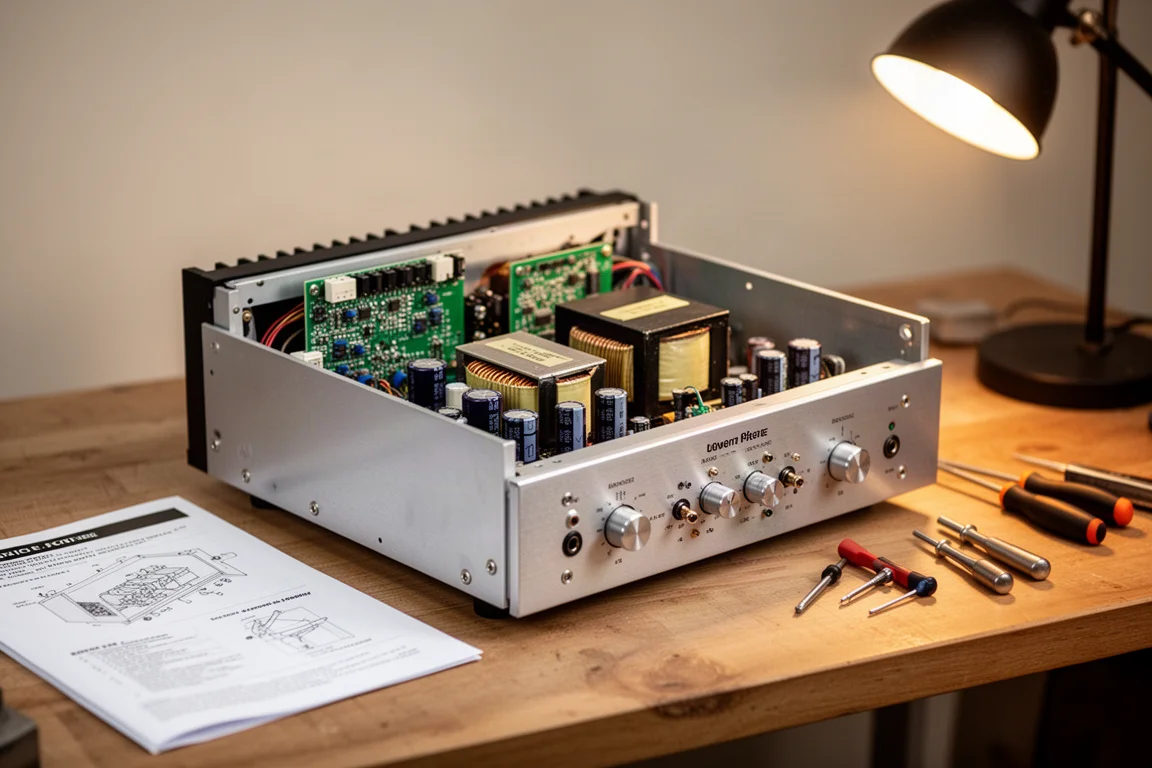
The program is organised into three restoration tiers, and owners can choose any combination of them rather than committing to all three at once. Tier one is a complete checkout of every part inside the amplifier, with any component that needs replacing swapped out. Tier two deals with cosmetics, including a new faceplate. Tier three replaces the output transistors, the parts most likely to have drifted after decades of use.
The reason the service can be so precise is that Bryston keeps complete measurement records for the amplifiers it has built, based on extensive testing when each unit was new. Those files allow the company to bring a decades-old amplifier back to the performance it delivered originally. The program is currently available in North America only, although there are plans to extend it to more customers.
For an owner, the practical appeal is straightforward. Buying vintage electronics normally means accepting that a 40-year-old amplifier will not behave like a new one. Here, the age of the unit stops being the deciding factor.
Who the Bryston B60 Integrated Amplifier Is For
The B60 is a compact integrated amplifier rated at 60 watts per channel into 8 ohms and 100 watts per channel into 4 ohms, with a headphone jack on board. It suits two broad groups of listeners.
The first is existing Bryston owners whose amplifiers are getting on in years and who want them brought back to like-new condition. The second is buyers who deliberately seek out older Bryston equipment on the secondhand market, have it restored, and end up with a vintage amplifier that performs properly rather than one that arrives with unknown faults.
Main Strengths: Transparent, Neutral Sound
The restored B60 was put through its paces with Magnepan LRS Plus speakers, a low-sensitivity design rated at 4 ohms that dips below that figure and is genuinely difficult to drive. The pairing came across as transparent, clear and precise. Nothing tipped into brightness, and nothing felt soft or rounded off. The sense was of hearing everything that was in the recording, with the amplifier staying out of the way.
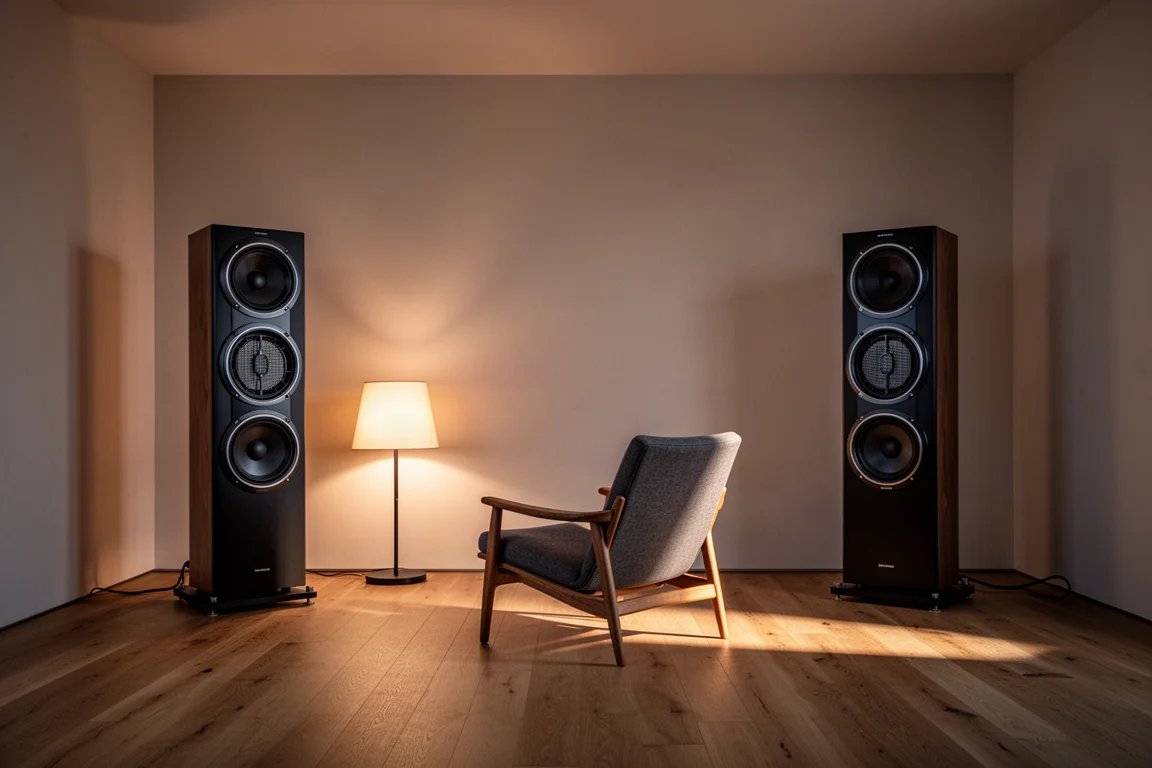
That neutrality matters more than raw wattage with demanding speakers, and it is the quality that stands out most in this pairing.
Headphone Listening and Subwoofer Integration
The headphone output is not an afterthought. With Audeze LCD-2 headphones, the built-in headphone amplifier performed well and delivered a satisfying result.
On the speaker side, adding a REL T/0 subwoofer through the B60’s speaker outputs evened out the tonal balance of the Magnepan LRS Plus, which is a little light in the bass on its own. Dialled in carefully, the subwoofer made the Magnepans sound like larger speakers, with the low end appearing to come from the main speakers rather than from a separate box.
Recordings from MA Recordings, captured live to two-track with a pair of microphones on high stands and no dynamic range compression or equalisation, showed what the system could do: three-dimensional, holographic and full of space. Moving to Radiohead’s Amnesiac made the contrast obvious. That album is heavily compressed and processed by design, so it sounded smaller dynamically and less alive, but it remained dense, textured and detailed, with spacious artificial reverb and vocals that sat exactly right.
Switching to KEF LS50 Meta speakers produced a smaller soundstage and less sense of spaciousness, since these are box speakers with point-source drivers, but the imaging was more precise and the presentation more conventional. The LS50 Meta is a high-resolution speaker in its own right. The Magnepan is arguably more revealing still, but it needs to be placed well out into the room to give its best, which makes the KEF the easier speaker to live with day to day.
How the Restoration Tiers Work in Practice
The unit examined here belongs to a Bryston customer who opted for the complete restoration, taking in tier one, tier two and tier three together, at a cost of roughly $2,000. That is serious money for an amplifier of this age, and Bryston does not claim that a restored B60 is the same thing as a current model.
For context, a new Bryston B135 integrated amplifier sells for $6,995. Set against that figure, and against the quality of the parts and the company standing behind the work, the restoration cost is easier to justify. A restored B60 also comes with a three-year warranty on the completed work.
Owners of Bryston products less than 20 years old have an additional advantage, since those units fall under the 20-year warranty and some of the work involved in bringing them back to specification can be carried out at no cost.
Things to Consider Before Buying
Availability is the first constraint. The Back to the Future program is currently offered in North America only, so buyers elsewhere may need to wait until it expands.
Cost is the second. A full three-tier restoration runs to around $2,000, which is a meaningful outlay on top of whatever the amplifier itself costs. The tiers can be taken individually, so a partial restoration is possible, but the full package is where the money goes.
Expectations are the third. A restored B60 is not a new Bryston integrated amplifier, and the company makes no claim that it is. What the program delivers is a decades-old amplifier returned to its original measured performance, backed by a three-year warranty on the restoration.
Finally, consider the rest of the system. The B60 is comfortable with difficult loads such as the Magnepan LRS Plus, but speakers of that type need generous space around them to perform at their best. If room placement is tight, a conventional box speaker is the more practical partner.
Buying Advice: Is a Restored B60 Worth It?
There are two clear routes here. If you already own a Bryston amplifier that is getting old, the program is a way to extend its working life considerably instead of replacing it. If you are shopping for a vintage Bryston, buying an older unit and having it restored is an avenue that did not exist before, and it can work out cheaper than buying new.
The deciding factor is what you want from the purchase. Buyers who value long-term support, documented performance and a warranty over the latest model number will find the value proposition convincing. Buyers who simply want a current integrated amplifier should compare against a new Bryston rather than a restored one.
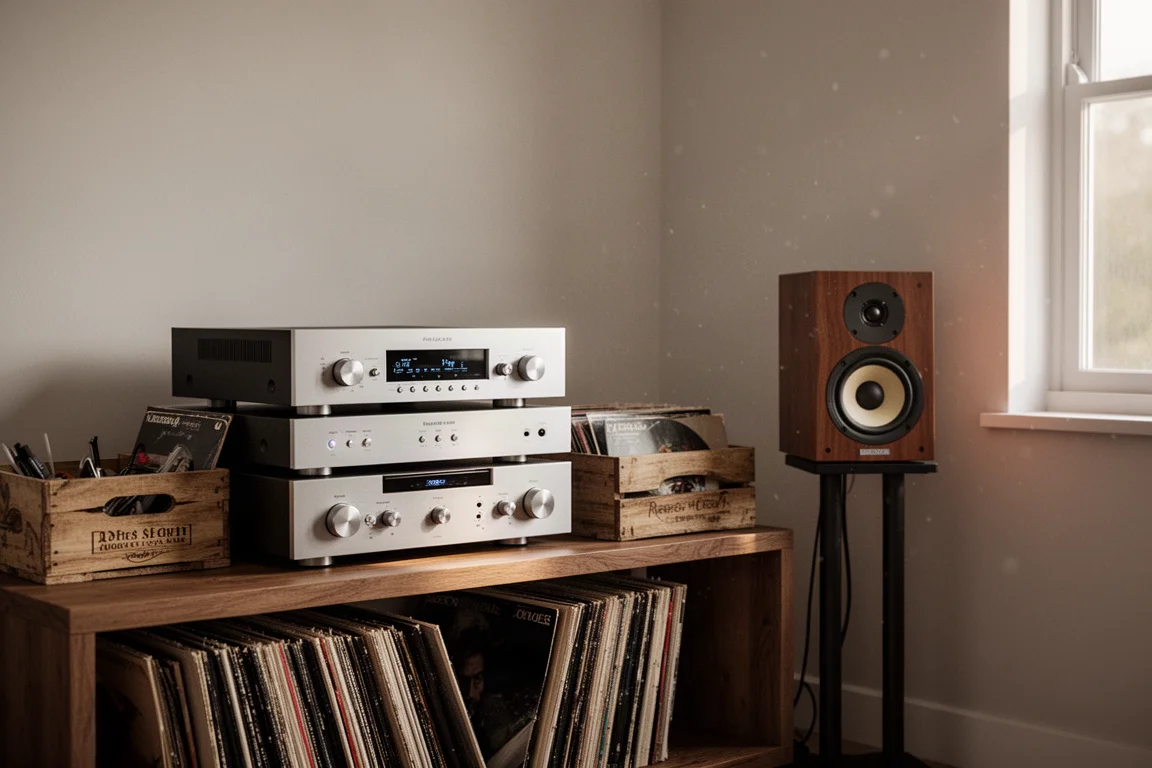
Either way, the existence of the program changes the risk calculation on older Bryston gear. That alone makes it worth knowing about before you commit to a purchase.
Conclusion
The Bryston B60 integrated amplifier, restored through the Back to the Future program, delivers transparent, neutral sound, a capable headphone output and enough drive for demanding speakers. The full restoration is not inexpensive, and the program is limited to North America for now, but the combination of documented measurements, tiered service options and a three-year warranty on the work makes a 27-year-old amplifier a far more sensible purchase than its age suggests.
Product link
View more details for Bryston B60 Integrated Amplifier
This product is mentioned in the review. Check the specifications, options, and compatibility before buying.
View more details for Bryston B60 Integrated AmplifierFurther reading
Related Reviews
Integrated Amplifiers
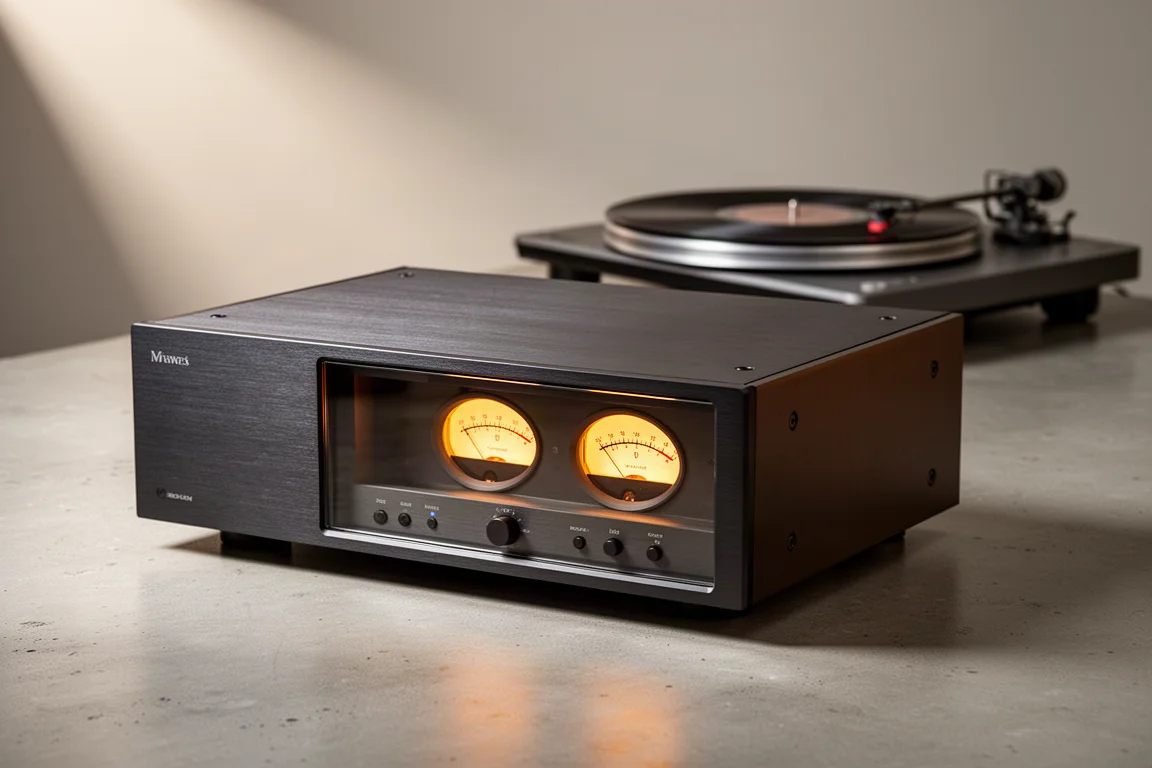
Advance Paris A10 Classic Review: Vintage Looks and a Lively, Punchy Sound
The Advance Paris A10 Classic pairs glowing blue VU meters and a tube stage with one of the widest input sets on any integrated amplifier. Here is what it does well and what to weigh before spending $2,500.
Integrated Amplifiers
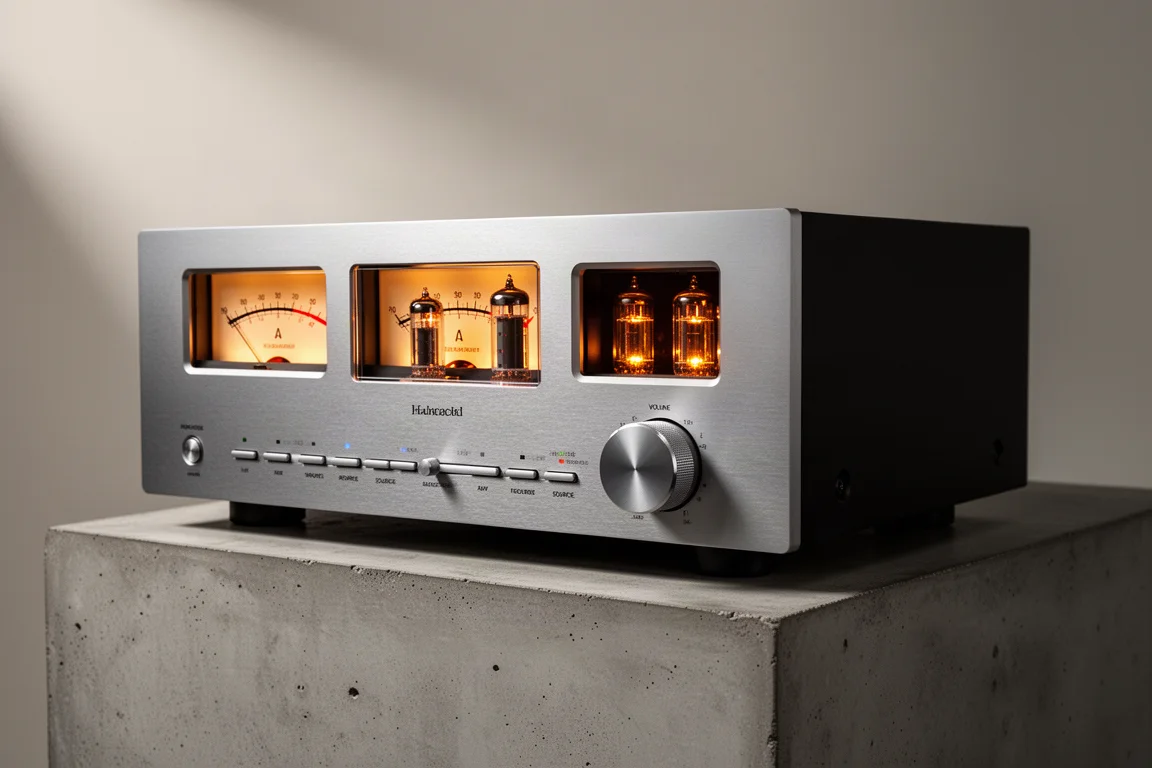
Advance Paris A12 Apex Review: A Modern Integrated Amplifier With Vintage Character
A dual mono integrated amplifier with 180 watts per channel, a tube front end, VU meters, and a connectivity list that covers turntables, televisions, computers, and headphones.
Integrated Amplifiers
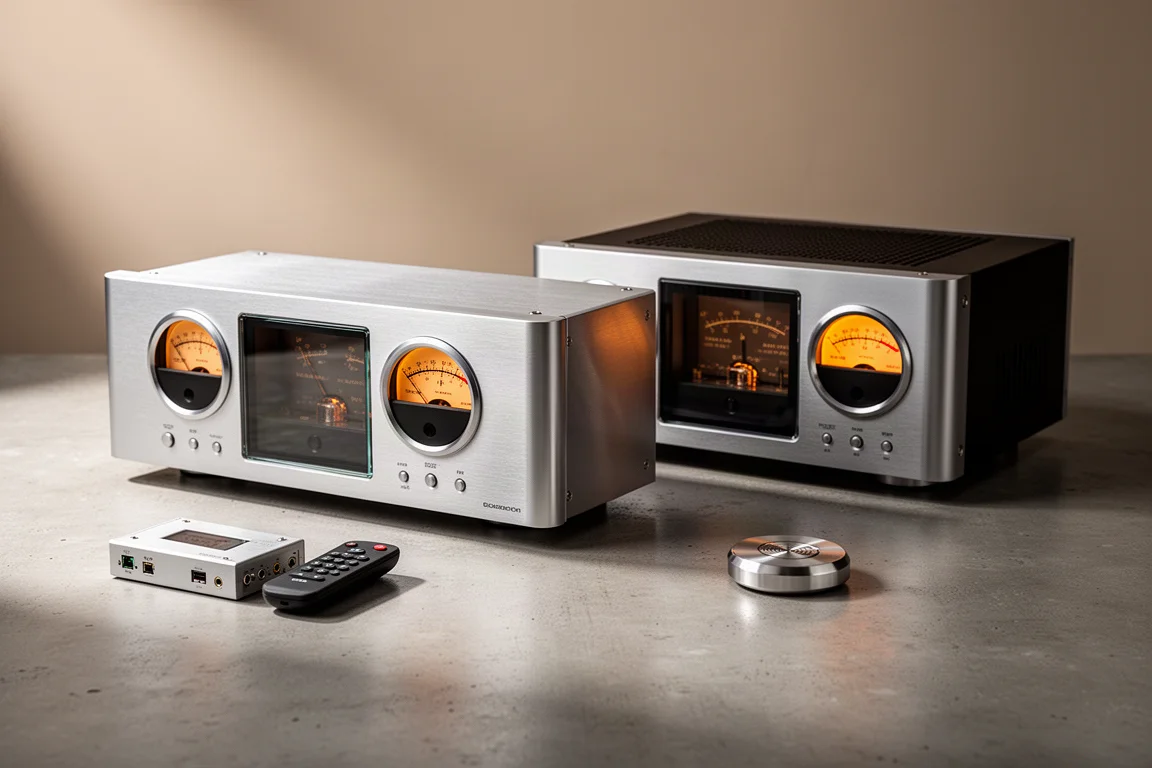
Advance Paris Nova Range Review: AI130, AI190 and Modular Upgrades
A practical look at the Advance Paris Nova range, including the AI130 and AI190 integrated amplifiers and the modular streaming, Bluetooth and remote accessories that expand them.