Folding Bikes
Brompton T Line Review: Titanium, Carbon and the Lightest Brompton Yet
A practical look at the Brompton T Line, the titanium folding bike with carbon components, a redesigned rear triangle, and a price of around £4,000.
Introduction
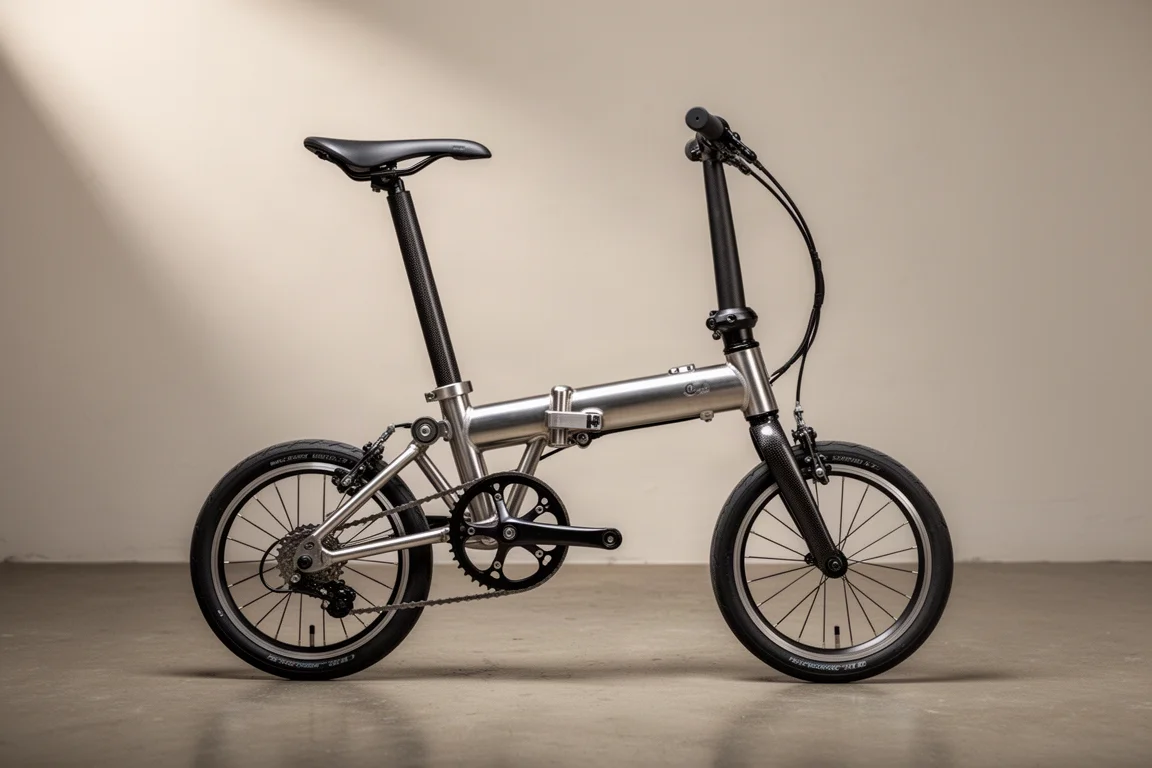
The Brompton T Line is the lightest Brompton the company has produced, and the first to move the frame away from the steel construction that has defined the brand for around thirty years. Titanium replaces steel here, and it is joined by a carbon fork, carbon handlebars and a carbon crank.
The scope of the redesign is unusually broad for a folding bike. Everything on the T Line has been re-engineered or redesigned, and the brakes are the only parts shared with the rest of the Brompton range. That level of change explains both the appeal of the bike and its price, which sits at roughly £4,000.
Two versions are available. The lighter one-speed model is quoted at 7.45 kg, which is less than many road bikes. The bike featured here is the heavier of the two, a four-speed version that uses a compact shifter system intended for riders living in hillier cities.
Who this product is for
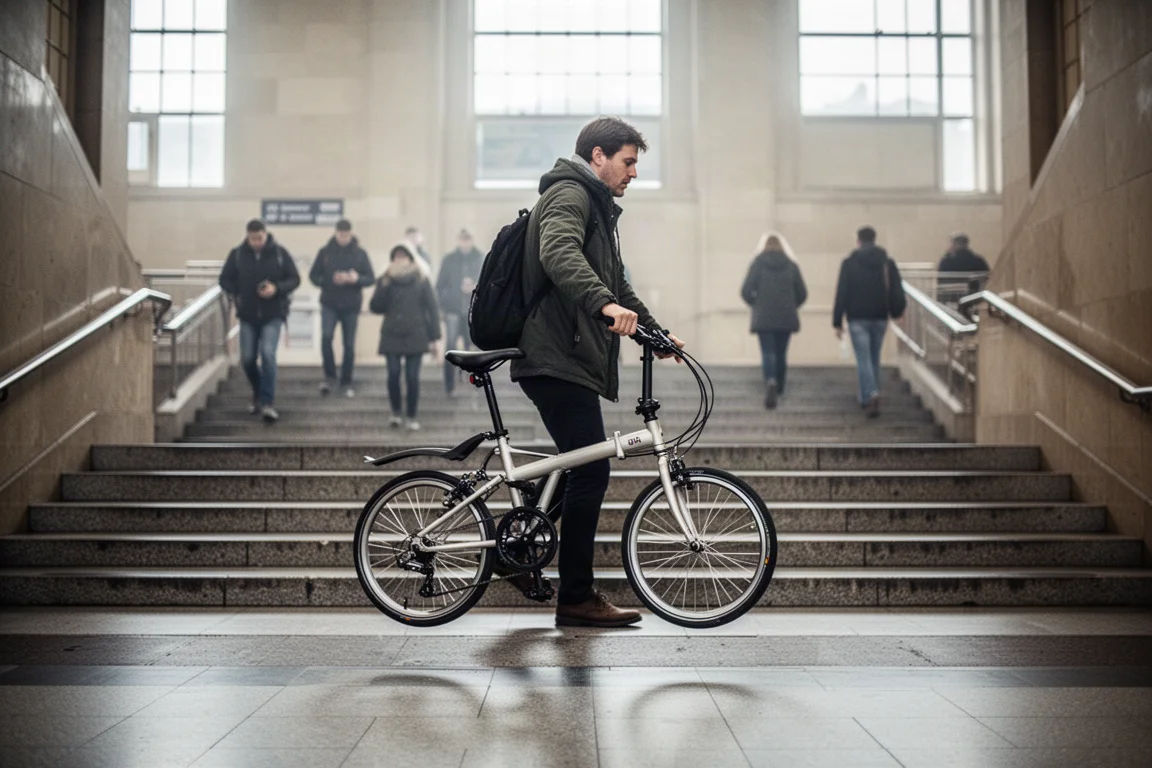
This is a bike for people who fold and carry rather than simply ride. A Brompton is designed to be taken onto a train, a bus or into an office, and the T Line makes that routine noticeably easier by cutting weight wherever possible. The titanium frame, carbon components and lightweight wheels all serve the same goal: making the folded package easier to lift, carry and store.
The one-speed version makes the most sense for riders in flat cities, where a single gear is enough and the lower weight is the priority. The four-speed version tested here suits riders in hillier places who want a little more range without giving up the folding format. Anyone who already values the compact footprint of a Brompton but has found the standard models heavy to carry is the clearest candidate for this bike.
Main strengths
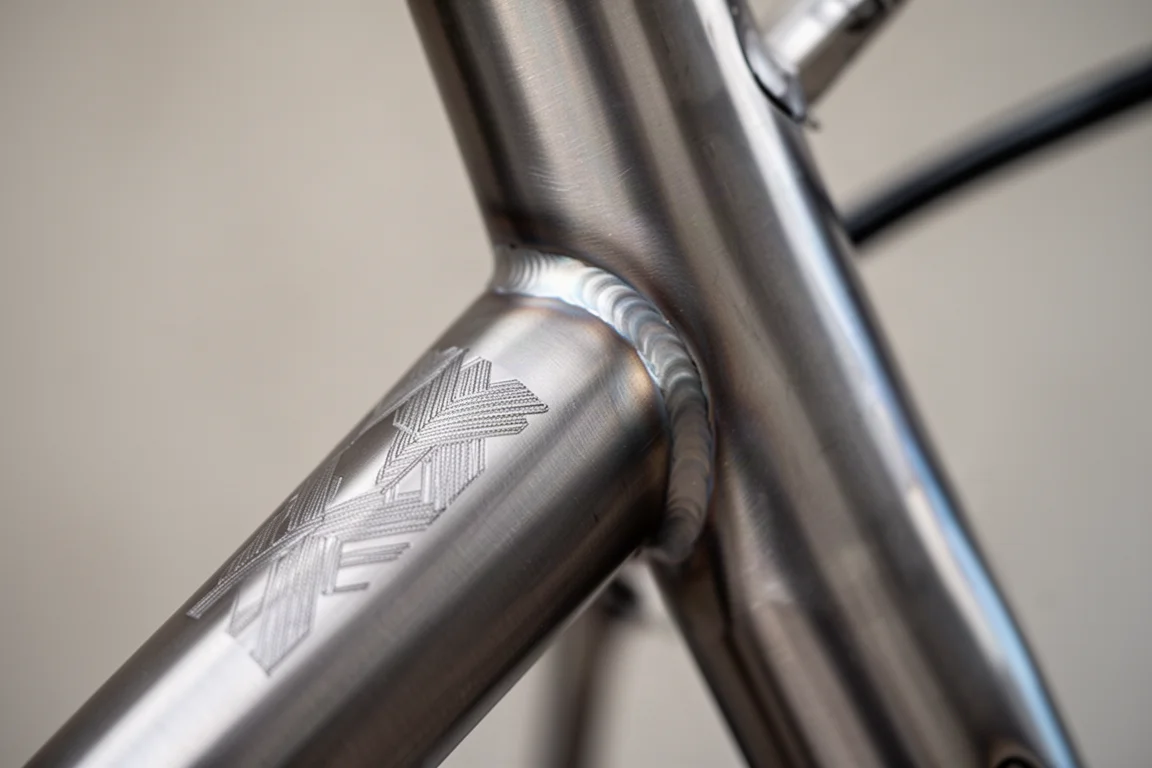
The headline strength is the frame material. Titanium is a significant departure for Brompton, and the tubes are laser etched, which gives the finish a premium look that stands apart from the painted steel models. Around it sit a carbon fork, carbon handlebars and a carbon crank, all of which contribute to the low overall weight.
The rear triangle has been completely redesigned, and the change is practical as well as structural. The T Line now uses standard dropouts rather than the internal hub arrangement of older designs, so removing the rear wheel for a flat repair works like it does on a normal road bike. The new four-speed shifter was developed specifically to work with this rear triangle.
Brompton also builds the T Line wheels in house, using notably light hubs, and the bike is fitted with inner tubes described as among the lightest production tubes available. The headset is a standard 1 1/8 inch unit, which keeps upgrade options open. The pedal system is new as well: instead of a folding pedal, the T Line uses a pedal that clips into place and is held magnetically, so it can be removed quickly and stored. Folding the bike itself remains fast, with a practiced fold achievable in around fifteen seconds.
The cumulative effect is a bike that feels closer to road bike hardware than to a traditional folding bike. That is most obvious in the low weight and in the quality of the components, but it also shows in the way the bike is serviced and maintained.
Things to consider before buying
The price is the first consideration. At around £4,000, the T Line costs a substantial amount more than a conventional Brompton, and the premium buys weight savings and materials rather than a fundamentally different riding experience. A lighter bike is easier to carry, but it does not make climbing any easier on its own, and riders who want help on hills should look at electric assistance instead.
The gear shifter is worth understanding before you commit. It works in the opposite direction to what many riders expect, which takes some adjustment. It is a deliberate design choice rather than a fault, but it is the kind of detail that is best experienced in person.
It is also worth being precise about the weight figure. The quoted 7.45 kg applies to the lightest one-speed version, not to the heavier four-speed model shown here. Buyers who need the lowest possible weight should plan around the one-speed configuration, while those who need more gears will be carrying a little more.
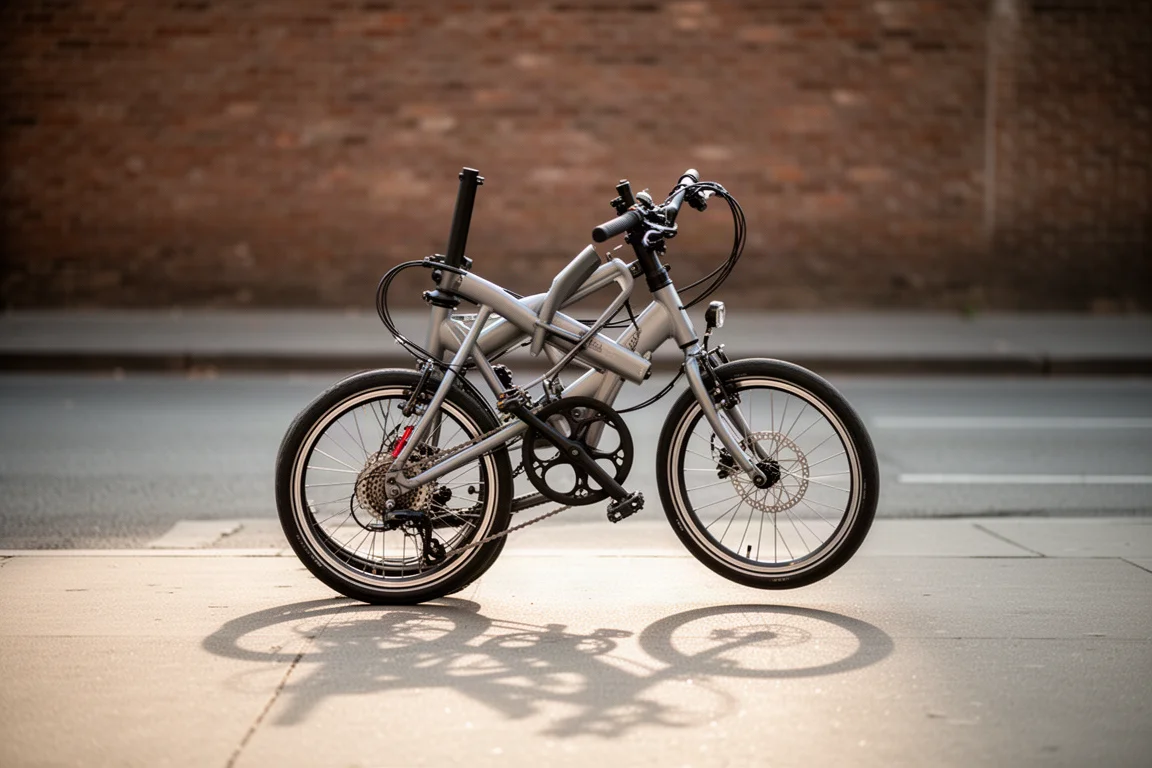
Finally, the T Line shares very little with other Bromptons beyond the brakes. That is a strength in terms of design ambition, but it does mean this is a distinct platform rather than an incremental update to a familiar bike.
Buying advice
Choose the one-speed if you ride mostly in flat city centres and weight is your main concern. It is the configuration that delivers the headline 7.45 kg figure and the simplest ownership experience. Choose the four-speed if your routes include real gradients and you would rather have the extra range than the last few grams.
Beyond gearing, the decision comes down to how much you value carrying comfort. If you fold and lift your bike several times a day, on stairs, platforms and office lifts, the weight savings of the T Line translate into something you notice constantly. If your bike mostly stays on the ground between rides, a standard Brompton will do much of the same job for considerably less money.
It also helps to think of the T Line as a long-term purchase. The titanium frame, the carbon components and the standard dropout design all point to a bike that is straightforward to live with and to maintain over time, which is the strongest argument for the higher outlay.
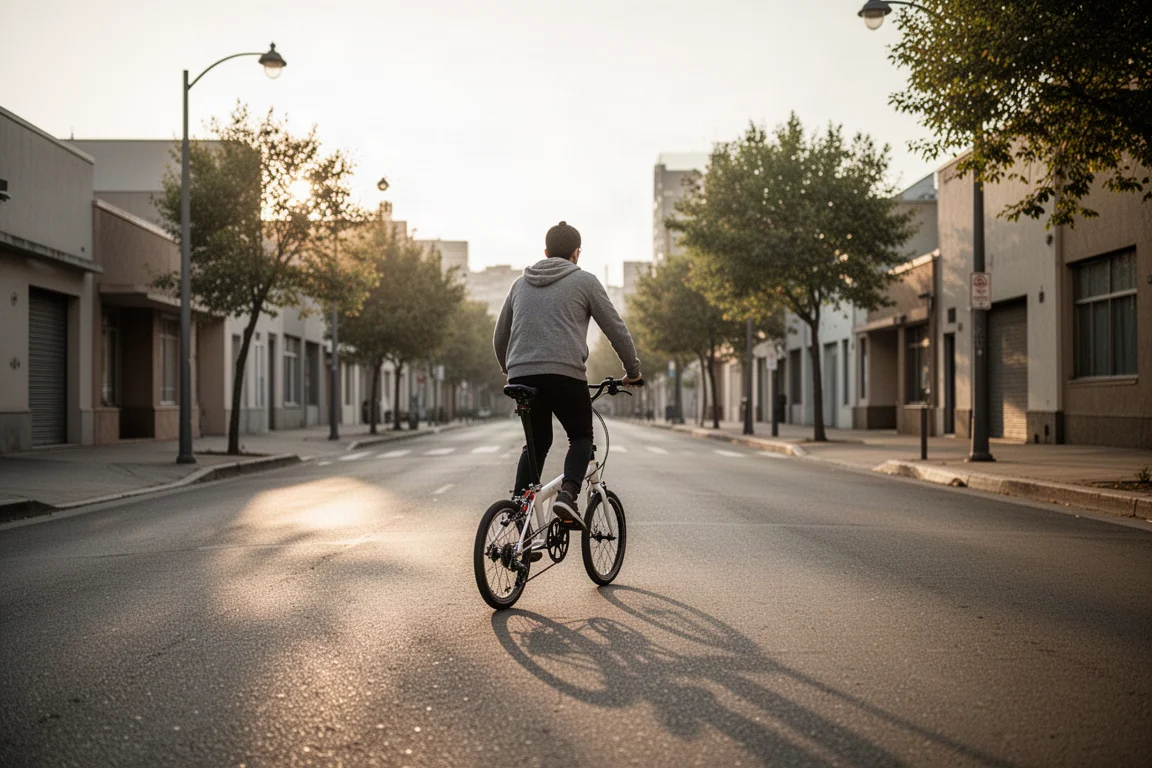
As with any folding bike, the best next step is to fold and lift one yourself before deciding. The T Line’s advantages are physical rather than theoretical, and a few minutes of handling it will tell you more than any specification sheet.
Conclusion
The Brompton T Line is the most ambitious bike the company has built: a titanium frame, carbon fork, handlebars and crank, a redesigned rear triangle with standard dropouts, and a new four-speed shifter. At around £4,000 it is a serious investment, and it makes the most sense for riders who carry their bike as often as they ride it. If that describes your commute, the weight savings and the refined finish are easy to appreciate. If it does not, a standard Brompton remains the more sensible purchase.
Product link
View more details for Brompton T Line
This product is mentioned in the review. Check the specifications, options, and compatibility before buying.
View more details for Brompton T LineFurther reading
Related Reviews
Folding Bikes
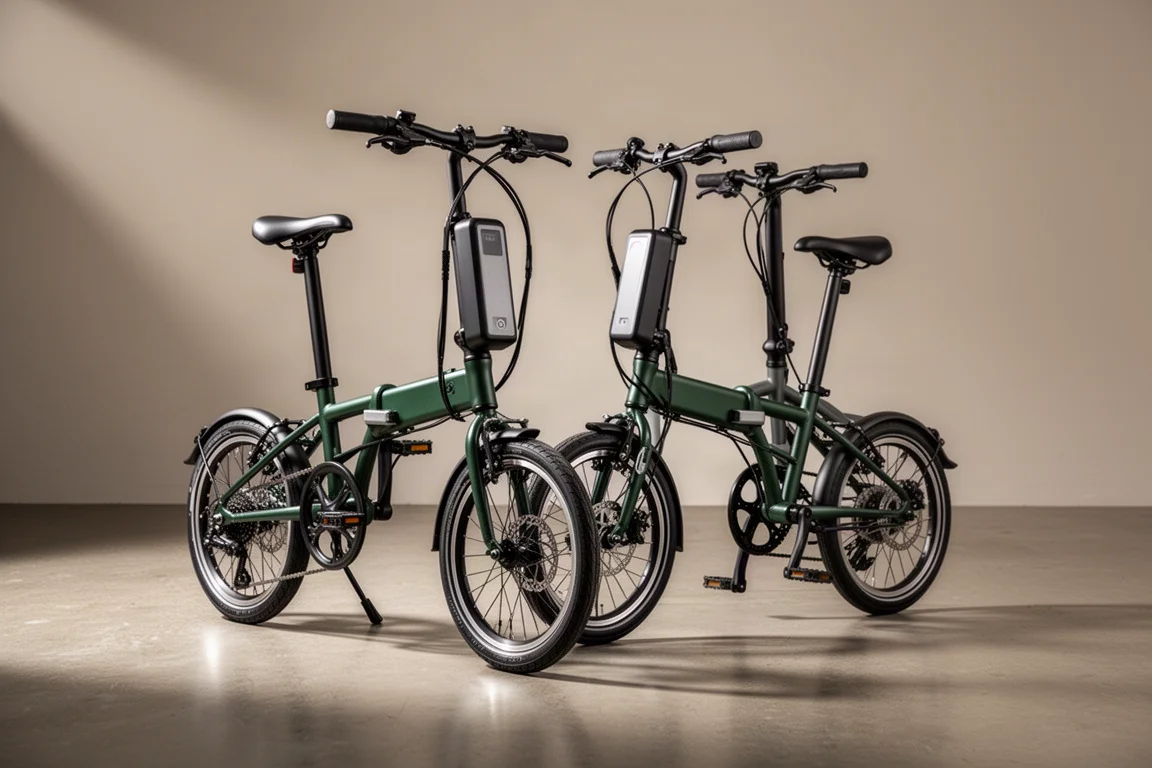
Brompton G Line and G Line Electric: Two Folding Bikes Take On a 66 km Gravel Event
A hand-brazed steel folder and its electric sibling ride 66 km of forest gravel, and both finish with their reputations improved.
Folding Bikes
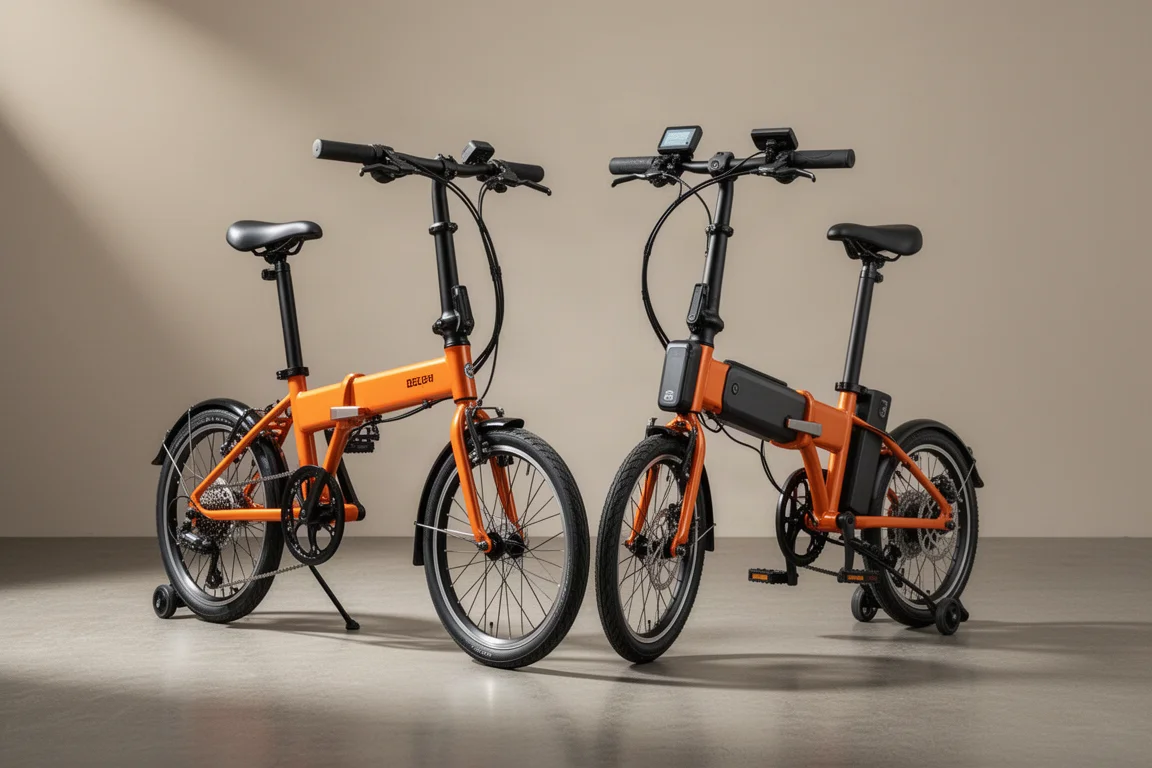
Brompton G Line and G Line Electric Review: Two Folding Bikes Tested on a 66 km Gravel Event
A practical look at the Brompton G Line and G Line Electric after both were ridden through a full 66 km gravel event, plus who each one actually suits.
Folding Bikes
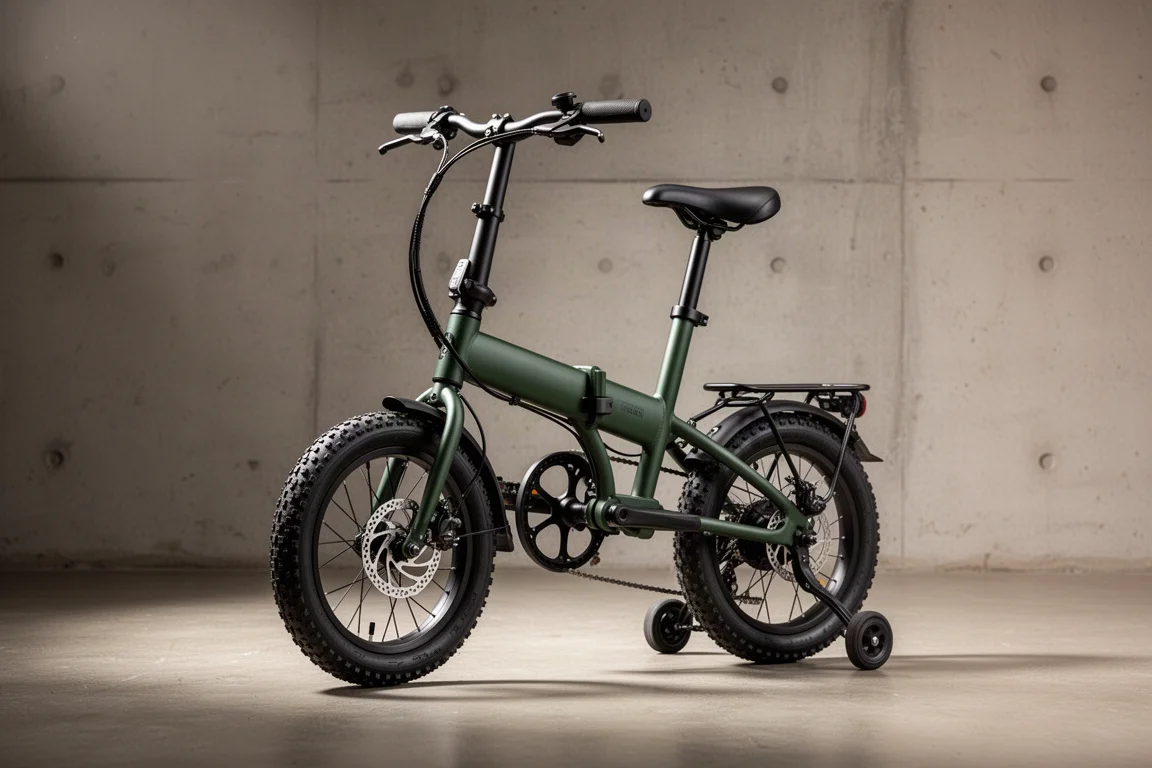
Brompton G Line Review: A Folding Bike Built for Longer, Rougher Rides
The Brompton G Line keeps the familiar fold but adds 20-inch wheels, wider tyres and disc brakes for riders who want to go beyond the city.