Folding Bikes
Brompton G Line and G Line Electric Review: Two Folding Bikes Tested on a 66 km Gravel Event
A practical look at the Brompton G Line and G Line Electric after both were ridden through a full 66 km gravel event, plus who each one actually suits.
Introduction
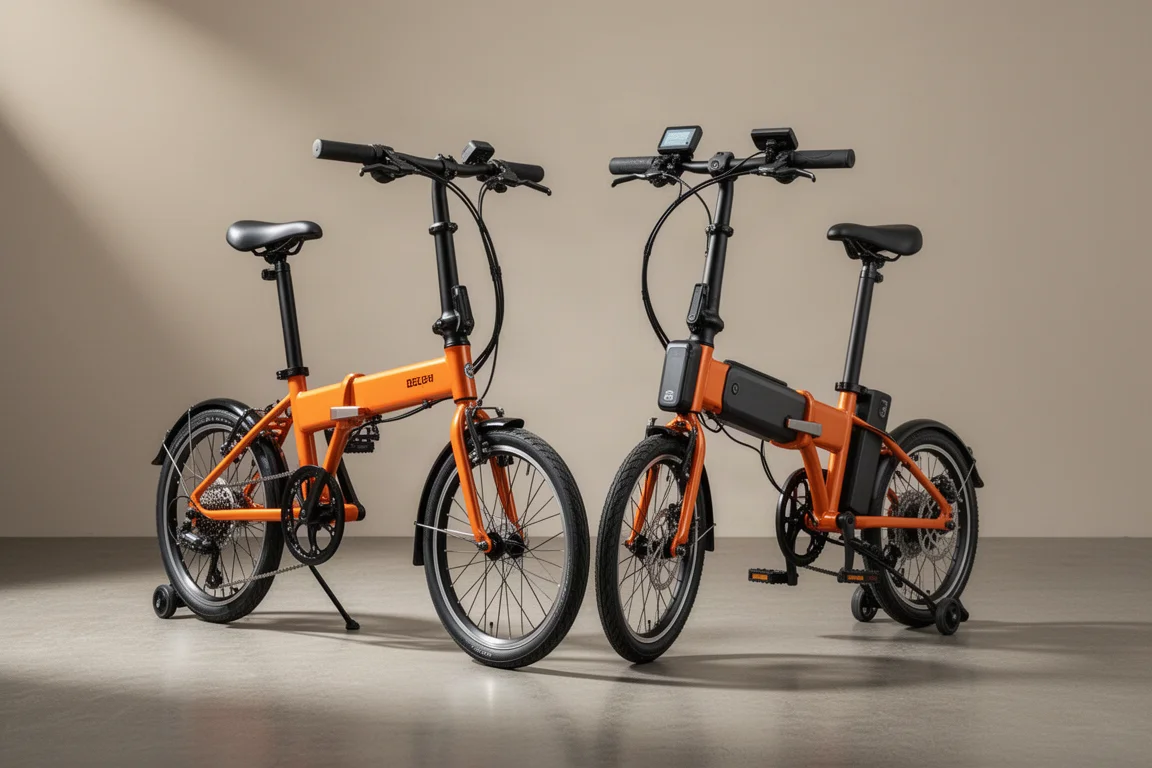
Folding bikes have a reputation problem. Many riders assume that a bike small enough to fold to the size of a briefcase has no business being ridden any real distance, and certainly not on anything rougher than a smooth cycle path. The G Line is Brompton’s answer to that assumption. It is described as the most capable Brompton ever built, and the company has expanded its range in recent years with electric and more terrain-focused versions to reach riders who would not previously have considered one.
To test the claim properly, a G Line and a G Line Electric were taken to a 66 km gravel event in Thetford Forest, roughly 40 minutes from Cambridge, run by Glorious Gravel. The course was mostly fire roads, the weather was far from perfect, and the field included mountain bikes and dedicated gravel bikes. Both folding bikes finished, and both did it without being carried.
What Makes the G Line Different
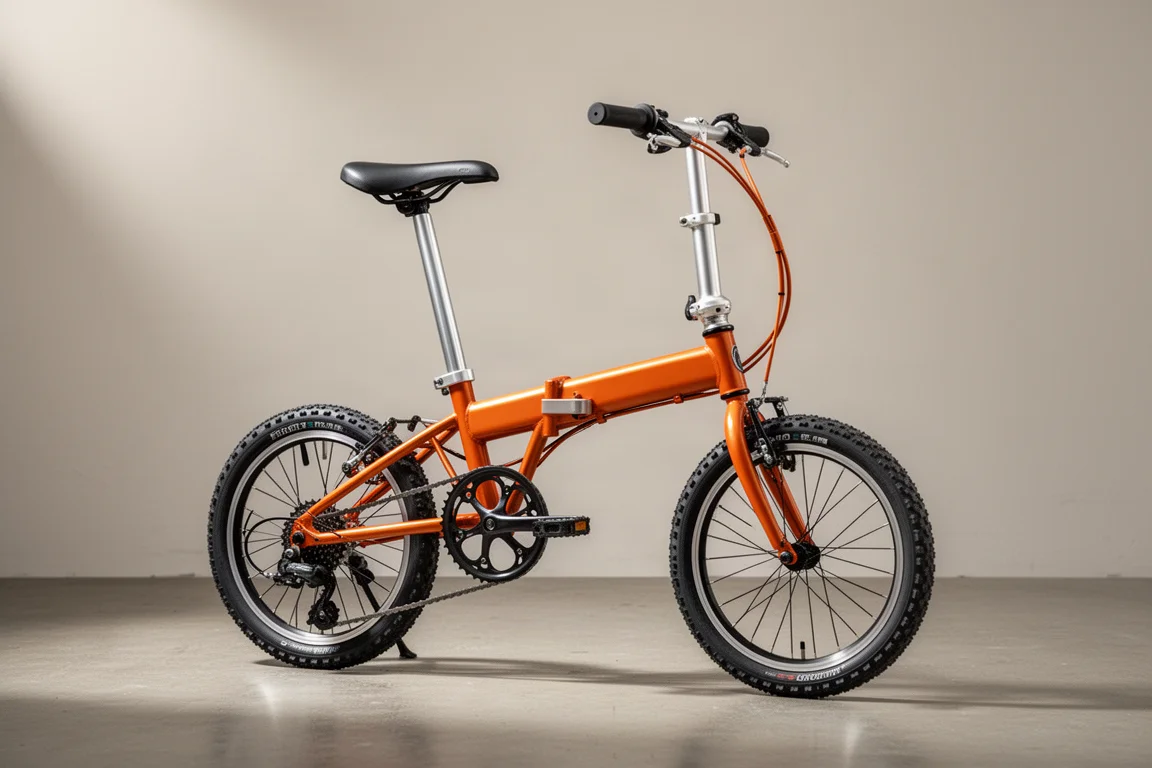
The G Line starts with a steel frame that is still hand brazed in London, paired with an aluminium fork. The most significant change over a standard Brompton is the move to 20-inch wheels, along with noticeably more tyre clearance. Brompton has been building bikes in London since 1975, and while the company now sells worldwide, production has stayed in the same place.
The standard G Line weighs 14.1 kilos. That is heavier than a non-G Line Brompton, but it remains entirely practical to pick up and carry, and it folds down to roughly the size of a briefcase. The geometry is more performance-oriented than the silhouette suggests: the saddle sits over the bottom bracket, and the drivetrain uses a 50/42 chainring with eight gears, the same chainring size found on a road race bike. On tarmac the bike rolled comfortably at around 18 mph.
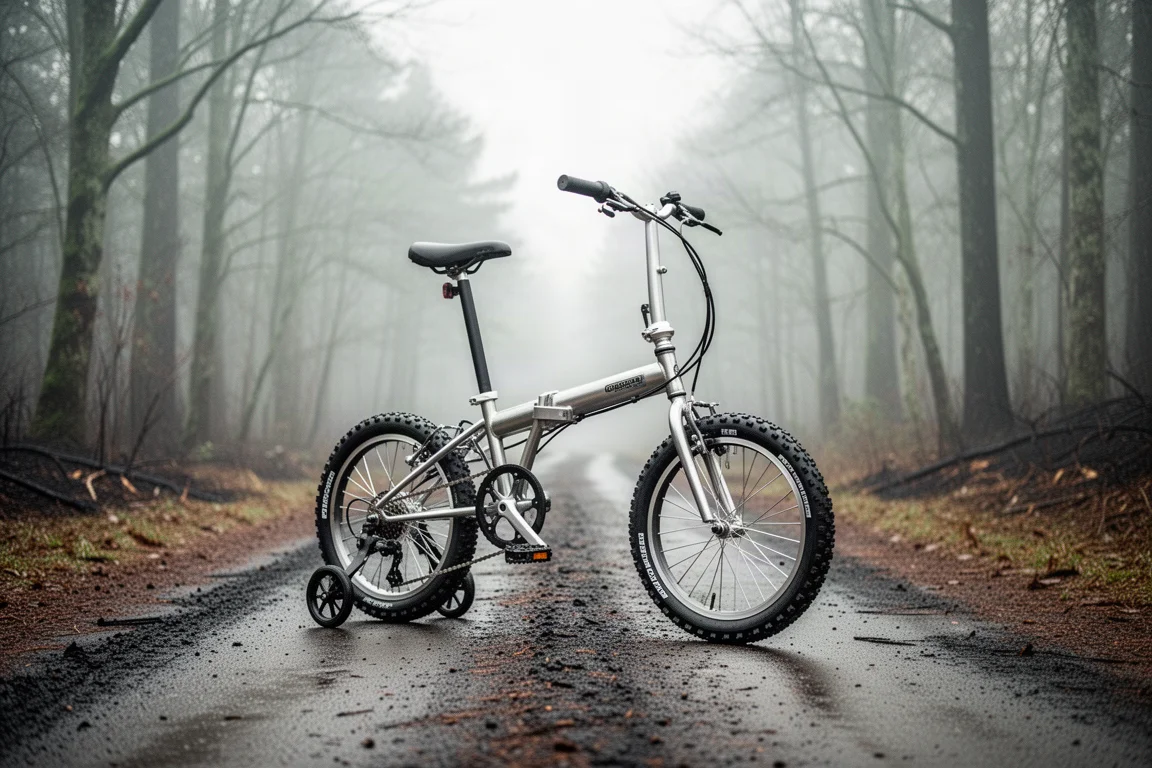
The point of the G Line is not that it replaces a dedicated gravel bike or a mountain bike. It is that the bigger wheels and extra tyre clearance let a folding bike handle poor road surfaces, towpaths, lanes and tunnels that would previously have pushed a rider toward a full-size bike. For anyone whose commute includes a stretch of rough tarmac or an unpaved shortcut, that difference matters more than the spec sheet suggests.
Brompton G Line: The Steel Folding Workhorse
On the gravel course, the standard G Line was the reference point. It handled fire roads, loose surfaces and even patches of sand, and the eight-speed range was enough for everything the route threw at it short of the steepest climbs, where the rider had to work for it. The steel frame and aluminium fork kept the ride composed on surfaces that a small-wheeled bike has no obvious right to manage.
What stands out in use is how normal it feels. The riding position, the gearing and the way the bike rolls on tarmac make it feel closer to a standard-size bike than the folded dimensions imply. It is still a folding bike with the compromises that come with the format, and it is not as capable as the dedicated gravel and mountain bikes sharing the course, but nothing on the route proved impossible.
Brompton G Line Electric: Assistance for the Hills
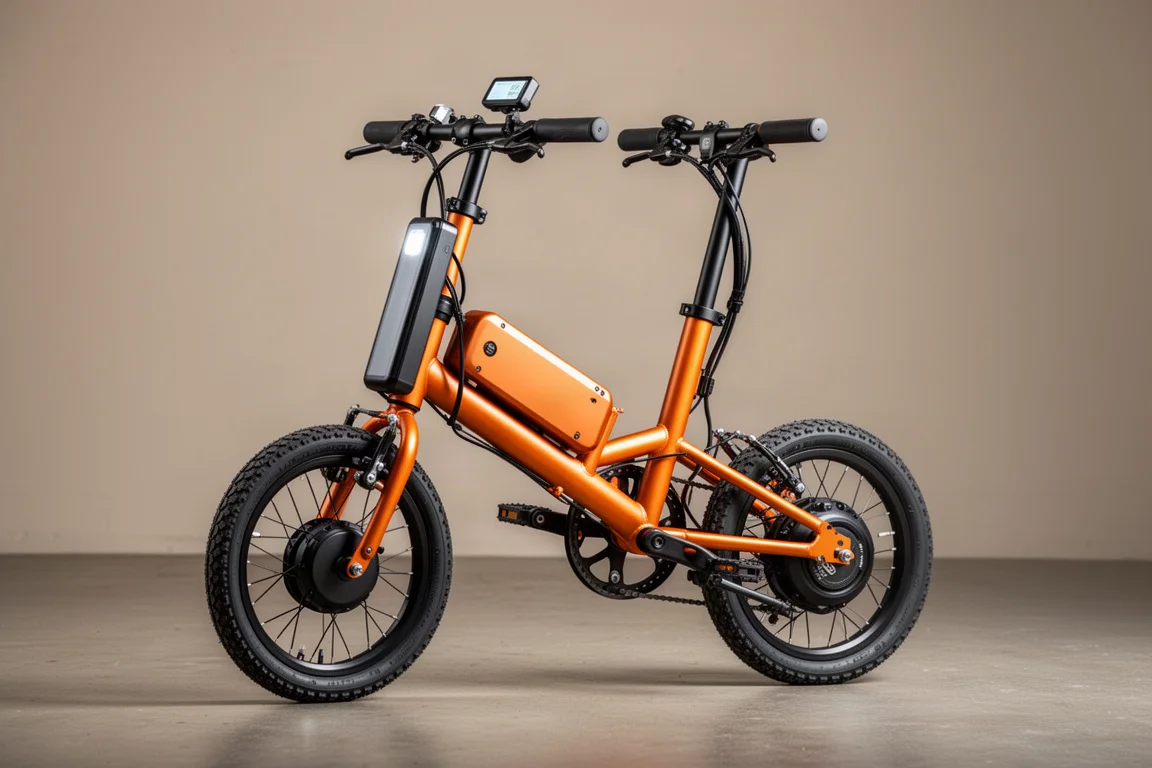
The G Line Electric shares the chassis of the standard G Line, with the addition of a rear hub motor delivering up to 250 watts of assistance. Power comes from a 345 watt hour battery mounted at the front, which takes around four hours to charge fully. Brompton claims up to 50 miles of range, and the handlebar LED display shows the predicted remaining range as you ride.
In practice the assistance is tuned to feel natural rather than abrupt, adding a gentle push that makes climbing and sustained effort noticeably easier. On a hilly course it changes the character of the ride entirely, and it allowed a rider to hold a conversation on gradients that would otherwise demand full effort.
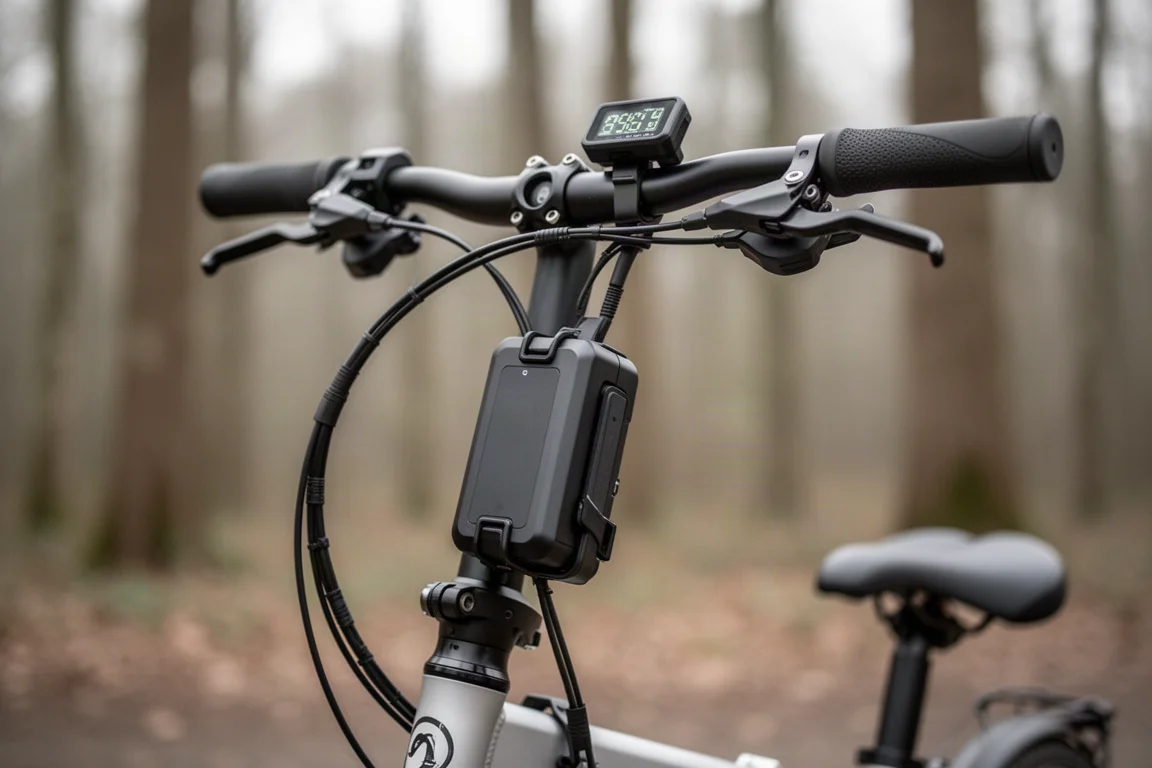
The battery is also genuinely practical off the bike. It unclips from the front mount and can be carried indoors to charge, and while attached it doubles as a front-mounted bag with real carrying capacity. That addresses a long-standing quirk of the format, since Bromptons do not typically offer water bottle cages. The added weight of the battery and motor is real, but the assistance more than offsets it whenever the road tilts upward.
Riding Impressions on Rough Terrain
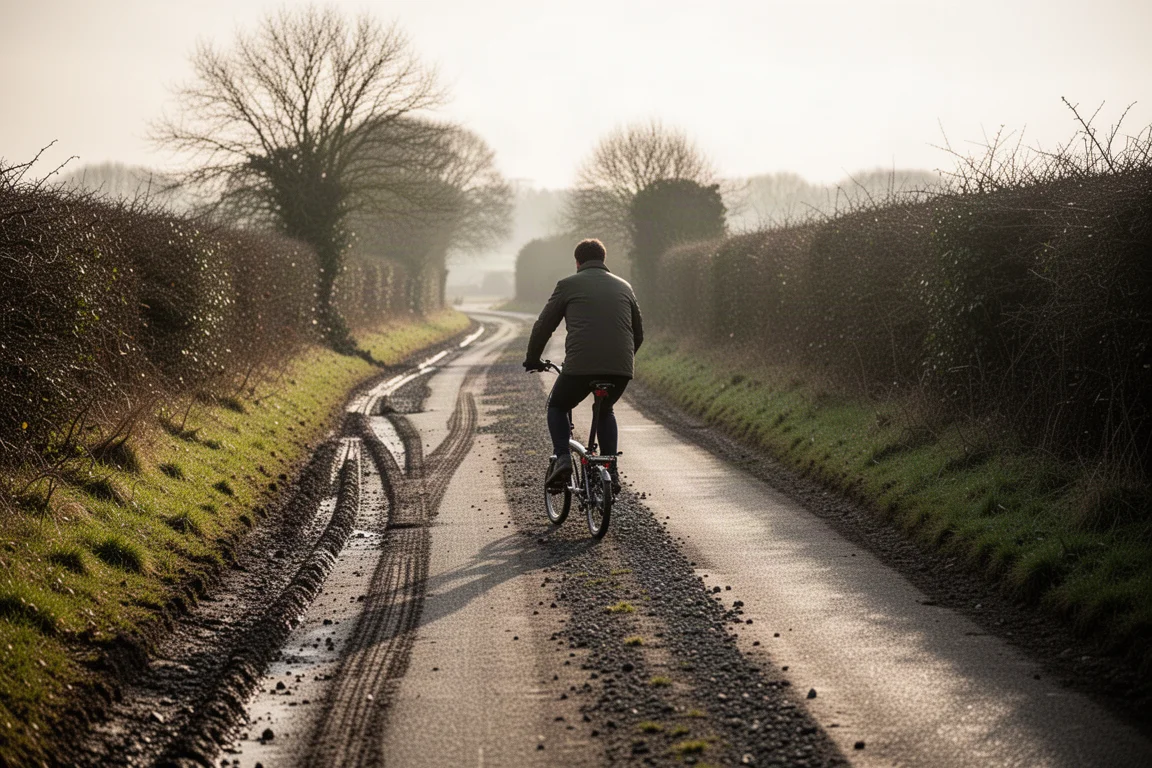
The final third of the course held the most technical terrain of the day, and this was where expectations were lowest. Both bikes kept going, and the pair began catching riders who had set off earlier. Gravel, tarmac and sand all proved manageable, and the battery on the electric model still had charge left at the finish.
The honest summary is that neither bike was as capable as the dedicated gravel and mountain bikes on the course, and nobody involved was pretending otherwise. What mattered was that the limits were never reached in a way that stopped the ride. That is a meaningful result for a folding bike, and it is the strongest argument for the G Line’s positioning as a bike that can cover a city and still be useful at the weekend.
Folding and Everyday Portability
The case for either bike still rests on the fold. Packed down, the G Line is about the size of a briefcase, which is what makes it a genuine option on a train, in a car boot or under a desk. It is light enough at 14.1 kilos on the standard model to lift and move without drama.
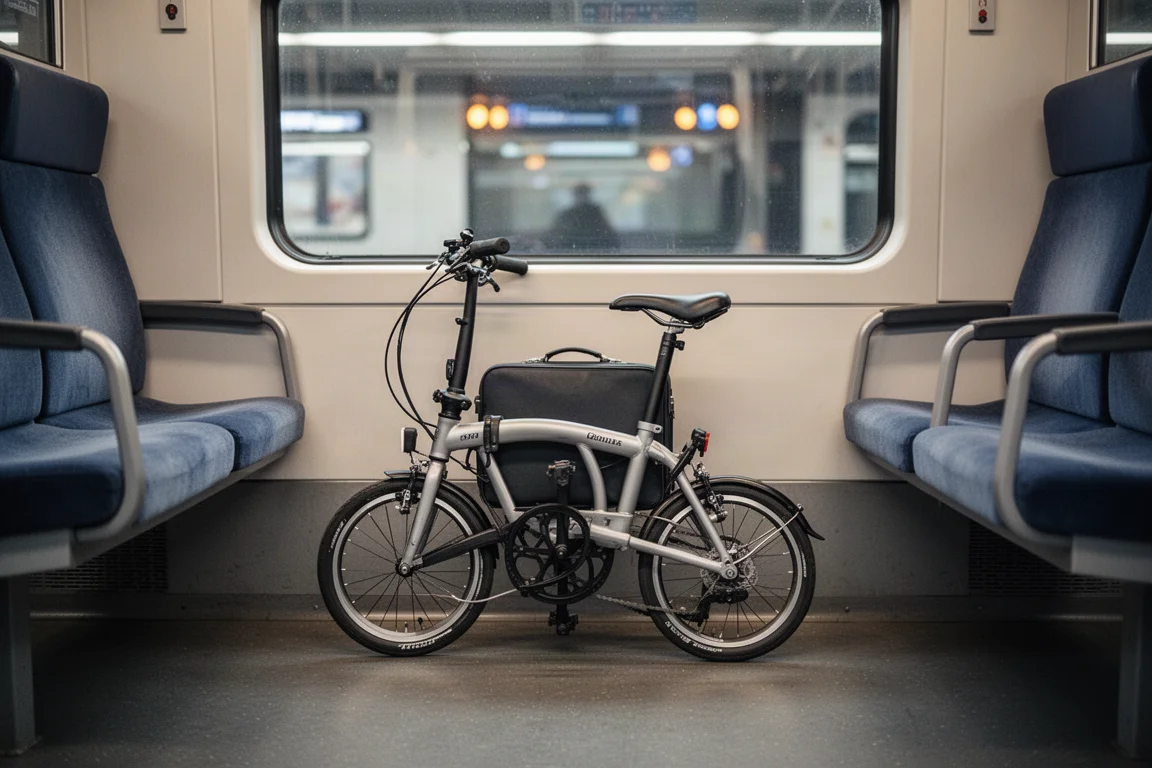
This is the part that matters for most buyers. A commute that involves a train at one end, a locked office at the other, or a flat with no hallway storage is where a folding bike earns its place. The G Line simply extends the range of journeys where that still works, adding rough lanes, towpaths and unpaved shortcuts to the list of things the bike can handle.
Build Quality and Long-Term Ownership
Brompton takes a product-first approach, and the manufacturing detail backs that up. In the London factory, every bolt is tightened with a torque meter, and each workstation runs a small computer that logs the exact tightness figure for every bolt on every bike produced. That level of record-keeping is unusual, and it reflects a standard the company has held to rather than one it adopted recently.
The clearest evidence of longevity is parts support. Owners can still buy components for Bromptons built 25 years ago, in contrast to the planned obsolescence common in consumer electronics. The result is a bike that people keep for years, maintain, and often become attached to. Owners are known to ride them in events far outside the design brief, from long-distance sportives to triathlons, which says something about how much confidence the bikes inspire.
Buying Advice: Which One Makes Sense
Choosing between the two comes down to terrain and effort. The standard G Line suits riders who want a folding bike that handles rougher surfaces without adding complexity, weight or charging routines. It is the simpler ownership proposition, and for flat or gently rolling city routes it is more than enough.
The G Line Electric suits anyone whose route includes real climbs, longer distances or a desire to arrive without sweating, which is a genuine consideration for commuters in work clothes. The assistance is well judged, the battery is easy to remove and charge, and the range claim of up to 50 miles covers most commuting patterns with margin. The trade-offs are the extra weight, the need to charge, and the higher price of the electric model. Riders who do not need the motor should not pay for it, and Brompton itself is clear that the G Line is not for everyone. For those who do want it, both models open up journeys that a folding bike previously could not comfortably cover.
Conclusion
Riding a 66 km gravel event on a folding bike sounds like a stunt, and on paper it is. In practice, both the G Line and the G Line Electric finished, handled terrain well beyond what a folding bike is expected to manage, and left their riders with a genuine respect for what the format can do. Neither replaces a dedicated gravel bike, and neither needs to. If a folding bike can complete an event like this, it can certainly get you across a city, along a towpath, or through a park on a weekend, and fold away when you arrive.
Further reading
Related Reviews
Folding Bikes
Brompton G Line and G Line Electric: Two Folding Bikes Take On a 66 km Gravel Event
A hand-brazed steel folder and its electric sibling ride 66 km of forest gravel, and both finish with their reputations improved.
Folding Bikes
Brompton G Line Review: A Folding Bike Built for Longer, Rougher Rides
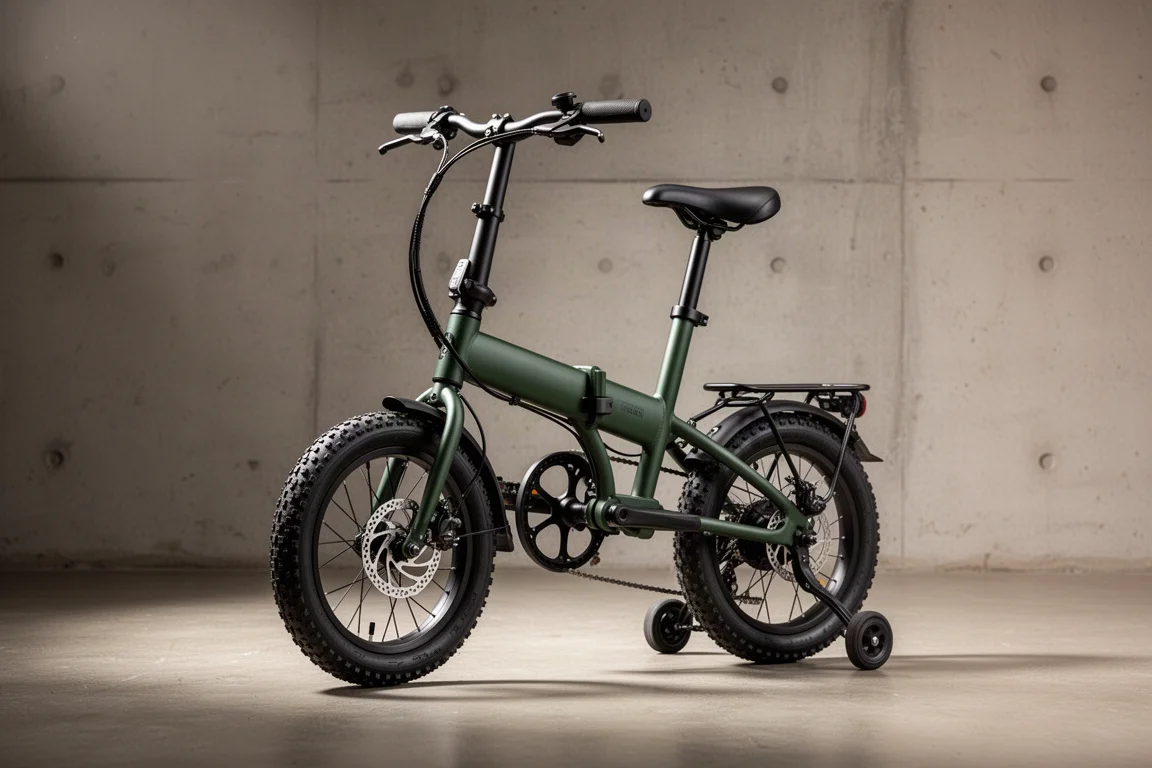
The Brompton G Line keeps the familiar fold but adds 20-inch wheels, wider tyres and disc brakes for riders who want to go beyond the city.
Folding Bikes
Brompton T Line Review: Titanium, Carbon and the Lightest Brompton Yet
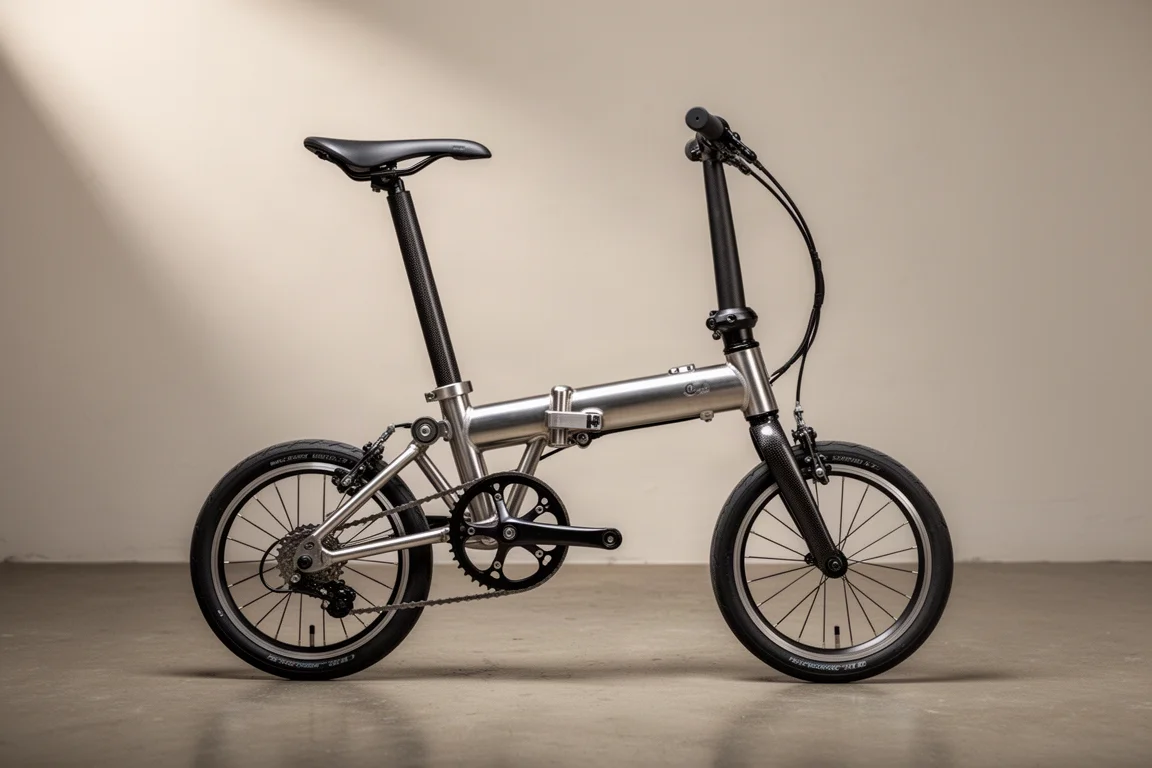
A practical look at the Brompton T Line, the titanium folding bike with carbon components, a redesigned rear triangle, and a price of around £4,000.