High-End Audio
Bowers & Wilkins Signature Speakers and Classé Amplification: A Two-Channel System Overview
Three high-end two-channel pieces: the 801 Signature and 805 Signature loudspeakers and the Classé CT-2300 amplifier, with the details worth knowing before buying.
Introduction
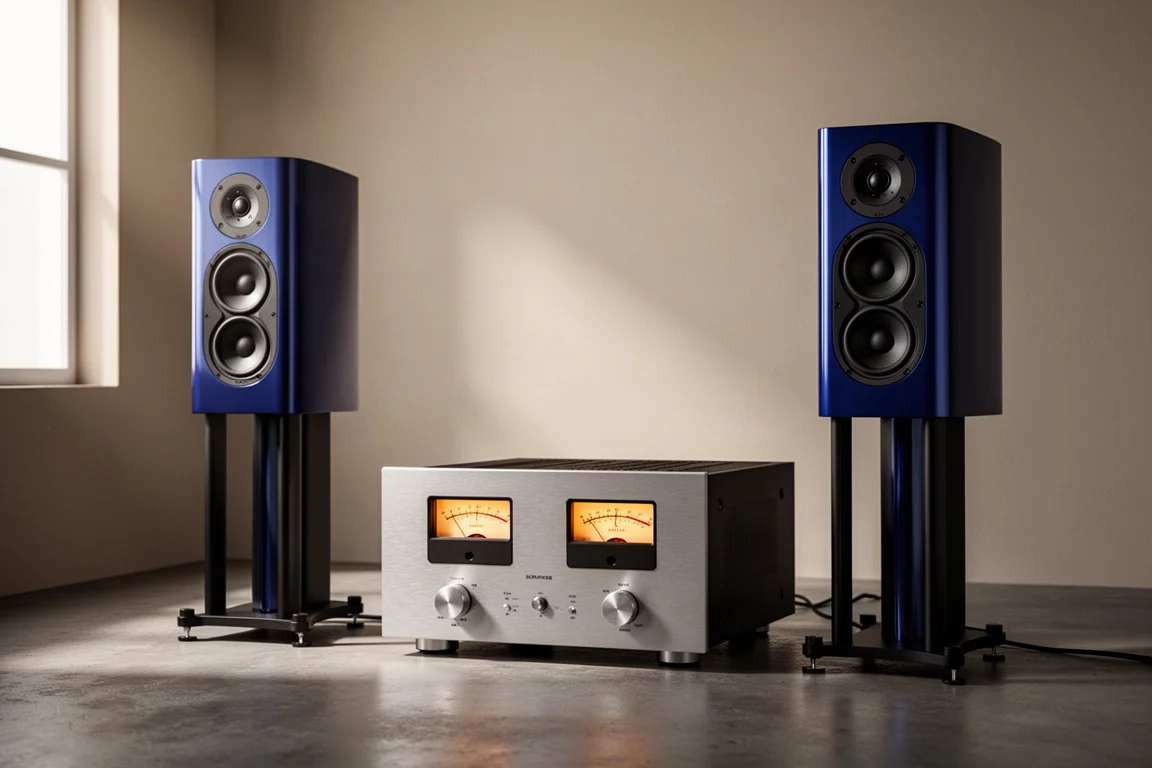
Two-channel audio is a system game. A loudspeaker can only reproduce what the amplifier hands it, and an amplifier only earns its keep when the speaker it drives is efficient enough to let it work comfortably. The three products in this overview cover both halves of that equation: two loudspeakers from the Bowers & Wilkins Signature line, and a Classé power amplifier that was used to drive them in a two-channel listening session.
Both speakers come from the same Signature series and share a set of internal updates, while the amplifier brings a very low noise floor, low distortion and a cooling design that keeps its fan out of the listening experience. Each piece is aimed at listeners assembling a serious two-channel system rather than a casual setup, and each one has a clear role in how the finished system behaves.
What the Signature Line Updates Change
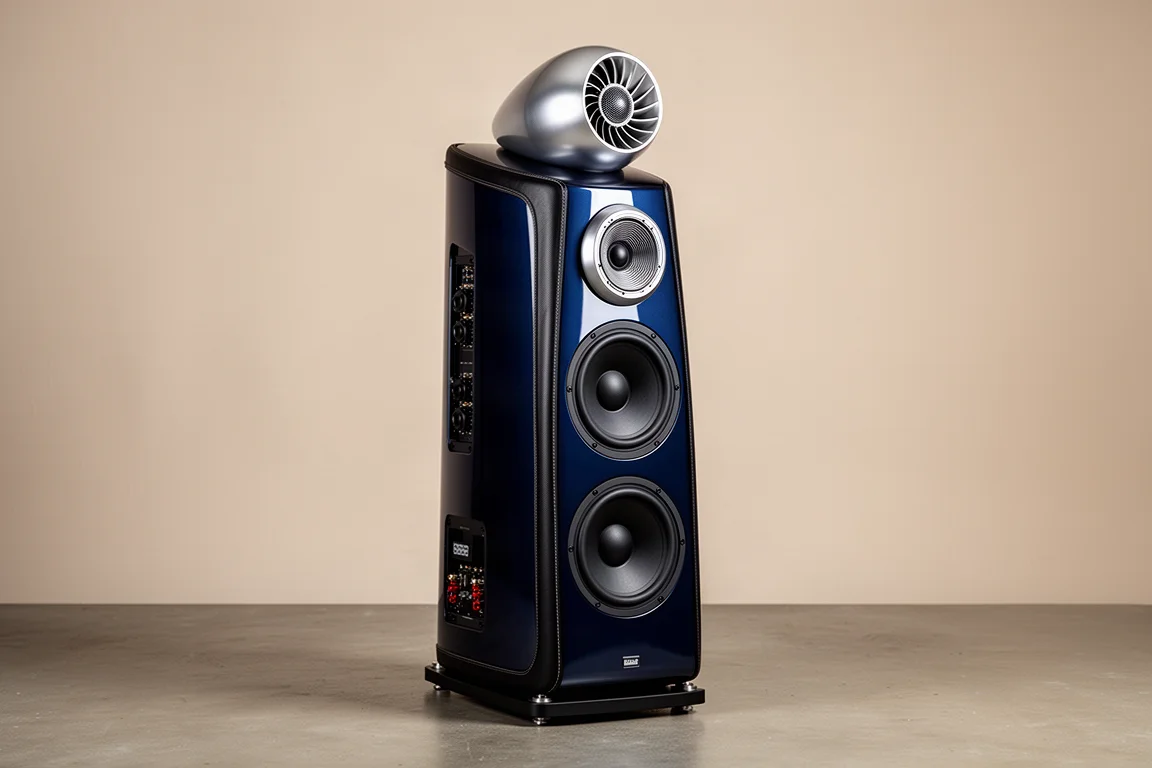
The Signature models build on the 800 D4 Series that Bowers & Wilkins introduced roughly two years earlier, and most of the work behind them is internal. Two custom finishes are offered across the line, a Midnight Blue Metallic and a burl veneer, but the more meaningful changes sit inside and around the drivers.
The tweeter cover has less surface area than before, which opens up the tweeter. Beneath the Connolly leather top plate, decoupling materials and relief holes reduce resonances that were previously contributing to the sound. The motor structures in the midrange and woofers were redesigned with a beefier, more stable construction, which is what supports deeper bass and a more open midrange.
Cabinet rigidity runs through the same theme. The Flowport on the 801 Signature is now made from aluminium and tied into the structure of the cabinet, replacing the plastic part used on the earlier 801 D4, and the base of the cabinet is braced further. The tighter the cabinet, the less the enclosure itself contributes, which is what allows for a wider soundstage and cleaner low-frequency output.
Bowers & Wilkins 801 Signature
The 801 Signature is the flagship of the two speakers here and the one with the largest set of structural changes. Its port fires downward from the base of the cabinet, and that port is now machined from aluminium and integrated into the cabinet itself rather than fitted into it as a separate plastic component.
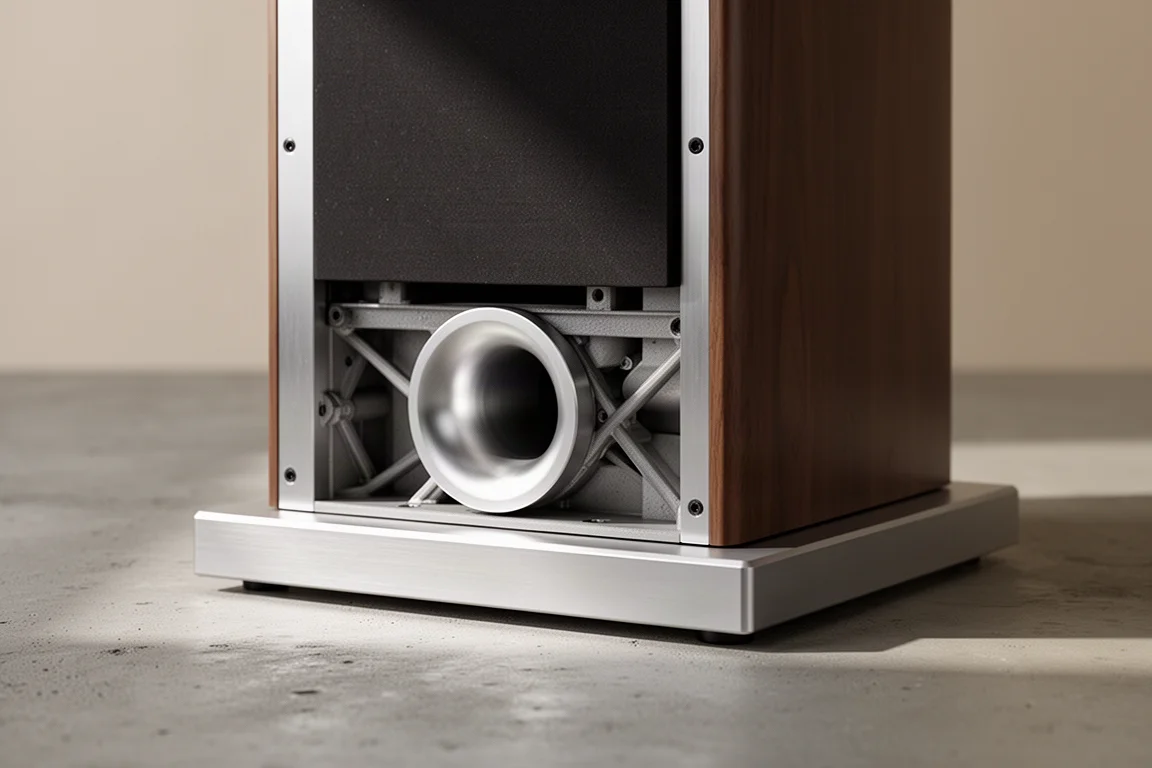
The rest of the updates follow the same logic. The motor structures in the midrange and woofers have been reworked for greater stability, the top plate under the Connolly leather trim uses decoupling materials and relief holes to cut down resonances, and the tweeter cover presents less surface area around the high-frequency driver. A stiffer, quieter cabinet lets the drivers do their work without the enclosure adding its own character, which is what supports the wider presentation and cleaner bass this design is aiming for. The 801 Signature is priced at $50,000 per pair.
Bowers & Wilkins 805 Signature
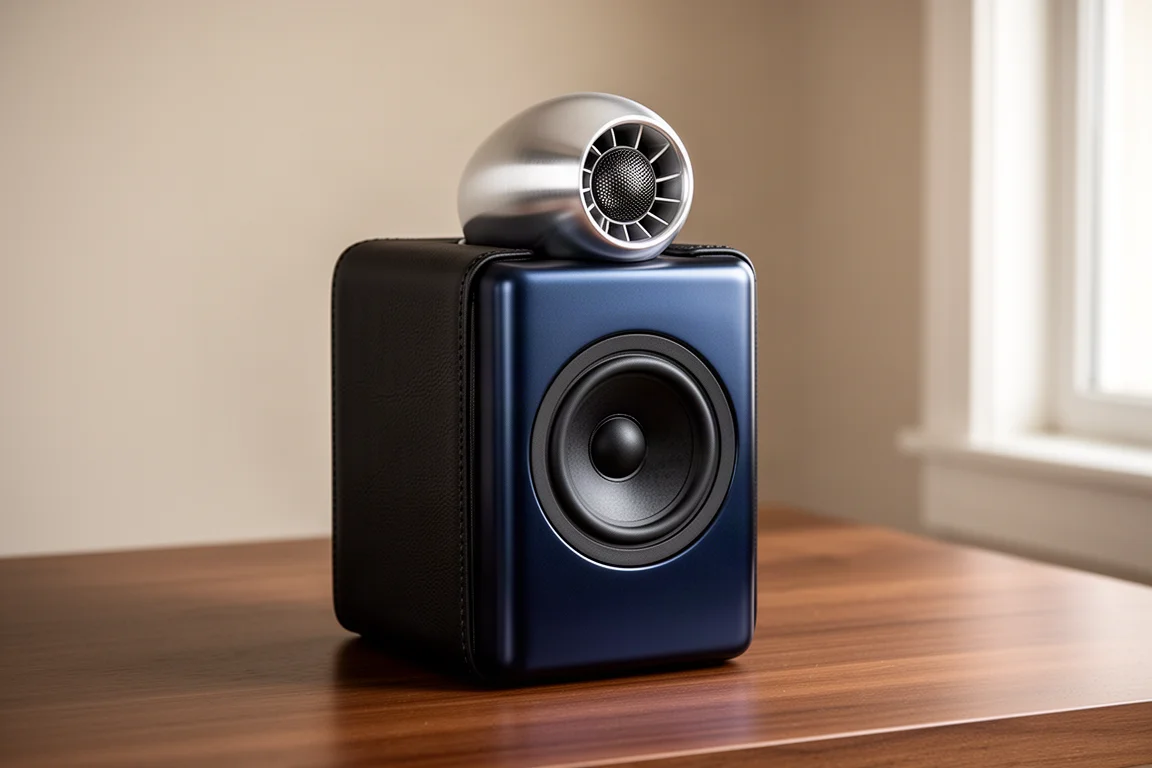
The 805 Signature is the compact member of the line, and it carries the same series updates in a smaller cabinet. Its Flowport is visible on the cabinet, and the speaker is designed to work with dedicated stands from Bowers & Wilkins that were originally developed for the 800 D4 series and are compatible with the Signature models.
Those stands matter more than they might appear to. They screw into the cabinet, so the speaker and stand behave as one solid structure rather than a speaker resting on a platform. The 805 Signature is priced at $14,000 per pair without stands, which makes the stand a separate consideration for anyone planning the purchase.
Classé CT-2300
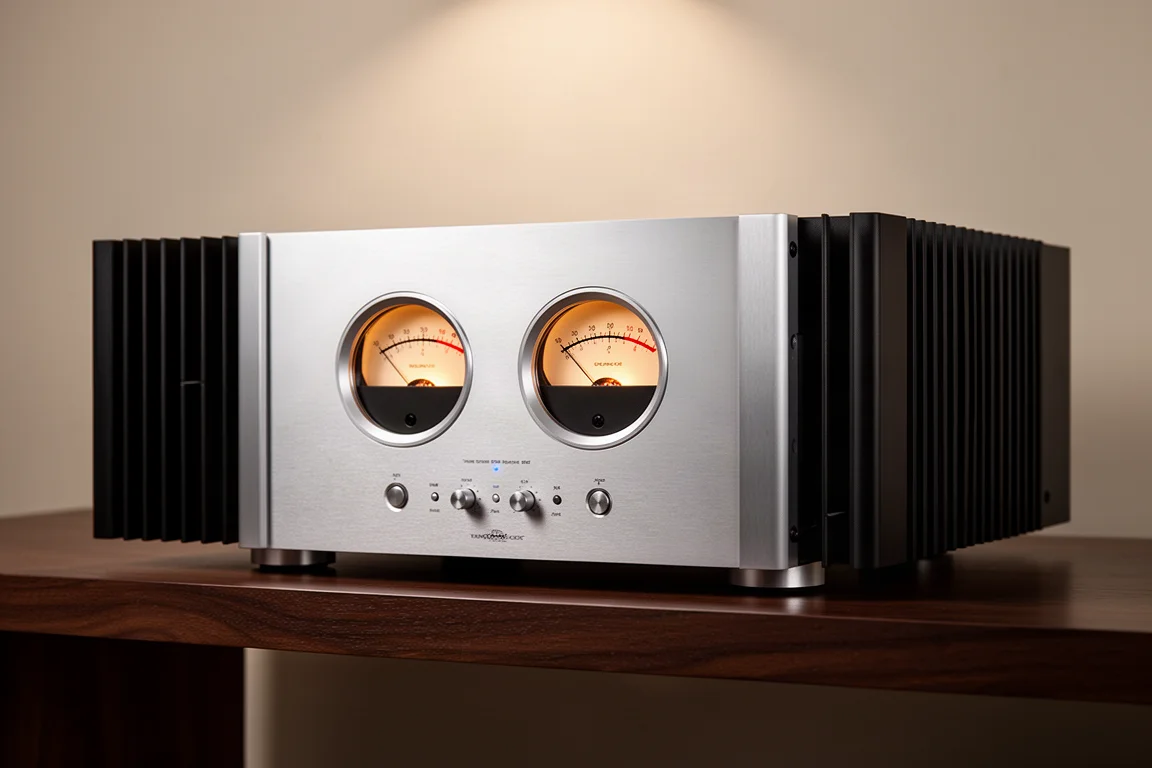
The Classé CT-2300 is a stereo power amplifier that sits a couple of models below the flagship monoblock in the range. Two of them can be bridged into a single channel, which doubles the power available to that channel, and that is how the amplifier was configured for the two-channel session described here.
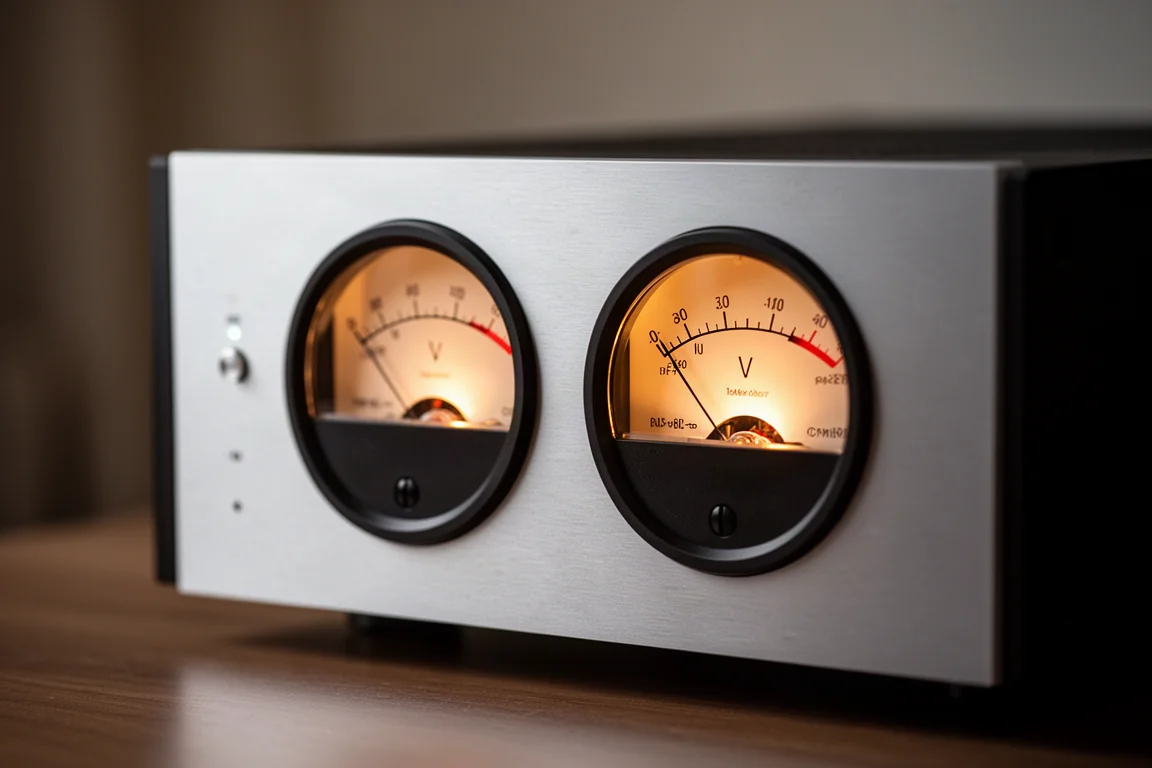
Classé rates these amplifiers before the knee of the distortion curve, a conservative approach that most manufacturers do not take. Cooling is handled by a heat tunnel that draws heat away from the heatsink and out of the chassis, so the fan is never audible in the room. The outcome is a very low noise floor and low distortion, and the front-panel VU meters make it easy to see how much power is actually being drawn.
With the high-sensitivity speakers in this system, the meters stayed below three watts even at a healthy listening level.
Setup and System Matching
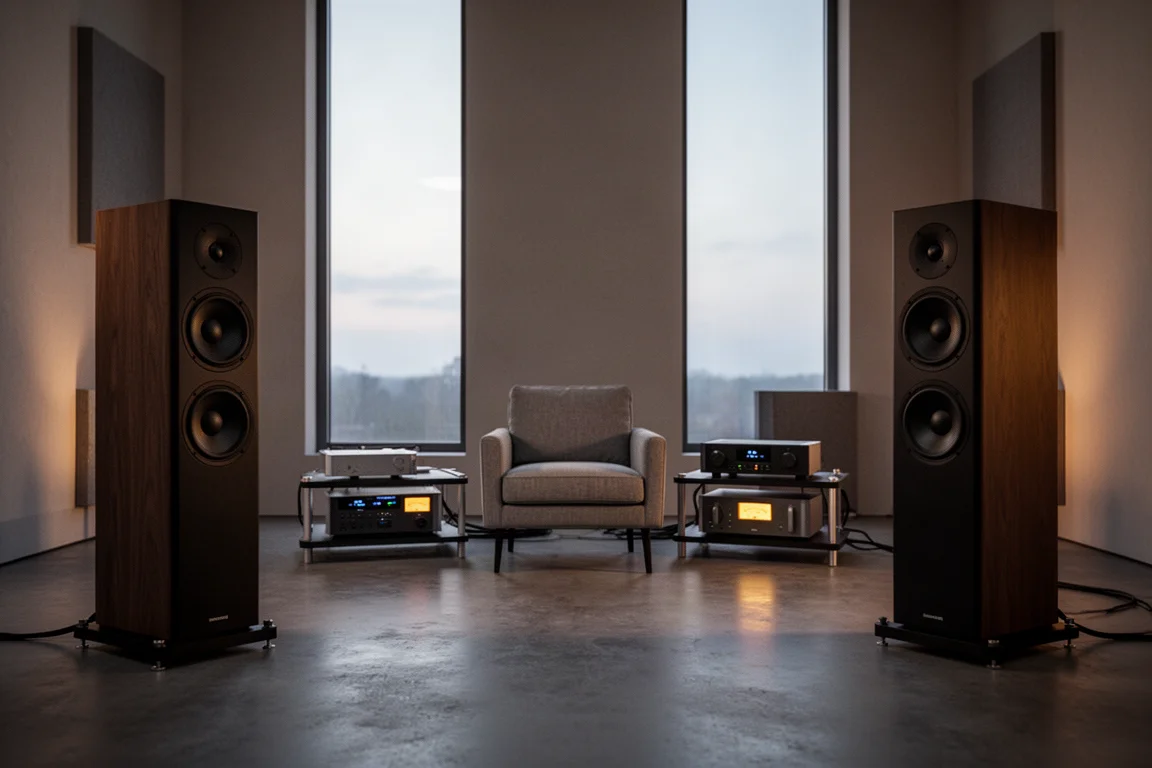
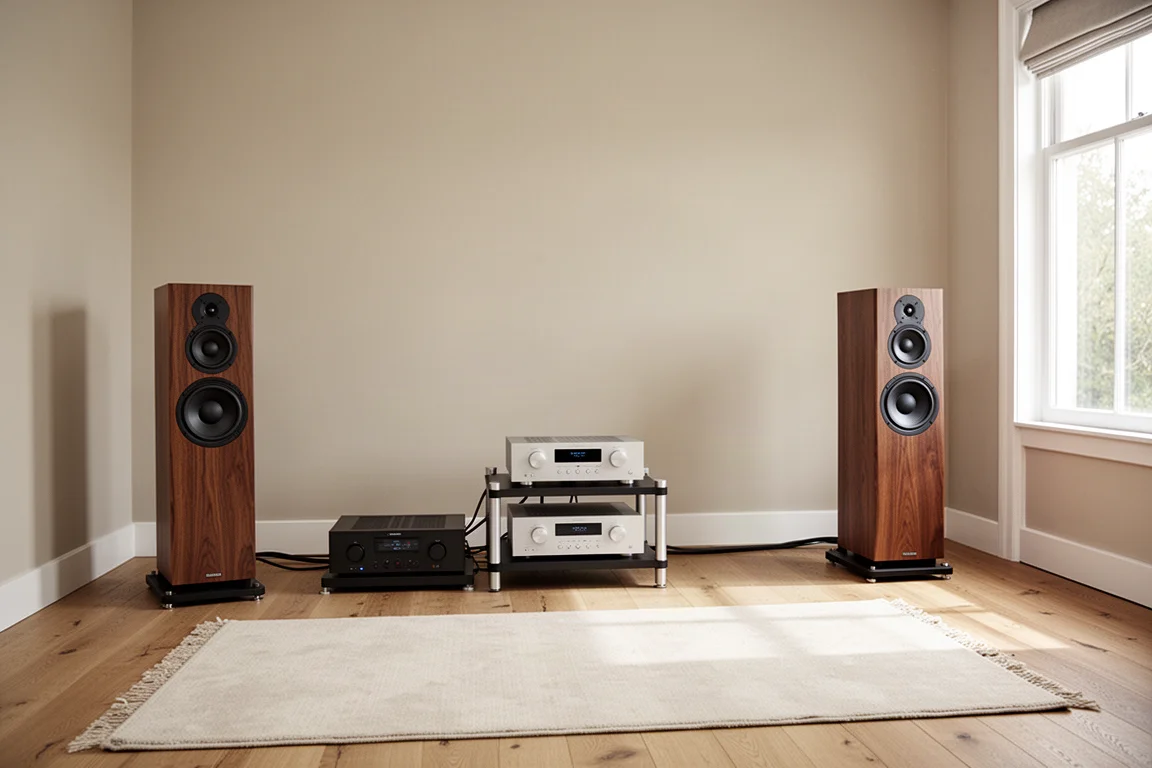
Efficiency shapes how a system like this behaves in a room. The Signature speakers are sensitive enough that a few watts go a long way, which is why the amplifier meters barely moved during the listening session even when the volume was set fairly high. That headroom is part of the appeal of pairing a high-output amplifier with an efficient speaker.
Imaging is the other practical consideration. Even from a close listening position of roughly four to five feet, the system produced a strong phantom center and a wide presentation in which the room boundaries became less obvious. The arrangement used for the session, a cover of George Michael’s “Freedom” by Christine and the Queens, opened with a spacious vocal and built into a dense, dynamic finish that filled the room.
The amplifier also runs cool, so it can sit in a rack without adding noise or drawing attention to itself. The stands for the 805 Signature bolt to the cabinet, which keeps a compact speaker stable on a hard floor and reduces the chance of an accidental tip.
Buying Advice
The two speakers share the same Signature updates, so the decision comes down to room size and budget rather than sound philosophy. The 805 Signature at $14,000 per pair is the compact option, and its dedicated stands, sold separately, are worth budgeting for at the same time so the speaker sits on the platform it was designed to use.
The 801 Signature at $50,000 per pair is the flagship floorstanding model, with the aluminium Flowport tied into the cabinet and the added bracing at the base. It suits listeners who want the largest version of these updates and have the space to place a tall speaker properly.
On the amplification side, the CT-2300 is worth a look for its low noise floor, low distortion and cool running design, and for the flexibility of bridging two units into a single channel when maximum output is the priority. Pairing it with an efficient speaker is what makes the most of those strengths.
Conclusion
These three pieces make a coherent case for a two-channel system built around refinement rather than raw specification. The 805 Signature brings the Signature updates into a smaller cabinet, the 801 Signature adds the aluminium port and additional cabinet bracing in a flagship floorstander, and the Classé CT-2300 supplies quiet, low-distortion power with meters that show just how little of it is needed. For anyone assembling a system at this level, all three are worth a careful listen.
Further reading
Related Reviews
High-End Audio
Accuphase E-3000 Review: A Class AB Integrated Amplifier Built to Last
The Accuphase E-3000 is the entry point into a legendary Japanese high-end line. Here is how it sounds, how it is built, and who should consider it.
High-End Audio
Arreté Floorstanding Speakers and Benchmark HPA2: A Premium Pairing Worth Hearing
A close look at how Arreté floorstanding speakers and Benchmark HPA2 power amplifiers pair up, what each component contributes, and what to weigh before buying.
High-End Audio
Aurelia Acoustics MRB1 Review: Marble Cabinets and a Big, Lively Sound
The Aurelia Acoustics MRB1 pairs a marble cabinet with Accuton ceramic drivers and a lively, spacious sound that stays easy to listen to. Here is what to know before buying.