High-End Audio
Bowers & Wilkins Signature 800 Series Review: 801 Signature and 805 Signature Compared
A close look at the two new Signature 800 series speakers from Bowers & Wilkins, what changed from the D4 generation, and how the 801 Signature and 805 Signature differ in practice.
Introduction
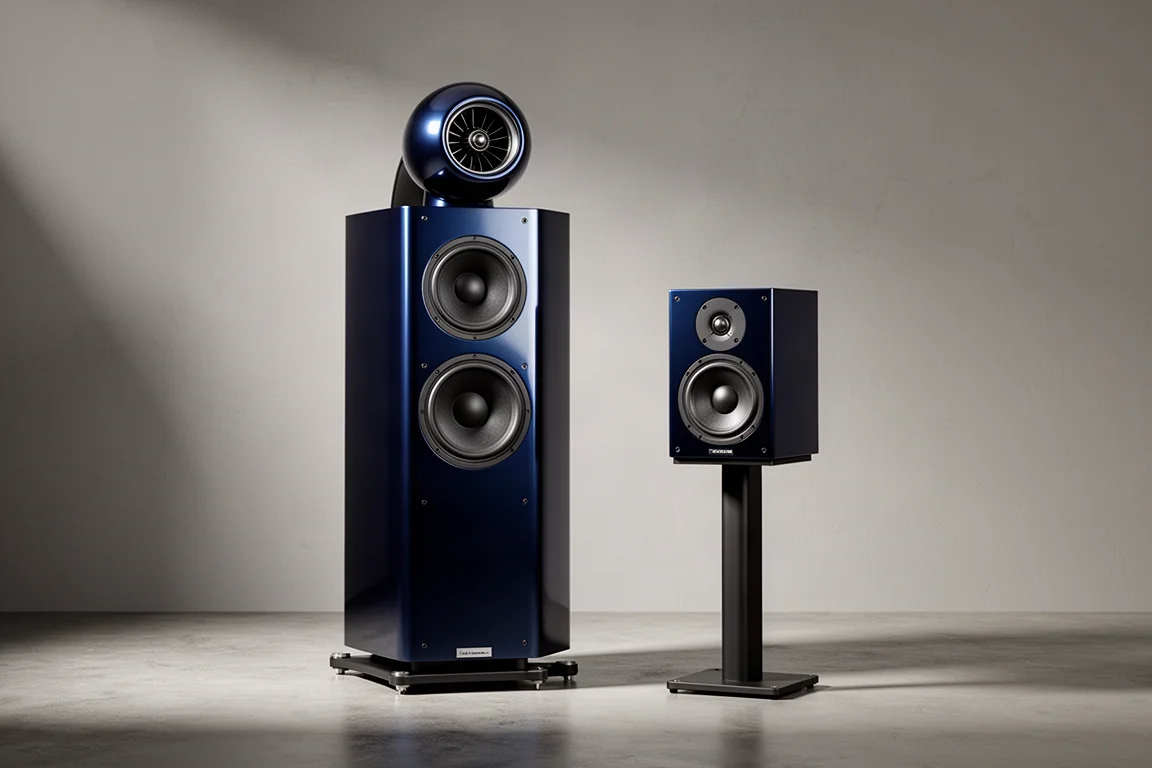
It has been 22 years since Bowers & Wilkins last introduced new models into its Signature 800 series. The two speakers arriving now are the 801 Signature floorstander and the 805 Signature bookshelf, both built on the current 801 D4 and 805 D4 designs that were introduced in 2021.
The 800 series has a long history in professional audio. These speakers are used in well-known recording and post-production studios such as Abbey Road and Skywalker Ranch, where engineers value accurate reproduction alongside low distortion and low coloration. The first 801 appeared in 1979, and there have been eight iterations of the 800 series since then.
This guide covers what is new in the Signature 800 series, how the two models differ, and which one makes more sense for a given room and system.
What Sets the Signature 800 Series Apart
Much of what makes the Signature models possible comes from the engineering work behind the D4 generation. The team spent more than six years designing those models, and several of their technologies carry over here.
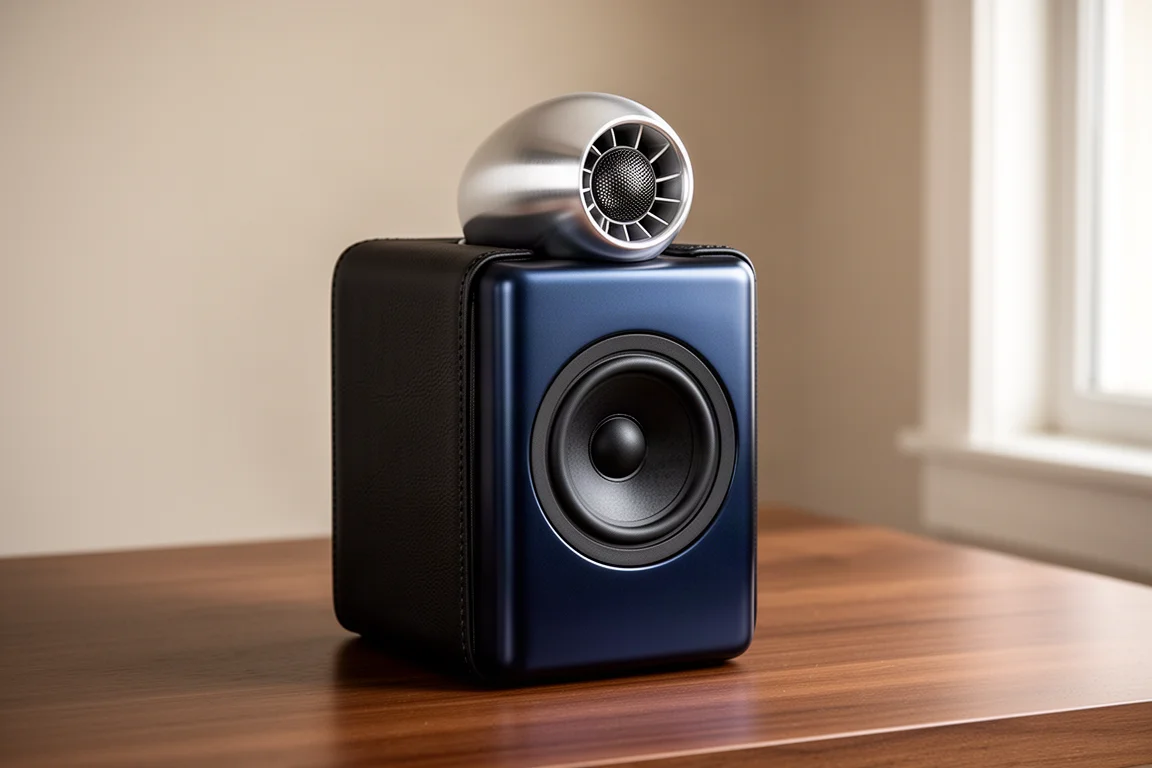
The Diamond Tweeter, introduced in 2005, uses a diaphragm made from diamond dust. It is expensive to produce, and its response is extremely linear well beyond the range of human hearing. Each tweeter sits in a distinctive aluminum turbine head. On the larger models, including the 801 Signature, a second turbine head houses the midrange driver.
Other D4 technologies include the Continuum midrange cone, developed to reduce the influence of the midrange surround and decoupled from the housing with a dedicated internal rod. The cabinets are reverse wrapped, built from several layers glued together, and braced internally using the Matrix design, which gained aluminum braces in this generation. Crossovers moved outside the cabinet, mounted on the rear in housings that also act as heat sinks. That arrangement keeps air pressure away from sensitive electronics, frees up internal volume for the woofers, and helps dissipate heat.
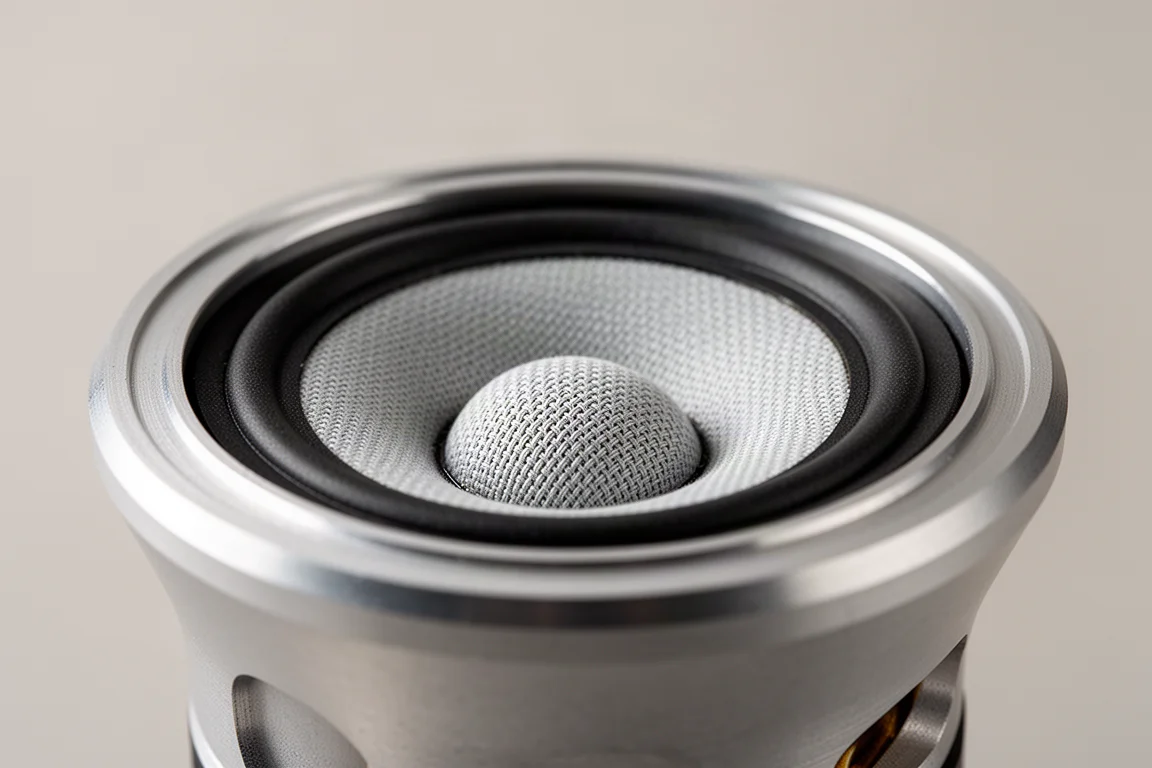
The biomimetic suspension is another notable piece of engineering. A conventional driver spider both centers the voice coil and, as it moves, pushes air against the back of the midrange cone, adding a small amount of distortion. The biomimetic suspension was developed over roughly 15 years to work around that problem, and it plays a large part in the midrange clarity of these speakers.
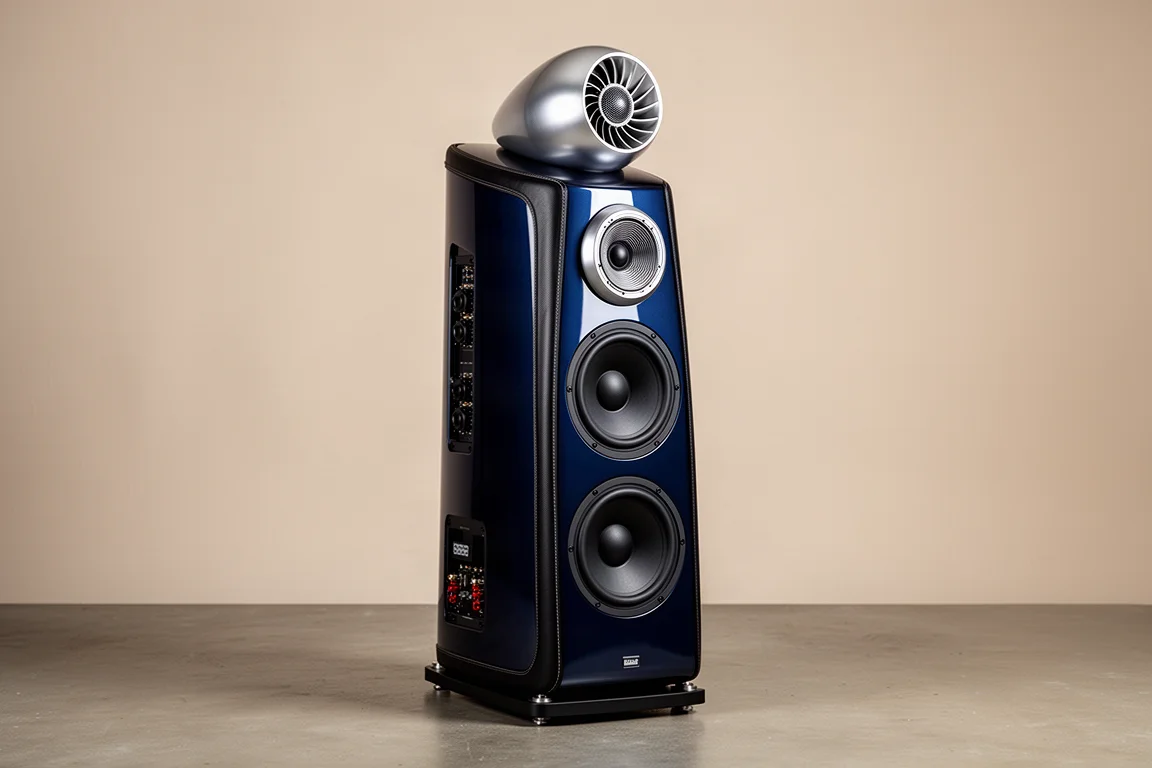
The Signature models go further still. They use brand new drivers that are unique to the series, and their two finishes are exclusive to it. Midnight Blue Metallic goes through the same painting process used for the Nautilus, while California burl wood uses a sustainably sourced engineered veneer from the Italian brand Alpi, finished with many sanding passes and machine polishing. Both finishes are trimmed in black Connolly leather.
Bowers & Wilkins 801 Signature: The Reference Floorstander
The 801 Signature is the model that benefits most from the new engineering. Its midrange turbine housing is attached to the cabinet with a new aluminum top plate. Using detailed measurement analysis, the engineers found they could lower the already very low resonances of that plate by machining a series of holes into its underside. The plate is paired with a redesigned leather trimmed collar that adds wedges of Tech Sound damping material at strategic points, which takes the cabinet further out of the audio picture.
The tweeter grille was revisited as well. The mesh in front of the diamond tweeter has to stay open enough for sound to pass through and stiff enough to protect the driver, so it is a balancing act. Twenty five different versions were measured before the final design was chosen, and it is considerably more open than the grille used previously.
Bass comes from two 10 inch drivers that have been redesigned to reduce distortion further. The steel used in the top plate and the mid plate was changed to lower inductance, again with distortion reduction as the goal. A new cast aluminum flow port flare is intended to make the bass tighter and to improve the initial attack heard on deep bass notes.
The crossover receives more expensive bypass capacitors than the D4 models, and more of them. The result is a reduction in distortion and cleaner sound across the midrange and the treble.
Listening Notes: The 801 Signature
Paired with a high quality preamplifier and mono power amplifiers, the 801 Signature reproduces piano with a purity that makes the instrument feel present in the room. On a jazz trio recording, the harmonics of the piano come through with no coloration, the double bass line carries both the feel and the pluck of the strings, and the brushing of a cymbal shows how effortless and open the tweeter is.
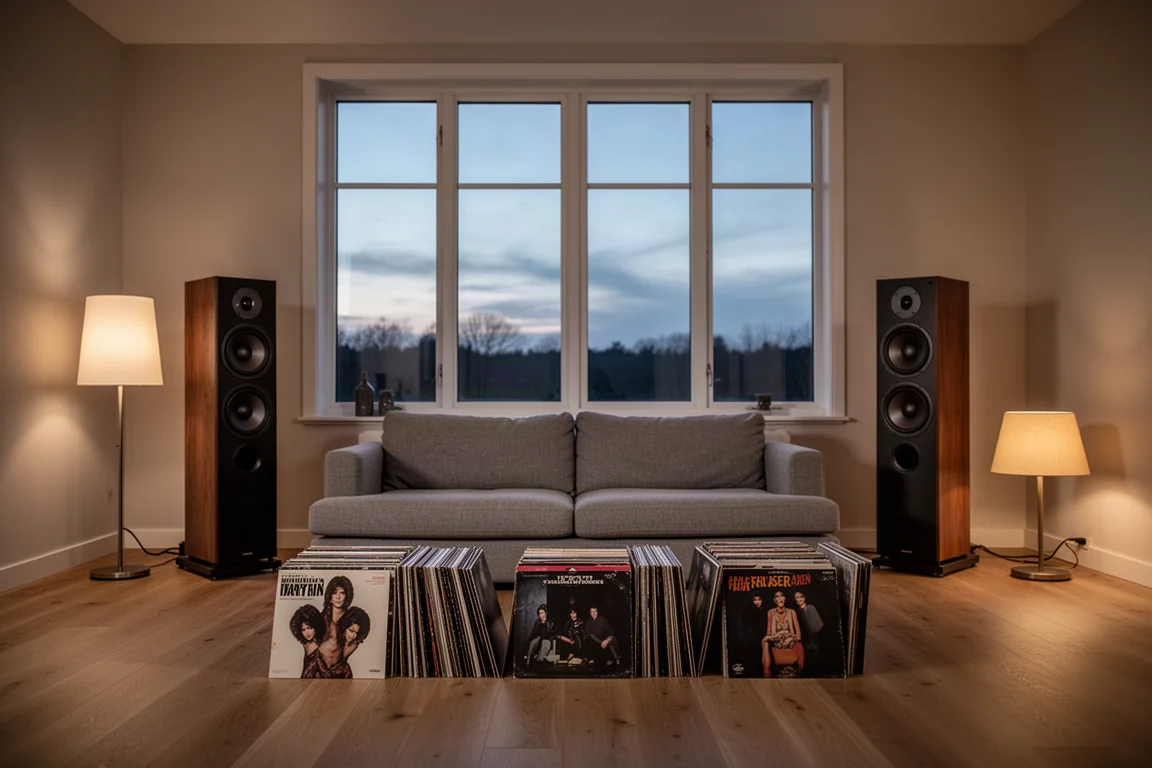
Vocal recordings are equally revealing. A delicate acoustic guitar intro can sound as though the overdubbed parts were played in the same room, and quieter vocal performances come through with every breath and inflection intact. On a track with two very different voices, each remains distinct, including a rougher, gravelly timbre.
Orchestral material shows the range of the speaker. A full orchestral opening that moves into a wistful violin and harp solo before swelling to a large crescendo asks a speaker to deliver weight and delicacy at the same time, and the 801 Signature handles both. On high energy electronic music, with vocals spread across the mix and deep, impactful bass, the sound extends well outside the speakers and the low end stays controlled.
Bowers & Wilkins 805 Signature: The Compact Bookshelf
The 805 Signature shares the crossover improvements of the 801, with the same more expensive bypass capacitors and the same reduction in distortion across the midrange and treble. Its mid bass driver receives the same distortion reducing upgrades, and the change in the steel used for the top and mid plates applies here too.
One detail differs. Because the tweeter housing on the 805 is a different size, the machined top plate solution used on the 801 did not apply, so a different method of coupling the housing to the cabinet was developed to control resonances.
What the 805 Signature delivers is an open, spacious presentation that stands with the best small monitor speakers in its class and price point. It does not use the same Continuum midrange drivers as the 801, yet the midrange stays open and effortless, and the delicate top end presentation is a particular strength.
Listening Notes: The 805 Signature
Expectations matter with a speaker of this size. The 805 Signature will not match the deep bass extension or the dynamic capability of the 801 Signature. What it does is present a coherent, spacious sound that suits a smaller room, where it produces good bass for the conditions.
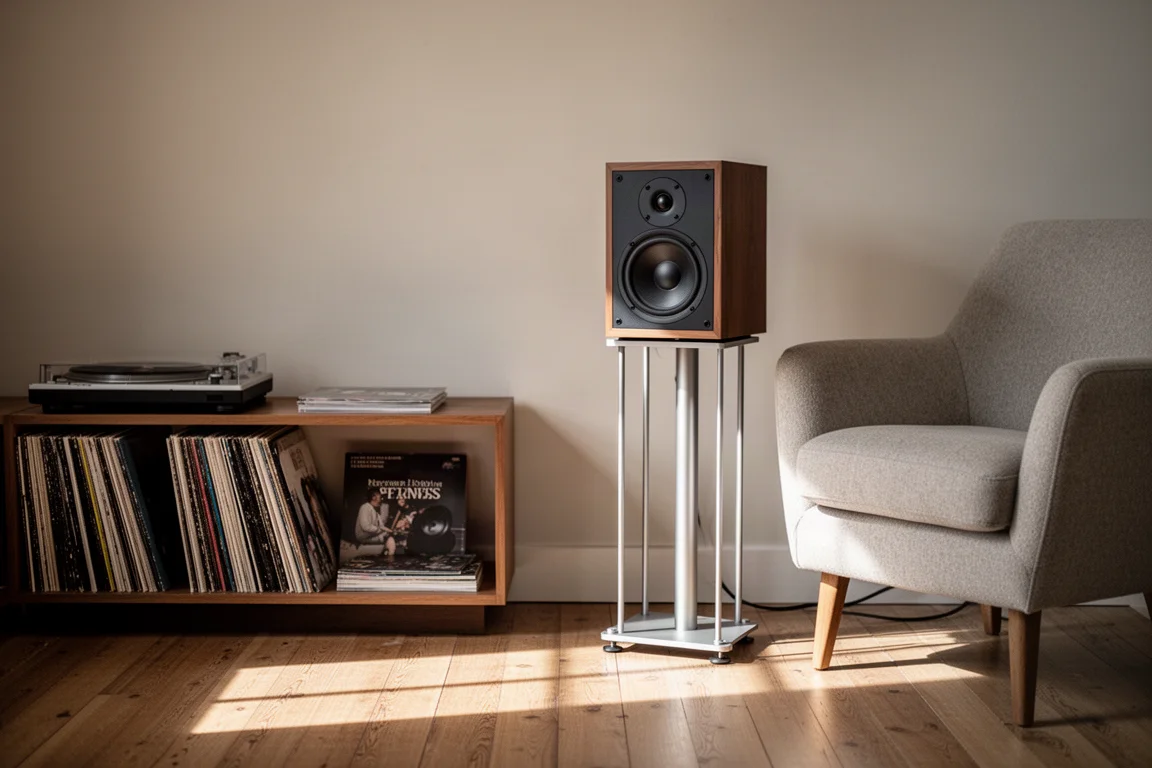
Used in that context, and with realistic expectations about low frequency reach, the 805 Signature is a compelling option for listeners who want the character of the Signature 800 series in a compact cabinet. Its top end is where it impresses most, with a delicacy that is hard to find at this size.
Choosing Between the 801 Signature and the 805 Signature
Room size is the first consideration. The 801 Signature is a full range floorstander with two 10 inch bass drivers, and it needs the space and the amplification to make use of them. The 805 Signature is a compact monitor that makes more sense in a smaller room, where its bass performance is well judged and its midrange and treble character still come through.
Owners of earlier 800 series models should note one limitation. None of the Signature upgrades can be retrofitted to the 800 D4 models. The new drivers, the top plate, the redesigned collar, the flow port flare, and the revised crossover are available only in the Signature 800 series.
Buying Advice
If the priority is the deepest bass, the greatest dynamic headroom, and the most complete picture of a recording, the 801 Signature is the model to consider. It is the sort of speaker that recording studios and post-production facilities are likely to take an interest in, and it rewards high quality amplification. Owners of earlier 801 or 802 models who want a meaningful step forward will find the 801 Signature the obvious place to start.
If the room is smaller, or the system is built around a compact pair of speakers, the 805 Signature delivers much of the same character in a footprint that is easier to place. Both models share the same crossover philosophy and the same intent to reduce distortion, so the choice comes down to how much low frequency extension and scale the room can support.
Conclusion
The Signature 800 series represents a new level of performance for these two models, with new drivers and a set of engineering refinements that are not available anywhere else in the range. The 801 Signature is the more complete speaker of the pair, while the 805 Signature brings the same clarity and openness to smaller spaces. Either one is worth hearing with a good system and a good recording.
Further reading
Related Reviews
High-End Audio
Accuphase E-3000 Review: A Class AB Integrated Amplifier Built to Last
The Accuphase E-3000 is the entry point into a legendary Japanese high-end line. Here is how it sounds, how it is built, and who should consider it.
High-End Audio
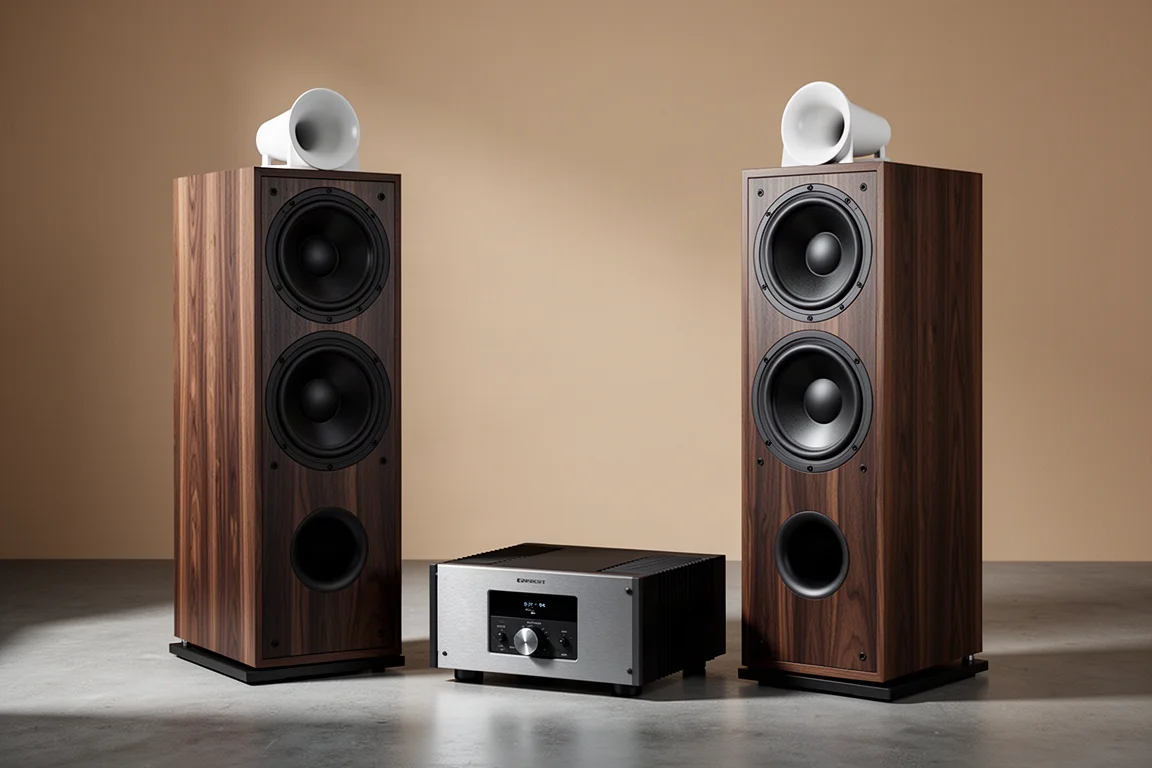
Arreté Floorstanding Speakers and Benchmark HPA2: A Premium Pairing Worth Hearing
A close look at how Arreté floorstanding speakers and Benchmark HPA2 power amplifiers pair up, what each component contributes, and what to weigh before buying.
High-End Audio
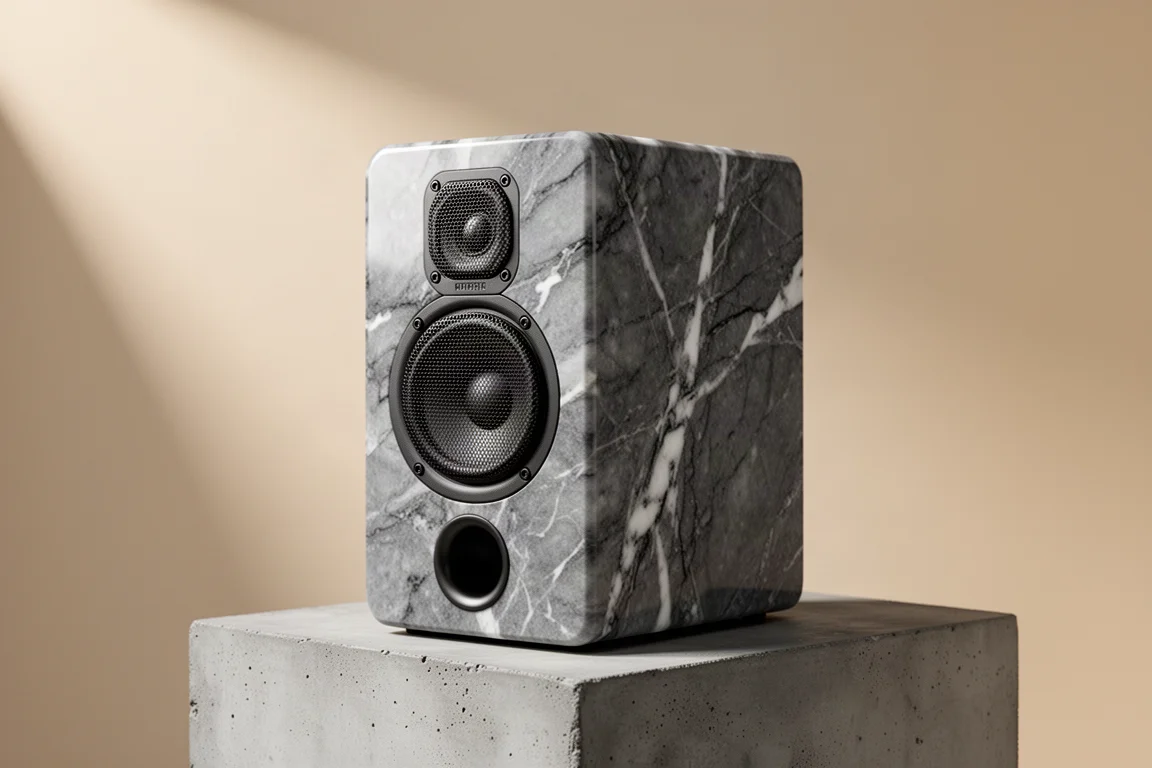
Aurelia Acoustics MRB1 Review: Marble Cabinets and a Big, Lively Sound
The Aurelia Acoustics MRB1 pairs a marble cabinet with Accuton ceramic drivers and a lively, spacious sound that stays easy to listen to. Here is what to know before buying.