High-End Audio
Bowers & Wilkins 805 D4 and the High-End Speakers Worth Comparing
A detailed look at the Bowers & Wilkins 805 D4 standmount and how it stacks up against four high-end alternatives, from the Focal Kanta No.1 to the Bang & Olufsen Beolab 28.
Introduction
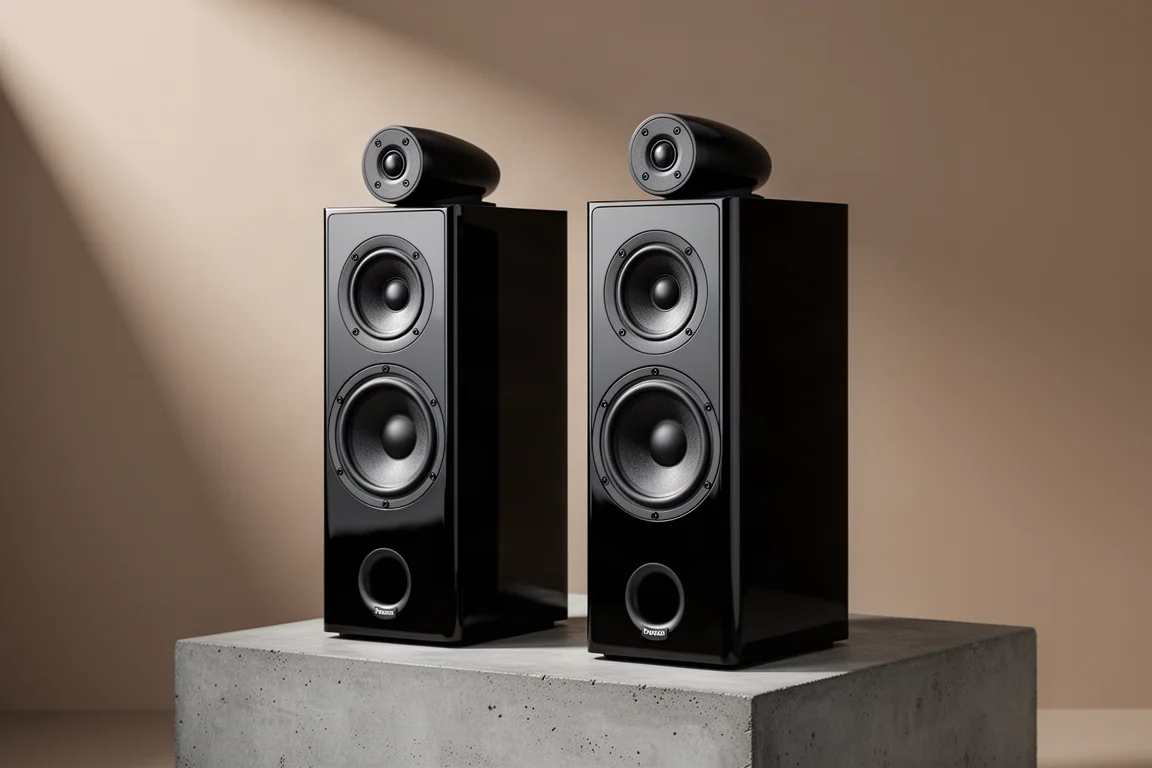
The Bowers & Wilkins 805 D4 is the most compact model in the brand’s 800 Series Diamond range, and it carries the same one-inch Diamond Tweeter that defines the line. It is a two-way, front-ported standmount, and at $8,500 per pair it sits in the company of some genuinely capable alternatives.
This guide looks at the 805 D4 in detail, then compares it with four speakers that buyers routinely weigh against it: the Focal Kanta No.1, the Bowers & Wilkins 705 S3, the Klipsch La Scala and the Bang & Olufsen Beolab 28. Each one occupies a different point on the spectrum between purist two-channel hi-fi and fully active convenience.
What to Look For in a High-End Bookshelf Speaker
Four things matter most once you move into this price bracket. Driver and tweeter design sets the ceiling on detail and refinement, and a top-mounted tweeter housing is a deliberate choice that raises the tweeter above the cabinet edge to reduce diffraction. Port placement affects how forgiving a speaker is in a normal room, and front-ported designs are generally easier to position closer to a wall than rear-ported ones.
Sensitivity and impedance determine how much amplifier you need. A rating of 88 dB with a nominal 8 ohm load that dips to 4.6 ohms is friendly enough for a wide range of quality amplifiers, but headroom still pays off. Finally, be realistic about bass. A standmount rated down to 42 Hz covers most music convincingly, but cinematic playback at reference levels is a different job that usually calls for one or two subwoofers.
Tonally, the biggest differences between speakers at this level usually show up in the midrange and in how the low end interacts with the room. That makes listening with familiar recordings in your own space more useful than any single specification.
Bowers & Wilkins 805 D4
The 805 D4 pairs a 6.5-inch mid-bass driver with the top-mounted one-inch Diamond Tweeter, the latter sitting in a housing with a leather-topped plate. Rated frequency response is 42 Hz to 28 kHz, sensitivity is 88 dB, and the nominal impedance is 8 ohms with dips to 4.6 ohms. In practice that makes it easier to drive than some of the brand’s larger and less expensive models, and it behaved well with several different integrated amplifiers.
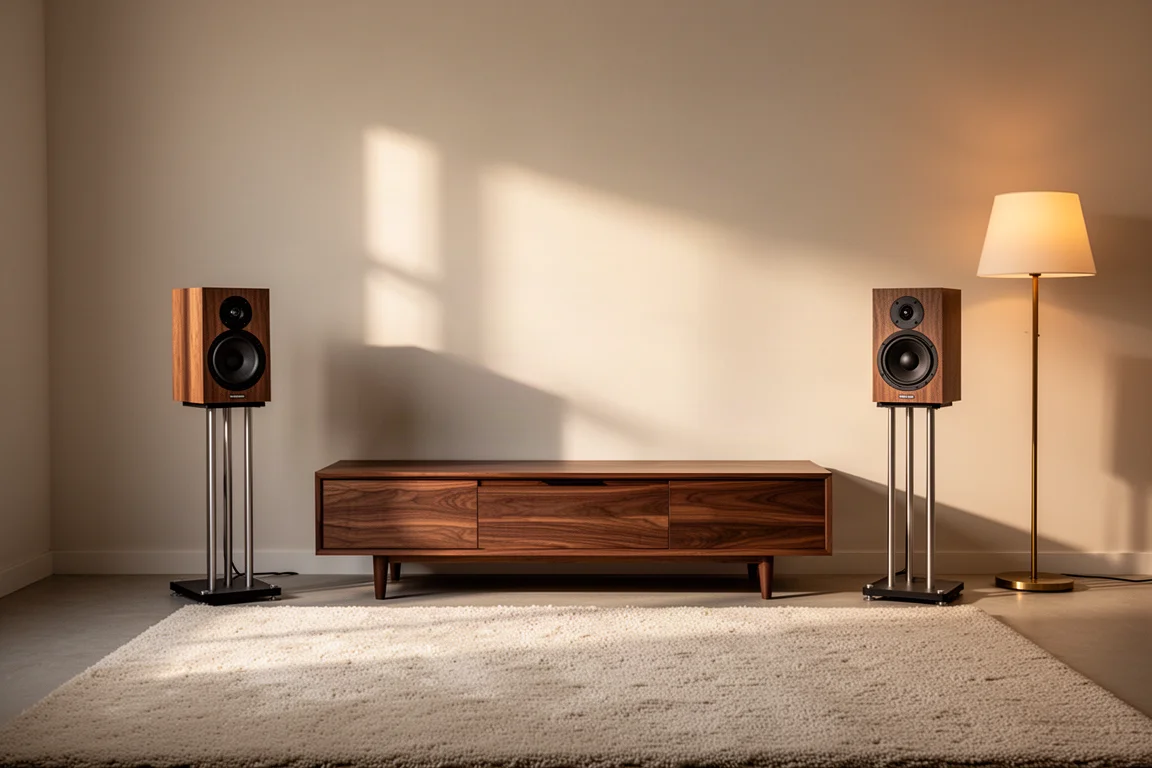
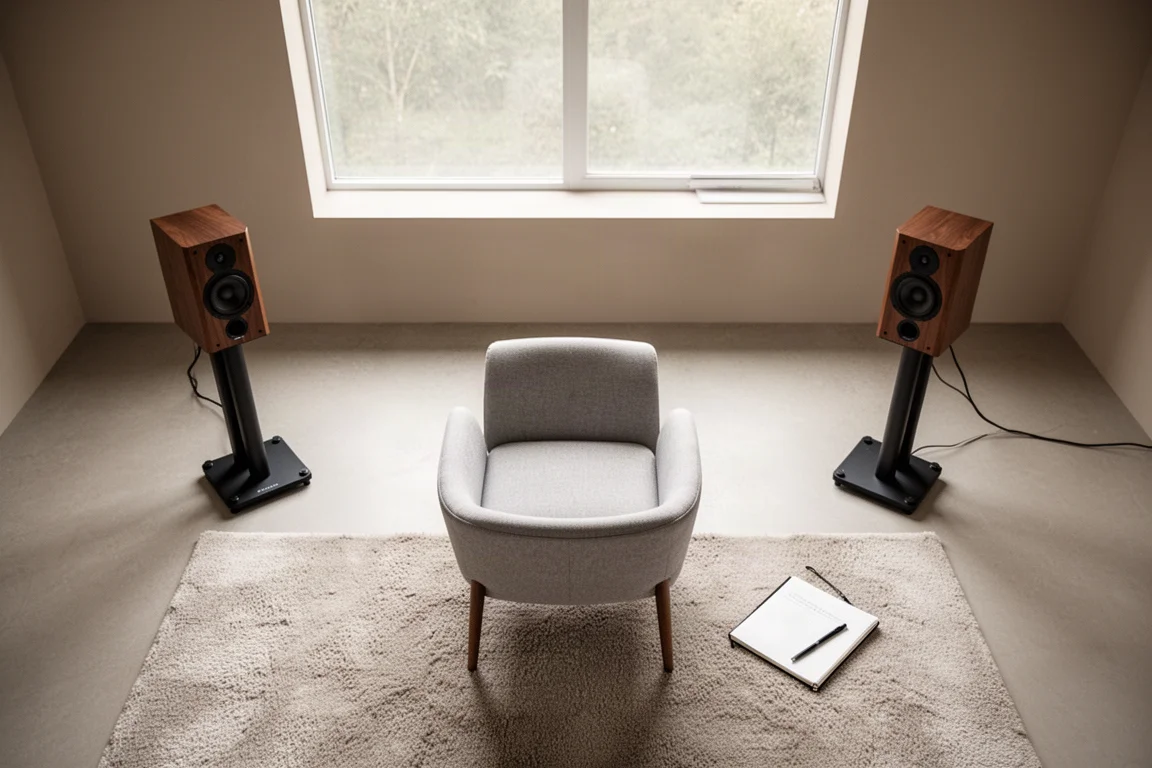
The front-firing port simplifies placement compared with rear-ported designs. Best results came with the speakers roughly two feet off the front wall, about nine and a half feet apart, toed in slightly toward a listening position around twelve feet from the tweeters. That arrangement produced a wide, holographic stage with strong center imaging and excellent separation between instruments.
Tonally the 805 D4 is a largely neutral loudspeaker, with a measured dip between 2 kHz and 3 kHz and a gentle roll-off beginning near 15 kHz. The midrange is the standout: vocals, acoustic guitars and other strings come through with a clean, uncoloured presence that never sounds muddied by the cabinet. Bass is quick and articulate rather than heavy, so listeners who want real low-end weight should plan for a subwoofer. Off-axis performance holds a stable center image well outside the sweet spot, and the cabinets disappear convincingly in three-dimensional space. Dynamics are strong, though the speaker opens up more with some volume on the dial.
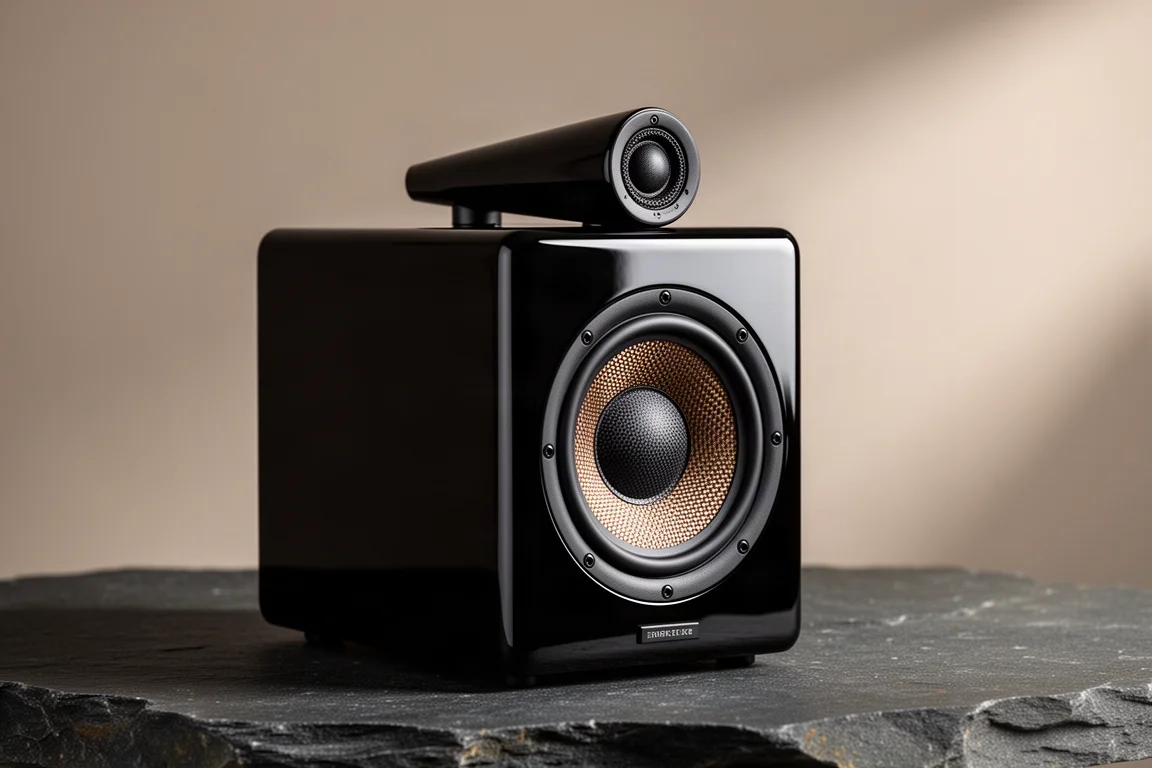
Finish options include gloss black, white and satin walnut, and the gloss black suits this particular cabinet well. The one weak point is the woofer grille, which dresses down an otherwise tailored design.
Focal Kanta No.1
The Focal Kanta No.1 is the closest match in both design and price. Its rear-facing port lets it interact more with the room’s boundaries, and that shows up as a fuller low end that can occasionally tip into sounding bloated. Both speakers reach roughly the same low frequencies, so the difference is really one of presentation: the 805 D4 is quicker and more controlled down low, while the Kanta No.1 leans warmer.
For buyers choosing between the two, the 805 D4 offers the more precise sound and the more sophisticated look for the money, though the Kanta No.1 remains one of the strongest standmounts in its class.
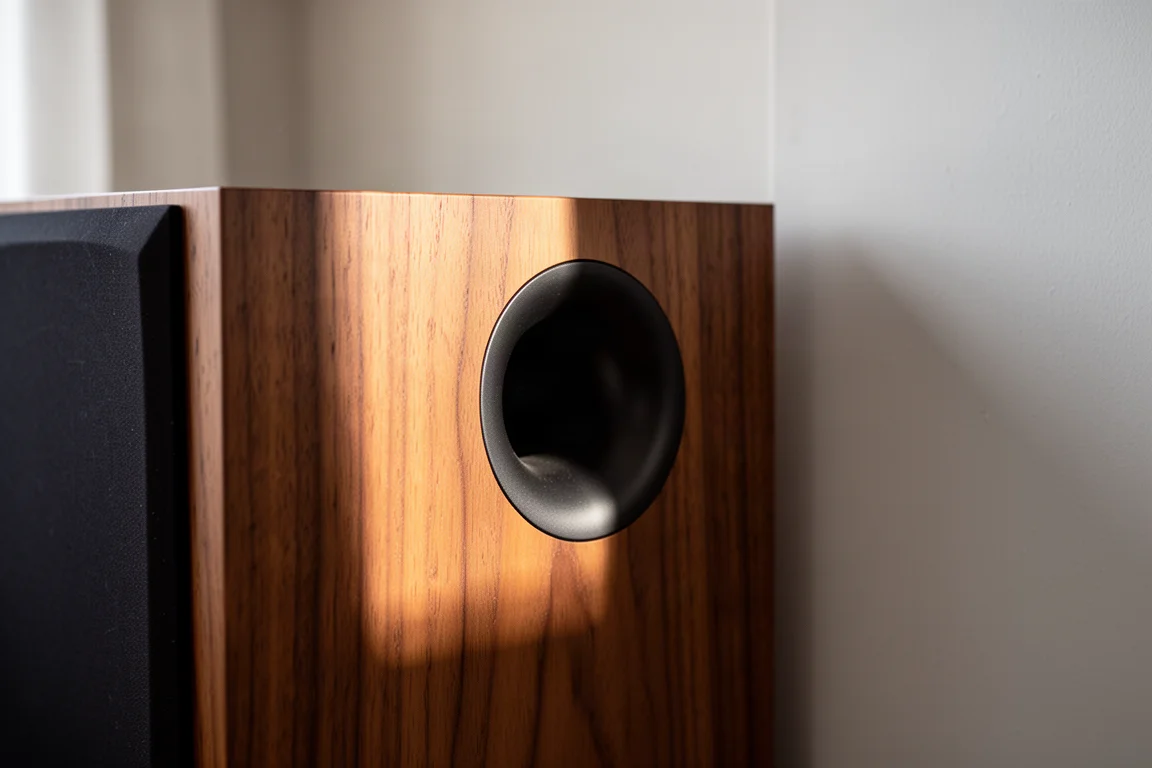
The rear port is worth planning around. Leaving more space behind the cabinet usually tightens the bass and reduces the room gain that makes the low end sound heavy.
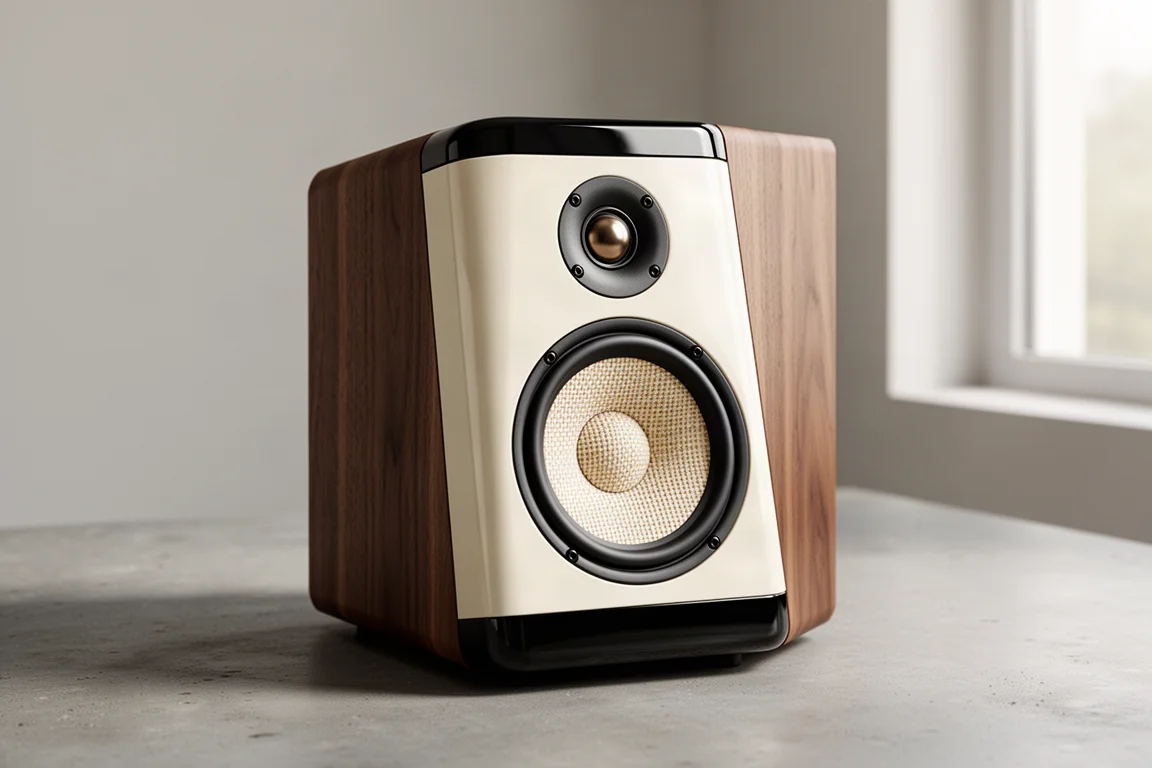
Bowers & Wilkins 705 S3
The 705 S3 is the more affordable route into the same family sound. On its own and without any correction, the 805 D4 is clearly the better speaker. The gap narrows considerably once tone controls or parametric EQ are used to shape the 705 S3’s response, but even then the 805 D4’s superior cabinet design remains audible in a cleaner, more precise overall presentation.
The tweeter is the other dividing line. The 805 D4’s Diamond Tweeter stays refined at high volumes, while the 705 S3’s tweeter can ring a little when pushed hard or fed poor recordings. That makes the 805 D4 the better all-rounder at the top end. Buyers who believe good design and engineering should come first will want the 805 D4; buyers working to a tighter budget can get a large part of the experience from the 705 S3 with some experimentation.
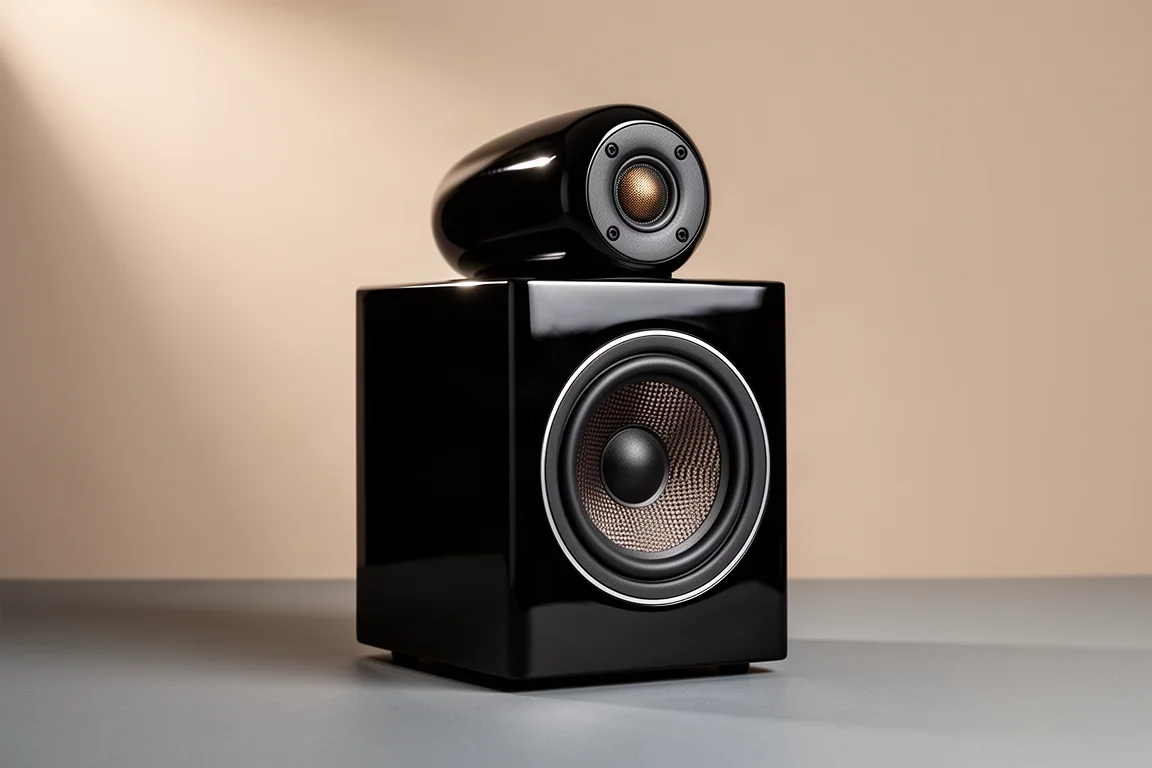
Klipsch La Scala
The Klipsch La Scala is a horn-loaded design and, as with all horn speakers, it is very much its own thing. It is capable of a lively, immediate presentation that is genuinely memorable on the right recording, but it is harder to live with day to day and less consistent across every genre and film soundtrack.
The 805 D4 is the more practical choice for most rooms, easier to integrate and more predictable across a wide range of material. Listeners who prioritise raw character over flexibility may still prefer the horn approach, and there is no arguing with how engaging it can sound.
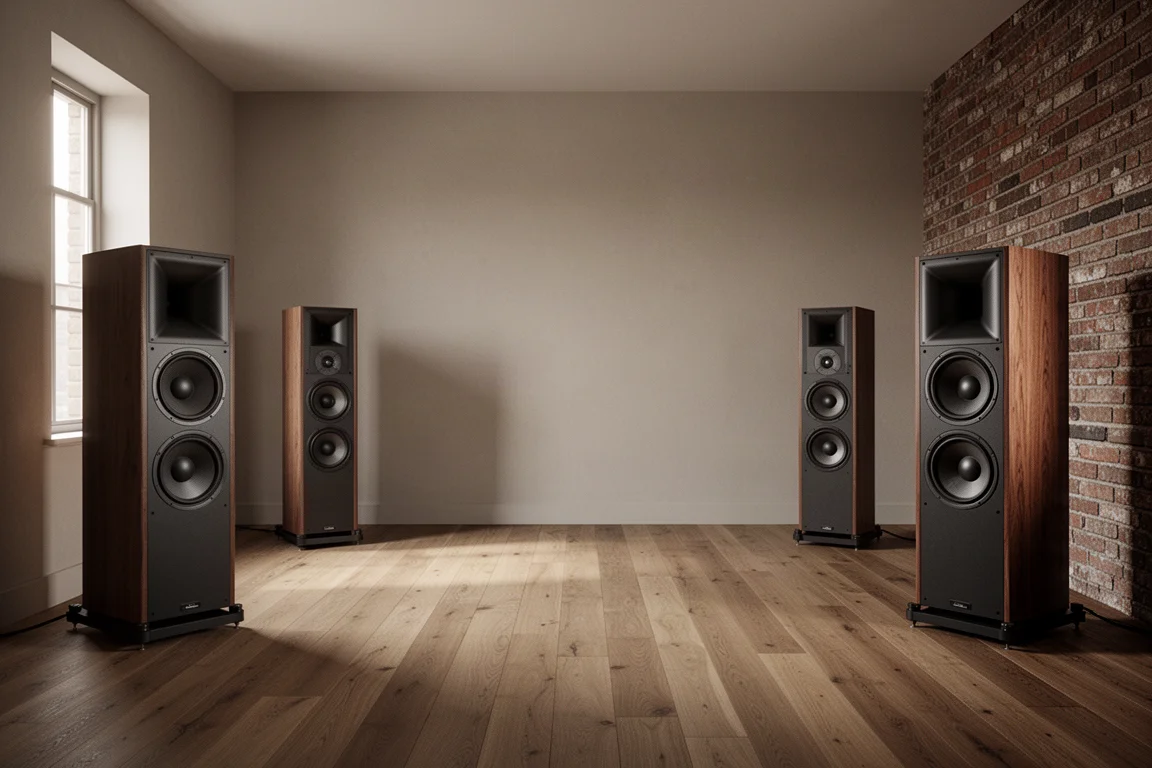
Horn-loaded cabinets are also physically demanding. They need space around them and reward careful positioning far more than a compact standmount does, which is worth factoring in before committing to the layout of a room.
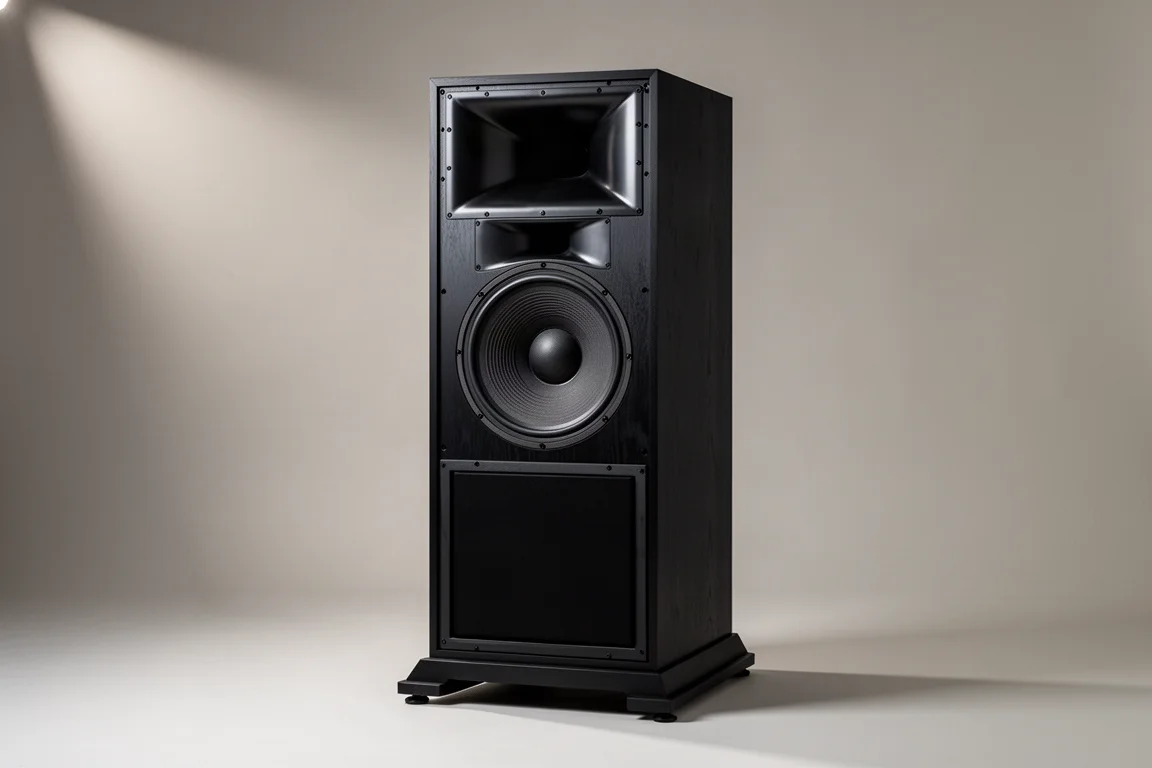
Bang & Olufsen Beolab 28
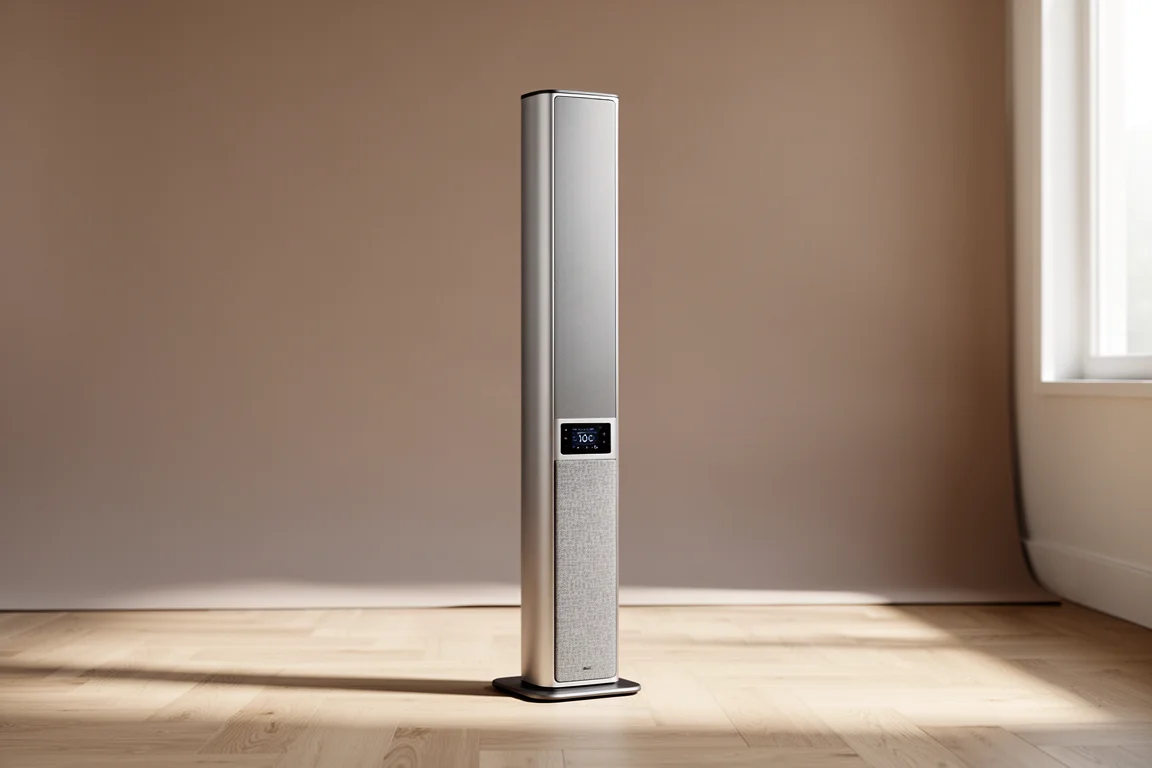
The Beolab 28 takes an entirely different path. It is a fully active speaker with a sound that can be tuned to taste, which removes any concern about amplifier matching, preamplifier choice or system synergy. As a set-and-forget high-end system it is about as convenient as this category gets, and it plays nicely with whatever source you feed it.
The trade-off is flexibility of a different kind. Listeners who already own an amplifier and preamp they love, and who have taken time choosing them, will want the 805 D4 and a traditional passive chain. Cable management between the Beolab 28’s modules is also awkward, a surprising detail on a design that is otherwise so considered.
Buying Advice: Matching a High-End Speaker to Your Room and System
At $8,500 per pair, the 805 D4 is a significant purchase, and it is worth being honest about whether it fits. For most listeners a more affordable speaker such as the Bowers & Wilkins 705 S3, or a design in the same spirit as the Q Acoustics Concept 50, is the more realistic route into high-end sound, particularly when careful setup and room correction can close part of the gap.
Room size matters as much as budget. A front-ported standmount like the 805 D4 is easier to place than a rear-ported or horn-loaded alternative, and it holds a stable image across a wide listening area. If film soundtracks at reference levels are part of the plan, budget for a subwoofer alongside the speakers rather than expecting a standmount to handle the bottom octave alone.
Finally, think about the rest of the chain. The 805 D4 is relatively easy to drive, but it still benefits from an amplifier with genuine headroom, and it will reward careful positioning far more than any accessory purchase. Buy the speaker that suits the room you actually have.
Conclusion
The 805 D4 delivers a neutral, detailed and beautifully imaged performance, with a midrange that is hard to fault and a bass response built for speed rather than scale. Add a subwoofer and it covers the full range; leave the grille off and it looks every bit the flagship standmount.
Against the Focal Kanta No.1 it wins on precision, against the 705 S3 it wins on cabinet design and tweeter refinement, and against the Klipsch La Scala it wins on practicality. Only the fully active, tunable Beolab 28 offers something the 805 D4 cannot: a system that needs no matching at all. For listeners who want a traditional high-end standmount to build a system around, the 805 D4 is the one to plan for.
Further reading
Related Reviews
High-End Audio
Accuphase E-3000 Review: A Class AB Integrated Amplifier Built to Last
The Accuphase E-3000 is the entry point into a legendary Japanese high-end line. Here is how it sounds, how it is built, and who should consider it.
High-End Audio
Arreté Floorstanding Speakers and Benchmark HPA2: A Premium Pairing Worth Hearing
A close look at how Arreté floorstanding speakers and Benchmark HPA2 power amplifiers pair up, what each component contributes, and what to weigh before buying.
High-End Audio
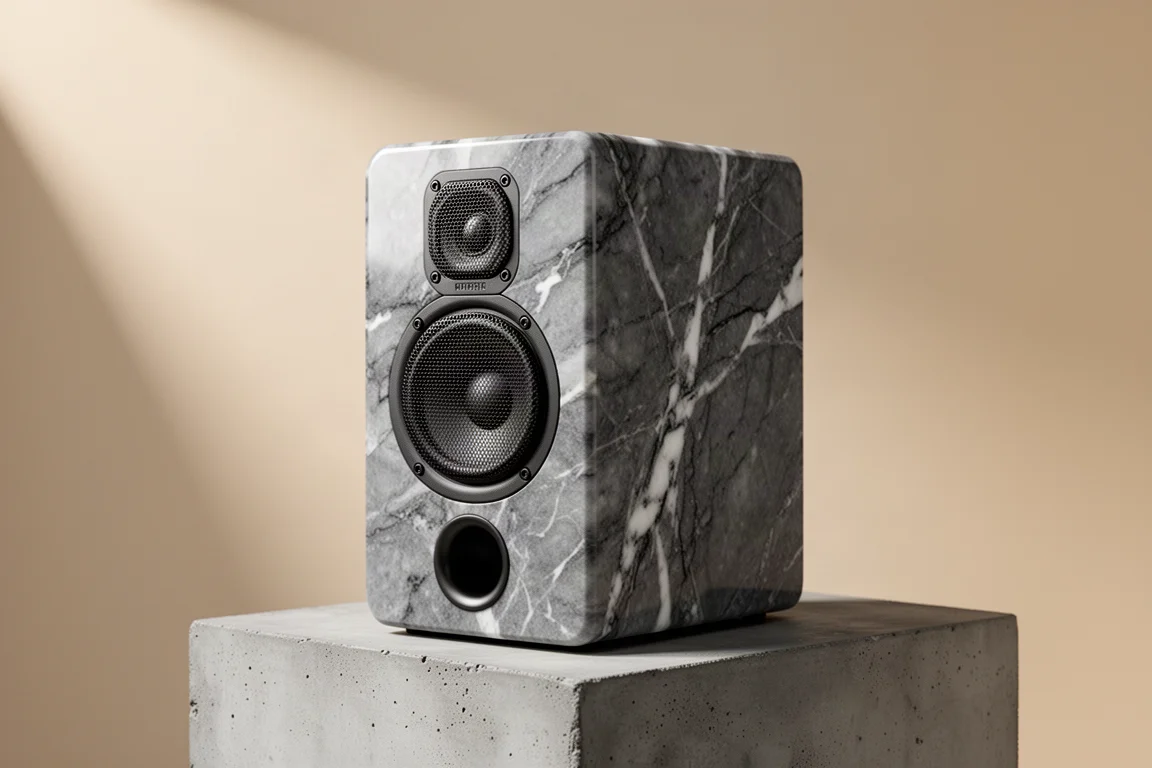
Aurelia Acoustics MRB1 Review: Marble Cabinets and a Big, Lively Sound
The Aurelia Acoustics MRB1 pairs a marble cabinet with Accuton ceramic drivers and a lively, spacious sound that stays easy to listen to. Here is what to know before buying.