Hi-Fi Audio
Bowers & Wilkins 801 Signature and 805 Signature: A Two-Channel System With McIntosh and NAD
How the Bowers & Wilkins Signature Series performed in a reference two-channel system, with McIntosh MC1.25 amplification, a Paradigm XR11 subwoofer, and the NAD M33.
Introduction
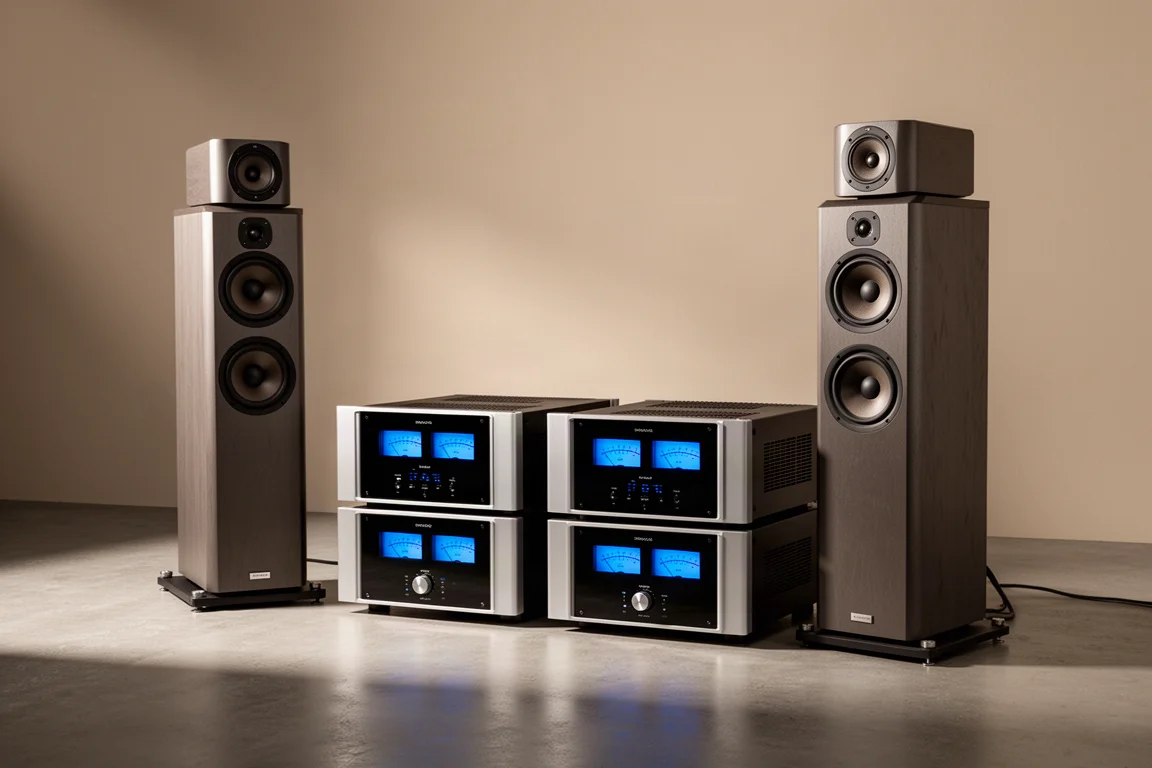
The Bowers & Wilkins Signature Series sits at the top of the company’s 800 line, and the 801 Signature is the model that best shows what the range is capable of. This guide looks at how the 801 Signature and the smaller 805 Signature performed in a dedicated two-channel room, and at the electronics chosen to drive them: McIntosh MC1.25 amplifiers behind the 801s, and an NAD M33 integrated amplifier with a Paradigm XR11 subwoofer behind the 805s.
The pricing is worth stating plainly. The 801 Signature is around $55,000 per pair, and the 805 Signature is roughly $14,000 per pair. Both are premium purchases, so the useful question is not whether they are good, but which combination makes sense for a specific room and budget.
Why This Two-Channel Setup Stands Out
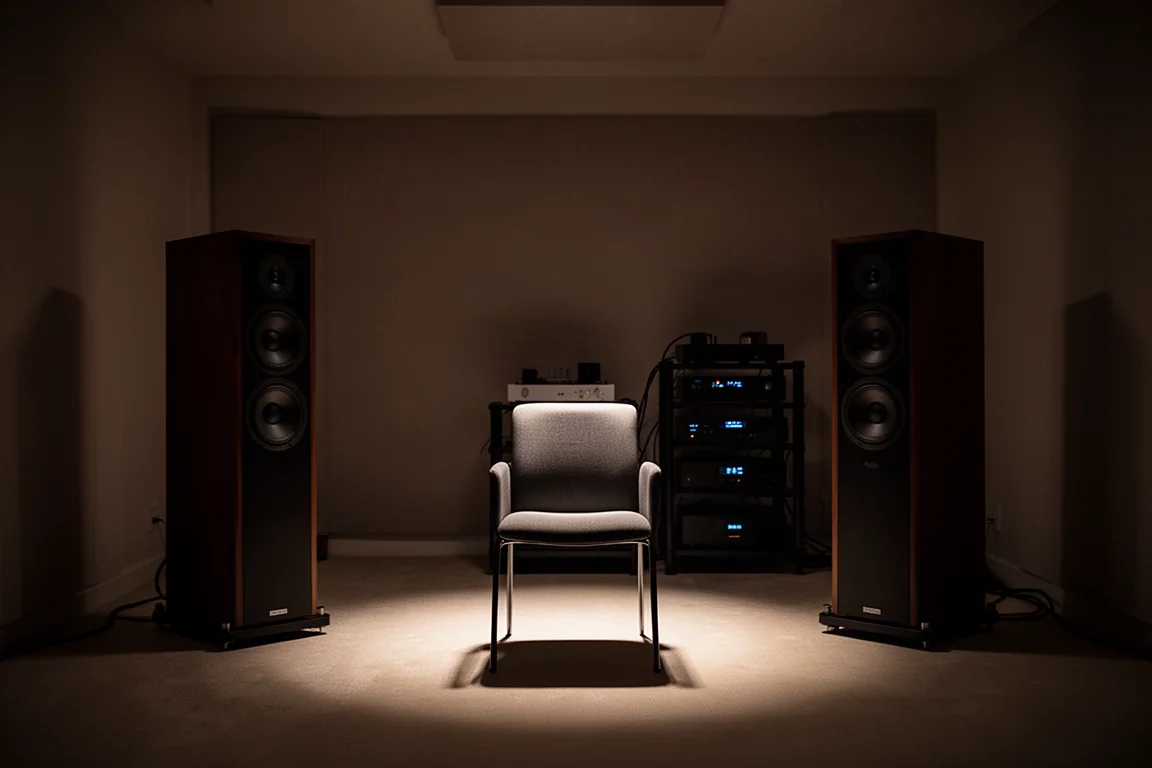
Part of what made this system so convincing was the room. The listening space has sidewall symmetry, acoustic treatment in the ceiling, and enough comfort and lighting to keep long sessions enjoyable, without so much treatment that the sound feels overdamped.
The signal path was deliberately simple. A media server fed the McIntosh electronics directly, with no EQ, no Dirac, and no room correction in the 801 system. Even so, in-room measurements came back very linear, with substantial bass output and a mild bump around 30 Hz that turned out to be a pleasant place to have one.
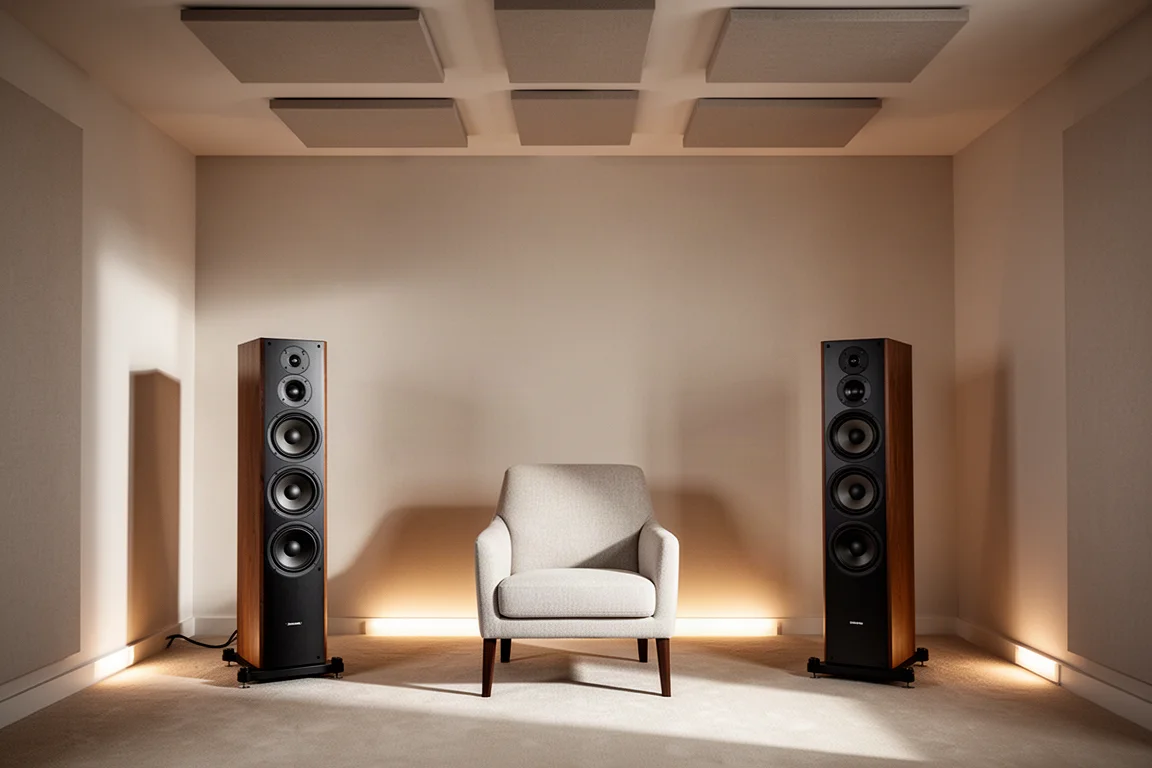
That combination of a well-behaved room and a clean, unprocessed signal path is a large part of why the system sounded as coherent as it did. Nothing in the chain was compensating for a weakness elsewhere.
Bowers & Wilkins 801 Signature: The Centerpiece
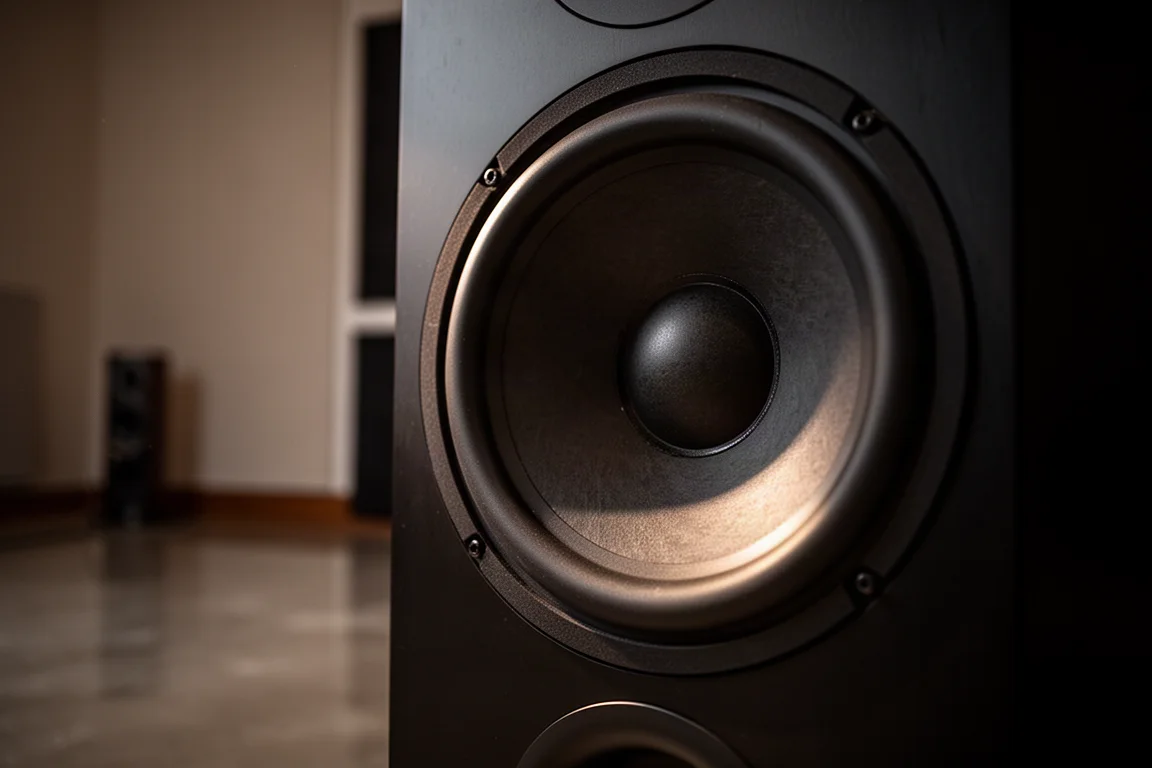
The 801 Signature is a large three-way floorstander, and the Signature treatment goes deeper than a cosmetic update. The bass drivers are redesigned Aerofoil units, the crossover is upgraded with premium parts and mounted on the rear of the cabinet on a large heat sink, and the top plate is upgraded for added stiffness.
The driver complement continues the approach Bowers & Wilkins has used in the 800 Series for decades: a 1-inch diamond tweeter in its own chamber, a 6-inch Continuum midrange, and two 10-inch Aerofoil woofers. The speaker is rated down to 15 Hz, with system sensitivity around 90 dB.
In this room, the measured response was notably linear, and the bass output was the headline. Deep low-frequency content arrived with real physical weight and without any EQ applied. Imaging and soundstage scale were equally strong, with a convincing phantom center and a sense of scale that makes a two-channel system feel far larger than two boxes.
The Signature edition also stood out against the standard 801 D4 that had previously been used in the same room. The Signature version was clearly the more capable speaker, which is a meaningful distinction for anyone who has spent time with the earlier model.
Bowers & Wilkins 805 Signature: Signature Sound in a Smaller Space
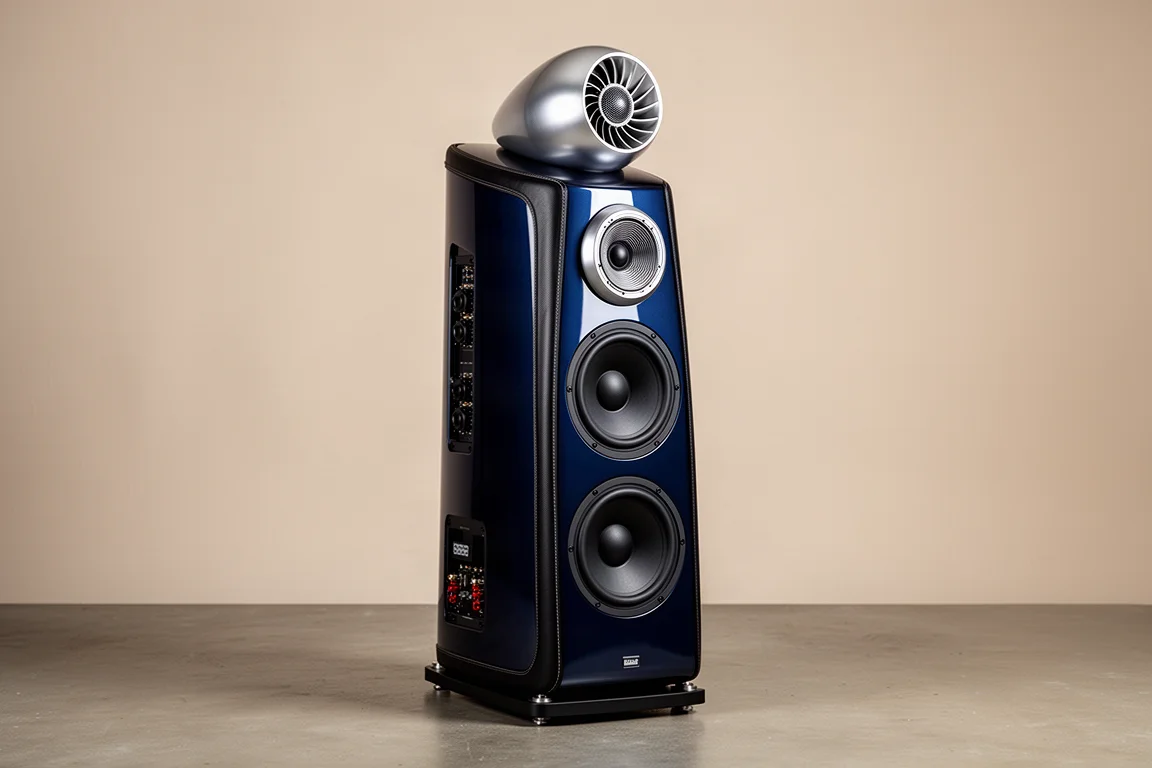
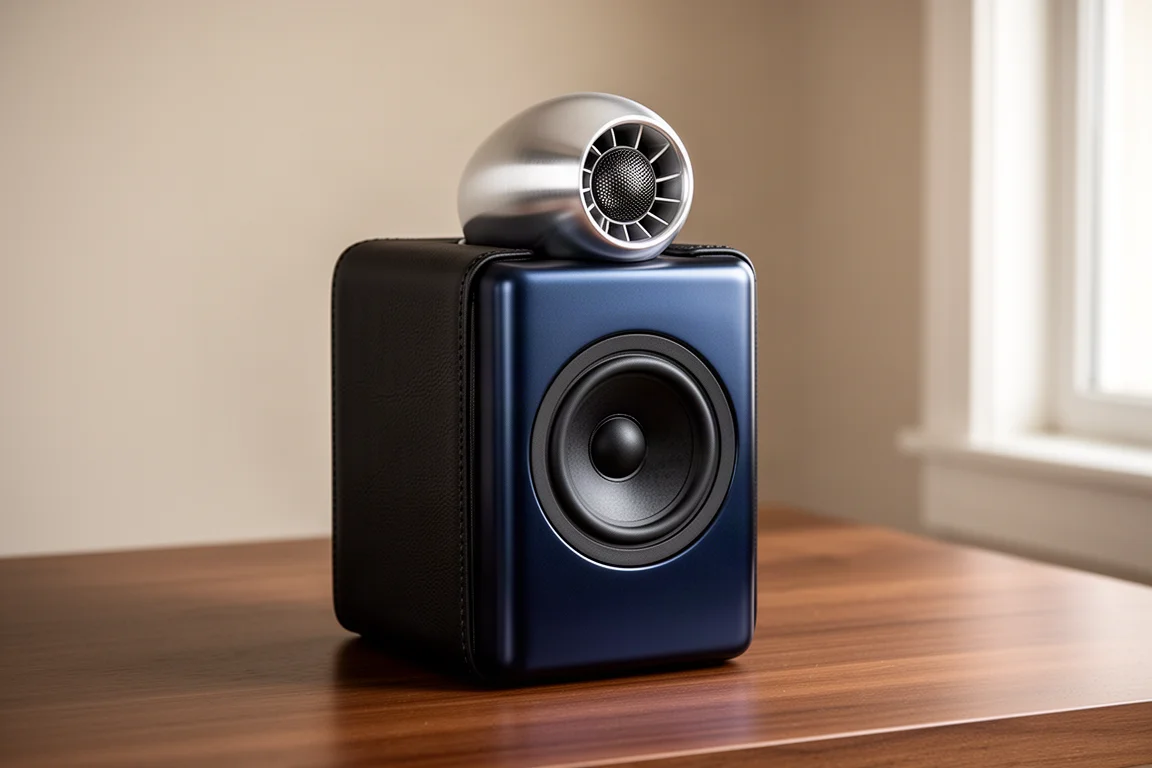
The 805 Signature is a two-way stand-mounted design with a 6.5-inch Continuum driver and the same diamond tweeter in its own rear chamber. It also receives upgraded crossovers and an upgraded aluminum top plate, so the family resemblance to the 801 Signature is technical as well as visual.
The character is slightly different. The 805 Signature comes across as a little more forward than the floorstander, while the 801 Signature is the more neutral of the two. On its own, the 805 Signature is a capable speaker with strong imaging. Paired with the Paradigm XR11, it becomes a genuinely full-range system with a rounder, better balanced presentation.
At roughly $14,000 per pair, the 805 Signature is the more accessible entry into the Signature line, and it is the model most likely to suit a smaller room or a system built around a stand-mounted speaker.
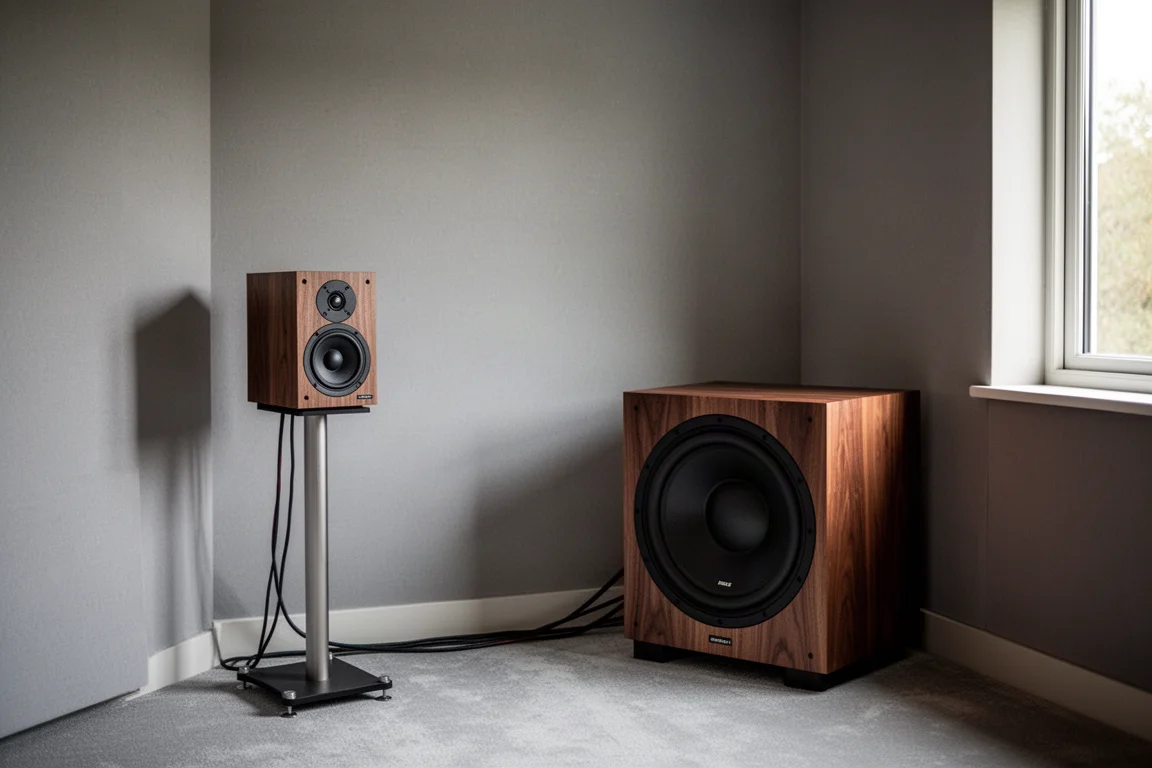
The pairing with the NAD M33 matters here as well, because the amplifier’s built-in bass management lets the subwoofer blend with the standmounts rather than sit underneath them.
McIntosh MC1.25: Amplification With Headroom
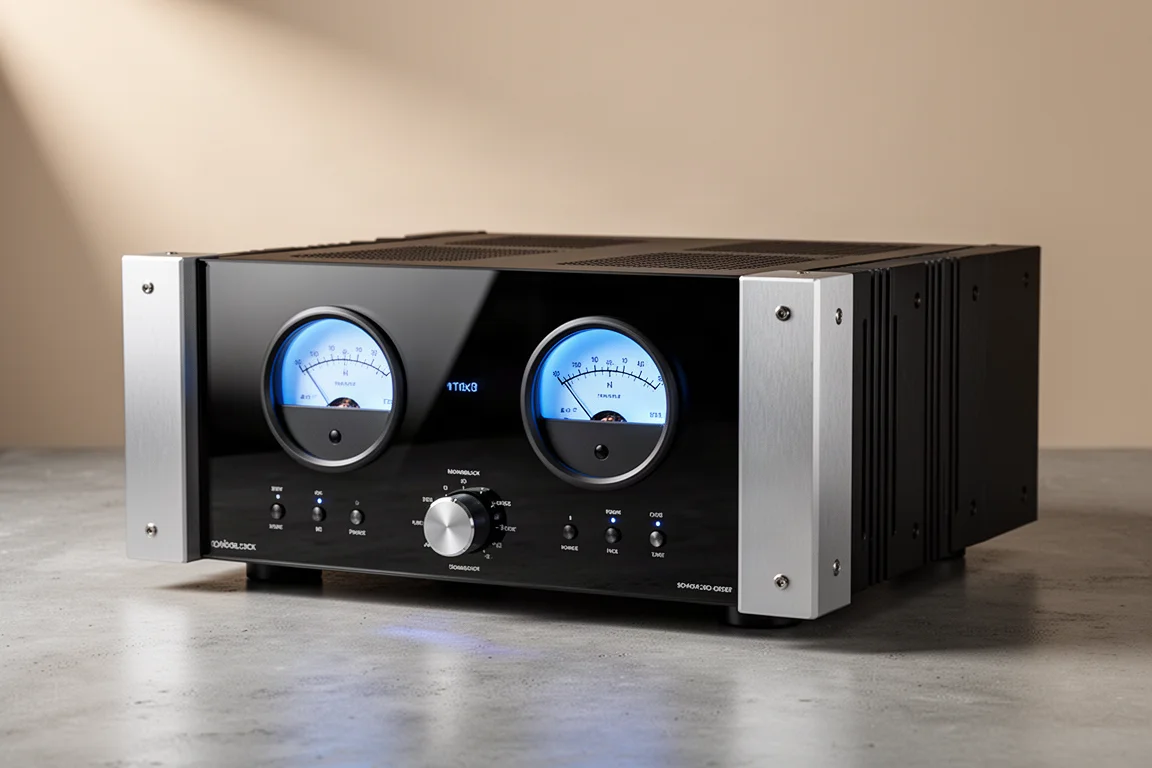
The MC1.25 amplifiers are rated at 1.2 kilowatts, and in this system they never came close to their limit. With the room filled and several listeners present, the meters stayed around 120 watts, which says as much about the speakers as it does about the amplifiers.
The practical benefit is headroom. With bass-heavy material played at high levels, the 801 Signature woofers barely moved, which indicates the system was operating well within its excursion limits rather than straining. The amplifiers were quiet, dynamic, and controlled, with the low noise floor and high current capability that a speaker like the 801 Signature can exploit.
The visual signature is part of the appeal too. The large blue meters and the long-running design language are instantly recognizable, and McIntosh equipment tends to hold its value well on the used market.
Paradigm XR11: Filling In the Low End
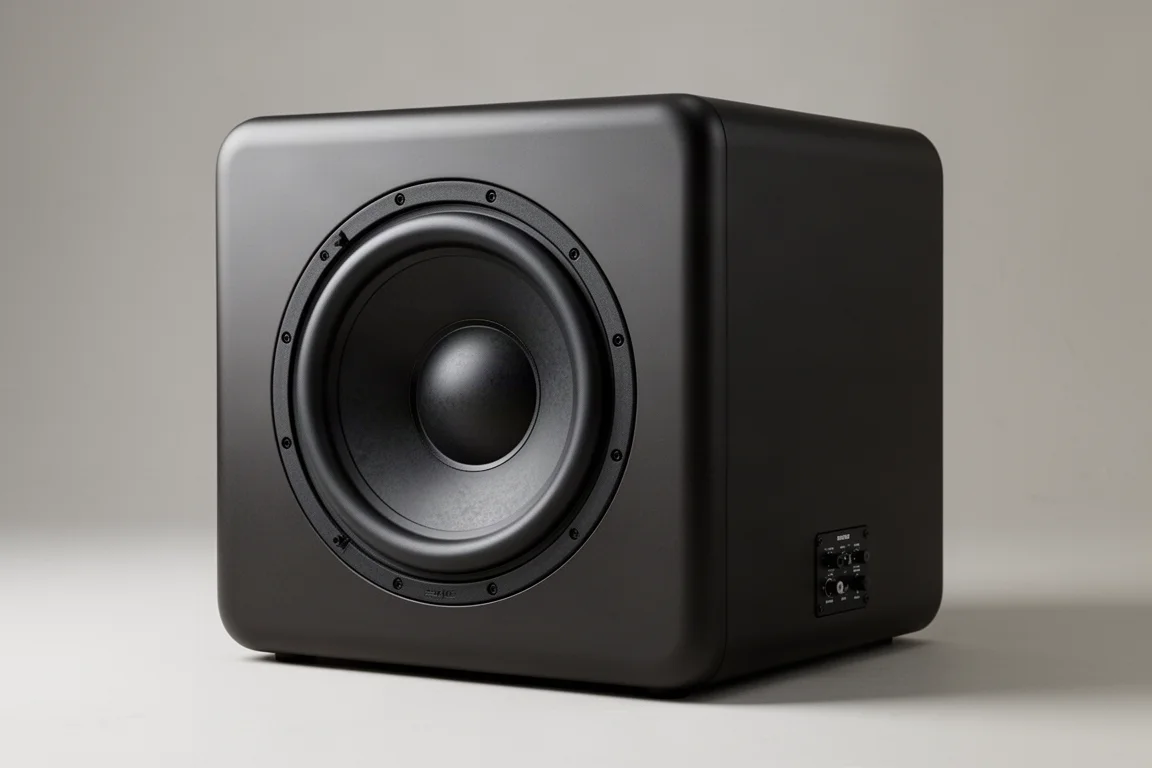
The XR11 is the piece that turns the 805 Signature system into a full-range setup. On its own, the 805 Signature is impressive, but it does not deliver the physical low-frequency weight that the 801 Signature produces in the larger room. Adding a musical subwoofer closes that gap.
With the XR11 in place, the system gained the roundness and balance that the standmounts alone could not provide, and the handover between subwoofer and speakers stayed coherent rather than obvious.
NAD M33: A Modern Integrated Match for the 805 Signature
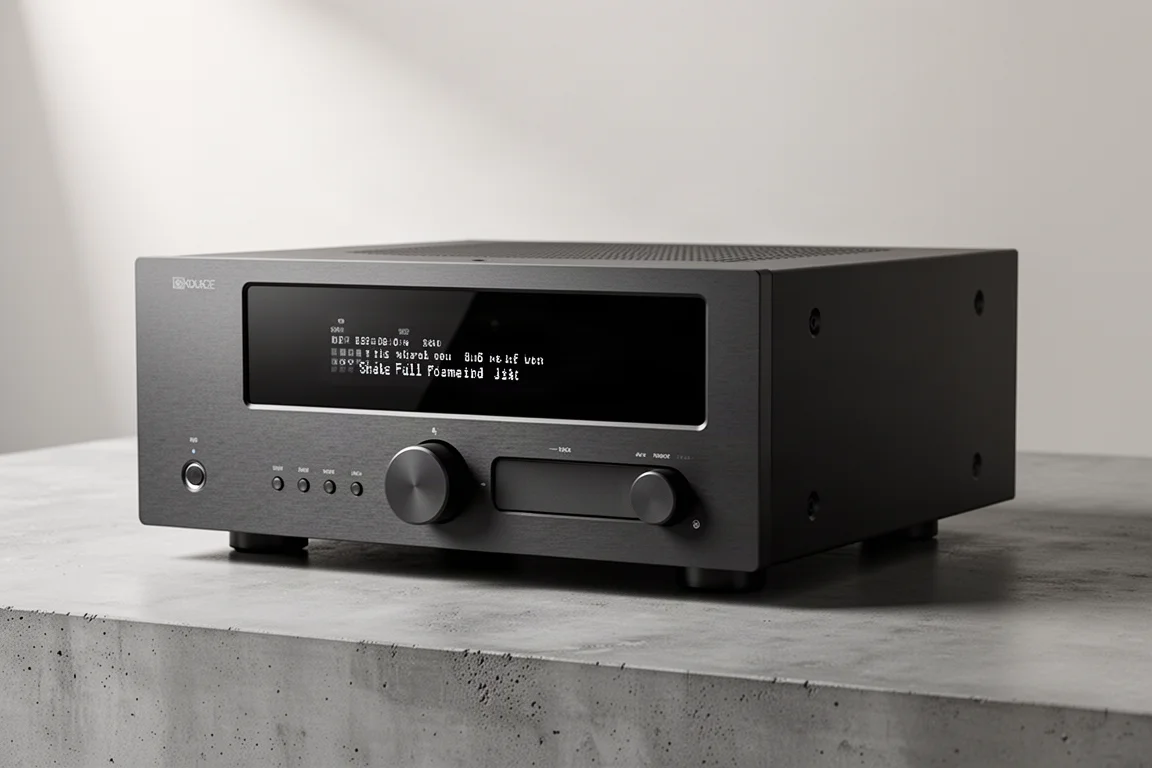
The NAD M33 handled the 805 Signature system, and its feature set is what makes it a sensible match. Dirac is built in, and so is subwoofer bass management, which means the XR11 can be integrated without adding external processing.
The result was a pairing that sounded deliberate rather than assembled from whatever was on hand. It is also the more compact and more practical route into a Signature Series system, and it keeps the electronics footprint far smaller than a pair of large monoblocks.
How to Choose Between These Systems
There are two clear paths here. The first is the 801 Signature with high-power McIntosh amplification, which is a no-compromise two-channel system with deep bass, high output capability, and a large, enveloping soundstage. The second is the 805 Signature with an NAD M33 and a Paradigm XR11, which trades some scale and neutrality for a smaller footprint and a much lower total cost.
Room and budget should drive the decision more than specifications. The 801 Signature rewards a room that can accommodate its output and a listening position that lets its imaging work. The 805 Signature plus subwoofer is the more flexible arrangement, and it is easier to place well in an average-sized room.
Whichever route you take, the same advice applies: narrow the choice to a few systems, then listen to them before committing. Measurements and specifications are useful for filtering, but the final decision should come from hearing the system with music you know well.
If you can, audition both the floorstander and the standmount with the electronics you intend to use, since the pairing between amplifier and speaker had a clear effect on the result in this room.
Conclusion
The Bowers & Wilkins Signature Series left a strong impression in this system. The 801 Signature stood out for its linear measured response, deep and physical bass, and its imaging and soundstage scale. The 805 Signature delivers much of that same character in a smaller, more affordable package, especially once a musical subwoofer such as the Paradigm XR11 is added. Paired carefully with the right amplification, both are convincing arguments for two-channel audio done well.
Further reading
Related Reviews
Hi-Fi Audio
Accuphase C-57 vs Allnic H-7000V: Two High-End Phono Stages Compared
A fully balanced solid-state phono stage with a pitch-black noise floor meets a tube design built for well-loved records. Here is how to choose between them.
Hi-Fi Audio
Active vs Passive Hi-Fi: Five Components for a Modern System
Five components that define modern active and passive hi-fi systems, with the strengths, trade-offs and setup details worth weighing before you buy.
Hi-Fi Audio
Advance Paris A10 Apex Review: A Hybrid Integrated Amplifier That Covers a Lot of Ground
A French hybrid integrated amplifier with a class A tube preamp stage, analogue power meters, and an internal DAC and phono stage good enough to make extra boxes unnecessary.