Home Audio
Bowers & Wilkins 700 Series 3 Lineup: Which Model Fits Your Room?
A model by model look at the Bowers & Wilkins 700 Series 3 speakers, from the 702 S3 tower down to the compact 707 S3 and the two center channels.
Introduction
The Bowers & Wilkins 700 Series 3 sits in what you could call the sweet spot of the company’s speaker range. Above it is the flagship 800 Series Diamond, the line used in studios and post-production houses around the world. The 700 Series 3 takes technology trickled down from that flagship and gets much closer to it than the price gap would suggest, which is exactly why this range attracts so much attention.
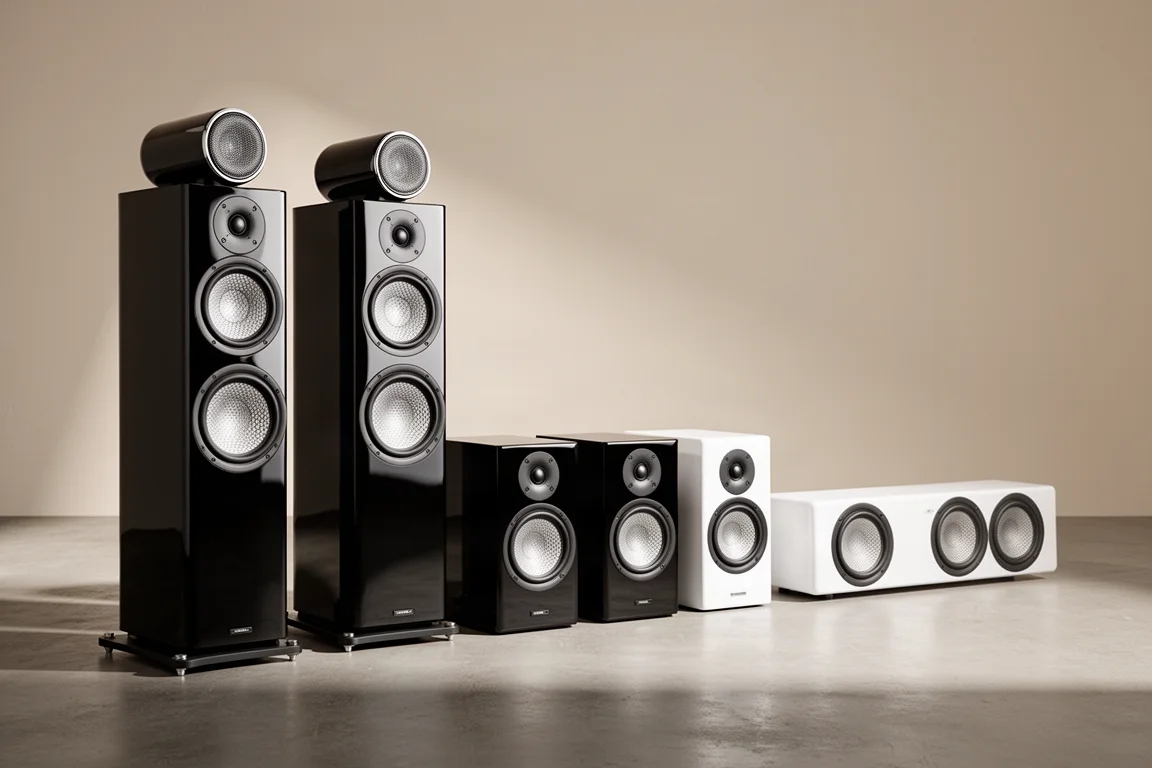
The lineup covers eight models: three floorstanding towers, three bookshelf speakers, and two center channels. This guide walks through the technology shared across the whole range, then through each model in turn, so you can work out which one suits your room and your budget.
What the 700 Series 3 Shares Across the Line
The cabinets are new. Every model uses a curved baffle similar in approach to the 800 Series, and the drivers sit proud of the cabinet rather than recessed into it, which is a change from the previous generation. The cabinet itself is slimmer too. Those changes combine to reduce resonance and improve imaging. New sculpted grilles are part of the design, the trim rings around each driver are colour matched to the finish, and three finishes are offered: gloss black, gloss white, and a mocha wood veneer.
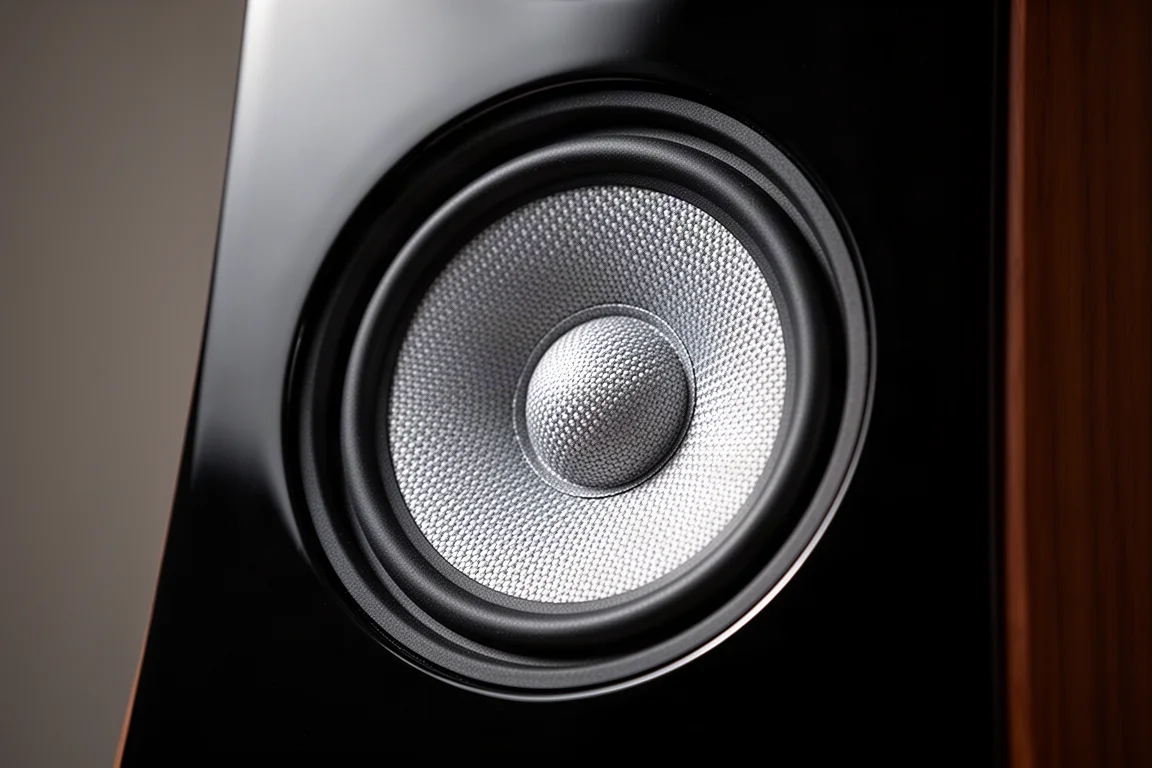
The tweeter is the headline story. The 800 Series uses a diamond dome with diamond dust in its construction, and the engineering goal for the 700 Series was to find a more affordable material with similar acoustic characteristics. The result is a carbon double dome tweeter. Series 3 models upgrade this further with a much longer rear tube behind the tweeter, and the effect is a top end that sounds effortless and delicate, with enough resolution to make a drummer’s brush on a cymbal feel almost physical.
Three of the models and one of the center channels also get an external solid mill tweeter assembly. This places the tweeter on top of the cabinet instead of inside it, with the solid aluminium housing mounted on a decoupling system to reduce interference further. The benefits for imaging and pure high frequencies are substantial.
Below the tweeter, every 700 Series model uses a silver finished driver made from a material called Continuum. Depending on the model it serves as a mid-bass, bass, or mid-range driver. The material took eight years and more than 70 iterations to develop, with the aim of reducing distortion and breakup at high levels compared with the company’s earlier Kevlar drivers. The practical result in the mid-range is a sound that stays effortless and free of distortion.
One last shared detail worth mentioning is the speaker connections. They are solid, widely spaced, and fully exposed at the rear, which makes wiring up serious speaker cable far less tedious than it is on many designs.
Bowers & Wilkins 702 S3: The Flagship Tower
The 702 S3 is the top of the tower range. It pairs the external solid mill tweeter assembly with a 6-inch Continuum mid-range driver, and it is the only model in the line with a down-firing port. That port is held to a tight tolerance by four stout posts, and it gives this speaker noticeably more flexibility about where it can sit in a room.
Bass comes from three 6.5-inch Aerofoil woofers, which use an airflow profile cone whose thickness varies toward the edge. The result is fast, articulate, deep bass. The cabinet is triple braced internally and weighs a hefty 74 pounds, while sensitivity of 90 dB means a fairly modest amplifier can drive it, though as with any serious speaker more power will deliver better results.
If you had your eye on the 804 Diamond but could not stretch to its price of around $14,000 a pair, this is the model that gets you really close at roughly half the cost.
Bowers & Wilkins 703 S3: A Slimmer Tower
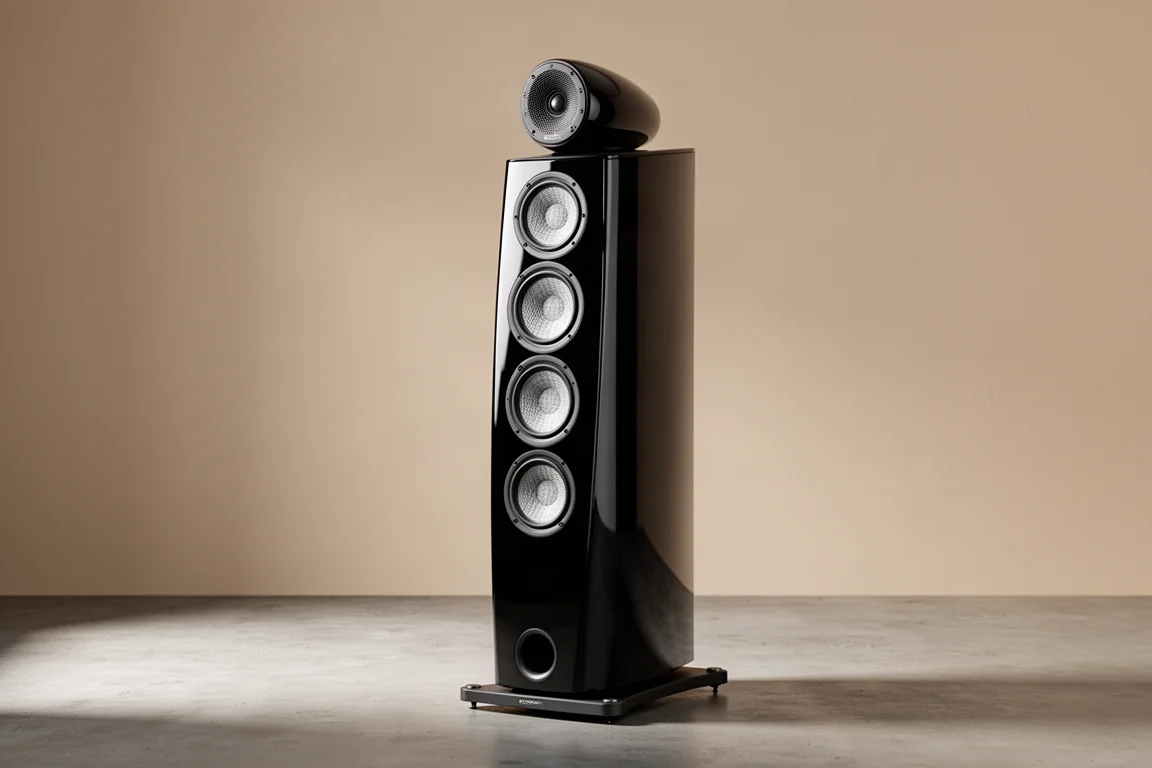
The 703 S3 is essentially a slimmed down 702 S3. It keeps the same great external tweeter and the exact same high-tech mid-range driver, but uses two Aerofoil woofers instead of three. That makes it a genuinely capable tower in a smaller footprint, and a sensible option when the flagship tower would dominate the room.
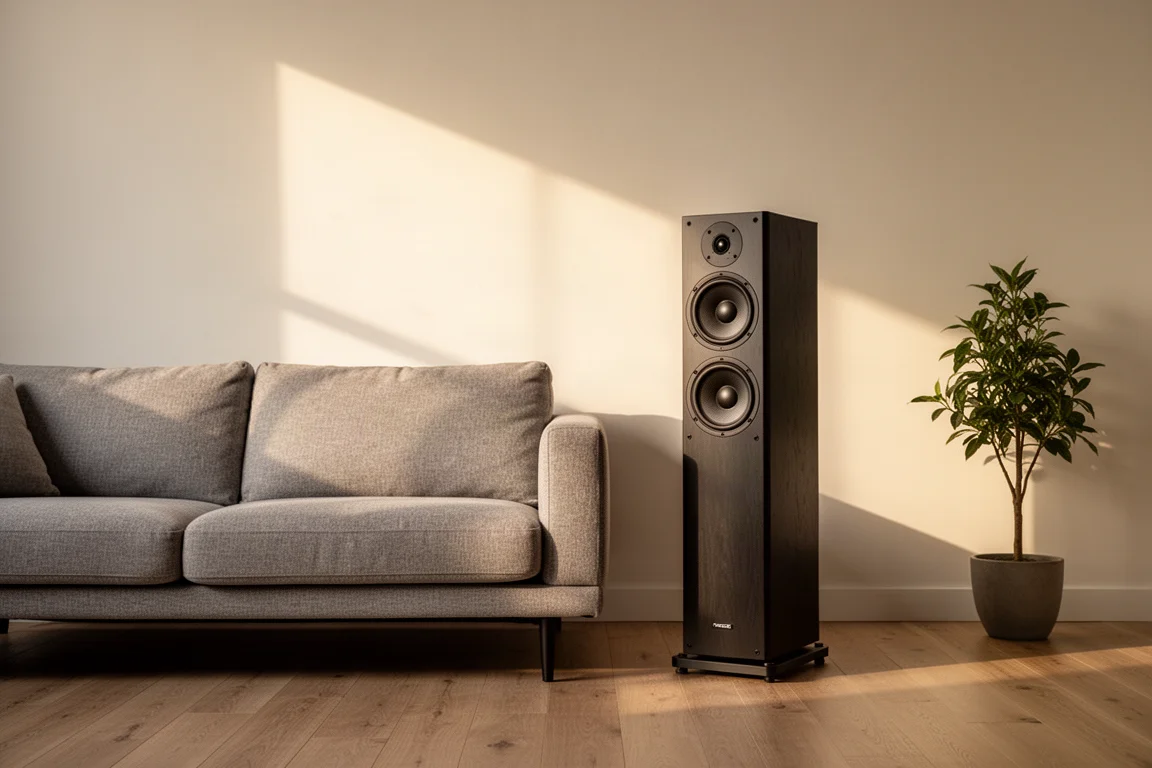
One consideration matters here. The 703 S3 sits only around $1,000 below the 702 S3. If your room can take the larger speaker and your budget already reaches this level, the 702 S3 is the stronger choice. The 703 S3 makes the most sense where the 702 S3 would simply be too much speaker for the space.
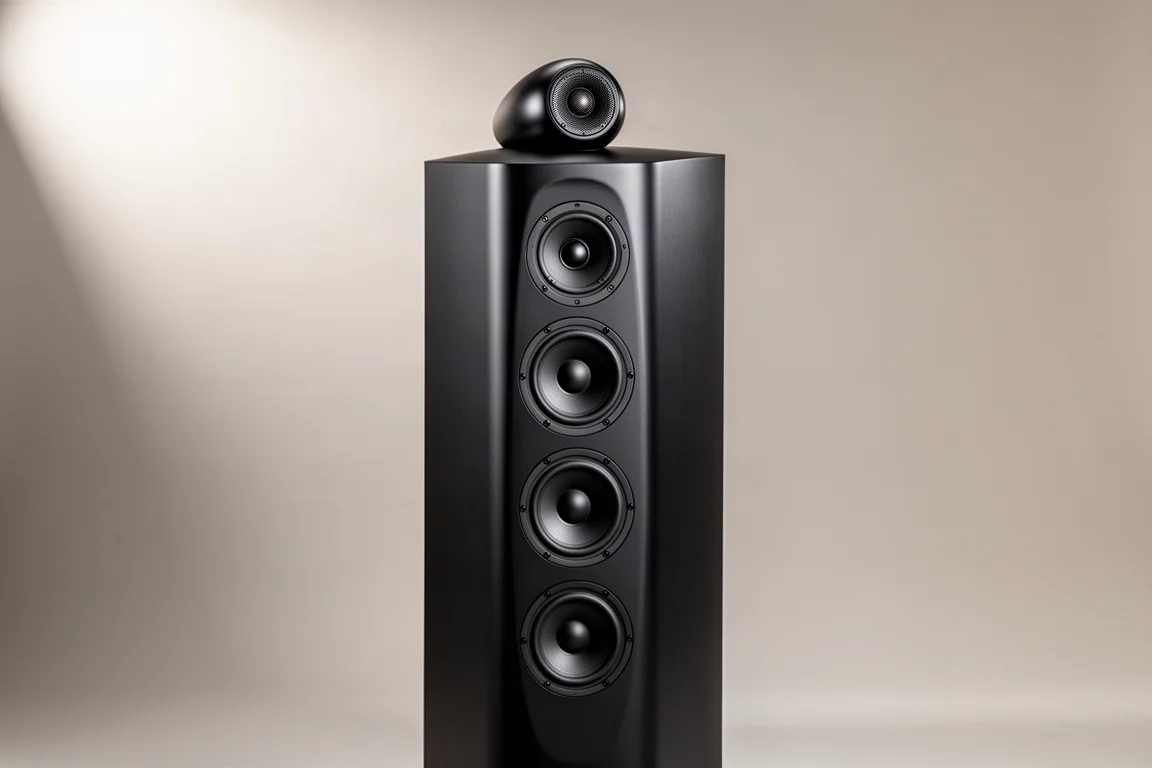
Bowers & Wilkins 704 S3: The Value Tower
The 704 S3 steps down to the tweeter type used on the bookshelf models, mounted inside the cabinet but still with the special tapered tube behind it. It keeps the biomimetic mid-range technology found in the 702 S3 and 703 S3, with a 5-inch mid-range driver and two 5-inch Aerofoil woofers.
It is not quite as open at the top end as the two larger towers, but the mid-range sounds fantastic and the two 5-inch woofers are very fast. The smaller cabinet also gives it a slight edge in stereo imaging. At almost half the price of the 702 S3, this is arguably the best value in the entire lineup.
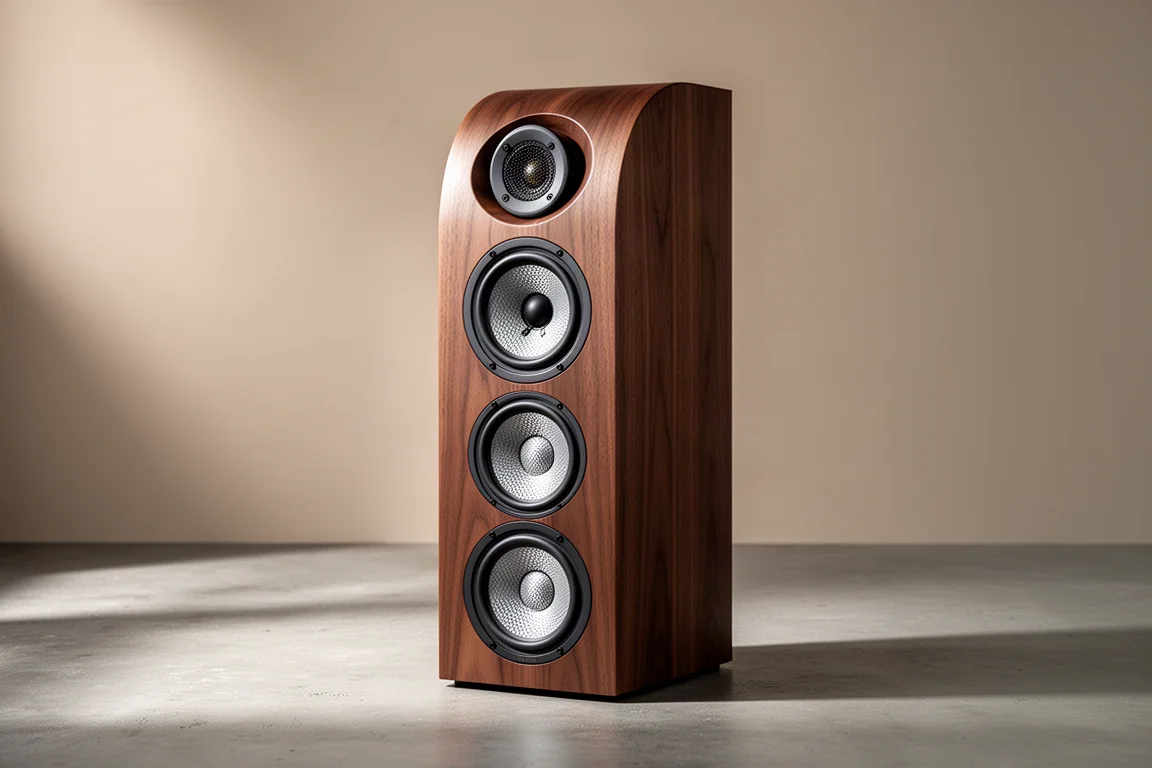
Bowers & Wilkins 705 S3: The Flagship Bookshelf
The bookshelf models in the range are all two-way designs, built around a mid-bass driver that uses the Continuum cone. They suit rooms where a tower will not fit, and they also work well as surround speakers in a home theater system.
The 705 S3 is the top bookshelf model and uses the exact same solid body external tweeter as the 702 S3 and 703 S3. Its 6.5-inch Continuum mid-bass driver and curved cabinet combine to produce a convincing three-dimensional image with decent bass response for the size. For best performance, position it on a pair of stands out in the room. If the speaker has to go inside a bookcase, look at the 706 S3 instead, because shelf placement cancels out much of the advantage of the separate tweeter housing.
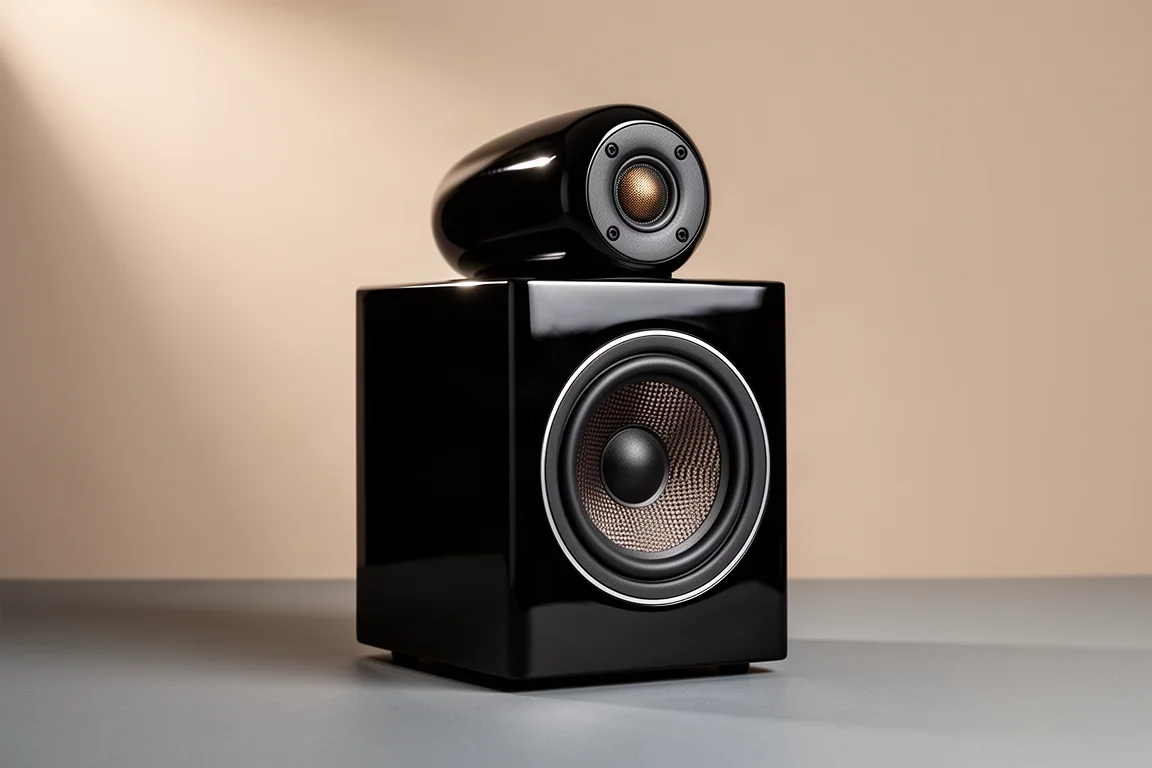
Bowers & Wilkins 706 S3: The Flexible Bookshelf
The 706 S3 uses essentially the same cabinet as the 705 S3 but moves the tweeter assembly inside the cabinet. That makes it the right speaker for a shelf, a desk, or an office setup where you still want the character of the range, and it costs around $400 less than the 705 S3.
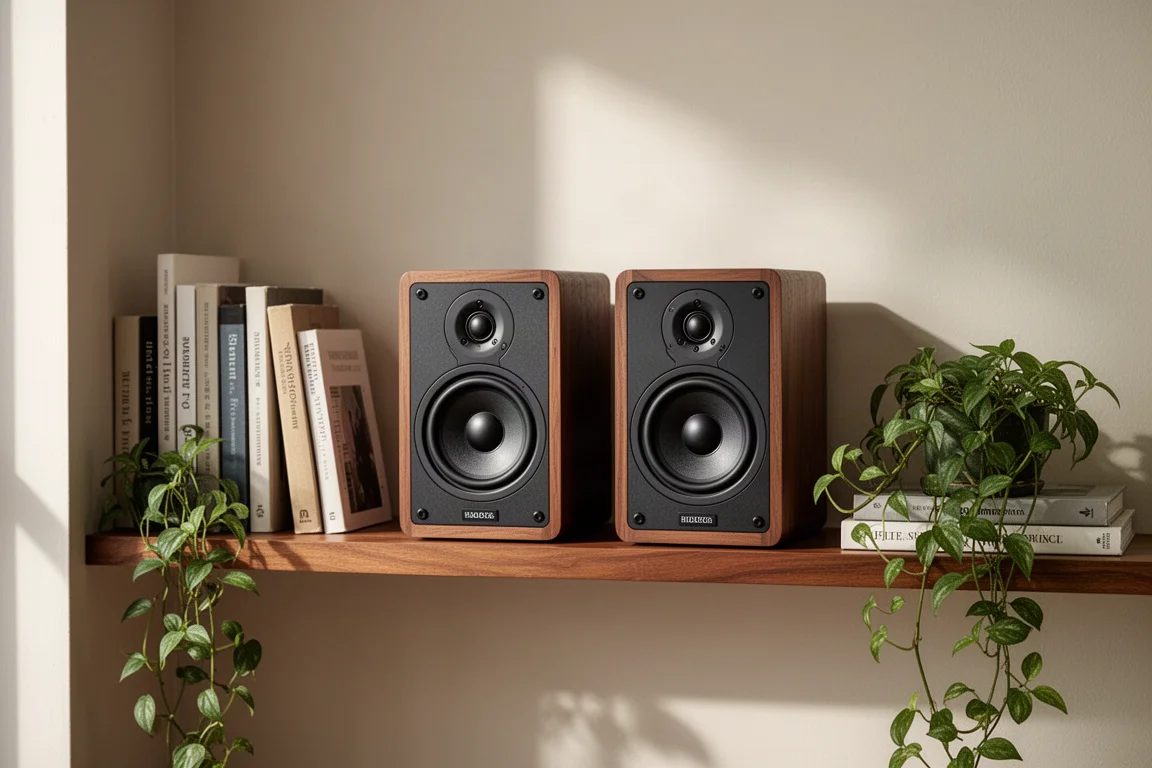
The trade-off is straightforward. If you want the bass extension of the 705 S3 and can give the speaker open space, the 705 S3 remains the better option. If placement is fixed and shelf friendly, the 706 S3 delivers the same family sound for less.
Bowers & Wilkins 707 S3: The Compact Bookshelf
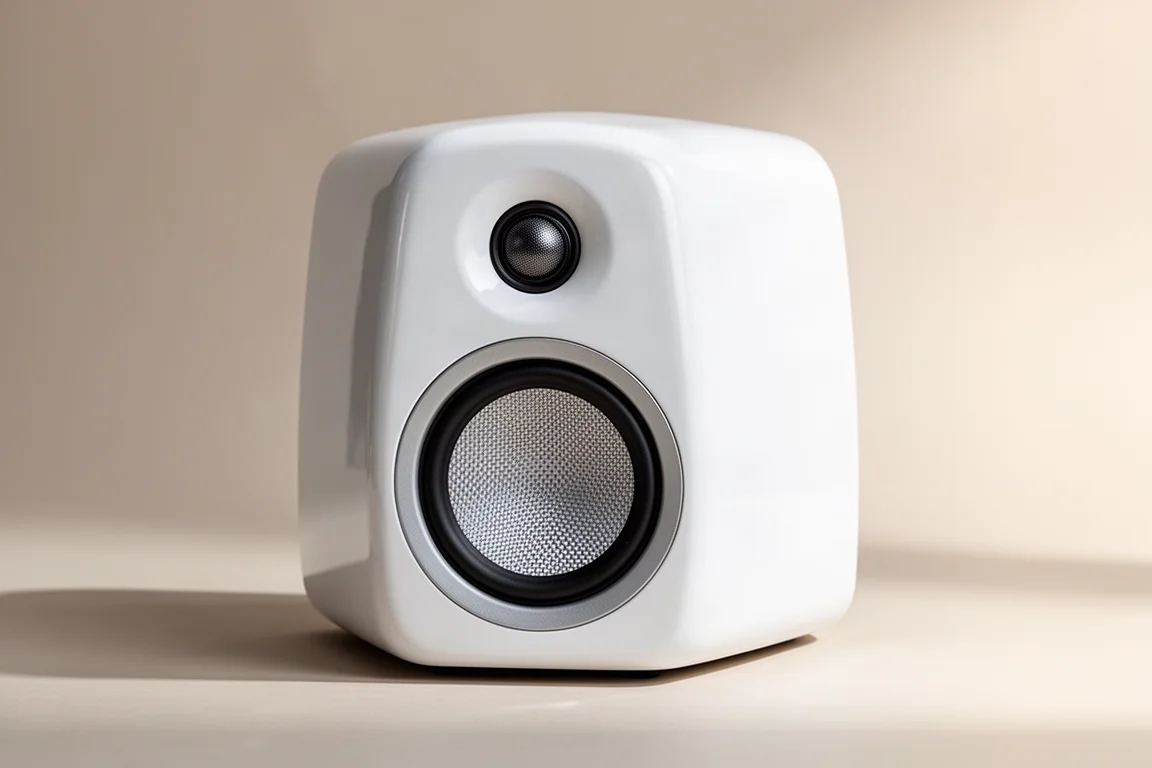
The 707 S3 is the smallest model in the range, with a smaller cabinet that suits tight spaces and surround channel duty. It uses a 5-inch mid-range woofer and carries all the new technology of the 700 Series 3 generation. Sensitivity is rated at only 84 dB, so it takes a bit more amplifier power to get going.
With only around $400 between it and the 706 S3, the 706 S3 is the easier recommendation. Spending the extra buys much more extended bass and an easier to drive speaker, which translates into better dynamics.
Bowers & Wilkins HTM72 S3: The Compact Center
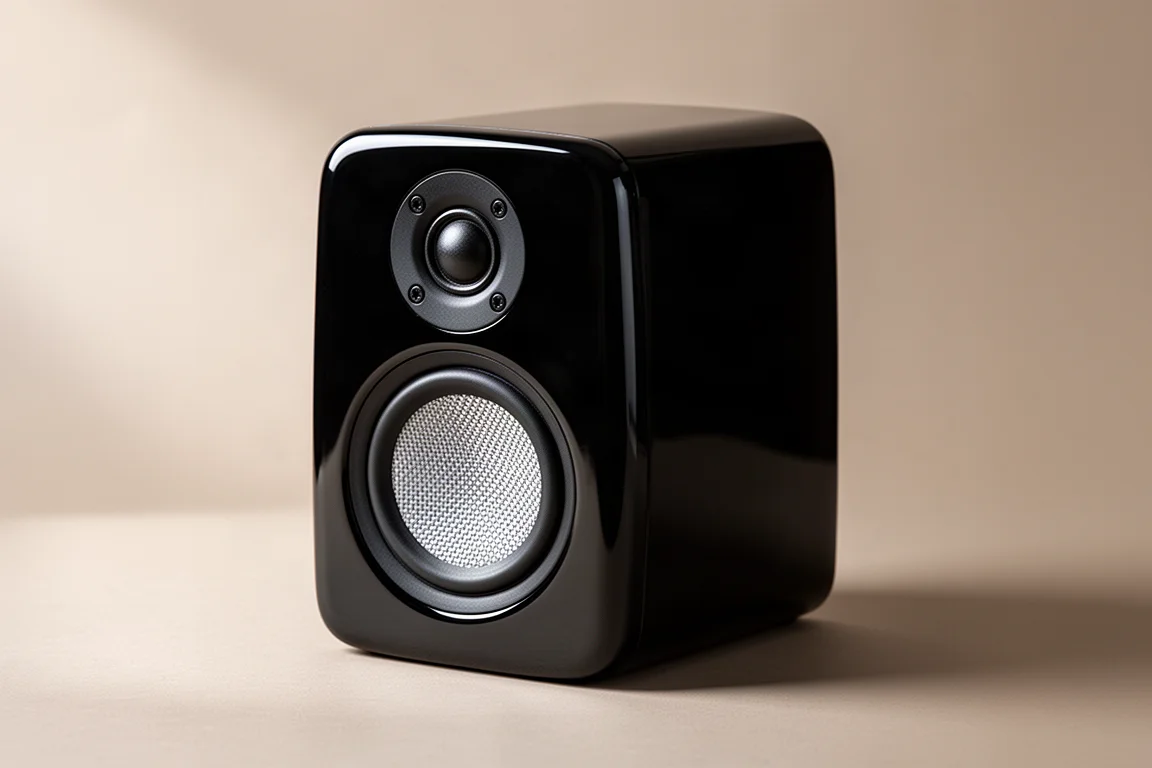
The range includes two center channels, and the choice between them comes down almost entirely to placement. The HTM72 S3 is the compact one, intended for installations where the center has to live inside a smaller cabinet. It uses the same tweeter as the smaller bookshelf models and the 704 S3, along with two 5-inch Continuum mid-range drivers, and it blends well with the rest of the 700 Series 3 speakers.
Bowers & Wilkins HTM71 S3: The Reference Center
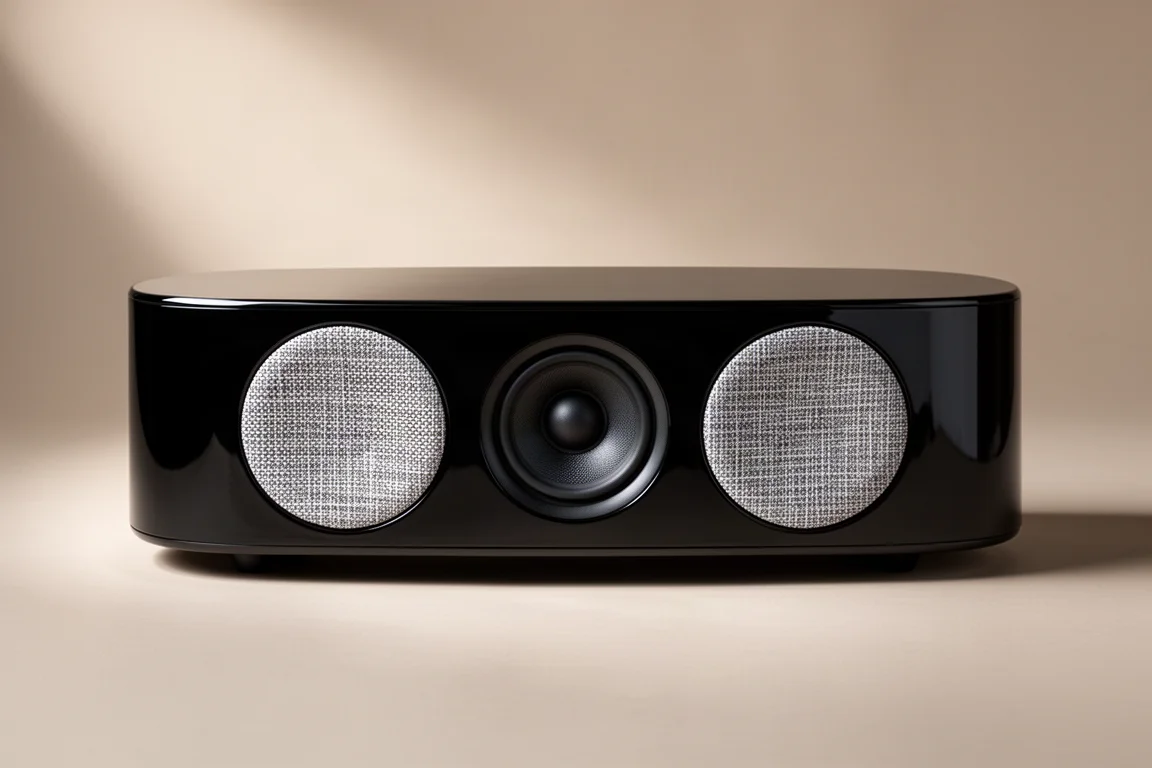
If you have the room to place your center on top of a cabinet, the HTM71 S3 is the model to choose. It is a clear step ahead of the smaller center. You get the top mounted separate tweeter, the same 5-inch Continuum mid-range driver used in the 704 S3, and two 5-inch woofers. The clarity it brings to voices is excellent. It is physically a lot larger, but the improvement justifies the space it takes up.
Buying Advice: Matching the Lineup to Your Room
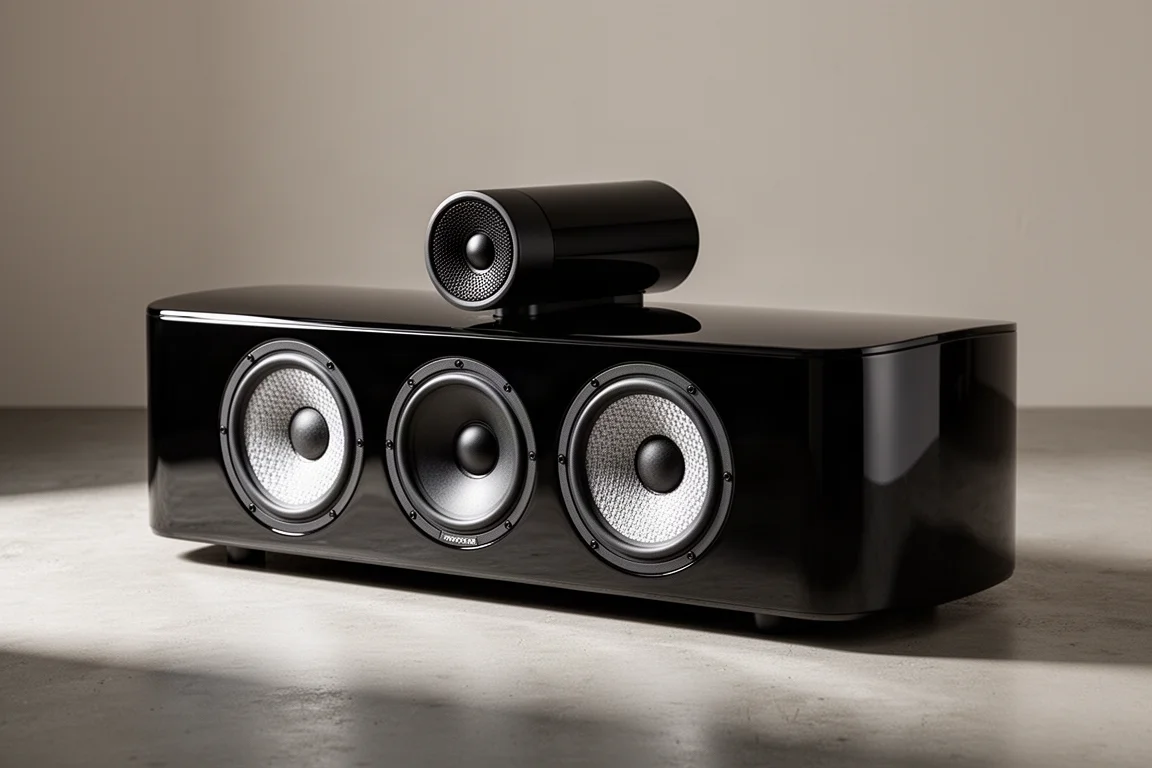
A few simple questions narrow this range down quickly.
Start with the room. If you have space for a full tower and want the closest approach to the flagship sound, the 702 S3 is the pick, helped by its down-firing port and the placement flexibility that brings. If the 702 S3 is too large for the space, the 703 S3 keeps the same external tweeter and the same mid-range driver in a slimmer cabinet, though its price sits close enough to the flagship that the larger model is worth stretching for where the room allows.
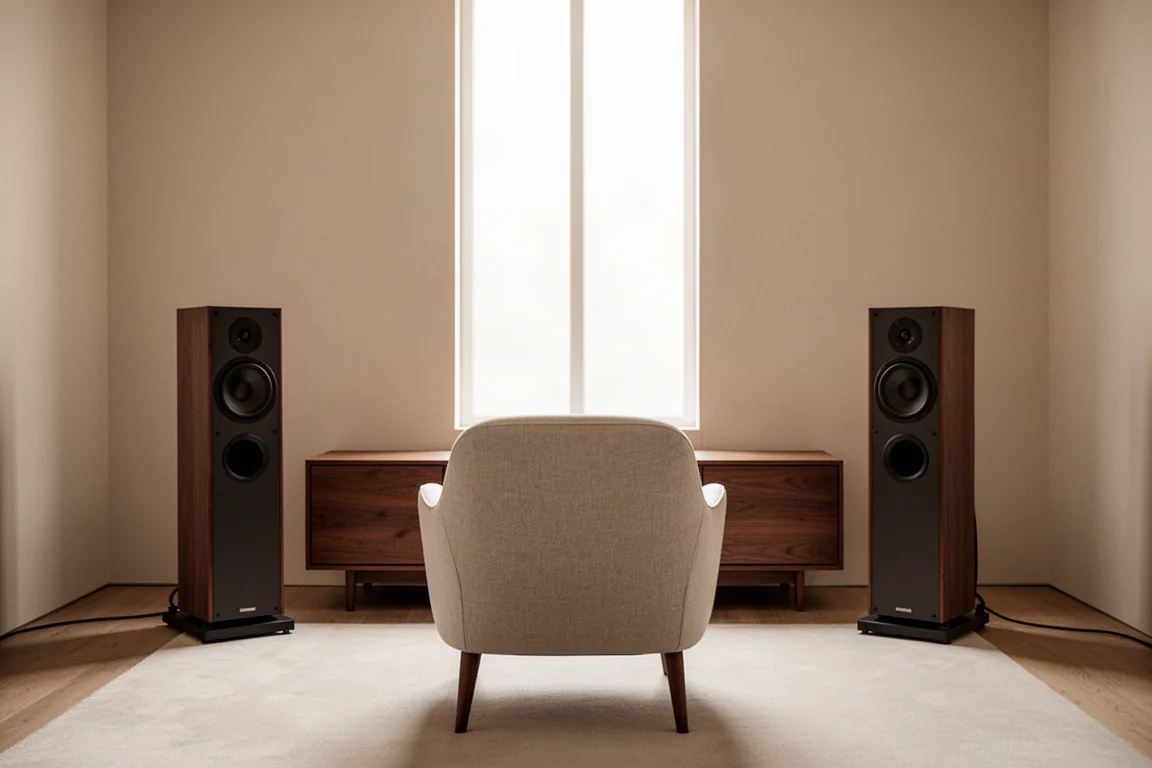
If value matters more than the last degree of top-end openness, the 704 S3 stands out. It carries most of the tower technology at roughly half the price of the 702 S3, and its smaller cabinet brings a slight imaging advantage.
For smaller rooms, the bookshelf models cover the ground. The 705 S3 is the one to buy if you can put it on stands, and the 706 S3 is the one to buy if the speaker is going on a shelf. The 707 S3 is best reserved for genuinely tight spaces or surround duty, since its lower sensitivity asks more of the amplifier.
For home theater, the center channel decision follows placement. The HTM72 S3 fits a smaller cabinet, while the HTM71 S3 is the stronger performer when you have room to set it on top of furniture.
Whatever model you land on, the speakers are only part of the result. Placement and tuning for your room have as much influence on the final sound as the model number, so plan on spending a little time positioning them properly.
Conclusion
The 700 Series 3 covers a wide spread of rooms and budgets, but the logic inside the range is consistent. The 702 S3 is the flagship tower and the closest thing to the 800 Series experience, with the 704 S3 the value pick among the towers. The 705 S3 and 706 S3 split the bookshelf decision between stands and shelves, and the two center channels split on available space, with the HTM71 S3 the better speaker when there is room for it.
Further reading
Related Reviews
Home Audio
Aperion Novus Tower and Center Review: Punchy Home Theater Sound With Real Refinement
A close look at the Aperion Novus tower and center speakers, from their layered paint finish and punchy bass to the 4-ohm load and what the price actually buys.
Home Audio
Arendal 1610 Tower Review: Flagship Dynamics in a Room-Friendly Tower
A compact floorstanding tower with three 8-inch aluminium woofers, a 5-inch carbon midrange, and the kind of bass heft usually reserved for much larger speakers.
Home Audio
Arendal 1723 S THX Review: A Reference Speaker Built Like a Tank
A practical look at the Arendal 1723 S THX, a sealed, THX-certified speaker with exceptional build quality, a very flat top end, and a midrange that responds beautifully to EQ.