Home Audio
Bowers & Wilkins 700 S3 Signature Series: Three Models, One Clear Choice
A practical look at the 705 S3 Signature, 702 S3 Signature and HTM71 S3 Signature, including shared technology, placement notes and who each model suits.
Introduction
Signature Series speakers from Bowers & Wilkins do not arrive often. The first one appeared in 1991 to mark the company’s 25th anniversary, and in the 33 years since there have been only six Signature releases. Each one takes a speaker that was already highly regarded and rebuilds it with the best parts and finishes available, which is why these runs are produced in limited supply, tend to sell out quickly, and hold their value on the used market for decades.
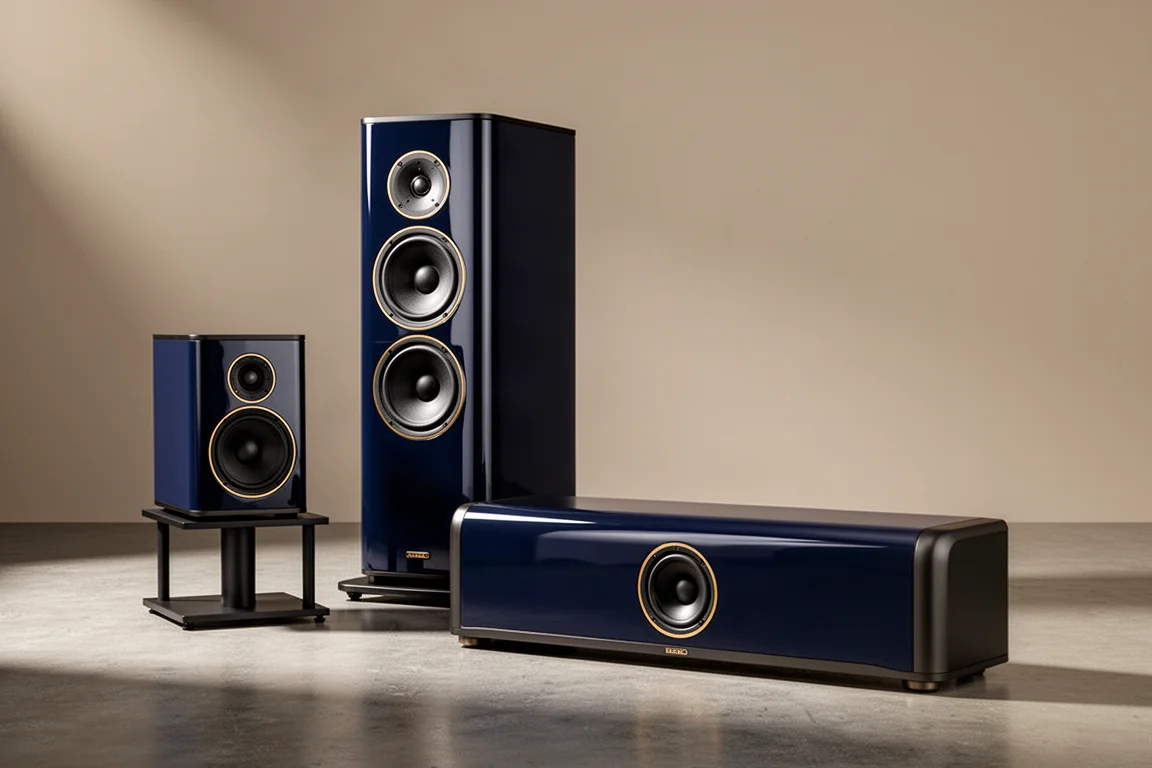
The 700 S3 Signature line brings that treatment to three models: the 705 S3 Signature bookshelf speaker, the 702 S3 Signature floorstanding speaker, and the HTM71 S3 Signature center channel. That last one is notable, because it is the first Signature center channel, and it makes a complete Signature home theater system possible for the first time.
Bowers & Wilkins has been building speakers since 1966, and its models are used daily in hundreds of studios around the world, including Lucasfilm and Abbey Road. Recordings such as Pet Sounds and Sgt. Pepper’s Lonely Hearts Club Band were mixed using Bowers & Wilkins speakers. The Signature line is where the company’s most advanced thinking tends to appear in a more attainable form.
What Every 700 S3 Signature Model Shares
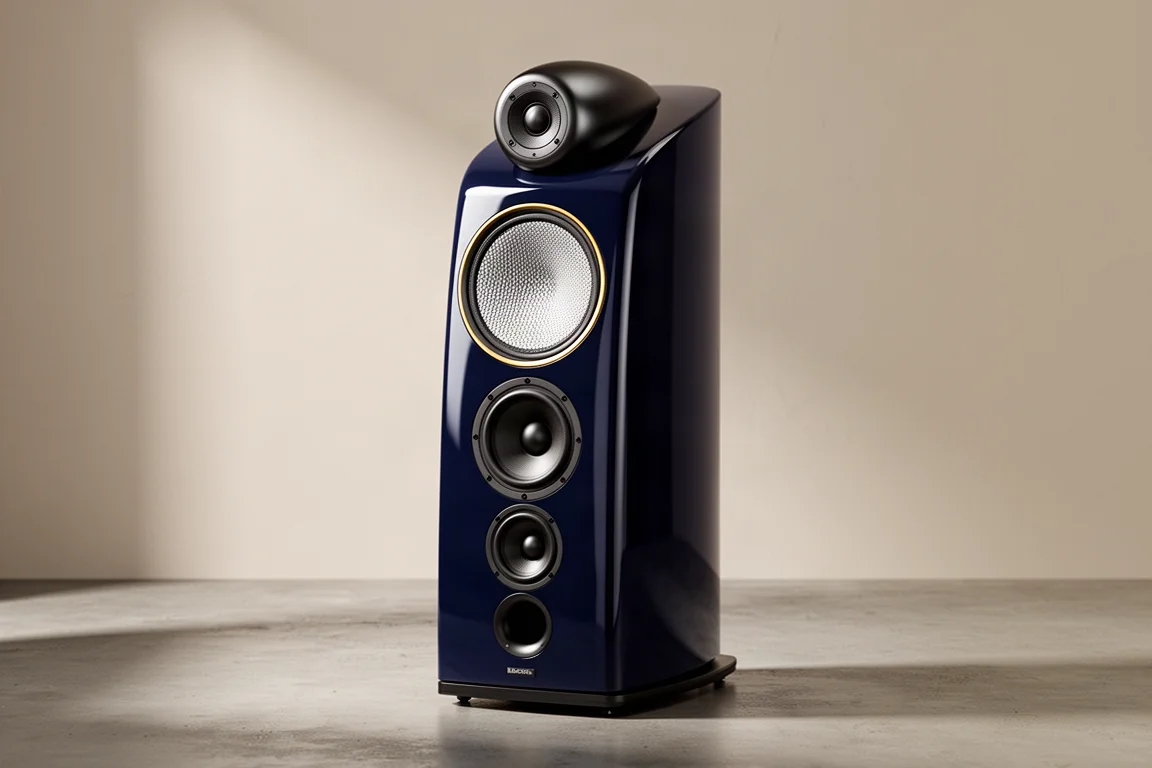
All three models use a curved front cabinet borrowed from the 800 series. The curve reduces internal reflections and lets the drivers sit proud of the cabinet, which is only about as wide as the largest driver. That leaves very little surface for sound waves to bounce off, and it is a big part of the open, disappearing quality these speakers are known for. Cabinets come in radiant midnight blue metallic paint or a gloss veneer, with satin black metal parts and a gold colored bezel around the tweeter and driver surrounds. Sculpted grilles attach magnetically when you want to hide the drivers.
The tweeter is a carbon double dome design with both an outer and an inner dome. It was developed as a more cost effective route to the characteristics of the diamond tweeter used higher up the range, and it extends up to 47,000 Hz. It also gets the acoustically transparent protective grille first seen on the 800 Signature Series, so the dome stays protected without dulling the output. As on the 800 Diamond models, the tweeter sits in its own solid aluminum housing on top of the cabinet, mounted on a decoupling system to reduce resonance.
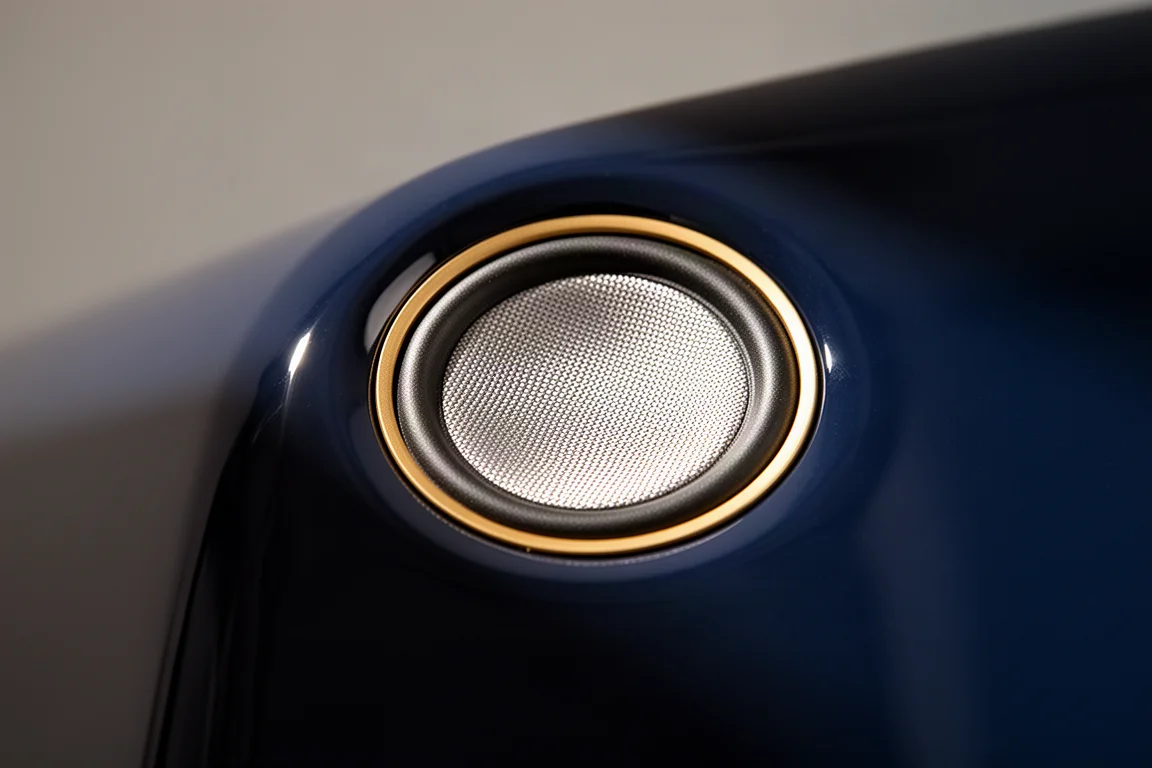
The silver driver in the middle of each cabinet is made from Continuum, a material the engineering team spent eight years and 70 versions refining. It holds its shape better in motion than any material previously measured by the company, with less distortion and breakup at high volumes than the Kevlar cones it replaced. Listeners tend to praise the realism it brings to wind and string instruments and the intimacy it gives to vocals. A biomimetic suspension system, developed to stop the rear of the driver from generating its own noise, works behind the cone.
Underneath the parts you can see, the pole pieces have been upgraded with larger venting and lower inductance, a change that also applies to the woofers in the tower and center models. The crossovers are a significant step up from the standard 700 S3 models: the midrange and tweeter sections use Mundorf Evo silver gold foil capacitors with Angelique wire lead outs, the midrange polypropylene capacitors use zinc foil, and the bypass caps on the board were reconfigured. Capacitors of this type start at around $30 each. Speaker terminals are solid brass and well spaced, so heavy gauge cable and beefy spade lugs are easy to tighten down.
Bowers & Wilkins 705 S3 Signature: The Bookshelf Model
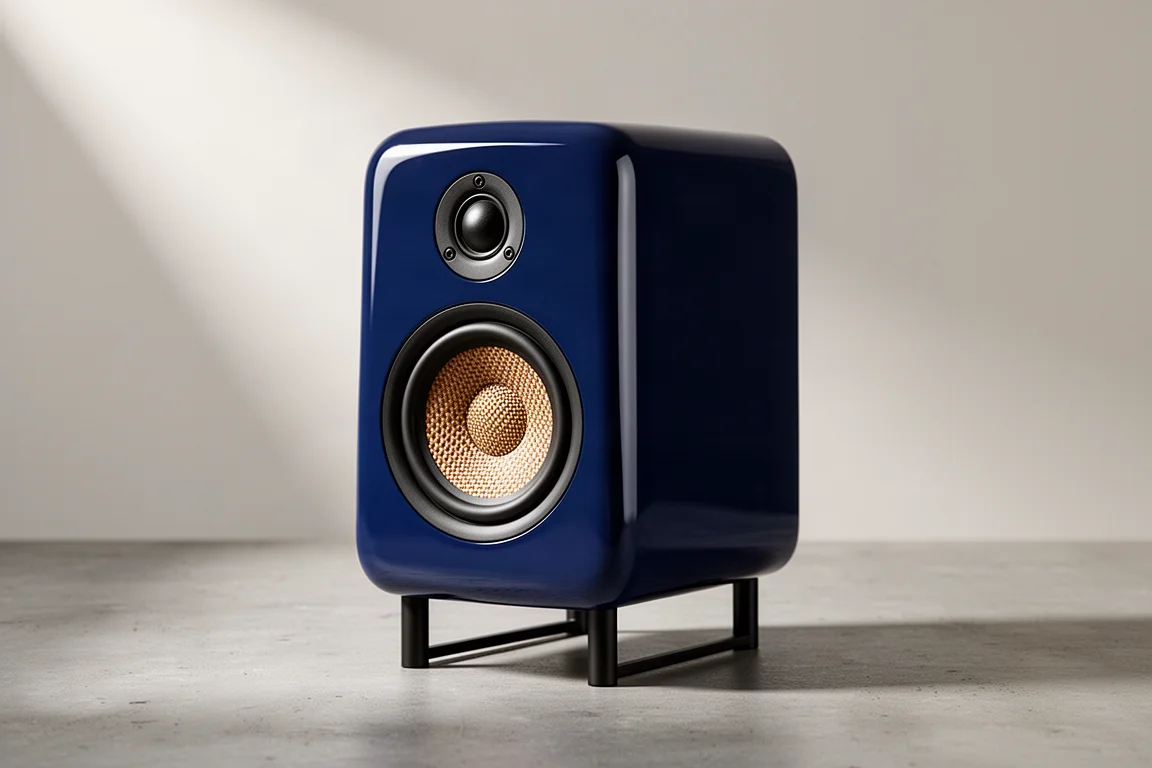
The 705 S3 Signature is the compact option, and it rewards a solid pair of stands such as the optional FS-700 S3. Given time and care with placement, it produces a three-dimensional soundstage that comes close to the 805 Diamond, a speaker that costs more than twice as much. Bass reaches down to 50 Hz, which is low for a cabinet this size, and it suits medium to small rooms particularly well. In a larger space, or if you want more weight at the bottom end, a fast subwoofer is a sensible addition.
For listeners who want the Signature treatment without the footprint of a floorstander, this is the most approachable entry point in the range.
Bowers & Wilkins 702 S3 Signature: The Floorstanding Model
The 702 S3 Signature is the tower, with a much larger cabinet than the 705 and a gloss finish that looks especially impressive at this scale. One practical point to consider: if you plan to place them on either side of a television, that glossy surface acts like a mirror and can be distracting in a dark room.
Its midrange driver is a Continuum cone used exclusively for the midrange frequencies, with practically no surround at all. The material stretches right to the edge, which removes a common source of midrange distortion, and the driver sits in a cast aluminum basket designed to cut down on resonances, isolated from the cabinet. The biomimetic suspension is fitted here too.
At the bottom, three 6.5 inch Aerofoil cone woofers use a tapered profile and a material chosen for lower distortion than earlier designs. Three smaller drivers give the surface area of a large woofer with the speed of smaller ones, which is why the bass arrives fast and tight. With the improved crossover parts and drivers, the 702 S3 Signature steps past the standard 702 S3 and begins to compete with the 804 Diamond, a speaker that costs almost double.
Bowers & Wilkins HTM71 S3 Signature: The Center Channel
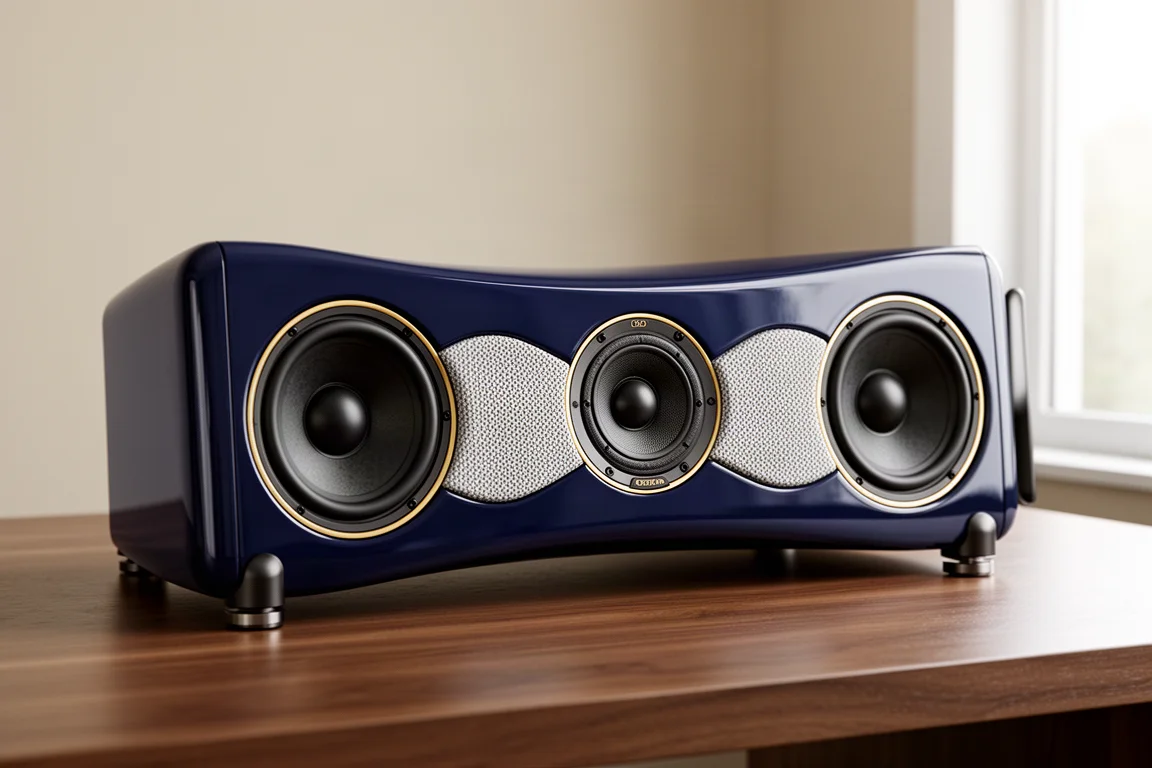
The HTM71 S3 Signature is the first center channel in the Signature Series, and it is based on a model that was already a favorite for dialogue. It carries the same technology as the 702 in a center channel layout: the Continuum midrange with minimal surround and biomimetic suspension, Aerofoil woofers, and the carbon dome tweeter in its own housing.
The improved crossover is what lifts it. Voices and subtle emotional cues come through more clearly, and the speaker stays composed through large dynamic swings in a film’s center track. Paired with the 705 or the 702, it completes a Signature system for movies as well as music.
Placement and Setup Notes for the Series
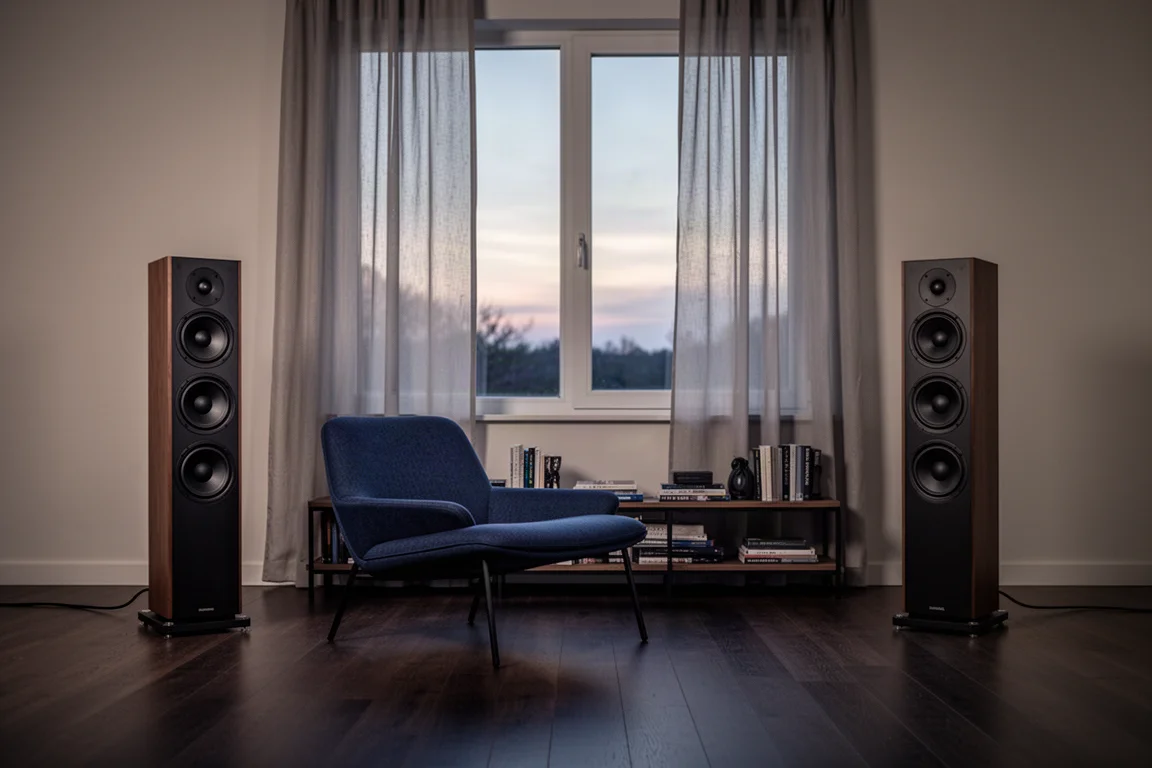
The 702 S3 Signature performs best at least 18 inches from the back wall, angled slightly toward the main listening seat. Use a tape measure to keep both speakers equidistant from the rear wall and angled in the same direction. On carpet, the optional support plinth is worth adding: it accepts spikes, prevents rocking, and improves the sound even though it changes the sleek look.
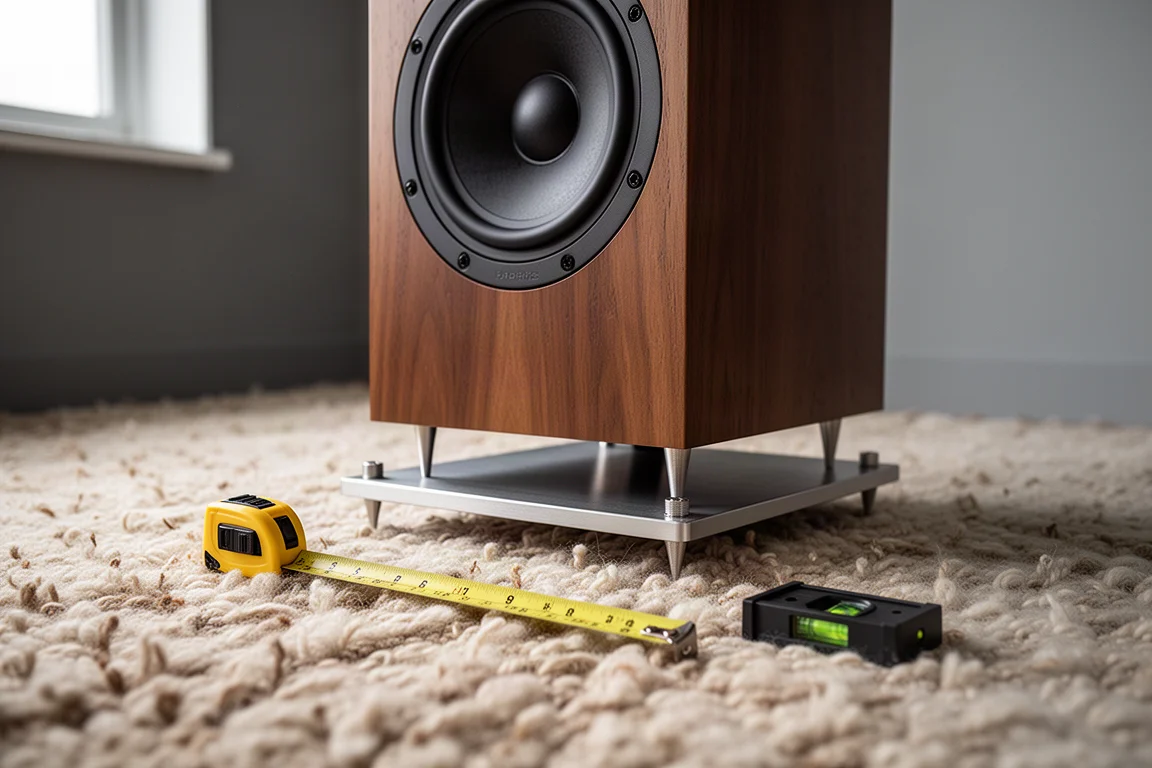
The 705 S3 Signature benefits most from rigid stands and a little patience with positioning, since a small cabinet is more sensitive to the surface underneath it. Across all three models, the tweeter housing sits on top of the cabinet on a decoupling system rather than on the front baffle, which is a large part of why imaging stays so precise.
Who Each Model Suits
The 705 S3 Signature fits medium to small rooms and listeners who want a two-channel system that disappears into the space. The 702 S3 Signature suits larger rooms and anyone who wants full-range floorstanding output without adding a subwoofer. The HTM71 S3 Signature is for home theater, where a matched center channel does most of the work on dialogue and on-screen action.
Buying Advice Before You Commit
Signature Series runs are limited, and they have a habit of selling out and then holding strong prices on the used market, sometimes for decades. If a particular model or finish appeals to you, it is worth deciding sooner rather than later.
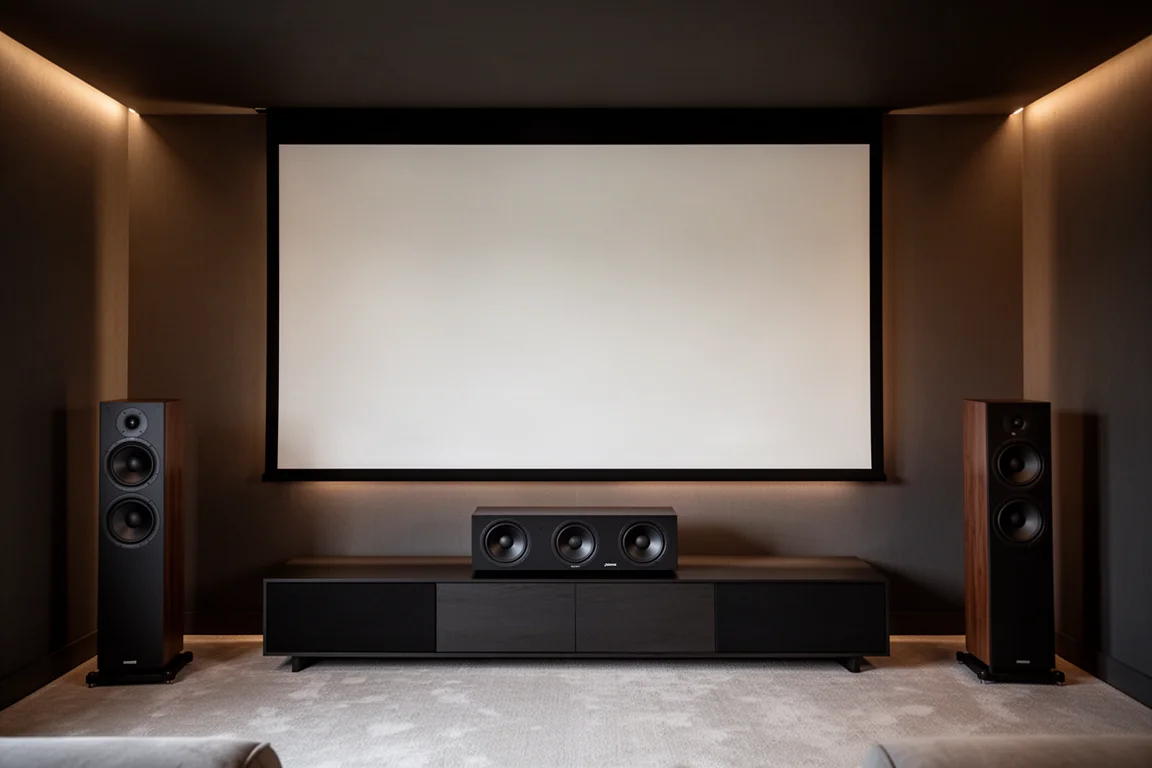
Before you buy, think about the room as much as the speaker. The 702 needs space behind it and a screen-free wall if the gloss reflection would bother you. The 705 needs stands and a smaller room to give its best. And if movies matter as much as music, plan for the center channel at the same time, because a matched front three is what makes the system feel seamless.
Conclusion
The 700 S3 Signature Series does what a Signature release is supposed to do: it takes an already strong range and adds technology and parts from the top of the line. The 705 S3 Signature is the compact, room-friendly choice, the 702 S3 Signature is the full-range tower, and the HTM71 S3 Signature finally lets you build a complete Signature home theater. Match the model to your room and your listening habits, and the rest takes care of itself.
Further reading
Related Reviews
Home Audio
Aperion Novus Tower and Center Review: Punchy Home Theater Sound With Real Refinement
A close look at the Aperion Novus tower and center speakers, from their layered paint finish and punchy bass to the 4-ohm load and what the price actually buys.
Home Audio
Arendal 1610 Tower Review: Flagship Dynamics in a Room-Friendly Tower
A compact floorstanding tower with three 8-inch aluminium woofers, a 5-inch carbon midrange, and the kind of bass heft usually reserved for much larger speakers.
Home Audio
Arendal 1723 S THX Review: A Reference Speaker Built Like a Tank
A practical look at the Arendal 1723 S THX, a sealed, THX-certified speaker with exceptional build quality, a very flat top end, and a midrange that responds beautifully to EQ.