Hi-Fi Speakers
Bowers & Wilkins 606 S3 Review: A Balanced Stand-Mount Speaker
A close look at the Bowers & Wilkins 606 S3, covering its new titanium tweeter, Continuum mid-woofer, amplifier matching, placement needs, and how it handles everyday recordings.
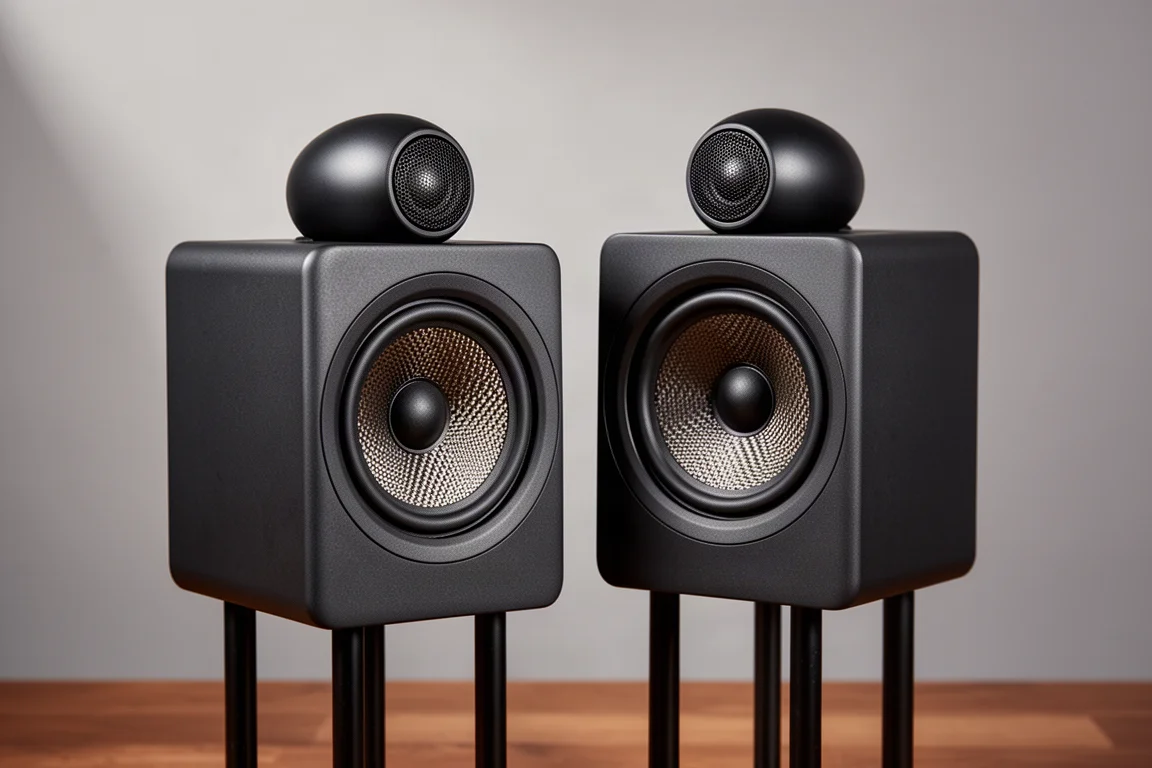
Introduction
The 600 Series has been part of the Bowers & Wilkins line-up since the mid-1990s, and the 606 S3 is the latest stand-mount model in that family. It sits alongside the smaller 607 S3 stand-mount, the 603 S3 tower, and the HTM6 S3 centre channel, which makes it the middle option for anyone building a two-channel system or a home cinema front stage.
The brand’s reputation for clarity, coherence, speed, and detail resolution goes back further, to the DM6 of the late 1970s. The 606 S3 carries that lineage into the S3 generation with a substantially reworked tweeter, a revised woofer motor, and an upgraded connection panel. Cabinets are available in black, white, and light oak, with the oak being a vinyl wrap rather than a real wood veneer.
This review focuses on how the 606 S3 behaves in a normal listening room: what it asks of an amplifier, how far it wants to sit from the wall, and where it stands against well-known rivals in its size and price class.
Who This Speaker Is For
The 606 S3 suits listeners who want a compact stand-mount that behaves like a much larger speaker. Its six and a half inch Continuum mid-woofer gives it enough low-end weight that most people will not feel the need to add a subwoofer for music. Home cinema effects and bass-heavy electronic music are a different matter, and those listeners will likely still want a sub.
It also asks for a reasonably capable amplifier. Nominal impedance is rated at 8 ohms, but it drops to 3.7 ohms, which is below 4 ohms. Whatever you use, whether a receiver, an integrated amplifier, or a separate power amplifier, make sure it is specified to handle a 4 ohm load.

Room size matters too. This is a speaker that rewards being pulled well out from the wall, so it fits best in a space where you can give it some breathing room.
Main Strengths
Build quality, finish, and the feel of the cabinet all come across as substantial for the size, and the S3 generation brings meaningful changes under the skin.
A New Tweeter and a Reworked Woofer
The tweeter is the biggest change. Where the previous S2 generation used aluminium, the S3 uses a new two-piece titanium dome, mounted on a redesigned plate that is intended to improve dispersion. The grille has been opened up so more sound passes through it with less reflection, and a longer tube behind the tweeter absorbs the back wave coming off the diaphragm.
The mid-woofer is a six and a half inch Continuum unit, similar in concept to the previous generation but with a new motor assembly, and the crossover network has been updated. Just as importantly, the tweeter and mid-woofer now sit closer together than they did on the S2, which helps the two drivers blend into a more coherent whole.
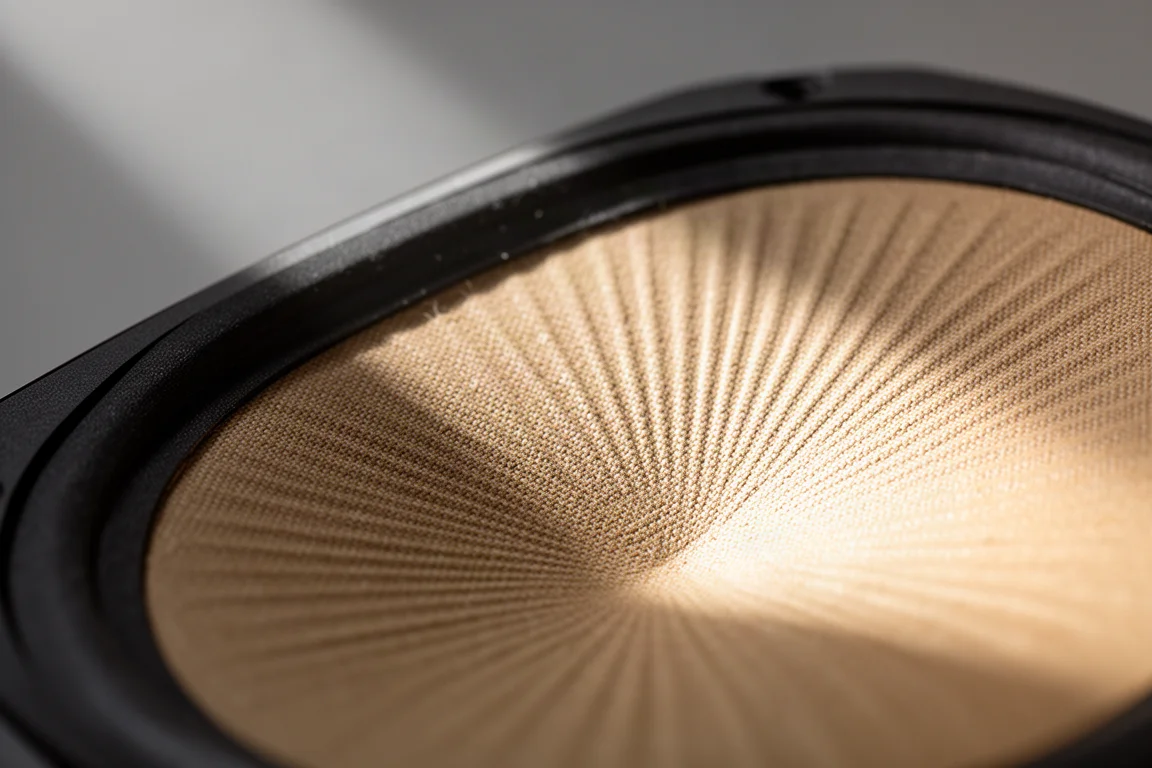
The binding posts are another clear upgrade. They are laid out horizontally, in the style used on the brand’s 700 and 800 Series speakers, and they feel considerably better made than the S2 hardware. They also make bi-wiring straightforward, and with the same cables a bi-wire connection produced a slightly sweeter top end and a more spacious sense of imaging.
Sound Quality and Listening Notes
Compared directly with the smaller 607 S2 Anniversary, the 606 S3 adds bass weight, but the more obvious differences show up in the midrange and treble. Vocals gain presence and body, bass definition improves, and the top end relaxes rather than sounding hard.
Dynamic material holds up well. Played loudly, with peaks around 90 dB, the speaker kept its composure and clarity, even on recordings that are not reference quality. It also performs respectably at low, late-night volumes, which is not a given for a compact stand-mount.
What it will not do is flatter a poor recording. Bright, harsh, or heavily compressed tracks sound compressed and edgy. The presentation is warm and full, which makes many recordings sound better, but anything unpleasant in the top end will still be audible.
On the back there is a large bass port. If a rear port is awkward in your room, a foam plug is included, and the speaker can be run with the port blocked, though it sounds fuller and more open with the plug removed.
How the 606 S3 Compares With Rival Stand-Mounts
Against the KEF LS50 Meta, the 606 S3 put vocals further forward and more developed, while the LS50 Meta had the edge on bass clarity. Both speakers resolved detail well and both imaged convincingly, letting the music fill the room. On large-scale, highly dynamic orchestral material, the 606 S3 delivered more energy and drama, with airier highs.
Against the Klipsch RP-600M Mark II, the horn-loaded design gave electric guitars more leading-edge attack and pushed the rhythm section harder on loud rock recordings. The 606 S3 gave up a little of that bite, but not by a wide margin, and its fuller balance made it sound like the bigger, more powerful speaker of the two.
That mix of qualities explains the appeal. The 606 S3 does not win every comparison on every track, but it holds its own against strong contenders in its size and price class.
Things to Consider Before Buying
- Amplifier matching is not optional. With impedance dipping to 3.7 ohms, the amplifier should be rated for 4 ohm loads.
- Placement is a real constraint. The speaker sounded noticeably more spacious and less boxy at roughly 26 inches from the wall behind it than at around 13 inches. Not every room allows that much clearance, but most speakers benefit from it and this one certainly does.
- Toe-in helps, but the speaker sounded best angled in slightly rather than aimed straight at the listening position.
- It is not a forgiving design. Bright or aggressively compressed recordings will be exposed.
- The light oak finish is a vinyl wrap, not real wood.
- Listeners who mainly watch films or play bass-heavy electronic music will probably want a subwoofer. For music, most owners will not need one.
Buying Advice
The 606 S3 makes the most sense for someone who can give it room to breathe and pair it with an amplifier that is comfortable driving a 4 ohm load. Bi-wiring is worth trying if your amplifier and cables allow it, since it made a small but real difference to the top end and to the sense of space.
If those conditions are met, the 606 S3 is a well-balanced design across build, sound, and appearance. It is worth comparing directly against the other stand-mounts in its size and price class before deciding, but it does not give away much to any of them.
Conclusion
The Bowers & Wilkins 606 S3 is a substantial, full-sounding stand-mount speaker with a genuinely new tweeter, a refined mid-woofer, and much better binding posts than the generation it replaces. It rewards careful setup and a capable amplifier, it plays loudly without strain, and it works at low volumes too. Buyers who want a forgiving speaker, or who cannot move it away from the wall, should look carefully at the alternatives, but as a balanced all-rounder in its class the 606 S3 makes a strong case for itself.
Product link
View more details for Bowers & Wilkins 606 S3
This product is mentioned in the review. Check the specifications, options, and compatibility before buying.
View more details for Bowers & Wilkins 606 S3Further reading
Related Reviews
Hi-Fi Speakers
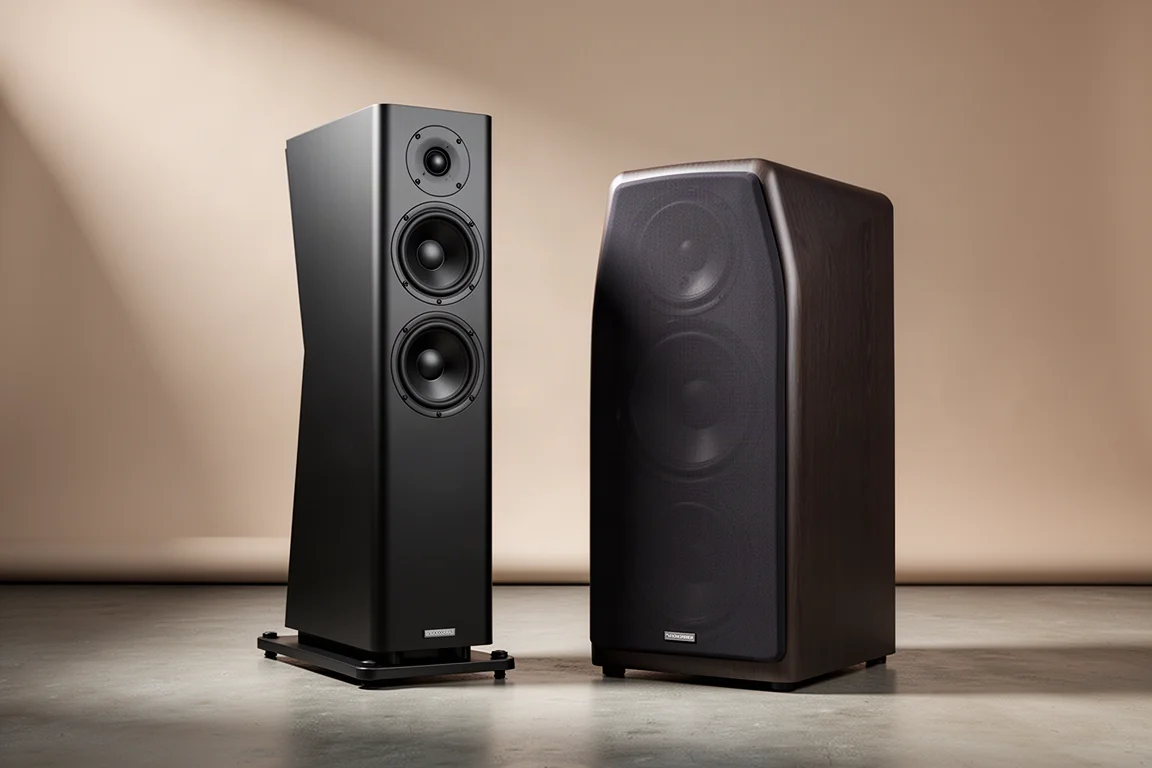
1723 THX Tower vs 1528 Bookshelf: Which Speaker Fits Your Room?
Two speakers at roughly the same price, built very differently. How the 1723 THX tower and the 1528 bookshelf compare on construction, bass, power needs, and sound.
Hi-Fi Speakers
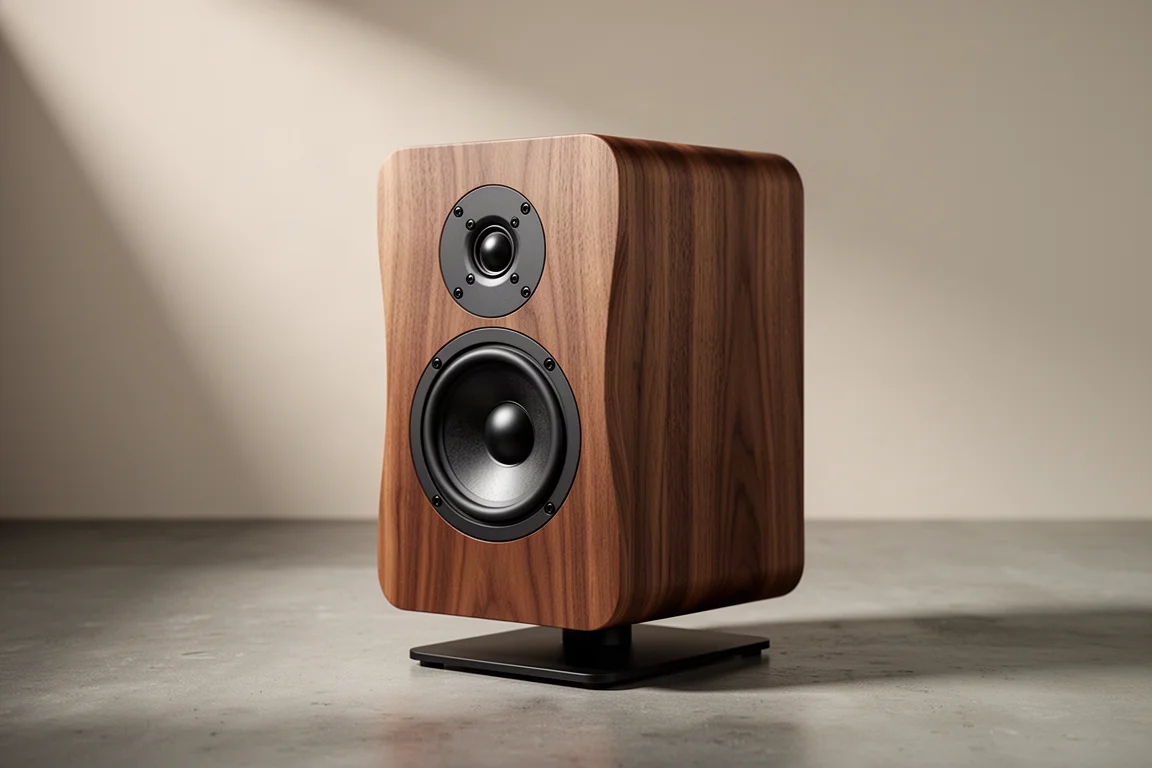
Acoustic Energy AE 300 Review: Deep Bass From a Compact Standmount
A two-way standmount with real wood veneer, surprising low-end weight, and a warm, easygoing character. Here is what to know before buying.
Hi-Fi Speakers
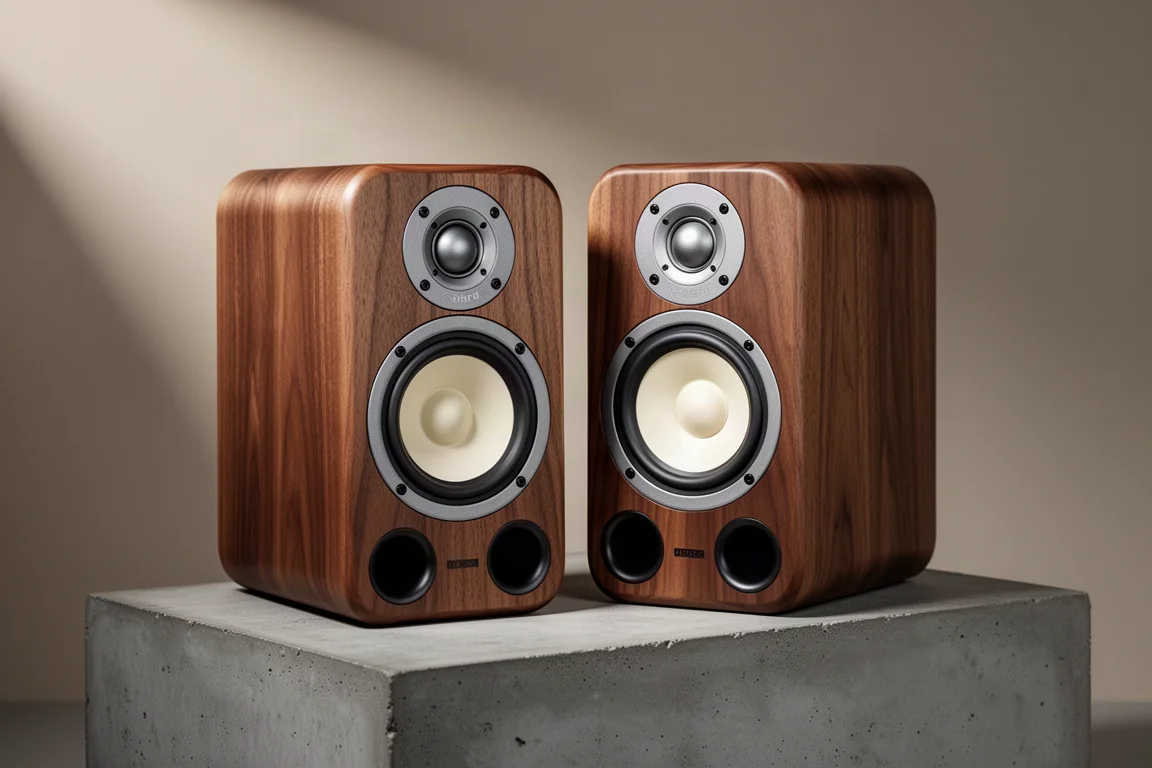
Acoustic Energy AE1 40th Anniversary Review: A Modern Take on a British Classic
A compact standmount that revives a 1980s favorite with all-new parts, a warm mid-centric balance, and a price of £1,499 per pair.