Hi-Fi Speakers
Bowers & Wilkins 600 S3 Lineup Review: Choosing Between the 603 S3, 606 S3, 607 S3 and HTM6 S3
A practical look at the four Bowers & Wilkins 600 S3 speakers, the technology they share, and how to match the right model to your room and system.
Introduction
Bowers & Wilkins has spent decades building loudspeakers for studios and listening rooms, and the 600 Series has long been the most accessible way into that engineering approach. The 600 S3 range is the eighth generation of the line, and it carries technology developed for the company’s more expensive 700 and 800 Series models into a smaller, more affordable package.
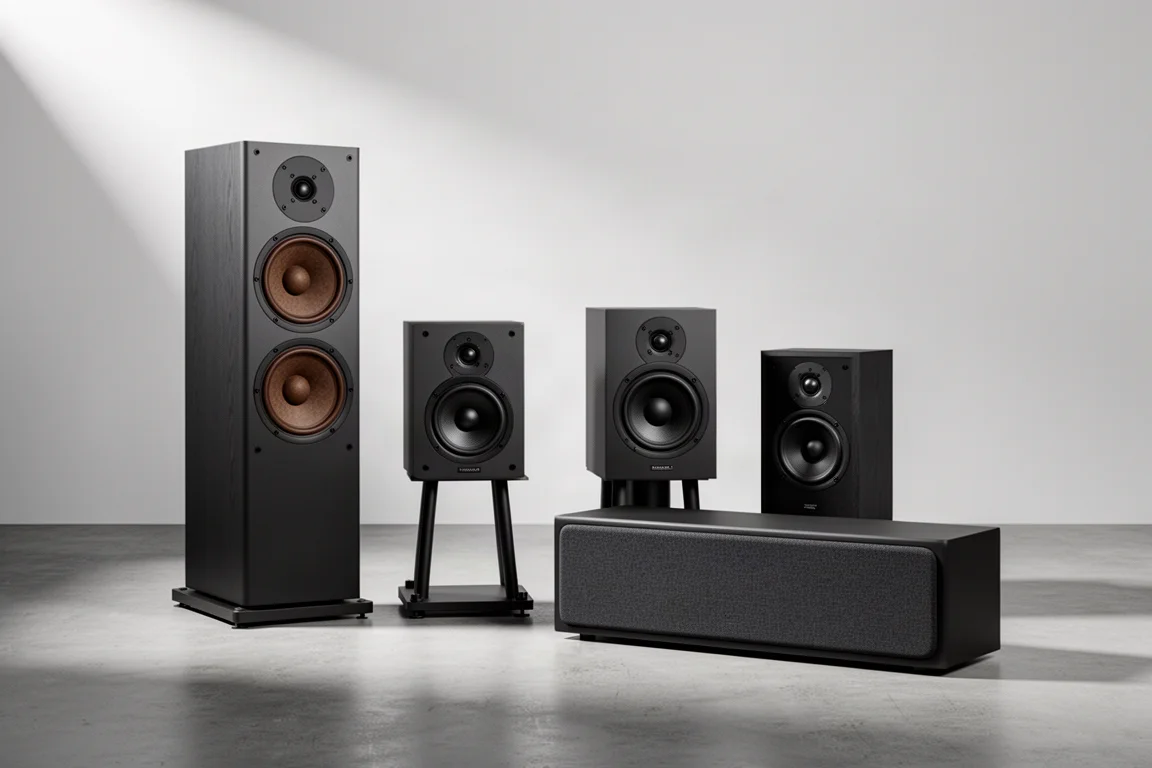
The lineup covers four models: the 603 S3 floorstanding tower, the 606 S3 standmount, the 607 S3 compact bookshelf, and the HTM6 S3 center channel. Every model is available in black, white, or oak, so a full system can be matched visually as well as sonically.
This guide covers the technology shared across the range, then works through each speaker so you can match one to your room, your system, and the way you listen.
Shared Technology Across the 600 S3 Series
Every model in the range is built around the same three pieces of engineering, developed further up the Bowers & Wilkins lineup and adapted for these cabinets.
Midrange duty falls to a Continuum cone, an FST design that evolved from the Kevlar material the company used for many years. Continuum cones are intended to improve the speed and clarity of the midrange, and they do not require the surround used in most midrange drivers. Bowers & Wilkins reworked the cone specifically for the 600 S3 so the line could benefit from the technology without moving out of reach for most music listeners.
Treble comes from a newly developed titanium dome tweeter, built to deliver natural, detailed, and refined high frequencies. It is fully decoupled from the cabinet and mounted in its own housing so it does not interact with the other drive units, which helps both transparency and soundstage ability. A metal grille protects the dome while leaving it acoustically unobstructed.
Bass reflex tuning uses the company’s patented Flowport technology, a dimpled port surface modelled on the behaviour of a golf ball. The dimples let air move through the port with less noise and resistance. This addresses port chuffing, a long-standing problem in bass reflex designs that can add unwanted noise at low frequencies and spoil an otherwise smooth bass response.
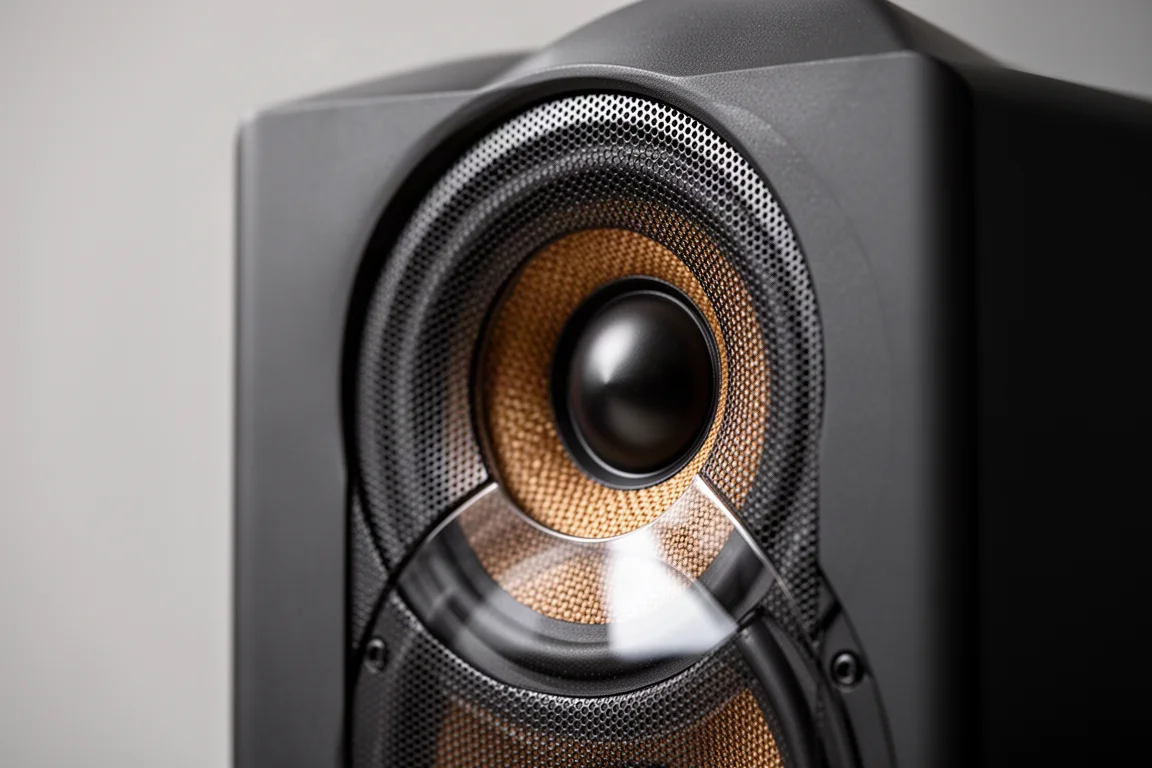
The crossover network is the least visible part of any speaker and one of the most important. It splits the signal so each driver works within its designed range, and it has to do that with a smooth transition between drivers while managing the phase relationship between them. The 600 S3 range uses upgraded crossover components optimised for these specific speakers, and that work is a large part of why the line sounds as detailed and transparent as it does.
The range also inherits speaker terminals from the 700 Series, which means every 600 S3 model can be bi-wired or bi-amped. Terminals of this quality are unusual at this price point, and they are the best the 600 Series has carried to date.
Bowers & Wilkins 603 S3: The Tower
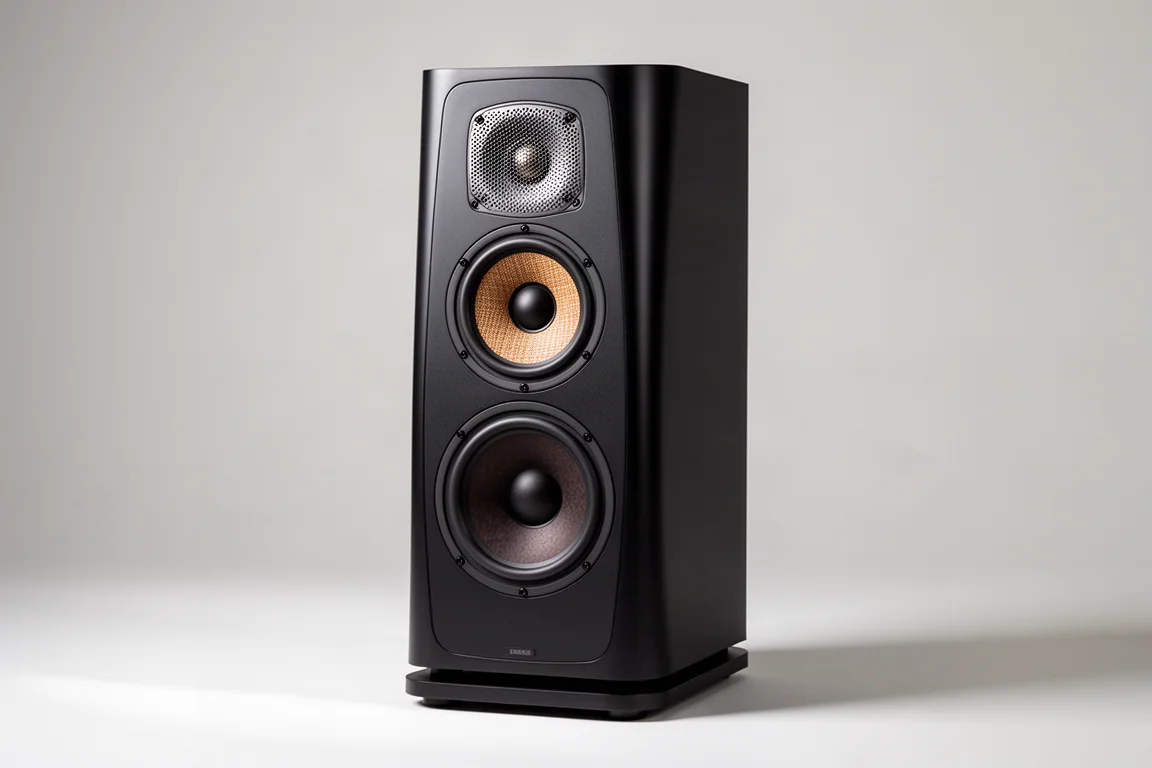
The 603 S3 is the largest and most capable speaker in the range. It is a floorstanding tower intended for larger rooms and home theater systems where higher output levels and more bass impact matter.
Its bass section uses two 6.5 inch paper cone woofers, which give the tower a specified minus 6 dB point at 29 Hz. That is an impressive figure for a cabinet this slim. Paper cones have been used for bass drivers for decades for good reason: they behave well at the extremes of a driver’s frequency response, which tends to produce natural, balanced bass that sounds closer to the instruments being played.
Those woofers hand over to a 6 inch Continuum midrange driver, and the decoupled titanium tweeter takes on the top end, giving a wide soundstage and detailed highs. The result is a small tower that feels at home in both a high-end two-channel music system and a high output theater setup.
Bowers & Wilkins 606 S3: The Standmount
The 606 S3 is the standmount option, aimed at smaller rooms and apartments where a pair of towers would take up too much space. Bass and midrange are handled by a Continuum driver developed specifically for this model. The 6.5 inch unit reaches down to 52 Hz and delivers the same natural, detailed midrange character as the 603 S3.
It uses the same decoupled titanium tweeter as the rest of the range, which keeps the tonal character consistent across the line. Choose the 606 S3 when space is a constraint but you still want solid bass performance. It also makes a strong companion to the 603 S3 in a high power home theater, where surround speakers benefit from being a little larger.
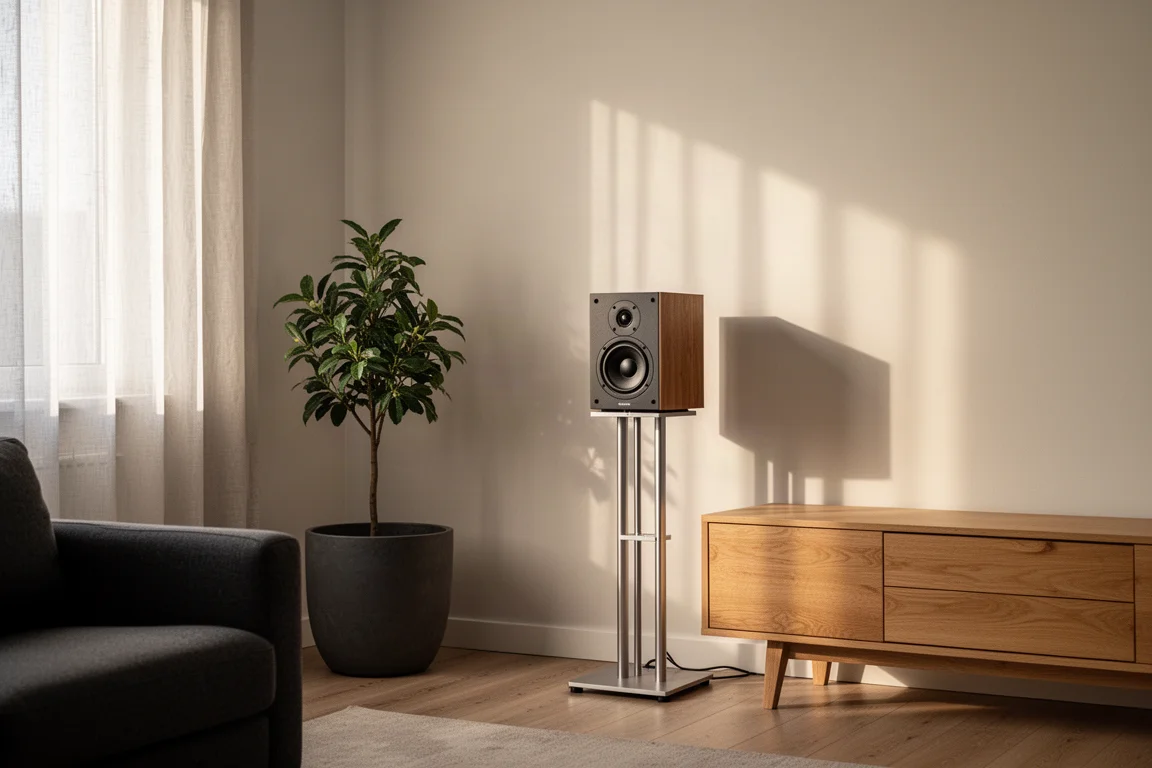
Bowers & Wilkins offers the optional FS600S3 stands for the 606 S3, which lift it to proper floorstanding height and turn it into a very compelling standmount option in its price class.
Bowers & Wilkins 607 S3: The Compact Bookshelf
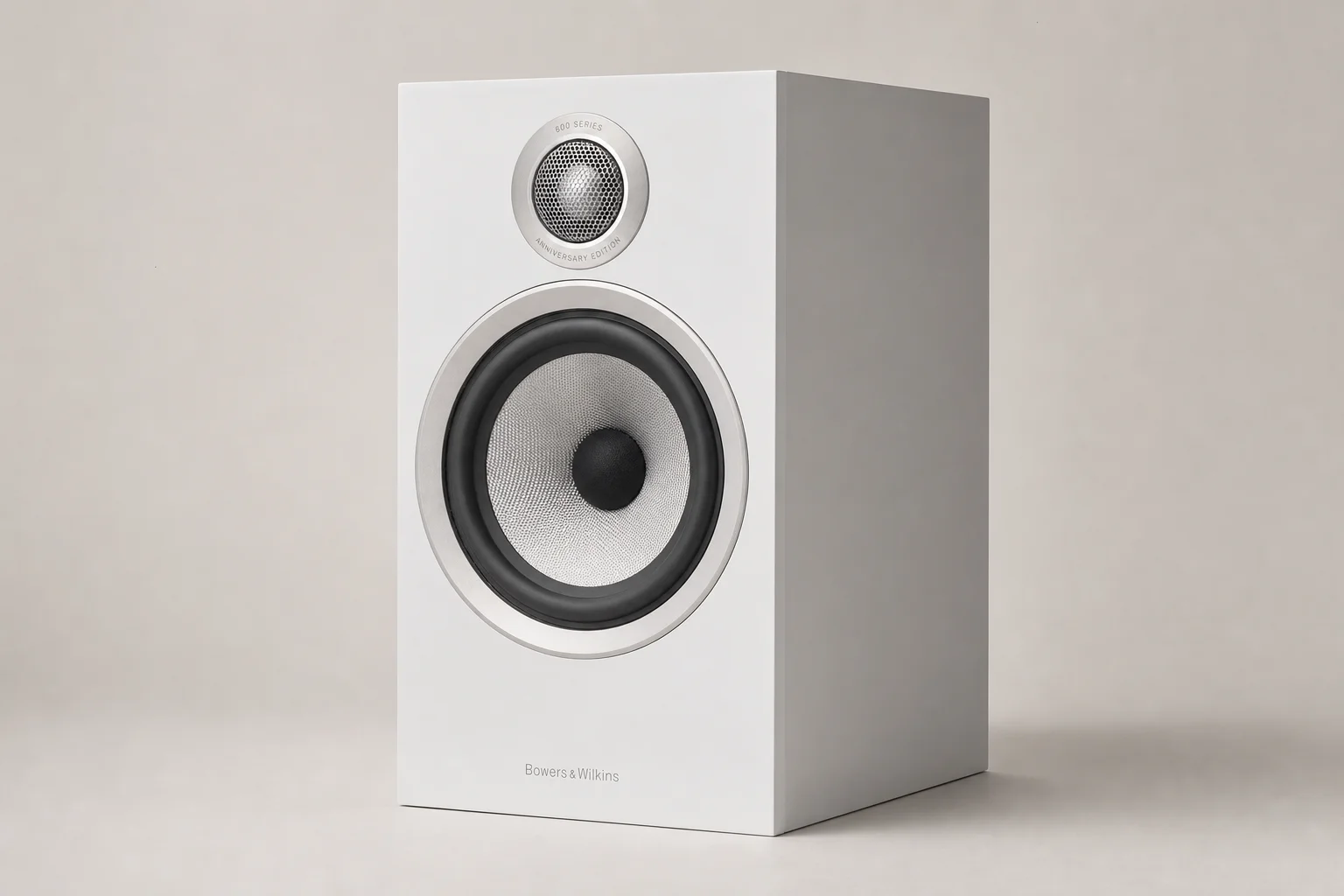
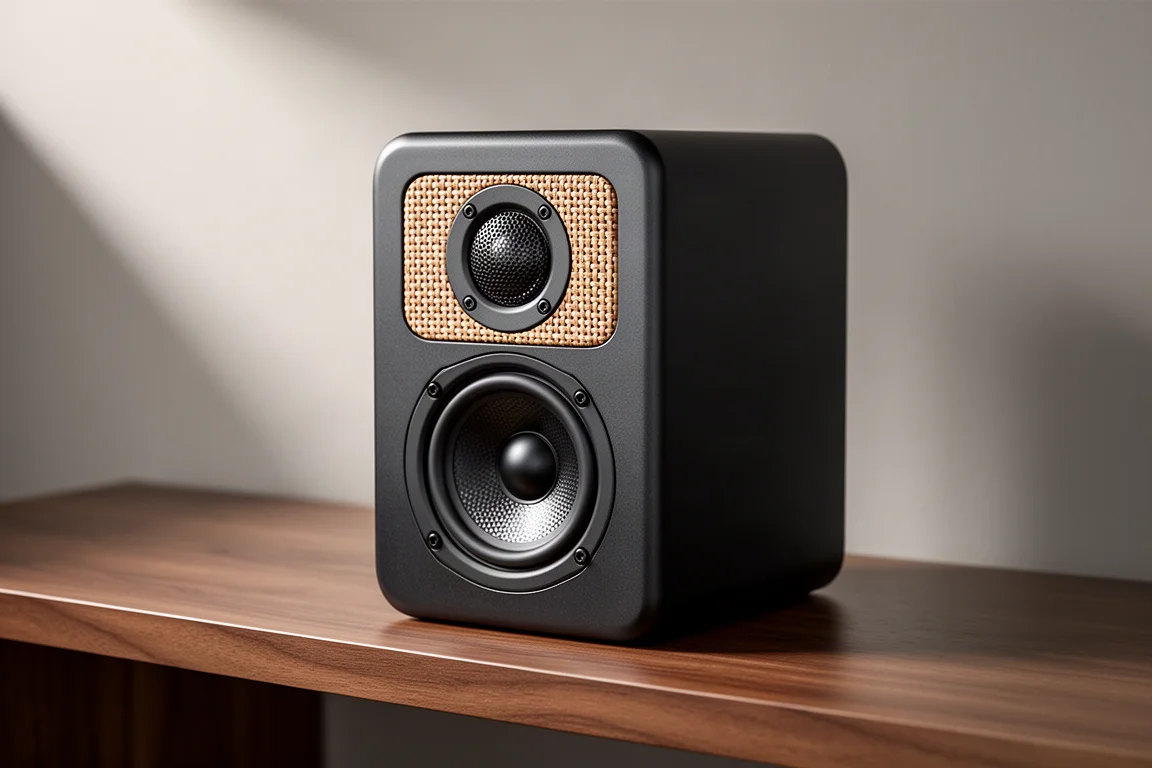
The 607 S3 is the compact bookshelf model, small enough to work in a bedroom system or a tight apartment. It can also be used alongside its larger siblings in a home theater, where matching the detail and character of the front speakers is critical.
It carries the same decoupled titanium tweeter as the other models, paired with a 5 inch version of the Continuum bass and midrange driver. The smaller driver keeps the cabinet compact without giving up much ground: the 607 S3 is rated down to 52 Hz, the same figure as the larger 606 S3. It performs well above its dimensions and can be enjoyed on its own or with a subwoofer.
Choose the 607 S3 if maximum space savings matter and you are not willing to compromise on performance.
Bowers & Wilkins HTM6 S3: The Center Channel
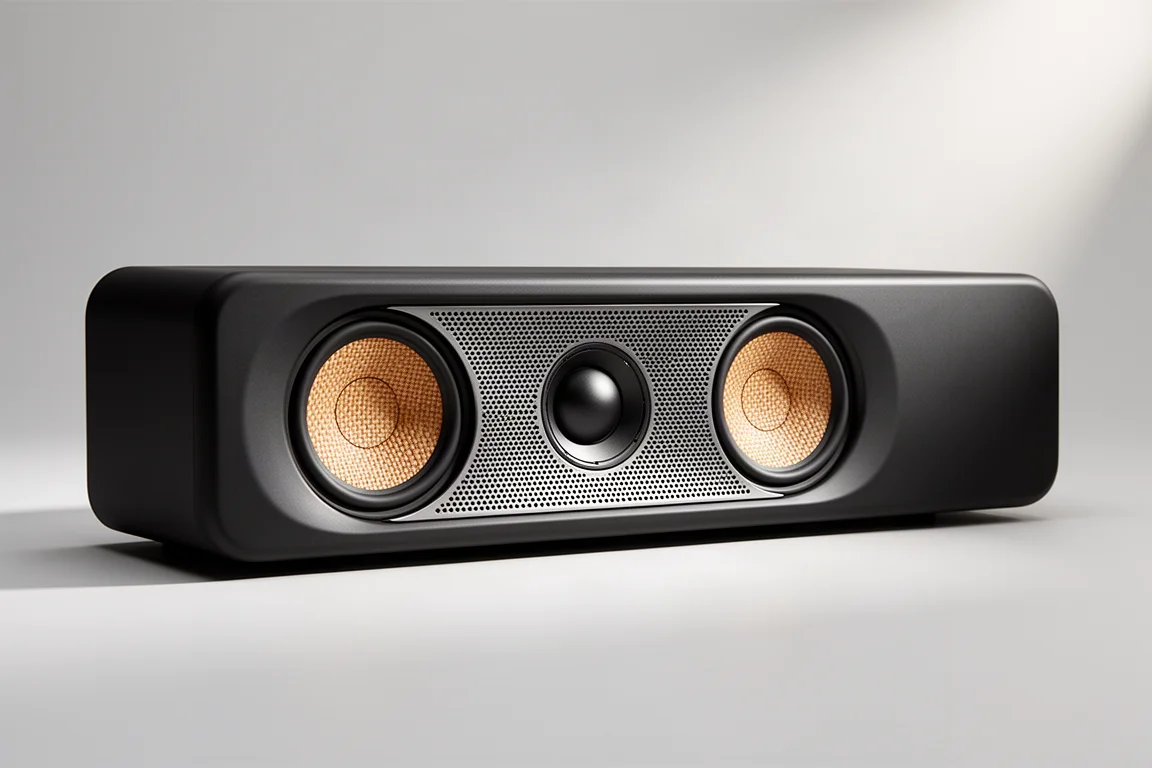
The HTM6 S3 is the center channel, and it uses two of the same 5 inch Continuum drivers found in the 607 S3. That shared driver complement is what keeps timbre matched across the front of a theater system. The tweeter is the same decoupled titanium unit used throughout the range.
The cabinet measures 6.3 inches high, 18.9 inches wide, and 10 inches deep. Bowers & Wilkins kept it small so it fits a wide variety of home theater setups, while still being capable enough to partner with the larger models in a full system. Flowport technology and the higher quality crossover components help it do exactly that.

Because the driver lineup mirrors the rest of the range, the HTM6 S3 integrates cleanly with either the 603 S3 or the smaller models, which is what makes a matched multi-channel setup straightforward to put together.
How the 600 S3 Line Sounds Together
Across the range, the 600 S3 speakers clearly share a family character with the 700 and 800 Series models.
On Angus and Julia Stone’s Big Jet Plane, the track Living on a Rainbow showed the resolving power of the series. Through the 603 S3, the bass drum that anchors the track came through fully developed, with detail intact along the way. Julia Stone’s vocal has a tone that can turn sibilant or peaky on some speakers, but the 603 S3 kept its composure and gave her voice the natural tone it deserves. The bridge, with children singing in the chorus, revealed how well the speaker handles a soundstage: each voice stayed individually audible, and the stage felt wide.
Two Feet’s Momentum put more pressure on bass speed and dynamics. The bassline on the record is punchy and demands both depth and agility, and the 603 S3 produced it with more fullness than its size would normally indicate. Vocals were rendered with detail and stayed anchored center stage, which points to good imaging. The chorus features a synthesizer effect that is deliberately driven into clipping to take over the section, and the tower handled it without falling apart. Highs stayed crisp and clean throughout, with real detail and energy.
The one criticism worth noting is honesty. If a recording was not mixed or mastered well, the 600 S3 range will do nothing to make it better, and it has the resolving power to show you exactly what is wrong. Feed it good recordings and it rewards you with a memorable performance.
Across the range, the midrange and treble responses of the various models are very close to identical. That is a deliberate design outcome, and it means you can choose your model mainly on room size and how much bass you want.
In a theater environment, the HTM6 S3 matched well with every model in the range and kept timbre likeness across the front channels. With the 606 S3 or 607 S3 handling surround duty, the whole package had a coherency that makes soundtracks move seamlessly between channels.
Buying Advice: Choosing the Right 600 S3 Model
Because the midrange and treble character is so consistent across the line, the decision comes down to two things: room size and bass.
The 603 S3 is the pick if you have a larger room or you want to prioritise bass depth and output. The 606 S3 suits a tighter space where you still want solid bass performance, and it doubles as a larger surround speaker in a theater system. The 607 S3 is the choice when maximum space savings matter, whether in a small room or as compact surrounds that still match the front channels. The HTM6 S3 is the natural addition if you are building a multi-channel system and need a center channel that timbre matches everything else.
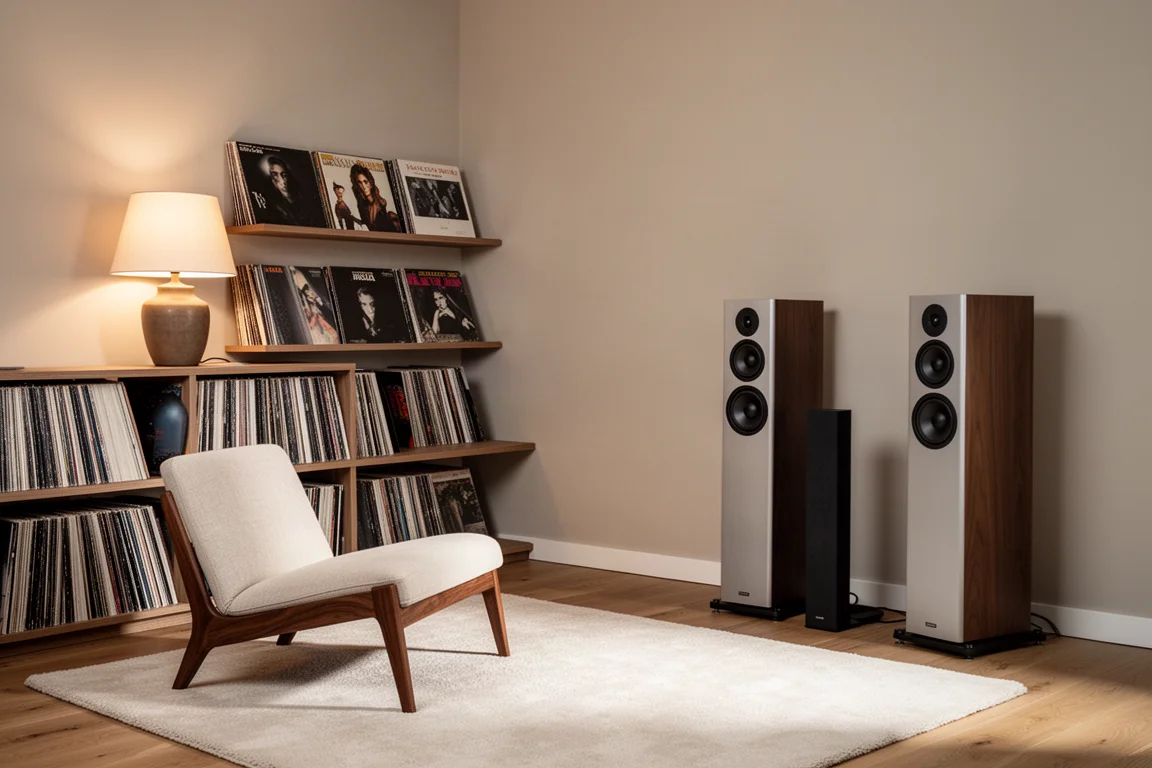
Finish choice is refreshingly simple. Black, white, or oak is available across every model, so a system assembled from different cabinet sizes still looks like a single considered purchase.
On value, the range brings trickle down technology from the 700 and 800 Series into a smaller, more affordable package. If you want a speaker that performs above its price and offers a level of value that is hard to find in today’s audio landscape, this line deserves serious consideration.
Conclusion
The 600 S3 range is a coherent, well-executed family of speakers. Shared Continuum midrange drivers, a decoupled titanium tweeter, Flowport bass tuning, and upgraded crossovers give every model the same core character, and the differences between them come down to cabinet size and bass capability rather than quality.
Pick the model that fits your room, and the rest of the system falls into place around it.
Further reading
Related Reviews
Hi-Fi Speakers
1723 THX Tower vs 1528 Bookshelf: Which Speaker Fits Your Room?
Two speakers at roughly the same price, built very differently. How the 1723 THX tower and the 1528 bookshelf compare on construction, bass, power needs, and sound.
Hi-Fi Speakers
Acoustic Energy AE 300 Review: Deep Bass From a Compact Standmount
A two-way standmount with real wood veneer, surprising low-end weight, and a warm, easygoing character. Here is what to know before buying.
Hi-Fi Speakers
Acoustic Energy AE1 40th Anniversary Review: A Modern Take on a British Classic
A compact standmount that revives a 1980s favorite with all-new parts, a warm mid-centric balance, and a price of £1,499 per pair.