Hi-Fi Speakers
Bookshelf vs Tower Speakers: How to Choose the Right Design
A practical guide to bookshelf and tower speakers, with five standouts that show what each design does best.
Introduction
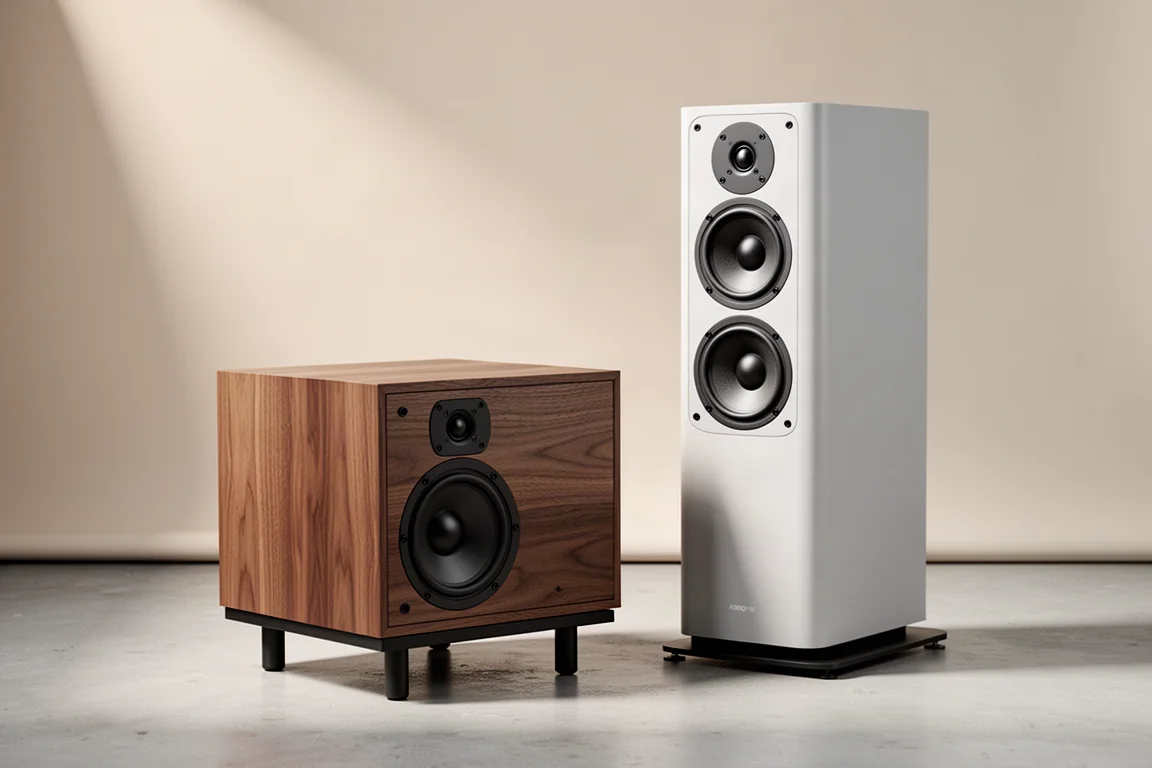
Choosing between a bookshelf speaker and a tower is one of the first real decisions in building a stereo. Both designs can sound excellent, and both involve trade-offs that come down to the room, the amplifier and the kind of listening you actually do. This guide walks through what each format does well, where each one compromises, and which specific models make the strongest case for each approach.
Bookshelf Speakers: The Core Strengths
A compact two-way speaker is usually the easier speaker to live with. Smaller cabinets are stiffer for their size and need less internal bracing, which keeps cabinet resonance cleaner. Slim front baffles also produce less diffraction, and that helps a small speaker throw a wide, precise soundstage.
Placement flexibility matters just as much. A bookshelf speaker produces less bass energy, so it interacts less with the wall behind it, which makes a balanced result easier to achieve in a normal room. Because most compact models are two-way designs, a tweeter and a woofer are simpler to integrate than a multi-driver array, and the result is often a coherent, effortless midrange and treble.
Stands are part of the appeal. Being able to choose stand height lets you line the tweeter up with your ears, which sharpens imaging and keeps the drivers properly integrated.
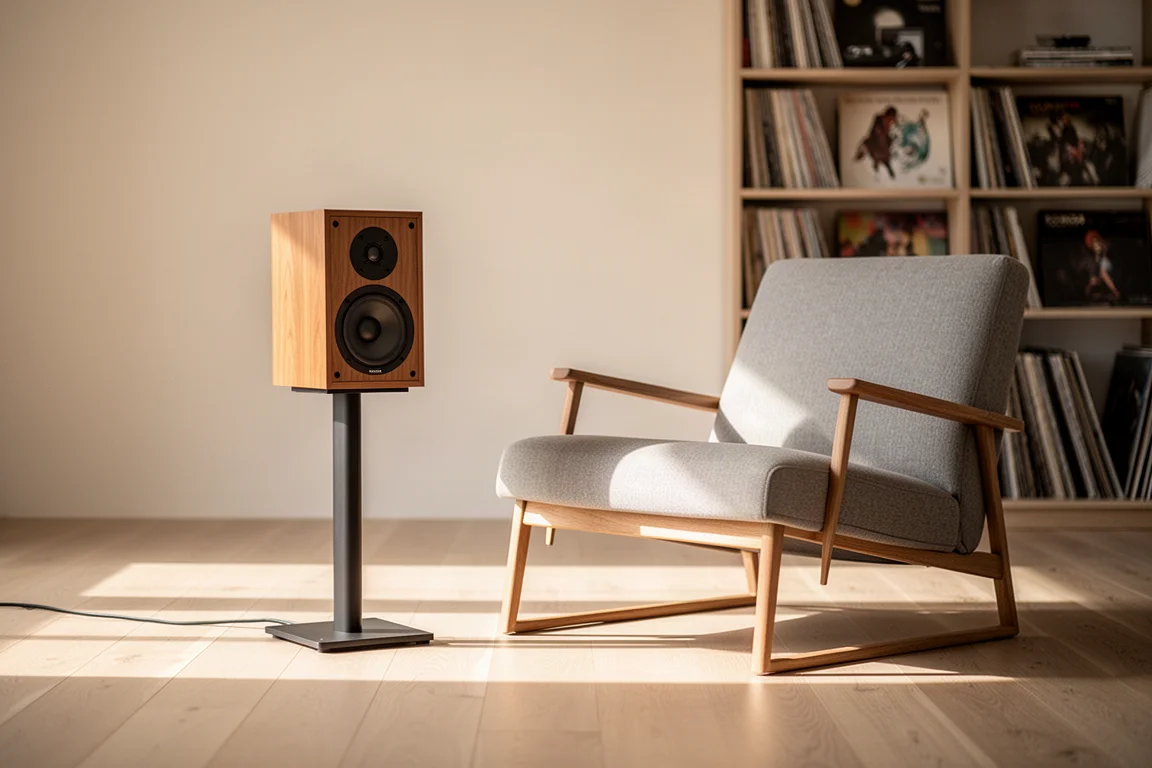
There is also a practical cost argument. Less cabinet material, less shipping weight and simpler crossovers usually mean a lower price than a comparable tower, and modern compact speakers can deliver a surprising amount of the frequency range on their own.
Tower Speakers: Where They Pull Ahead
A tower gives the designer a much larger cabinet and room for more drivers. That translates into deeper bass extension, higher output and a sense of scale that a small two-way simply cannot match. If you want music to feel physical, a tower delivers that in a way a compact speaker, even one paired with subwoofers, struggles to reproduce.
Multiple woofers wired in series or parallel also raise sensitivity, which is the key advantage many buyers miss. A tower often plays louder with less distortion and needs less amplifier power than a small speaker chasing the same bass extension.
The cost of that capability is size and complexity. Many towers are three-way designs with more elaborate crossovers, and pulling off a clean handoff between drivers of different sizes takes real engineering skill. Buying from a designer with a proven record on three-way designs matters more here than it does with a simple two-way.
The Amplifier Question Most Buyers Get Backwards
The common assumption is that a big speaker demands a big amplifier. In practice the opposite is usually true. A small cabinet that tries to reach deep bass sacrifices sensitivity to do it, and low sensitivity means more power is needed to reach the same volume.
That leads to an awkward combination for compact speakers: they want a decent amount of power, yet their maximum output is limited, so there is a real risk of pushing them too far. Towers and horn-loaded designs generally sit on the other side of that trade-off, offering high sensitivity and easy amplification.
This is a useful filter when shopping. If you own or plan to own a low-powered amplifier, a high-sensitivity speaker is a smarter match than a compact two-way that needs current to come alive.
The Middle Ground: Large Bookshelves and Slim Towers
Between a small stand-mount and a full-size tower there is a middle ground that many listeners end up preferring. Large bookshelf speakers with big cabinets and three-way layouts, and slim towers with modest footprints, both borrow strengths from each design.
A big bookshelf speaker can deliver tower-like bass extension while keeping the imaging and soundstage of a stand-mount. A slim tower can offer the dynamics of a floorstander while still working in a room where a full-size speaker would dominate. Both types usually tolerate being placed within roughly two feet of a wall, which is far more realistic for most homes.
For listeners moving up from an entry-level setup, this middle ground is often the most satisfying place to land.
Bookshelf Picks Worth Considering
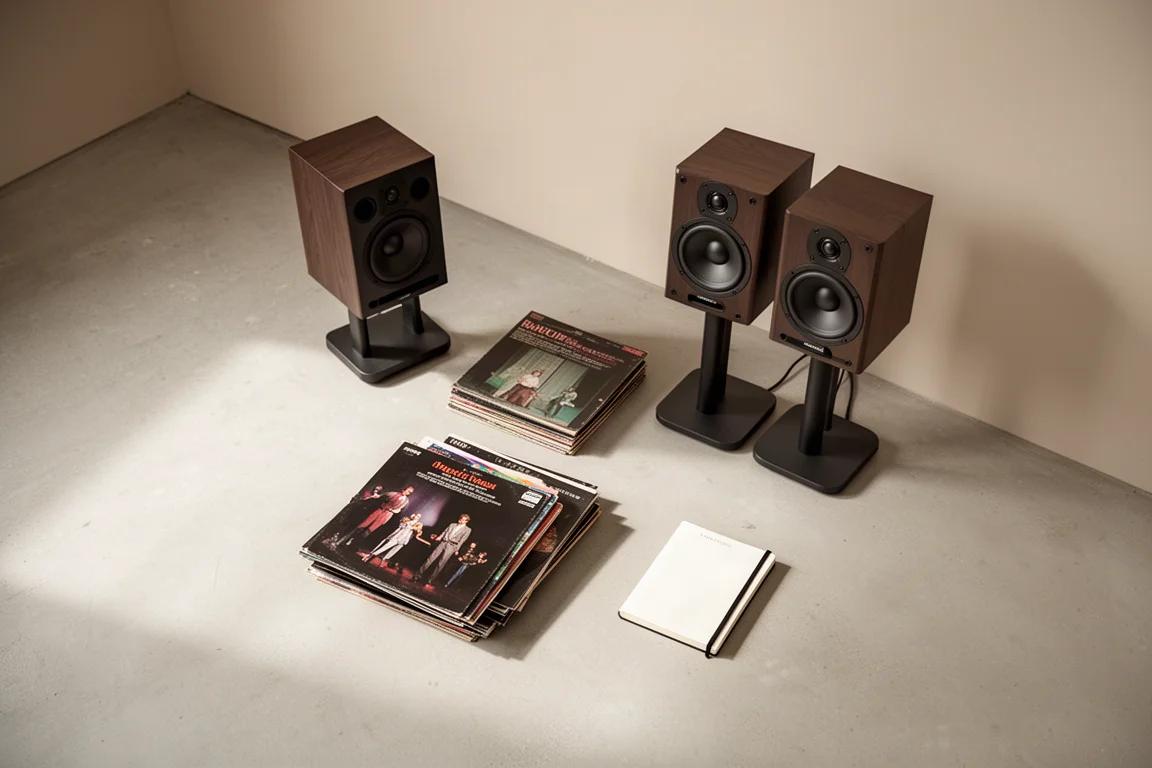
The models below show what a well-executed stand-mount can do, from compact two-ways to large cabinets that behave almost like towers.
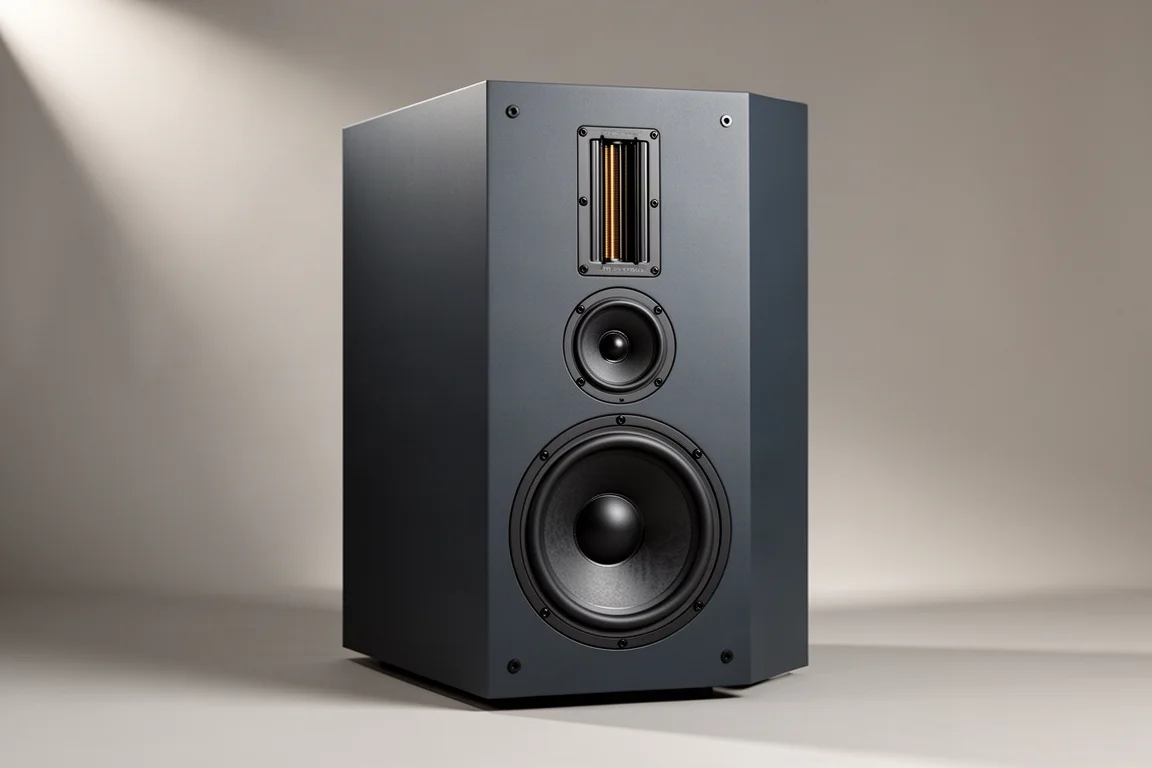
Arendal 1528 Bookshelf
This is a bookshelf speaker in name only. The cabinet is enormous, and the design is a three-way rather than the usual two-way arrangement. That combination produces bass extension that rivals the matching tower, and independent measurements of the model show it reaching lower than the tower version.
What makes it interesting is that it keeps the traditional strengths of a stand-mount. Soundstaging and imaging remain the priority, but you also get the depth and weight normally associated with a floorstander. The tower is still the more dynamic of the two in person, so the choice between them comes down to whether you want maximum scale or the best possible blend of both approaches.
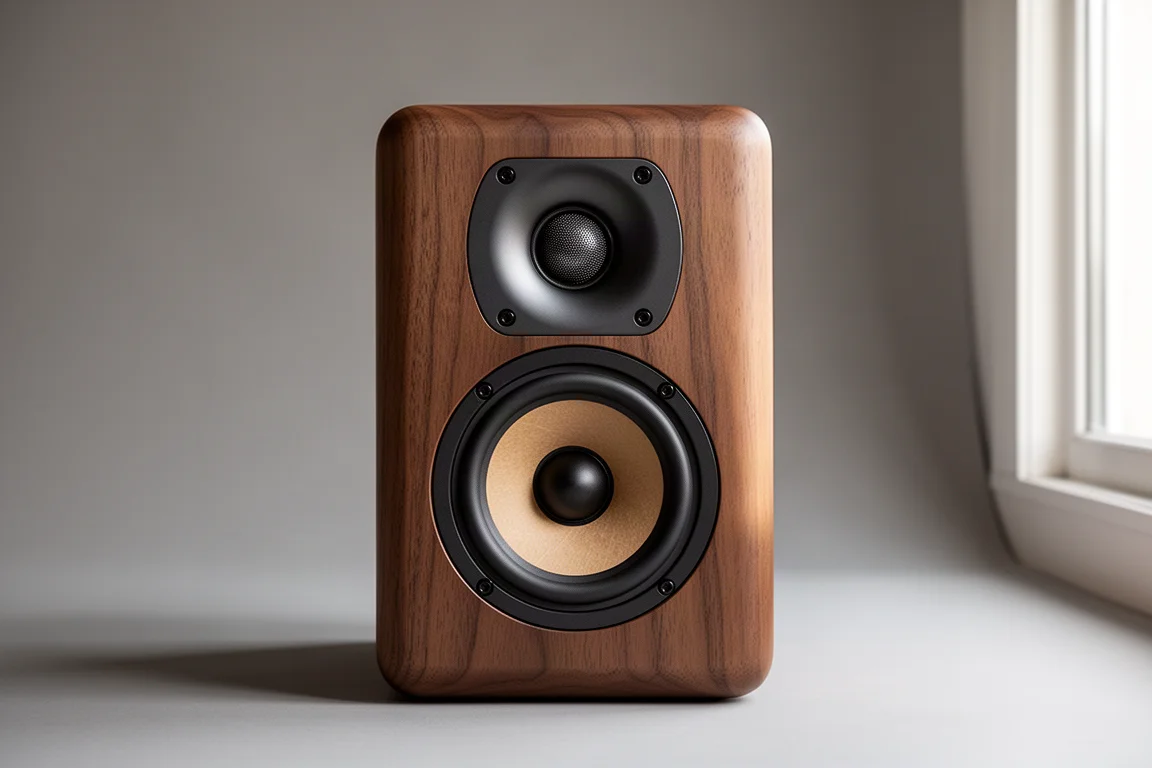
Buchardt S400 MKII
For a genuinely compact cabinet, this speaker delivers a large soundstage and a smooth, easy-going presentation. Bass extension and bass quality are both strong for the size, which makes it an appealing option for listeners who want a full sound without giving up floor space.
It suits long listening sessions rather than short, attention-grabbing demonstrations. As with any compact two-way, there are limits to how loud it can play and how much physical impact it can generate, but within those limits it is exceptionally easy to enjoy.
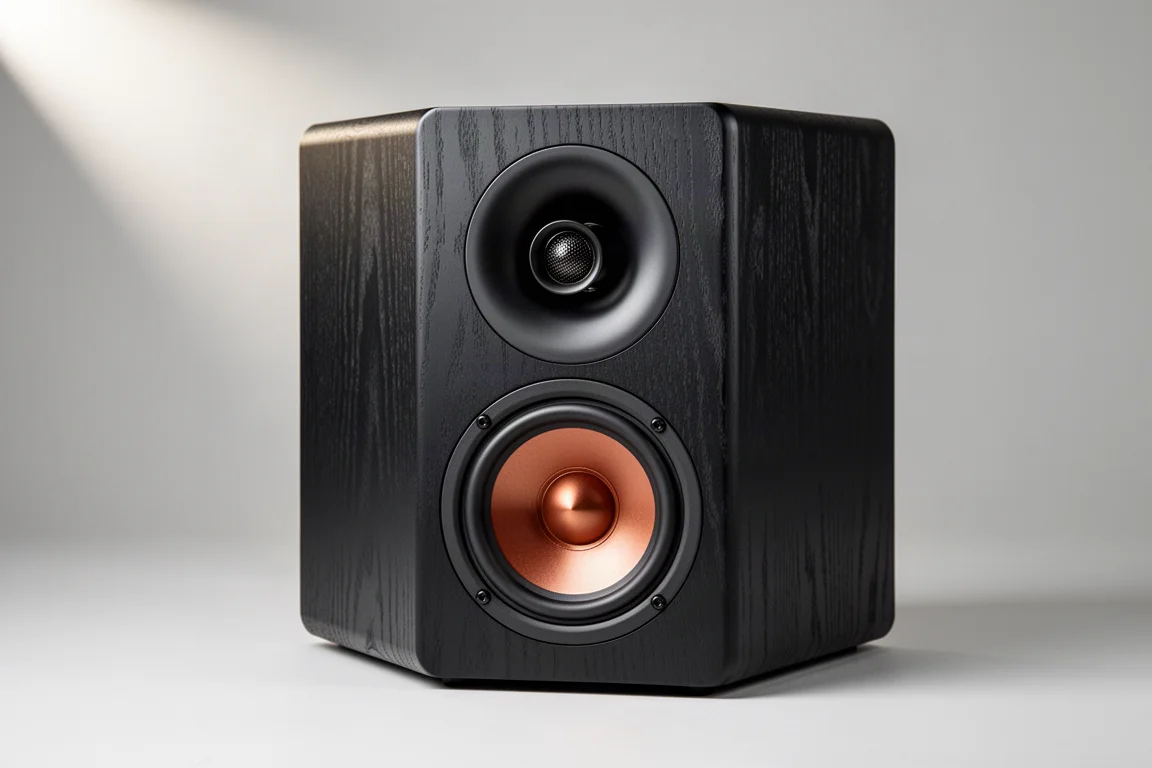
Klipsch RP-600M
This is a horn-loaded design, and it makes the engineering trade-off plain. High sensitivity means it needs very little amplifier power and can play loudly without strain, and the horn keeps the presentation lively at low volumes as well.
The compromise is bass extension. A small enclosure combined with high sensitivity leaves less room for deep low frequencies, and that is a deliberate choice: less woofer travel means less distortion. If you value efficiency and an engaging horn character over the deepest bass, this is a compelling compact option.
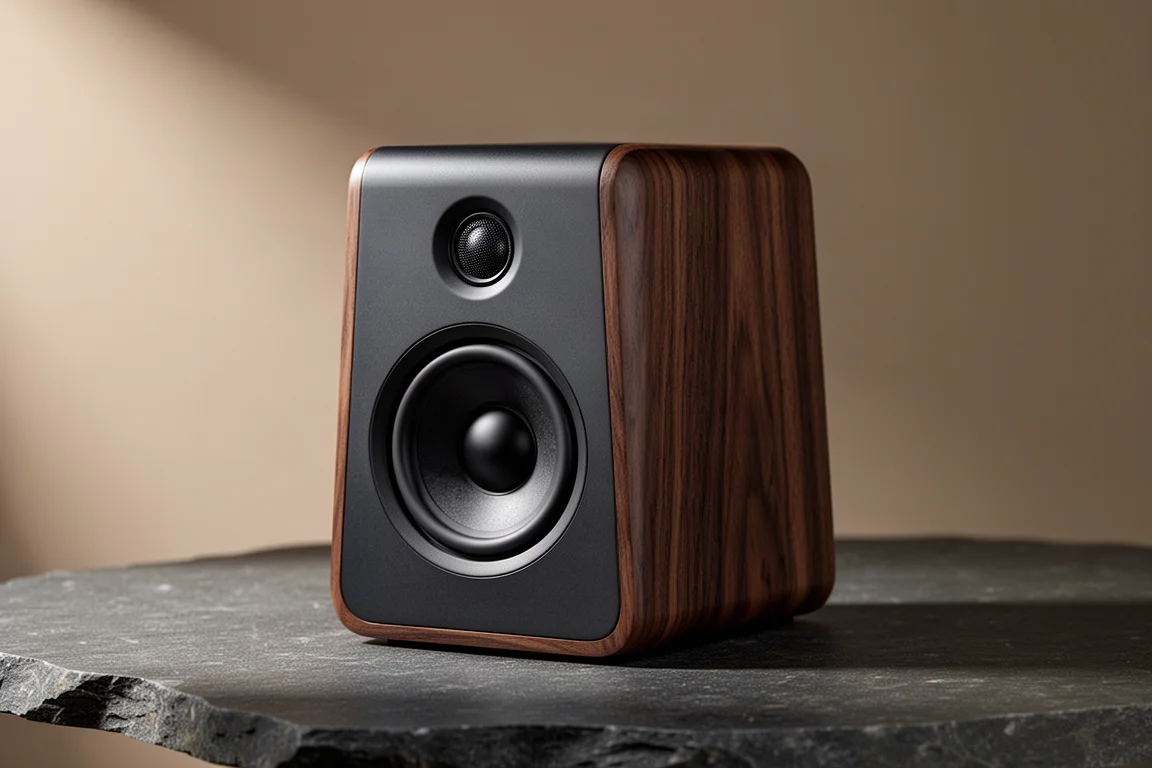
Dynaudio Special 40
This stand-mount is demanding about placement. Small changes in position can make or break the result, and it rewards anyone willing to experiment. Get it right and it delivers a taste of high-end sound, with strong tone and enough flexibility to handle almost any genre.
It sits at the upper end of the price range for a compact speaker, but the build and finish match that positioning, and the payoff is a speaker that can serve as the only pair in a small system without feeling like a compromise.
Tower Picks Worth Considering
If you have decided that scale and dynamics matter most, this is the model that makes the strongest case.
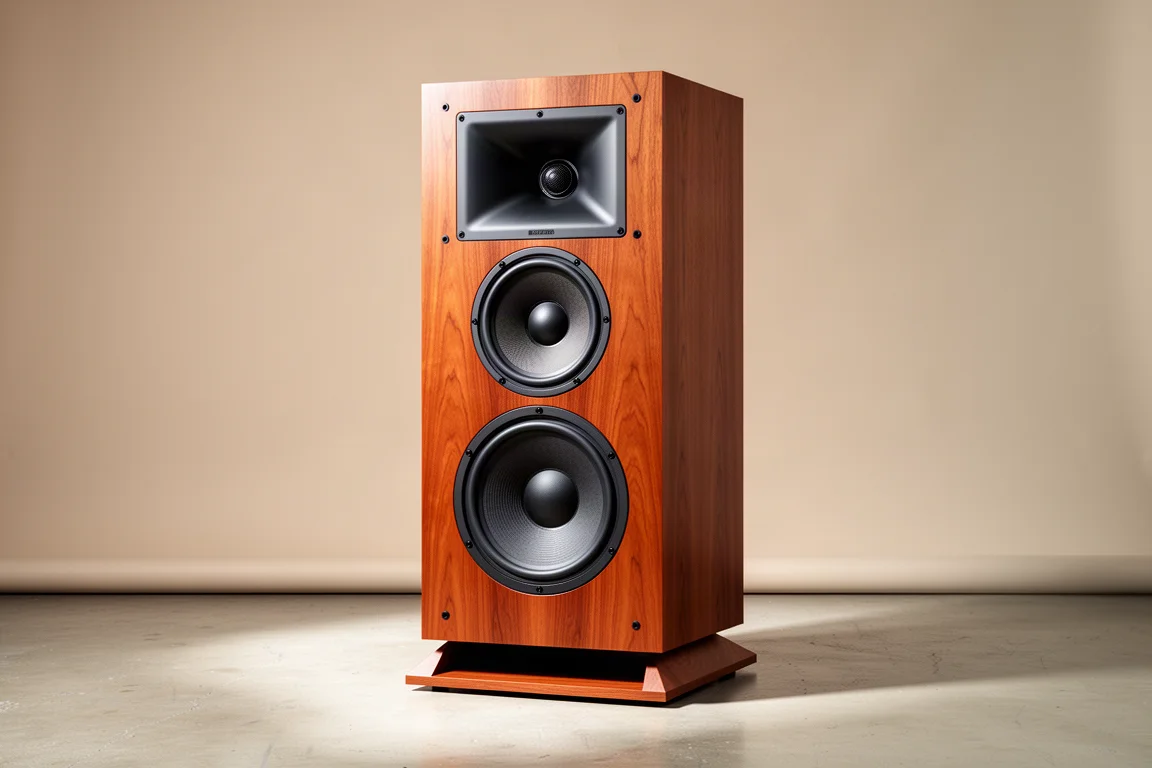
Klipsch Cornwall IV
A large horn-loaded tower that moves an enormous amount of air. What separates it from other big horns is the shallower horn geometry, which lets you sit relatively close and still get a balanced result instead of needing a large room to pull everything together.
Positioning is critical, with tiny adjustments changing the balance between bass weight and brightness. The veneer also marks easily, so it is not a speaker for a busy household. In return you get a speaker that sounds good at both whisper-quiet and very high volumes, and at well under $10,000 it represents a lot of performance for the money.
Buying Advice
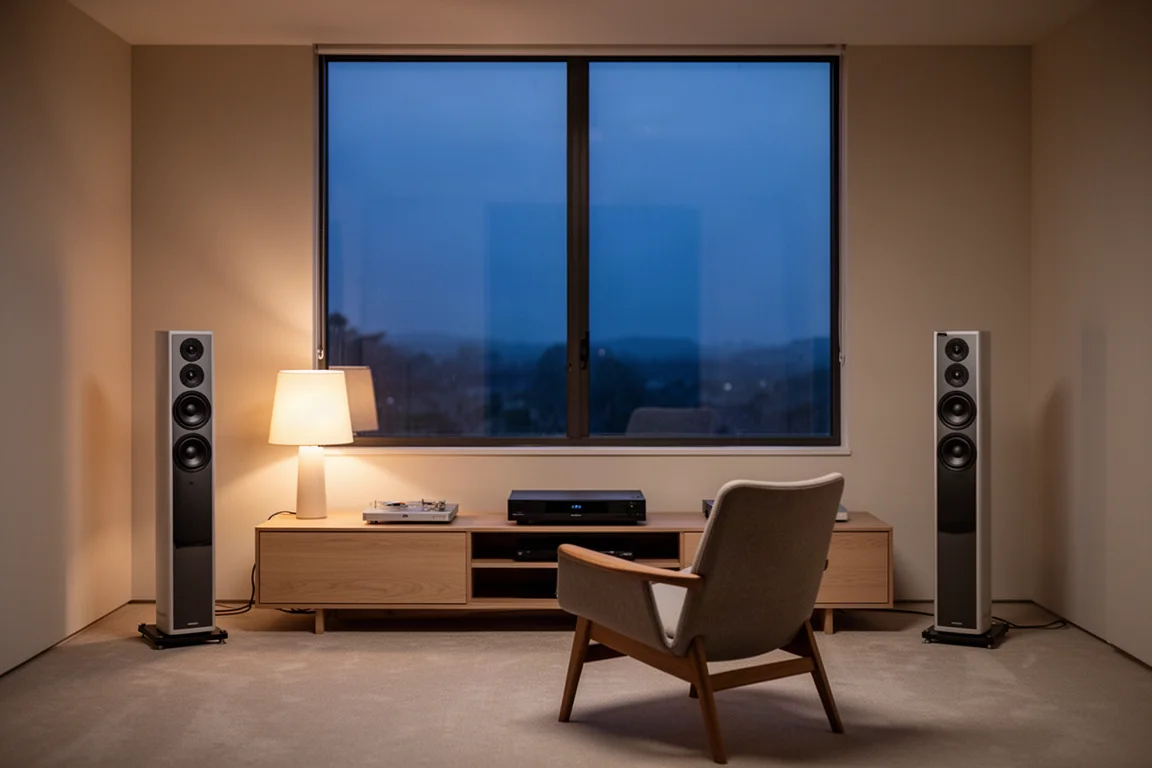
Start with the room. A large space favors a tower, which will play louder with lower distortion thanks to higher sensitivity and greater power handling. In a small or medium room, the decision is closer to a coin flip, and a large bookshelf speaker or a slim tower is often the best compromise.
Then consider your listening priorities. If you mainly listen to jazz and acoustic material and care most about soundstage, midrange and treble, a bookshelf speaker delivers that for considerably less money. If you want dynamics, scale and a physical sense of impact, put your budget toward a floorstander instead.
Finally, be honest about subwoofers. Adding one or two subwoofers to a compact speaker sounds simple, but matching the impulse response of a small midwoofer to a subwoofer is difficult, and a textbook frequency measurement does not guarantee a musical result. Many listeners find that a larger speaker solves the problem more directly than a carefully tuned subwoofer setup.
Above a certain price point, the distinction matters far less, because designers use elaborate cabinets, adjustable tweeters and specialized driver arrays to cancel out the usual weaknesses of each format. Below that point, matching the design to your room and your amplifier will do more for your system than any single specification.
Conclusion
Bookshelf speakers win on placement flexibility, imaging, cabinet rigidity and cost. Towers win on bass extension, dynamics, output and amplifier friendliness. The middle ground of large bookshelves and slim towers exists precisely because so many listeners want both sets of strengths at once, and it is where the most balanced choices tend to live.
Further reading
Related Reviews
Hi-Fi Speakers
1723 THX Tower vs 1528 Bookshelf: Which Speaker Fits Your Room?
Two speakers at roughly the same price, built very differently. How the 1723 THX tower and the 1528 bookshelf compare on construction, bass, power needs, and sound.
Hi-Fi Speakers
Acoustic Energy AE 300 Review: Deep Bass From a Compact Standmount
A two-way standmount with real wood veneer, surprising low-end weight, and a warm, easygoing character. Here is what to know before buying.
Hi-Fi Speakers
Acoustic Energy AE1 40th Anniversary Review: A Modern Take on a British Classic
A compact standmount that revives a 1980s favorite with all-new parts, a warm mid-centric balance, and a price of £1,499 per pair.