Cycling Aerodynamics
Body Rocket Review: On-Bike Drag Measurement Without the Wind Tunnel
A practical look at Body Rocket, an on-bike direct force drag measurement system, covering how it measures drag, what a velodrome session showed, and the pricing, fit and compatibility questions to settle first.
Introduction
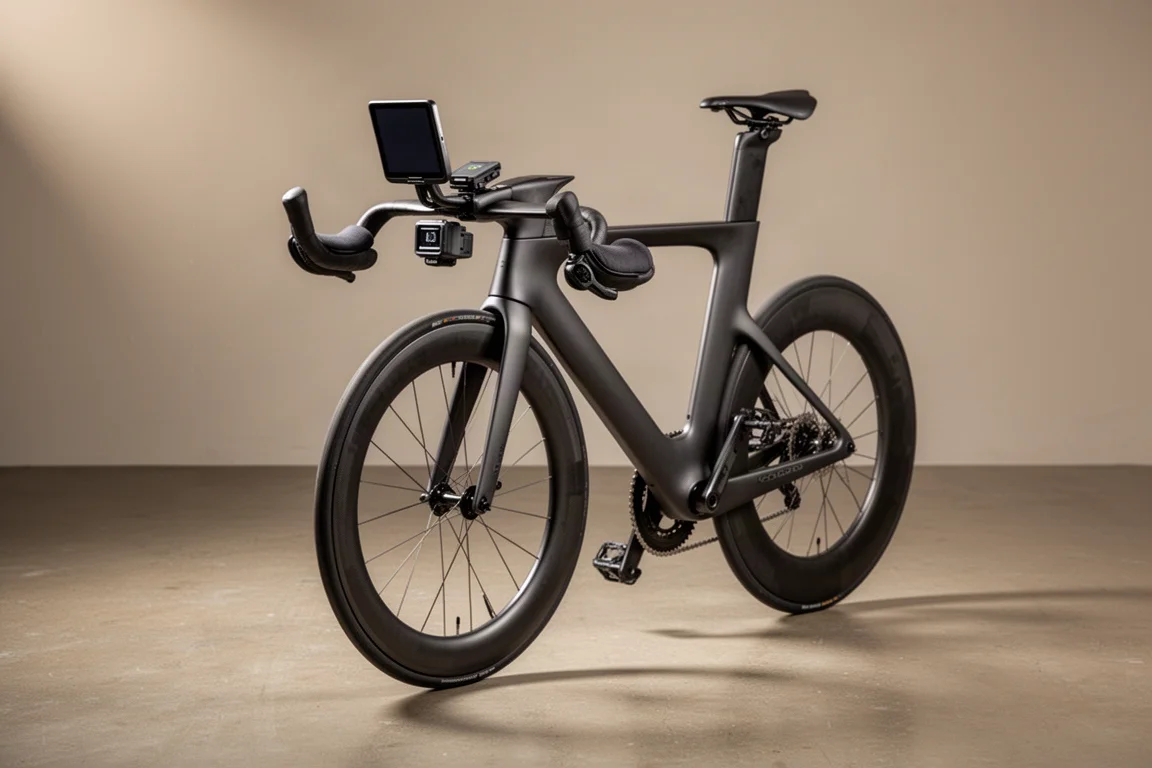
Body Rocket is an on-bike drag measurement system built around a simple premise: aerodynamic testing should not require a wind tunnel booking. Instead of measuring airflow around a rider in a controlled facility, the system measures the resistive force acting against the rider at the contact points and reports a live drag figure on a handlebar-mounted display.
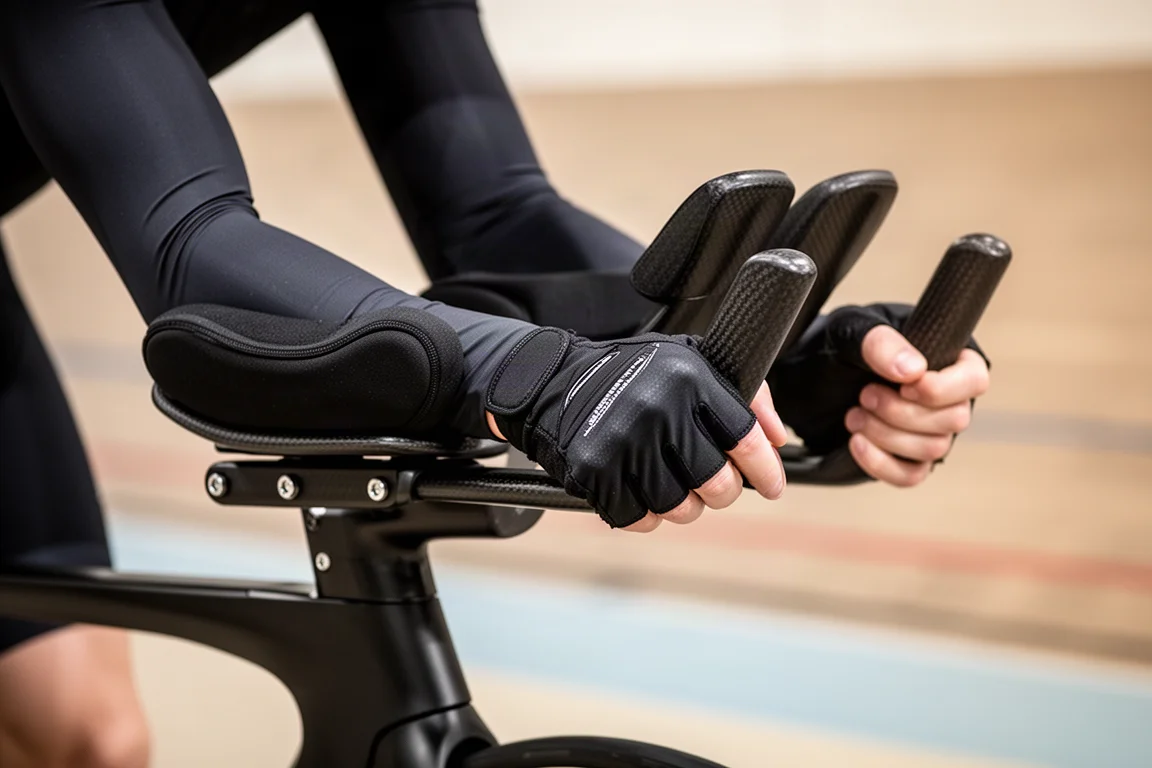
The hardware is spread across the bike. Load sensors sit under the aero extensions, under the saddle, and inside the pedals. A small central unit handles the processing, and in production versions that unit is designed to be tucked away inside other components. Wind speed is measured by a sensor supplied by a partner company, with Body Rocket planning to develop its own version with its own technology and packaging further down the line.
The headline promise is a wind tunnel on your own bike, available every time you ride.
Who This Product Is For
The clearest fit is the rider who already invests in aerodynamic testing. Time trialists, triathletes and pursuit riders who book velodrome or wind tunnel time several times a season are the obvious audience, because the system is designed to be used repeatedly rather than once.
Body Rocket has said the system is planned to fit around 70% of the triathlon bikes seen at Kona. Road bikes are a harder target, simply because there are far more of them and a much wider spread of saddle rail systems and handlebar setups to accommodate.
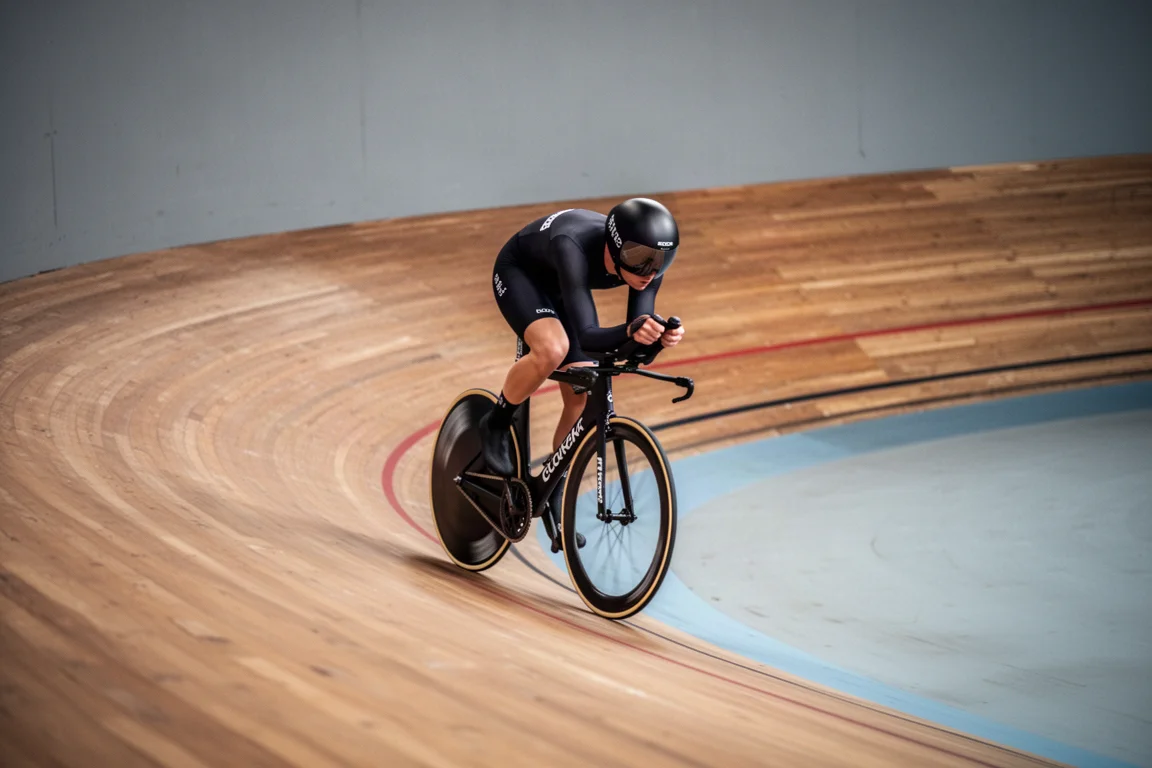
Riders who want to know whether a position change is worth keeping will get the most from it. So will athletes who already track power and want a second, independent view of how their body interacts with the air.
Main Strengths
The core strength is the measurement method. Load sensors at the contact points capture the force working against the rider as they move through the air, and that figure is sent to the display up front. It is a direct measurement rather than an estimate derived from speed, power and assumed conditions.
The pedal sensors double as power meter pedals. A rider using the full system therefore does not need a separate power meter on the bike, which offsets part of the cost and simplifies the setup.
The second strength is the software layer. Body Rocket’s individualized artificial intelligence network, known as Brian, acts as an aerodynamic assistant. It builds a testing protocol without the rider having to design one, and it typically asks for a parameter sweep: short reach, long reach, extension angle increase, extension angle decrease. That sweep approach mirrors what professional aerodynamicists do, pushing a position to its extremes to see how the body responds before fine-tuning.
Brian also reviews results. It identifies the runs with the lowest CdA, and it flags data that may not be trustworthy if conditions shifted during the day or if lap-by-lap variability was unusually high. It consistently prioritises position changes over equipment changes, on the basis that position usually delivers the larger gain, before moving on to skinsuit and helmet comparisons.
There is also early research work on video-based pose analysis. Using a camera at the side of the track, the system can estimate joint positions from a photo without motion capture markers or inertial measurement units, then report torso angle and head angle. Across a session, that makes it possible to see whether a rider’s position drifted over time, which helps explain variability in the drag numbers.
What a Real Test Session Showed
In a velodrome session, the baseline position produced a CdA of 0.204 m². Increasing reach, which often helps, made things worse for that rider, who was moving around more on the bike and struggling with head position.
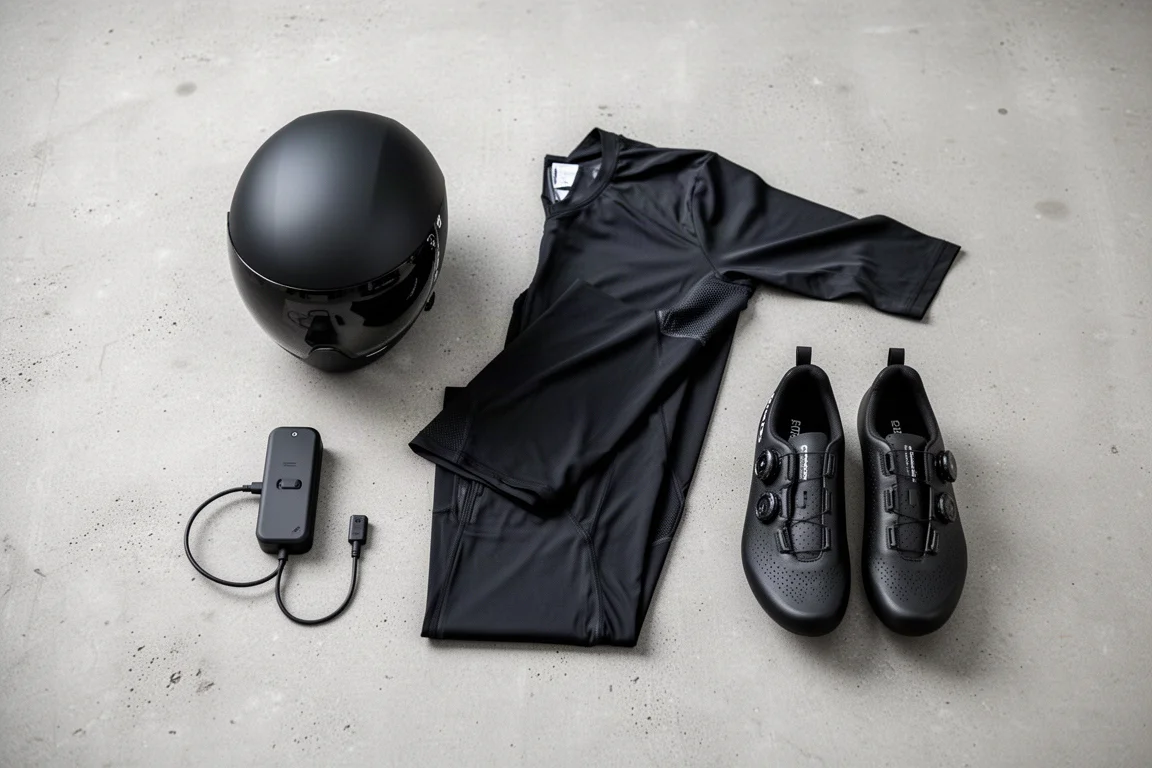
Helmet changes delivered the clearest single gain. Moving from a road helmet to a time trial helmet produced a saving of up to 13.2 W. A skinsuit added only a small gain at the speeds tested, which is consistent with skinsuits being designed to perform at higher air speeds; a faster rider would be expected to see more.
Across the session, the total saving from start to finish was 9.6 W, while the position change alone was worth 20.4 W. The whole test involved five runs in roughly half a day, which underlines the point of owning the system: the protocol can be repeated as often as the rider wants.
Things to Consider Before Buying
The numbers only mean something if the conditions are stable and the runs are repeatable. The system does flag suspicious data, but the rider still has to ride consistently and follow the protocol. Testing is a discipline, not a one-off click.
Video-based pose analysis is early research, so it should be treated as a developing feature rather than a finished one.
Fitment is the other practical question. Triathlon bikes are the near-term focus, and road bikes are acknowledged as a harder problem given the variety of frames and cockpit designs.
Pricing and Availability
Pricing had not been locked in at the time of testing, with the expected range falling somewhere between 2,500 and 3,000. Beta testers had been running the system since December of the previous year.
The plan was a pre-sale campaign in the fall, with the system available to buy in September and delivery expected the following April. For anyone weighing the cost, the useful comparison is against repeated wind tunnel or velodrome sessions, which are typically booked in small blocks of hours rather than owned outright.
Bike Fit and Compatibility
The production hardware is designed to be hidden away inside existing components, which is what makes the polished prototype bike look clean and integrated rather than bolted together. It is not yet a fully complete package, but the direction is clear.
The wind speed sensor currently comes from a partner company. Body Rocket has said its own version will follow, with its own technology and packaging.
Buying Advice
For riders who test regularly, the maths can work. A single wind tunnel day buys a limited number of hours, and the Body Rocket system can be used across a whole season, on the rider’s own bike and position. If aerodynamic testing is already a line item in the training budget, the system is easier to justify.
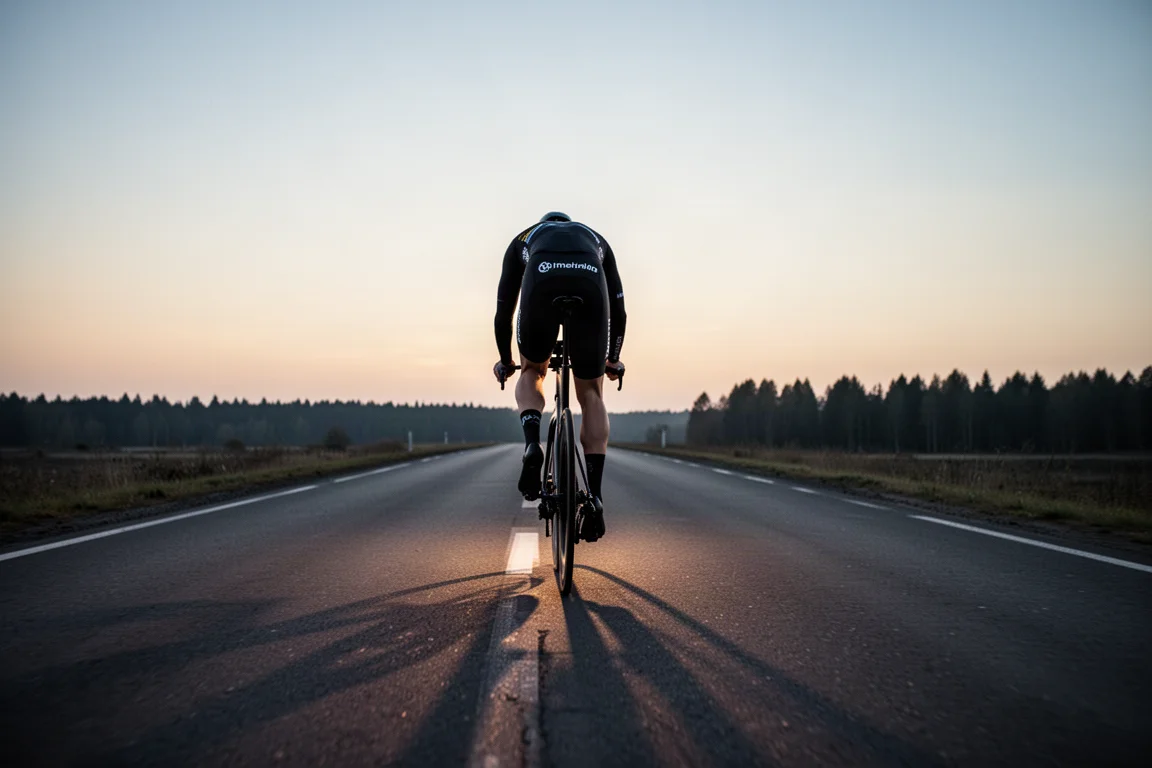
The order of operations matters too. Position first, then helmet, then skinsuit. That is both what the assistant recommends and what the session results supported, with the position change worth more than the equipment changes combined.
If testing is an occasional curiosity rather than a routine, a one-off session with an aerodynamicist may still be the more sensible spend.
Conclusion
Body Rocket delivers something that has been promised before and rarely delivered: usable on-bike drag data that changes as the rider changes. The measurements responded to real changes, the assistant removes most of the protocol guesswork, and the power meter pedals soften the cost.
The open questions are commercial rather than technical. Final pricing, delivery timing and how well the system covers the huge variety of road bikes will decide how far it spreads beyond triathlon and time trial riders. For now, it is a genuinely interesting piece of kit for athletes who treat aerodynamics as an ongoing project.
Product link
View more details for Body Rocket
This product is mentioned in the review. Check the specifications, options, and compatibility before buying.
View more details for Body RocketFurther reading
Related Reviews

Backpacking Gear
Building a 10 lb Base Weight: An Ultralight Backpacking Gear List
A practical walkthrough of the ultralight pieces behind a 10 lb base weight, from a 765 g pack and a roomy one-person tent to a full camp chair and a dependable water filter.

Road Bikes
10 New Road Bikes Worth Watching: Aero, Titanium, Steel and Endurance Standouts
A practical roundup of 10 new road bikes, from aero flagships chasing single-watt gains to titanium, steel and endurance platforms built for real roads.
Bikepacking Gear
11 Bikepacking Essentials for Long-Distance Cycling
Eleven bikepacking essentials for long-distance cycling, from a steel gravel frame and a two-person tent to helmet lights, packable gloves, and a frame bag that puts weight in the right place.