Mountain Bikes
BMC TwoStroke 01 Two Review: Chasing a Sub-8 kg XC Hardtail
A carbon cross-country hardtail that starts at 9.29 kg and ended a weight-focused build at 8.02 kg, plus how it actually behaves on the trail.
Introduction
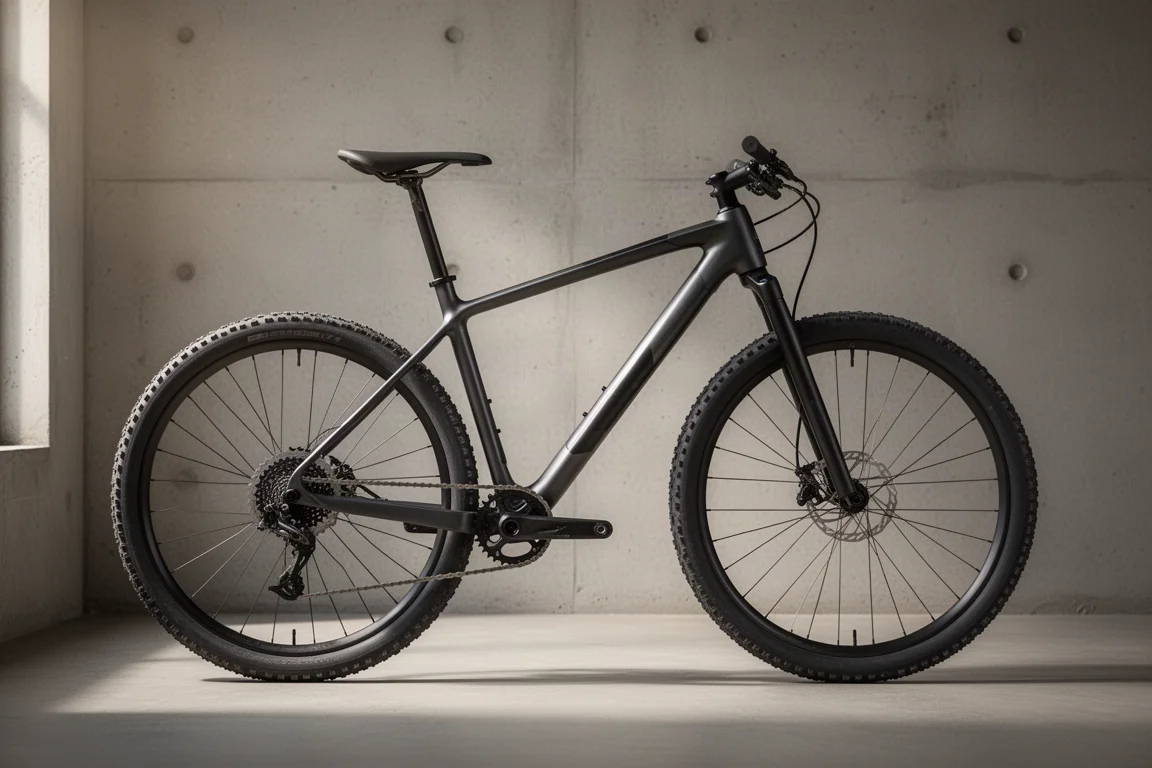
BMC’s TwoStroke 01 Two arrives as a carbon cross-country hardtail with a race-ready specification: a SRAM X01 drivetrain, a carbon handlebar, a carbon seatpost and a carbon crankset. On the scales, without pedals, the bike weighs 9.29 kg. That is already a competitive figure for a hardtail, which makes it a natural starting point for anyone curious about how far a lightweight XC platform can be pushed.
A weight-focused rebuild of this exact bike brought it down to 8.02 kg, leaving it just 20 g short of an 8 kg target and roughly 1.27 kg lighter than the stock build. The frame stayed the same. Almost everything bolted to it was fair game.
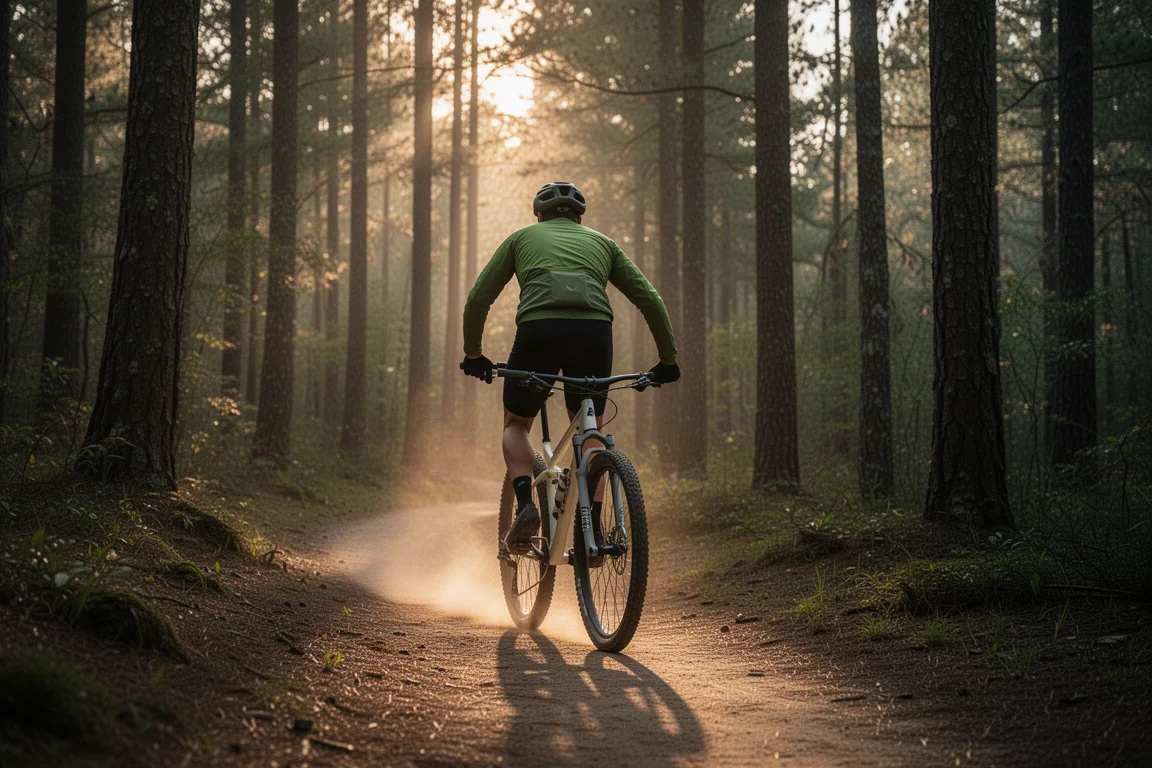
The interesting part is not the final number on its own, but what the process reveals about where weight actually hides on a modern cross-country bike, and what those savings cost in ride quality. A bike this light changes character on the trail, and not always in ways that suit every rider.
Who This Bike Is For
This is a bike for riders who measure enjoyment in acceleration. A carbon XC hardtail at this weight gets up to speed almost instantly, and it rewards riders who prioritise climbing and rolling speed over descending confidence on rough terrain.
It also suits riders who enjoy the build process itself. The TwoStroke 01 Two takes well to component swaps, and the gains from a careful parts list are substantial rather than marginal. Riders who would rather buy once and ride without tinkering will still get a fast, well-specified bike, but they will not see the numbers this build produced.
Riders whose local trails are wet, loose or rooty for most of the year should read the grip notes further down before committing to an ultra-light setup, because the lightest option is not automatically the fastest one over a full lap.
Main Strengths
Acceleration is the headline. On a test loop combining singletrack, technical climbs and descents, the bike felt rapid in a way that is hard to attribute to any single part. Light wheels and light tires spin up quickly, and the result is a machine that reaches cruising speed with very little effort.
The stock platform is also a strong base. The SRAM X01 drivetrain and the carbon cockpit parts mean the bike does not need replacing to be enjoyable; the rebuild was about trimming grams, not fixing weaknesses. Handling stayed predictable, turn-in felt sharp, and the bike flicked from corner to corner easily.
The frame’s composure under a very light build is worth noting. Dropping more than a kilogram from a bike usually exposes flex or nervousness, but the TwoStroke 01 Two remained stable and consistently fast, and it never felt like it was being asked to do something the frame did not want to do.
The Weight Reduction Project
Wheels delivered the biggest single gain. A 951 g wheelset replaced the previous lightweight set, built around 28 mm internal width hookless tubeless carbon rims, lightweight hubs and textile braided spokes. The manufacturer claims the braided spokes are lighter, stronger and more compliant than conventional options, and the wheelset is rated strong enough for an XC race bike despite its very low mass.
Tires contributed next. Specialized S-Works Fast Trak tires in a 2.2 in width weigh a claimed 572 g each, nearly 200 g less than the Vittoria Barzo tires they replaced. Together with the wheels, the change saved around 600 g against the already light setup and nearly a kilogram against the wheels the bike came with.
The cockpit moved to a Schmolke T range group: a 740 mm handlebar at 99 g, an extra-light alloy stem at 65 g, a 114 g seatpost and an 88 g bare carbon saddle with no padding at all. Against the stock BMC parts, that is 347 g removed from the contact points.
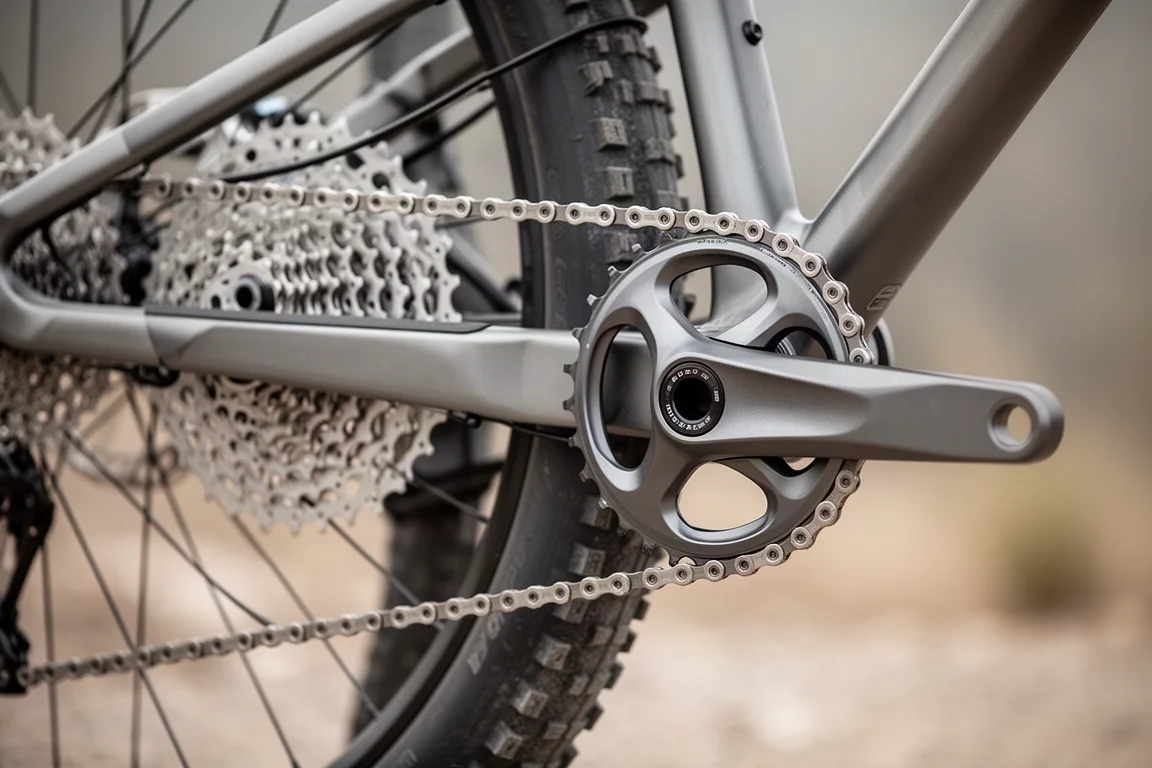
Brakes were swapped from SRAM Level TLM to Hope XCR, with carbon lever blades, a compact lever body and a claimed weight of around 400 g for the pair, plus larger 22 mm pistons in the caliper that should translate into more power. The drivetrain kept its lightweight cassette but moved from a SRAM X01 rear mech and GX shifter to Shimano XTR to shave a few grams, and the carbon cranks gave way to Race Face Next SL G5 arms with a 34T oval chainring, saving over 100 g.
All of it added up to 8.02 kg, measured without pedals and with the bottle cage removed.
Trail Performance and Ride Feel
Out on the trail, the bike’s defining trait is speed. It accelerates with almost no hesitation, carries momentum through corners and makes climbing feel easier than the numbers alone would suggest, and the light wheels and fast-rolling tires are the main reason why.
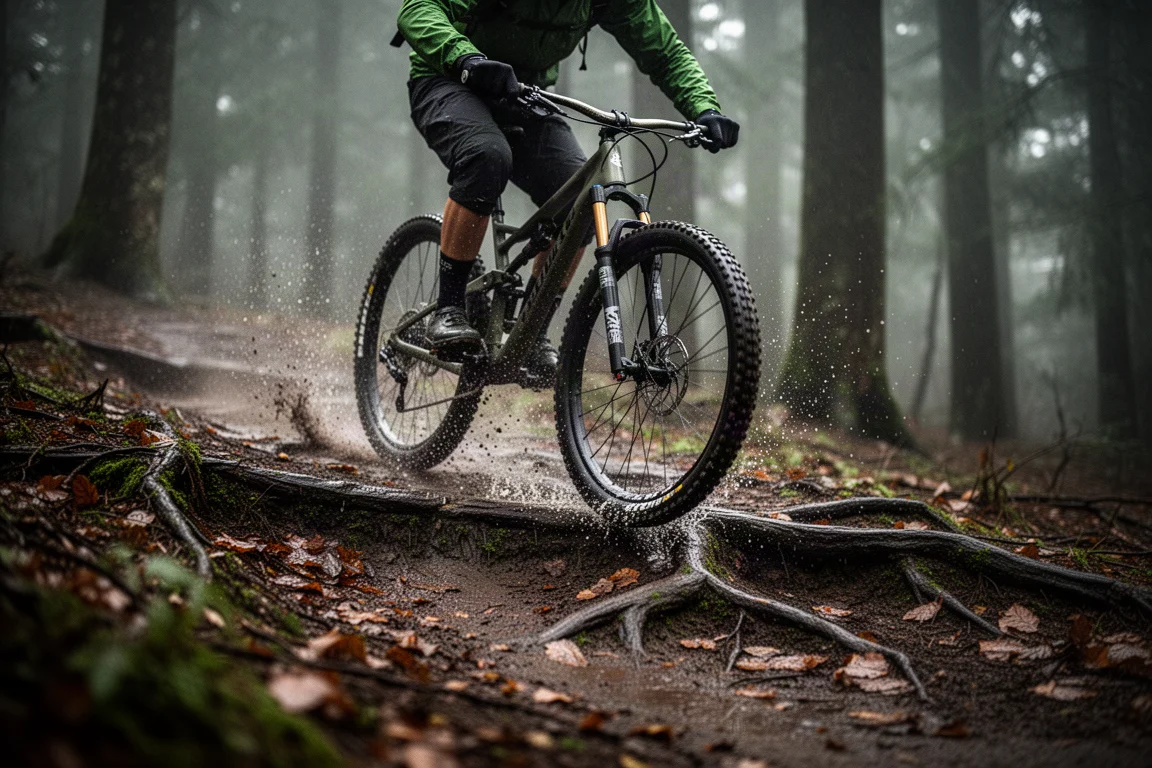
Grip is where the trade-offs show. The 2.2 in tires felt skittery and loose in wet conditions, and many cross-country riders now run 2.4 in rubber for exactly this reason. On a light build, the temptation is to keep the fastest and lightest tire available, but a grippier tire is likely the better choice for most riders outside of race day.
Everything else performed without complaint. The drivetrain shifted cleanly, the Hope XCR brakes worked faultlessly, and the Schmolke cockpit held up well, though the saddle and seatpost showed noticeable flex under load. The unpadded saddle is also exactly as firm as it looks, which is worth knowing before planning a long day out.
Things To Consider Before Buying
Weight is not the only metric. The build here stopped short of the 8 kg goal partly because the stock lock-on grips and the RockShox SID SL Select fork were left in place; lighter grips and a lighter fork would have closed the remaining 20 g gap, but there was not enough time to complete those swaps.
Anyone chasing a similar result should expect to spend real money on exotic parts for relatively small returns. The wheels and tires produced the largest savings by a wide margin, while the brake, crank and drivetrain changes were measured in tens of grams rather than hundreds.
Ride comfort is the other consideration. A narrow 2.2 in tire and a fully unpadded saddle suit short, fast efforts far better than long days out, and the flex in the lightweight seatpost is a deliberate part of how those parts save weight.
Buying Advice
If the goal is outright speed on smooth XC terrain, the TwoStroke 01 Two is a strong starting point and the build path described here is a proven one. Start with wheels and tires, since that is where the meaningful weight sits, and treat cockpit, brake and drivetrain swaps as refinements rather than transformations.
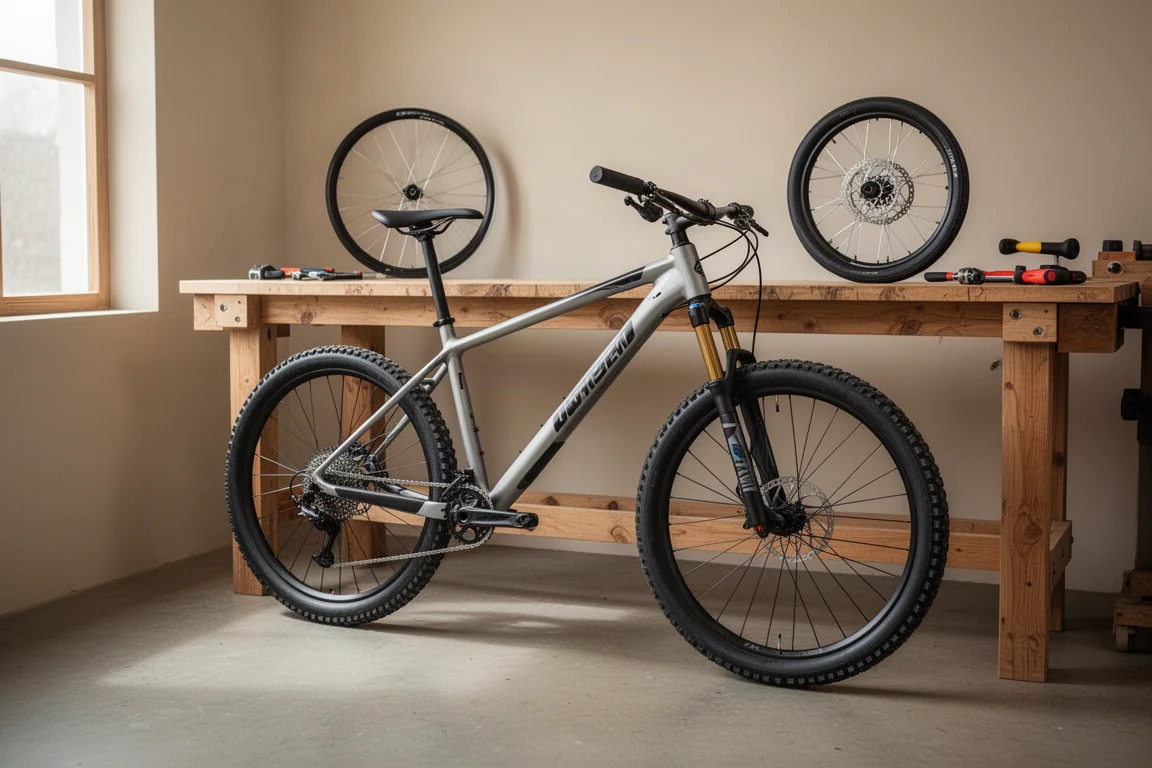
If the goal is a bike that feels planted and forgiving, the same frame with wider, grippier tires and a padded saddle will be more enjoyable for most riders, at the cost of a few hundred grams. That is a trade plenty of people will be happy to make, and it does not undo any of the frame’s underlying speed.
For riders who want the lightest possible result, the remaining opportunities are clear and cheap by comparison: lighter grips and a lighter fork would take this bike under 8 kg without changing its character.
Conclusion
The BMC TwoStroke 01 Two is a fast, well-specified carbon XC hardtail that responds extremely well to a weight-focused build. It ended up at 8.02 kg, 20 g above target and about 1.27 kg lighter than stock, with acceleration that feels genuinely quick on the trail.
The main lesson is that the last few hundred grams come from wheels and tires, and that the final steps cost the most in both money and comfort. Buy the frame for its speed, choose tires for the terrain you actually ride, and treat the rest of the parts list as personal preference.
Product link
View more details for BMC TwoStroke 01 Two
This product is mentioned in the review. Check the specifications, options, and compatibility before buying.
View more details for BMC TwoStroke 01 TwoFurther reading
Related Reviews
Mountain Bikes
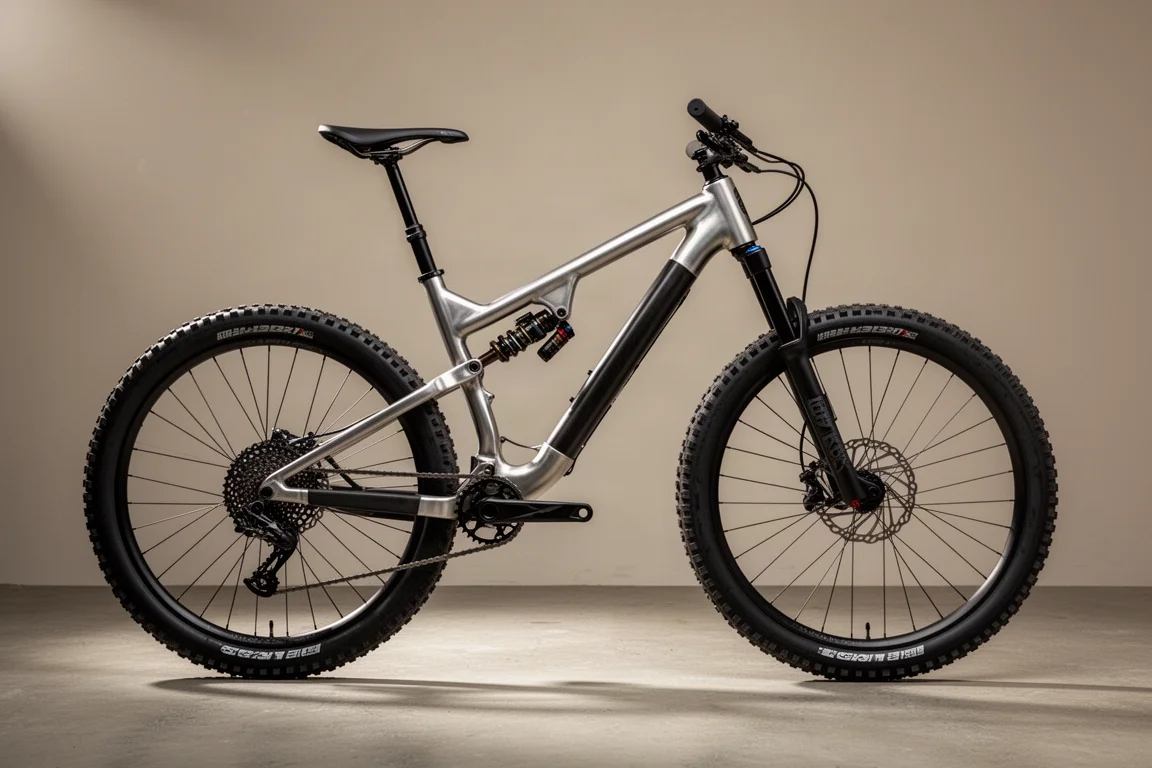
Atherton AM.130 Review: 3D-Printed Titanium Lugs and a 130mm Trail Bike That Descends Like a Bigger Machine
The Atherton AM.130 pairs 3D-printed titanium lugs with carbon tubes and a DW6 suspension platform. Here is how it rides, what the build delivers, and who it suits.
Mountain Bikes
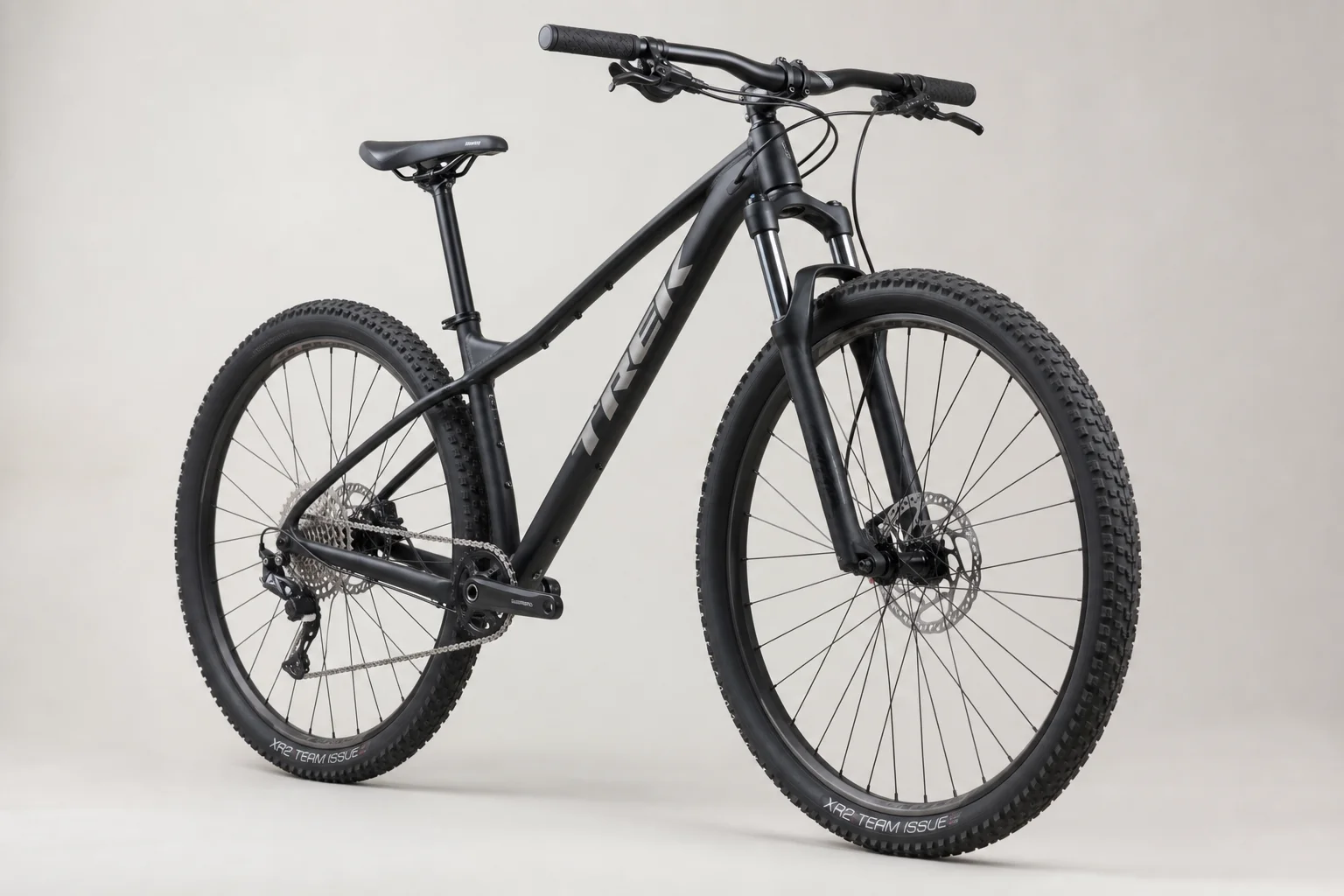
Beginner Mountain Bike Buying Guide: What to Look For in a Trailworthy Hardtail
A practical framework for evaluating beginner mountain bikes, whether new or used, by examining key components that indicate real trail capability.
Mountain Bikes
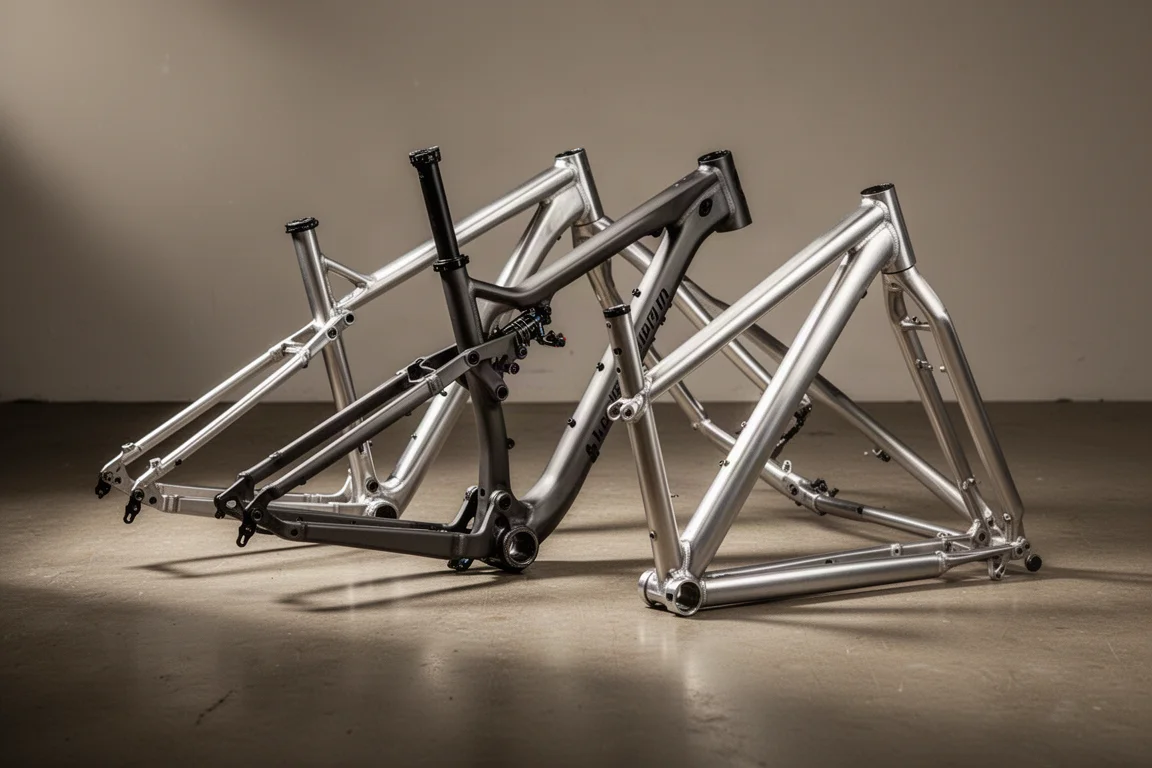
Best Aluminum Mountain Bikes 2026: Five Alloy Bikes Worth Your Attention
Five aluminum mountain bikes that show how far alloy has come, from a 120mm trail bike and a versatile machined frame to a 180mm freeride machine.