Portable Power
Bluetti Apex 300 vs AC300: Which Portable Power Setup Actually Makes Sense?
The Apex 300 is an all-in-one 2.7KWh power station with 120/240V output, while the AC300 is an inverter unit that needs separate batteries. Here is how they compare.
Introduction
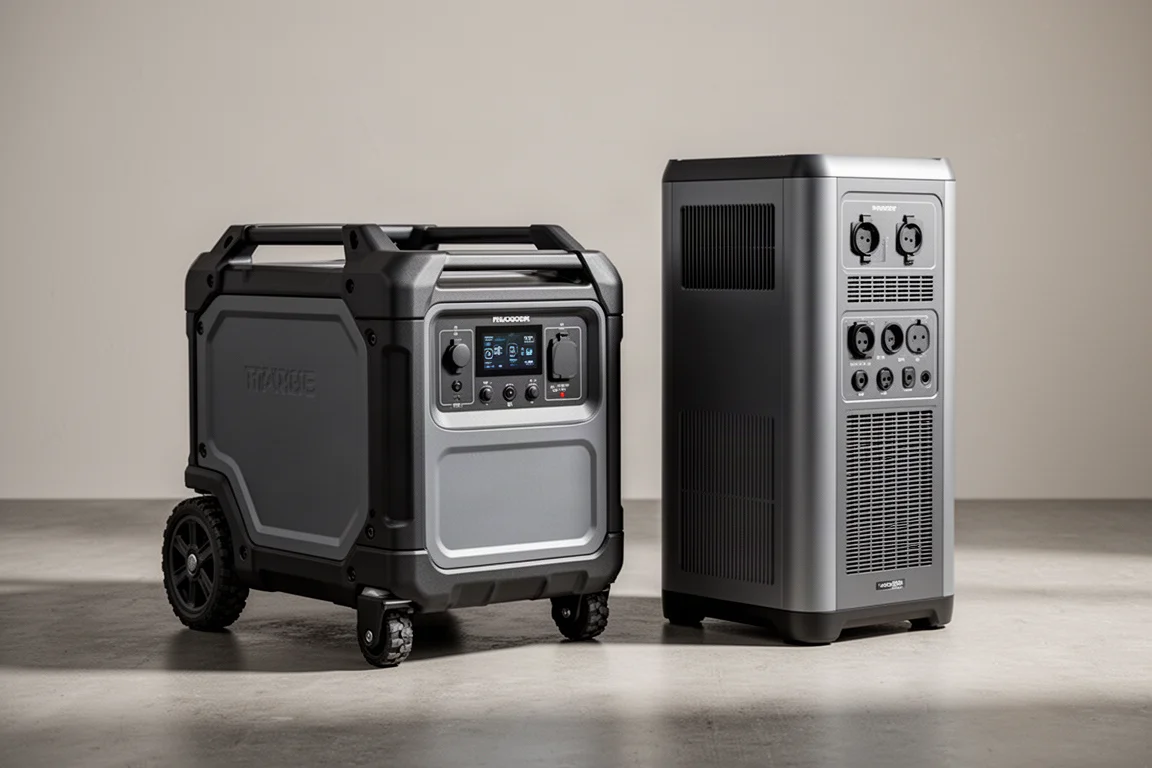
Bluetti currently sells two very different approaches to portable power, and the distinction matters more than most marketing materials suggest. The AC300 is an inverter control unit that manages AC and DC output but ships with no battery at all. The Apex 300 is a complete, self-contained power station with a large capacity, serious output, and the ability to run both 120V and 240V loads at the same time.
If you are weighing these two against each other, the real question is not which unit is better in the abstract. It is whether you want an integrated box you can grab and go, or a modular hub you build a system around.
Bluetti Apex 300: The All-in-One Monster
The Apex 300 is a 2.7KWh-class unit, with a capacity of about 2,764.8Wh and a maximum power output of 3,840W. It is not quite a 2K box and not quite a 3K box, but it delivers more usable power than the typical 2K units in its price bracket, and it does so with flexibility that most competitors simply do not offer.
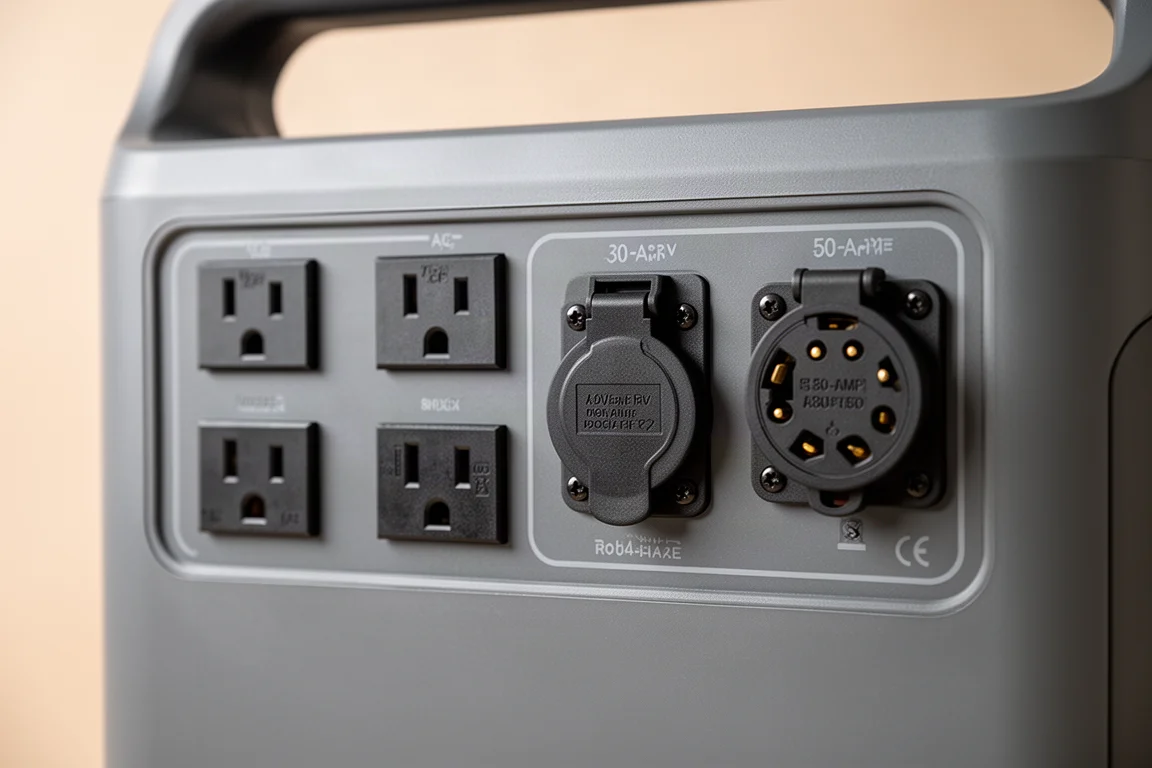
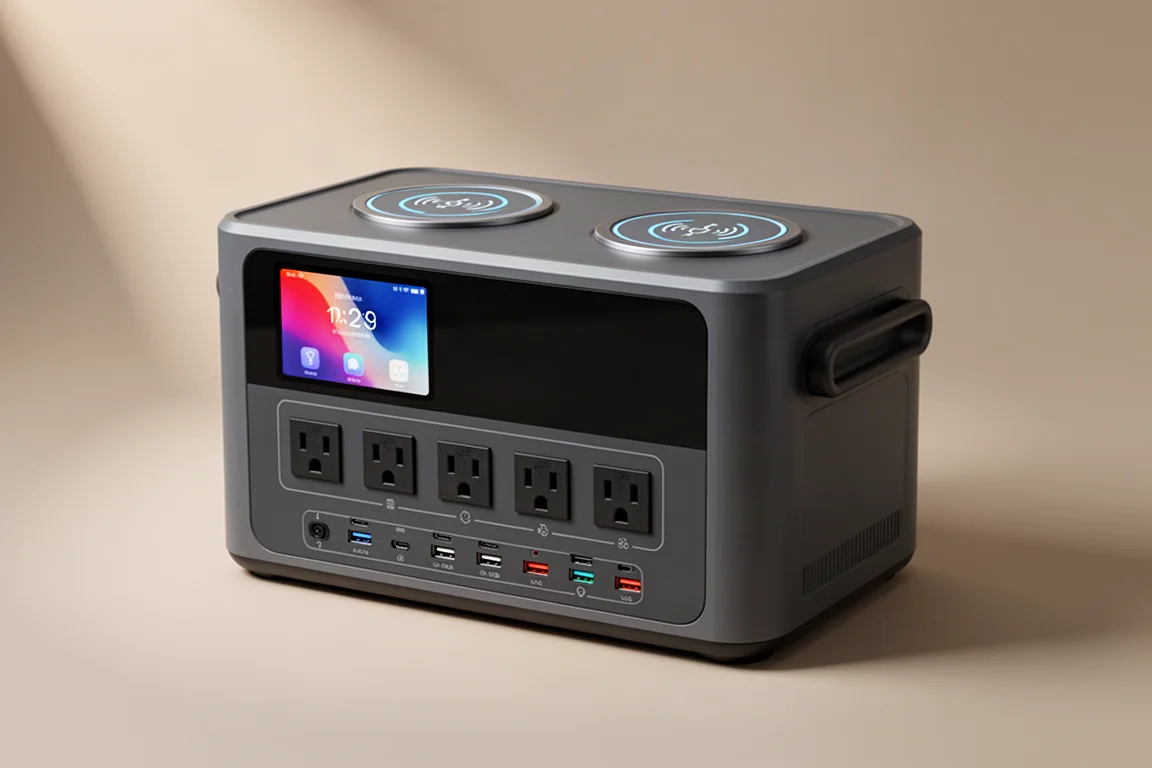
The front panel carries four 120V AC outlets, split across two separate circuits that can each deliver 1,920W independently. There is also a USB-A port rated at 12W on the unit, which is modest but handy. The bigger story is on the side: a NEMA 30R three-prong 30-amp RV plug and a NEMA 14-50R four-prong 50-amp plug. Yes, that means it can run demanding 240V tools and appliances. It can output 120V and 240V simultaneously, which is genuinely unusual in a portable package.
Charging options are well thought out. There are three charging modes: silent, auto, and turbo. Charging slowly when you can is better for long-term battery health, so having a quiet low-power mode is more useful than it sounds. Solar input maxes out at 6,400W, and Bluetti claims an 80% charge in 40 minutes under solar. External expansion batteries are hot swappable, so you can connect and disconnect them while the unit is running without shutting everything down. The system also supports over-the-air updates through a smartphone app.
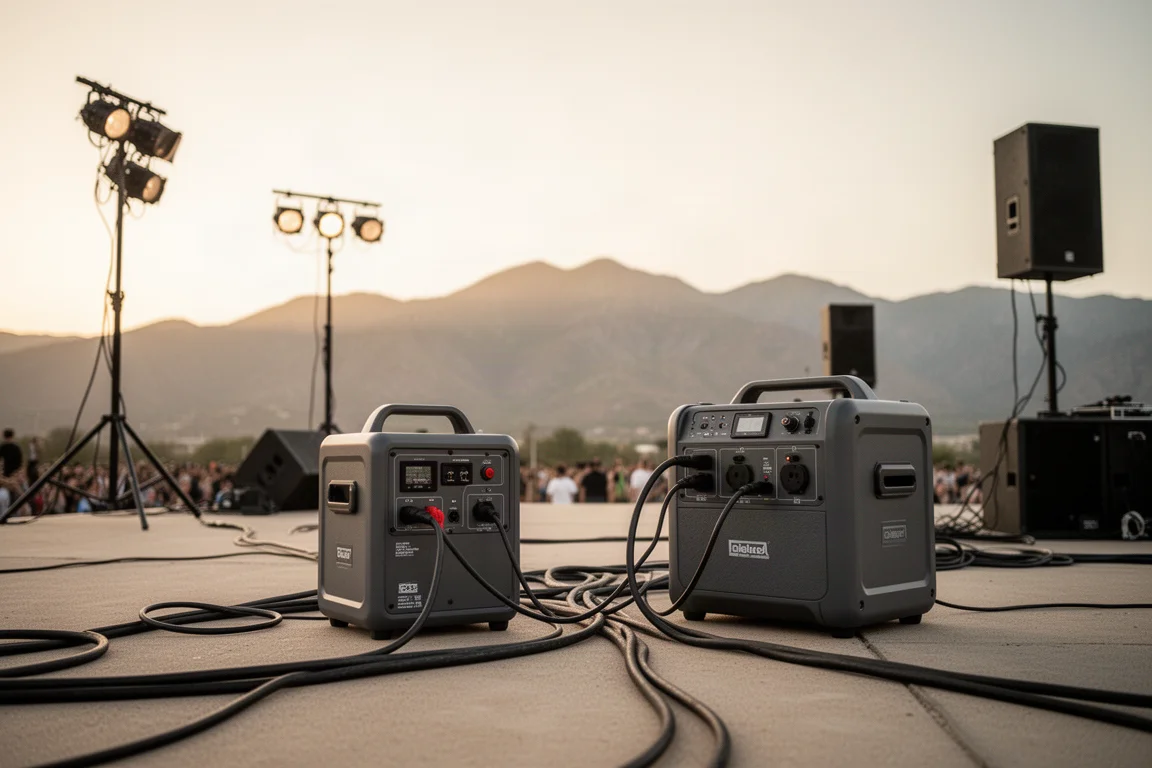
This is not a weekend camping toy, though one person can lift it. It is heavy, and nobody is hauling it into the backcountry. It is built for people who need real portable power or backup power that moves from house to cabin to RV. It was even used to run an entire off-road racing event, with the whole circuit, PA system, and lighting running on 240V from this single unit.
Bluetti AC300: Powerful but Not Standalone
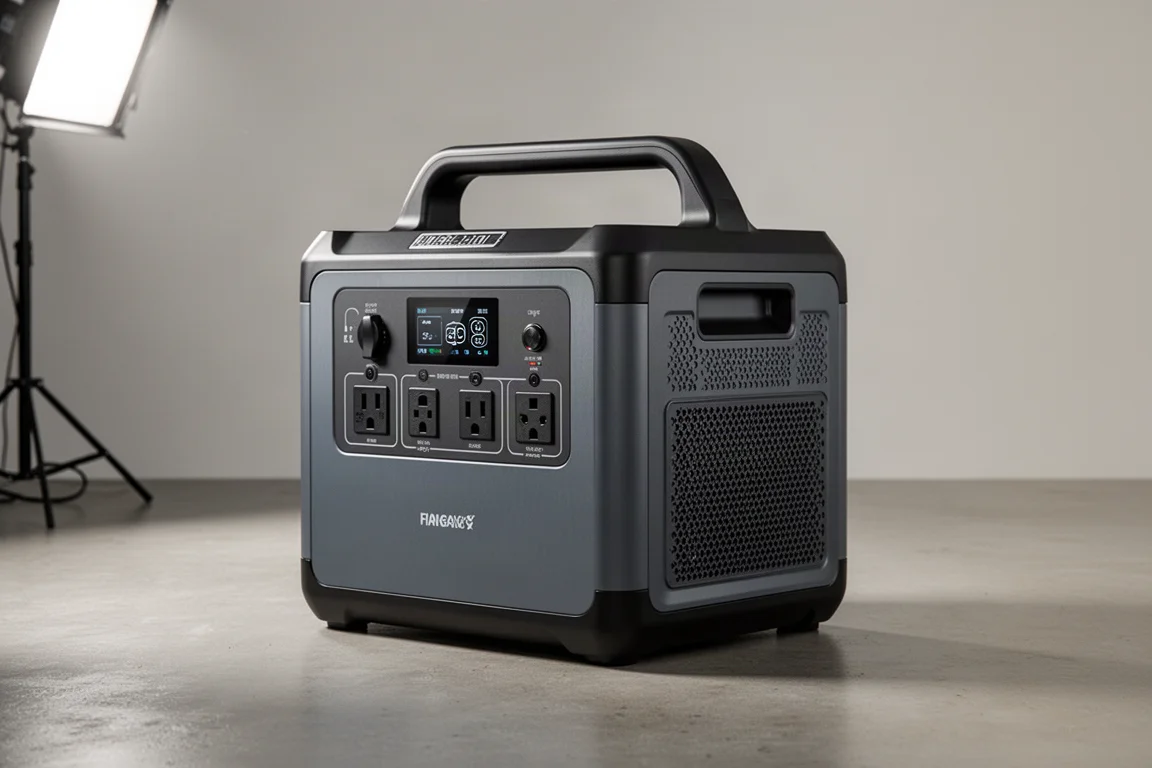
The AC300 looks similar at a glance, but it works completely differently. On its own, it will not even turn on. It has no internal battery. It is purely an inverter and control unit that manages AC and DC output, and it only becomes useful once you attach separate Bluetti battery modules.
That modularity is not a flaw in itself. Some buyers like the idea of buying the brain first and adding capacity later. But it is worth being clear-eyed about what you are getting: out of the box, the AC300 is, as blunt as this sounds, not much use without additional purchases. If your goal is a single unit you can take camping or to the cabin without extra hardware, the Apex 300 is the far more practical choice.
Things to Consider Before Buying
The Apex 300 is not feature-rich at the port level. There is no USB-C on the main unit, and adding more modern convenience ports means buying modules. That is a fair criticism if your use case is mostly charging laptops and phones. The 12W USB-A ports feel dated in that context.
Pricing is currently aggressive. The Apex 300 standalone has been on sale from $2,400 down to $1,500. Expansion batteries have been discounted from around $1,700-1,800 to roughly $1,100, and they now ship with an improved power cable that is much easier to connect than the older stiff connectors.
One honest note on marketing: some of the promotional photography showing this battery being used beside an alpine lake above the tree line stretches credibility. This thing is large and heavy. One person can move it, but nobody is carrying it up a mountain to charge a tablet.
Which One Should You Buy?
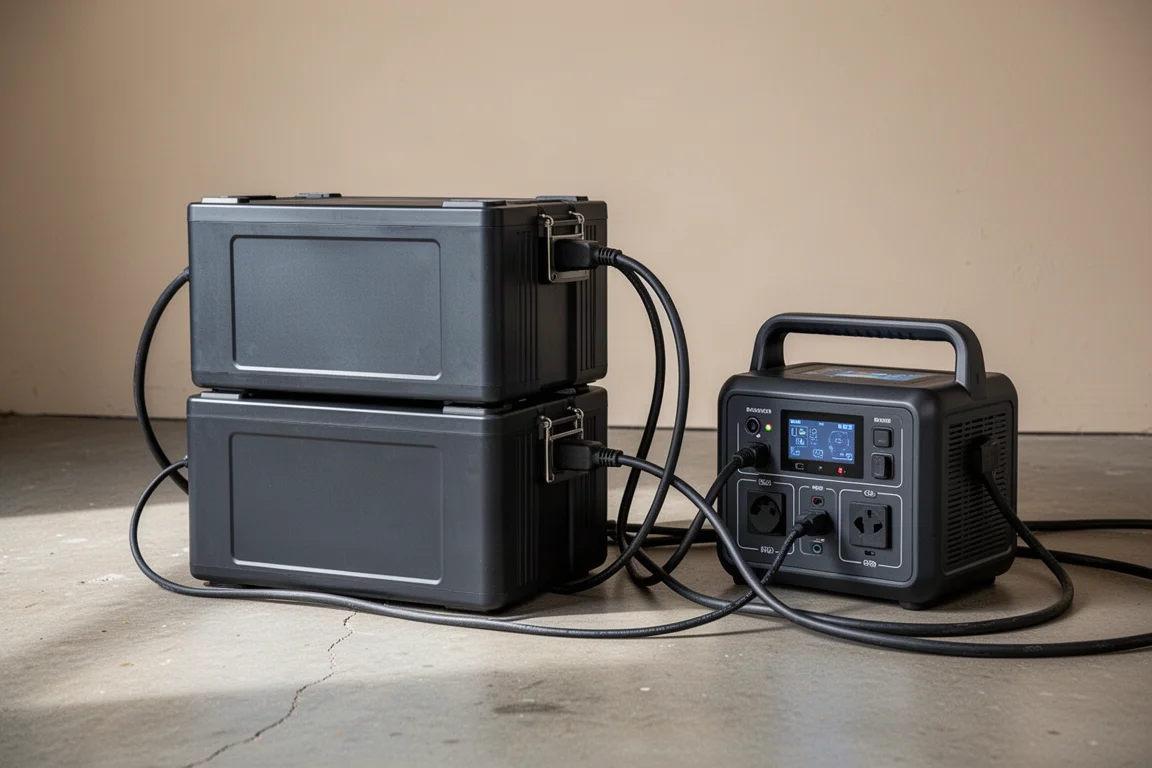
For most people, the Apex 300 is the better starting point. It works completely on its own, it puts out 120V and 240V at the same time, and it scales: when you get home you can plug it into expansion batteries and turn it into a whole-home backup solution for storms and outages. The system can expand up to a claimed 58KWh when stacked in series, which is genuinely whole-house territory.
The AC300 route only makes sense if you already own compatible Bluetti batteries or you specifically want to build a modular system incrementally. The Apex 300 gives you the same end state with less friction.
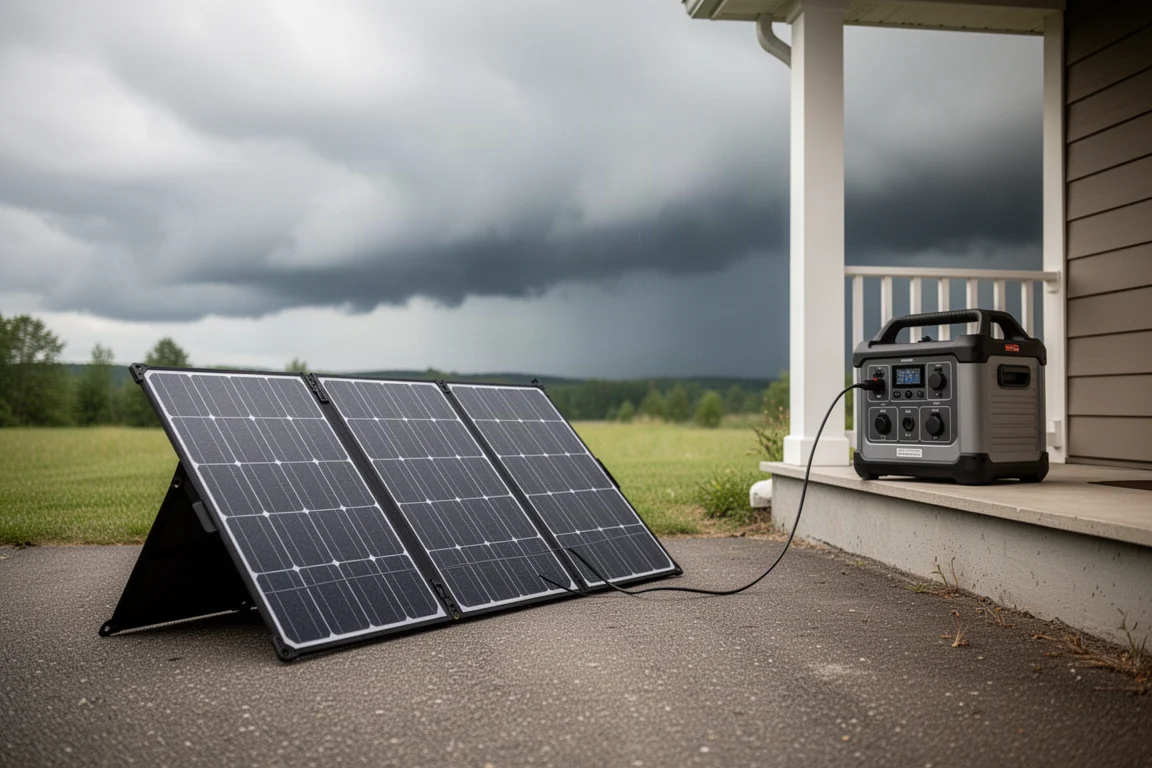
It is also worth thinking honestly about backup power strategy in general. Gas generators and battery-solar setups are not rivals. After a major hurricane, gas stations are often down too, and fuel can be impossible to get. But the sun comes out after the storm, which makes a solar-capable battery system a genuine complement to any fuel-based plan rather than a replacement for it. Real independence is not cheap, but current price wars have made systems like this the least expensive they have been.
Final Verdict
The Bluetti Apex 300 is the clear pick for anyone who wants one box that does everything: weekend power, RV shore-power style 30-amp output, 240V for demanding tools, and expandable whole-home backup. The AC300 remains a valid buy for modular builders, but as a first purchase it leaves you with a unit that cannot do anything until you buy more. If you have been waiting for a mature, genuinely capable portable power platform at its lowest price point, this is a strong moment to buy.
Conclusion
The gap between these two products comes down to one word: batteries. The Apex 300 includes them and delivers an unusually flexible 120/240V output in a package you can use the day it arrives. The AC300 needs you to complete the system before it earns its place. For portable and backup power buyers, the Apex 300 is the one that justifies the purchase on its own merits.
Further reading
Related Reviews
Portable Power
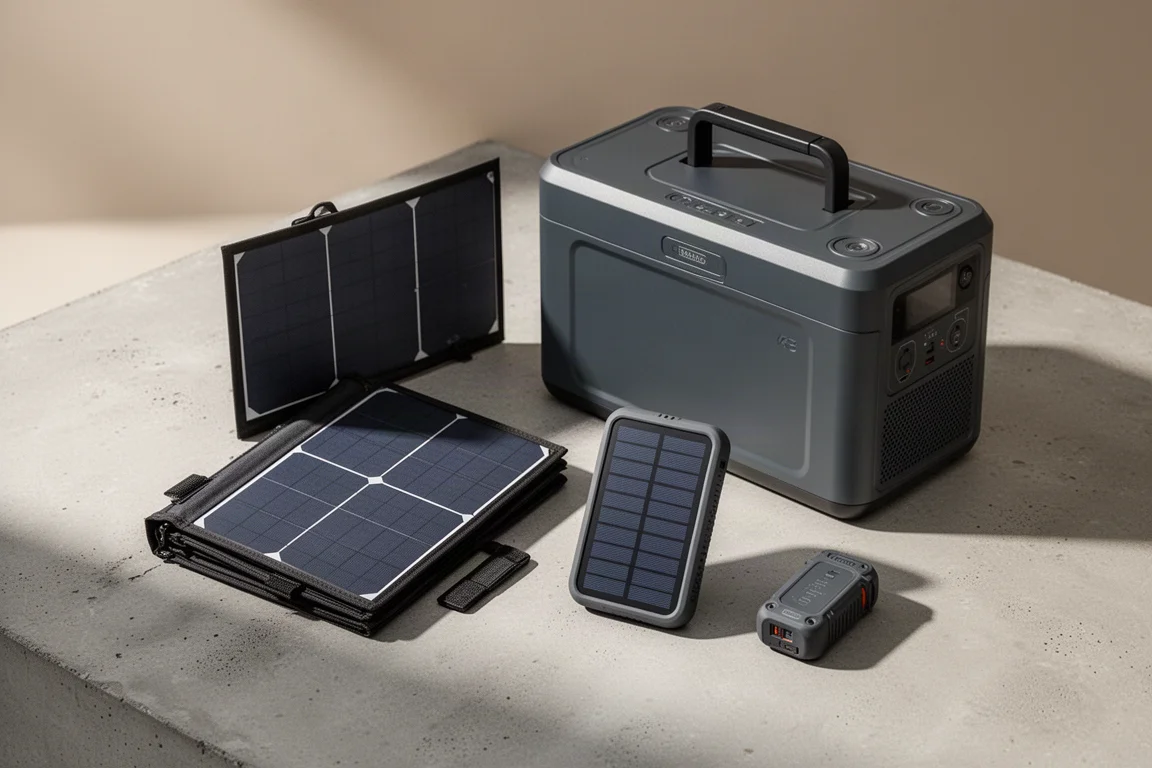
Best Portable Power for Camping and Remote Work: Six Power Banks and Solar Panels Compared
A practical comparison of six portable power options, from a 500W solar generator for car camping to a one pound solar power bank built for backpacking.
Portable Power
Best Portable Power Stations 2026: Nine Models Compared for Real-World Use
We compared nine portable power stations across output, capacity, charging speed, noise, and UPS performance to find the best value and the best overall pick.
Portable Power
Best Portable Power Stations and Power Banks for Blackouts and Travel
Five portable power solutions compared: two EcoFlow power stations, a flight-friendly Zendure power bank, a see-through Shargeek, and the feature-packed Omni 20c+.