Multi-Room Audio
Bluesound vs Sonos: Which Multi-Room Music System Is Right for You?
A practical comparison of Bluesound and Sonos multi-room audio, covering the Node, Powernode, Hub, Vault 2i, Node X, Pulse, Era 100, Era 300, Arc and Sonos subwoofers.
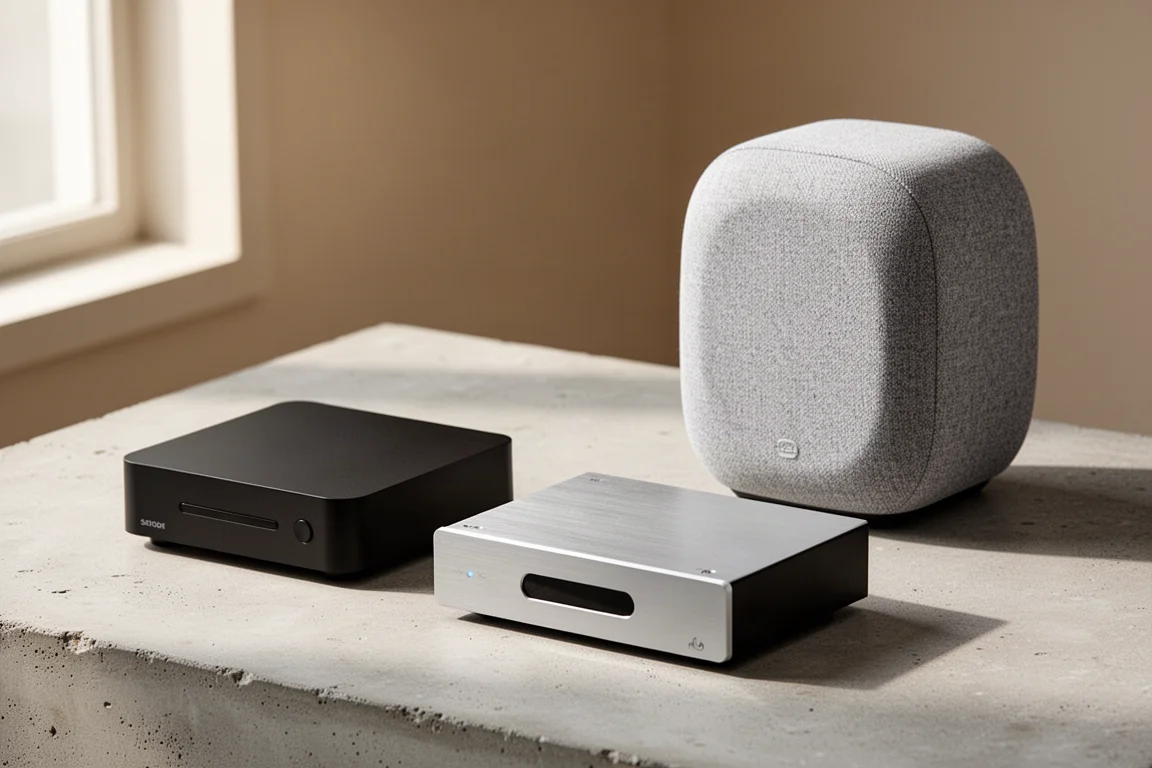
Introduction
Choosing a multi-room music system used to be straightforward: pick the brand that supports the services you already use and hope the app holds up over time. Today the decision is more interesting. Bluesound and Sonos both build complete ecosystems that can move music around a home, but they were designed around different priorities, and those priorities show up in the products, the app experience, and the way each system grows.
Bluesound was started by audiophiles, for audiophiles and for anyone who appreciates great sound. The goal is to deliver high-resolution 16-bit and 24-bit digital recordings to your system, wired or wirelessly, without degrading the music. A personal music collection, streaming services, ripped CDs and downloaded files all sit inside the same system.
Sonos began from a different idea: that every song should be available in any room of the house with good sound, even before the technology existed to make that possible. Over the years the company has developed powered, app-driven speaker products that can think for themselves and communicate with one another, forming a fully connected home audio system.
Both companies excel at what they do, and the right choice depends on how you actually listen.
How to Choose Between Bluesound and Sonos
The two brands solve a similar problem from opposite ends.
Bluesound is most often used to get music at the highest quality possible into components you already own, and secondarily to enable a whole-house system through its all-in-one components. Sonos is more often used as an all-in-one speaker system that does not require any other stereo components.
The shared ground is broad. Both systems can use Wi-Fi, both support AirPlay, both work with iOS and Android, and both allow you to connect analog sources. Both can stream over Bluetooth from a phone or tablet as well.
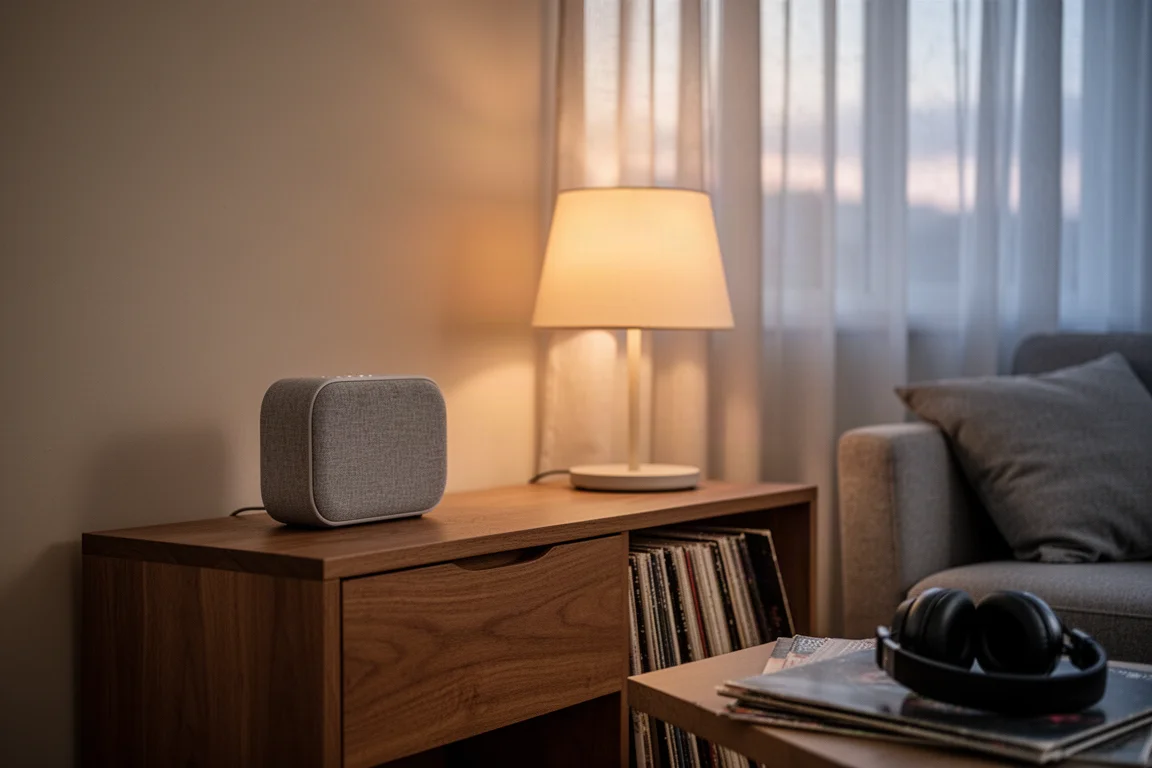
Bluetooth is one place they diverge. Sonos is limited to SBC or AAC connections, while the Bluesound Node can handle aptX HD, which delivers better audio quality over a wireless Bluetooth link.
The app experience differs too. Sonos tends to have the more aesthetically pleasing iPhone and iPad app, and it is among the best control apps available. BluOS is also excellent, but it is more focused on getting the best audio directly where you want it.
Streaming support follows a similar pattern. The Bluesound Node concentrates on services that offer lossless or higher-quality streams, such as Qobuz, Tidal and Amazon Music HD. Sonos supports a wider range of streaming services with large catalogs, though those streams may not be lossless. If you stream music mainly for convenience rather than the last bit of sound quality, Sonos will likely offer better options.
Best for High-Resolution Streaming: Bluesound Node
The Bluesound Node is the company’s most popular product and one of the strongest value propositions in the lineup. Its small single chassis fits into almost any setup, from a small headphone-based system to a full high-end speaker system.
The Node plays from all the major streaming sources plus your own stored music library through the BluOS app, which has earned a reputation as one of the most intuitive and full-featured applications in the business.
Connection flexibility is a large part of the appeal. Analog RCA jacks let you use the Node’s built-in DAC, while optical, coaxial and USB outputs let you feed your own DAC instead. It handles sampling rates up to and including 24-bit / 192 kHz. Gigabit Ethernet and Wi-Fi give you placement freedom, and the Node is Roon Ready.
aptX HD Bluetooth, HDMI eARC for TV audio, Amazon Alexa and Google Assistant support, AirPlay 2, and an IR input with IR remote learning round out the feature set.
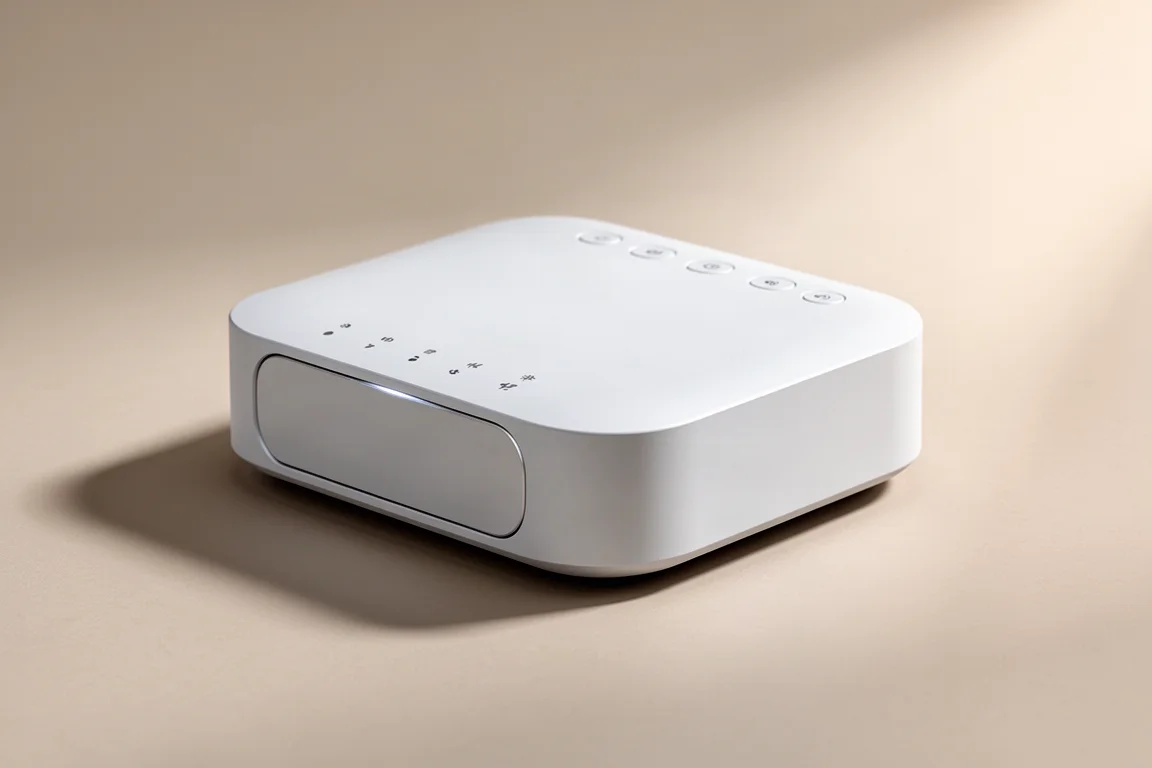
Best All-in-One Amplified Streaming Hub: Bluesound Powernode
If you would rather add your own speakers and skip a separate amplifier, the Powernode is the amplified version of the Node. It brings the same streaming ecosystem into a single chassis that can drive a pair of speakers on its own, which makes it a clean way to build a high-quality system without a rack of separates.
For listeners who want the streaming platform and the amplification decided in one purchase, this is the most direct route into the ecosystem.

Best Compact Amplified Option: Bluesound Powernode Edge
The Powernode Edge sits alongside the Powernode as another amplified path into the ecosystem for listeners who want to add speakers and enjoy this type of solution. It suits the same kind of buyer: someone who wants a self-contained streaming amplifier rather than a streamer that feeds an existing hi-fi.
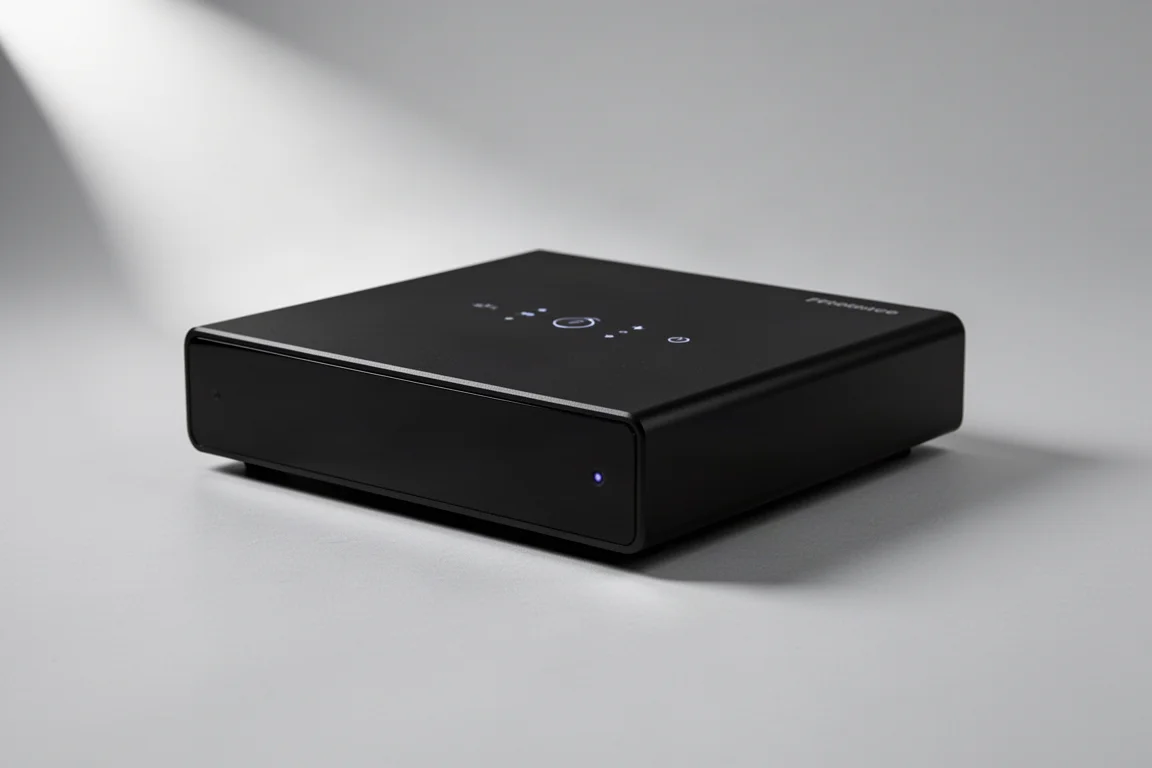
Best for Adding Legacy Sources: Bluesound Hub
The Bluesound Hub is for homes that already have analog or digital sources in other rooms. It lets you connect those sources into the Node ecosystem, so a turntable or a disc player in one part of the house can feed the rest of the system.
It even includes a built-in moving magnet phono stage, which means a turntable can connect directly without a separate phono preamp. For anyone blending older gear with modern streaming, that is a genuinely useful detail.
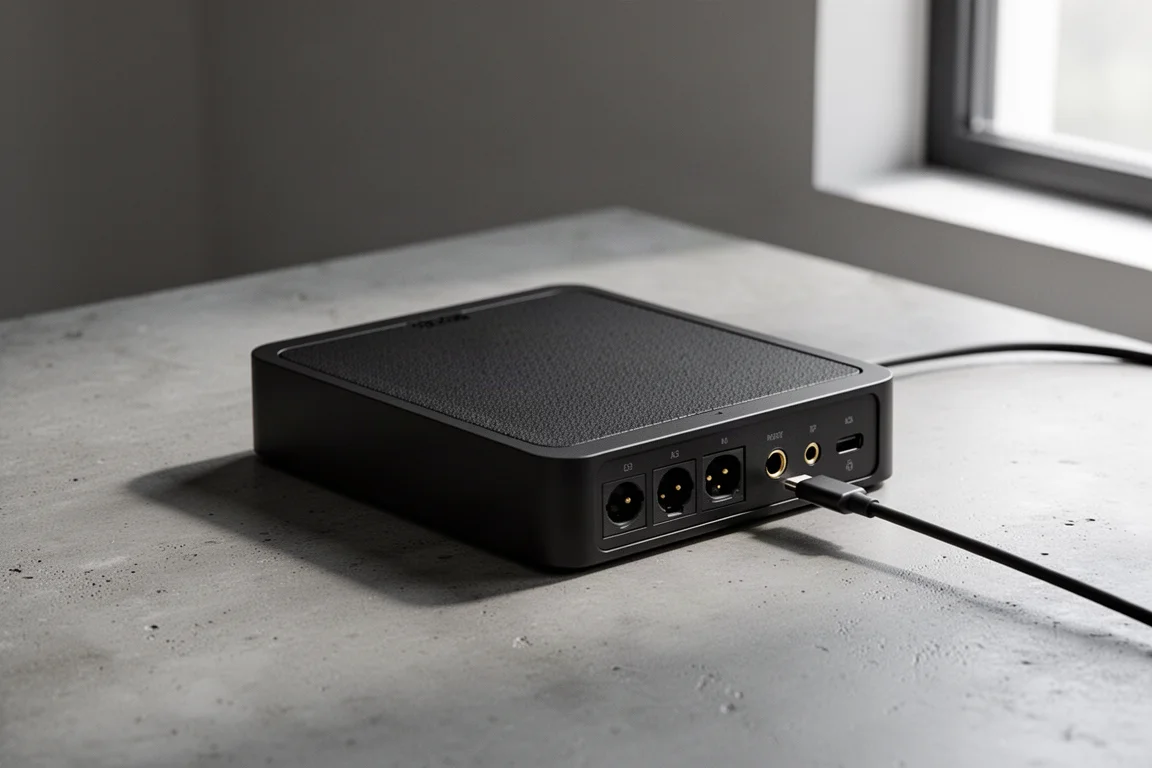
Best for CD Collectors: Bluesound Vault 2i
The Vault 2i is aimed at listeners who still have a CD collection and want it living inside the same system as their streaming. It lets you rip and store CDs into the Node ecosystem, so physical discs become part of the same library you browse from the BluOS app.

That makes it a practical bridge between an older collection and a modern streaming setup. Instead of maintaining a separate player and a separate library, everything ends up in one place.
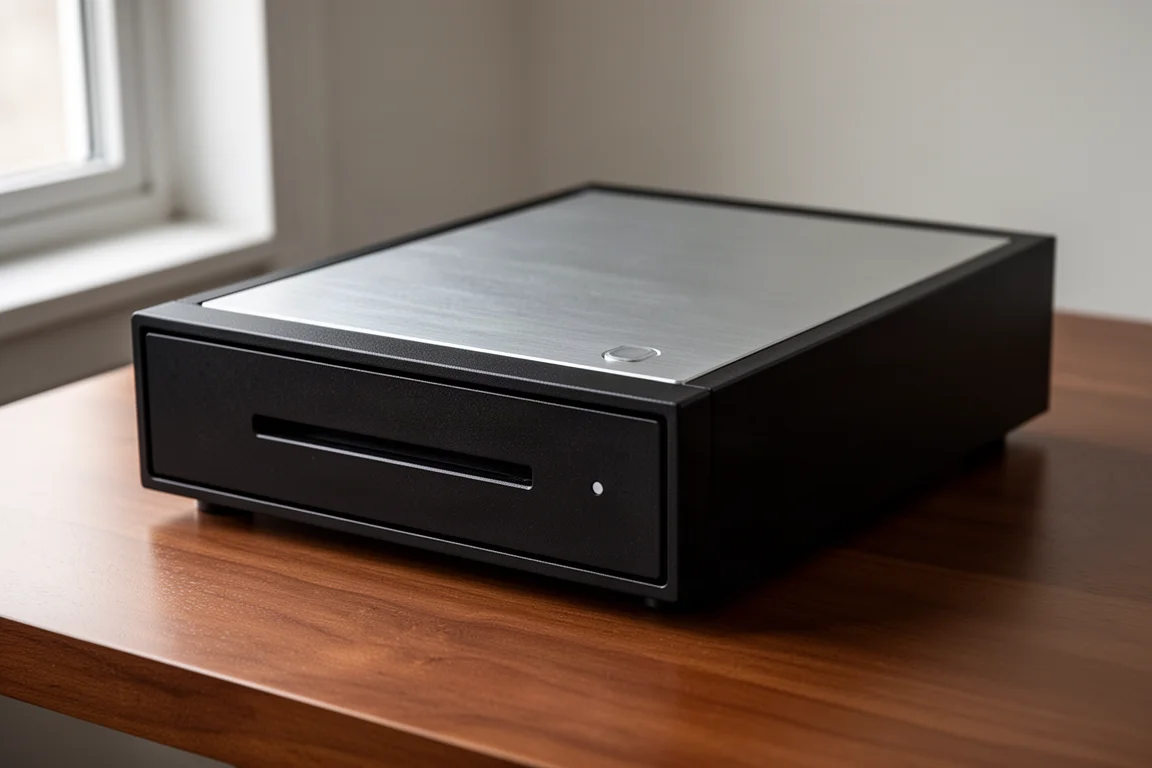
Best for Headphone Listeners: Bluesound Node X
The Node X takes the Node formula further for listeners who want the next level of performance. It uses an updated ESS 9028 Q2M Sabre DAC and an upgraded headphone amplifier circuit, which is one of the cleanest available.
It is the natural pick if headphones are a primary way you listen rather than an occasional alternative.
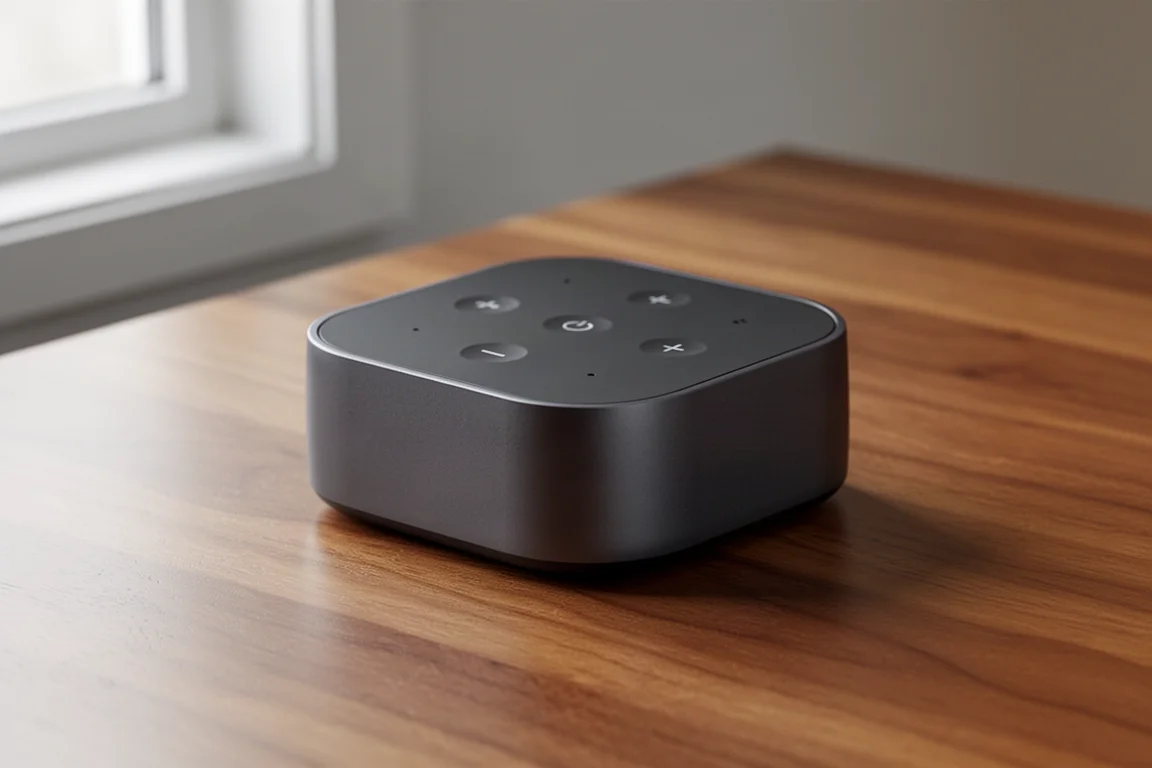
Best Powered Speaker: Bluesound Pulse
The Pulse line extends the Bluesound ecosystem into powered speakers, so you have options for expanding the system throughout the house rather than only at the main stereo. An easy-to-use app and solid support mean that even listeners who are not especially technical can enjoy the added capability these systems bring.
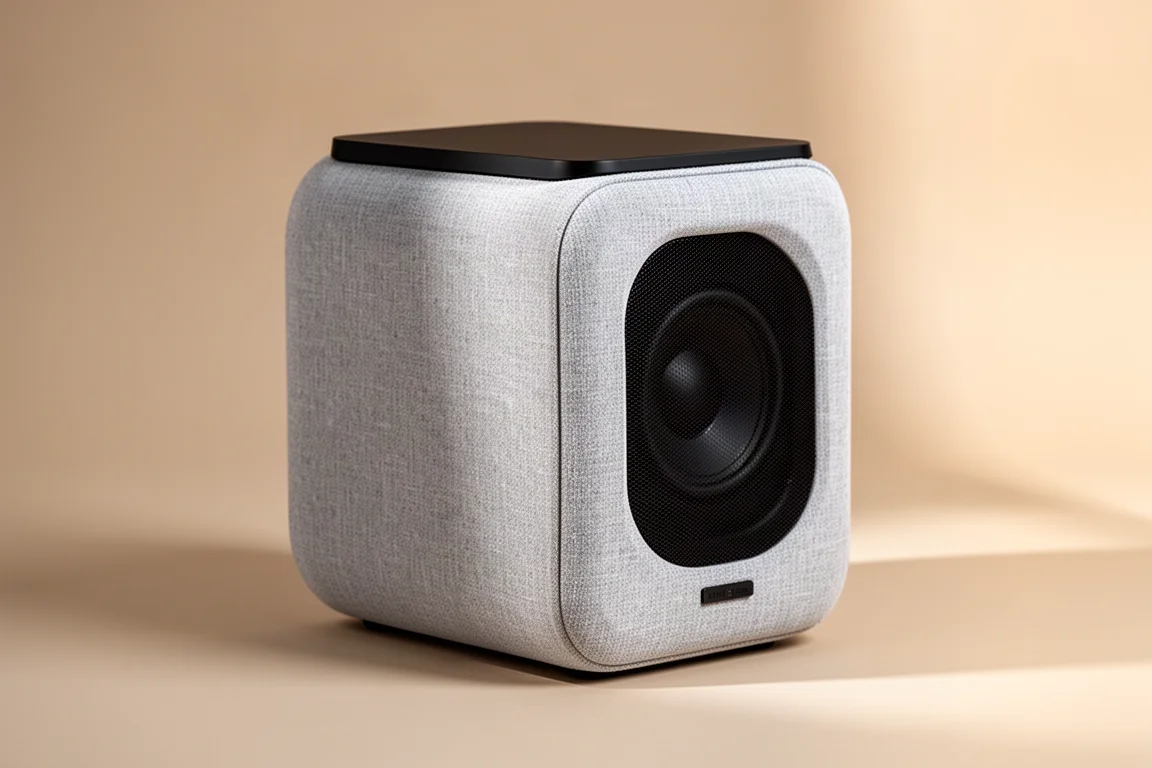
Best Small-Room Speaker: Sonos Era 100
The Era 100 is a small speaker with efficient Class D amplification and full stereo output, using separate mid-woofers and tweeters. It has a touch interface for volume, skip and replay, connects over Bluetooth or Wi-Fi, and includes technology that calibrates it for the room it is actually placed in.
Two Era 100s can be paired through the app for a stereo setup with much more separation, and adding a Sonos subwoofer can give you all the low end you need.
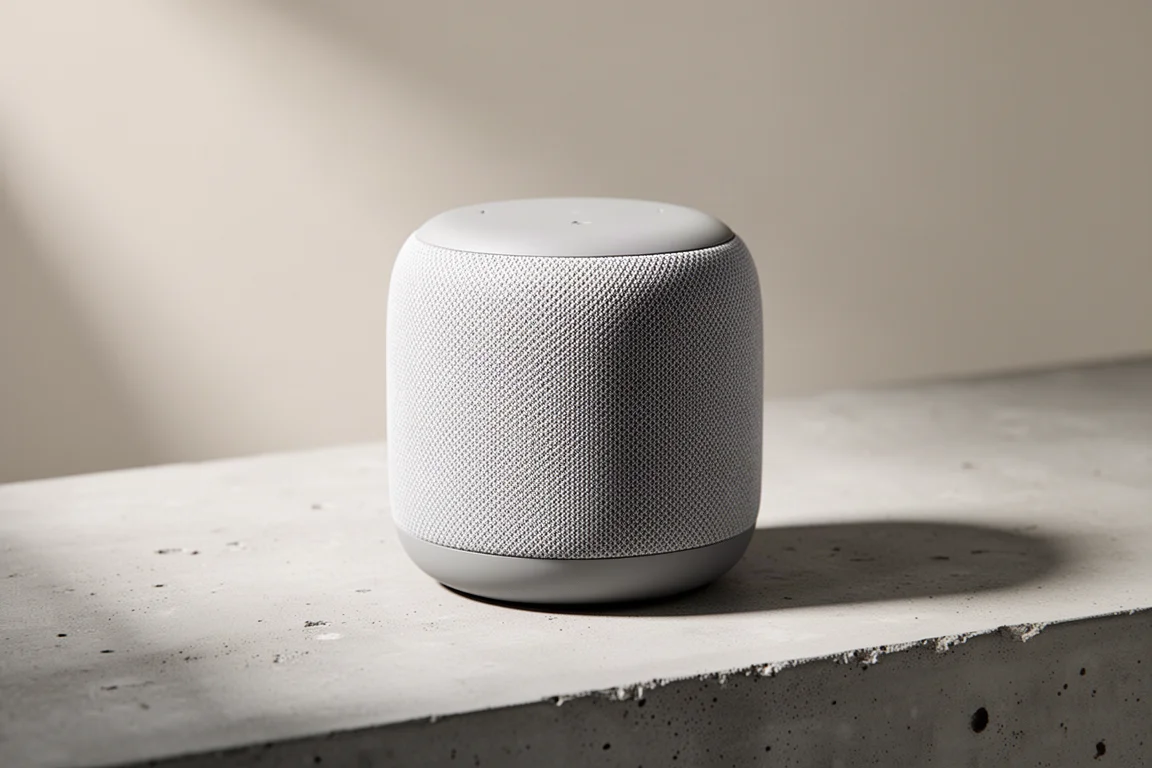
Best Spatial Audio Speaker: Sonos Era 300
The Era 300 takes the same foundation and adds Dolby Atmos and spatial audio. It keeps the touch interface for volume, skip and replay, connects over Bluetooth or Wi-Fi, and includes the same room calibration technology so it can adapt to the space it sits in.
A pair of Era 300s can be linked through the app for a stereo setup with far greater separation, and pairing them with a Sonos subwoofer anchors the sound with proper low-frequency weight.
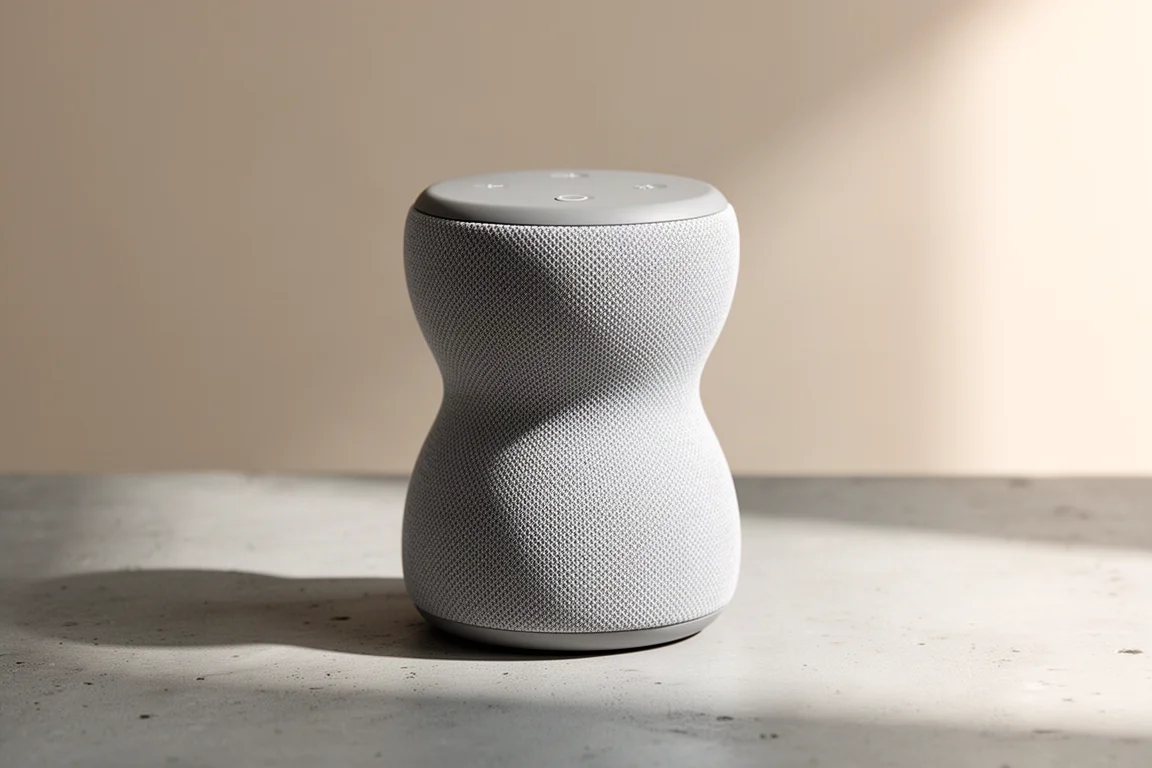
Best Home Theater Soundbar: Sonos Arc
The Sonos Arc is the flagship Dolby Atmos soundbar, built for home theater use. It can also be connected to Era 100 or Era 300 speakers to form a full surround sound system, which makes it a natural centerpiece if you want music and film audio from one ecosystem.
Complete home theater packages pair the Arc with Sonos subwoofers and rear channel speakers, so you can scale the setup as your room and budget allow.
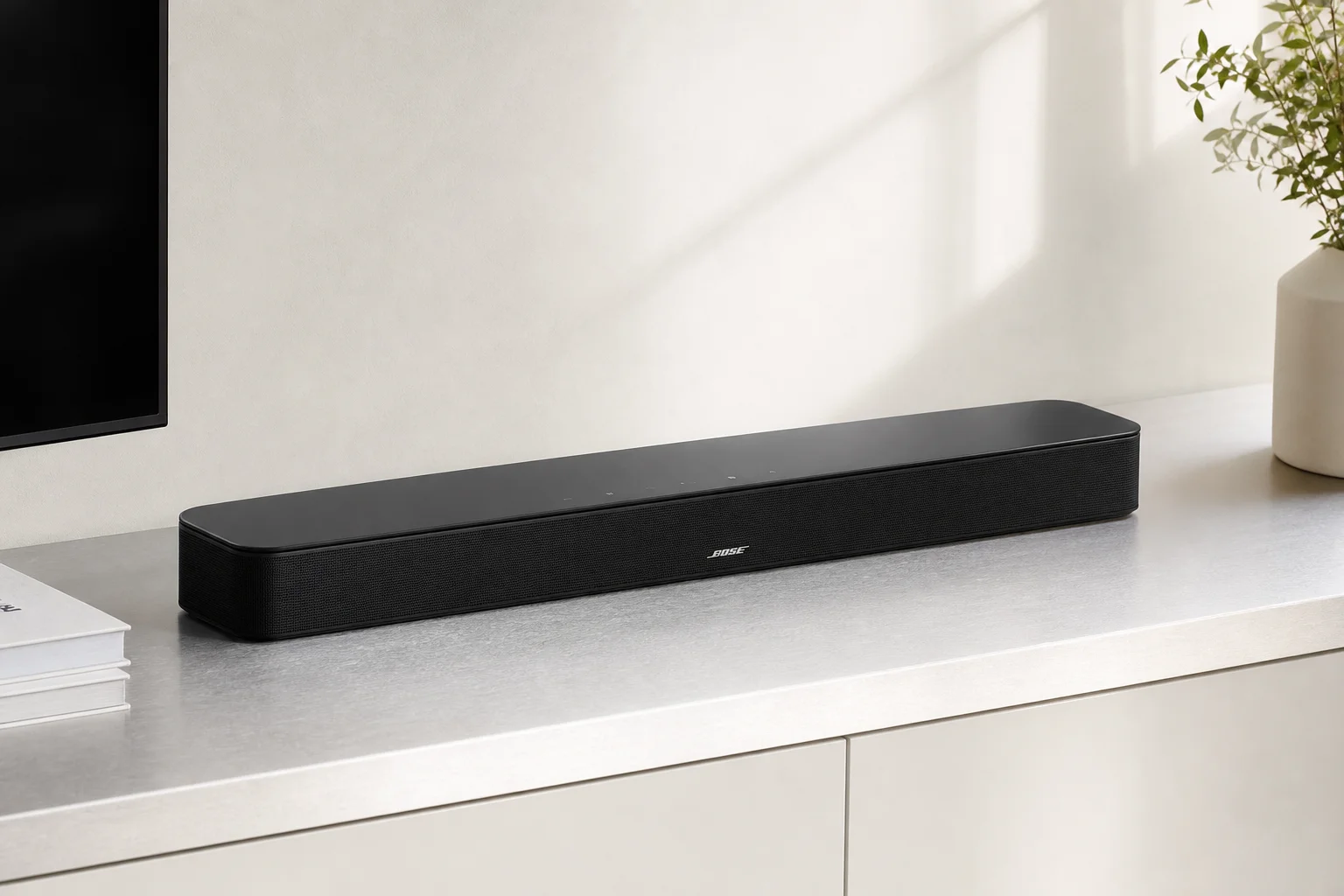
Best Compact Subwoofer: Sonos Sub Mini
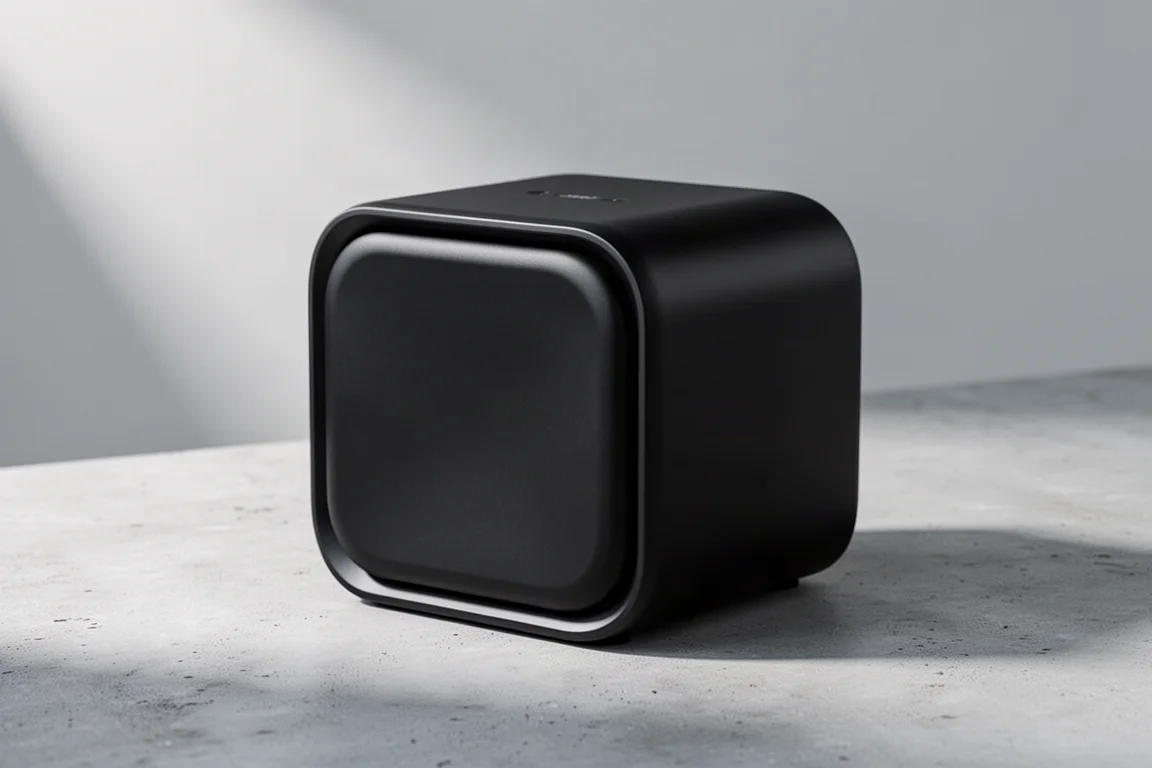
The Sub Mini is a wireless subwoofer that can give any of these Sonos speakers a low end to anchor their sound and add more full body to the entire soundscape. It is the sensible starting point for smaller rooms where a full-size subwoofer would be more than the space needs.
Best Full-Size Subwoofer: Sonos Sub
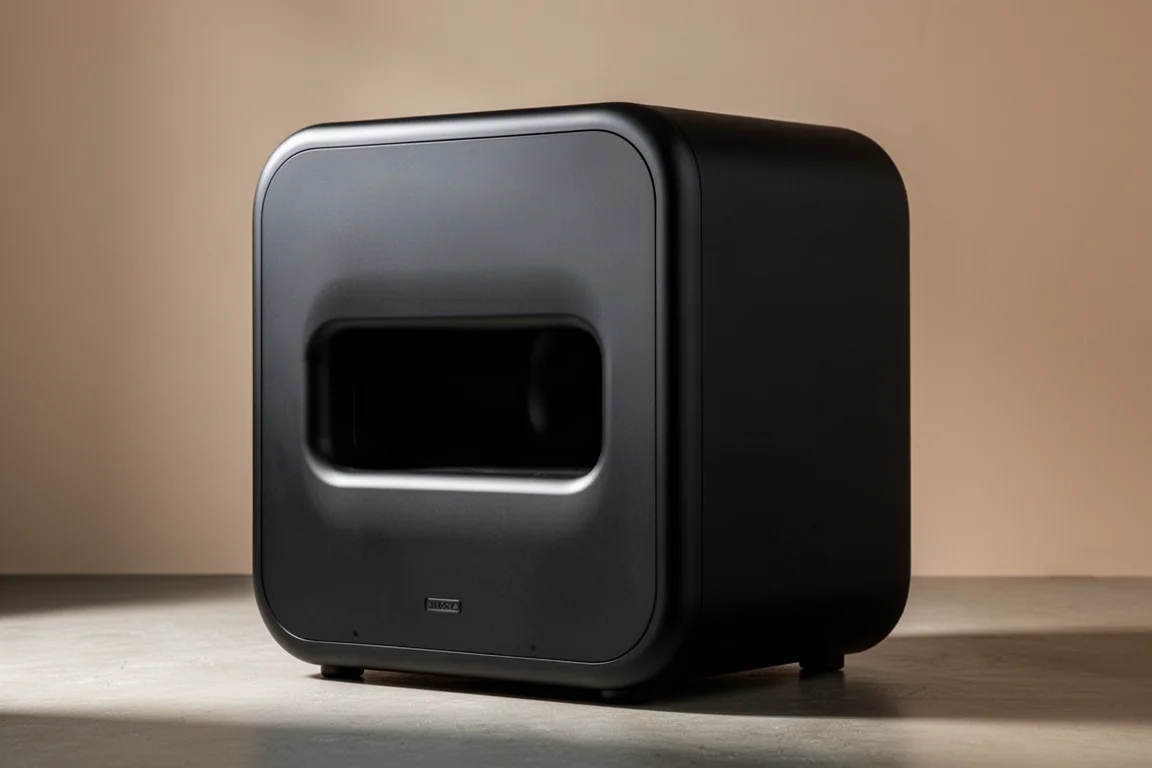
The Sonos Sub is the larger wireless option in the range, delivering the same role with more low-frequency output. Both subwoofers work with the rest of the ecosystem, so the choice between them comes down to room size and how much bass weight you want from the system.
Which Brand Should You Choose?
The decision comes down to end use rather than which brand is better overall.
If you already have one main stereo system, or several systems around the home, and you want to add streaming and your digital music collection to them, Bluesound offers the best combination of components and ecosystem for the money. Its amplified units can form a complete high-quality audio system on their own, and the Hub and Vault 2i let you fold analog sources and CDs into the same setup.
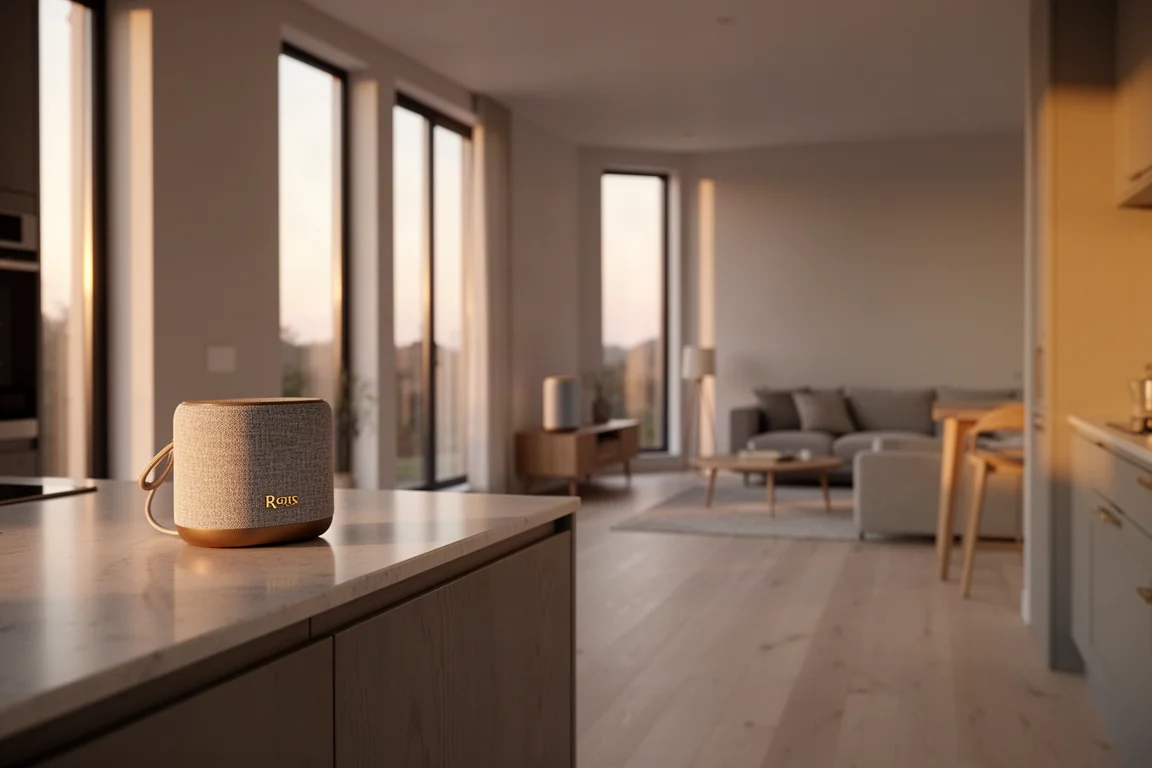
If you would rather avoid the complexity and confusion of multiple components and cables, Sonos is the simpler path. All of its components and speakers are built around being easy to set up and use anywhere, whether standalone or as part of a larger system. The range of mounts, stands, outdoor speakers and in-wall speakers also makes it straightforward to extend music into almost any room.
Conclusion
It is a great time to be a music lover. You can choose the format, the components or the lack of them, and the overall cost that suits you, and there are more options than ever with the support system and reputation of both Bluesound and Sonos behind them.
Bluesound rewards listeners who already own quality components and want the highest possible quality delivered to them, with the Node as the obvious entry point and the Powernode, Hub, Vault 2i and Node X covering more specific needs. Sonos rewards listeners who want a system that simply works, with the Era 100 and Era 300 covering rooms of different sizes, the Arc handling home theater, and the Sub Mini and Sub adding the low end.
Either way you choose, you will be in good hands.
Further reading
Related Reviews
Multi-Room Audio
Juke Audio 6 Review: A Simple, Affordable Multi-Room Amplifier
A six-zone, twelve-channel multi-room amplifier built around AirPlay 2. Here is what it handles well, where 20 watts per channel shows its limits, and who should buy it.

Backpacking Gear
Building a 10 lb Base Weight: An Ultralight Backpacking Gear List
A practical walkthrough of the ultralight pieces behind a 10 lb base weight, from a 765 g pack and a roomy one-person tent to a full camp chair and a dependable water filter.

Road Bikes
10 New Road Bikes Worth Watching: Aero, Titanium, Steel and Endurance Standouts
A practical roundup of 10 new road bikes, from aero flagships chasing single-watt gains to titanium, steel and endurance platforms built for real roads.