Multi-Room Audio
Juke Audio 6 Review: A Simple, Affordable Multi-Room Amplifier
A six-zone, twelve-channel multi-room amplifier built around AirPlay 2. Here is what it handles well, where 20 watts per channel shows its limits, and who should buy it.
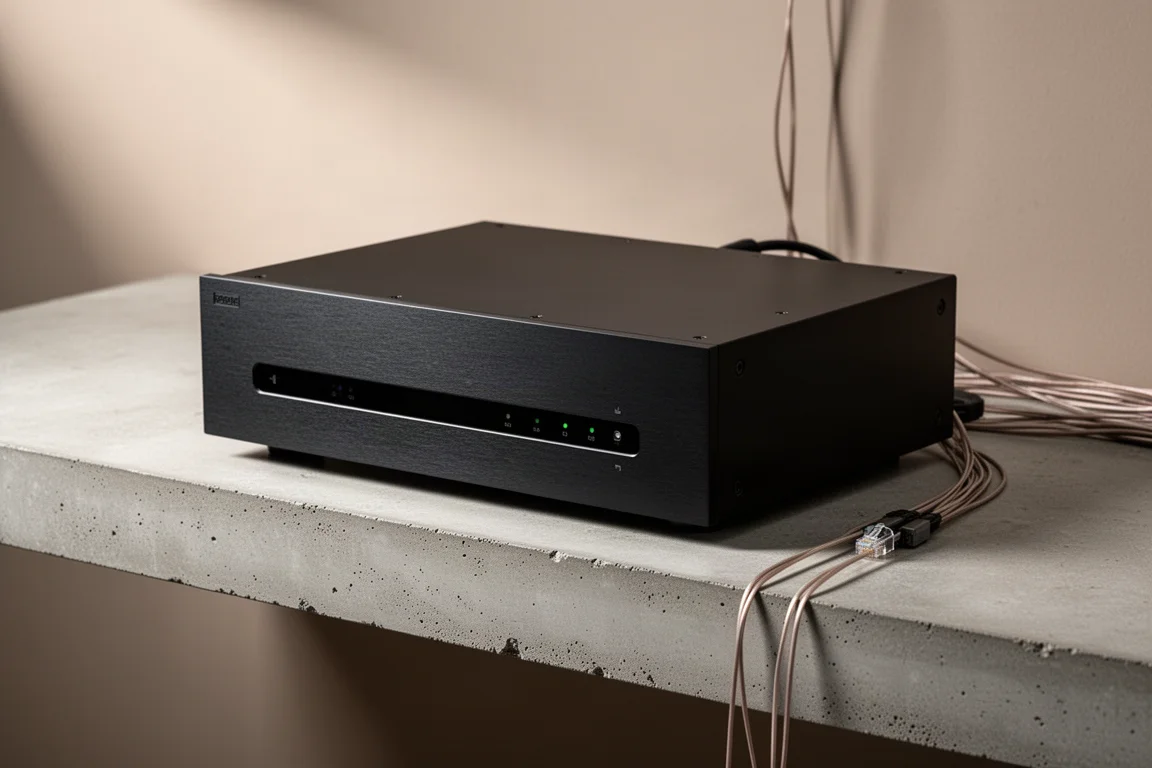
Introduction
Whole-home audio usually means choosing between two imperfect options. A home theater receiver might offer a zone or two of extra output, but the amplifier channels are limited and the zone features are often basic. Dedicated multi-room systems solve the problem properly, yet they tend to be expensive, are frequently installed by a professional, and lean on apps that are not always pleasant to use.
The Juke Audio 6 takes a different route. It is a six-zone amplifier with twelve Class D channels, four simultaneous sources, and AirPlay 2 as its primary input. Setup happens through a browser-based interface rather than a dedicated app, and the six-zone version is priced at $1,199, with an eight-zone, sixteen-channel version at $1,399.
The pitch is straightforward: put speakers in the rooms where you want them, wire them to one compact box, and let everyone in the house stream whatever they like from their own phone.
Who the Juke Audio 6 Is For
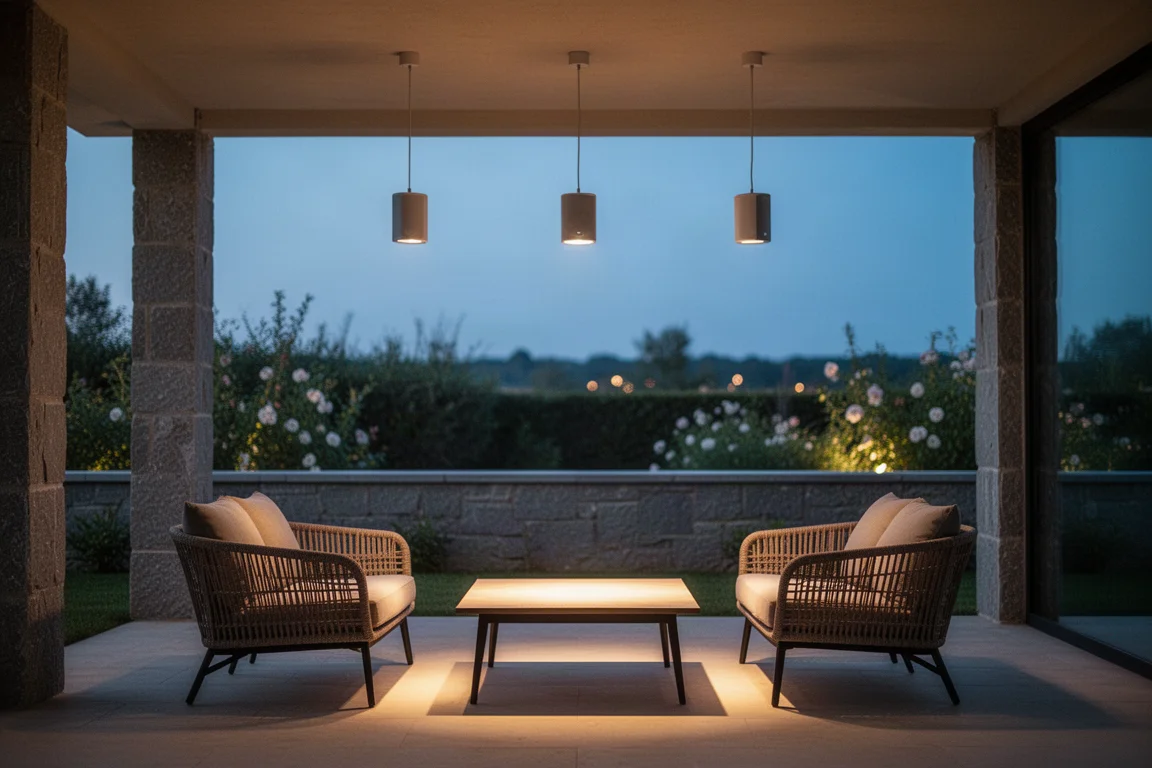
This amplifier makes the most sense in a home where speakers are already installed, or about to be installed, in ceilings, walls, or outdoor areas. A typical setup might cover a patio, a bedroom, and a bathroom from a single unit, with spare zones left over for rooms added later.
It also suits households with mixed tastes. Because the primary input is AirPlay 2, family members can send music from the app or service they already use, including sources such as YouTube or a favorite radio app, without installing anything new. Each person can stream to a different zone at the same time, and the number of users is effectively unlimited.
It is not aimed at critical listening, and it is not the right tool for driving large, inefficient speakers at high volume. For background and casual listening across several rooms, the design lines up well with how most people actually use whole-home audio.
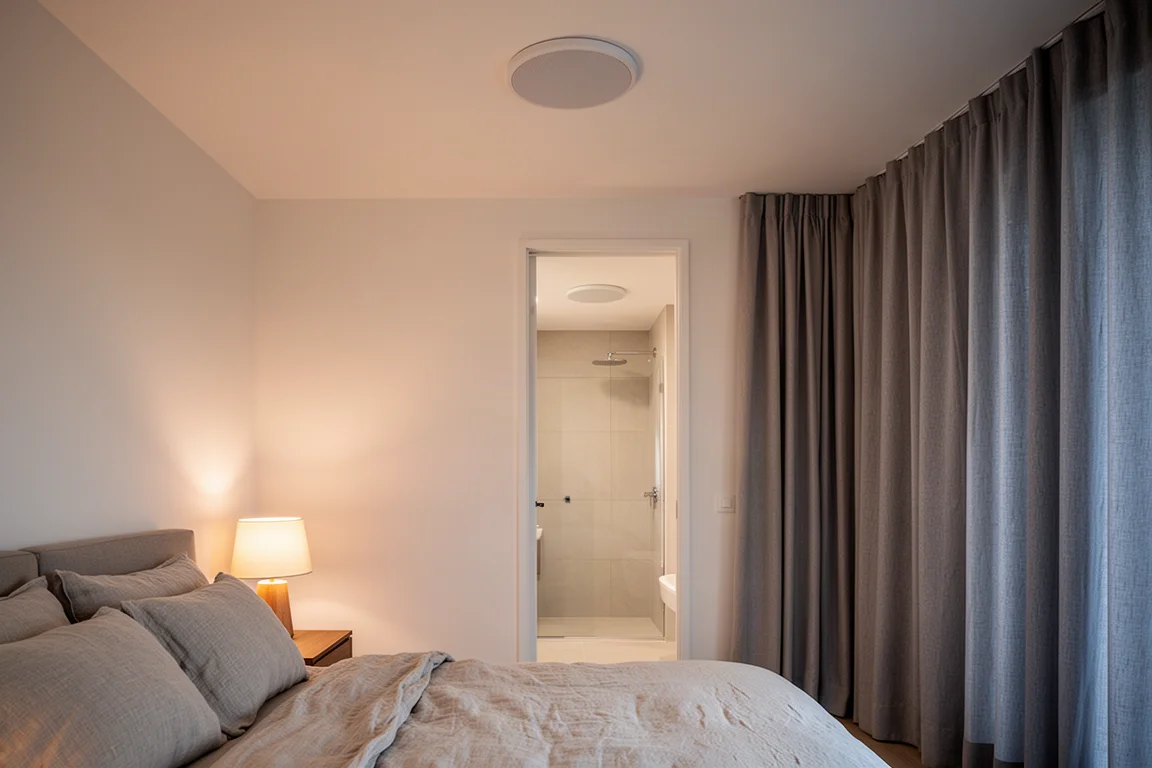
Zones can be grouped or separated at any time, so one person can listen in the bedroom while someone else plays something entirely different on the patio.
Main Strengths
The strongest arguments for this amplifier come down to flexibility, simplicity, and price relative to what a comparable system usually costs.
Zone and Source Flexibility
The six-zone version provides twelve amplifier channels, which is enough for two speakers per zone across six rooms. Up to four sources can play simultaneously, and each zone can pull from any of them. That is more source and zone flexibility than most receivers offer, and it is the core reason this product exists.
AirPlay 2 is the main input, and Spotify Connect is supported as well. An optional USB audio adapter adds an analog line-level input, and up to two adapters can be used. Multiple Juke units can also work together automatically, so a six-zone and an eight-zone unit can combine for fourteen zones in a larger house.
Speakers can be paralleled onto a single zone as long as the impedance stays at two ohms or above. That is common with patio speakers and in very large rooms with several speakers in a row, although using separate zones for separate speakers is the better approach whenever channels are available.
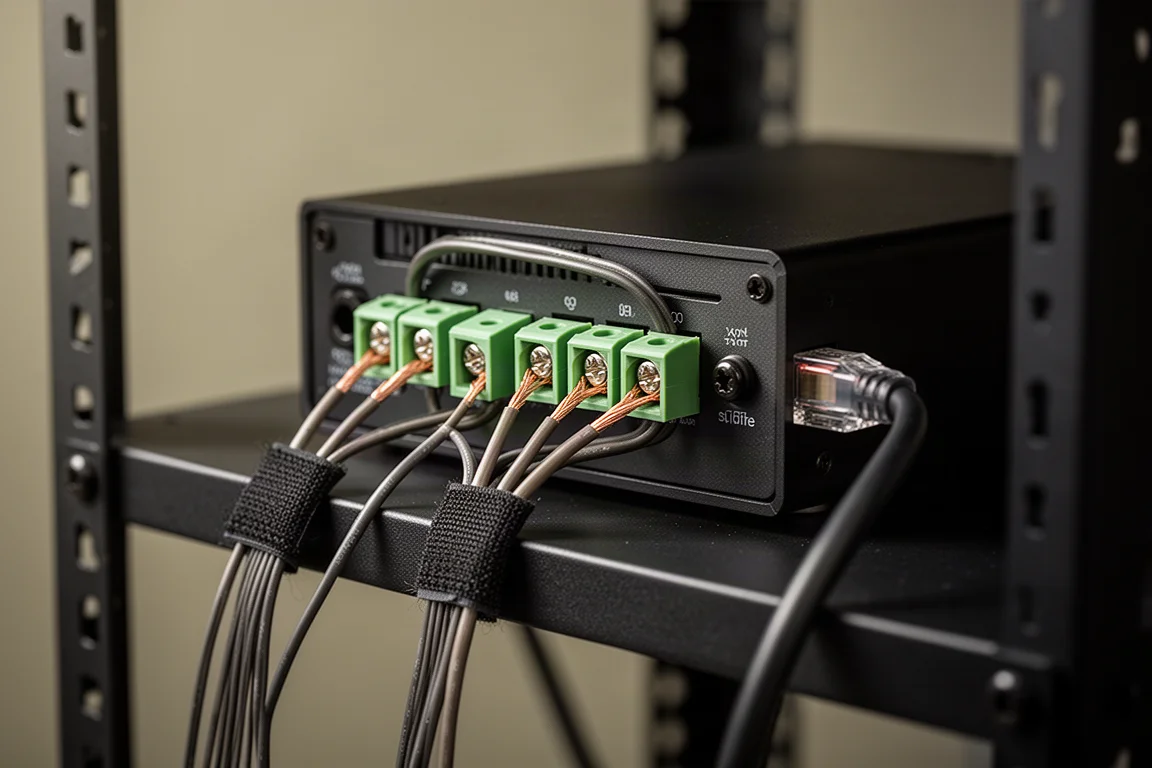
Because the unit is compact and does not need to sit in the same room as the speakers, it can live in a rack or on a shelf alongside the rest of the home’s equipment.
Setup, Control, and Firmware
Configuration is handled through a web interface reached at the unit’s IP address. It looks and behaves like an app, works from any device with a browser, and requires no installation. Its main jobs are labeling zones and deciding which source feeds which zone. Once that is done, everyday listening happens over AirPlay, and the interface is rarely needed again.
Inside, the unit runs a quad-core 1.2 GHz processor with 1 GB of RAM, which is modest hardware but more than the software needs. Firmware is flash-based and updated over the air, and AirPlay 2 support arrived as one of those updates. The device has proven stable in daily use, staying up unless the network itself goes down.
Ethernet through the RJ45 port is the recommended connection and the more robust option. Wi-Fi is supported with WPA2, but the manufacturer suggests keeping the unit within roughly 10 to 15 feet of an access point, and using a small router with an Ethernet port when that is not possible.
Physically, the amplifier measures about 15 by 8 by 3 inches and weighs 6 pounds, so it fits easily on a shelf. Optional rack ears allow mounting in a standard 19-inch equipment rack. The power supply is universal across 90 to 264 volts AC, efficiency reaches up to 95 percent depending on how many channels are driven, and the unit is rated to meet UL, TUV, CCC, and EAC standards. It tolerates ambient temperatures up to 40 degrees Celsius, which is comfortable for a ventilated rack room.
Things to Consider Before Buying
Amplifier Power and Speaker Matching
Each channel delivers about 20 watts RMS, with peak ratings of 40 watts per channel, 80 watts per zone, and 400 watts across all zones running at once. That is modest, and it is possible to push the amplifier into clipping with demanding speakers at high volume.
In a direct comparison with a more powerful amplifier rated at 80 watts per channel, the higher-powered unit produced noticeably more bass and headroom and was less likely to clip, with roughly 4 dB more output available. For casual listening, the two sounded quite similar, and the difference became obvious mainly when playing loudly.
There are no RCA outputs, only speaker connections, so feeding an external amplifier for a demanding zone requires a line-level converter. It works, but it adds a step to an otherwise simple system. For in-ceiling speakers used for background music in a bedroom, a bathroom, or a patio, the built-in power proved entirely adequate.
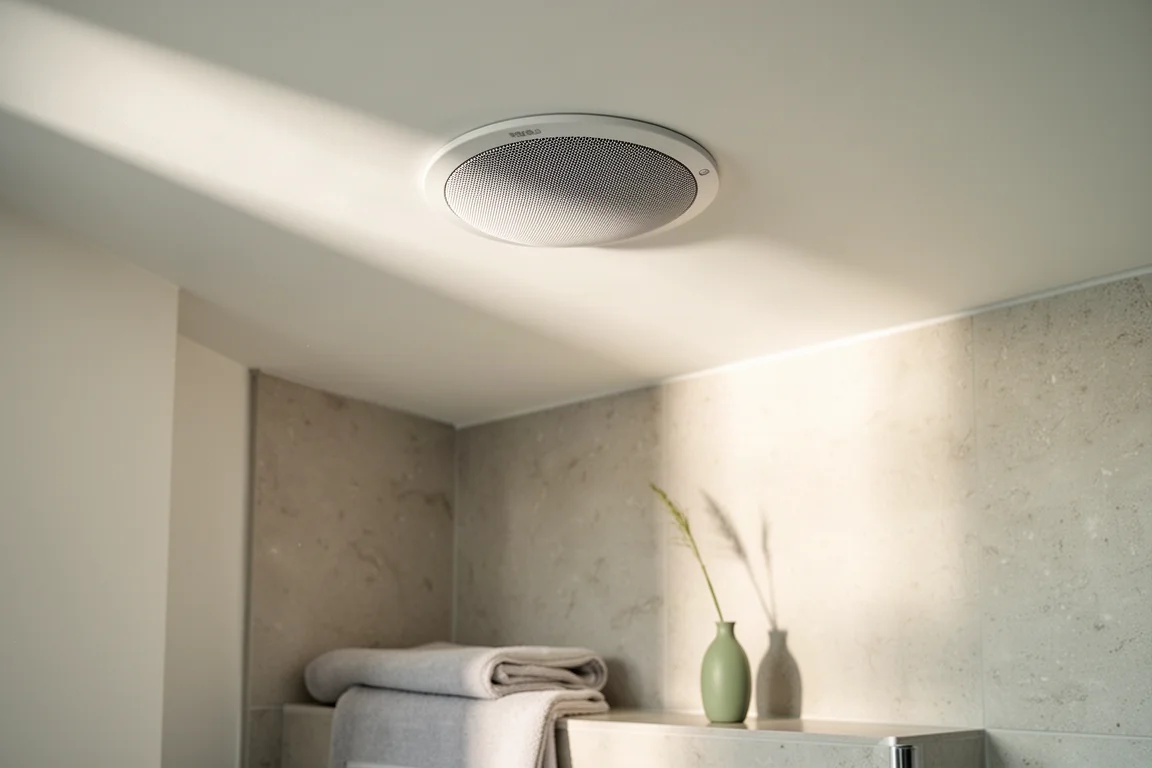
For most installed speakers, the practical limit appears only at high volume, which is not how these zones are typically used.
Features and Connectivity Limits
The trade-off for simplicity is a short feature list. There are no bass or treble controls, no DSP, and no EQ, so tuning the sound to a room is not possible with this unit alone. Additional processing features have been discussed for the future, but they are not part of the current software.
AirPlay has its own quirks. If the phone acting as the source moves too far from the network, playback stops, so a tablet or computer is the more reliable source for outdoor listening. Streaming services also require an internet connection; playback from a phone continues to work during an outage, but cloud-based streaming does not.
The Wi-Fi radio is not the strongest, which is why a wired network connection is the recommended setup. Speaker connections use green screw-down terminal blocks that accept 12 to 22 gauge wire. Binding posts and banana plugs are not supported, so bare wire is the only option, though the blocks are easy to work with and the arrangement suits permanent installs.
Protection is thorough: output current limiting, short circuit protection, and over-temperature, under-voltage, and over-voltage protection are built into the Class D amplifier chip, which makes the unit robust against common wiring mistakes.
Buying Advice
The Juke Audio 6 is worth considering if you want music in several rooms, you have or can install in-ceiling or in-wall speakers, and AirPlay fits how your household listens. It sets up in minutes without professional help, and it keeps the cost of a multi-zone system well below what comparable products typically ask.
It is a less obvious fit if you want tone controls or room correction, plan to play loudly through large or inefficient speakers, need to power a subwoofer, or rely on Android devices. AirPlay is the center of the experience, and while apps exist that let Android devices send audio over AirPlay, reliability is mixed. Expanded Android support is described as something the company is working on.
Value is where this amplifier makes its case. A comparable amplifier without any built-in sources might cost around $1,000 or slightly less, and adding four AirPlay 2 receivers at roughly $100 each brings that total to about $1,000 with a less integrated experience and no app-based control of the amplifier itself. Multi-room products from established audio brands that include app control and built-in streaming sources typically start around $1,500, and higher-end names run $2,000 to $3,000 or more.
For larger homes, the eight-zone version at $1,399 adds four more channels, and two units can be combined when a single chassis is not enough.
If the room count is likely to grow, buying more zones up front is cheaper and cleaner than adding hardware later.
Conclusion
The Juke Audio 6 does one job well: it puts music in every room without a complicated app, a professional installer, or a four-figure-plus price. The 20-watt channels are the main compromise, and they are a deliberate one that keeps the chassis small, cool, and affordable. For background listening through in-ceiling speakers, that compromise is easy to live with. Anyone who wants tone controls, room correction, or high-output listening will be better served by a more powerful and more expensive system.
Product link
View more details for Juke Audio 6
This product is mentioned in the review. Check the specifications, options, and compatibility before buying.
View more details for Juke Audio 6Further reading
Related Reviews
Multi-Room Audio
Bluesound vs Sonos: Which Multi-Room Music System Is Right for You?
A practical comparison of Bluesound and Sonos multi-room audio, covering the Node, Powernode, Hub, Vault 2i, Node X, Pulse, Era 100, Era 300, Arc and Sonos subwoofers.
Speakers
13 Under-the-Radar Speakers Still Worth Buying
Thirteen speakers that quietly stayed in production while newer models took the spotlight, from budget bookshelf pairs to a full-size tower.
Hi-Fi Speakers
1723 THX Tower vs 1528 Bookshelf: Which Speaker Fits Your Room?
Two speakers at roughly the same price, built very differently. How the 1723 THX tower and the 1528 bookshelf compare on construction, bass, power needs, and sound.