Hi-Fi Audio
Bluesound Powernode 3rd Gen and Polk Reserve R200: A Streaming Hi-Fi System Under $2,000
A compact streaming amplifier paired with a $750 bookshelf speaker, covering what the combination does well, where it gives ground, and how the budget adds up.
Introduction
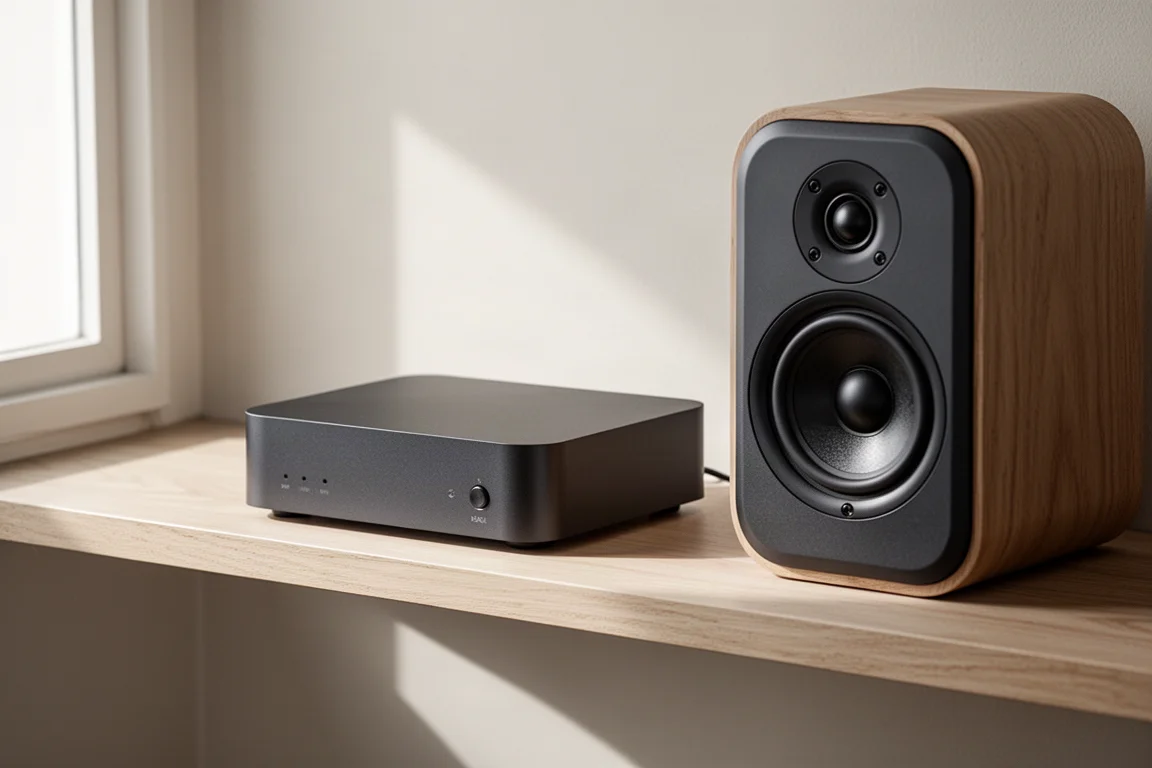
A compact streaming amplifier and a pair of standmount speakers can now cover music streaming, television audio and two-channel listening from a single shelf. The Bluesound Powernode (3rd Gen) and the Polk Reserve R200 make a particularly sensible combination: the Powernode handles streaming, digital-to-analog conversion, preamplification and power amplification in one chassis, while the R200 is a $750 bookshelf speaker with a strong reputation in its price class. Together the system lands at roughly $1,700, which leaves room inside a $2,000 budget for cables and stands.
Why This Pairing Works
The appeal of this setup is how little it asks of the buyer. The Powernode is a streamer, DAC, preamplifier and amplifier in one box, so the only additional items required are a pair of speaker cables and a pair of speakers. There is no separate streamer, no separate DAC and no separate preamp to budget for or to cable together.
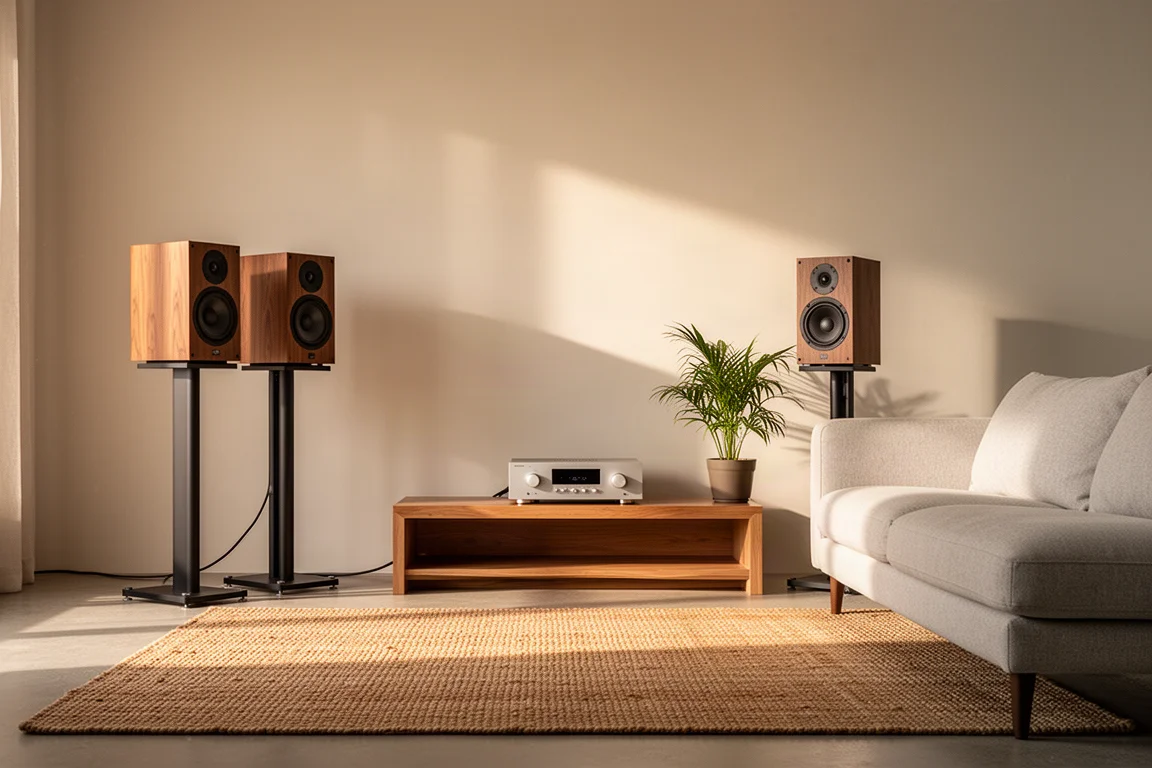
That simplicity carries into the speaker choice. The Polk Reserve R200 sits comfortably inside the price band where the Powernode makes the most sense, and it can be driven to satisfying levels by the amplifier’s 80 watts per channel. The pairing does not demand a large room, a dedicated rack or an elaborate cable loom to perform well, and it stays easy to live with in an ordinary living space.
Bluesound Powernode (3rd Gen): The Streaming Hub
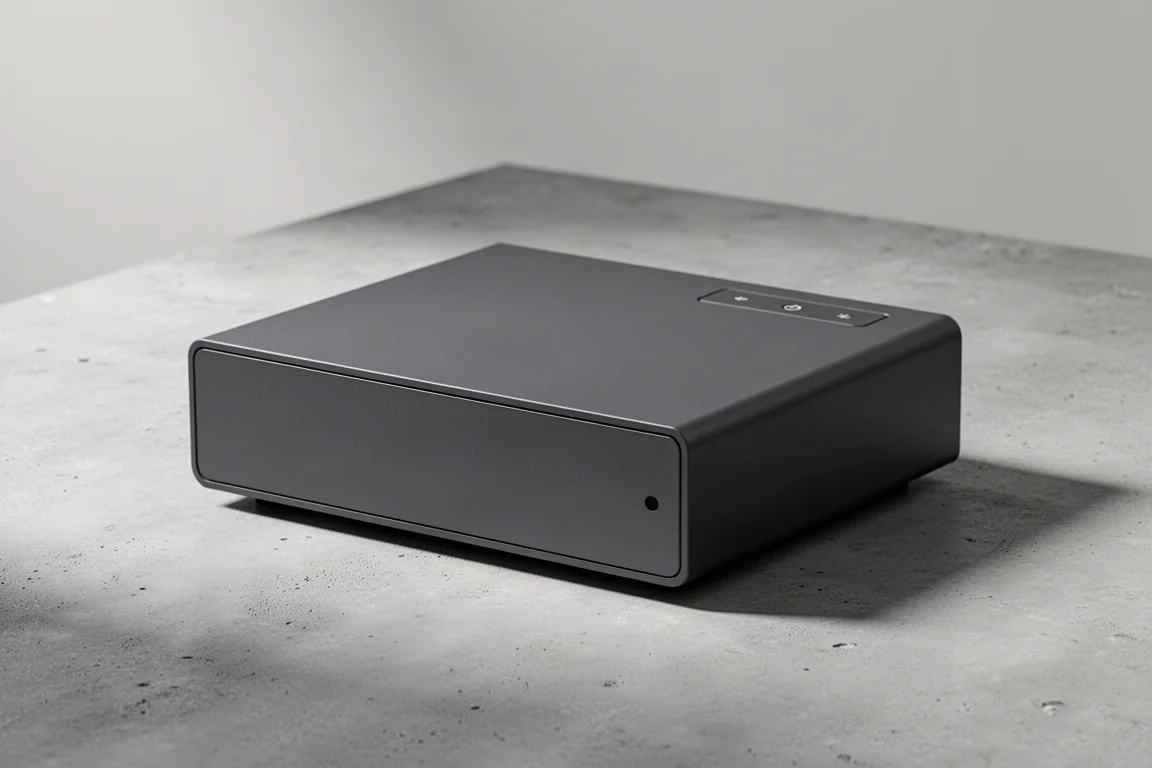
The third generation of the Powernode is a mature product, and that maturity shows in the details. Power output has risen to 80 watts per channel, up from 60 watts per channel in the previous generation. That 20 watt increase matters more than the number suggests, because the extra headroom is what allows the amplifier to drive a speaker like the R200 to a sufficient level, where the earlier 60 watt version could feel as though it wanted a little more power behind it.
Wireless streaming is the other headline feature. The Powernode connects over Wi-Fi, so no Ethernet cable is required, and it supports Tidal Connect and Spotify Connect alongside a broad set of additional streaming connections and apps. Wireless reliability was a weak point on earlier generations, but the current model has held a stable connection through months of use. The BluOS control app is a genuine strength: it is easy to operate, it catalogs services and libraries automatically, and it covers enough ground that many listeners will not feel the need to pay for extra playback software.
Two connectivity details make the Powernode unusually flexible for its size. HDMI eARC lets it take audio from a television, so streaming apps and broadcast audio play through the speakers instead of the TV’s own drivers. A subwoofer output allows a 2.1 configuration, which is the practical route to deeper bass for films and series.
The sonic character leans warm. The Powernode emphasizes bass and midrange rather than high-frequency sparkle, which means the system can be played loudly for long stretches without listening fatigue. Internally it uses a class D amplifier, and in this generation that implementation is notably cleaner than before.
Polk Reserve R200: The Bookshelf Speaker
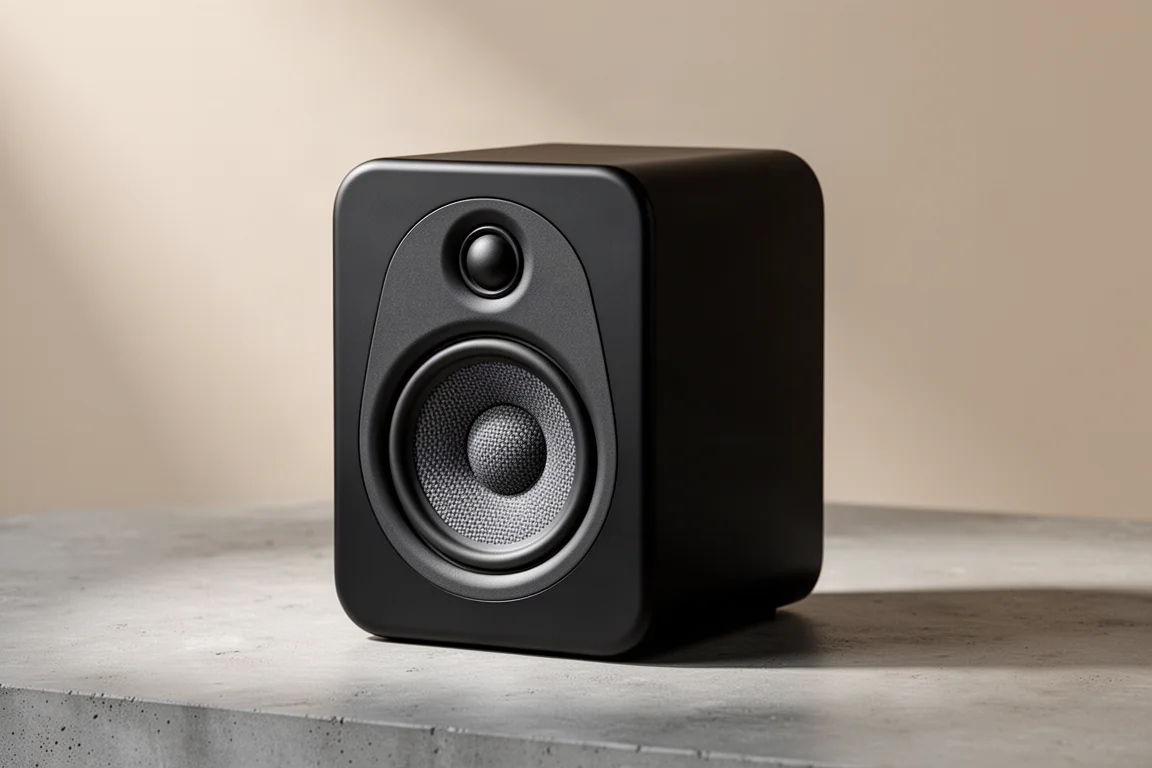
At $750, the Reserve R200 is the part of this system most listeners will talk about. It is a standmount speaker from Polk’s Reserve series, and its midrange is the signature: warm, weighty and full of body, with the kind of authority that makes voices and acoustic instruments sound substantial rather than thin.
Bass is confident and tight for a speaker of this size, and placement close to a wall is less problematic than expected. At roughly an inch from the rear wall, bass stayed controlled, and only at extreme volume or with the cabinet pressed right against the wall did it begin to sound boomy.
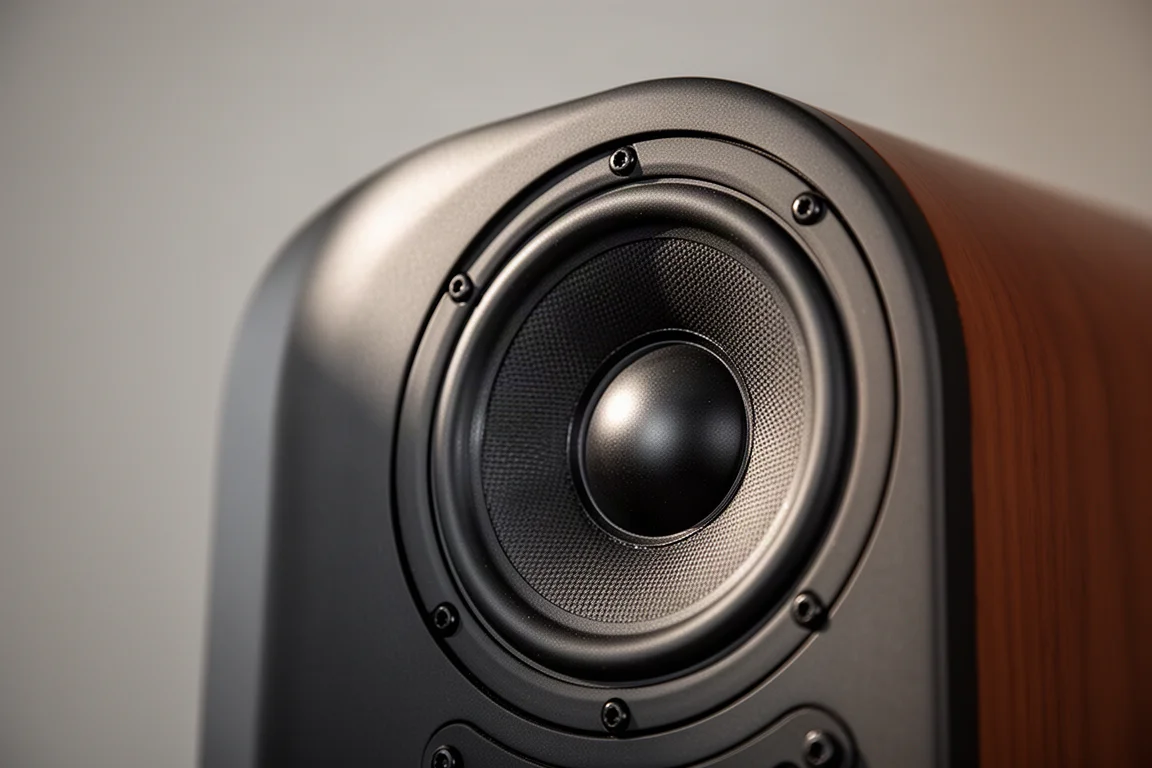
The R200 also scales. Given a more capable amplifier it reveals more clarity in the midrange and more sparkle in the treble, which is worth knowing if you plan to upgrade the electronics later. Its soundstage is wide enough to fill a normal living room, and with symmetric placement the center image locks firmly between the speakers.
How the System Sounds in a Normal Living Room
Set up in a minimally treated room with ordinary furniture, the combination delivers across bass, midrange and treble. It does not extract the absolute best from the R200, and that distinction is worth stating plainly: the midrange is not as clear as it becomes with a higher-end amplifier, and the treble does not have the same crispness or detail retrieval. Listeners who prioritize brightness and nuance may find the presentation a touch soft.
What the system does exceptionally well is musicality. The midrange is lush and meaty, the bass is tight and controlled, and demanding tracks play through without strain, distortion or any sense of the amplifier losing its grip. Instrument separation is where the setup gives up a little ground, and stage depth is limited when the speakers sit close to the wall, although the center image still appears to come from behind the speakers, which is impressive given how near the wall they are.
For films, a subwoofer is worth planning for. The R200 has excellent bass for a bookshelf speaker, but it does not produce the deep rumble that home theater content asks for, and a 2.1 setup makes a meaningful difference.
Setup, Placement and Bass Control
Placement rewards a little care. Keep the left and right speakers at the same distance from the wall behind them, and match the distance to the side walls where possible. Done properly, this produces a pinpoint center image, with vocals landing squarely between the speakers rather than drifting left or right.
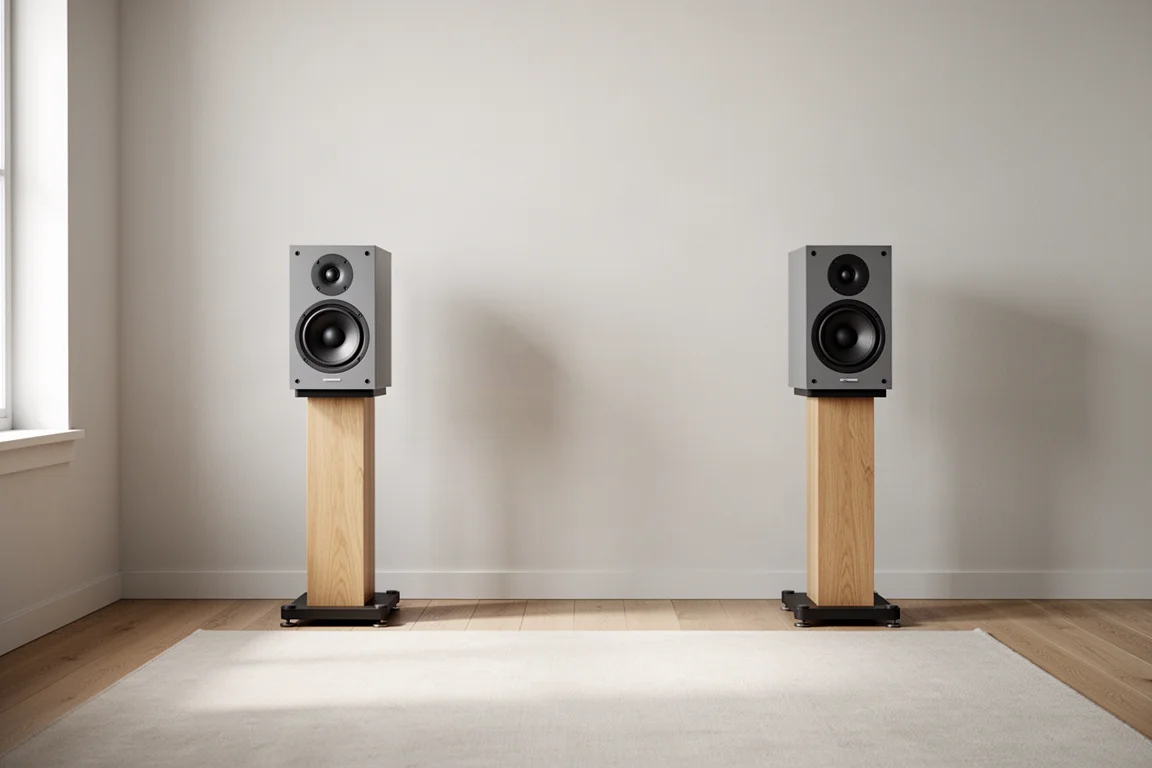
Because the Powernode streams over Wi-Fi, the only cables the system truly needs are the speaker runs. A modest cable budget is enough here, and the remaining allowance can go toward stands. Out of a $2,000 total budget, roughly $300 is left after the amplifier and speakers, which comfortably covers speaker cables and a pair of basic stands with a little left over.
Living With the System Day to Day
Daily use is where the Powernode earns its keep. Playback happens from the BluOS app, streaming services are built in, and the HDMI eARC input means the same speakers handle television audio without switching to a different system or learning a second remote routine.
Adding a subwoofer to the subwoofer output turns the setup into a 2.1 system for films, while two-channel listening remains the main event for music. The combination is small enough in footprint that it disappears into a living room rather than dominating it.
Buying Advice
The full system lands at about $1,700, and that is the number that matters most: a streaming amplifier, a pair of genuinely capable bookshelf speakers, and enough left over for cables and stands inside a $2,000 budget. At least one retailer offers a three-payment, interest-free option on the speaker, which softens the upfront cost if you would rather spread it across a few months.
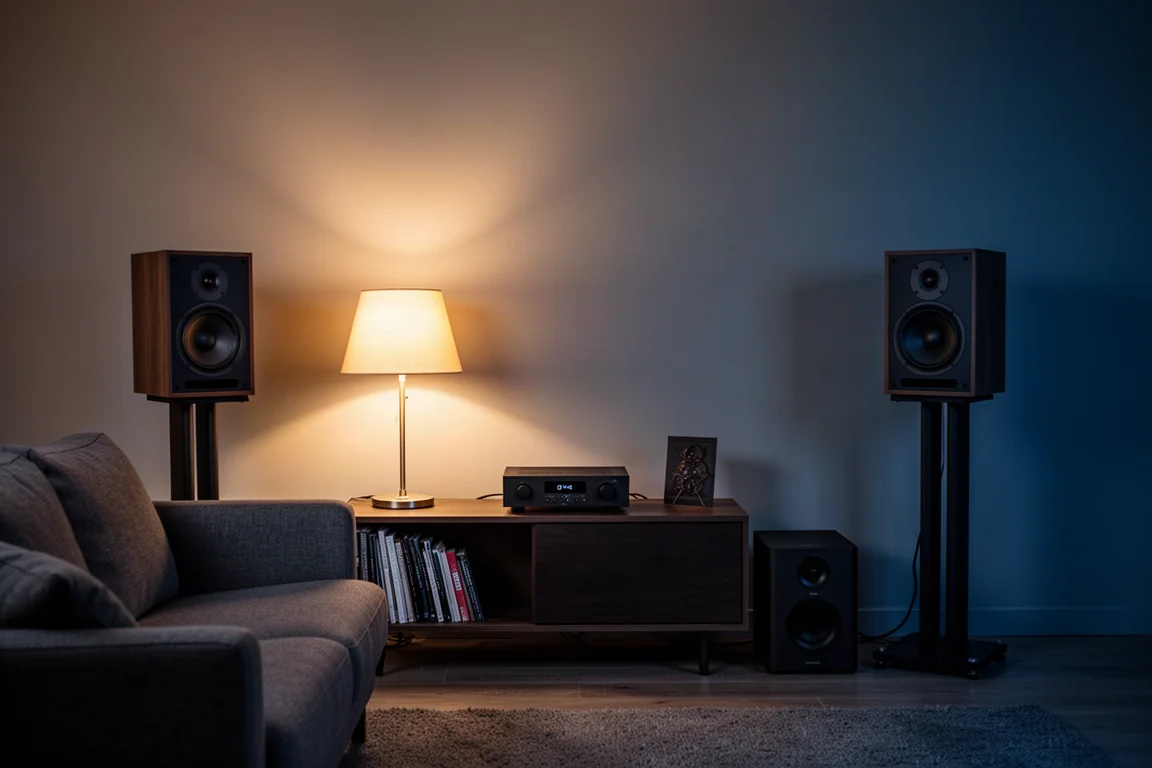
Choose this combination if you want one box handling streaming, television audio and amplification, and a speaker that sounds warm and full rather than bright and analytical. Look elsewhere if your priority is maximum treble detail and instrument separation, or if you already own a high-end integrated amplifier, in which case the R200 will reward a better front end. A dedicated integrated amplifier at around $1,000 still sounds better with these speakers, and that is the honest ceiling of the Powernode.
Conclusion
The Bluesound Powernode (3rd Gen) and the Polk Reserve R200 make a convincing case for keeping a hi-fi system simple. The amplifier brings streaming, eARC, a subwoofer output and enough power for the speaker, while the R200 brings a warm, weighty midrange and controlled bass at $750. Together they deliver a complete system for about $1,700 that is easy to live with and hard to fault at the price.
Further reading
Related Reviews
Hi-Fi Audio
Accuphase C-57 vs Allnic H-7000V: Two High-End Phono Stages Compared
A fully balanced solid-state phono stage with a pitch-black noise floor meets a tube design built for well-loved records. Here is how to choose between them.
Hi-Fi Audio
Active vs Passive Hi-Fi: Five Components for a Modern System
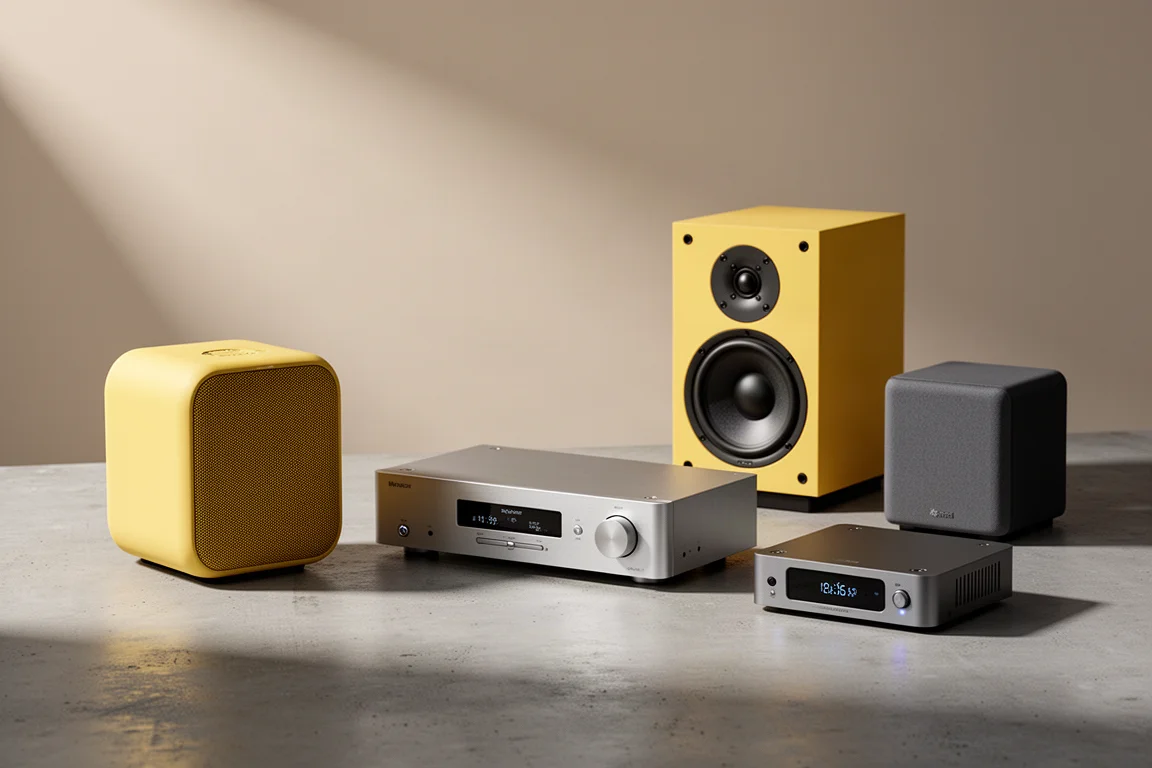
Five components that define modern active and passive hi-fi systems, with the strengths, trade-offs and setup details worth weighing before you buy.
Hi-Fi Audio
Advance Paris A10 Apex Review: A Hybrid Integrated Amplifier That Covers a Lot of Ground
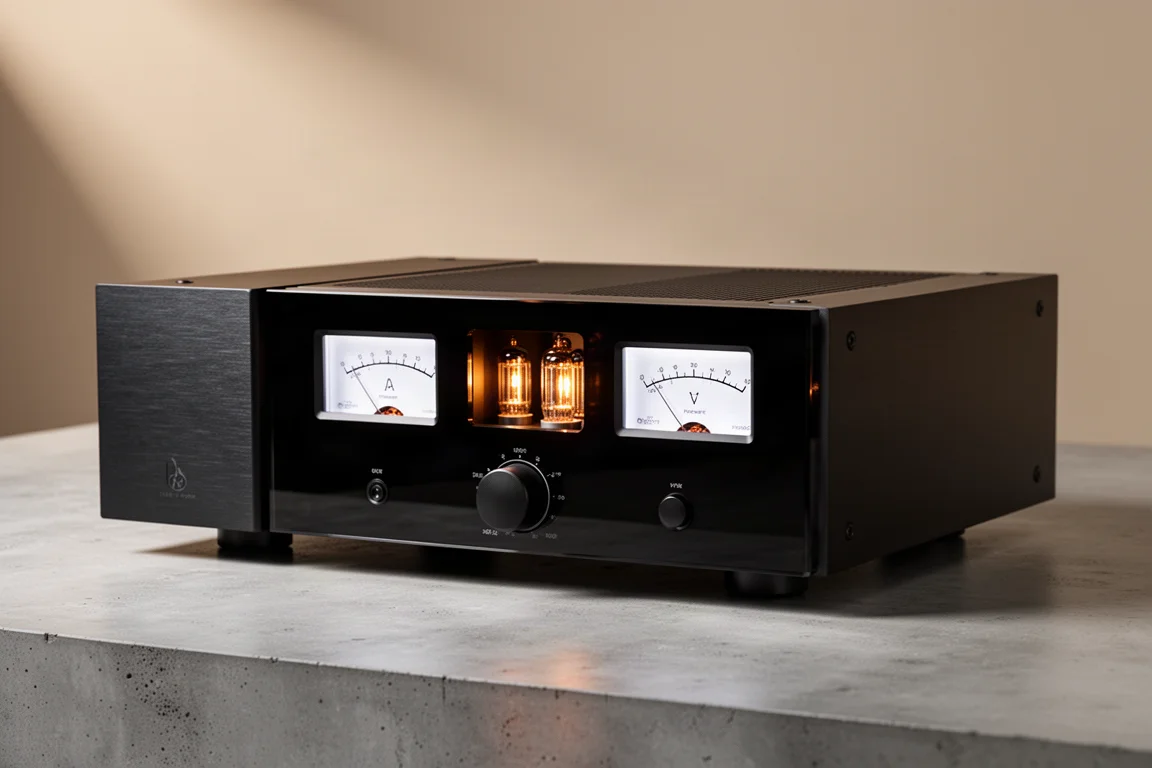
A French hybrid integrated amplifier with a class A tube preamp stage, analogue power meters, and an internal DAC and phono stage good enough to make extra boxes unnecessary.