Hi-Fi Audio
Bluesound Powernode Edge Review: A Compact Streaming Amplifier Done Right
A practical look at the Bluesound Powernode Edge, a small single-box streaming amplifier with BluOS control, two-way Bluetooth, HDMI ARC and a managed subwoofer output.
Introduction
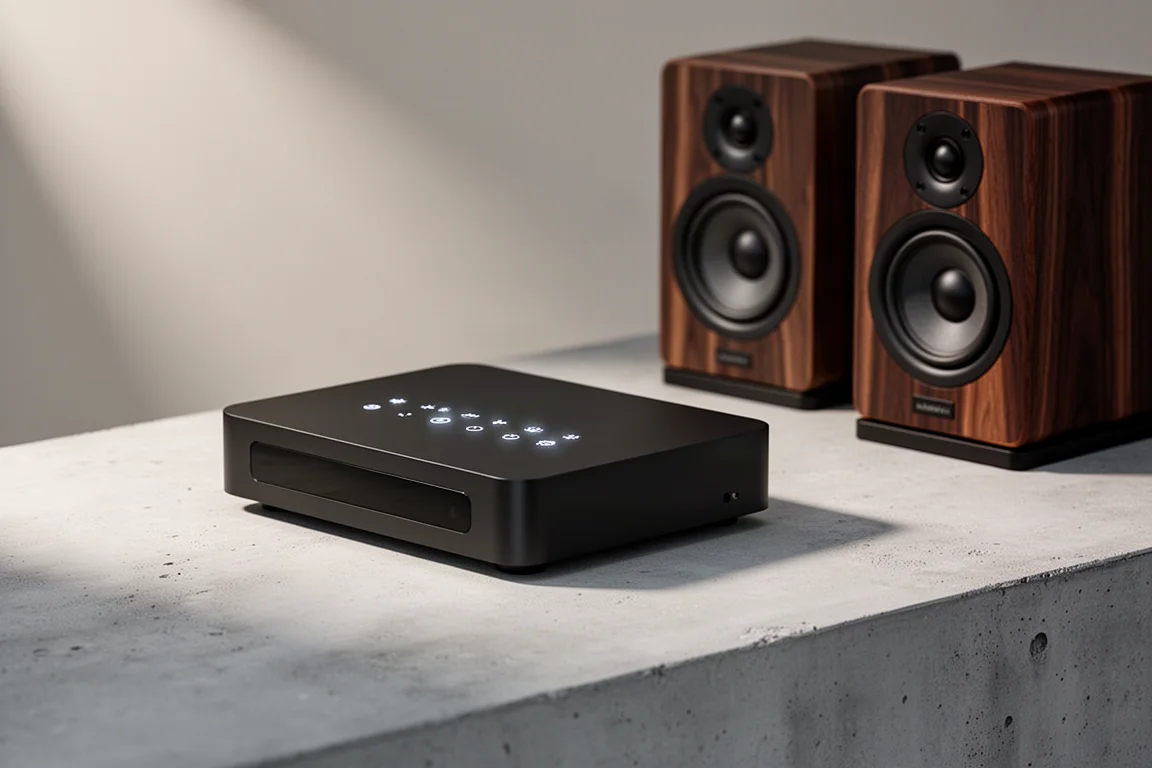
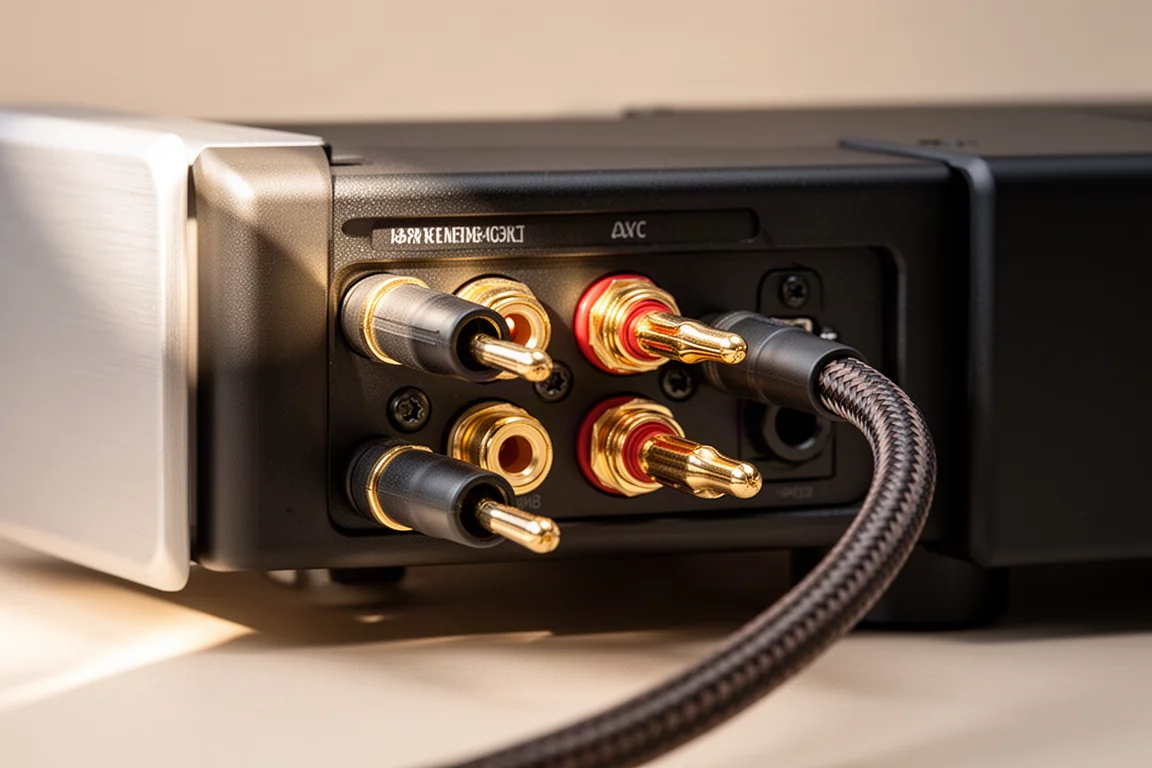
The Bluesound Powernode Edge is the smaller and more affordable version of the Powernode, and it sets out to answer a simple question: what if a complete hi-fi system took up almost no space at all? It is a streaming integrated amplifier, which means the streaming platform, the digital conversion and the power amplification all live inside one compact chassis. Add a pair of passive loudspeakers and a set of speaker cables, and the system is running.
That single-box approach changes how the product fits into a home. It is small enough to sit on a bench, tuck onto the edge of a media unit, or disappear onto a shelf entirely. There is no stack of separates, no rack, and no nest of interconnects behind the furniture.
The interesting part is not only the size. The Edge also introduces a different amplification approach from the larger Powernode, and it keeps most of the streaming and connectivity features that make the range appealing in the first place. What follows is a practical look at who it suits, where it performs well, and what to weigh before buying.
Who the Powernode Edge Is For
The Edge is aimed at listeners who like the idea of a streaming active loudspeaker but would rather keep the electronics out of the speaker cabinet. It lets you choose your own passive loudspeakers while keeping everything else inside the amplifier.
It is also a natural next step for someone moving up from a mainstream multi-room system and wondering what the hi-fi world has to offer. It is not aimed at dedicated audiophiles who want every stage in its own box, who enjoy choosing their own cables, and who are happy to buy a separate rack to hold it all.
A Compact Amplifier You Can Hide Away
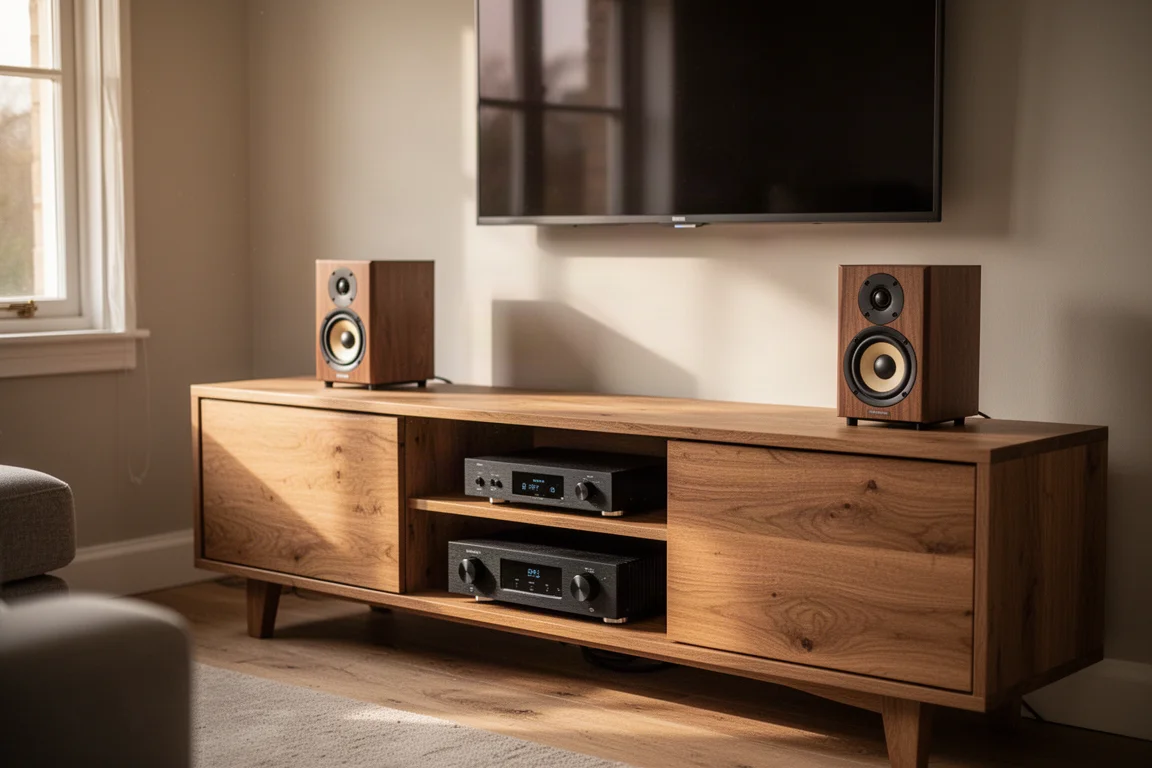
Size is the first thing anyone notices. The Edge can sit on a bench and barely register, or be tucked away out of sight completely. Because it is one box rather than a streamer, a converter and an amplifier, it does not demand a hi-fi rack. Placing it under a television on a low unit is entirely practical.
The front panel is a slightly tilted touch surface with play and pause controls and volume adjustment. Everything else is handled remotely.
Setup and everyday control run through the BluOS app, which is available for phones as well as Windows and macOS desktops. That means the system can be configured and operated from a computer just as easily as from a phone, which is not always the case at this level.
Connectivity, Apps, and Daily Control
Streaming services are built into the app, including Qobuz, Tidal, Amazon Music and Neil Young Archives. The Edge also supports Tidal Connect and Spotify Connect, along with Apple AirPlay 2, and it is intended to be Roon Ready once certification is complete.
Bluetooth works in both directions. Music can be streamed into the Edge from a phone or a computer, and the Edge can also stream out to Bluetooth headphones. That is unusual at this level, and it opens up late-night listening without disturbing anyone else.
An HDMI ARC input on the back makes the television part of the system. Volume can be adjusted with the TV remote, and audio from whatever is on screen can be sent out to a pair of Bluetooth noise-cancelling headphones.
Sound Quality and Subwoofer Integration
The Edge uses direct digital amplification rather than a Class D module, delivering 40 watts per channel into 8 ohms. On paper that looks modest. Driving a pair of Q Acoustics Concept 30 stand-mount speakers in a 6 by 5 metre room, it reached volumes well beyond reasonable listening levels without sounding strained.
Room size is the caveat. In a larger space, the same pairing would likely push both the speakers and the amplifier harder than is comfortable. With high-efficiency speakers, a bigger room is far less of a problem.
Tonally, the Edge comes across as crisp and clean, with a little extra tenderness and finesse at the top end. That slightly darker treble character should suit many of the speakers it is likely to be paired with. Bass articulation and punch are stronger than the Rotel A11 Tribute and roughly on par with the Lyngdorf TDAI-1120, another direct digital design.
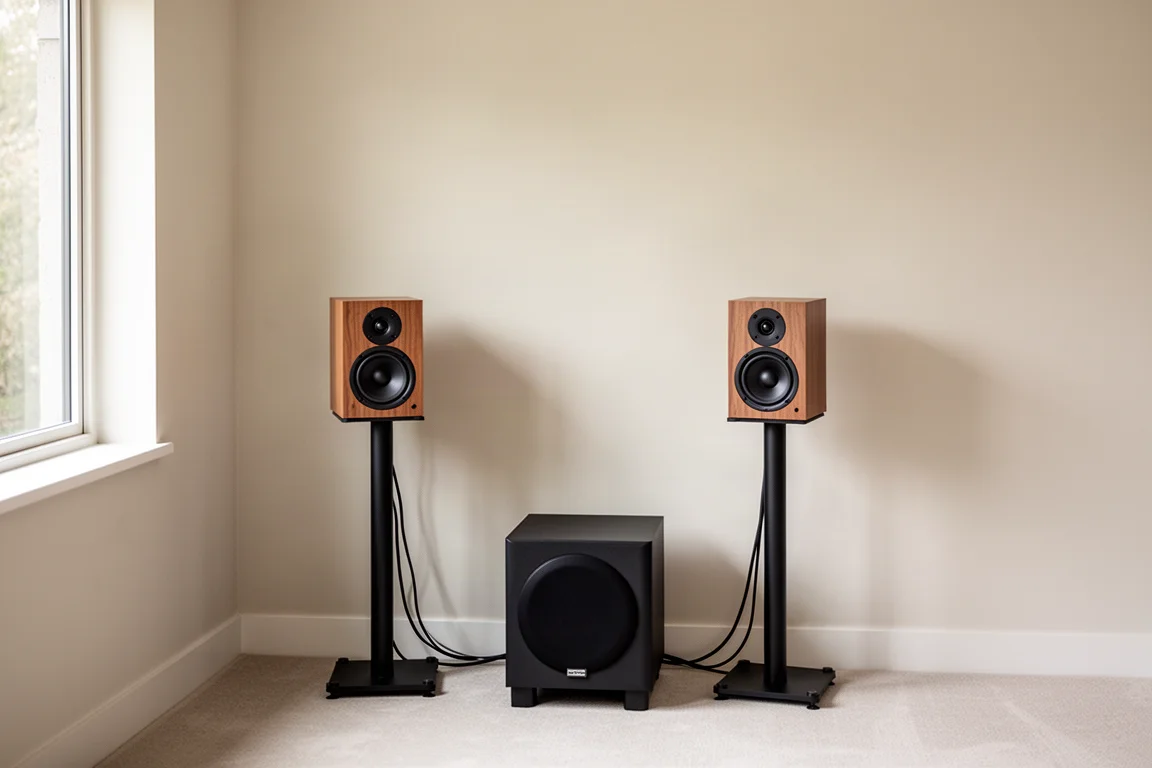
Like those amplifiers, the Edge can occasionally sound a touch lean. A subwoofer solves that. The subwoofer output is managed inside BluOS, and the crossover frequency can be set to taste, which fills out the bottom end and hands the low-frequency workload to the subwoofer’s own amplifier.
Set against the larger Powernode, the two are surprisingly hard to separate on sound quality alone. The bigger model adds five presets on the top panel and an analog headphone output, and it may hold slightly better control over a bass driver, but the differences are small rather than decisive.
Things to Consider Before Buying
There is no analog headphone socket on the Edge, unlike the larger Powernode. Headphone listening runs through the two-way Bluetooth output instead. That is a different approach rather than a missing feature, but it is worth knowing before you buy.
There is no room correction built in, so speaker placement and room acoustics still matter. There is also no phono stage, so a turntable will need its own.
One practical quirk showed up during use: toggling the subwoofer off inside the BluOS app did not disengage the subwoofer output on the back, so the subwoofer had to be unplugged physically to take it out of the system. Turning the subwoofer off in software does disengage the high-pass filter applied to the main speakers.
Buying Advice
At €699, the Powernode Edge sits where diminishing marginal returns begin for amplifiers. Judged purely on functionality, it is very hard to beat at the price. A Class AB amplifier such as the Rotel A11 Tribute may offer a richer tonal character, but it does not bring the streaming platform, the subwoofer integration, the two-way Bluetooth or the HDMI input.
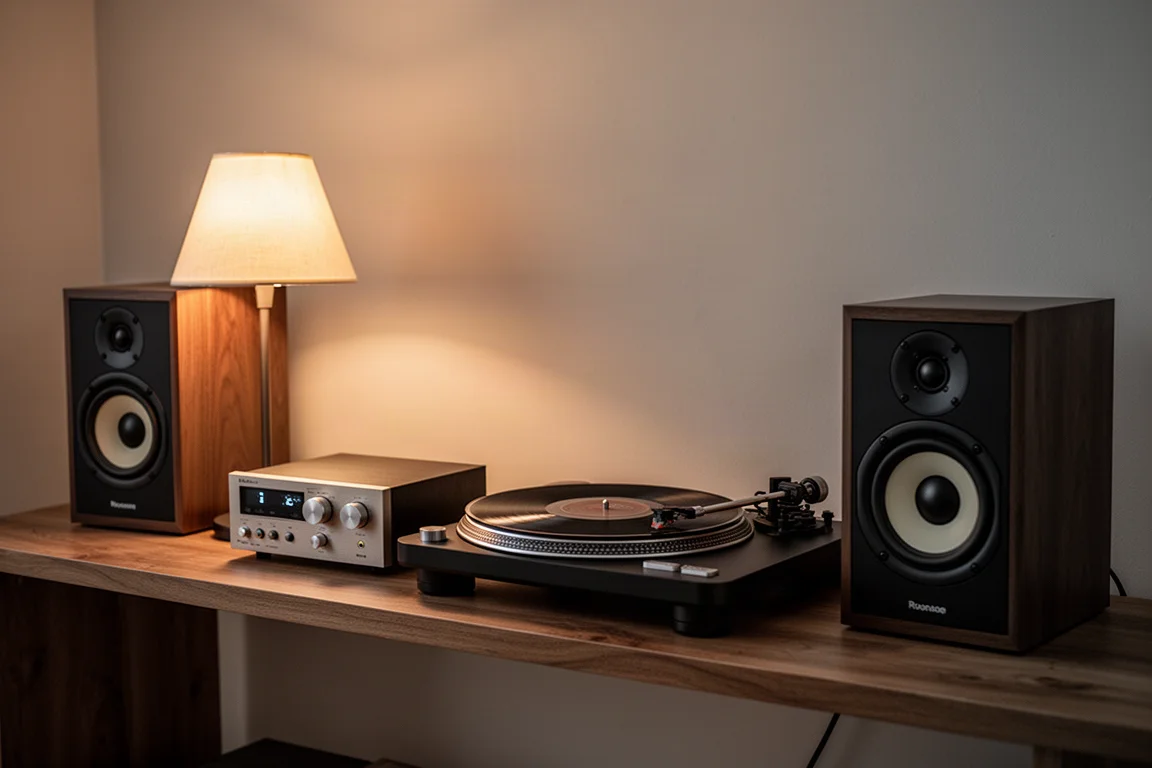
The decision comes down to priorities. If you want a system that streams, handles the television, supports headphones wirelessly and drives a pair of stand-mount speakers from one discreet box, the Edge covers all of it. If you would rather build a system from separate components and accept the extra space and cabling that involves, a traditional separates approach will suit you better.
Conclusion
The Bluesound Powernode Edge makes a strong case for itself by being small, simple and unusually complete. It drives real speakers to real volumes, it handles streaming and television duties, and it disappears into a room rather than dominating it. For listeners stepping up from a mainstream system, or for anyone who wants a compact amplifier that does not compromise on features, it is an easy option to investigate.
Product link
View more details for Bluesound Powernode Edge
This product is mentioned in the review. Check the specifications, options, and compatibility before buying.
View more details for Bluesound Powernode EdgeFurther reading
Related Reviews
Hi-Fi Audio
Accuphase C-57 vs Allnic H-7000V: Two High-End Phono Stages Compared
A fully balanced solid-state phono stage with a pitch-black noise floor meets a tube design built for well-loved records. Here is how to choose between them.
Hi-Fi Audio
Active vs Passive Hi-Fi: Five Components for a Modern System
Five components that define modern active and passive hi-fi systems, with the strengths, trade-offs and setup details worth weighing before you buy.
Hi-Fi Audio
Advance Paris A10 Apex Review: A Hybrid Integrated Amplifier That Covers a Lot of Ground
A French hybrid integrated amplifier with a class A tube preamp stage, analogue power meters, and an internal DAC and phono stage good enough to make extra boxes unnecessary.