Music Streamers
Bluesound Node X Review: A 10th Anniversary Streamer With a Better DAC and Headphone Amp
The limited edition Node X keeps the flexible Bluesound streaming platform and adds an ESS Saber DAC, a full-size headphone jack, THX amplification, and a small remote.

Introduction
Bluesound is marking ten years of music streaming with the Node X, a limited edition version of the Node, the most popular component in the Bluesound range. The Node has always been the flexible one in the lineup, working as a streamer, a preamp, and a whole-home hub in a single compact chassis, and the Node X keeps that role while pushing sound quality further.
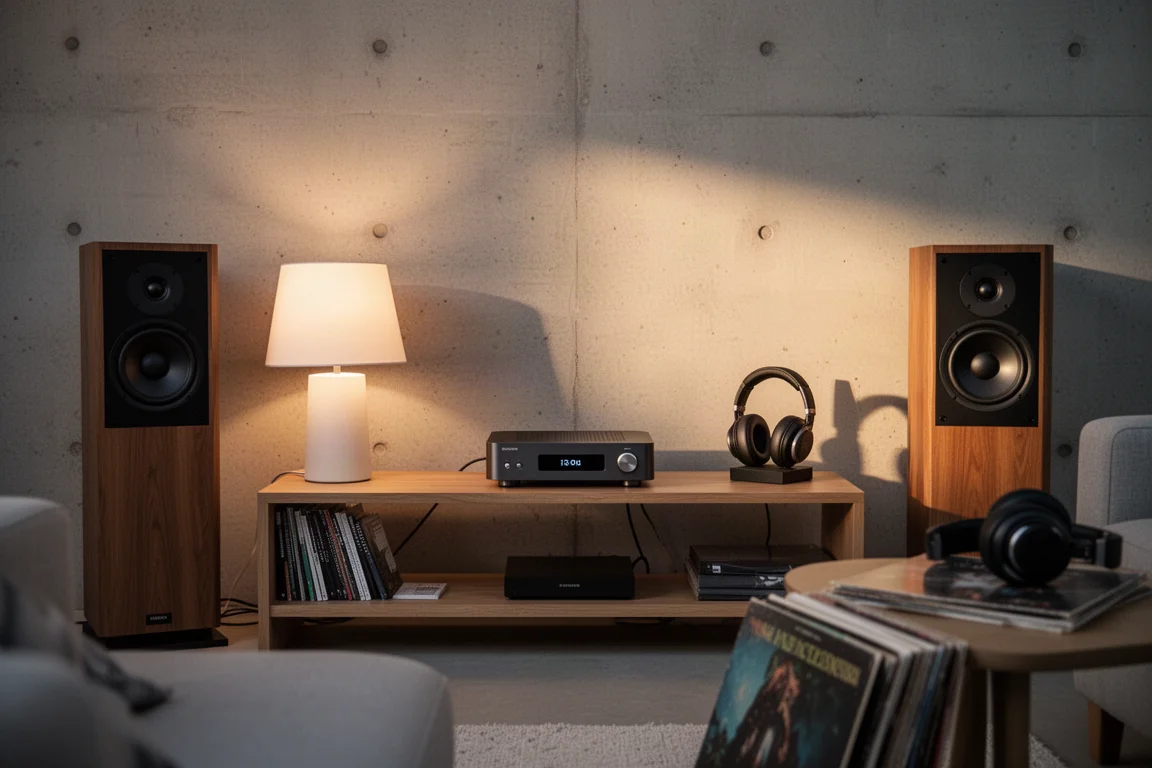
The changes are concentrated where they matter most for listeners: a new digital-to-analog converter, a redesigned headphone stage with a full-size jack, a small remote control, and a silver finish for the anniversary. For anyone building or refining a streaming system, the Node X is worth understanding in detail before deciding whether the anniversary model is the right fit.
Who the Bluesound Node X Is For
At its core the Node X is a music streamer that works natively with most major streaming services, including Spotify, Tidal, Qobuz, Deezer, Amazon Music, iHeartRadio, TuneIn, and Neil Young Archives. It also plays MQA high-res files, the format Tidal is known for, supports AirPlay 2, and offers two-way Bluetooth with aptX HD so a phone or tablet can stream to it. Music files stored on your own network are accessible as well.
Control runs through the BluOS app for Android and Apple devices. Tone controls and listening modes sit inside the app, which makes it straightforward to tailor the sound to a room or a personal preference without touching the hardware.
The connection set is where the flexibility really shows. The analog outputs can be configured two ways: at fixed level, for feeding a receiver or integrated amplifier whose volume control you prefer to keep using, or at variable level, which turns the Node X into the main control center of a system. A 3.5 mm input accepts an adapter from a turntable with a built-in phono preamp, or a feed from a separate phono preamp. An HDMI eARC connection takes the audio feed from a TV and lets the TV remote control the Node X’s volume. There is a USB input for local music files, and a subwoofer output with an adjustable crossover that makes blending in a powered subwoofer considerably easier. From there, the variable output can feed a power amplifier or a pair of powered speakers.
Digital coax, optical, and USB outputs allow the Node X to feed an external DAC, which is a practical route for anyone who already owns a high-performance converter but has no way to access streaming. A quad-core 1.8 GHz ARM Cortex A53 processor handles those duties.
For multi-room setups, up to 64 Bluesound players can be connected in one system and play back bit-perfect 24-bit high-res audio in sync. Rooms can be grouped together or sent different sources, zone by zone.
What the Node X Improves Over the Previous Node
The previous generation Node moved to a Burr Brown 5242 fully balanced DAC that is 32-bit and 384 kHz compatible. For the anniversary model, Bluesound replaced that converter and reworked the headphone section.
A New ESS Saber DAC
The Node X uses an ESS Saber 9028Q2M DAC, which brings lower jitter, lower noise, lower distortion, and a wider dynamic range. The specification shift is meaningful: the ESS part is quoted as 5 dB quieter with almost seven times less distortion. In quantity, the new converter costs roughly two and a half times as much as the Burr Brown it replaces, which says something about where Bluesound chose to spend on this anniversary edition.
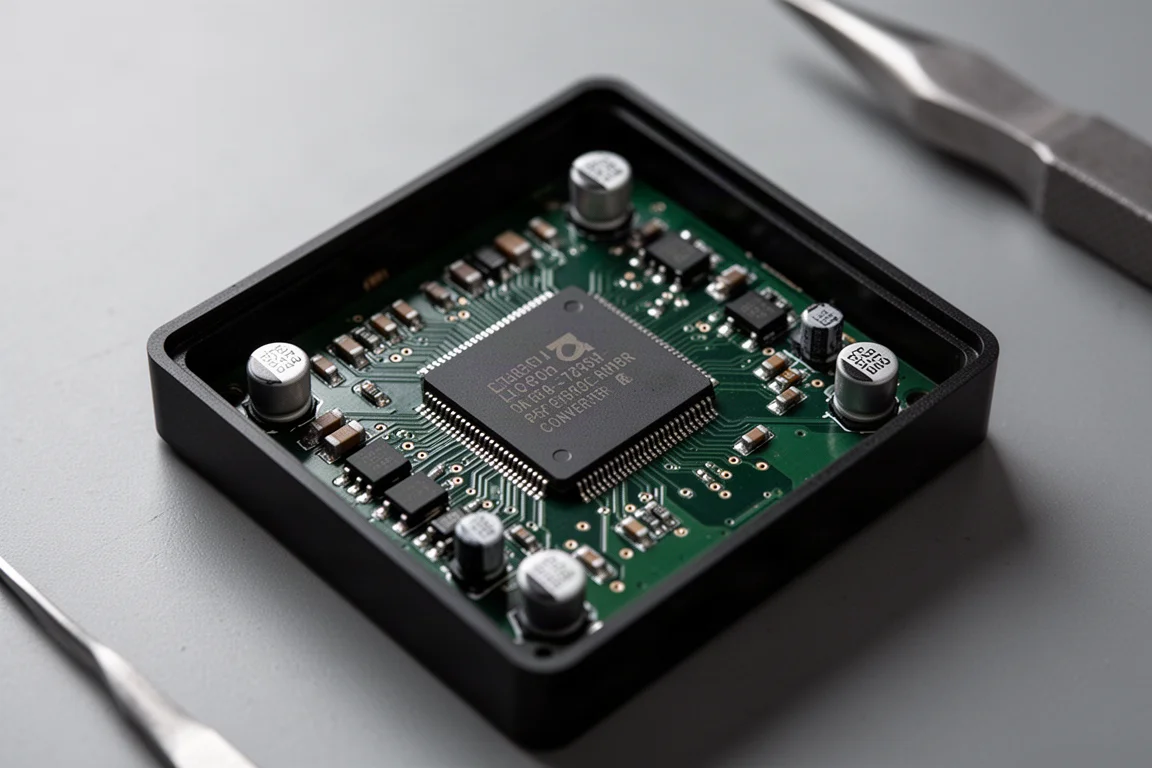
Specifications only tell part of the story, and the practical question is whether the change is audible in a given system. In a revealing setup the improvement is easier to notice, while in a casual or whole-home listening setup the gap narrows considerably.
A Full-Size Headphone Jack With THX Amplification
The previous Node used a 3.5 mm headphone connector. The Node X moves to a full-size 6.5 mm jack, so high-end headphones can be connected without an adapter. The headphone stage now relies on a THX Achromatic Audio Amplifier, a piece of hardware developed specifically for headphone listening with very low noise and distortion, which translates into a fatigue-free experience over longer sessions.
Headphone amplifiers are easier to judge on a good pair of headphones than on speakers, so this upgrade is most relevant to listeners who already own quality headphones.
Remote, Finish, and Everyday Controls
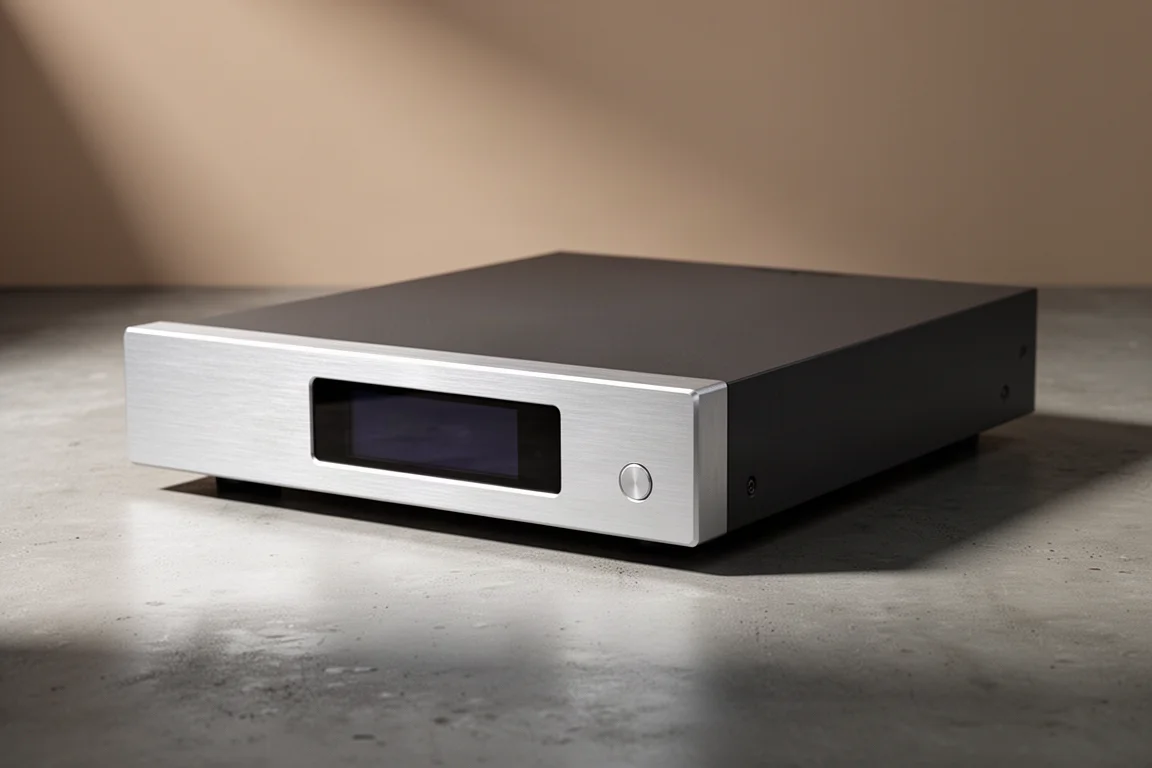
The Node X ships with a small remote that mirrors the buttons on top of the unit, and it wears a special silver finish for the anniversary.
That top panel has been a touch-sensitive glass surface since a 2021 update, with a proximity sensor that keeps it dark until you come close. It offers a volume slider, skip back, and play/pause, along with five programmable preset buttons that can be assigned to a playlist or a radio station in the app. In everyday use, those presets are the feature that keeps a phone in a pocket: favourite music starts with a single touch.
What the Upgrade Sounds Like in Practice
In a level-matched comparison using identical cables and the same track, the Node X came across as clearly superior to the standard Node. The biggest difference was more subtle detail in voices and instruments, the kind of improvement that shows up on well-recorded material.
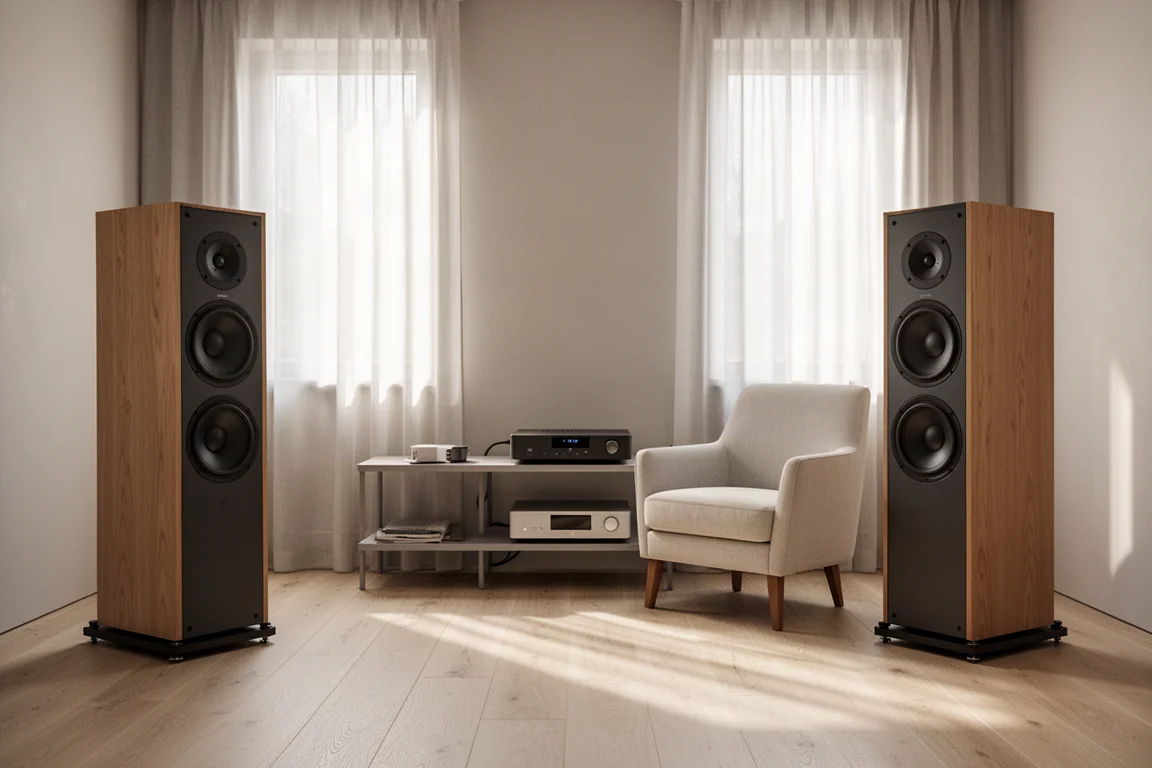
One practical detail: at fixed output the Node X played noticeably louder, most likely because of its balanced output stage, so levels need to be matched before drawing conclusions.
The takeaway is conditional. If a Node feeds a revealing system, the upgrade is worth considering. If it is used mainly for whole-house background music or casual listening, the standard Node remains perfectly capable and the extra outlay is harder to justify. The proximity display and preset buttons are pleasant features to live with, but they are not on their own a reason to replace an existing unit.
Things to Consider Before Buying
The Node X is a streamer and preamp rather than an amplifier, so a two-channel system still needs powered speakers or a power amplifier to make sound.
The anniversary model is a limited edition, which is worth keeping in mind if you tend to buy at a specific moment.
The DAC improvement is most audible in a revealing system. For background listening or multi-room use, the difference is subtle, and the standard Node covers those jobs well.
The headphone upgrade matters most with high-quality headphones, since that is where a better amplifier is easiest to hear.
Whole-home benefits depend on how many other Bluesound players are in the system, since the platform’s strength is running many zones from one app.
Buying Advice
The Node X makes the most sense for listeners building a compact but high-performance two-channel streaming system, where the variable output feeds a power amplifier or powered speakers and the subwoofer output handles a powered sub.
It is also a strong option for anyone with an external DAC who wants to add streaming through coax, optical, or USB, and for whole-home listeners who want one platform to run up to 64 zones in sync.

Owners of an existing Node in a revealing system have a reasonable case for upgrading, since the new converter and headphone stage are the main event. Owners who use a Node mainly for background music or casual listening can comfortably stay with what they have and revisit the question only if the rest of the system changes.
Conclusion
The Node X is a fitting anniversary piece: the same flexible streaming platform as the Node, with a better DAC, a proper headphone stage, a remote, and a silver finish. Its strengths are clear, and so is its audience. Choose it if the rest of your system is good enough to show what the new converter can do. If you stream for atmosphere rather than for detail, the standard Node remains an excellent choice.
Product link
View more details for Bluesound Node X
This product is mentioned in the review. Check the specifications, options, and compatibility before buying.
View more details for Bluesound Node XFurther reading
Related Reviews
Music Streamers
Arylic S10 Plus vs WiiM Mini: Two Affordable Music Streamers Compared
A practical comparison of the Arylic S10 Plus and the WiiM Mini, covering connections, apps, tone controls, and how each internal DAC actually sounds.
Music Streamers
Auralic Aries G1.1 Review: A Streaming Transport That Lifts a Resolving System
A close look at the Auralic Aries G1.1 streaming transport, covering its twin-transformer power supply, Tesla G2 processing, Lightning DS app and the systems where it genuinely pays off.
Music Streamers
Bluesound Nano Review: A Compact Streamer That Keeps Things Simple
The Bluesound Nano is a stripped-down network streamer at $299, with a solid chassis, quick setup, and a clean, punchy sound. Here is what to know before buying.