Music Streamers
Bluesound Node Review: A Streaming Preamp Built Around Usability
The Bluesound Node combines gapless playback, a refined DAC, and generous connectivity in a $600 streaming preamp that is easy to live with.
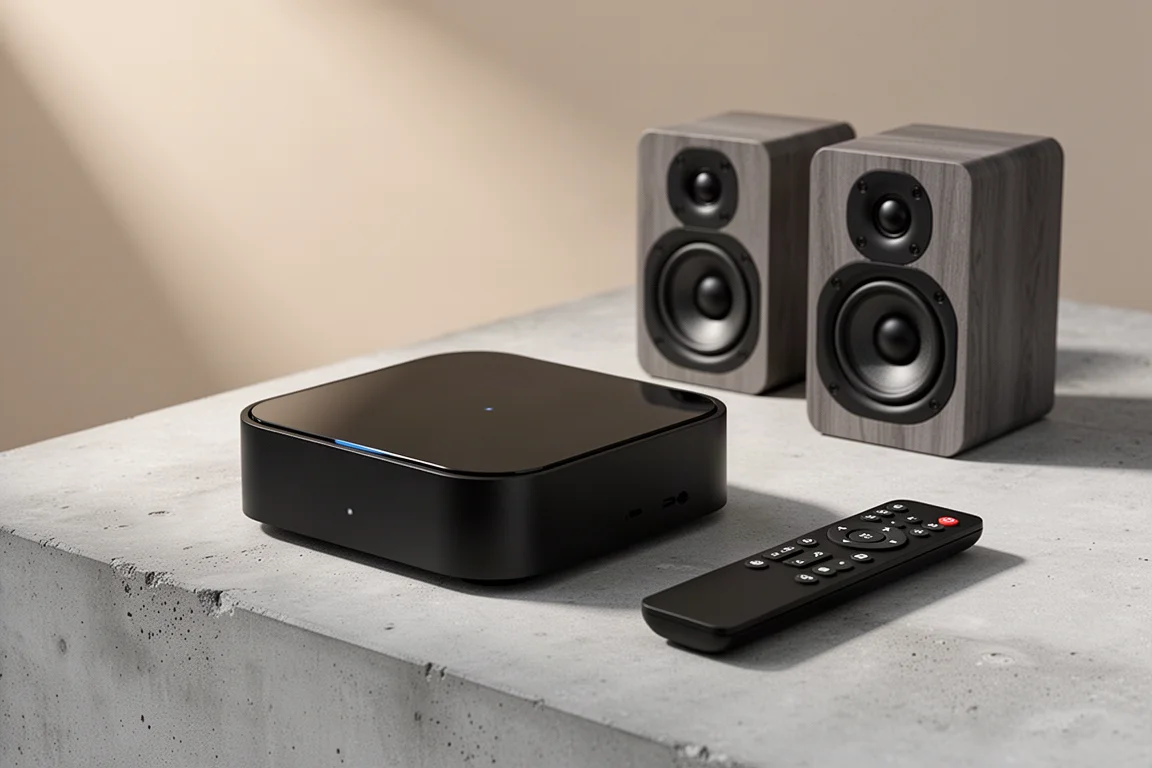
Introduction
The Bluesound Node is the current generation of the company’s streaming preamp, arriving after the original Node and the Node 2i. It puts a network streamer, a digital-to-analog converter, and a flexible system hub into one compact chassis, with a list price of around $600. That number raises a fair question, because a streamer on its own should not cost that much. The value has to come from everything else the box does.
The short answer is that the Node earns its price through software, connectivity, and a DAC that has moved on noticeably from the previous generation. It is less about one headline specification and more about how many jobs it can absorb in a small system.
Who This Streamer Is For
Three kinds of listeners get the most from the Node.
The first is the album listener. Gapless playback matters when one track runs directly into the next, and a pause of a second or two breaks the illusion on live records and on albums written as continuous pieces. If you mostly play playlists, this is a minor detail. If you listen front to back, it is close to essential.
The second is the Amazon Music subscriber. The Node plays Amazon Music gaplessly, which is unusual among third-party streamers. Amazon’s own hardware does it, but the Node is the notable non-Amazon product that manages the same thing.
The third is the listener building a compact system around a television. With HDMI eARC, an analog input, a subwoofer output, and bass management on board, the Node can act as the hub of a simple two-channel setup that handles both music and TV sound.
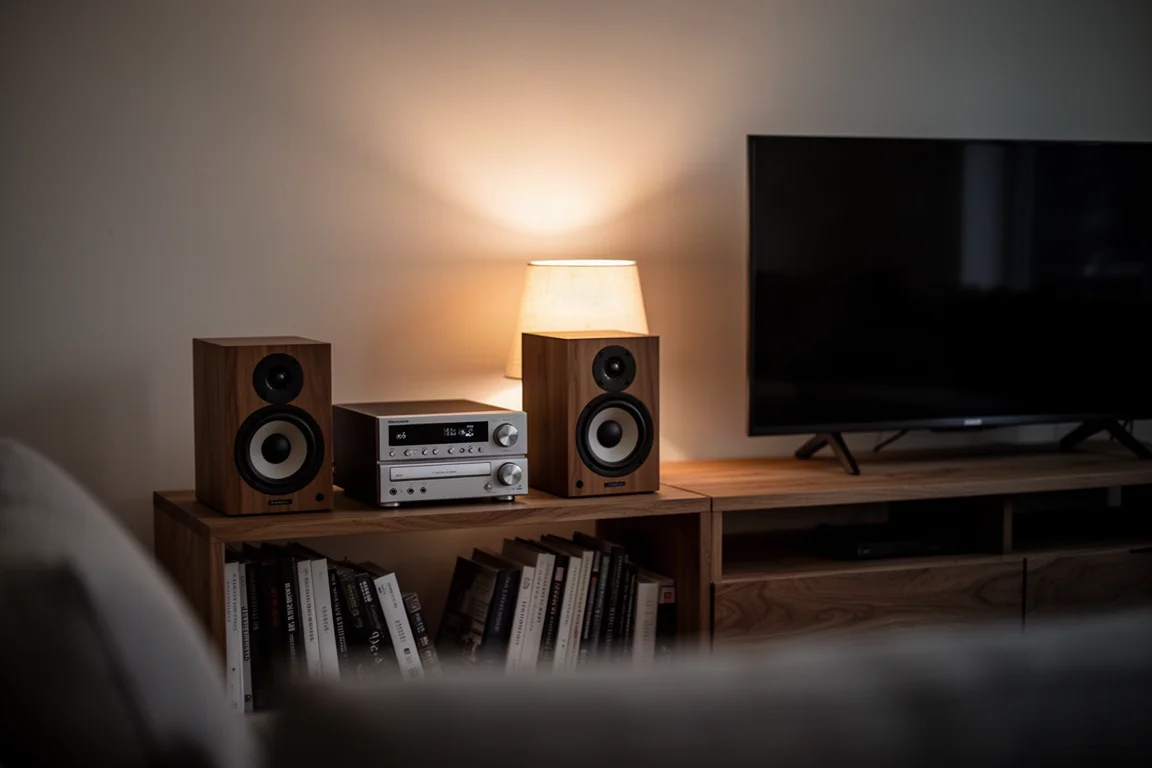
There is a broader point behind all of this. Convenience and fidelity usually pull in opposite directions, and most listeners settle somewhere in the middle. A component that is pleasant to use gets used, and music that gets played beats music that sounds theoretically better but sits untouched. The Node is aimed squarely at that trade-off.
Main Strengths
The Node’s appeal is a collection of small things done well rather than a single standout feature.
Gapless Playback and Service Support
Gapless playback is the headline. The Node handles it natively, and it extends that behaviour to Amazon Music, which most competing streamers do not. Tidal Connect and Spotify Connect are also supported, so you can cast straight from those apps and skip the Bluesound app entirely. The Bluesound app itself is polished and covers a long list of services, and Bluetooth with aptX HD is there for casual listening.
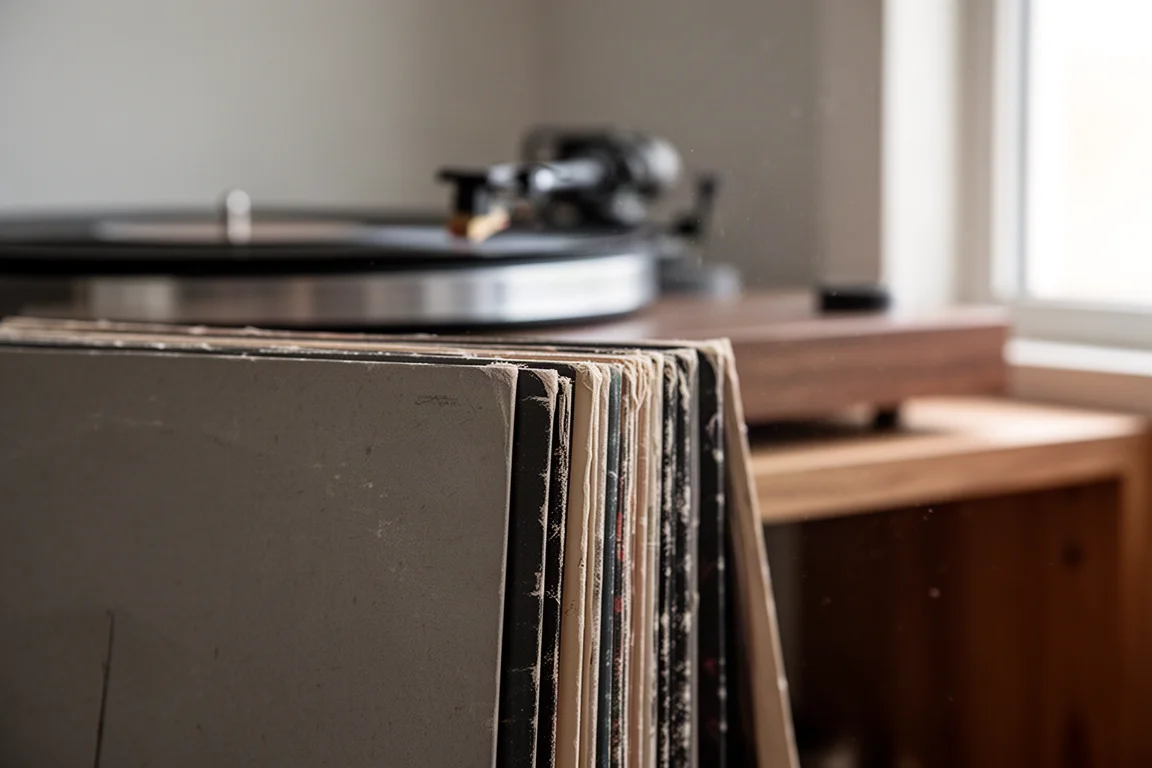
Local libraries are covered too. The rear USB port accepts a hard drive or thumb drive filled with FLAC files, and the Node can pull music from a NAS on the same network. Roon also works without fuss.
DAC Quality and Sound
The converter in this generation is a clear step up from the Node 2i. It sounds more spacious, retrieves more detail, and holds together better across a busy mix. Instrument separation is cleaner and the presentation is more dynamic. The Node 2i’s DAC was not poor, but it attracted criticism, and this generation answers that directly.
The digital outputs matter here. Optical and coaxial outputs let you feed an external DAC later if you want a different flavour or a step up in quality, and MQA can be passed through to that external DAC as well as handled internally. The Node can also accept a digital input, so it can serve as a converter for a television or another digital source.
Connectivity and System Flexibility
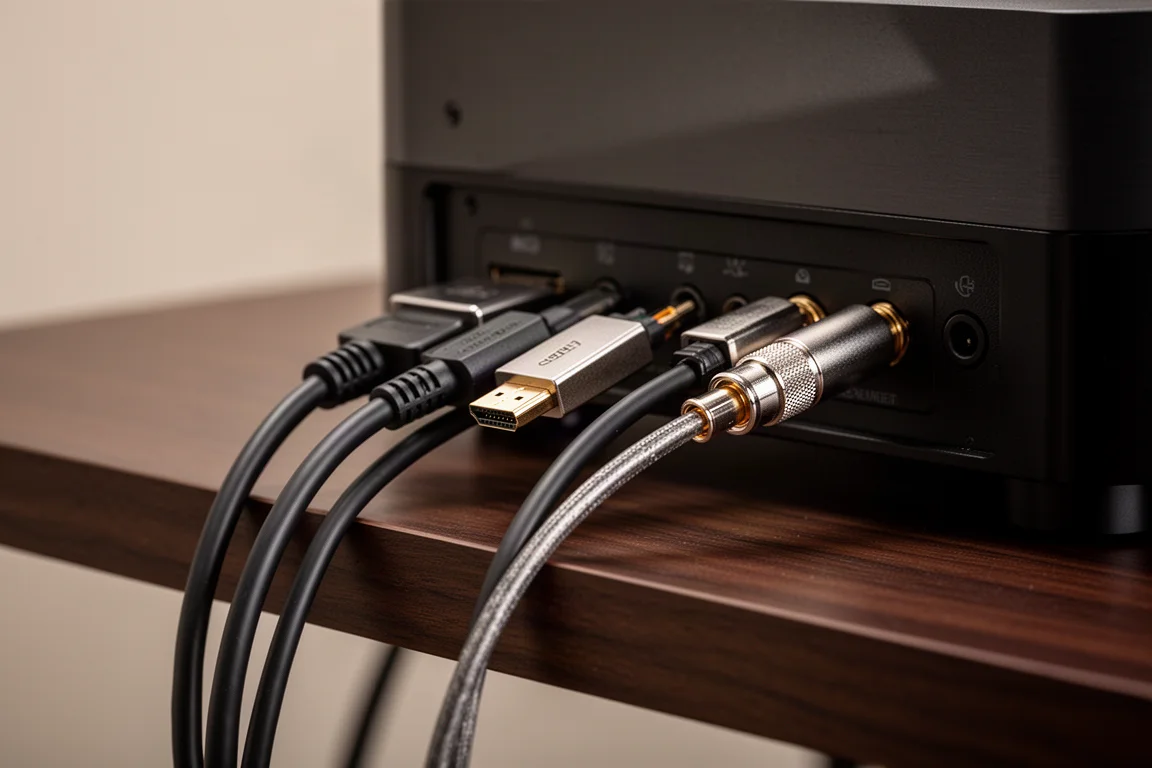
The rear panel is unusually generous for the price. There is HDMI eARC for a television, one mini optical digital input, a 3.5mm analog input, optical and coaxial digital outputs, a subwoofer output, a USB port, and an Ethernet socket. Wi-Fi is built in and proved stable, connecting first time and holding a signal without dropouts even at the far corner of a house, where reception is generally poor.
Bass management is a welcome inclusion. A high-pass filter can be applied to the front speakers while the subwoofer output handles the low end, which helps a small pair of speakers integrate far more cleanly with a sub. Switching tracks over Wi-Fi takes roughly one to two seconds, which is quick in practice.
On top, a glass-like control surface offers basic touch controls with a proximity sensor that wakes as your hand approaches. A full infrared remote is available separately for around $60 if you prefer physical buttons for volume and track changes.
Things to Consider Before Buying
The price is the first consideration. At around $600, the Node costs more than most people expect to spend on a streamer, and the argument for it rests on the DAC, the inputs and outputs, and the software rather than on streaming alone.
Two physical details are worth knowing. The 3.5mm analog input and the mini optical digital input share the same jack, so you use one or the other. There are also two digital inputs in total, one HDMI and one mini optical, with no separate full-size analog input.
There is no front display, so album art and track information live in the app or on the source device. That is the one addition that would make an already complete product more appealing.
If Amazon Music is your only service and $600 is out of reach, the Amazon Echo Link covers similar ground for Amazon Music specifically. A lower-cost streamer in the roughly $200 range offers comparable functionality without Tidal Connect, and a Raspberry Pi running a streaming distribution is another route. None of these match the Node’s software.
Buying Advice
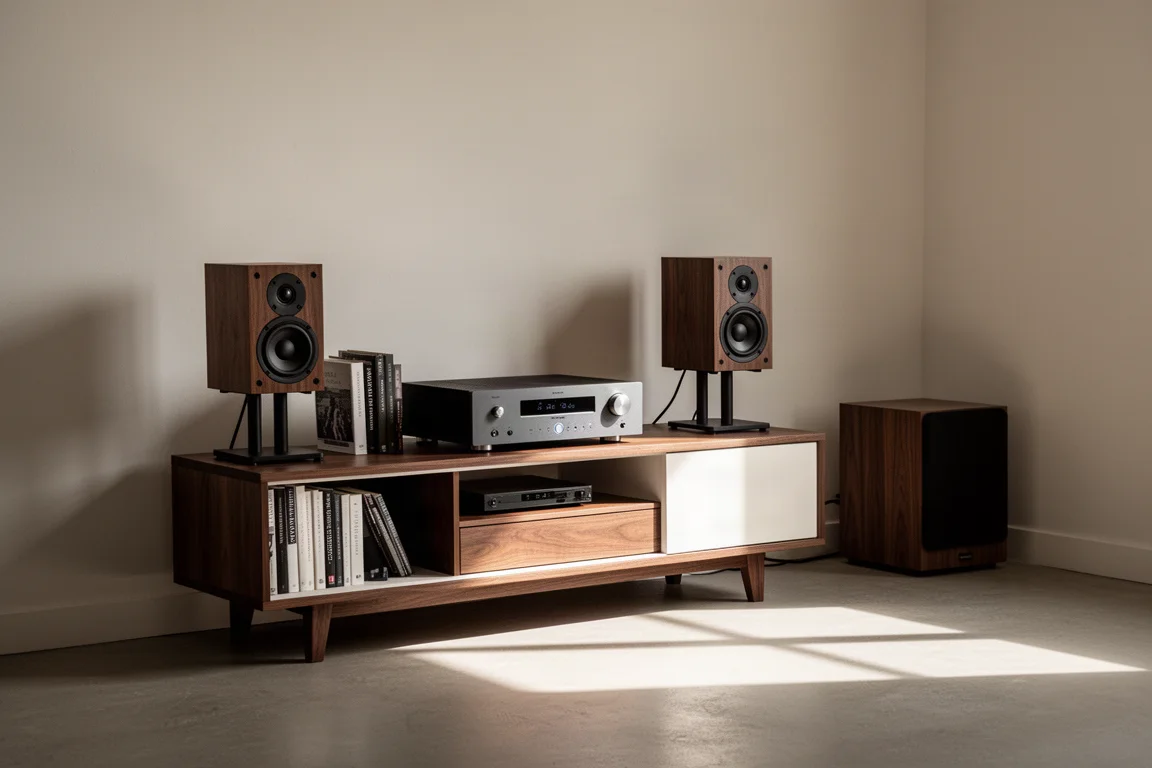
The Node makes most sense as the centre of a modest system rather than as an add-on to an expensive one. A realistic build runs the Node at around $600, a compact amplifier at around $80, a pair of bookshelf speakers at around $250, and the optional remote at $60, which lands close to $1,000 for a complete streaming system that also handles TV sound. Adding a subwoofer at around $300 and a turntable at around $250 brings the total to roughly $1,500, with the turntable connected to the Node’s analog input.
If you already own an external DAC that you like, the optical and coaxial outputs let the Node serve purely as a transport, and MQA passthrough is retained. That makes the purchase more of a long-term platform than a single fixed configuration.
For listeners who only ever want one streaming service and never plan to add a subwoofer, turntable, or television, a cheaper streamer will do the job. The Node’s case is strongest when it is asked to do several of those things at once.
Conclusion
The Bluesound Node is easy to recommend because it removes friction. Its DAC is a genuine improvement over the Node 2i, its connectivity covers a television, a turntable, a subwoofer, and a local library, and its gapless playback reaches services that most rivals leave gapped. The software ties it together, and software is the part competing streamers most often get wrong. At around $600 it is not inexpensive, but for a listener who wants one box to handle streaming, TV audio, and a small system, it is one of the most complete options available.
Product link
View more details for Bluesound Node
This product is mentioned in the review. Check the specifications, options, and compatibility before buying.
View more details for Bluesound NodeFurther reading
Related Reviews
Music Streamers
Arylic S10 Plus vs WiiM Mini: Two Affordable Music Streamers Compared
A practical comparison of the Arylic S10 Plus and the WiiM Mini, covering connections, apps, tone controls, and how each internal DAC actually sounds.
Music Streamers
Auralic Aries G1.1 Review: A Streaming Transport That Lifts a Resolving System
A close look at the Auralic Aries G1.1 streaming transport, covering its twin-transformer power supply, Tesla G2 processing, Lightning DS app and the systems where it genuinely pays off.
Music Streamers
Bluesound Nano Review: A Compact Streamer That Keeps Things Simple
The Bluesound Nano is a stripped-down network streamer at $299, with a solid chassis, quick setup, and a clean, punchy sound. Here is what to know before buying.