Music Streamers
Bluesound Node Nano vs Node vs Node Icon: Which Streamer Fits Your System?
A practical comparison of the three Bluesound Node streamers, covering what the Node Nano, the Node, and the Node Icon each bring to a streaming system.
Introduction
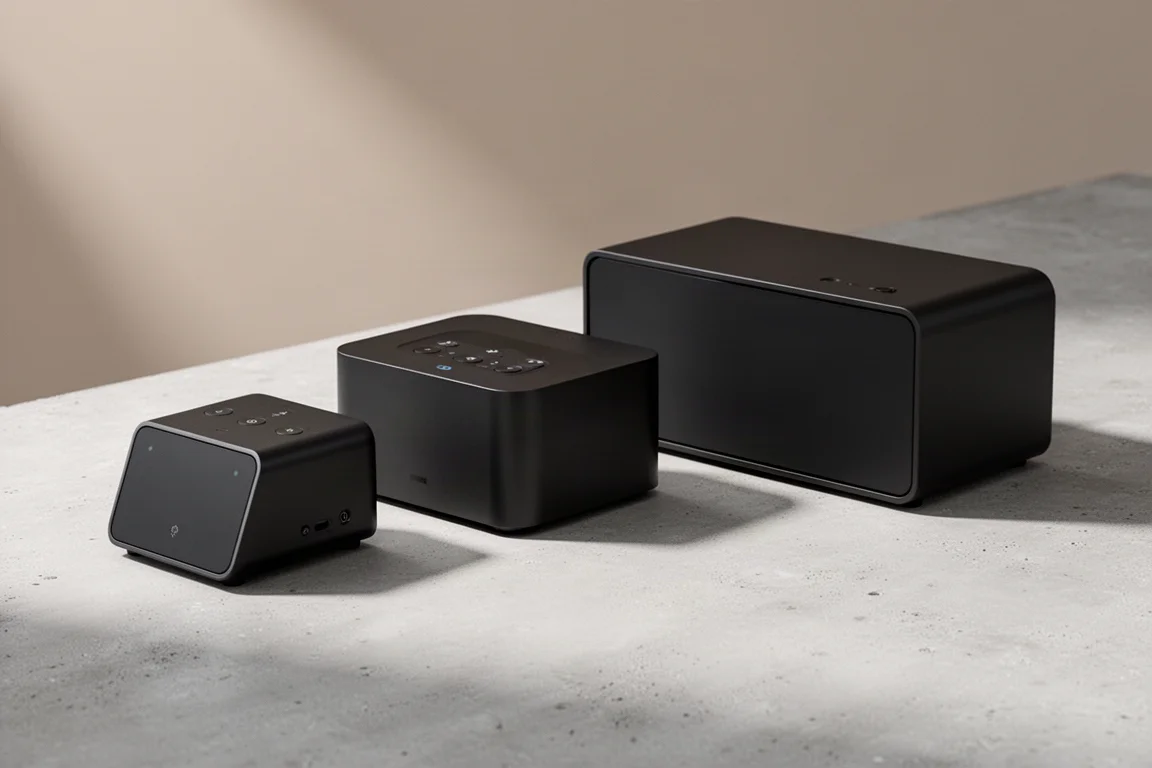
Bluesound has rebuilt its Node lineup around three streamers that share a single purpose: bringing high-resolution streaming into a system you already own, or becoming the source at the heart of a new one. The Node Nano, the Node, and the Node Icon can each work as a standalone streamer, and each can also feed powered speakers or a separate power amplifier through fixed or variable level outputs.
The range now covers a much wider spread of budgets than before. Bluesound has lowered the price of entry to its streaming family while making these the best-sounding Nodes yet, which means the practical question is not whether a Node belongs in your system, but which of the three suits the way you listen.
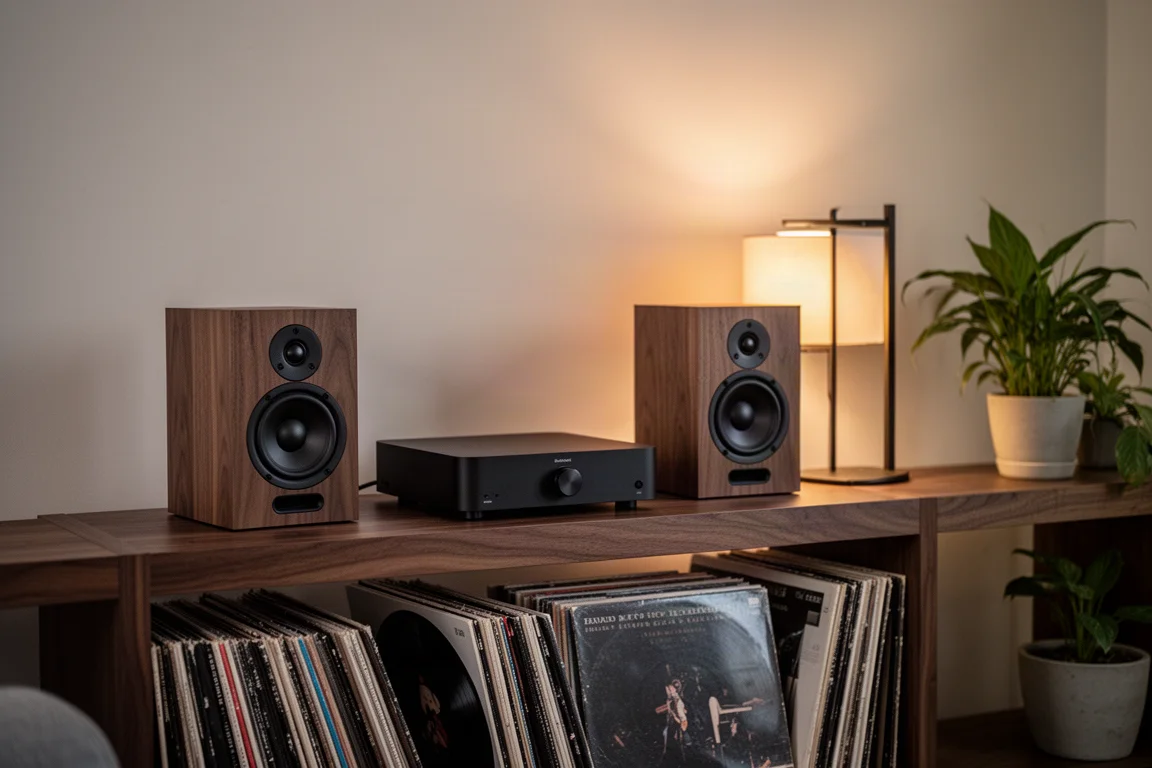
The brand behind the lineup has a long history in high-value audio. Lenbrook International, the parent company of Bluesound, also owns NAD, the company whose 3020 integrated amplifier arrived in 1978 and became one of the best-selling integrated amps ever made. Bluesound launched more than a decade ago with a similar goal of making high-resolution streaming accessible at a price that made sense, and the Node has been the best-selling piece in the range by a wide margin ever since.
What Every Bluesound Node Shares
All three streamers run BluOS, the software platform that handles streaming, library access, and multiroom control. BluOS supports true high-resolution streaming up to 24-bit/192kHz and covers the major services, including Qobuz, Tidal, and Deezer alongside Spotify, Pandora, Amazon, and many others. It also plays high-resolution files stored on your own network and supports grouping rooms together. Apple users get AirPlay 2 support, voice control is available if you want it, and the app runs on iOS, Android, or a PC.
The hardware approach is consistent as well. Every model can sit in an existing system as a source, or act as a preamp feeding powered speakers or a power amplifier, thanks to its fixed and variable output modes. The Node Nano and the Node both use the ESS Sabre ES9039Q2M, a newly introduced top-of-the-line two-channel DAC with the highest dynamic range in that family to date, while the Node Icon steps up to a pair of the same DACs in a balanced configuration.
Bluesound Node Nano: The Entry Point to High-Res Streaming
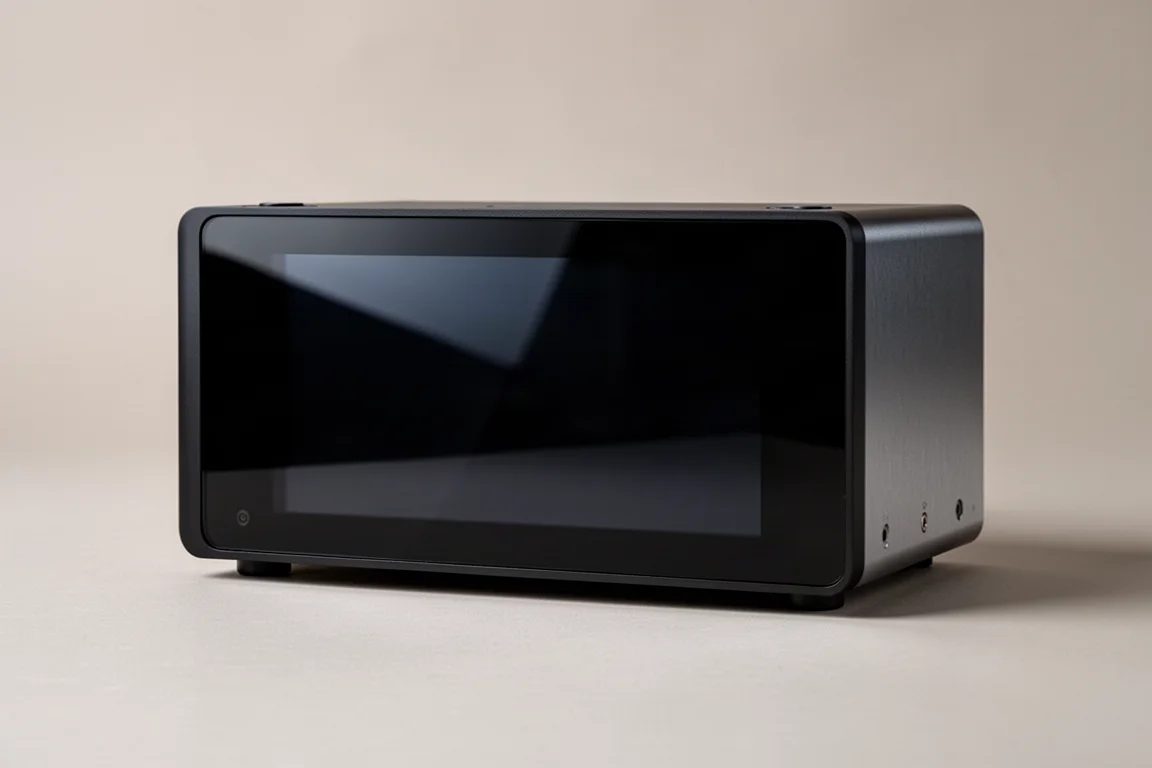
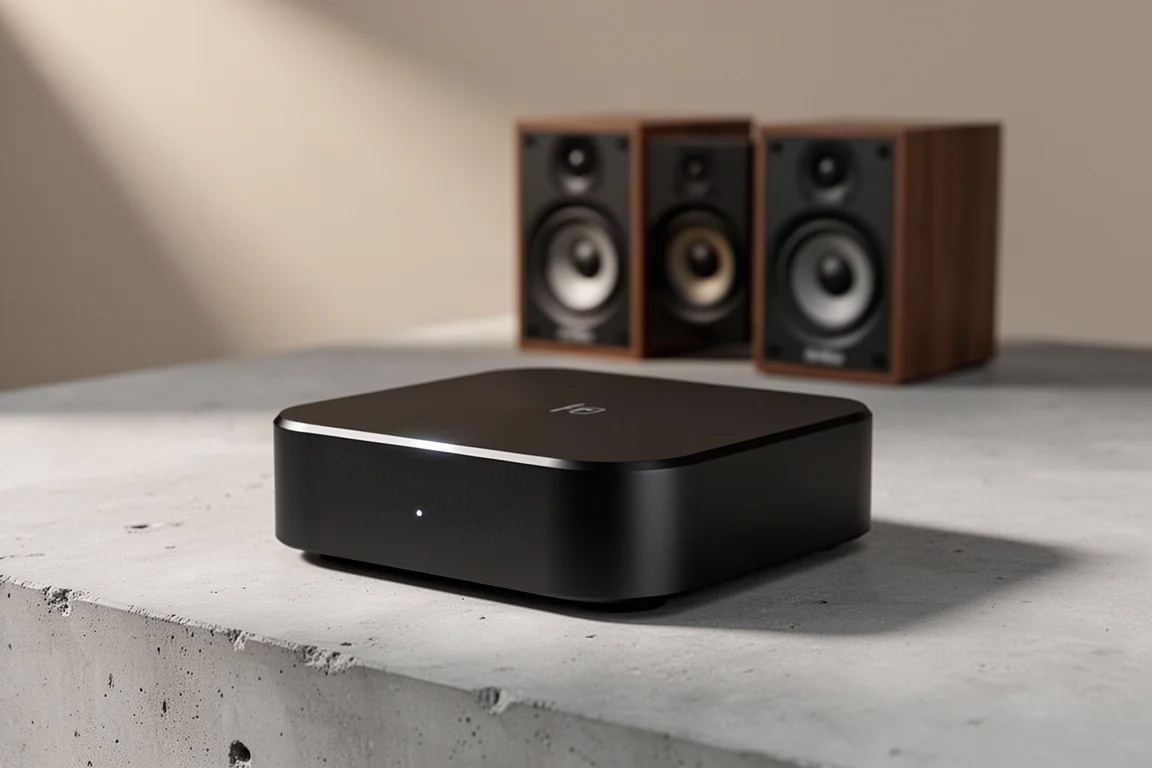
The Node Nano is the most focused of the three. Earlier Nodes earned a reputation as the Swiss army knife of streamers, with multiple inputs, a subwoofer output, and plenty more besides. The Nano strips that back: there are no physical inputs at all. It exists to stream high-resolution audio from the internet or from music files on your network, and to do it at a price that undercuts the rest of the range.
The design is compact and modern, with an angled front panel and touch controls for quick volume changes. Two presets can be configured in the BluOS app for instant access to a favourite service or playlist. The ESS Sabre ES9039Q2M DAC sits at the centre of the hardware, supported by circuitry from an engineering team with decades of digital and analog experience behind it. MQA files are supported, and a future update is planned to enable DSD.
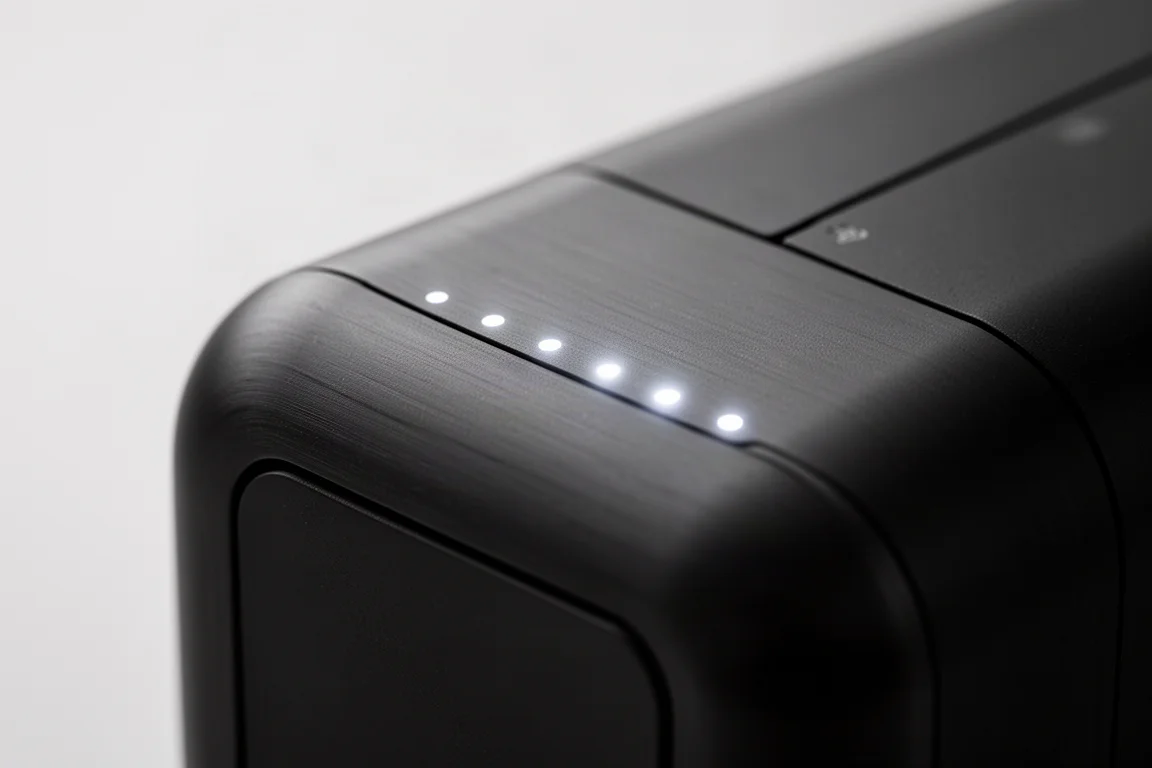
Bluetooth with aptX Adaptive two-way is on board, which makes it easy to send sound to wireless headphones or let a guest play something from a phone. Around the back, RCA outputs can run at fixed level into an existing system or switch to variable level to act as a preamp for powered speakers or a power amplifier. Coaxial and optical digital outputs are included as well, so the Nano can also feed an outboard DAC in a more serious digital setup. The unit can even learn IR commands.
In sound quality terms, the Nano is not simply a cheaper version of the larger Node. Its newer DAC pulls out more fine detail and sounds slightly more open, while the earlier Node retains a little more bass extension and greater dynamic punch. Those differences appear to come down to the larger power supply in the full-size Node, and they will be easier to hear on a resolving system than on a modest one. At $299 as of August 2024, the Nano is a remarkably strong entry point, and it is also a modest-cost way to add a second listening zone if you already own other Bluesound components.

Bluesound Node
The Node keeps everything the Nano offers and adds the flexibility that made the name so popular. It works as a full-function preamp, and its input set is far broader: a dual-purpose mini plug that accepts analog audio or an optical digital signal, plus an HDMI eARC input that makes it simple to route television sound into an older system.
Touch controls on the top panel cover skip, back, five presets, volume, and mute. Digital outputs match the Nano with coaxial and optical connections, and the standout addition is a fully configurable subwoofer output with an adjustable crossover. That matters most for owners of high-performance powered speakers, which often lack a subwoofer output entirely or offer only a fixed mono connection. Letting the Node handle the crossover makes proper subwoofer integration possible in a system that would otherwise struggle with it, and its compact chassis means it can sit directly on top of a powered speaker that holds all of the system inputs.
For passive speaker owners running a power amplifier, the Node is an equally capable preamp. Headphone listeners get a full-size jack driven by a THX Achromatic Audio Amplifier, a dedicated hardware design built for very low noise and distortion.
The Node uses the same top-of-the-line DAC as the Nano with very similar supporting circuitry, but a better power supply and upgraded components lift its performance. It combines the open, spacious character of the Nano with the bass weight and dynamics of the earlier Node, making it a clear step forward from the previous generation. The other headline feature is Dirac readiness. Dirac is a respected room correction system that removes much of the coloration caused by room shape, and it will be available as an optional software purchase, with special pricing expected in the $250 to $300 range for the Node.
Bluesound Node Icon: The Flagship Model
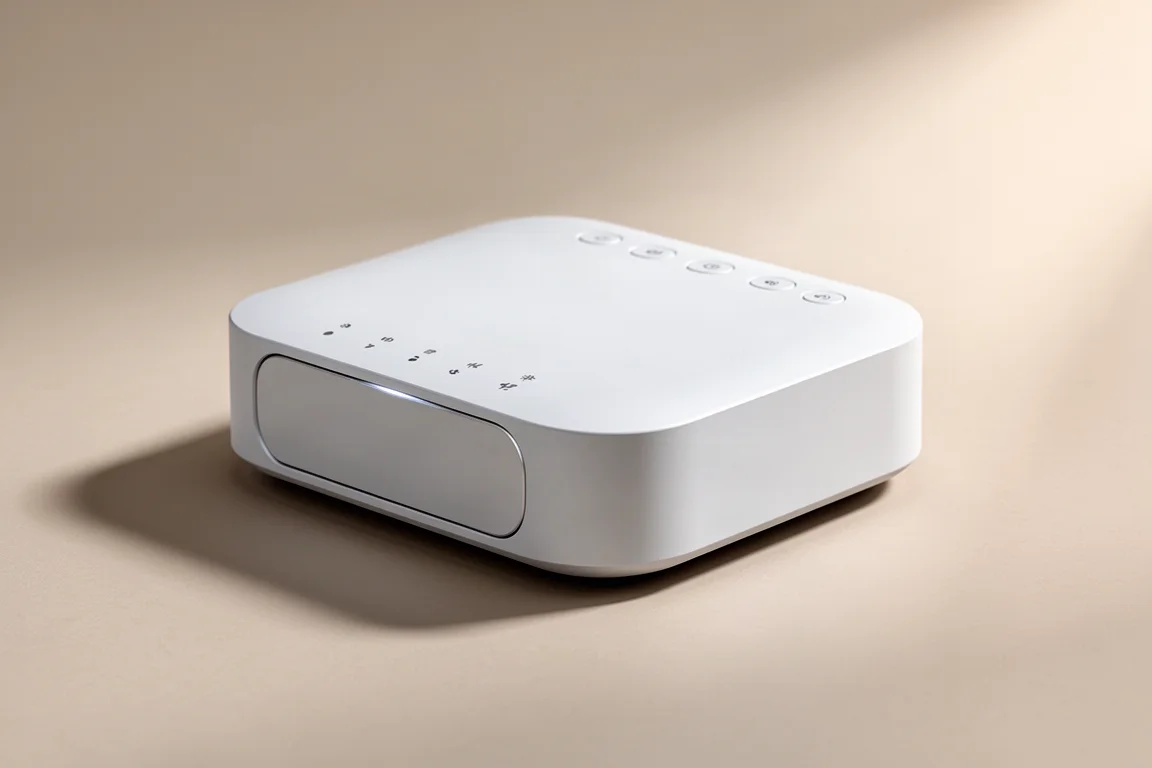
The Node Icon is the flagship of the new family, initially priced at about $1,000. It is a full-sized component with a large front panel display, and it uses a pair of the same new ESS Sabre DACs in a balanced configuration. Balanced audio outputs are included, along with a new balanced headphone amplifier, and the circuitry has been refined at length. Some of that work is likely to draw on experience from the NAD M66 streamer preamp.
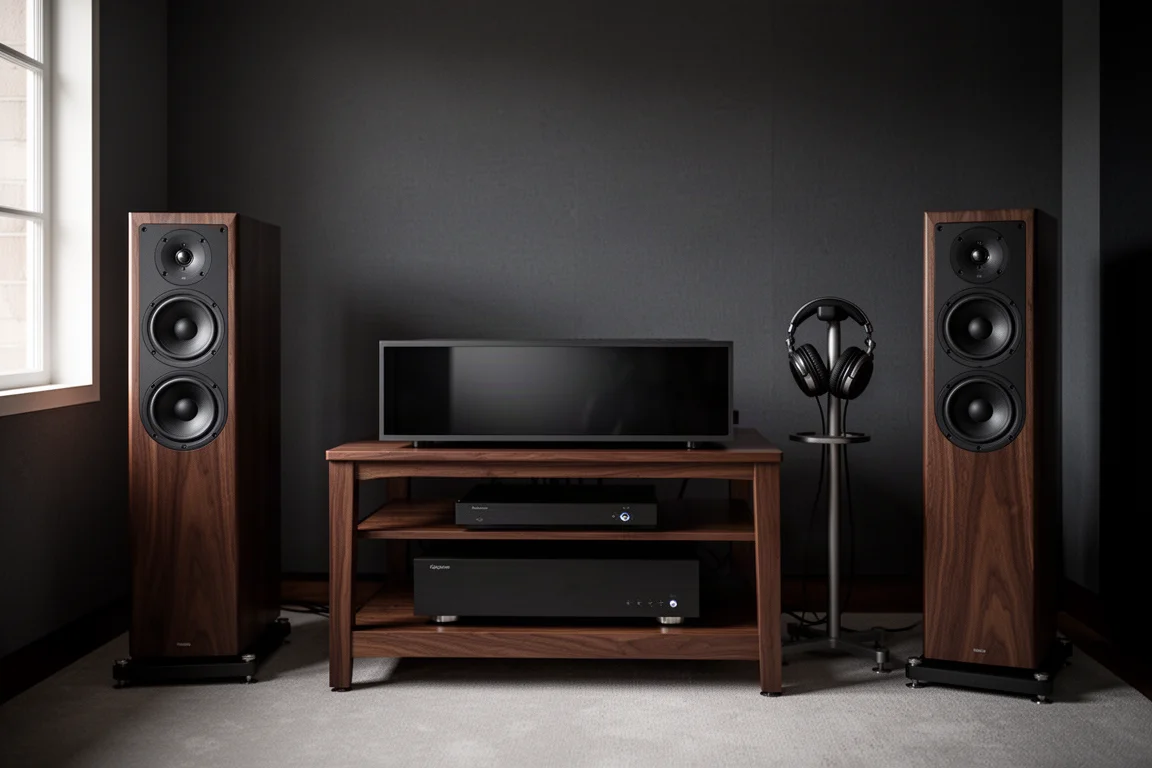
Availability in the US was expected in late fall 2024, and a fuller picture of its performance will become clearer once the model reaches dealers.
Matching a Node to Your Room and Speakers
The choice between the three comes down to what sits downstream of the streamer. If you already own a DAC or a system with digital inputs and simply want to add streaming, the Node Nano covers that ground with coaxial and optical outputs and a fixed-level RCA connection.
If your system is built around powered speakers, or a power amplifier and passive speakers, the Node’s wider input set, configurable subwoofer output, HDMI eARC input, and headphone amplifier make it the more useful tool. Room correction tips the balance further: the Node is the model to choose if you want to address acoustic problems in your room, since Dirac readiness is reserved for it.
The Node Icon is aimed at listeners who want a full-width component, balanced connections, and a display, and who are prepared to pay for the top of the range.
Buying Advice: Which Node Should You Choose
Budget is the first filter, and the Node Nano makes a strong case at $299 as of August 2024. If your only goal is high-resolution streaming into an existing system or an outboard DAC, there is little reason to spend more.

The Node is the more flexible choice, and the one to pick if you run powered speakers, want proper subwoofer integration, or plan to use Dirac to correct your room. It costs roughly double the Nano, and for many systems those features justify the difference. If you already own a current Node, the upgrade case rests mostly on Dirac and on the sound improvements that come with the better power supply, since the audible gap on its own is an improvement rather than a transformation.
The Node Icon is the premium option for balanced systems and for listeners who want the largest, most fully featured chassis in the lineup.
Conclusion
Three streamers, one software platform, and a clear hierarchy: the Node Nano for straightforward high-resolution streaming at the lowest price, the Node for flexibility, subwoofer control, and room correction, and the Node Icon for balanced connections and flagship build quality. Matching the model to the rest of your system matters more than chasing the top of the range, and the current lineup gives Bluesound its strongest and most accessible set of streaming options yet.
Further reading
Related Reviews
Music Streamers
Arylic S10 Plus vs WiiM Mini: Two Affordable Music Streamers Compared
A practical comparison of the Arylic S10 Plus and the WiiM Mini, covering connections, apps, tone controls, and how each internal DAC actually sounds.
Music Streamers
Auralic Aries G1.1 Review: A Streaming Transport That Lifts a Resolving System
A close look at the Auralic Aries G1.1 streaming transport, covering its twin-transformer power supply, Tesla G2 processing, Lightning DS app and the systems where it genuinely pays off.
Music Streamers
Bluesound Nano Review: A Compact Streamer That Keeps Things Simple
The Bluesound Nano is a stripped-down network streamer at $299, with a solid chassis, quick setup, and a clean, punchy sound. Here is what to know before buying.