Climbing Packs
Blue Ice Warthog 45L vs Stash Ice 38L: Two Alpine Packs, Two Very Different Jobs
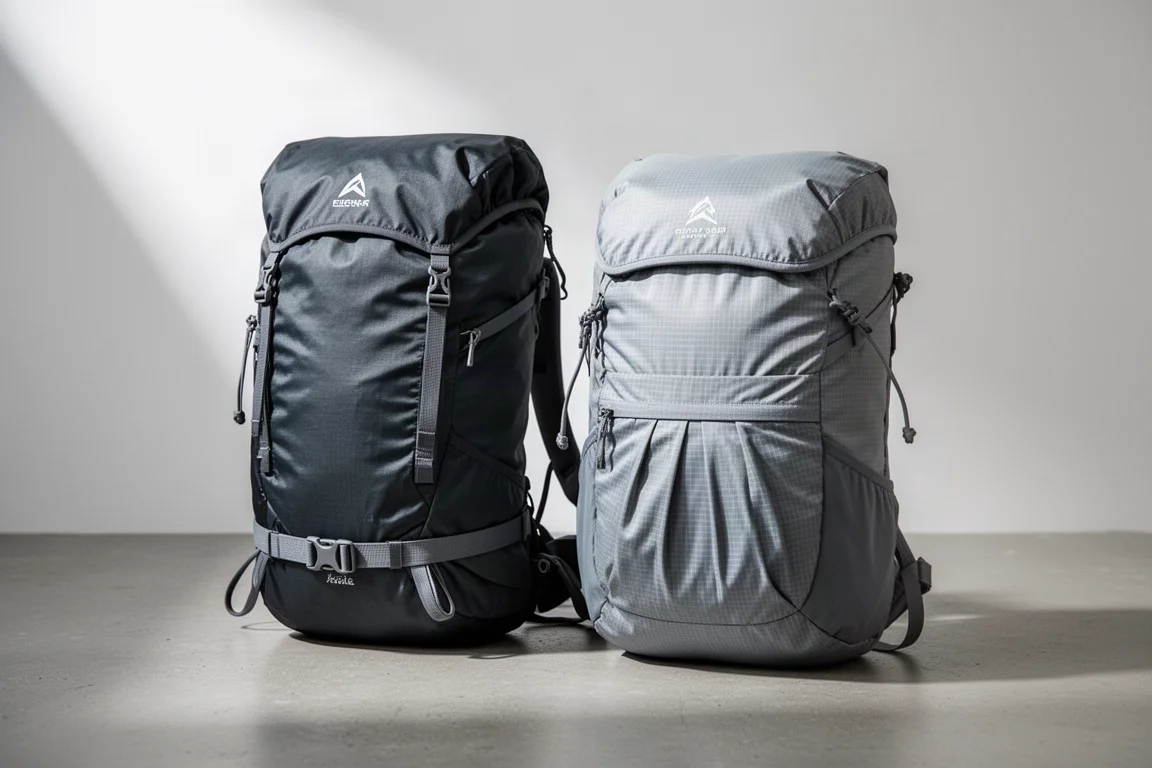
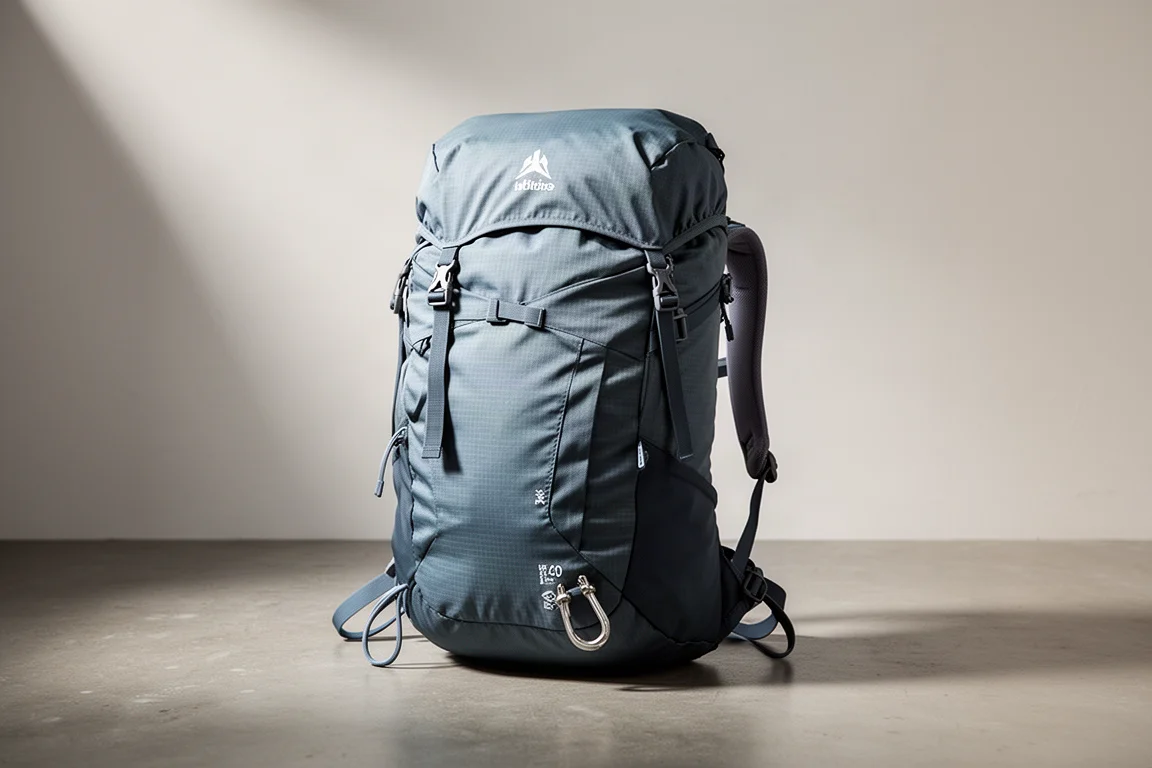
Two lightweight Blue Ice alpine packs with similar volumes and similar weights, and clearly different strengths once they are on the mountain.
Introduction
Blue Ice designs its range in Chamonix with alpine climbing in mind, and that intent is easy to see in both of these packs. The Warthog 45L and the Stash Ice 38L sit surprisingly close together on paper: similar volumes, similar weights, and the same pared back design language. On the hill they behave quite differently. This guide looks at what each one is genuinely good at, so you can work out which belongs on your back.
How These Two Packs Differ
The Warthog has been part of the Blue Ice range for the best part of a decade, and it has settled into the role of the brand’s total workhorse: extremely durable while still being remarkably light. The 45 litre version weighs 760 g, and the smaller 30 litre version comes in at around 660 g. The Stash Ice 38L weighs 670 g and is built around a much lighter face fabric, with a feature set that Blue Ice considers unusually complete for a pack of that weight.
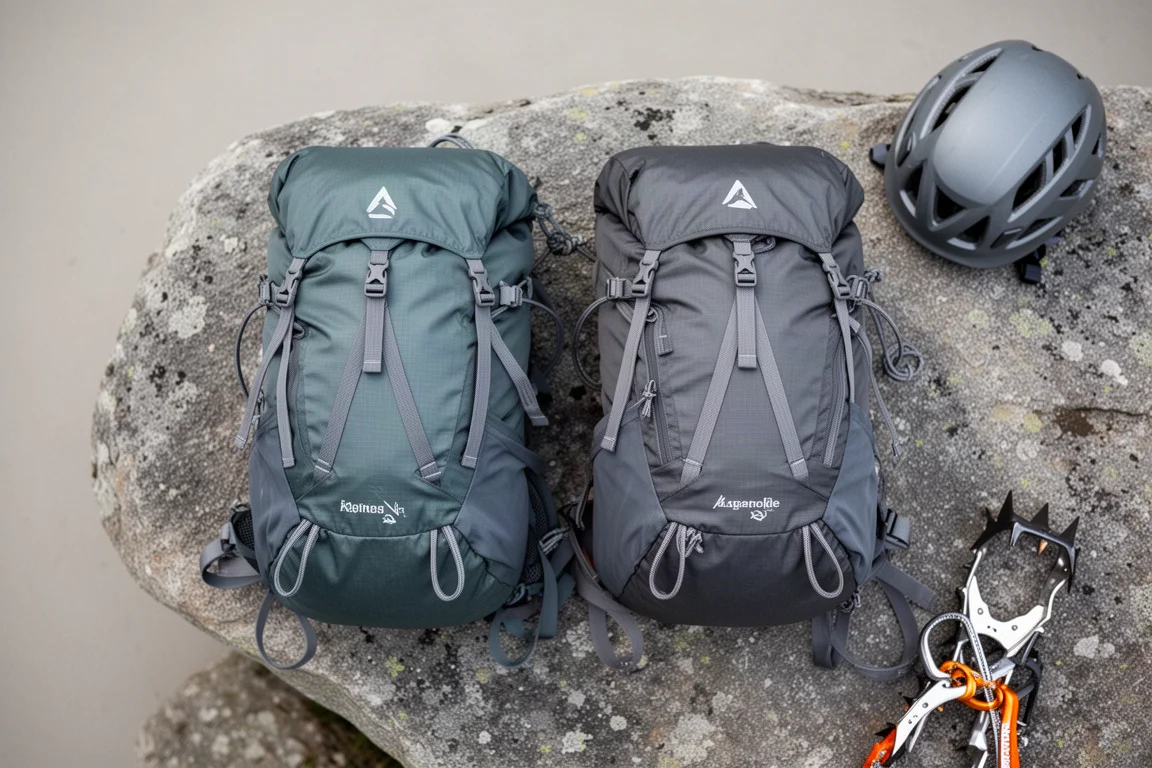
The practical difference comes down to intent. One pack is designed to be overloaded, dragged up a route and used as a base for a night out. The other is designed to feel almost absent when the climbing gets hard and the pack stays on your back.
Blue Ice Warthog 45L: The Alpine Workhorse
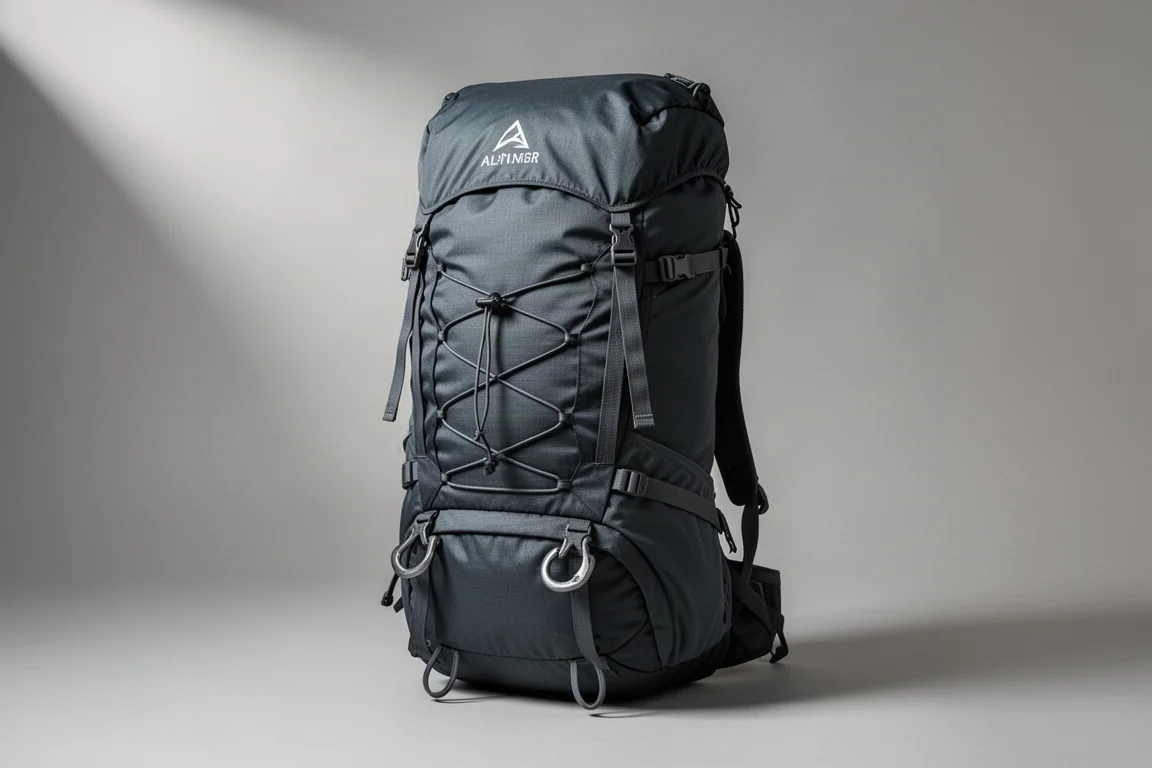
The most obvious thing about the Warthog is its fabric. It uses a high tenacity nylon TPU laminate, which means the body of the pack is waterproof and keeps your kit protected in genuinely bad weather. The roll top closure follows the same logic. It is not a fully waterproof pack, since there are seams and a zip, but it will keep gear drier than almost anything comparable. Blue Ice rates it among the toughest fabrics they have used, which matters if you end up hauling the pack up a route rather than carrying it.
Despite the simple look, the feature set is broad and almost everything is removable or adaptable. The side compression straps come off completely and can be re-arranged to suit your load. A small strap keeper holds the loose tail of the roll top closure so it never flaps in the wind and stays easy to grab with big gloves. There are daisy chains down the front, plus bungee cords that can be threaded back and forth, which makes a useful place for crampons or a helmet. The pack carries two ice axes, or just one, with toggles that work well even with gloves on.
The rope strap that runs over the top is removable, has its own clip, and lives in a dedicated pocket when it is not in use. It holds a rope securely, and it doubles as an excellent way to clip the pack to a belay anchor and adjust the length so the bag sits exactly where you want it. It is rated to 2 kN, so there is no concern about the pack tearing free. On the side there is a two-way laminated water resistant zip, handy for reaching food or a jacket that has sunk to the bottom, and a common choice in the Alps for running a rope out during crevasse rescue. A separate essentials pocket with a key clip keeps a head torch, wallet and keys accessible without opening the roll top every time.
The back system is a 3D mesh design that feels noticeably fresher than the waterproof fabrics would suggest, which makes a real difference in summer. The waist belt is a single webbing strap with no padding, thick enough to take the load well, and it is removable. The sternum strap slides up and down for easy adjustment. Inside, a simple frame transfers weight onto the hips and can be removed to strip the pack down or to pack it inside a larger duffel.
In use, the roll top can be extended high enough that the 45 litre shell swallows well over 50 litres of kit. That is ideal for walking in to an overnight climb or a bivouac, when the pack is heavy on the approach and much lighter the following day.
Blue Ice Stash Ice 38L: The Light And Nimble Option
The Stash Ice 38L exists because the Stash 50L and the smaller Stash UL filled two ends of the range and left a gap in between. At 670 g it is very light and very packable, yet the feature count is high for a pack of that weight. The face fabric is a 210 denier ripstop, which is both light and strong.
It shares a lot with the Warthog: the same removable compression straps, a strong ice axe carry, hardware that can be stripped off, a two-way laminated side zip for access, and the zipped essentials pocket with a key clip. What sets it apart is the closure. Instead of a roll top there is a light top fabric with a seamless closure that pulls in very tight, leaving no gap, with a low profile lid that seals over the top if the weather turns. There are two positions for the hook and loop closure depending on whether the pack is bulging or nearly empty, and the same system doubles as a secure rope carry when the bag is full.
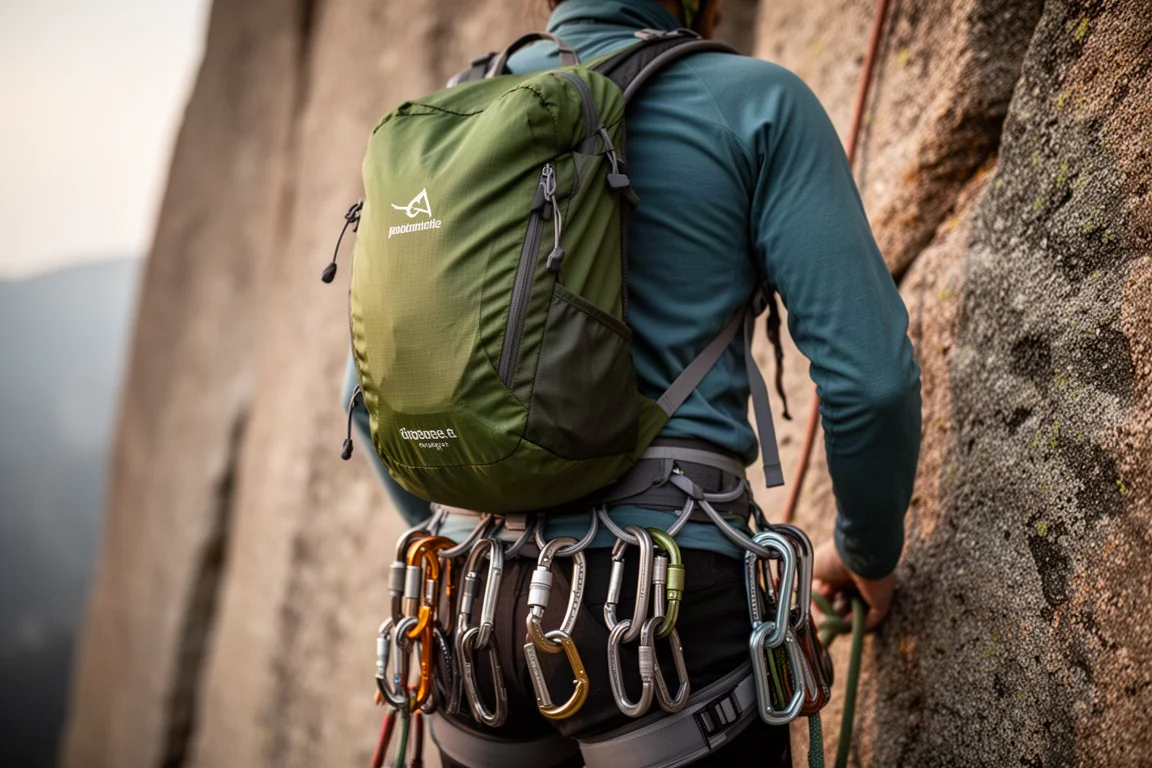
The large pleated dump pocket on the front is one of the best ideas here. It is designed for crampons and other sharp objects, with the 420 denier face fabric doubled up to take the abuse, and it also works well for a water bottle so you are not digging inside the pack every time. When it is empty it sits flat and flush and does not interfere while you climb.
The back system is simple but well judged, with 3D mesh on the shoulders and the hip belt, and it carries comfortably for such a light pack. The webbing from the shoulder straps runs down to the inside of the hip belt on purpose, so that hooping the waist belt around the back sits flush and takes no effort. The belt and padding are thin and flexible enough that you could leave it done up under a harness without it getting in the way. The back panel is fully removable, which brings the pack down to around 500 g and lets it be rolled up and stowed inside a larger pack.
Inside there are three small pockets, for a shovel, a probe and a shovel head. The shovel head sleeve doubles as a water bladder sleeve. For anyone skiing into an alpine approach with avalanche safety and crevasse rescue kit, that keeps the essentials organised and accessible without disturbing everything else.
Where this pack differs most from the Warthog is on the route itself. If the pack is going to stay on your back on the hardest pitches you can manage, the Stash Ice feels far more nimble and sits much closer to your body. The trade-off is the top closure, which is excellent at sealing the pack but a little fiddly if you are in and out of it constantly.
Shared Features And Adaptability
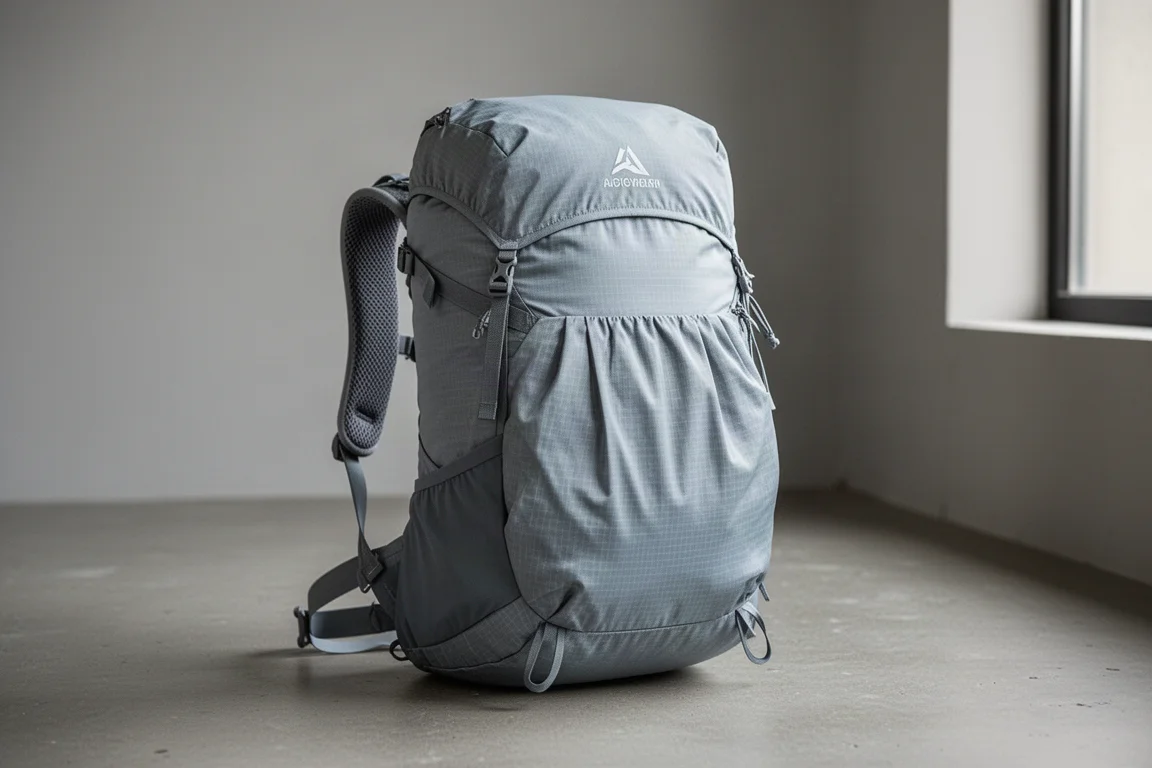
Both packs come from the same design philosophy, and the overlap is substantial. The removable side compression straps, the ice axe attachments, the two-way laminated side zip and the essentials pocket with key clip all appear on both. Every one of those features can be taken off or re-arranged, so either pack can be pared back to something close to a plain tube with a shoulder harness. Both use 3D mesh in the back system to keep the contact points comfortable despite the weather resistant fabrics elsewhere.
Using Them Together: A Two-Pack Approach
These two packs are more interesting together than apart. The obvious plan is to walk in with the larger Warthog loaded, carrying the Stash Ice with its back panel removed rolled up inside it. The leader then climbs with the light pack, or with no pack at all, while the second carries the larger bag. The extra weight for the second is roughly that of half a litre of water. On the walk out, everything goes back into the Warthog for the long descent to the car.
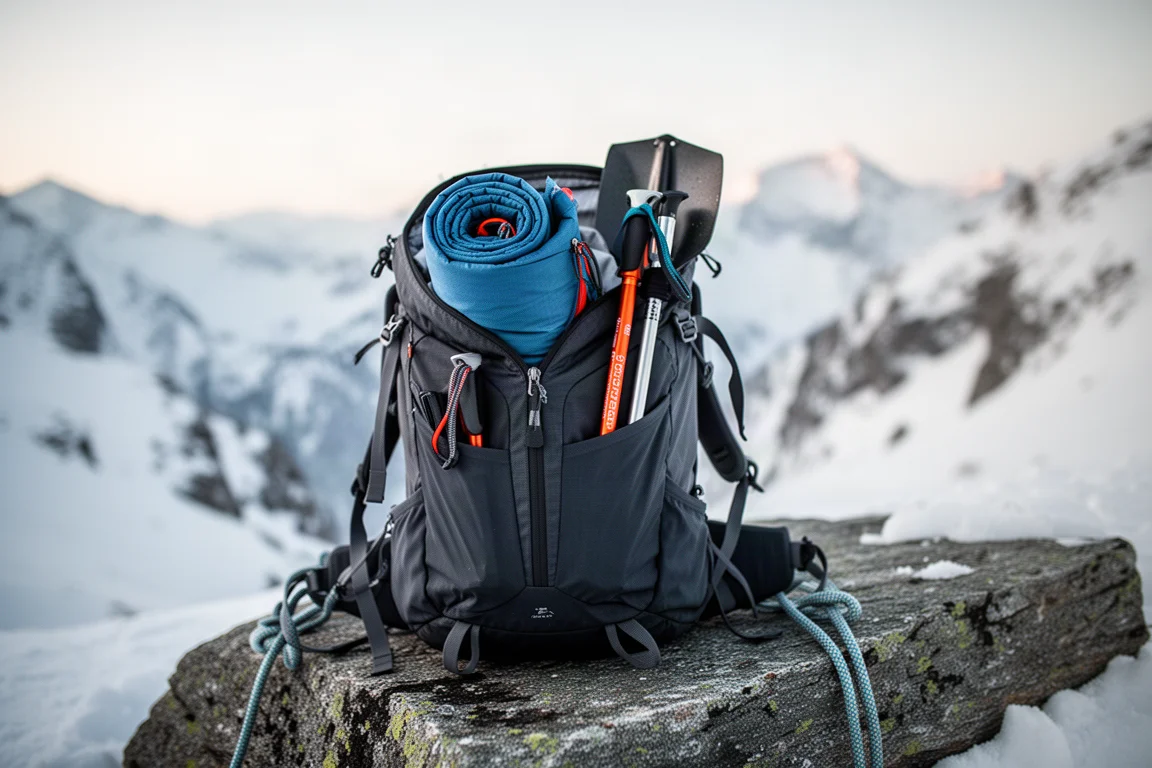
The alpine specific details support that approach. The three internal pockets in the Stash Ice keep shovel, probe and shovel head separate and ready, which is exactly what you want when a ski approach crosses avalanche terrain, and the same sleeves work for a water bladder on a summer route.
Weather Protection And Load Carrying
The Warthog leans towards protection and durability. Its TPU laminate body and roll top closure keep gear dry in sustained bad weather, and it is honest about the limits: seams and the side zip mean it is not a fully waterproof pack, but it will outperform most alternatives. Its webbing waist belt and simple internal frame carry weight on the hips without fuss, and the roll top can be extended to hold well over its stated capacity on an approach.
The Stash Ice leans towards movement and low weight. The lighter ripstop fabric, the seamless top closure and the low profile lid give solid weather resistance with far less material, and the thin, flexible hip belt with 3D mesh prioritises freedom of movement over load transfer. It is the pack you notice least when you are moving quickly on technical ground.
Choosing The Right Pack
The Warthog 45L is the more versatile of the two for general use. It is burly enough for roadside crag days, easy to load, and happy to be overloaded when you need the space. It is also the better choice for alpine overnight climbs and bivouacs, where the extra capacity and the hauling durability of the fabric both matter.
The Stash Ice 38L is the specialist. It is built for alpine multi-pitch climbing where the pack stays on your back and every gram and every bit of bulk counts. It is a poor match for crag days, because the top closure is slower to work with when you are opening and closing the pack every few minutes, and the light fabric is not intended for that kind of abuse.
If you only buy one, choose based on where the pack will spend most of its time. A pack that sits on your back on hard pitches rewards low weight and a close fit. A pack that is thrown into the boot of a car, dragged up a crag and stuffed with a rope and a rack rewards durability and easy access.
Conclusion
The Warthog 45L and the Stash Ice 38L look like near neighbours on the spec sheet, and that is exactly why they need explaining. The Warthog is the workhorse: tough, weather resistant, adaptable, and able to swallow more than its stated volume when you need it to. The Stash Ice 38L is the climber’s pack: 670 g, close to the back, fully featured, and designed to be stripped down and carried inside something bigger when the plan calls for it. Both are lightweight, both are thoughtfully made for alpine conditions, and the right answer depends on whether your priority is carrying a load or barely noticing one.
Further reading
Related Reviews
Climbing Packs
Blue Ice Octopus vs Squirrel: Two Climbing Packs Compared
A practical look at two Blue Ice climbing packs: the 45-litre Octopus for cragging and travel, and the 32-litre Squirrel for alpine and multi-pitch days.
Climbing Packs
Blue Ice Warthog 40 Review: A 700 Gram Alpine Pack That Keeps Its Features
The Blue Ice Warthog 40 pairs a 700 gram carry weight with ice axe, rope, and crampon functionality, making it a strong fit for alpine and winter climbing days.

Backpacking Gear
Building a 10 lb Base Weight: An Ultralight Backpacking Gear List
A practical walkthrough of the ultralight pieces behind a 10 lb base weight, from a 765 g pack and a roomy one-person tent to a full camp chair and a dependable water filter.