Climbing Packs
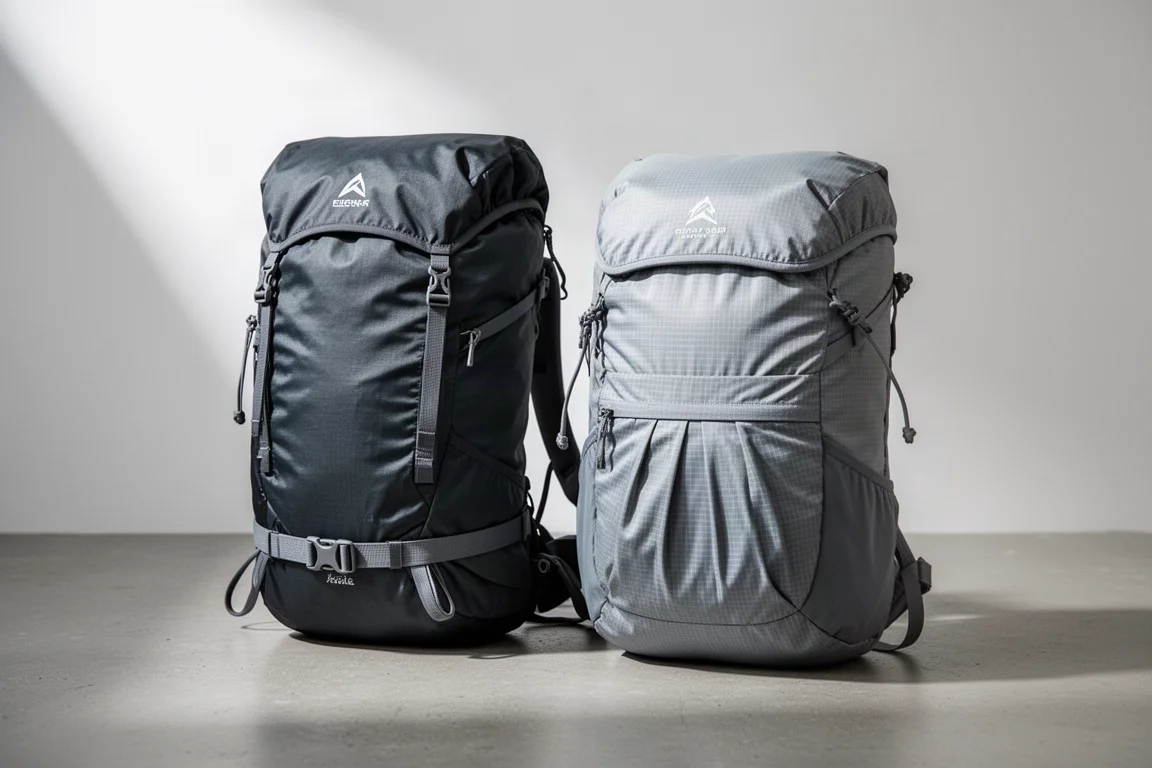
Blue Ice Octopus vs Squirrel: Two Climbing Packs Compared
A practical look at two Blue Ice climbing packs: the 45-litre Octopus for cragging and travel, and the 32-litre Squirrel for alpine and multi-pitch days.
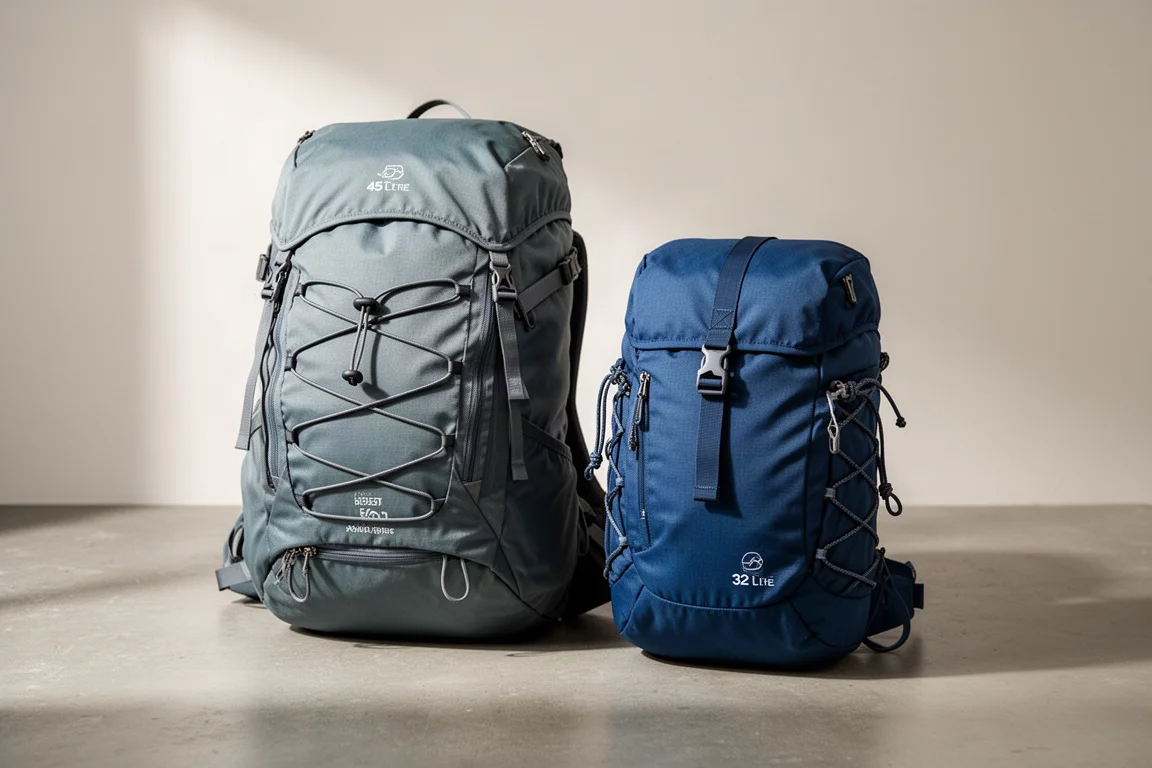
Introduction
Blue Ice is a small brand founded in Chamonix, and that base clearly shapes what the company builds: gear for cragging, for big mountain days, and for glacier terrain. Ice axes and harnesses are probably what come to mind first, but the range also includes climbing packs, and two of them are worth a closer look.
The Octopus and the Squirrel look similar at a glance and behave quite differently in use. One is a 45-litre pack aimed at sport climbing and trips abroad, the other is a 32-litre design built around multi-pitch and alpine days. This guide walks through what each pack does well, where the trade-offs sit, and which one makes more sense for the climbing you actually do.
What Blue Ice Brings to Cragging and Alpine Climbing
Blue Ice’s Chamonix roots show up in the details. The brand’s background sits in cragging and big mountains, and its packs are designed around the practical problems climbers run into: managing a rack at the base of a route, carrying a rope, and reaching gear on a steep slope without emptying everything onto the ground.
Both packs here share a design philosophy. They are clean, unfussy bags with a surprising number of pockets, and both open in ways that make gear easier to handle than a standard top-loading rucksack. The differences come down to volume, how the bag opens, and how much adjustability you get.
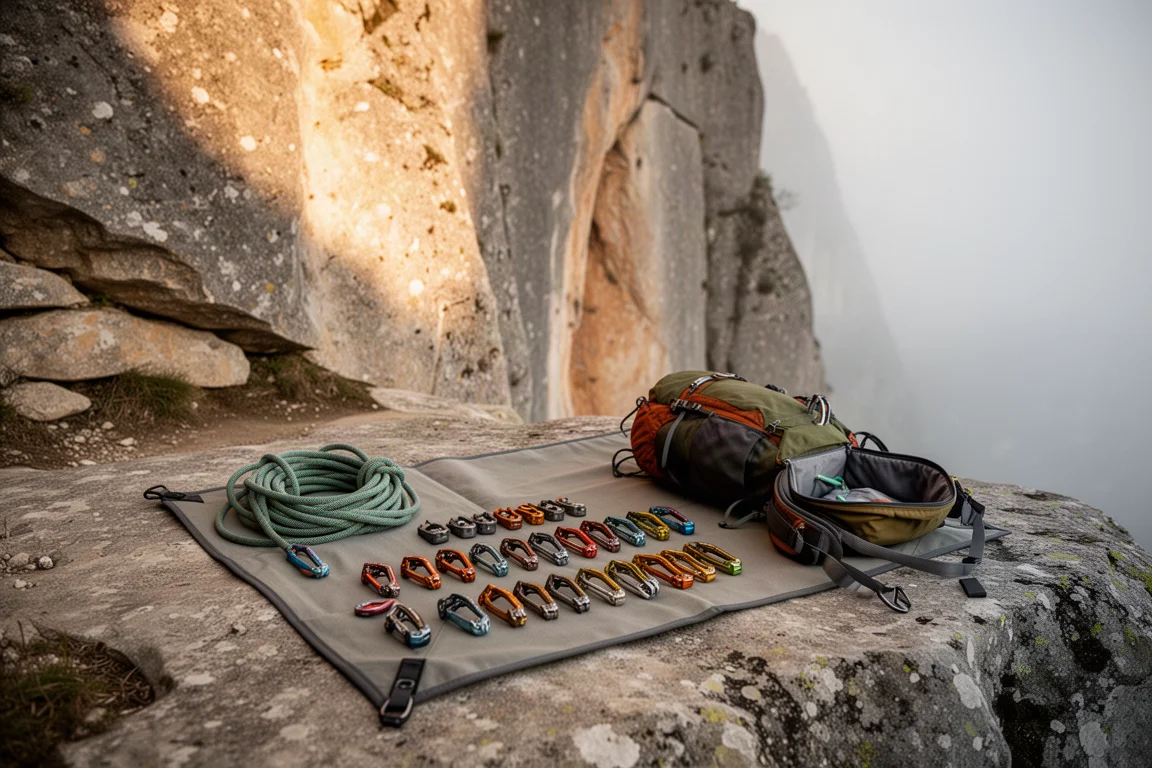
That mix of simplicity and usable storage is what makes these packs interesting. A bag can be light and stripped back, or it can be genuinely easy to live with at the crag, and Blue Ice leans toward the second option without making the packs feel overbuilt.
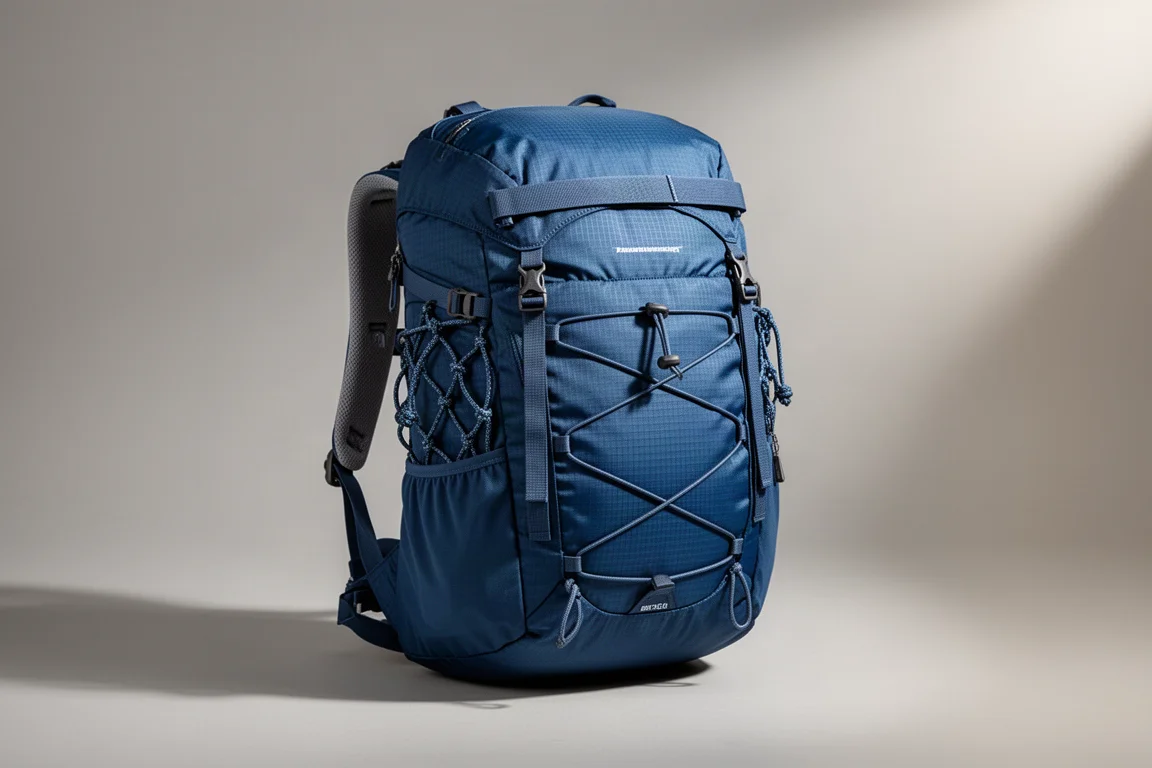
Blue Ice Octopus: A 45-Litre Pack for Sport Climbing Days
The Octopus is a 45-litre pack designed for sport climbing and climbing trips abroad. The dimensions are measured out so that it can work as hand luggage, though airline size limits vary widely, so check the exact dimensions and your carrier’s rules before turning up at the gate with it.
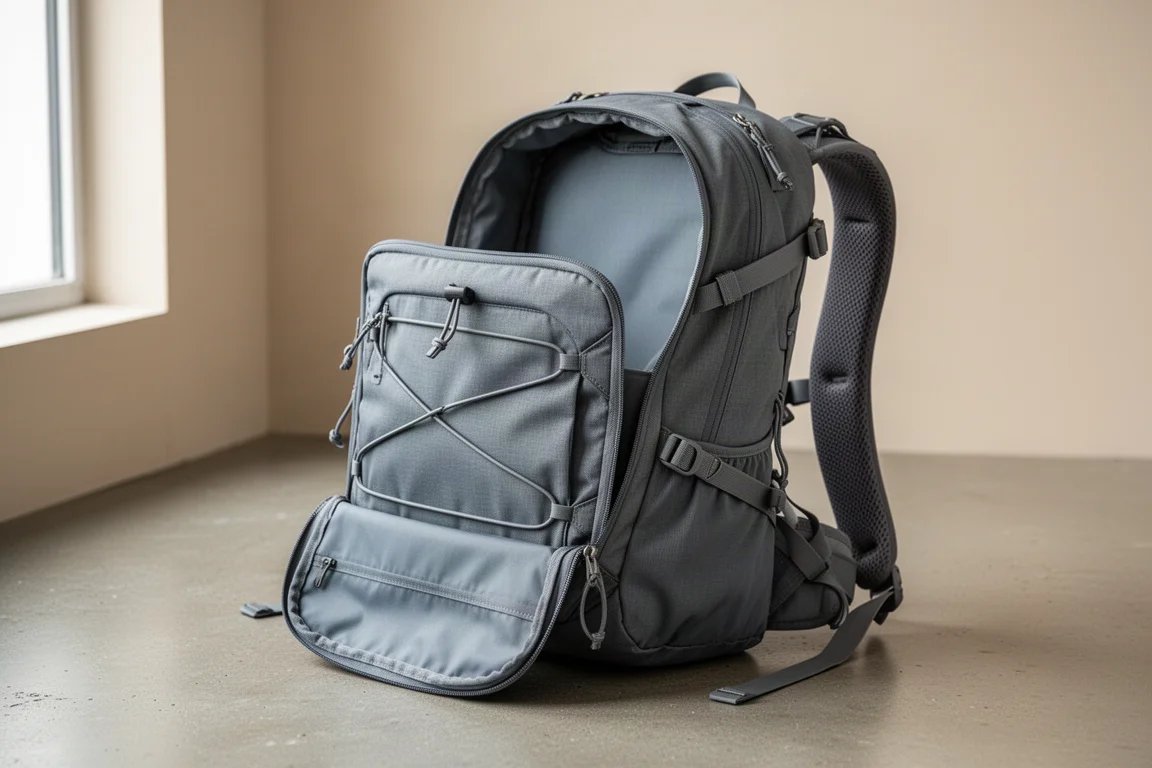
The feature that stands out most is the opening. A large U-shaped zip lets the bag lie flat and open like a suitcase, which makes sorting gear at the crag much easier than digging through a top loader. The pack ships with a tarp, and the main compartment takes a 60-metre rope and a full trad rack, with rock shoes held neatly by a bungee.
Storage is well thought out for a bag that looks simple. There is a small internal zip pocket for keys or small items, a large side pocket that takes a big water bottle, and a generous pocket at the top for food or gloves. The fabric is water resistant enough that a leaking bottle pooled water inside the pack without soaking the gear around it.
Carrying comfort is better than the shape suggests. Foam and support run down the back panel, so even bulky items such as rock shoes do not dig into your back. For travel, the shoulder straps and hip belt stow away into dedicated pouches, turning the pack into a clean suitcase-style bag. There are grab handles at the top, bottom, and sides, helmet hooks on the body, and a helmet holder available separately from Blue Ice. Empty, the pack squashes flat, which makes it easy to slide into a bouldering pad with gear still inside.
Blue Ice Squirrel: A 32-Litre All-Rounder for Alpine Missions
The Squirrel is a 32-litre pack built for multi-pitch climbing, big mountain days, and alpine terrain. It comes in a range of sizes, down to around 20 litres and smaller for multi-pitching, and this mid-size version is the one most people will reach for because it covers so much ground.
Many of the Octopus features carry over. Bungee side pockets hold small harnesses or water bottles, and the pack opens at the back, so you can lay it down and reach the bottom of the bag directly. At the crag that is convenient. On a steep alpine slope it matters more: emptying a pack to find something is slow and risky, and the back opening avoids it.
The Squirrel is set up for moving with the pack on your back. It takes a water bladder, ropes can be attached over the top using straps that can be removed when you do not want them, and a helmet bungee is included. There are large pockets that take a guidebook, a key clip, and a small side pocket that suits lip balm or other small items. Ski touring is not the primary purpose and there is no dedicated ski carry, but the helmet bungee and pocket layout still work for it.
Fit is where the Squirrel pulls ahead of the Octopus. It comes in a single back length, but tension straps let you raise or lower the shoulder straps, so it adapts to a wider range of body shapes. Add ice axe attachment, trad climbing, bouldering, and weekend or work bag duty, and it is a genuinely versatile all-rounder.
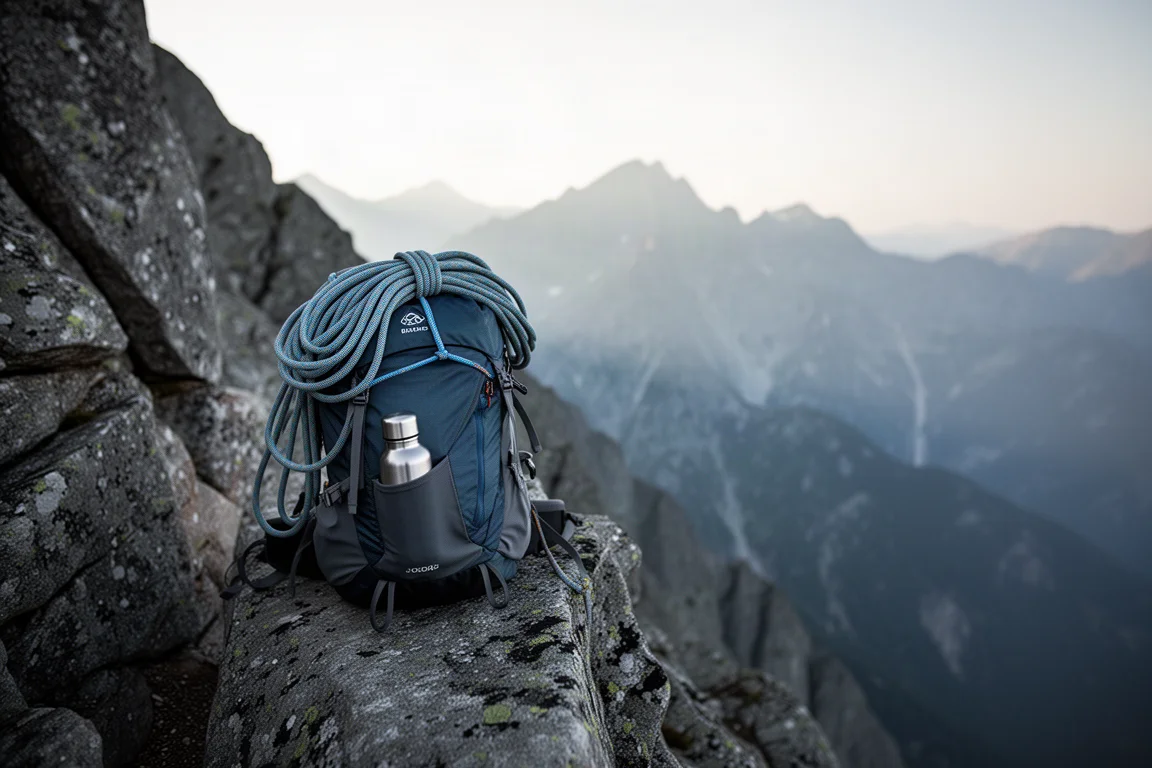
That versatility is the Squirrel’s strongest argument. It is not the biggest pack here, but it is the one that will handle the widest spread of days without feeling like a compromise on any of them.
Octopus or Squirrel? Matching the Pack to the Day
The choice comes down to volume and how you plan to use the bag.
Choose the Octopus if your climbing is mostly sport routes, crag days with a heavy rack, and trips where the pack doubles as hand luggage. The 45-litre volume and suitcase-style opening make it the more practical bag for keeping lots of gear in one place, and the stowable straps simplify travel days.
Choose the Squirrel if your days lean toward multi-pitch and alpine objectives, or if you want one pack that can cover climbing, a bit of ski touring, and everyday use. The 32-litre size keeps it compact on the route, the back opening is genuinely useful on steep ground, and the strap adjustability makes it easier to fit.
Details That Make a Difference: Pockets, Openings, and Comfort
A few shared design choices are worth calling out because they shape daily use.
The opening systems are the headline. The Octopus uses a large U-shaped zip that lays the pack flat, and the Squirrel opens at the back. Both approaches beat a conventional top-loading design when you are trying to find one specific piece of gear with cold hands.
Pockets are more numerous than the clean exteriors suggest. Between them, the two packs cover a secure internal pocket, large side pockets for bottles, top pockets for food, guidebook-sized compartments, a key clip, and small pockets for items you want close at hand.
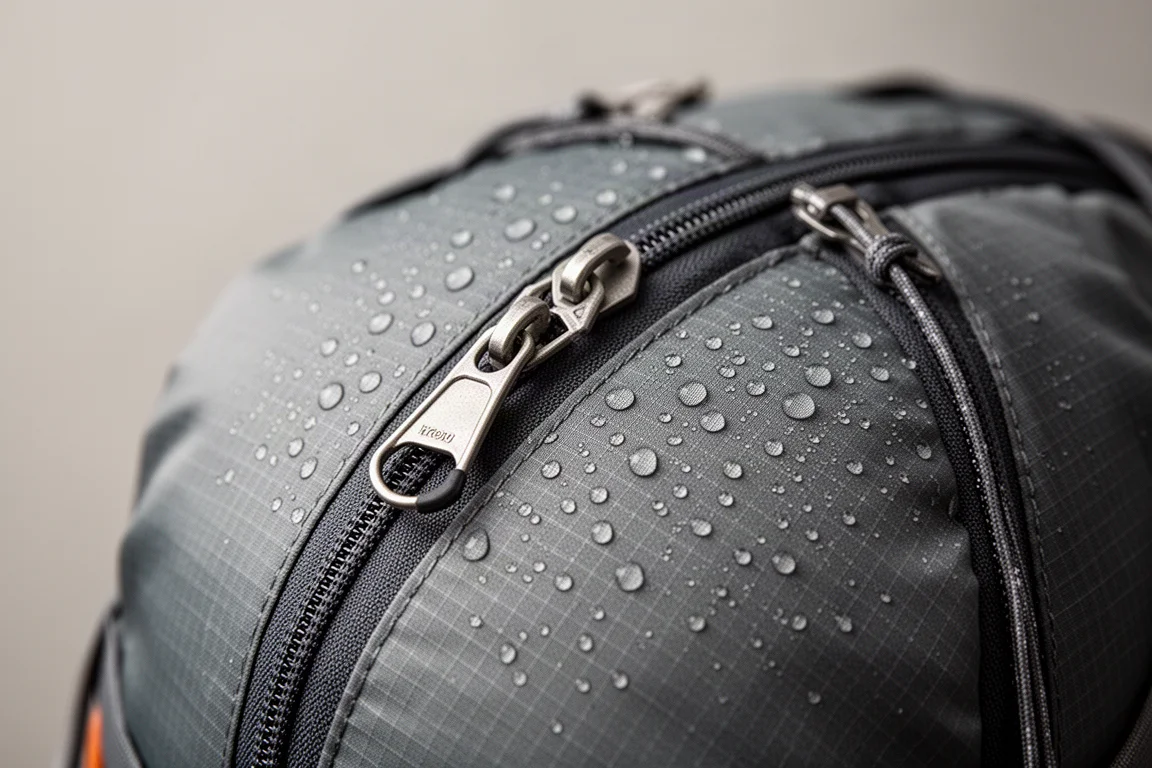
Comfort and carry are handled with foam and support along the back panel, which keeps bulky contents from pressing into your spine. Grab handles make the Octopus easy to move around like a suitcase, and the stowable harness on the Octopus is a real benefit on travel days.
Buying Advice: Sizing, Fit, and Travel
Start with volume. The Octopus is the 45-litre option, so it suits climbers who carry a lot: a single rope, a full rack, shoes, and layers. The Squirrel at 32 litres is enough for multi-pitch and alpine days, and smaller versions in the range go down to around 20 litres for multi-pitching.
Then think about fit. The Squirrel offers more shoulder strap adjustment through its tension straps, so it is more likely to suit a wider range of body shapes. The Octopus has less adjustability in the harness, which makes trying it on more important if you are between sizes.
Finally, plan for how you travel and what you carry on the outside. If hand luggage matters, measure the pack and confirm the rules with your airline rather than assuming. If you climb with a helmet, note that the Squirrel includes a helmet bungee while the Octopus uses helmet hooks with a holder sold separately. Rope carry over the top is available on the Squirrel with removable straps, and both packs are set up around easy access to gear rather than maximum external attachment points.
Which Pack Suits Which Climber
The Octopus fits the climber who wants one bag for sport climbing, cragging, and travel. It holds a lot, opens flat so nothing gets lost at the base of a route, and converts into a clean travel bag once the harness is stowed.
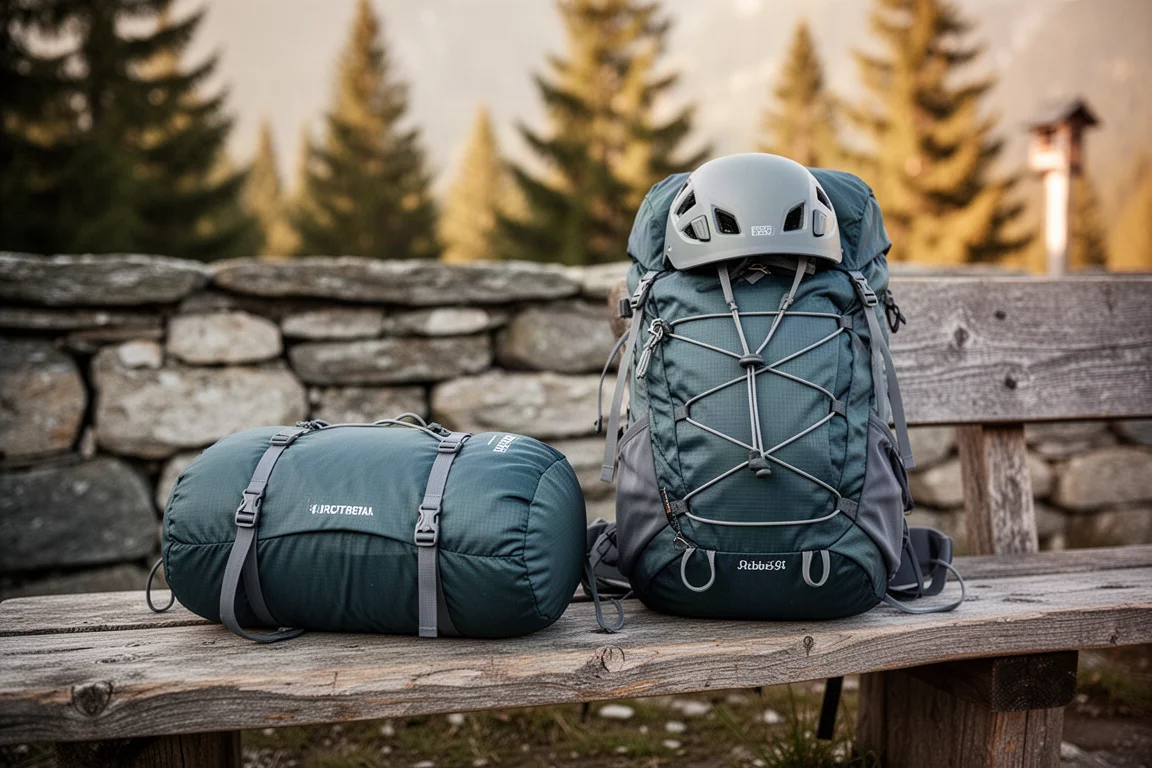
The Squirrel fits the climber who moves between disciplines: multi-pitch, alpine, the occasional ski tour, and the everyday bag for a weekend away. It is smaller and more adjustable, and the back opening makes it quicker and safer to get to gear on steep ground.
If you can only justify one pack and your climbing is mixed, the Squirrel covers more ground. If your climbing is mostly cragging and you want the extra volume and the flat-opening layout, the Octopus is the more natural pick.
Conclusion
Blue Ice builds packs around real cragging and alpine problems, and the Octopus and Squirrel show two different answers to the same question. The Octopus is the larger, travel-friendly option with a suitcase-style opening and plenty of room for a rack and a rope. The Squirrel is the smaller all-rounder, with a back opening, more harness adjustability, and the flexibility to cover alpine, multi-pitch, and everyday use. Match the volume and the opening style to the days you actually climb, and either pack will feel like a considered choice rather than a compromise.
Further reading
Related Reviews
Climbing Packs
Blue Ice Warthog 40 Review: A 700 Gram Alpine Pack That Keeps Its Features
The Blue Ice Warthog 40 pairs a 700 gram carry weight with ice axe, rope, and crampon functionality, making it a strong fit for alpine and winter climbing days.
Climbing Packs
Blue Ice Warthog 45L vs Stash Ice 38L: Two Alpine Packs, Two Very Different Jobs
Two lightweight Blue Ice alpine packs with similar volumes and similar weights, and clearly different strengths once they are on the mountain.

Backpacking Gear
Building a 10 lb Base Weight: An Ultralight Backpacking Gear List
A practical walkthrough of the ultralight pieces behind a 10 lb base weight, from a 765 g pack and a roomy one-person tent to a full camp chair and a dependable water filter.