Climbing Packs
Blue Ice Warthog 40 Review: A 700 Gram Alpine Pack That Keeps Its Features
The Blue Ice Warthog 40 pairs a 700 gram carry weight with ice axe, rope, and crampon functionality, making it a strong fit for alpine and winter climbing days.
Introduction
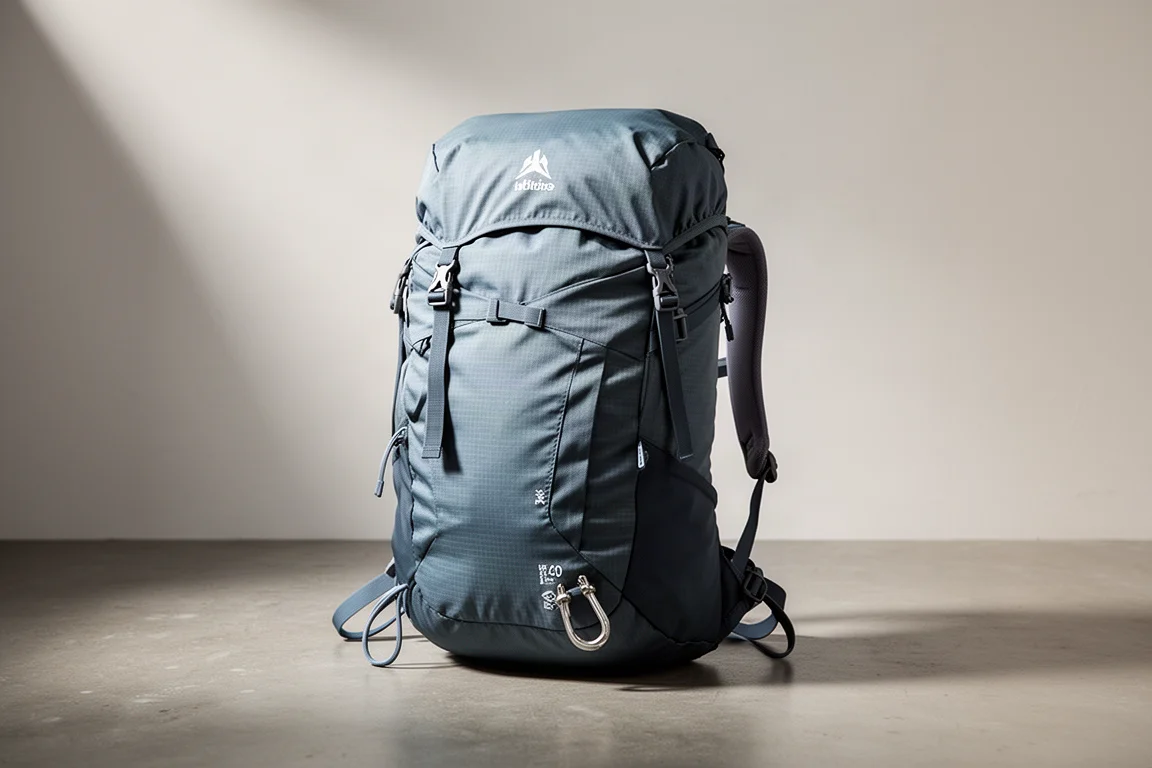
The Blue Ice Warthog 40 is the latest version of a pack that has been part of the Chamonix brand’s line since the beginning. It is also the most refined version of the Warthog so far, and the numbers explain part of why. Forty litres of capacity at a measured 700 grams is an unusual combination, and it is the kind of figure that usually comes with a long list of missing features.
That is not what happens here. The Warthog 40 keeps the hardware that alpine and winter climbers actually reach for: a solid ice axe carry, a front bungee that works well for stowing crampons, a rope-friendly layout, and a structured back system with padding and venting. Lightweight packs often turn into a sweaty, unsupportive compromise once the climbing starts. This one does not.
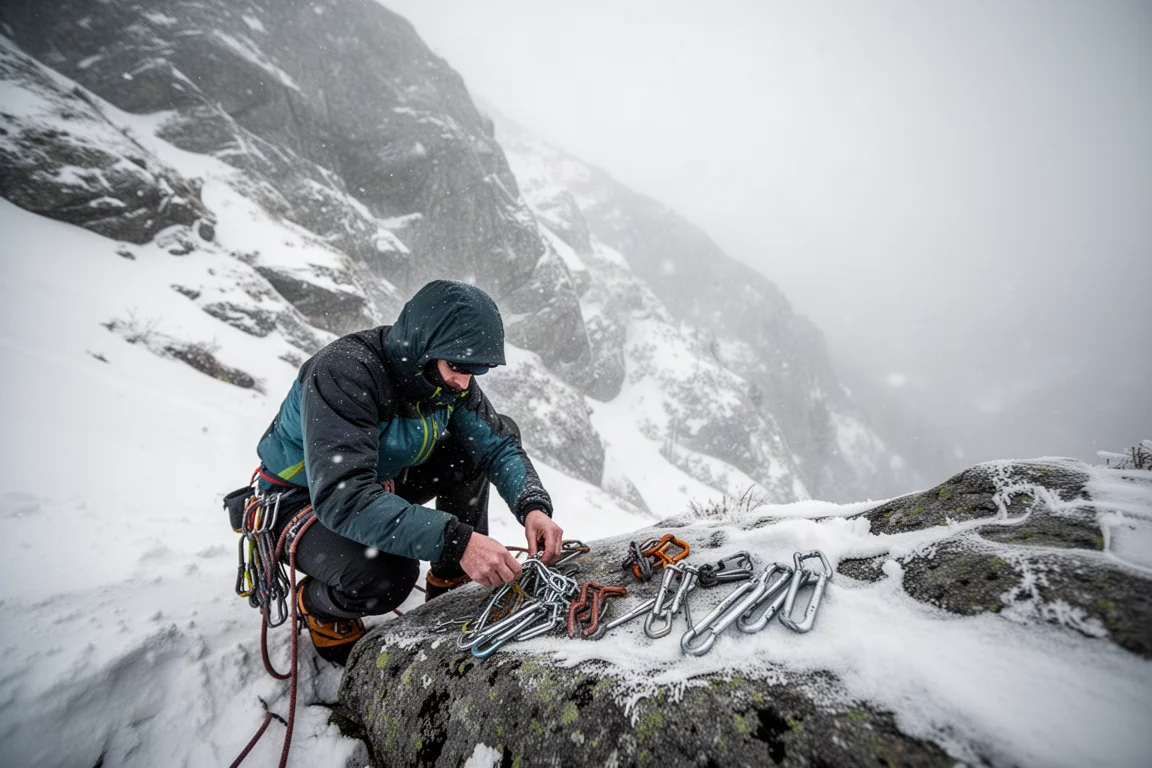
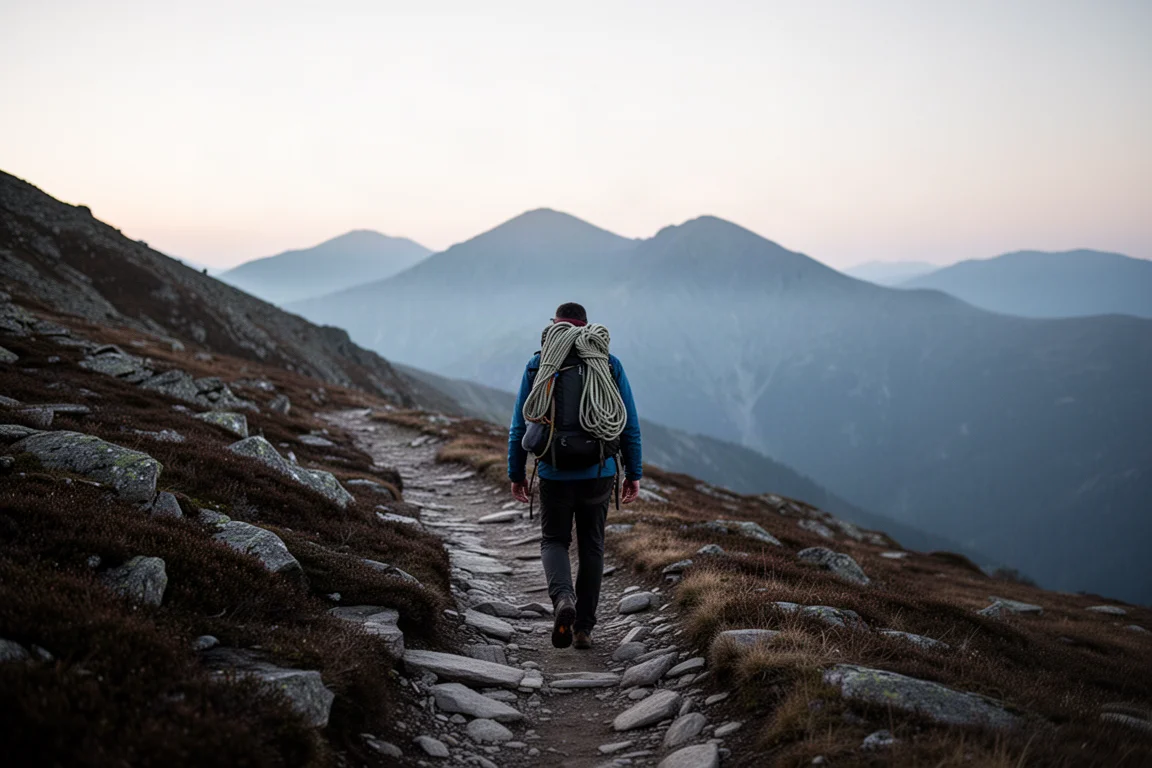
Used through a Scottish winter, the pack proved most convincing in the places that matter, on the approach with a full load, and on the route once most of that load has been worn or eaten.
Who This Pack Is For
This is an alpine pack first. It suits summer alpine objectives, Scottish winter days, and long climbing routes where you want the weight low and the profile narrow. The 40 litre size is the sweet spot for those trips: enough room for layers, food, and hardware, with the rope going on the outside when things get tight.
It is not a cragging bag. For days at a roadside crag or a sport venue where the walk-in is short and comfort matters more than weight, a pack like this is overkill in the wrong direction. The Warthog rewards people who move fast and light in the mountains, and it is worth being honest about that before buying.
Main Strengths: Light Weight Without Missing Features
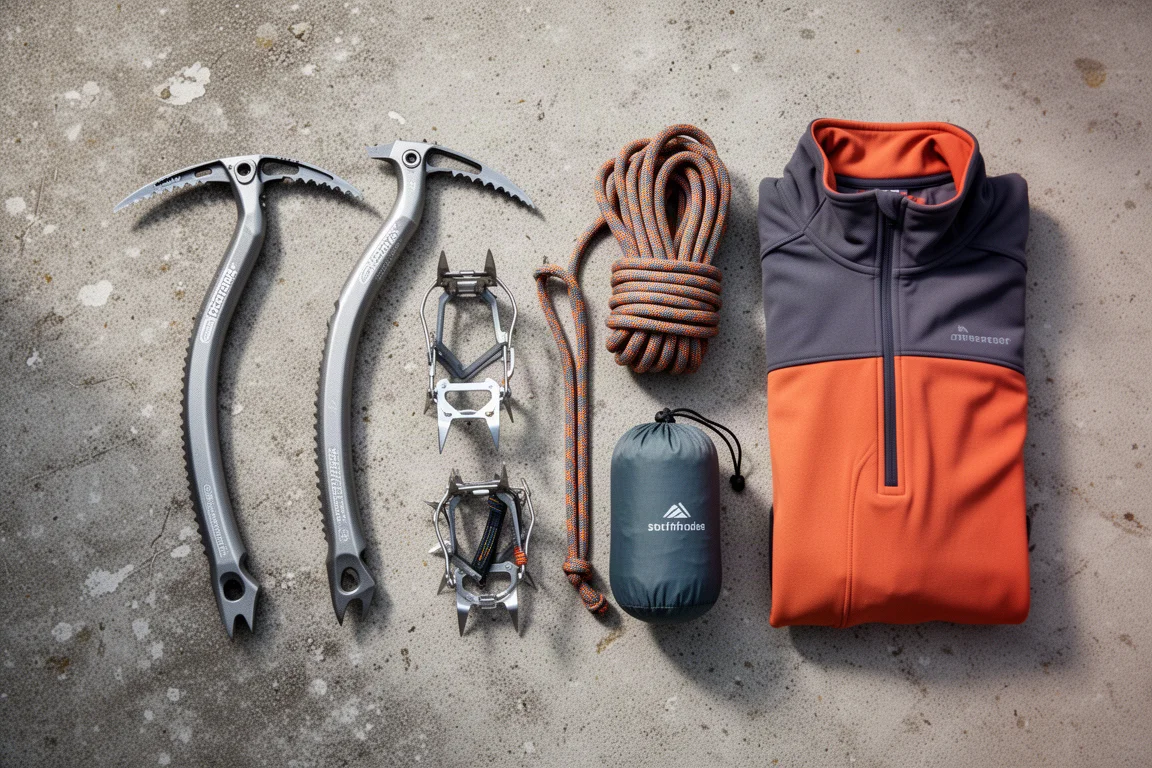
The headline figure is 700 grams for a 40 litre pack, and the more interesting detail is that almost nothing has been stripped out to reach it. The ice axe attachment is genuinely usable rather than an afterthought. The front bungee takes crampons quickly when the terrain changes. The rope carries well, both strapped outside and hooked over the top when you are in a hurry.
The back system is structured rather than a flat panel, with padding and venting that keeps it bearable on long, sweaty approaches. That is the part lightweight packs usually get wrong.
The other differentiator is sizing. The Warthog 40 comes in two back lengths, which matters for tall climbers and for shorter ones alike. A number of niche climbing packs are only offered in a single length, which rules them out for a large group of people.
Materials and Weather Resistance
The pack body uses 210D Robic fabric. In practice it sheds water extremely well, far better than most rucksacks, though it is not claimed to be fully waterproof. It is also light and strong, holding up to backing and footing in scratchy chimneys where abrasive rock does its best to damage a pack.
For a bag this light, that combination of water resistance and abrasion resistance is the reason it can be trusted on serious days rather than saved for good conditions. Damp snow, wet rock, and the general moisture of a Scottish winter are handled without the contents turning into a soggy mess.
Carry System, Fit and Hip Belt Comfort
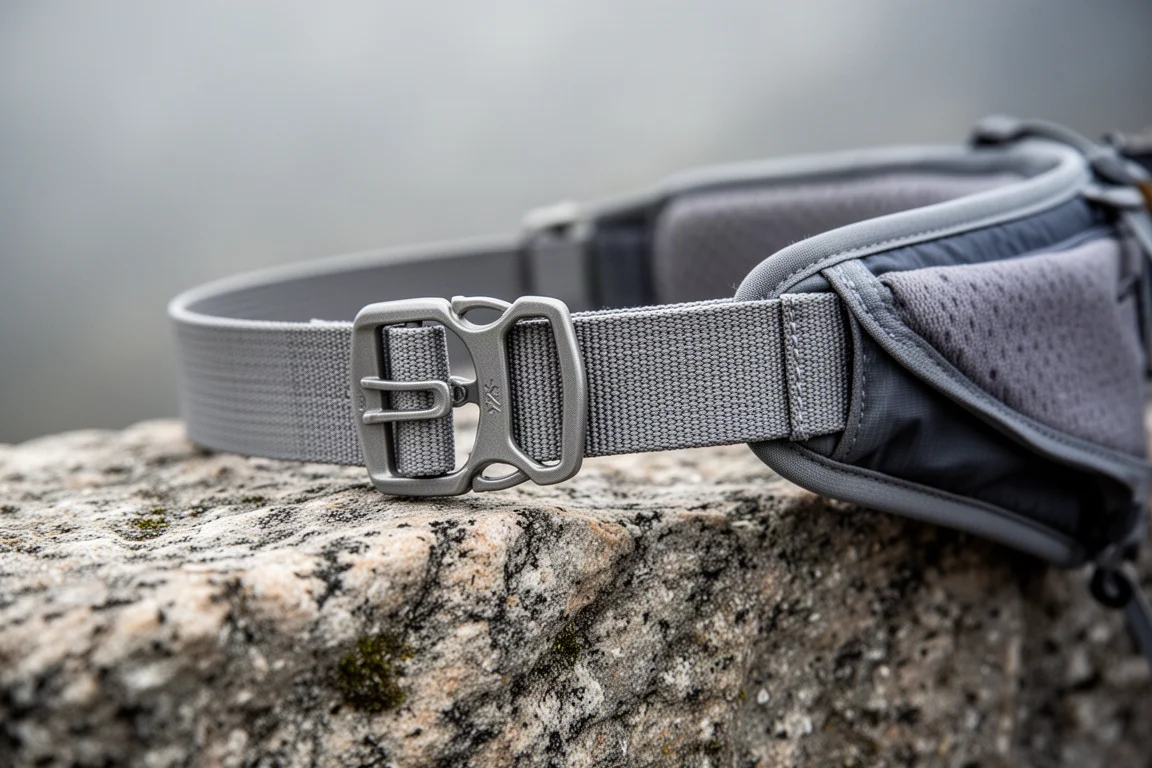
The shoulder straps are thin, but they spread load effectively, so the pack stays comfortable to climb in without adding bulk across the chest. For a minimalist design, the hip belt is remarkably comfortable. It uses floating hip fins that can be slid to wherever they sit best, or removed entirely if you want to strip the pack back further.
The whole hip assembly is larks footed rather than permanently stitched, so it can come off completely when weight saving matters more than load transfer. The structured back panel with its padding and venting keeps the pack stable against the body, and the two back length options mean the fit can actually be matched to the wearer rather than approximated.
Rope Management and Compression
Rope carrying is well thought out. Strap the rope on the outside and the pack stays neat and nimble, with no rocking back and forth on the move. If you would rather throw it over the top at the last minute, the rope can be hooked over the lid, and there is an extra clip provided for exactly that.
The side compression straps are equally practical. They hold a rope securely, and they are removable if you want a cleaner, lighter pack. Their real value shows up when the bag empties out: after the approach, most of the contents are on your body, and the compression straps pull the pack down flat and secure against your back for the climbing. The top closure is simple and quick, workable one handed, which matters when the weather turns and you are in and out of the pack all day.
There is also a pocket under the lid that stays accessible even when the pack is fully packed, so food and essentials are reachable without unpacking, and it is positioned where the worst of the weather is unlikely to reach it.
Things to Consider Before Buying
The Warthog 40 is a specialist tool, and the trade-offs follow from that. It is not a cragging pack, and it is not designed for short walk-ins or roadside days. The 210D Robic fabric resists water strongly but is not described as waterproof, so anything that must stay bone dry still belongs in a dry bag.
Because so much of the hip belt and compression hardware is removable, the pack rewards a little attention when you set it up, and it is worth deciding in advance what you want to keep on it. Finally, the two back length options are a genuine advantage, but only if you check which one fits you rather than assuming the default will work.
Buying Advice
For summer alpine routes and Scottish winter ascents, 40 litres is a practical size: it swallows layers, food, and hardware, and when it starts overflowing the rope goes on the outside. If your climbing is mostly at the crag and you want room for everything including the post-climb supplies, a dedicated cragging pack is the better answer and Blue Ice’s own Moonlight is the model to look at.
If you are going fast and light, this is the one. Match the back length to your torso, decide whether you want the side compression straps and hip fins in place, and the pack will do exactly what it is designed to do without asking for anything in return.
Conclusion
The Blue Ice Warthog 40 is a rare thing: a 700 gram, 40 litre climbing pack that did not sacrifice the feature set to get there. Ice axe carry, crampon bungee, rope management, removable compression and hip hardware, a vented structured back, and two back lengths all come as standard.
For alpine and winter climbing, it is hard to think of a feature it is missing. It is not the right bag for a day at a roadside crag, and it is honest about that. For climbers heading into the mountains with a rope and a plan, it is a confident, well-considered choice.
Product link
View more details for Blue Ice Warthog 40
This product is mentioned in the review. Check the specifications, options, and compatibility before buying.
View more details for Blue Ice Warthog 40Further reading
Related Reviews
Climbing Packs
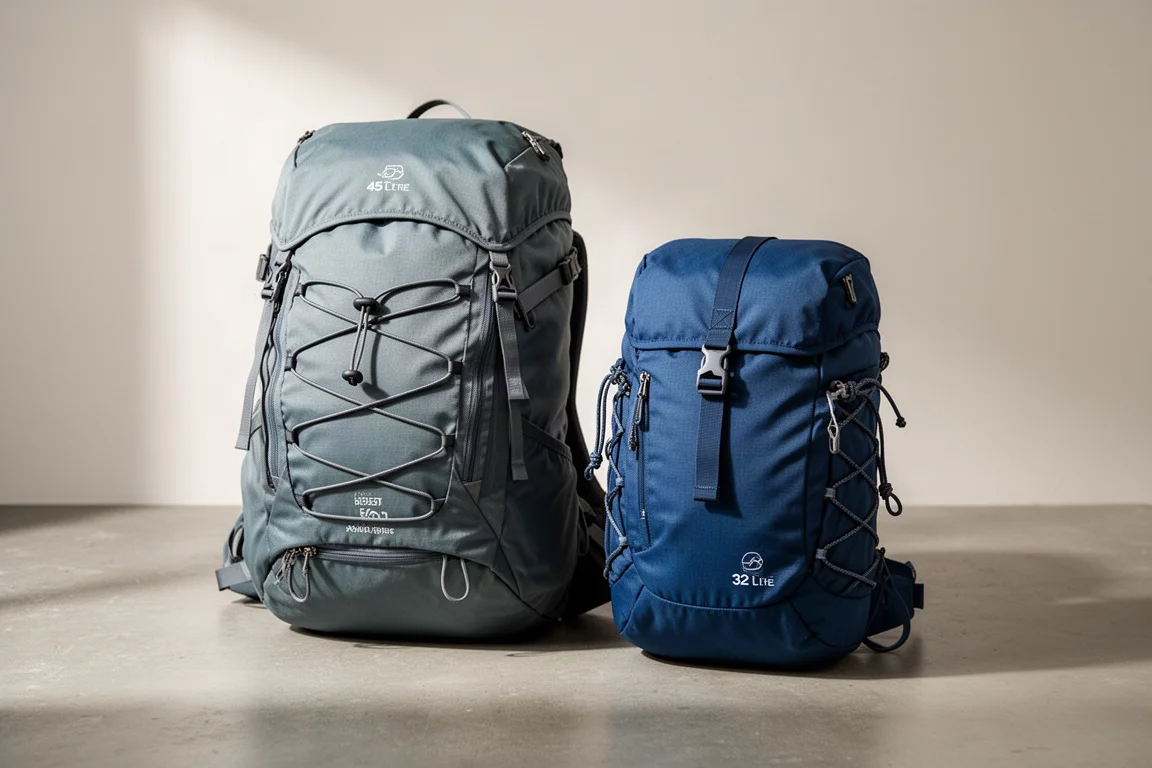
Blue Ice Octopus vs Squirrel: Two Climbing Packs Compared
A practical look at two Blue Ice climbing packs: the 45-litre Octopus for cragging and travel, and the 32-litre Squirrel for alpine and multi-pitch days.
Climbing Packs
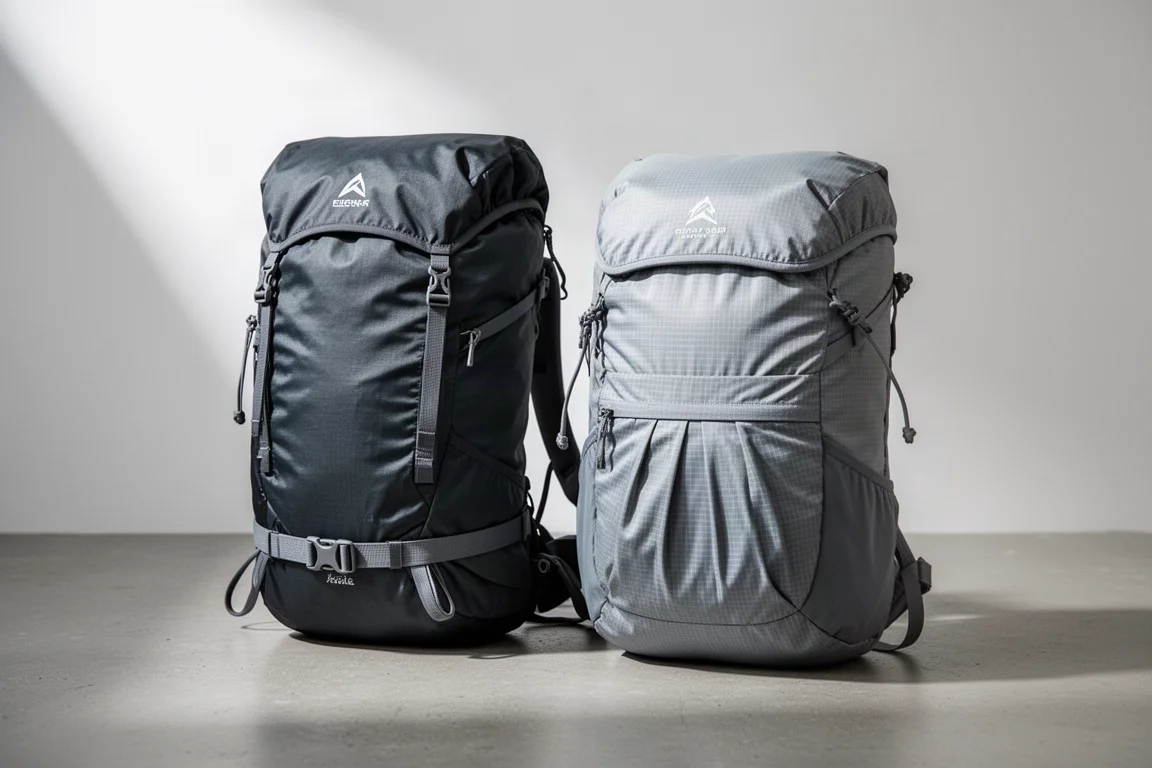
Blue Ice Warthog 45L vs Stash Ice 38L: Two Alpine Packs, Two Very Different Jobs
Two lightweight Blue Ice alpine packs with similar volumes and similar weights, and clearly different strengths once they are on the mountain.
Backpacking Tents
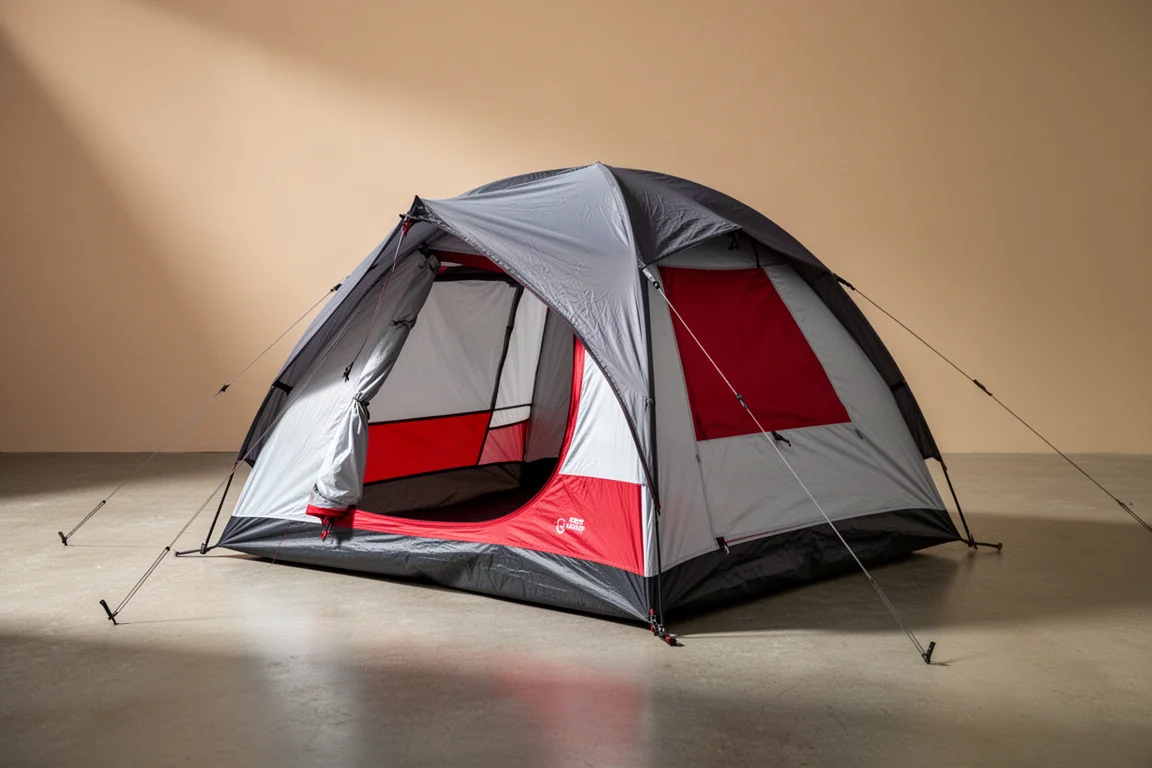
Alps Mountaineering Helix 1 Review: A Modern, Roomier One-Person Tent
A close look at the Alps Mountaineering Helix 1, a modern 20D nylon one-person backpacking tent with a roomy interior, taped seams, and a 3 lb 3 oz packed weight.