Home Theater
Blu-ray Players vs Game Consoles, 70-Inch TVs, and HDMI eARC Explained
Why dedicated 4K Blu-ray players differ from game consoles, whether 70-inch TVs are worth buying, and how eARC and HDMI 2.1 actually work together.
Introduction
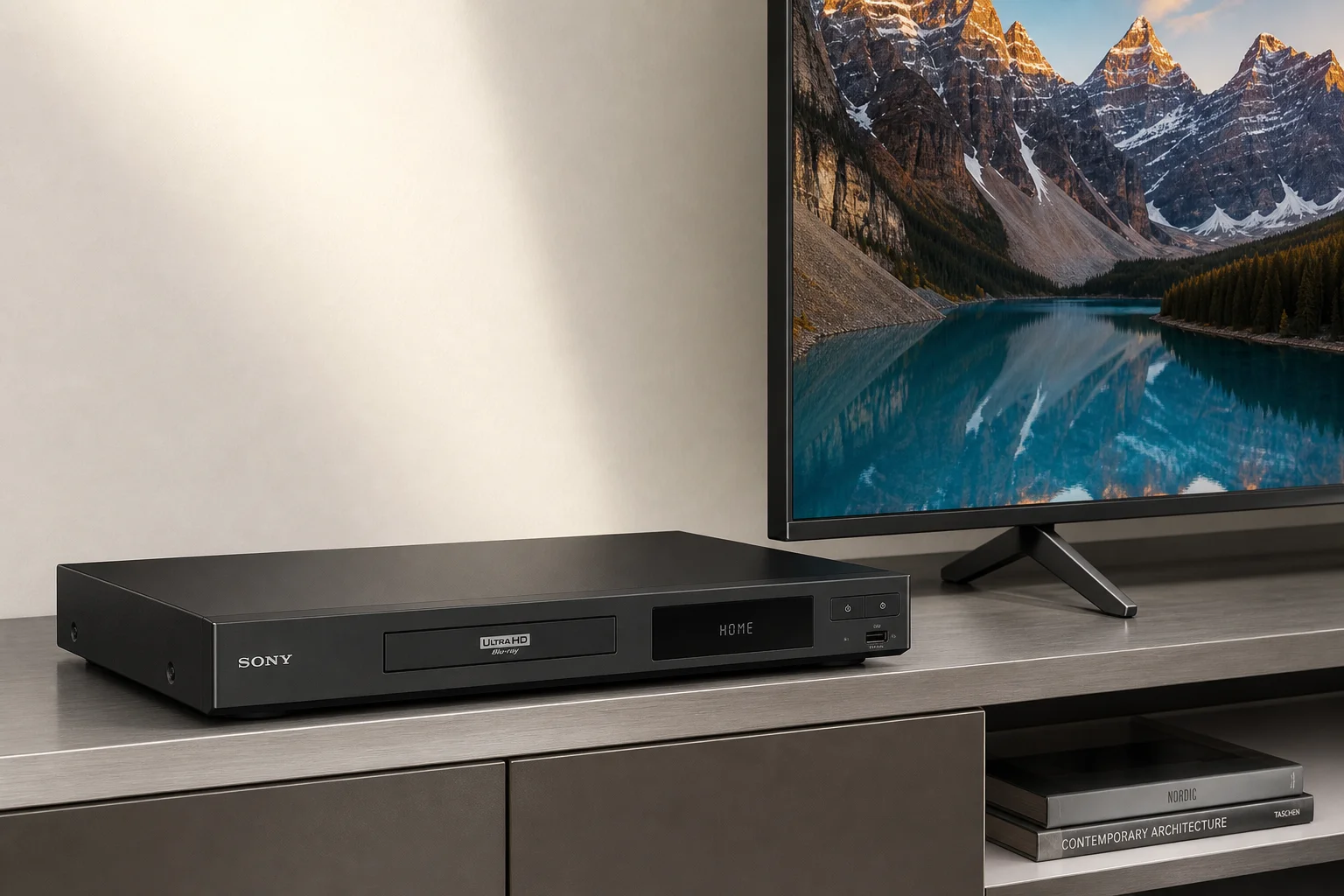
Home theater questions often involve overlapping technologies and competing standards that can seem contradictory at first. This guide addresses four common questions about Blu-ray players, television sizes, HDMI standards, and the future of OLED display technology.
Picture Quality Differences in Blu-ray Players
When comparing 4K Blu-ray players, the market has narrowed considerably. Today, only a handful of manufacturers remain active: Sony, Panasonic, and LG as mainstream brands, plus specialty makers like Reavon and Magnetar. This limited selection means most modern players perform competently.
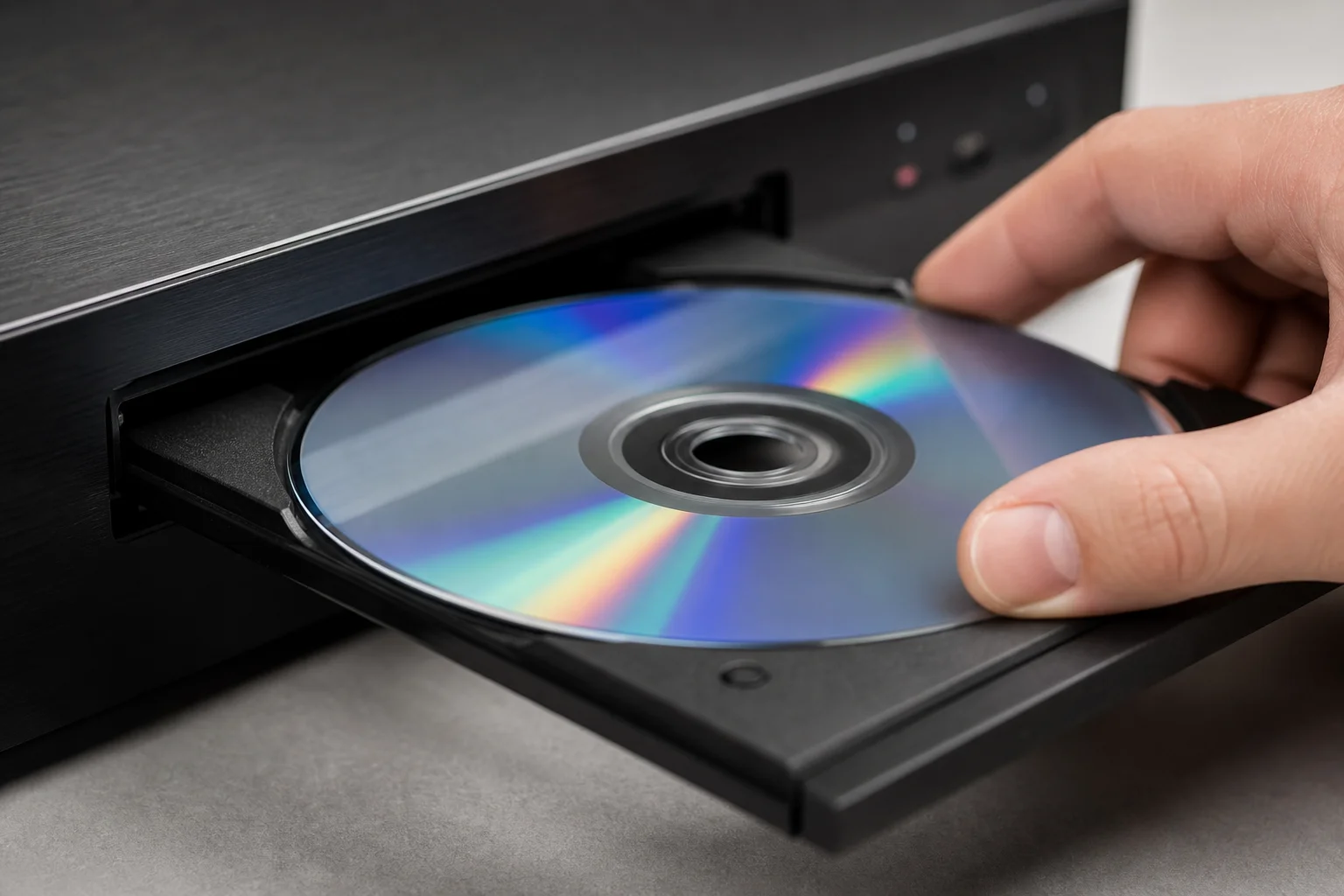
The differences that do exist between players stem primarily from the decoding process. A Blu-ray disc contains encoded video that must be decoded before transmission to your TV. While decoding quality varies slightly between players, the impact is minimal and difficult for most viewers to perceive. More noticeable differences come from processing features like deinterlacing and upscaling, but these only matter if you allow the player to process the signal. A quality TV’s built-in processing typically outperforms a player’s processing, especially on higher-end displays.
Price differences between players usually reflect build quality, drive mechanism durability, chassis construction, and audio capabilities rather than video signal quality. Premium players may include better digital-to-analog audio converters for CD, DVD Audio, and SACD playback. They also tend to offer faster startup and disc-loading times, quieter operation, and greater long-term reliability.
Dedicated Players vs Game Consoles
Game consoles like the PlayStation 5 and Xbox Series X can play 4K Blu-ray discs and deliver basic HDR and Dolby Atmos support. However, dedicated 4K Blu-ray players offer meaningful advantages for disc playback.
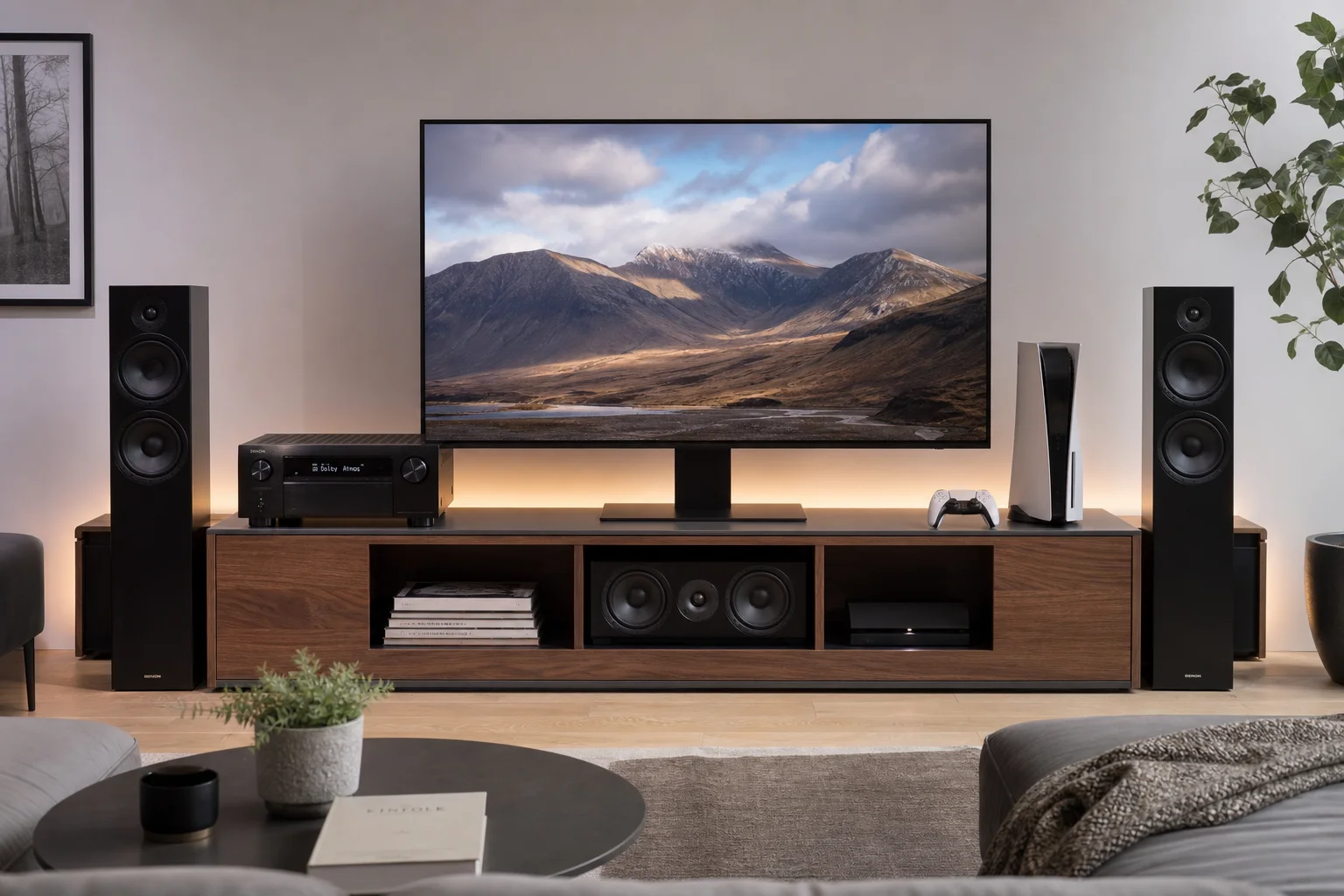
The PS5 handles 24 frames-per-second content better than the Xbox Series X, which exhibits more judder. Neither console supports Dolby Vision, and neither supports HDR10+, though HDR10+ discs remain uncommon. Getting Dolby Atmos from a PS5 is straightforward, but extracting it from an Xbox Series X requires downloading an app and involves additional complexity. On Xbox One, Dolby Atmos support was not true Dolby Atmos at all.
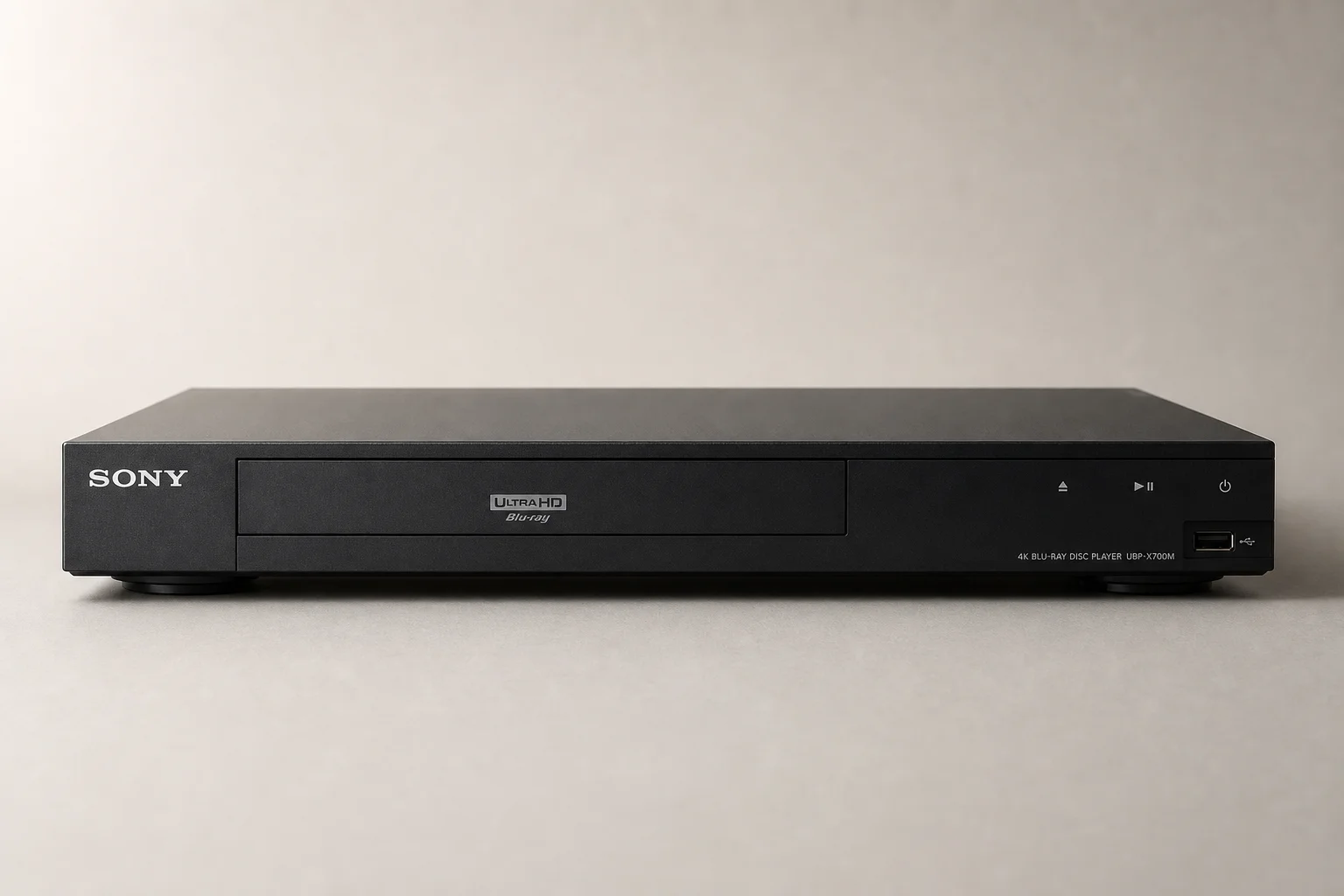
Neither console functions well as a CD or SACD player. If you want your disc player to handle more than 4K Blu-rays, a dedicated player becomes the practical choice. The Sony X700M represents a mid-range option that offers better decoding and processing than either console, though the difference may not be immediately obvious in everyday viewing.
Choosing Between 65-Inch and 75-Inch TVs
The conventional advice to buy the largest TV that fits your space holds true in most cases. However, the television market creates a complication: 70-inch models tend to be lower-end products, while 75-inch models typically represent higher-performance options.
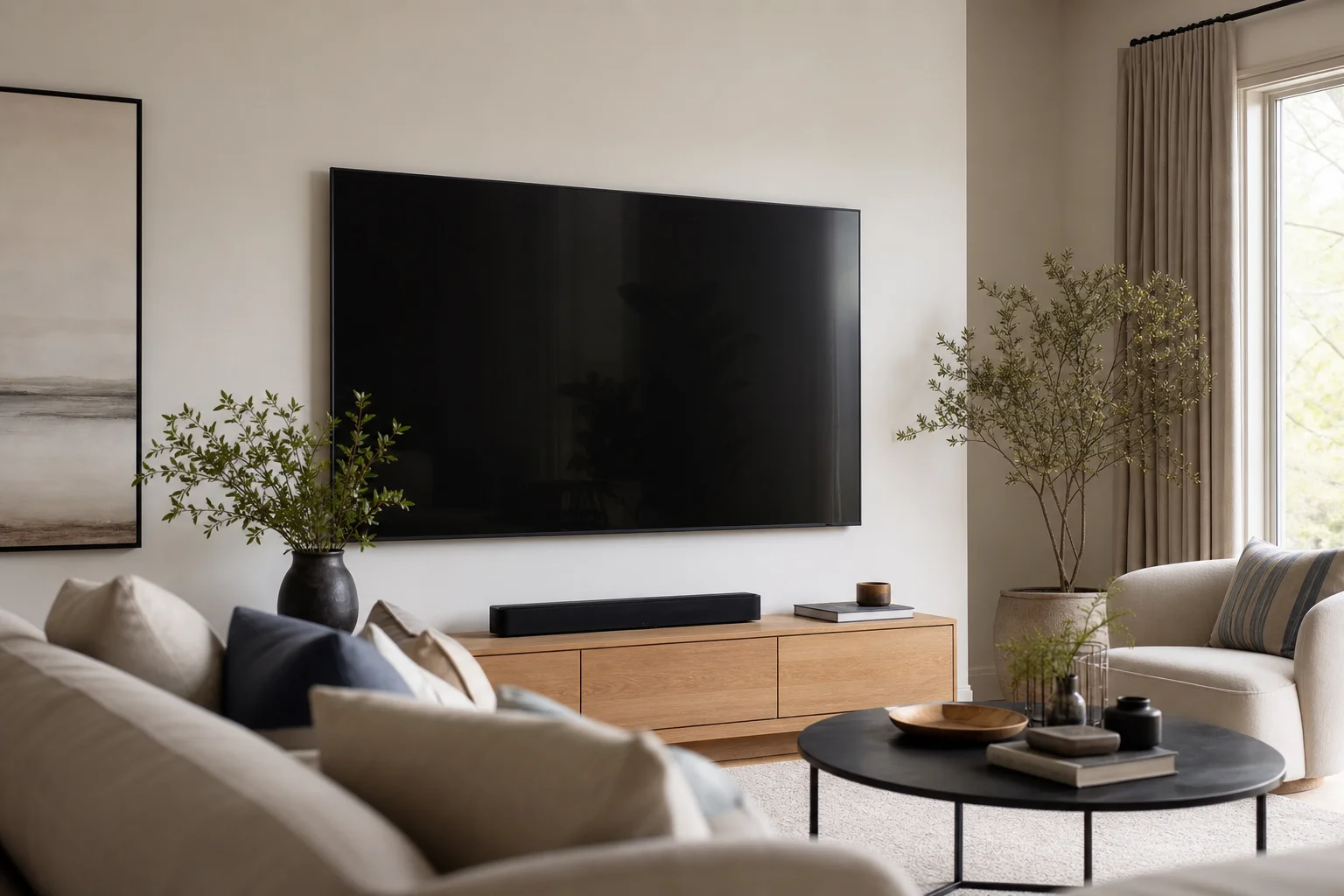
This discrepancy exists because TV manufacturers source panels from multiple suppliers. 70-inch panels are generally lower-cost and lower-quality, while 75-inch panels command higher prices and deliver better performance. Consequently, a 70-inch TV often forces you to step down to a lower product tier to get that size, sacrificing meaningful picture quality in the process.
Consider the Hisense lineup as an example. You can purchase a 65-inch or 75-inch U7K, but no 70-inch U7K exists. To get a 70-inch Hisense TV, you would need to drop to the A6 or R6 series, accepting a significant picture quality reduction compared to the 65-inch U7K. The same principle applies across most premium TV brands.
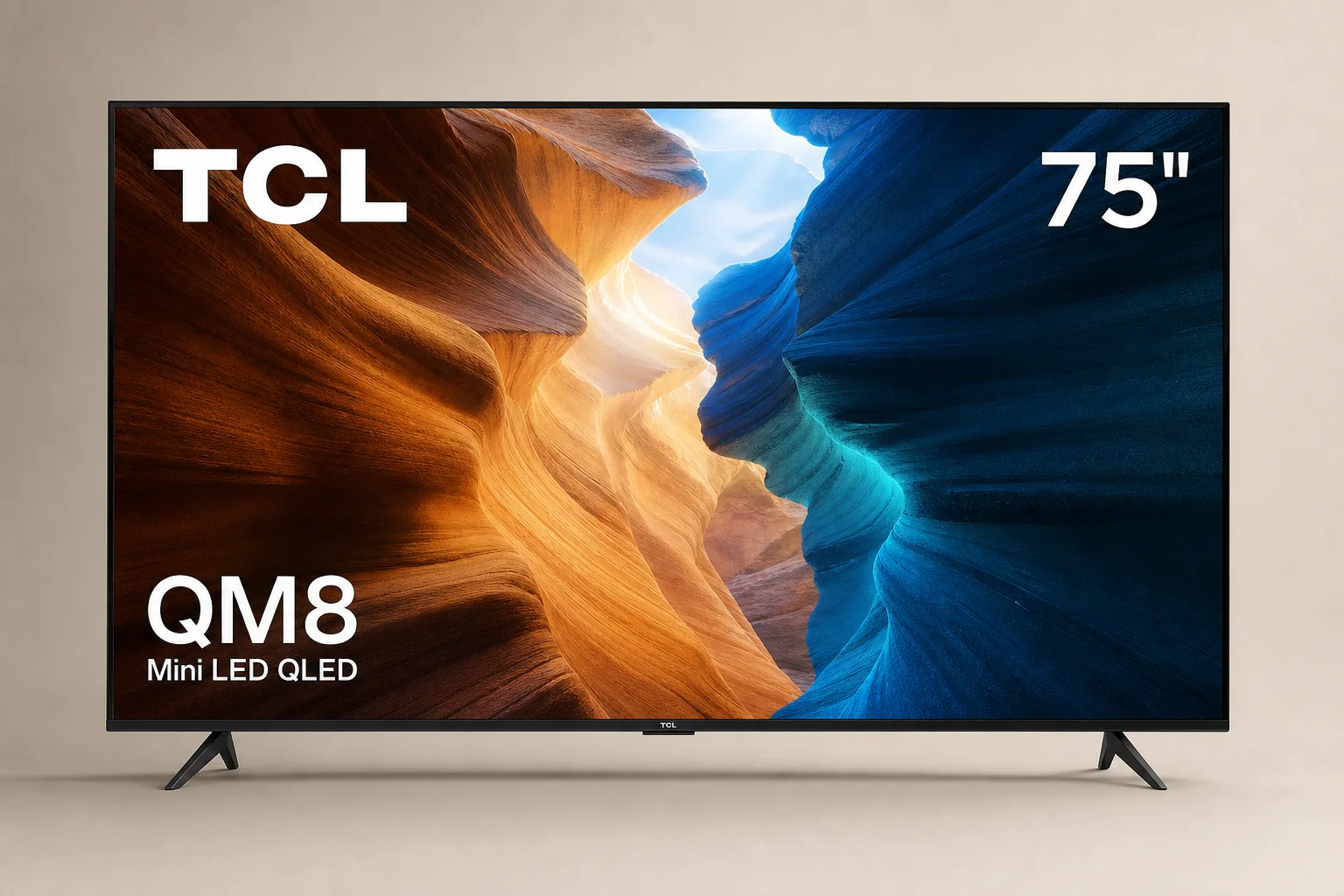
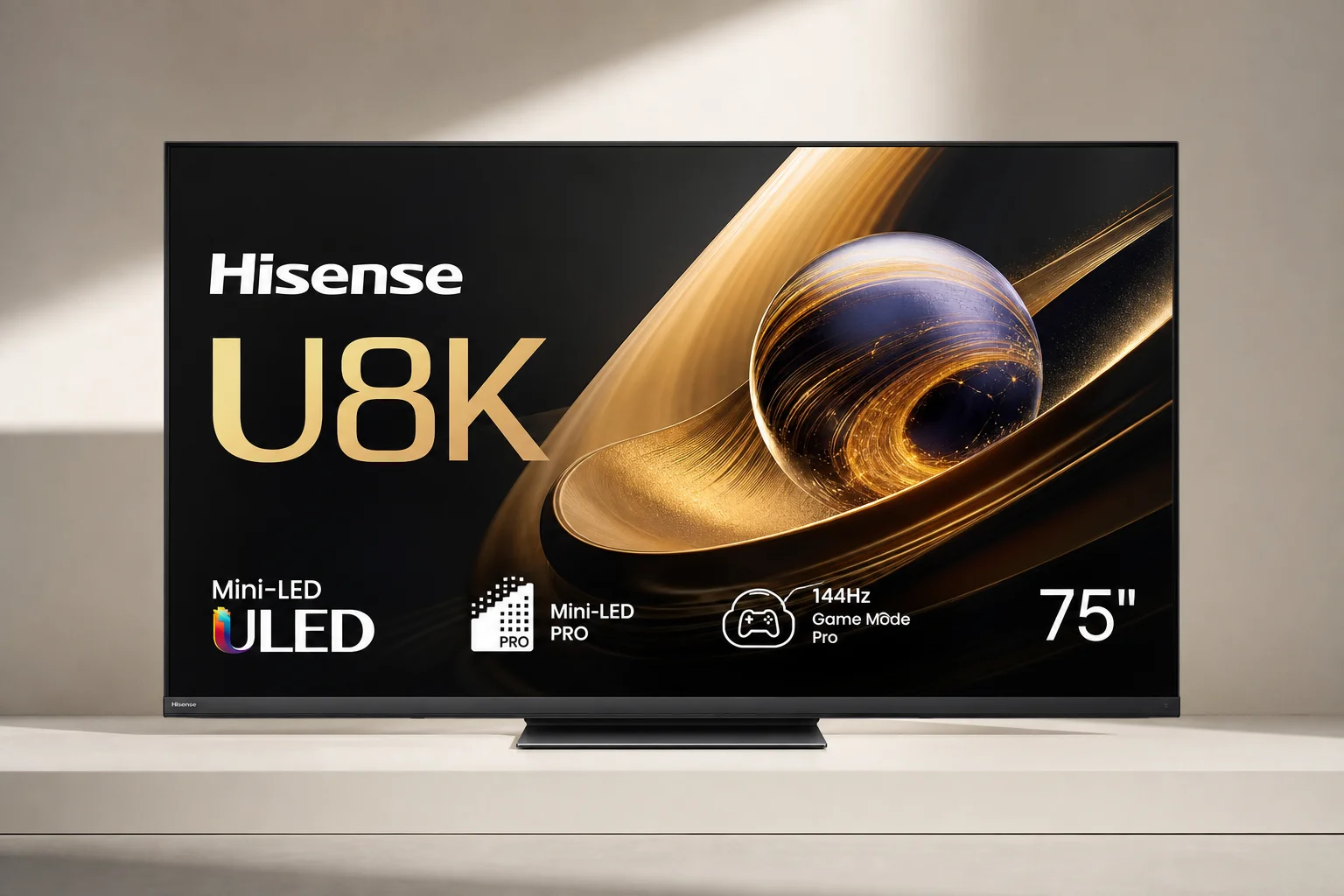
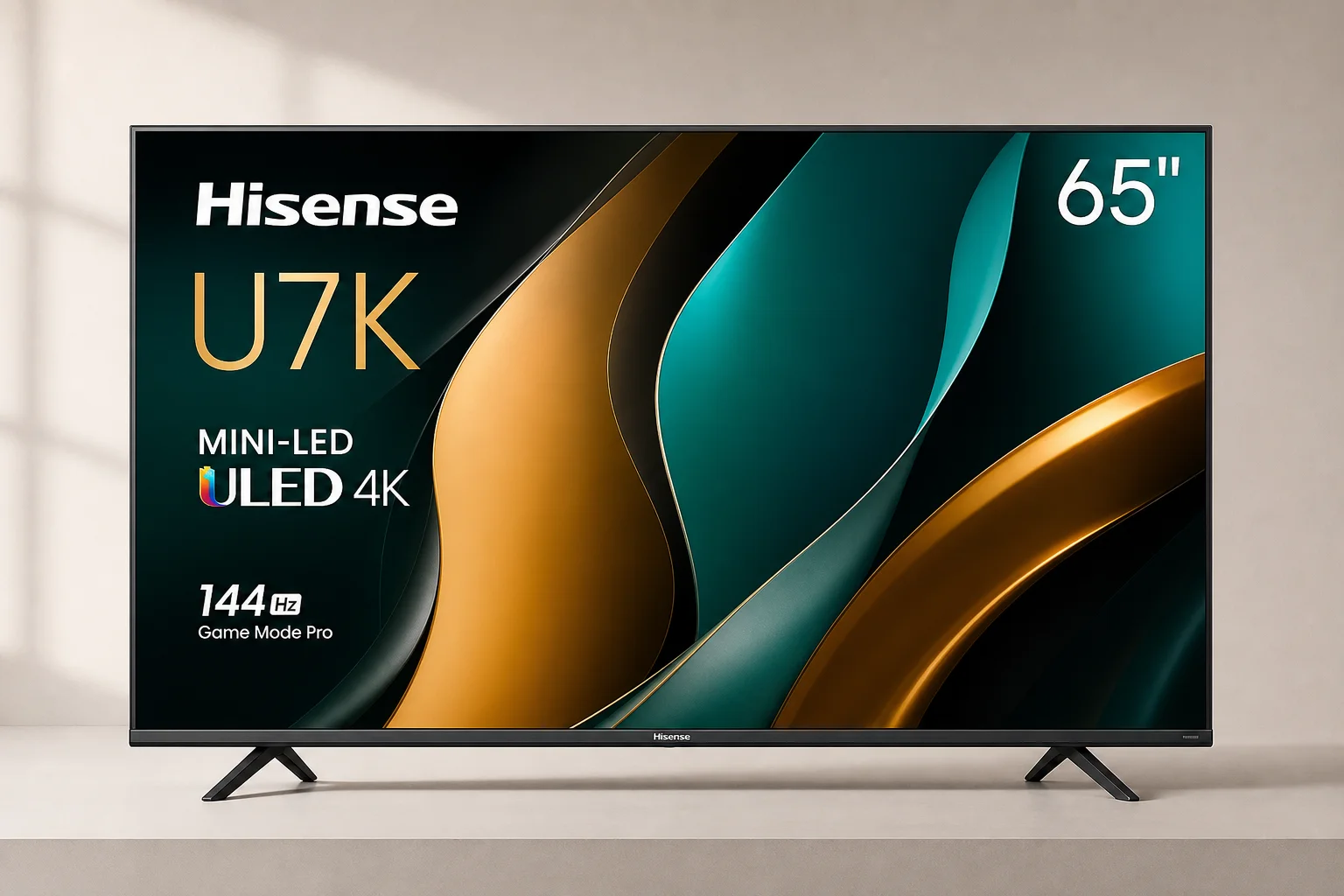
Additionally, panel type can vary by size within the same model. The Hisense U8K uses VA-type panels in 65-inch and 85-inch sizes but employs a high-end IPS/ADS-type panel in the 75-inch version. Modern ADS panels with mini-LED backlighting deliver contrast performance comparable to VA panels, so this difference is not a drawback. The practical takeaway: avoid 70-inch models and choose either 65-inch or 75-inch depending on your space and budget.
eARC and HDMI 2.1 Compatibility
eARC and HDMI 2.1 are separate specifications that often appear together but do not require each other. Understanding their relationship clarifies common setup questions.
Not all eARC ports support HDMI 2.1, and not all HDMI 2.1 ports support eARC. Most eARC ports happen to be HDMI 2.1 capable, but eARC can transmit all audio formats over the 18 Gbps bandwidth of HDMI 2.0b without issue. The distinction matters only in two scenarios: if you have multiple HDMI 2.1 devices to connect directly to your TV, or if your AV receiver supports HDMI 2.1 and you want to connect a PS5, Xbox Series X, or high-end PC to that receiver.
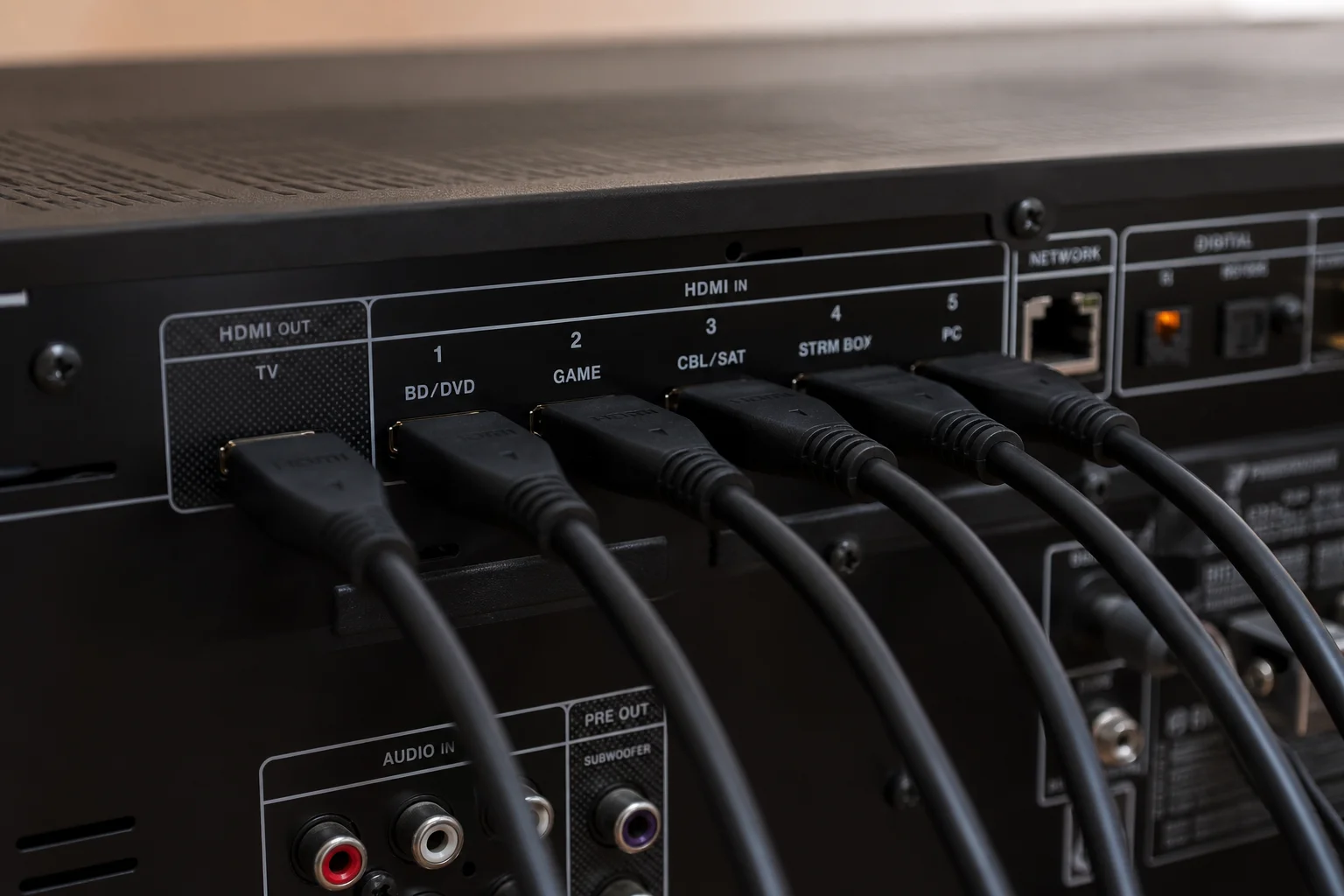
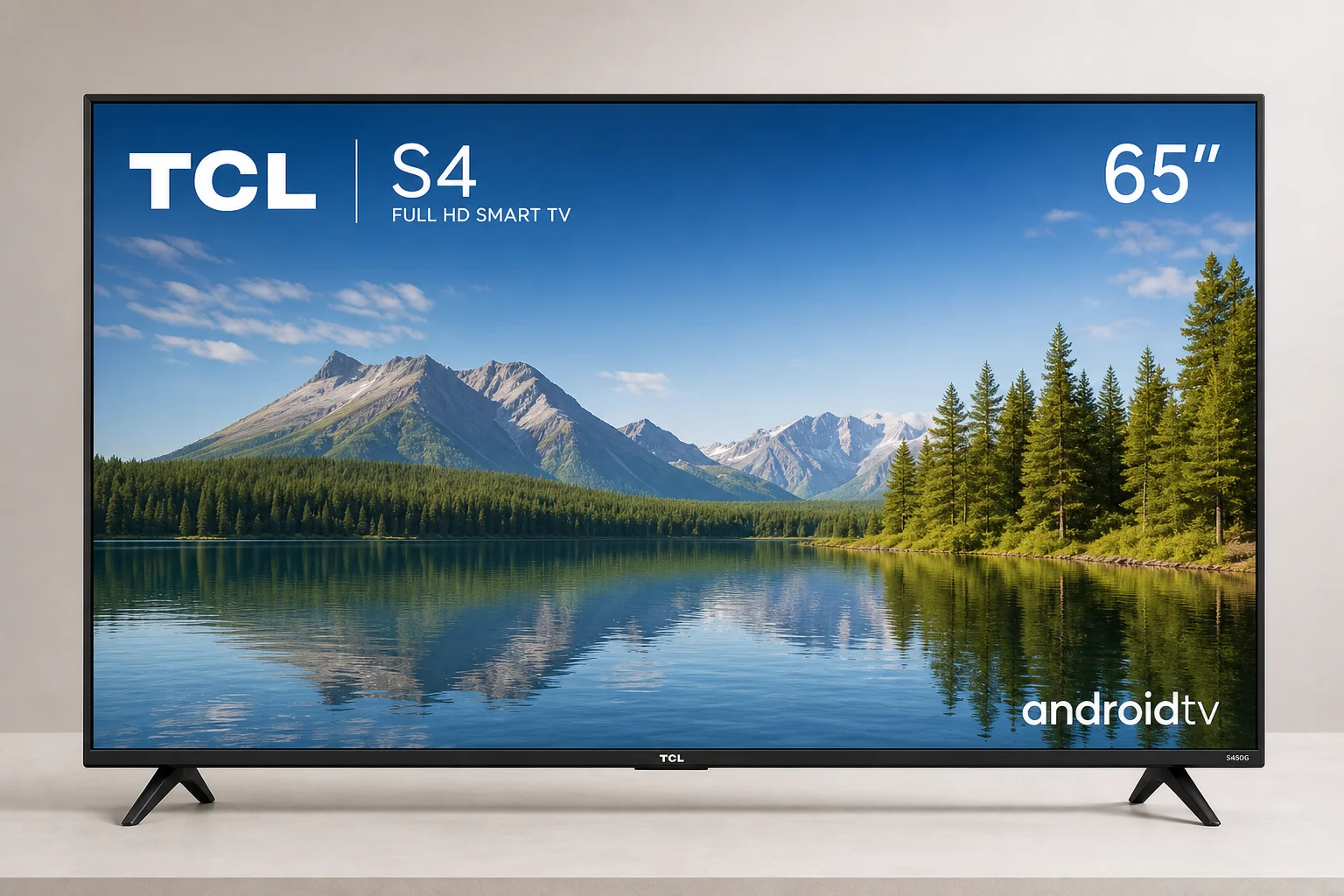
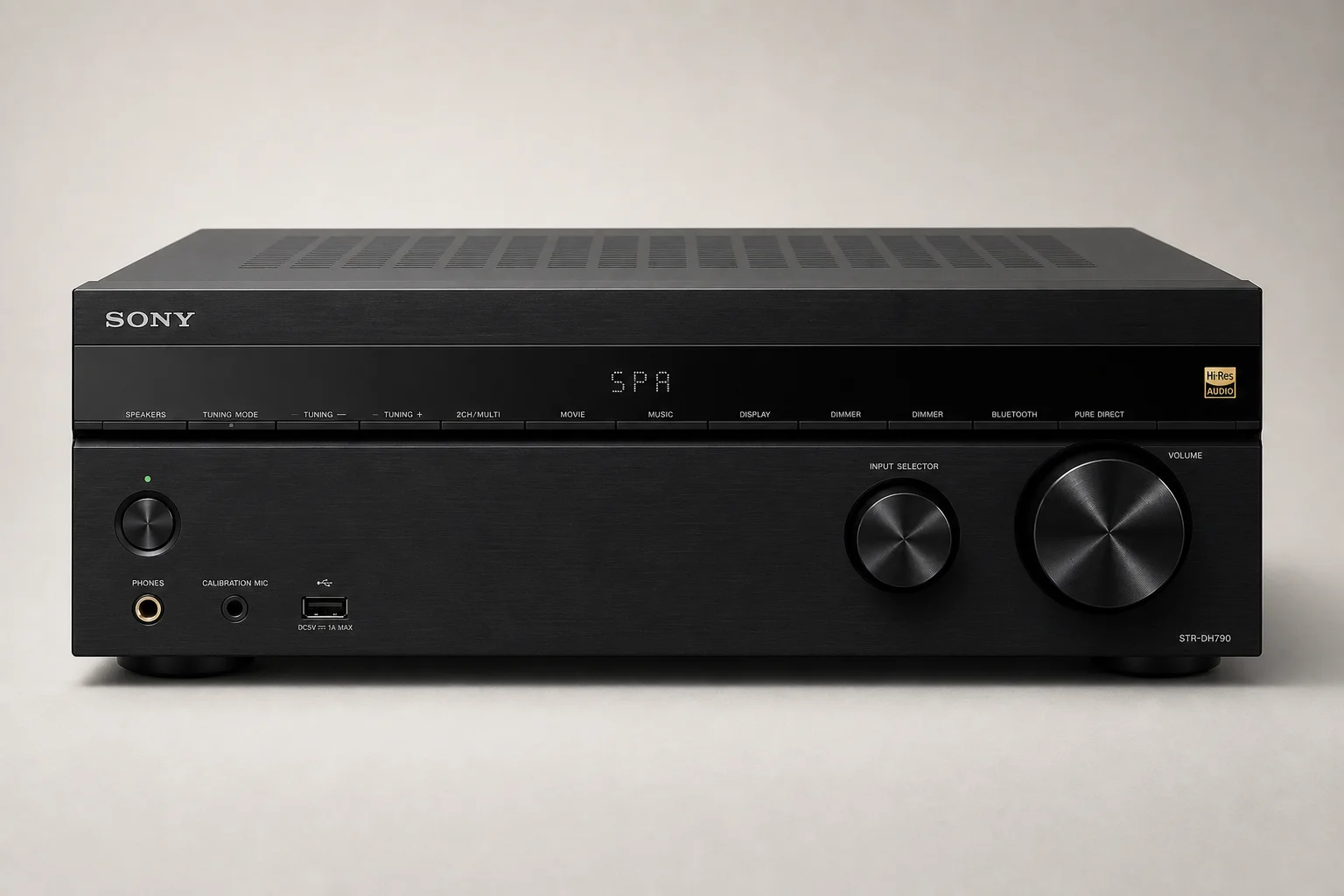
For a setup using a TCL 65S450G TV and Sony STR-DH790 receiver, neither device supports HDMI 2.1. This limitation prevents 4K at 120 frames per second but does not affect 4K at 60 frames per second or any HDR format or Dolby Atmos support. Since the Sony receiver does not support eARC, connecting a PS5 directly to the TV’s eARC port yields the best audio quality, including uncompressed Dolby Atmos. Alternatively, if minimizing input lag is the priority, connecting the PS5 to the TV and routing audio through eARC still delivers Dolby Atmos, though in compressed form rather than uncompressed.
The Future of OLED Brightness
A common question asks whether future OLED TVs might combine QD-OLED technology with LG’s MLA (Micro Lens Array) for ultimate brightness and color performance. The answer is no, and the reason is technical rather than corporate.
MLA technology was developed to overcome inefficiencies in LG’s WRGB OLED panels. In conventional WRGB panels, certain layers cause light scatter, resulting in lost light. MLA routes light straight through the panel to reach viewers’ eyes. QD-OLED panels, however, do not suffer from light scatter because they lack some of the layers present in WRGB panels, including the color filter. Therefore, MLA would serve no function in a QD-OLED TV.
The brightness gap between MLA OLED and QD-OLED is already minimal. For significantly brighter OLED-like performance, the industry would need to either implement micro-LED displays in consumer TVs or deploy emissive quantum dot display technology at scale. Both technologies are approaching commercial viability.
Conclusion
Blu-ray player quality has converged around a high baseline, making the choice between models less critical than it once was. Game consoles remain viable for casual disc playback but lack the audio format support and processing refinement of dedicated players. When shopping for TVs, avoid 70-inch models in favor of 65-inch or 75-inch options to maintain picture quality. Understanding eARC and HDMI 2.1 as separate standards clarifies how to optimize your home theater setup. Finally, the future of OLED brightness lies not in combining competing technologies but in entirely new display architectures.
Further reading
Related Reviews
Home Theater
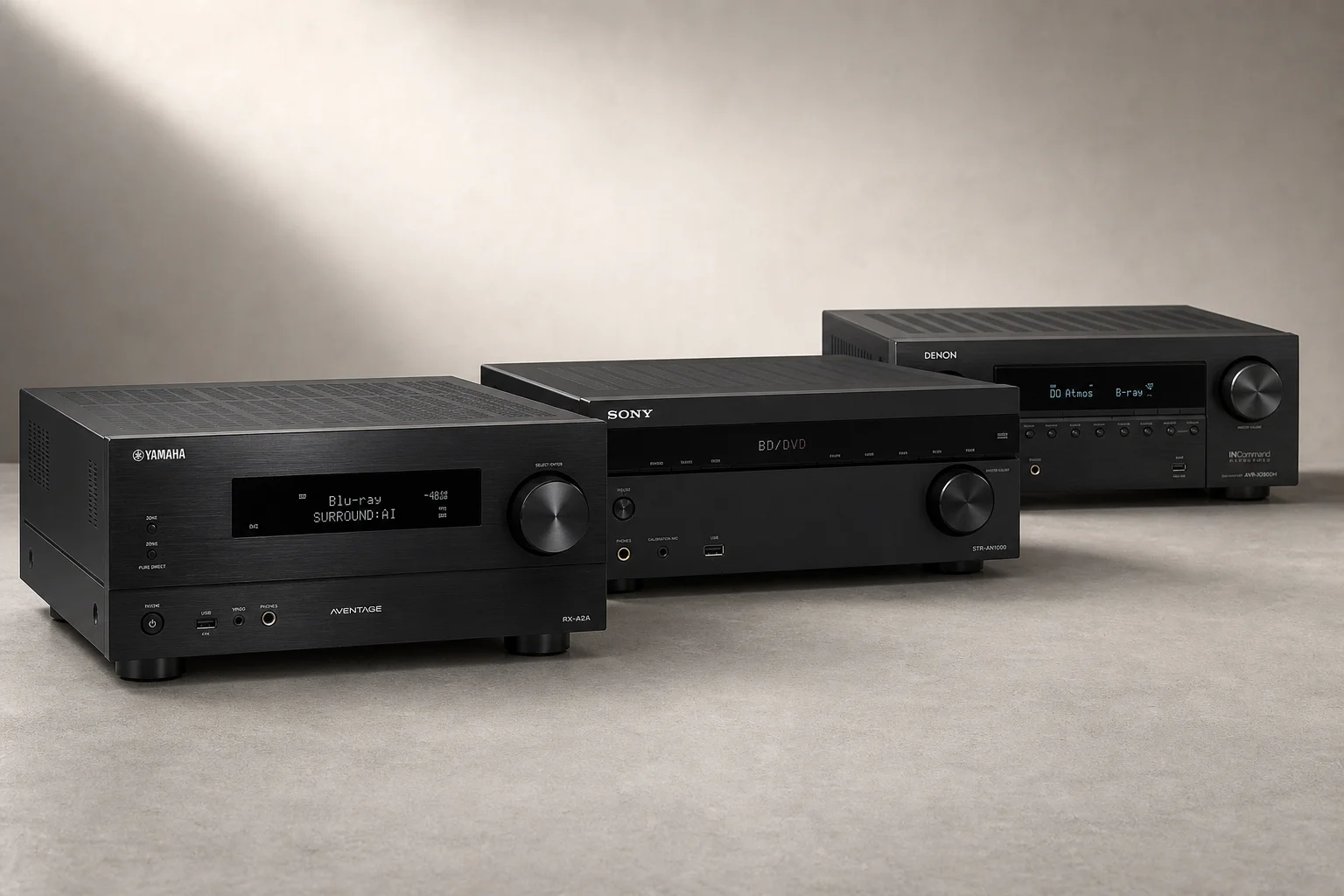
Best Home Theater Receivers 2026: Three Strong Contenders for Music and Movies
Three capable AV receivers that balance home theater performance with music listening, each with distinct strengths in power, connectivity, and room calibration.
Home Theater
Best Premium Soundbar Systems 2026: Eight Flagship Setups Compared
Eight premium soundbar systems from $1,000 to $4,000 tested for vocal clarity, sound stage, surround effects, height performance, and bass.
Home Theater
Best Wireless Surround Sound Systems 2026: Three Options Compared
We compare three wireless surround sound in a box systems from Highense, Valyrian, and Sony to see which offers the best home theater experience without the hassle of running speaker cables.