Touring Skis
Blizzard Zero G 95 Review: A Lightweight Touring Ski Built for Precision
A dedicated lightweight touring ski with a paulownia and poplar core, a three-dimensional carbon frame, and a precise, responsive ride on the descent.
Introduction
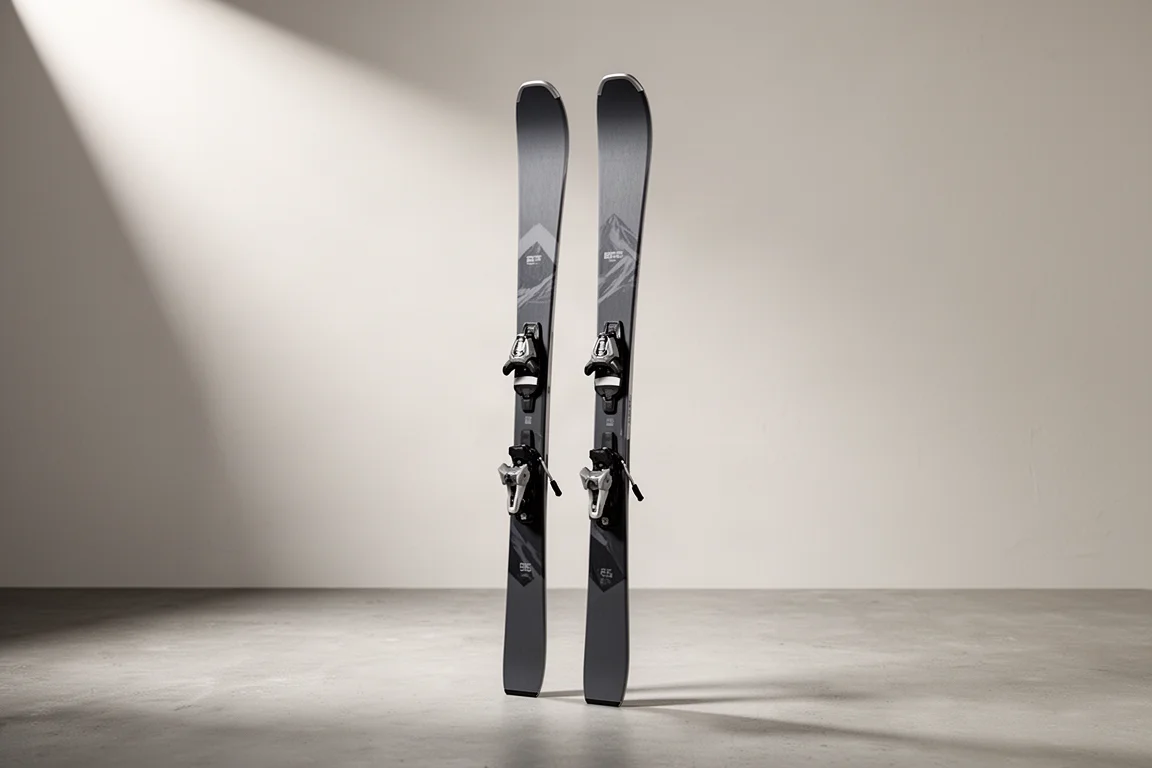
The Blizzard Zero G 95 is a purpose-built touring ski rather than a hybrid that splits its time between the resort and the skin track. Blizzard places it squarely in the touring category, well away from the more resort-oriented Hustle collection, and the intent shows up in the numbers: at 164 cm, the ski weighs just over 1,100 g.
The men’s and women’s versions of the Zero G 95 are the same ski. The only difference is the graphic, so riders who prefer blue can take the women’s version while the men’s ski comes in orange. Choosing between them is a matter of colour, not construction or flex.
Who the Blizzard Zero G 95 Is For
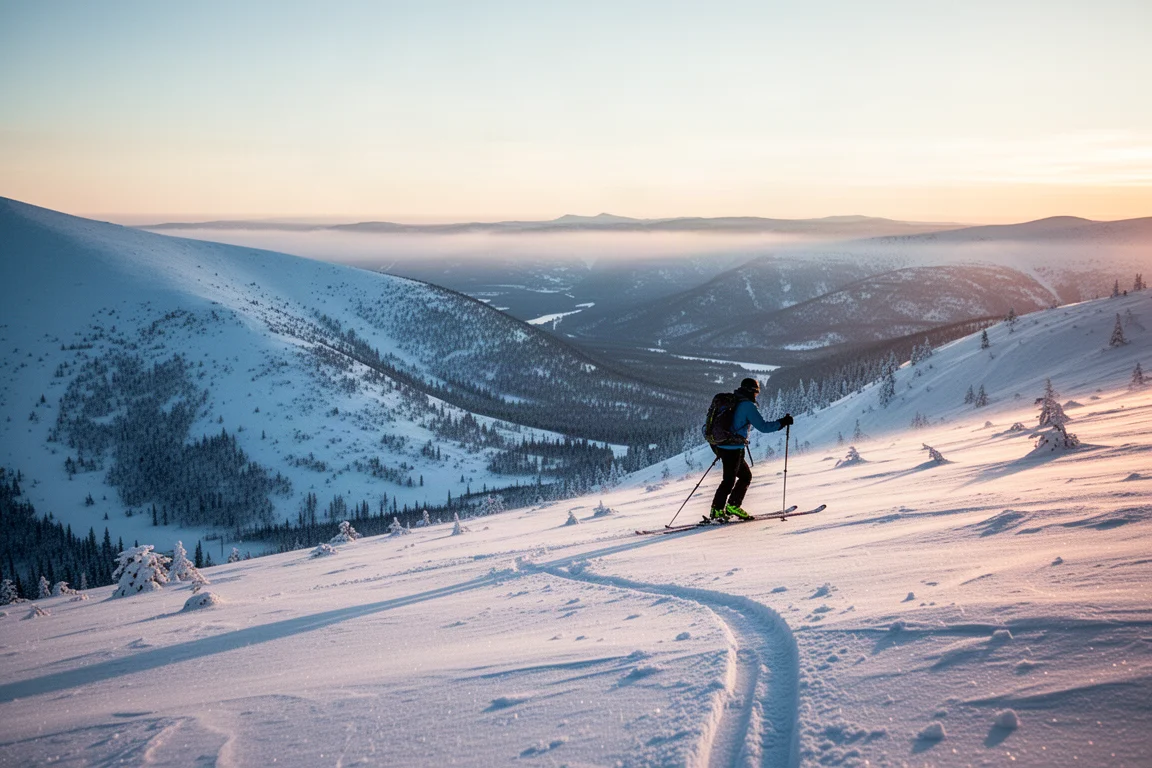
This ski is aimed at riders who plan to spend a decent part of the season touring. It also suits skinners who simply want to head uphill at a local resort before dropping back down, and it makes sense for any day where a meaningful amount of climbing is part of the plan.
The Zero G 95 is not a smeary, surfy shape. It rewards deliberate input, holds an edge, and communicates what the snow is doing underneath. Skiers who value responsiveness, edge grip, and clear feedback from a light ski will feel at home on it quickly.
Riders who prefer a loose, pivoty feel, or who want a single ski to cover both lift-served laps and backcountry days, are better served by a heavier and more versatile design. The Zero G 95 is at its best when the uphill is the point.
Construction and Weight
The latest version of the Zero G 95 carries two notable construction updates.
TrueBlend Tour is a wood core that uses different density woods in different sections of the ski to control the longitudinal flex pattern. The core is mostly paulownia, with thin strips of poplar worked in to add a little more energy and backbone where it counts.
Carbon Drive 3.0 applies carbon in three distinct ways. The most significant is a three-dimensional carbon frame, which builds a stronger structure with more vibration damping and a smoother ride than traditional horizontal carbon laminates. Carbon reinforcements sit underfoot and extend out to the edge, visible in the sidewall as two oblong shapes. Carbon stringers are also woven into the top fiberglass layer.
Together, those choices keep the 164 cm length at just over 1,100 g, which is remarkably light for a ski that still aims to perform on the way down.
Main Strengths
The first thing anyone notices is the weight. Picking the ski up makes the case for it immediately, and that low mass is what makes long ascents feel manageable rather than punishing.
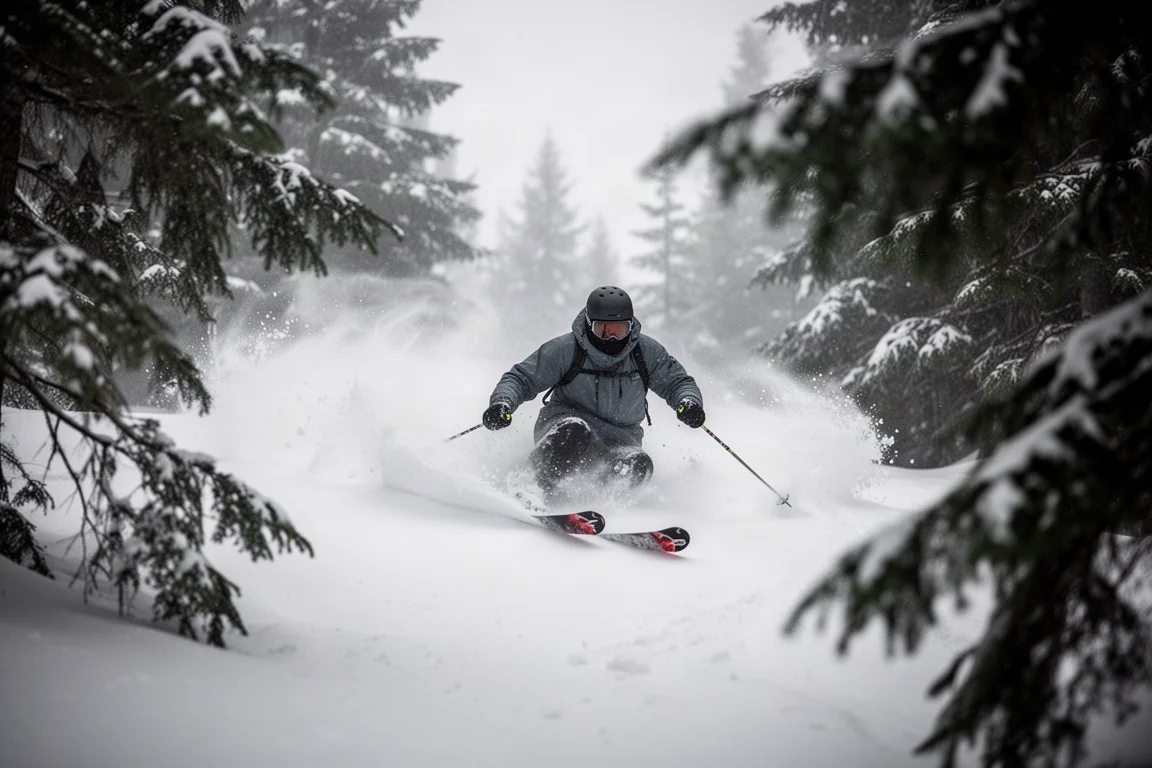
What sets the Zero G 95 apart within its weight class is how much it still delivers on the descent. It is one of the most precise, responsive, and strongest touring skis in its class, and that class is defined by how light it is. Light skis can often feel flimsy or pingy and get deflected easily; this one holds its composure.
The shape supports that character. It runs a rocker-camber-rocker profile with mostly camber underfoot, a good amount of tip rocker, and slightly less tail rocker. Neither end has heavy splay, so the relatively long camber keeps a responsive feel and a strong edge through the turn.
Terrain and Riding Character
Because the ski responds so quickly and efficiently to input, it shines in challenging technical terrain, tight chutes, and tight trees. Direction changes happen without delay, and the edge engages where you place it rather than drifting.
The uphill side of the equation is where the low weight pays off most obviously. The ski is light enough for long ascents, so climbing does not drain the legs before the descent begins. It is a natural match for backcountry touring and works just as well for skinning up at a local resort.
Things to Consider Before Buying
This is a specialist, and that framing matters. If your goal is one ski that handles lift-served days and touring days equally well, the Zero G 95 is not that ski. Its priorities lean clearly toward climbing efficiency and precise downhill performance.
It also asks for a matching setup. Pairing a ski this light with a heavy binding works against everything the construction is trying to achieve, and it will blunt the responsiveness that defines the ride.
Finally, consider the style of skiing you enjoy. The Zero G 95 is precise rather than smeary and surfy, which is exactly what many riders want and exactly what others do not. If you like a relaxed, drifty feel, this is a ski that will ask more of you.
Binding and Setup Notes
Keep the binding light. Nothing much heavier than a Kingpin-class binding makes sense here, and many riders will choose to go lighter still with a full tech pin binding. The lighter the connection between boot and ski, the more of the Zero G 95’s natural quickness comes through.
Boot choice follows the same logic. A light touring boot paired with a light binding and a ski that weighs just over 1,100 g in a 164 cm keeps the whole system easy to move uphill without giving away downhill confidence.
Buying Advice
If most of your days involve climbing and you value edge grip, feedback, and quick response in a ski that barely registers on the uptrack, the Zero G 95 is a strong match. It has long been one of the better downhill performers in its weight range, and the updated construction reinforces that reputation rather than softening it.
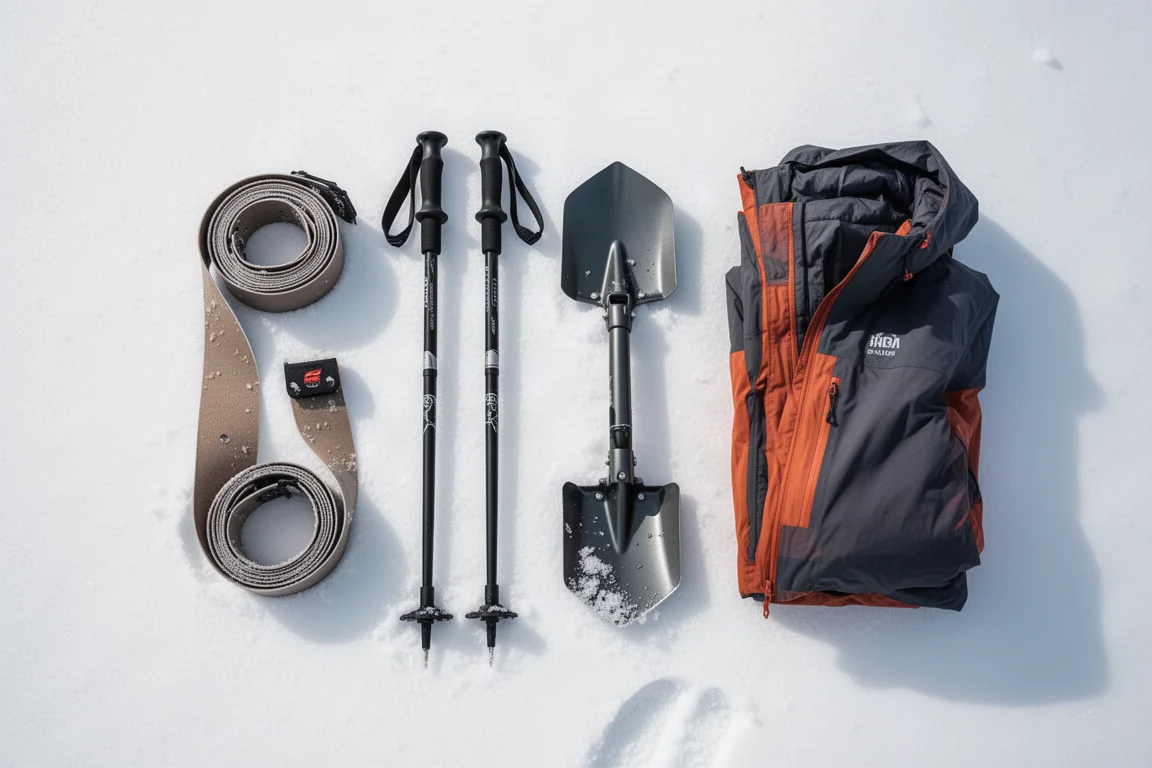
If you want one ski to cover resort laps and backcountry days, look at a heavier, more versatile option. If you want a light ski that stays composed when the terrain gets tight and technical, this one is worth a serious look.
Sizing and colour are the last decisions. Choose length based on your height, weight, and how much float you want, then pick the women’s or men’s graphic purely on preference, since the ski underneath is identical.
Conclusion
The Blizzard Zero G 95 makes its case through restraint. It keeps the weight exceptionally low, keeps the shape straightforward with a rocker-camber-rocker profile, and puts its engineering budget into a TrueBlend Tour core and a three-dimensional carbon frame that hold the ski together when it matters.
The result is a dedicated touring ski that climbs easily and still feels precise and strong on the way down. Riders who tour regularly, value responsiveness, and accept that this is a specialist tool rather than an all-rounder will find it an easy ski to trust.
Product link
View more details for Blizzard Zero G 95
This product is mentioned in the review. Check the specifications, options, and compatibility before buying.
View more details for Blizzard Zero G 95Further reading
Related Reviews
Touring Skis
Atomic Backland 100 Review: A Light Touring Ski That Still Holds an Edge
The Atomic Backland 100 is the lightest of Atomic's three 100mm-underfoot skis. Here is how its carbon build, tapered tail, and setup options shape the buying decision.
Touring Skis
Best Touring Skis 2025: Six Standout Picks from Lightest to Heaviest
A practical roundup of six touring skis, from featherweight uphill tools to confident freeride performers, with real weights, prices, and on-snow characteristics.
Touring Skis
Best Touring Skis 2026: Seven Lightweight Options Compared
Seven lightweight touring skis compared, from uphill-focused builds to descent-oriented shapes, with practical guidance on weight, flex, turn radius, and binding choice.