Aviation
Blackshape Prime 915: A Carbon Fiber Experimental Aircraft Worth a Close Look
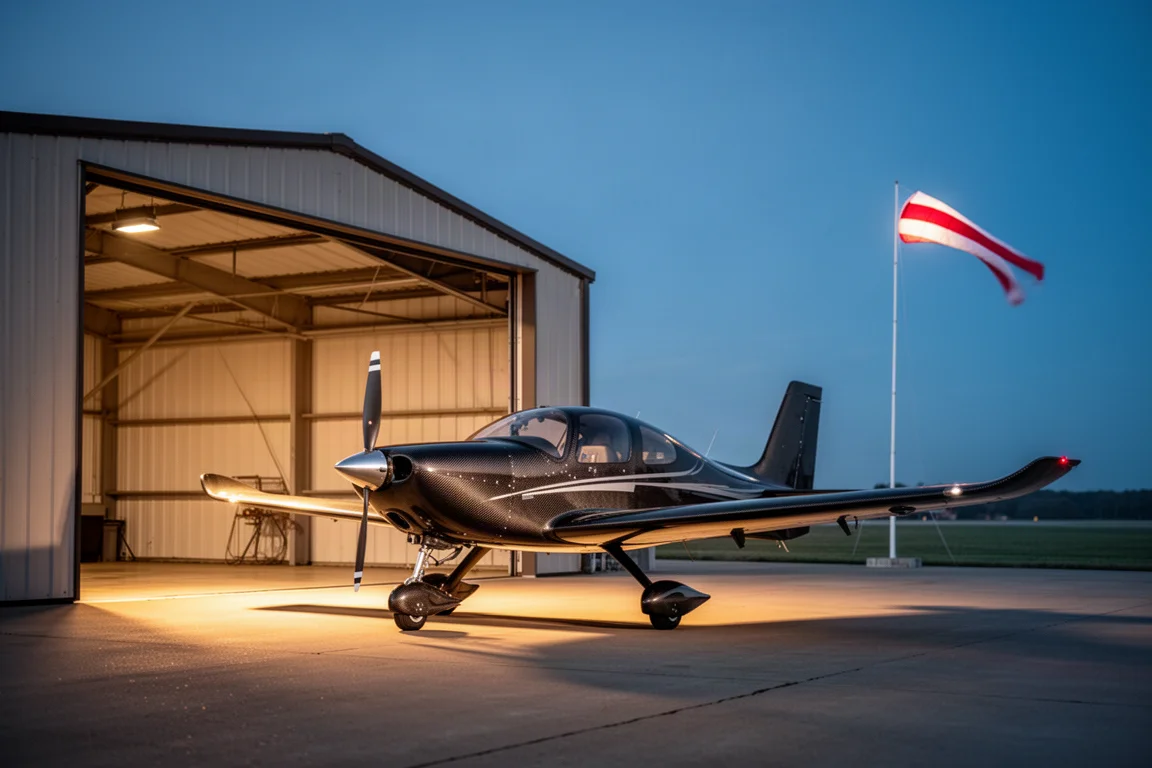
The Italian-built Blackshape Prime 915 brings autoclave carbon construction, retractable gear, and around 180-knot cruise to the experimental market, now arriving in the US through Bravo Fox.
Introduction
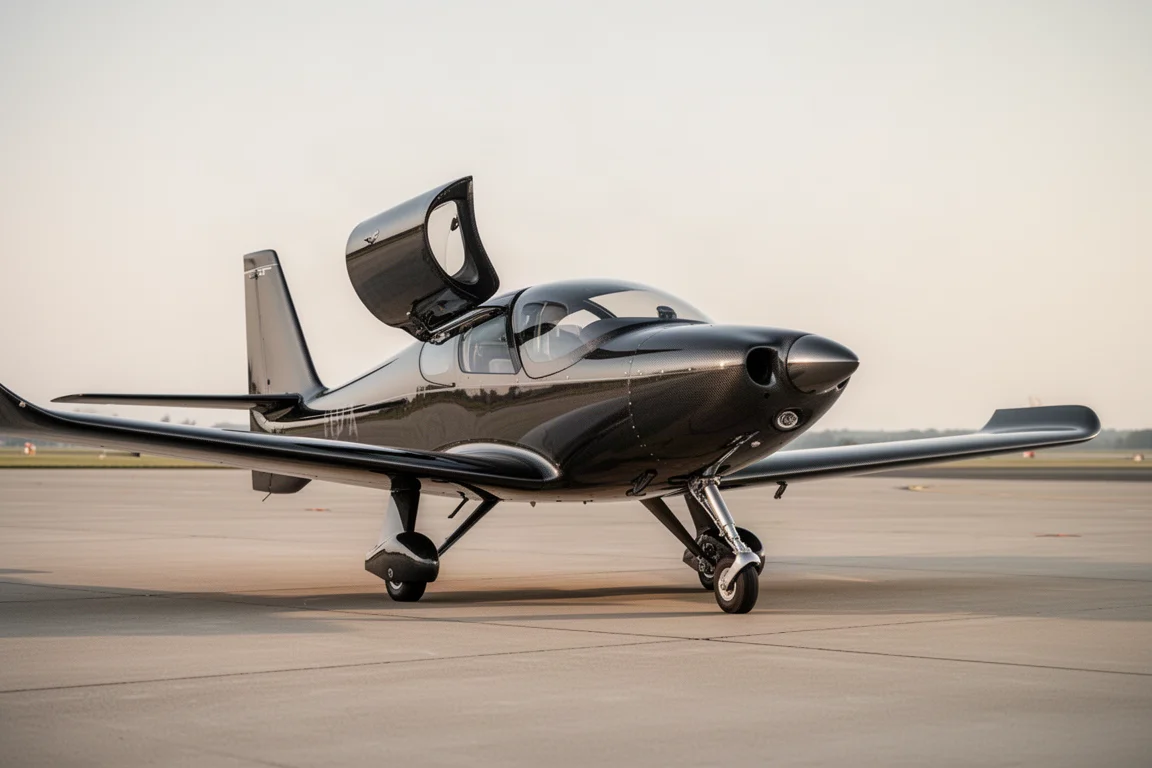
The Blackshape Prime 915 is the first Prime model from Italian manufacturer Blackshape to reach the United States. Based in Monopoli, in the heel of Italy’s boot, Blackshape has been designing carbon fiber aircraft since 2012, and the Prime line has been steadily refined ever since. This example, airframe number 71, arrived in the US through importer Bravo Fox and was shown at Sun ‘n Fun in Lakeland, Florida.
Despite its polished, certified-looking appearance, the Prime is an experimental aircraft in the US market. It is powered by the Rotax 915 with an MT hydraulic constant-speed propeller and Dynon avionics, and it packs a set of features rarely seen in this class, including retractable gear and a standard ballistic parachute.
Who This Aircraft Is For
The Prime 915 suits experienced pilots who want light-sport-like simplicity but with genuinely higher performance. It is a tandem two-seat composite aircraft designed around the turbocharged Rotax 915, with a fast cruise around 180 knots, something few aircraft in this segment can claim.
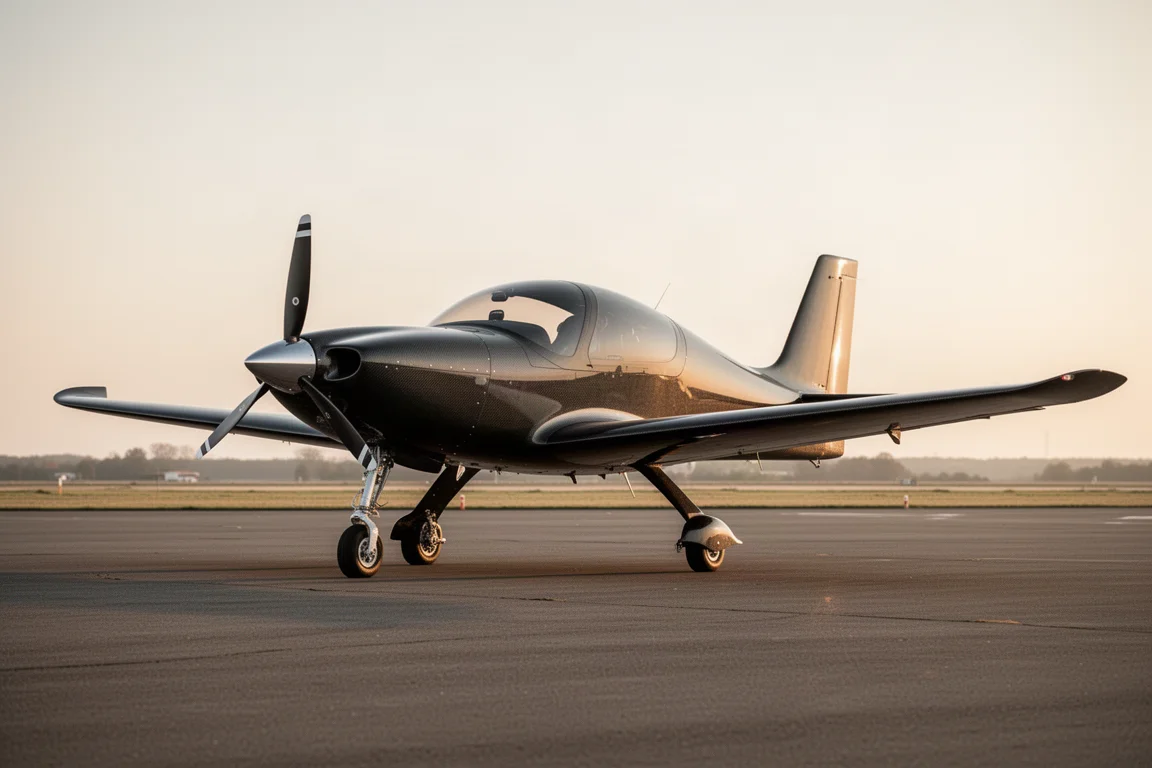
Because it is factory built but experimental category, it also appeals to buyers who want a modern, well-supported airframe without taking on a full kit build. Bravo Fox is exploring a factory-assist program with the Italian factory for buyers interested in kit building, but for now the aircraft is delivered factory built only.
Construction and Design
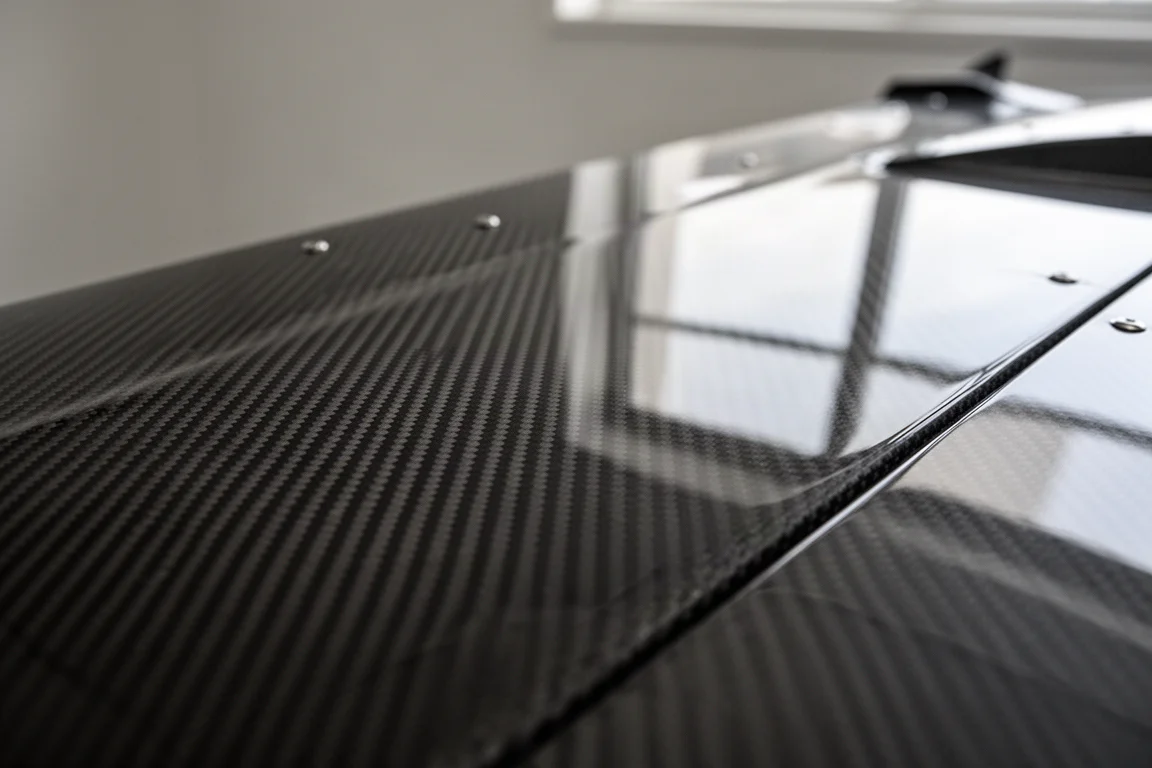
The airframe is 100% composite, meaning carbon fiber throughout, and it is produced using an autoclave process. This matters for longevity: unlike wet layup methods, autoclave-cured carbon avoids the micro-fractures that can develop over time, preserving structural integrity.
The fuselage is a single-piece molding, while the wings are separate left and right panels that attach at extension points off the fuselage. Assembly after delivery is deliberately simple: the aircraft arrives in a crate, the wings slide onto the bolts and are screwed on, and after registration the plane is ready to fly.
Retractable gear is a standout feature. With the gear cleaned up, the aircraft takes on a notably sleek profile, and that aerodynamic efficiency is a big part of how it achieves its fast cruise speed.
Cockpit and Avionics
The tandem cockpit offers entry from either the front or the rear, and visibility through the sloped canopy is excellent, with sightlines past the cowling from the back seat. The rear station gets a second screen plus flap and gear controls, so the aircraft can genuinely be flown from the rear.
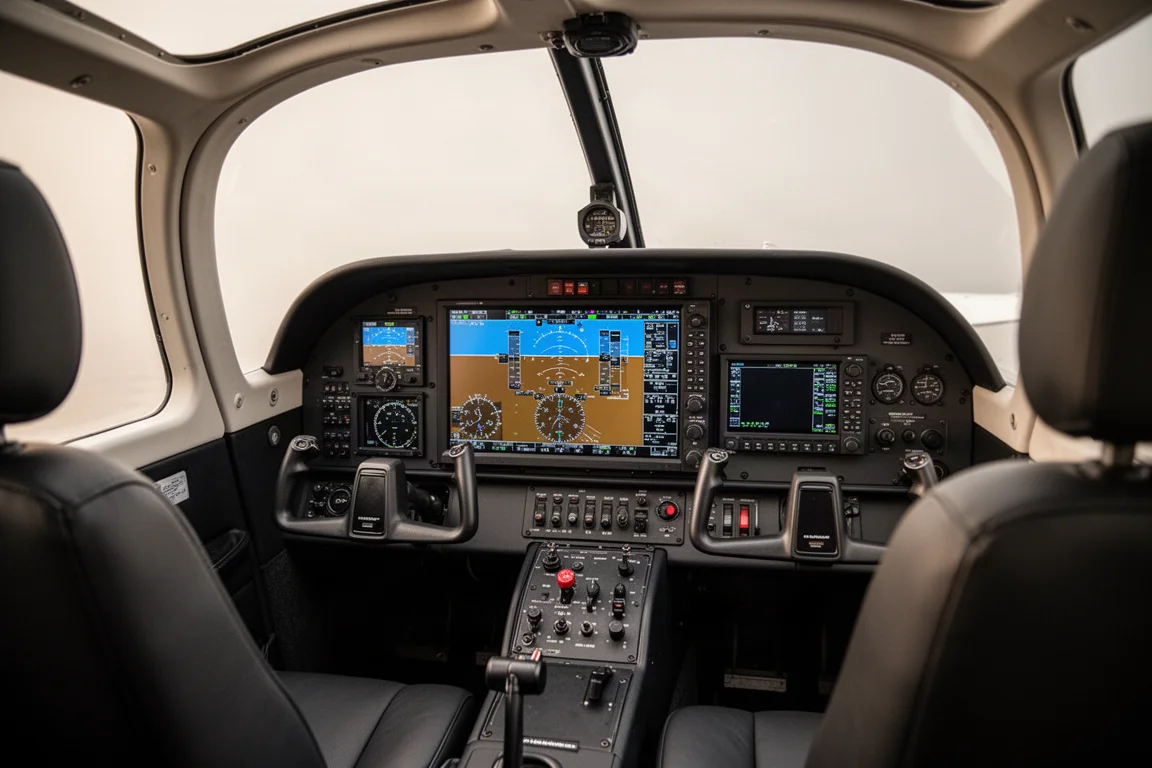
Panels are fully configurable: full Dynon, full Garmin, or a mix. The featured aircraft uses a 10-inch Dynon setup with a separate flybox unit controlling flaps, allowing one-notch-at-a-time adjustments or a quick jump to three notches. Dynon and Garmin each have features the other lacks, so the choice comes down to pilot preference. The Junior parachute, with deployment from the front near the cowling, comes standard on every aircraft.
Starting the turbocharged Rotax 915 is straightforward: no carbs, no mags, just battery switches, the A/B lanes, and a hold-to-start button. This example has a central brake lever without differential braking and direct steering, with differential braking coming on the next airframe.
Performance and Flying Qualities
Cruise speed is around 180 knots, and the next aircraft being delivered will have extended tanks holding 34 usable gallons, translating to roughly 700-plus nautical miles in economy cruise. Stall speed is currently around 58 knots, and the wings can be modified if the pending MOSAIC rule allows a lower stall speed, which the company is actively anticipating.
Things to Consider Before Buying
The experimental classification has practical implications. Because the buyer has not performed a 51% build, the factory has no ownership stake, the buyer becomes the first owner, and the buyer cannot sign off their own annuals. However, with a good relationship with an A&P, owners can do much of the legwork on maintenance, with the A&P signing off.
The 915’s raised-exhaust cowling was redesigned from the 912 version, and the cowling appears compatible with the newer 916, so future engine options should require minimal changes. Certified sister-model Gabriels are now FAA certified, but Primes in the US will remain experimental unless MOSAIC changes that.
Ownership, Support, and Ordering
Bravo Fox, based north of Indianapolis at 54 Sheridan Airport, offers transition training tailored to the buyer, whether that takes one day or three, so new owners leave feeling confident as pilot in command. Maintenance is available at Sheridan, and an agreement has been negotiated with Winter Haven Airport in Florida as a service center for the region, covering the airframe and Rotax work.
Lead times run roughly 6 to 8 months from order to delivery. Customization is broad: paint designs, interior materials including Alcantara, leather, or fabric, and seat sizing for taller pilots. The US introductory special for this 915 configuration with MT hydraulic prop and Dynon avionics is priced at $330,000, while the next incoming aircraft with the 916, full IFR Garmin, and extended tanks pushes close to $400,000 depending on options. A 912-powered Prime is also available as a lower-cost entry.
Buying Advice
If you want a fast, modern composite tandem aircraft and are comfortable with experimental ownership rules, the Prime 915 is a compelling option with strong factory and importer support already in place. Buyers prioritizing range and a certified avionics suite may prefer to wait for or order the 916 with extended tanks, while budget-conscious pilots can step down to the 912 version. Confirm your maintenance arrangement with an A&P before purchase, since self-signing annuals is not possible.
Conclusion
The Blackshape Prime 915 brings autoclave carbon construction, retractable gear, 180-knot cruise, and a standard parachute to the US experimental market. With 70 aircraft already flying globally and a dedicated importer handling sales, training, and service, it is a serious contender for pilots seeking performance and refinement in a two-seat package.
Product link
View more details for Blackshape Prime 915
This product is mentioned in the review. Check the specifications, options, and compatibility before buying.
View more details for Blackshape Prime 915Further reading
Related Reviews
Aviation
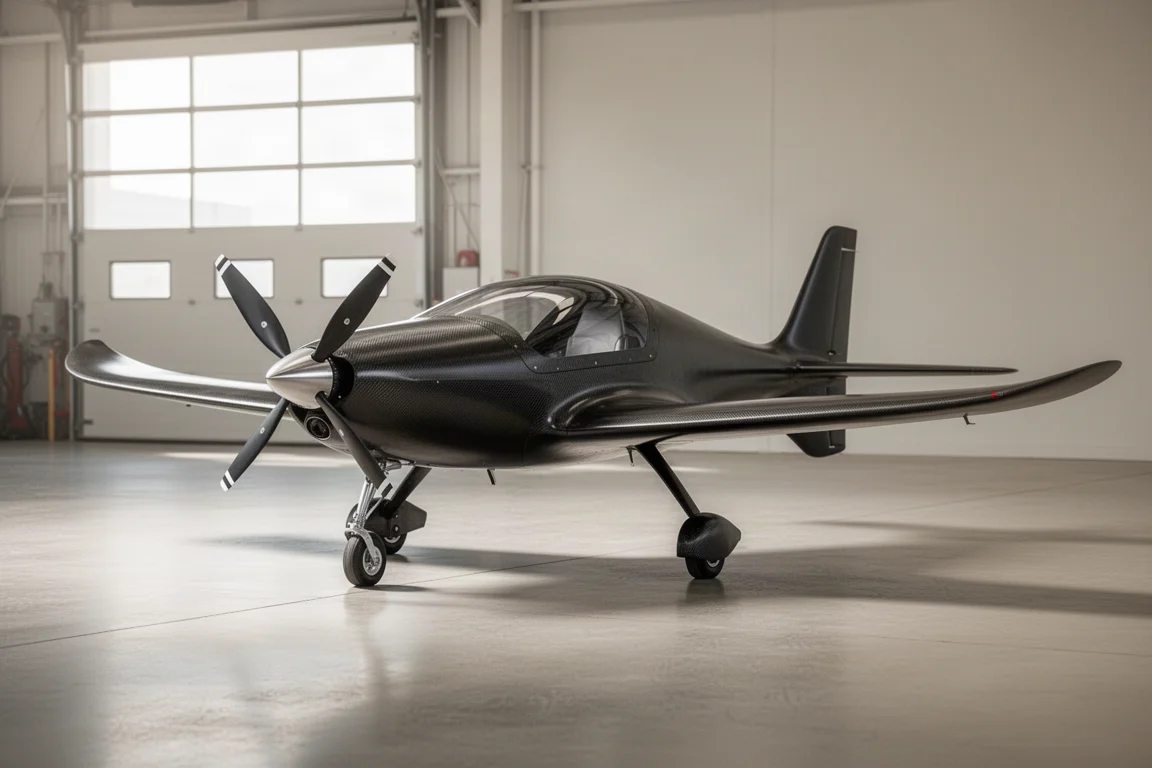
Aero Technics ACH 212 Solo Review: A Carbon Fiber Solo Kit Aircraft You Can Build Fast
A nearly 30-year-old Czech design still offered only as a kit: 90% carbon fiber, quick-release wings, a 350 to 400 hour build, and performance that surprises.
Aviation
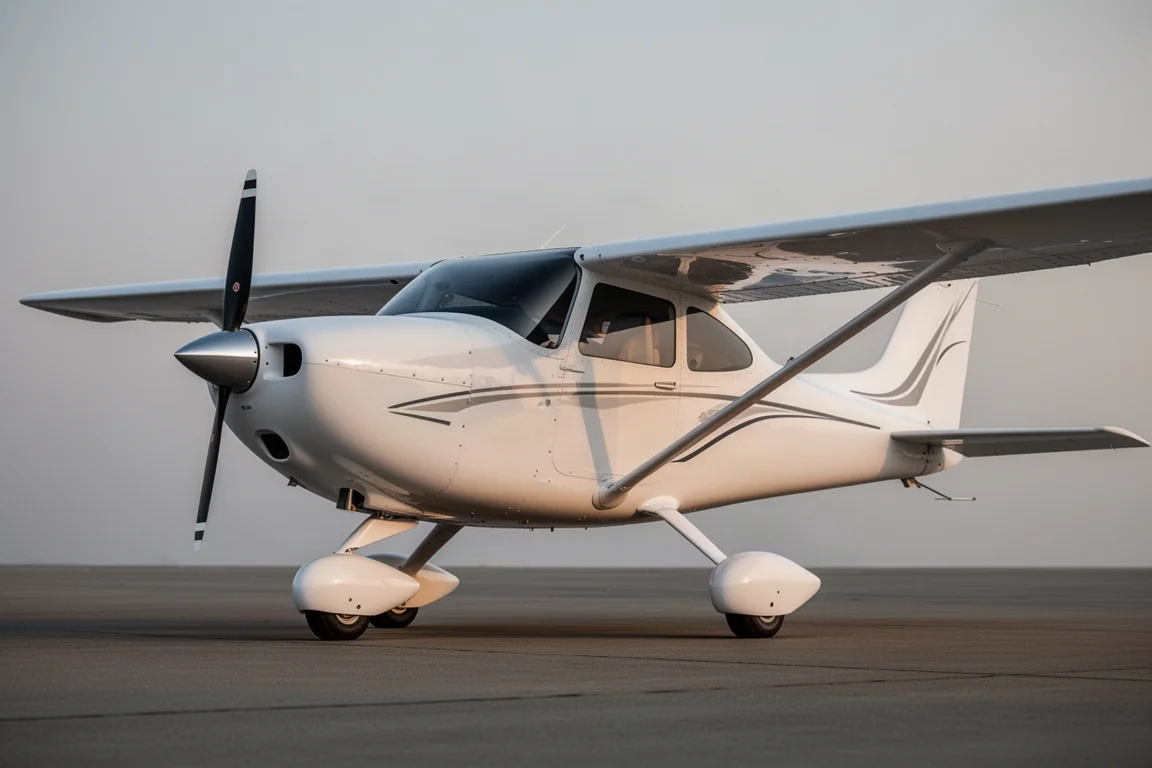
Aeropilot: The 80% Scale Cessna-Style Light Sport Aircraft Winning Over Flight Schools
A full-carbon, two-seat light sport aircraft modeled after the Cessna 182, with a larger cabin, big climb performance, and fuel burn that flight schools love.
Aviation
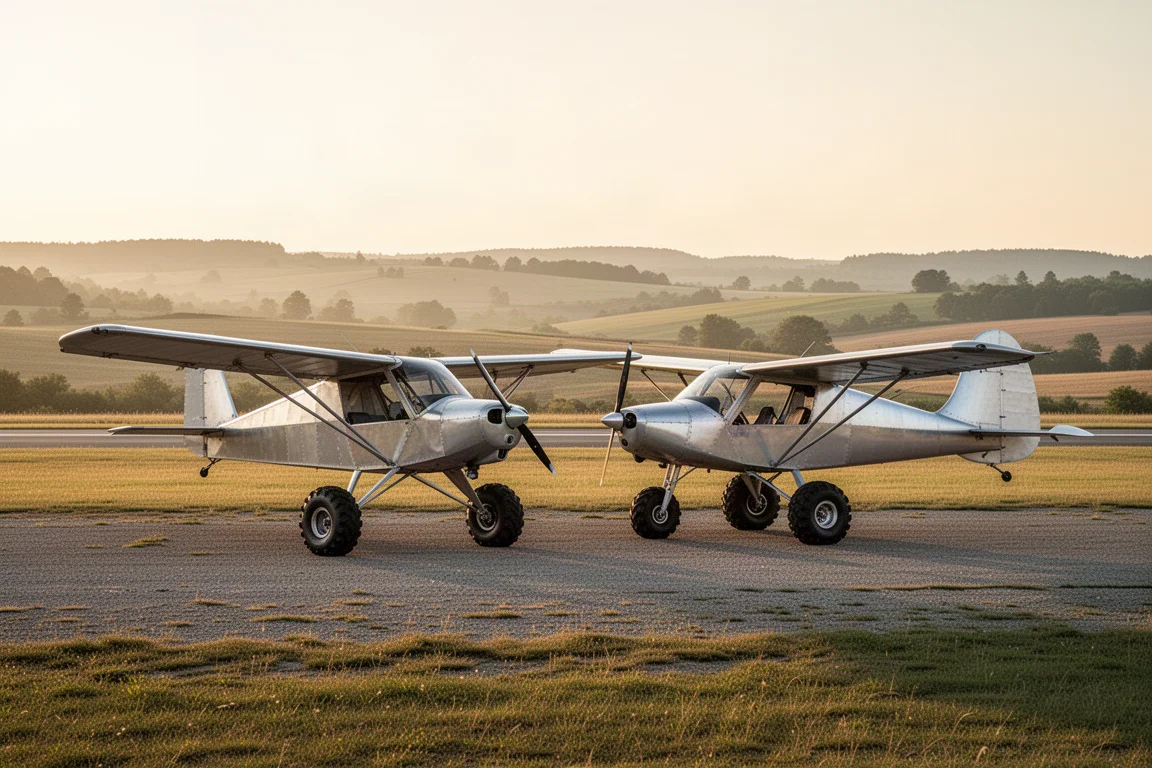
Aeropro A22 and A32: Two Light Sport Aircraft Worth a Close Look
A side-by-side look at the Aeropro A22 and A32, covering performance, pricing, customization, and what buyers should know before ordering.