Aviation
Blackshape Gabriel vs Prime: Two Carbon Fiber Aircraft With Very Different Missions
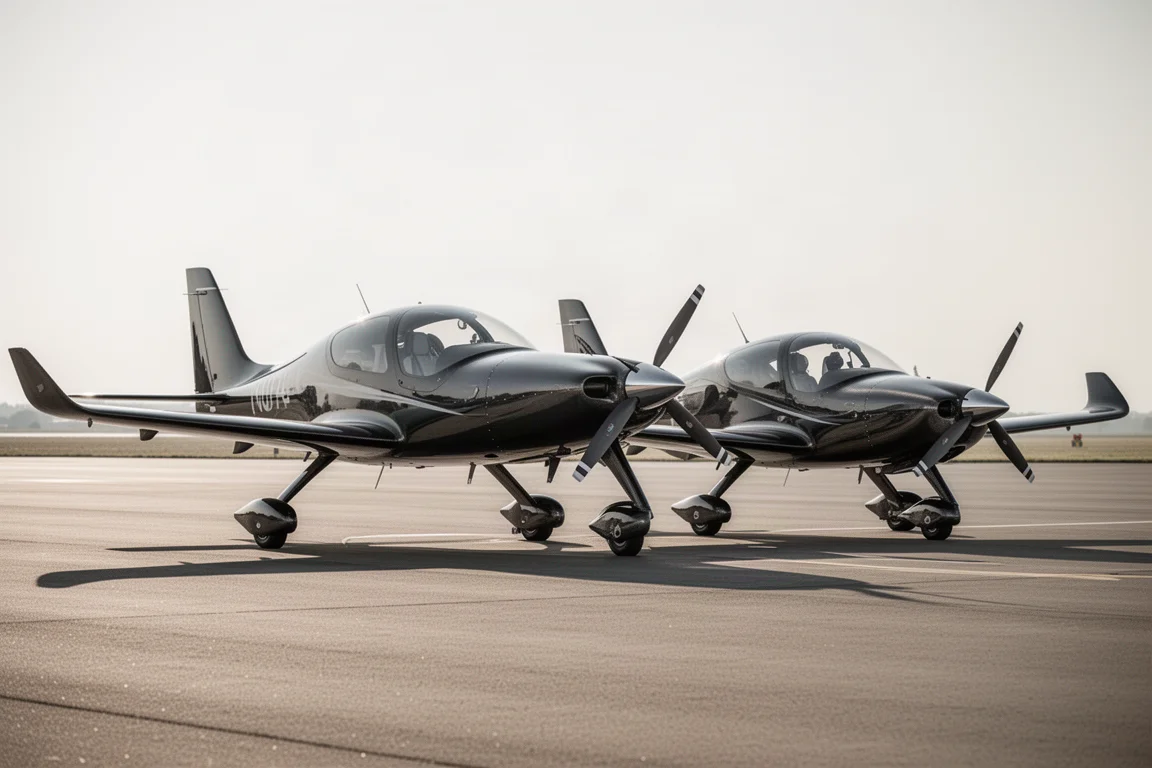
Blackshape now fields two full-carbon aircraft in the US. The Gabriel is the trainer-oriented big sister, while the Prime remains the faster, sharper option.
Introduction
Blackshape is a rarity in the light aircraft world: a manufacturer building both of its models from a full autoclave-cured carbon fiber airframe. With the Gabriel now joining the Prime in the United States, buyers have two very different aircraft from the same design philosophy. The Prime is the sharp, fast flagship. The Gabriel is a larger, heavier aircraft built around a trainer mission.
Here is how the two compare, based on a close look at both airframes.
What Is the Blackshape Gabriel?
The Gabriel is described as the big sister model in the Blackshape family. It is larger and heavier than the Prime and is positioned as an almost ideal trainer. Where the Prime rewards an aggressive hand, the Gabriel is more docile and wants a bit more coaxing before it will be pushed hard.
That character makes it well suited to flight schools and A-to-B flying where students should learn the fundamentals without being able to upset the aircraft quickly. It is also a natural fit for pilots who simply want a more relaxed flying experience.
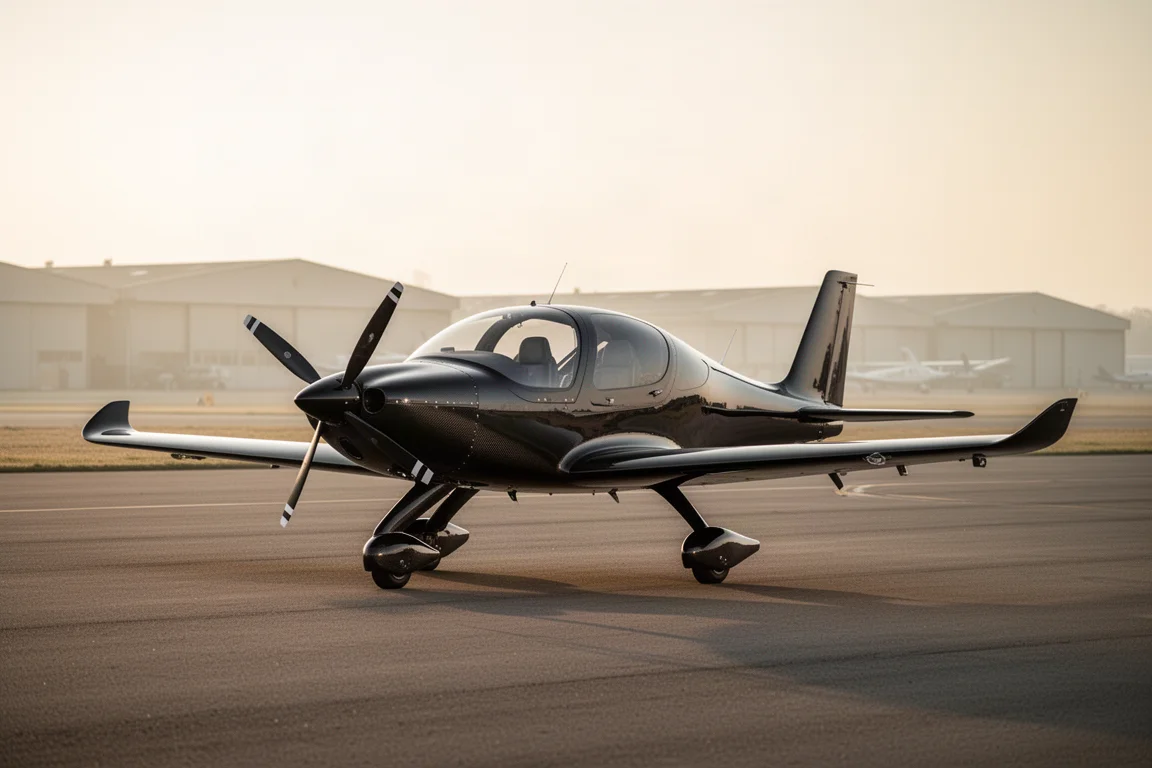
Both aircraft share the same core DNA: a full carbon fiber airframe, low-wing tandem layout, similar cockpit space, and similar storage capacity behind the headrest. From there, the designs diverge in meaningful ways.
Wing Design and Stall Features
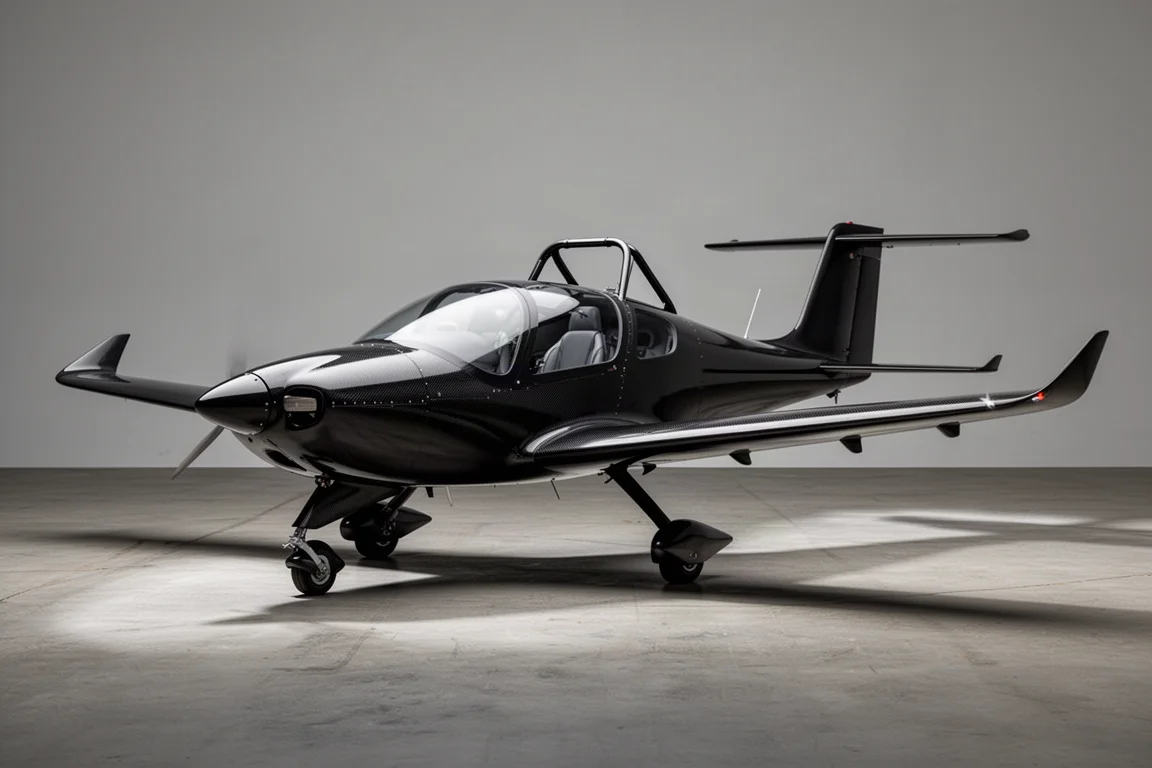
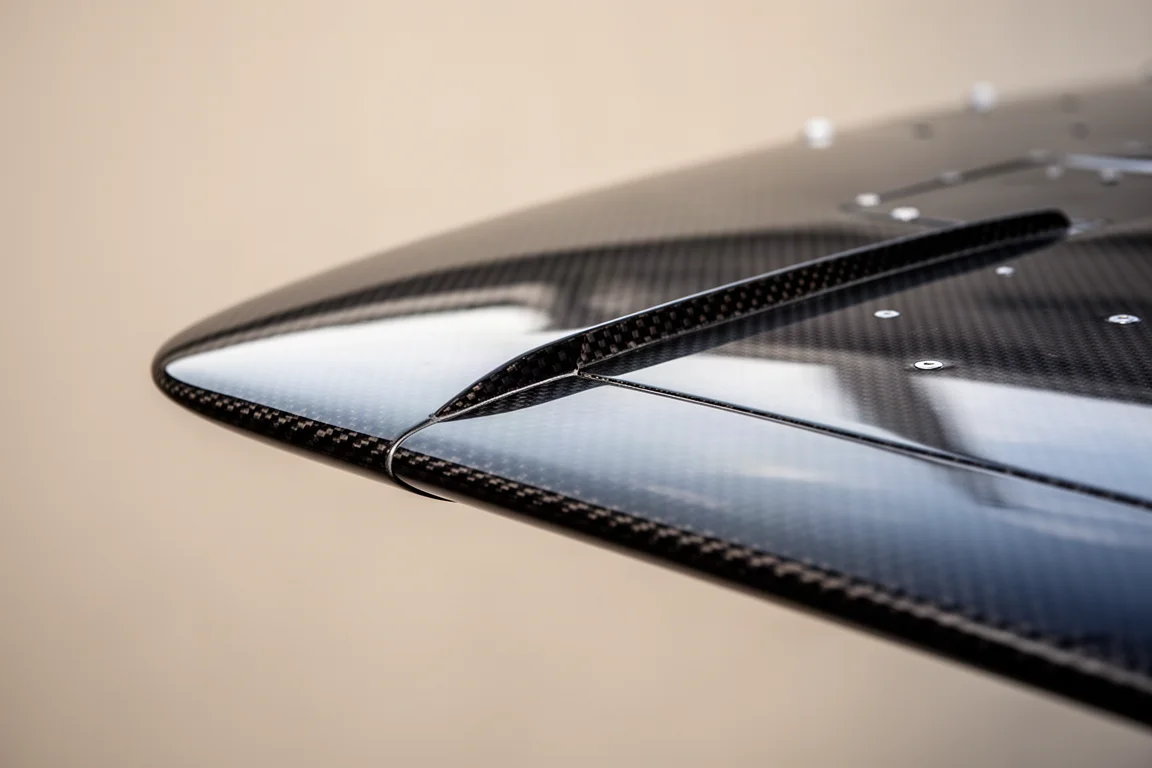
The Gabriel carries several aerodynamic touches of its own. A stall fence on the wing improves stall characteristics, and an additional molded design feature supports that behavior further. Unlike the Prime, the Gabriel has winglets for an aerodynamic advantage, and its tail is level rather than the Prime’s dihedral tail.
The Prime also has a small appendage that adds rudder authority; the Gabriel omits it. Importantly, this is not a case of the Gabriel having less performance, just a different design approach.
On the ground, the landing gear is similar to the Prime’s but a bit heftier, still using Beringer brakes. Overall, the Gabriel gains a couple of feet in both directions: wingspan and overall length. It also adds a rollover device that doubles as an aesthetically pleasing roll bar.
Cockpit and Panel Layout
Inside, the Gabriel was designed as a proper military-style trainer aircraft, and the layout shows it. The panel is more involved than the Prime’s, though core similarities remain, including throttle and prop adjustments.
With the base IO-320 engine, the Gabriel gets a mixture control that the turbo-fueled, fuel-injected Prime does not need, unless the Gabriel is ordered with the Rotax 916 instead. Both aircraft can be specified with aviation-grade Alcantara seats, and storage space sits behind the headrest just like in the Prime.
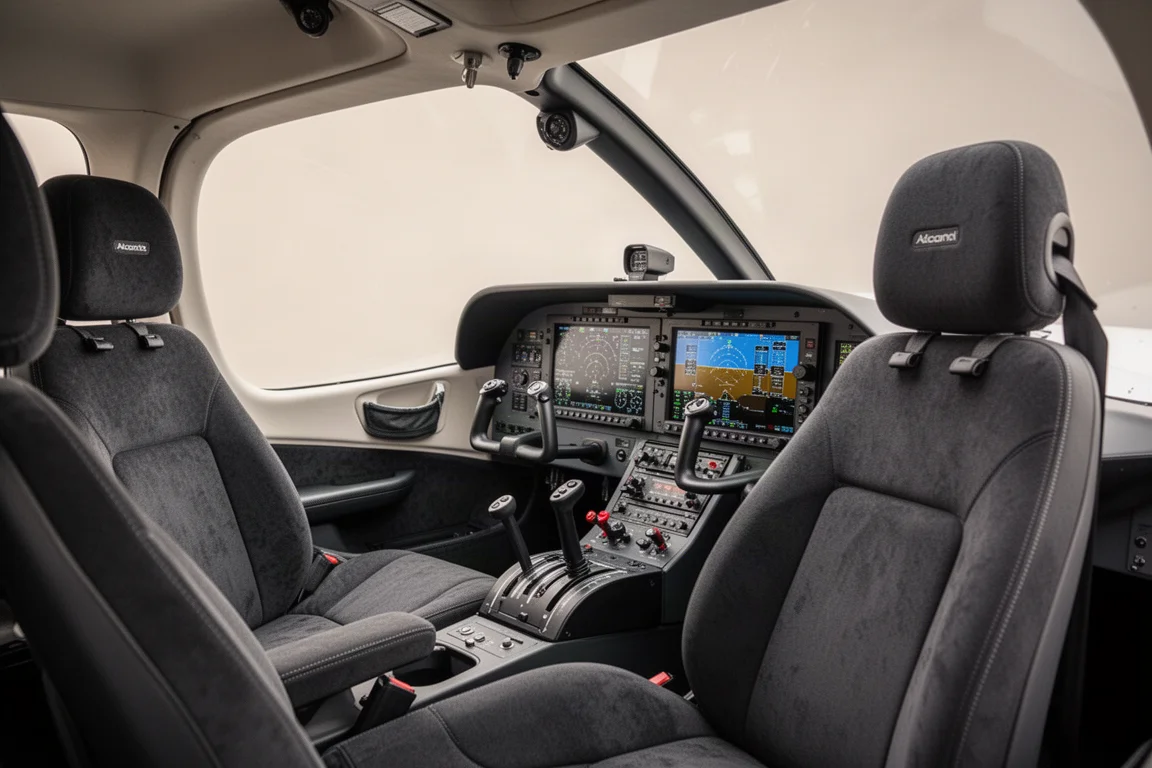
The cabin feel and spaciousness are similar, but the detailed configuration and layout differ in ways that reinforce the Gabriel’s trainer intent.
Engine Options and Pricing
The displayed Gabriel runs the classic Lycoming IO-320 producing 160 horsepower, fitted with custom carbon fiber cowling covers and a custom exhaust from a French supplier. Buyers have more choices, though. In the experimental and upcoming MOSAIC world, three options exist: the IO-320, the Rotax 916, and a Titan X340 that is set for testing, adding another 20 horsepower for a 180-horsepower certified configuration.
The Rotax 916 option is already available for the experimental and MOSAIC version and is planned for the certified model by the end of the year. Note that the 916 delivers 160 horsepower for the first five minutes and then derates.
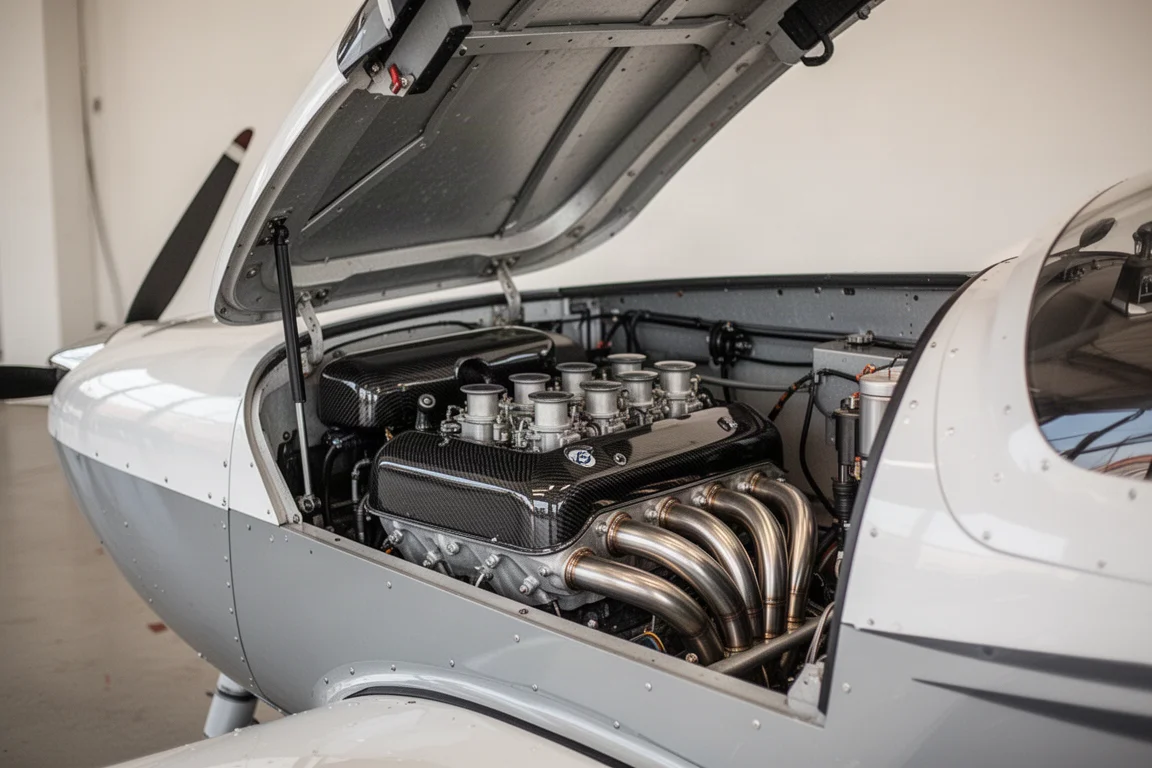
As of mid-2025 pricing, the experimental and MOSAIC Gabriel sits around the 400 range, while the certified version starts around 500 and can reach about 550 with configuration. The Gabriel is being positioned for travel, local flying, flight school training, and even military-style training use, with flight school tours planned.
View more details for Blackshape Gabriel
The Prime and What Comes Next
The Prime remains the performance pick of the family. With its Rotax 915, fast cruise sits in the 180-knot range, comfortably above the Gabriel’s roughly 160-knot fast cruise on the IO-320. The Gabriel, being bigger and heavier, also carries less range, at around 450, and a higher clean stall speed of around 58.
Blackshape has also announced a taildragger version of the Prime, called the Explorer. It is a passion project of the factory’s head engineer and offers two engine choices: the Rotax 916 and the CMD 19 turbo from Italian manufacturer CMD, better known for maritime diesel engines but also active in aviation. The CMD 19 turbo is a 180-horsepower engine, and with it the Explorer is targeting a fast cruise of about 200 knots. The aircraft is currently in testing, with a prototype showing at an air show in Germany this spring.
Conclusion
Blackshape’s two-model strategy covers distinct missions rather than overlapping ones. Choose the Gabriel if you want a docile, trainer-oriented carbon aircraft with flexible engine options and MOSAIC readiness. Choose the Prime if speed and sharper handling matter more. And if a taildragger with serious cruise speed appeals, the upcoming Explorer is one to watch.
Further reading
Related Reviews
Aviation
Aero Technics ACH 212 Solo Review: A Carbon Fiber Solo Kit Aircraft You Can Build Fast
A nearly 30-year-old Czech design still offered only as a kit: 90% carbon fiber, quick-release wings, a 350 to 400 hour build, and performance that surprises.
Aviation
Aeropilot: The 80% Scale Cessna-Style Light Sport Aircraft Winning Over Flight Schools
A full-carbon, two-seat light sport aircraft modeled after the Cessna 182, with a larger cabin, big climb performance, and fuel burn that flight schools love.

Aviation
Aeropro A22 and A32: Two Light Sport Aircraft Worth a Close Look
A side-by-side look at the Aeropro A22 and A32, covering performance, pricing, customization, and what buyers should know before ordering.