Ice Climbing Gear
Black Diamond Hydra vs Viper: Two Modular Ice Axes Compared
The Hydra and Viper share one alloy head, four pick options and tunable weights, but their handles suit different climbing. Here is how to choose.
Introduction
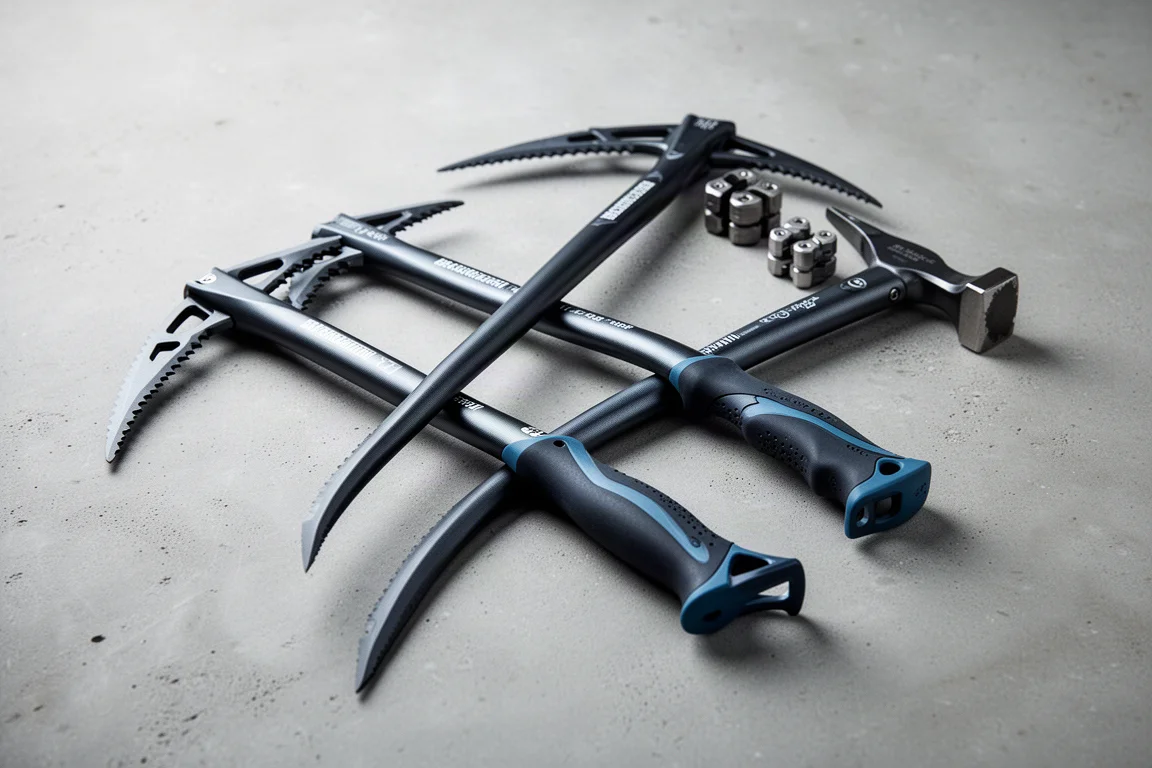
Black Diamond’s latest ice axes arrive as a closely related pair: the Hydra and the Viper. They share the same head, the same hydroformed shaft curve and the same modular hardware, so the decision between them is not about brand or generation. It comes down to the handle, and to the climbing you actually do. The names fit. The Viper is a single, focused design, while the Hydra behaves like a multi-headed beast that can be rebuilt for very different terrain.
This guide covers what the two tools share, where they differ, and how to work out which one belongs on your rack.
Shared Design: One Head, Many Configurations
The entire top half of both axes is modular, and that is the source of their versatility. The head itself represents a change in approach. Black Diamond has used steel heads for years, largely because the weight helps the swing bite into ice. These tools use an alloy head instead, the first time the company has done so. The alloy is strong and durable enough for the job, and with weight now tunable through the modular hardware, the head material no longer has to carry that duty. The design was developed in close collaboration with ice climber Will Gadd.
Four picks are available: ice, alpine, mixed and dry. Each is shaped for its environment rather than being a compromise. Head weights come in heavy and light versions, one per side, and fitting one of each produces a medium weight. At the rear, a mini hammer is standard, with a larger alpine hammer and an alpine adz available as alternatives. Because so many components are shared, the same knowledge applies whether you are holding the Hydra or the Viper.
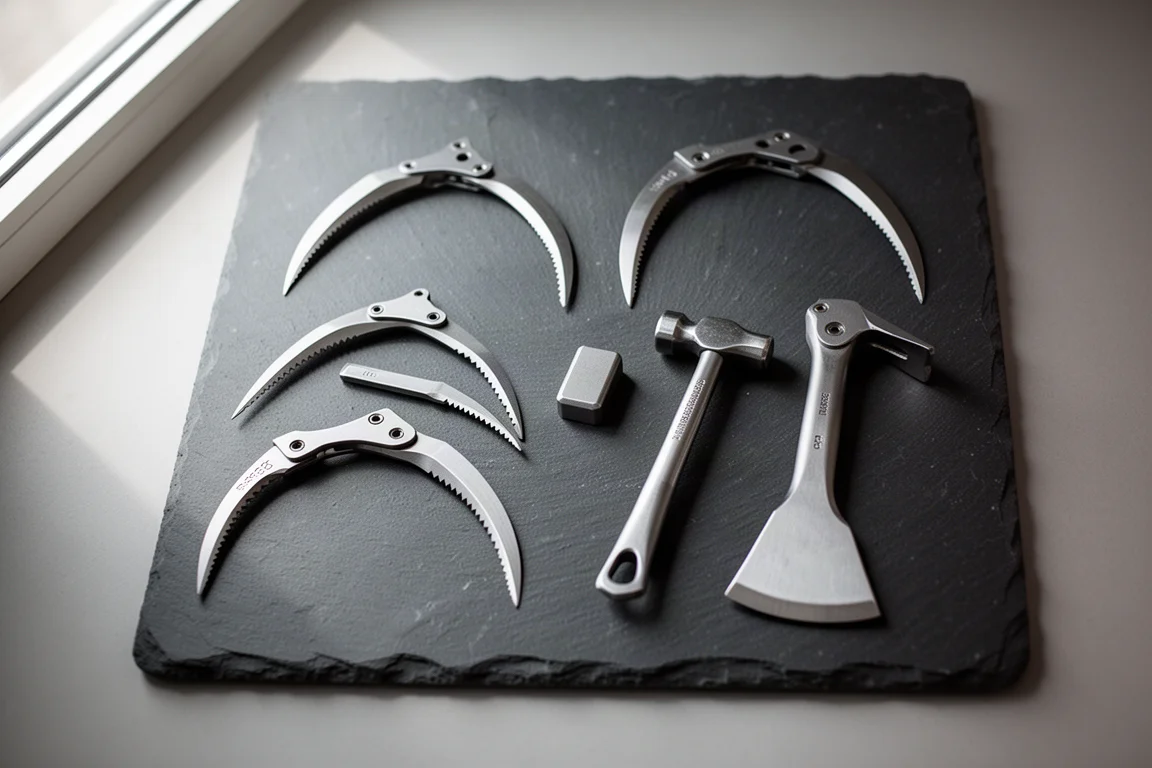
The pick, weight and rear attachment choices are what turn one tool into several. Nothing about the head forces a single setup on you.
Black Diamond Hydra: Built for Steep Technical Terrain
The Hydra is the more technical of the two. It is designed for steeper ground: vertical ice, mixed lines and situations where the tool is placed and pulled on rather than plunged. It will still handle easier routes, but its geometry is aimed at demanding climbing.
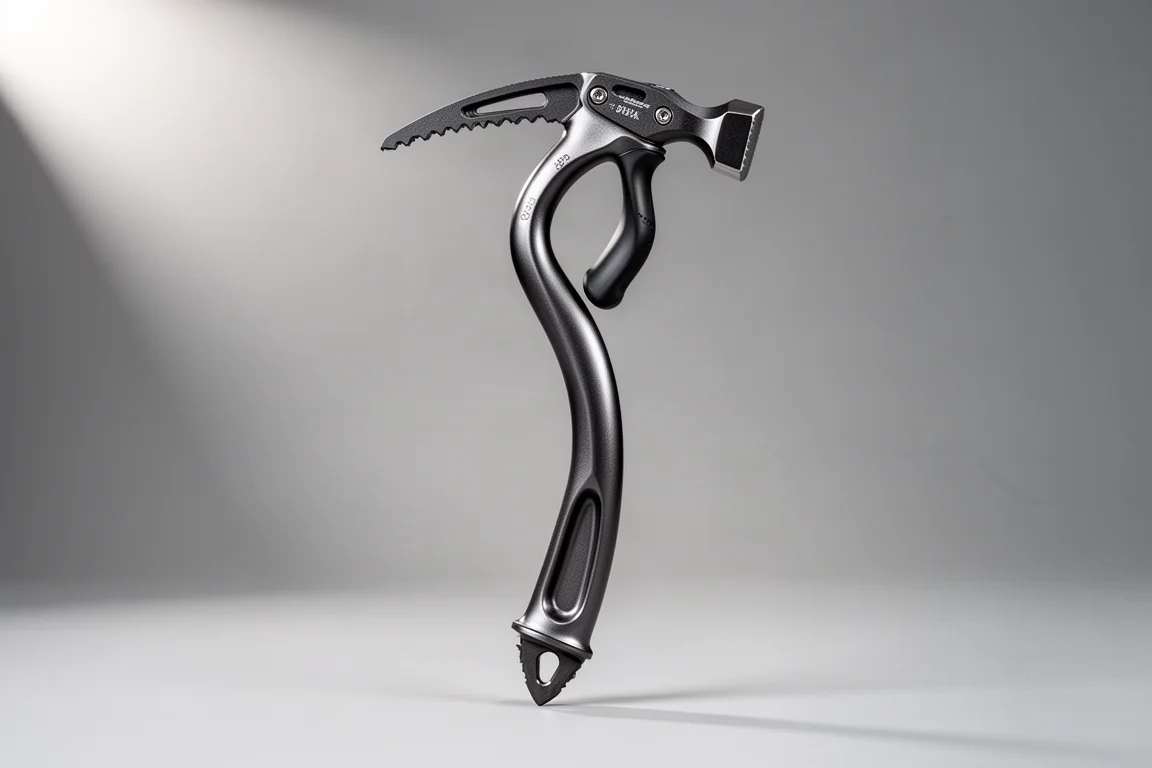
The hydroformed shaft curves to keep the head clear of bulges when you are hooked in on steep ground, and the balance is tuned so the tool sits directly above your hand. Even with the heavy weights fitted, it does not feel top-heavy. Hooked in place and swapping hands, it stays stable rather than shifting around.
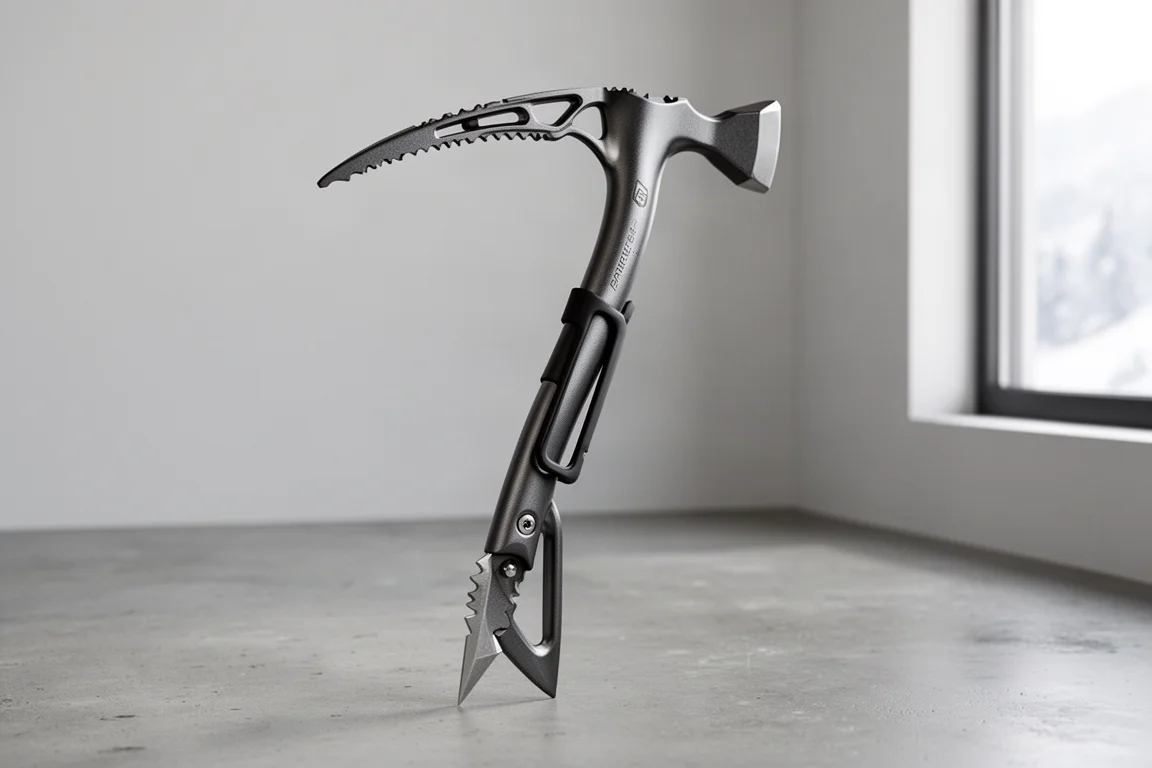
The handle is where the Hydra separates itself. It is comfortable, with metal running from the shaft into the grip for strength and a bolt through the assembly for changing attachments. There are two grip positions, and the handle size can be adjusted: spacers can be added for larger hands or thick gloves, and removed for smaller hands in thinner gloves. At the bottom sits a micro spike. Its rounded profile stays out of the way and lets the tool flick and rotate in the hand, where a long spike would demand a fuller shoulder swing. That micro spike also has a small hole for threading cord, which gives you a point to clip a spinner leash. A larger alpine spike can be fitted instead when a lot of plunging is on the agenda.
The Hydra arrives set up with the micro hammer, the micro spike, the ice pick, both sets of head weights, the handle spacers and the Allen keys needed to make changes.
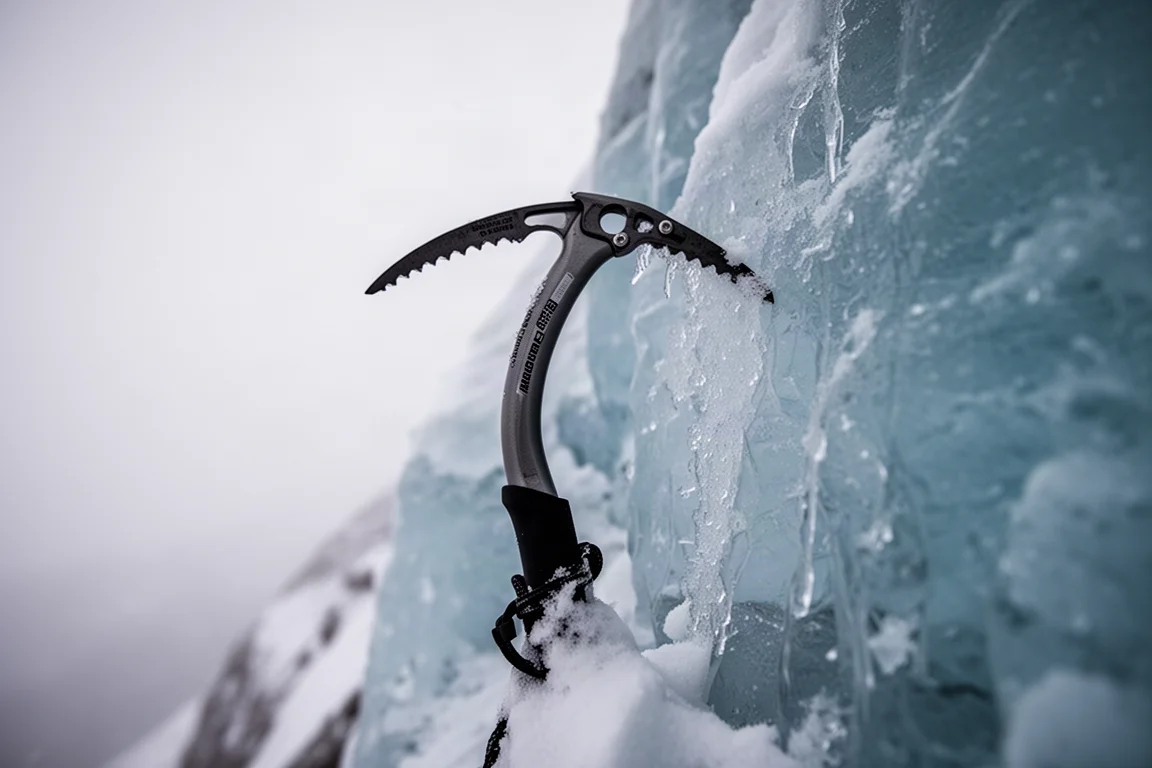
Across mixed ground, ice and slush, the tool has performed consistently in use, and dry tooling specialists have singled out the handle and picks in particular. Being able to rebuild it around one head is exactly what earns the Hydra its name.
Picks and Weights in Practice
Choosing a pick is mostly about the conditions you expect. The ice pick is designed to enter ice cleanly and release easily, which matters when you are placing and removing the tool repeatedly. The dry pick can be driven into ice, but it is considerably harder to pull back out, so it belongs on rock. A mixed pick is a sensible default for variable ground where you may not know what the route will offer until you are on it.
Head weight follows the same logic. Mixed climbing and dry tooling involve a lot of torquing and comparatively little swinging, so a lighter head feels better in the hand. On pure ice, where a quick flick and a solid bite matter, a heavier head is the more useful choice.
Rear attachments are just as situational. If you are on pure ice or mixed ground with no ledges to dig, an adz may simply get in the way and offset the balance. In alpine terrain, where chopping ledges or digging snow holes is part of the day, having one available is worthwhile.
Black Diamond Viper: The Alpine All-Rounder
The Viper keeps the same head, the same picks and weights, and the same hydroformed shaft curve, so the swing and balance carry straight over. The differences appear below the head. Its handle is straighter, and that is deliberate. Long approaches, flat glaciers and a great deal of plunging all favour a straight shaft that drives into snow easily, even if that grip is less suited to hauling on steep technical ground.
Two details make the flexibility practical. The pinky grip at the bottom folds away to leave a straighter section for plunging, and folds back out when the ground steepens. The upper grip rest unclips and slides up the shaft, which makes plunging easier and also provides a higher grip position when you want one. The upper pommel can be removed entirely.
Set up for alpine use, the Viper looks the part with a hammer or adz at the rear. The same hardware that makes the Hydra a dry tooling machine can be fitted here too, so the Viper can be rebuilt into a far more aggressive tool for hard mixed or ice routes and returned to a walking-friendly setup the following day.
The Viper ships with the ice pick and both sets of head weights. Bought as a pair, it also includes the larger hammer and adz, a larger spike at the bottom and the sliding pommel.
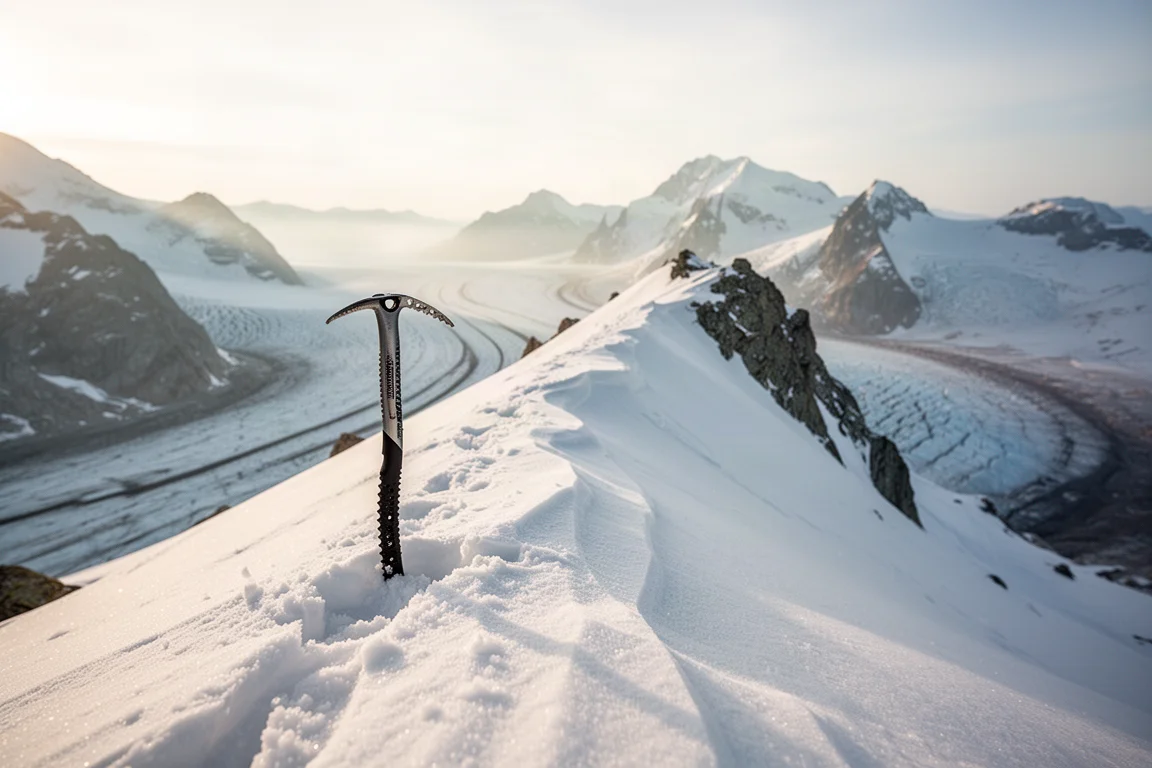
That breadth is what makes the Viper an alpine all-rounder rather than a single-purpose tool.
Which Ice Axe Suits Your Climbing?
The honest answer is that the two tools overlap, and the deciding factor is the terrain you spend most of your time on.
If your climbing is steep and technical, with vertical ice and mixed lines, and your approaches are short enough that the tools come out at the crag rather than on the walk in, the Hydra is the natural pick. Its handle is built for pulling on, its balance is tuned for hooked placements, and the micro spike suits the flicking motion that technical ice rewards.
If your days involve big mountains, long glacier walks and a lot of plunging, the Viper is the better starting point. Its straight handle and folding pommel make moving on easy ground far less awkward, while the shared head and modular hardware mean it can still be turned into a serious tool for the hard pitches.
Hand size is worth checking before you commit. The Hydra’s handle spacers can be added or removed to suit different hands and glove thicknesses, and the Viper’s sliding grip rest gives you a second position to work with.
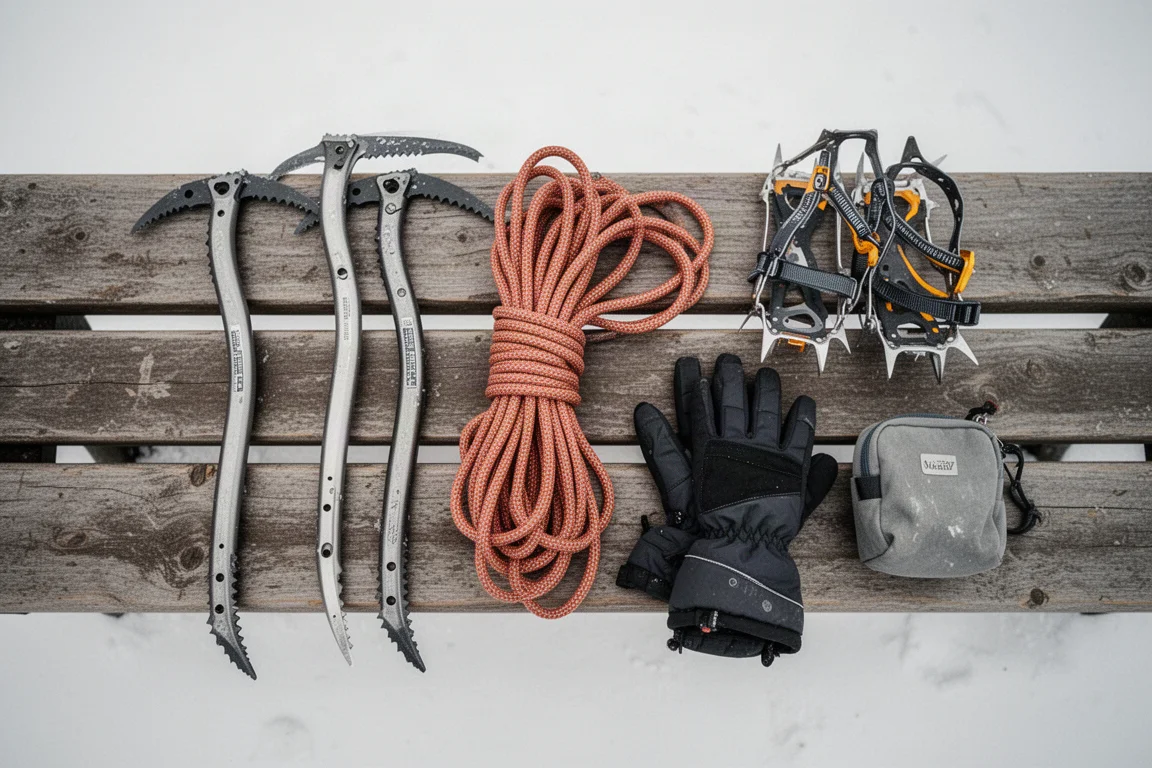
Whichever you choose, the practical advice is to handle both before deciding. The modular system means a single axe can cover far more ground than its default setup suggests, so the factory configuration matters less than how the handle feels in your hand.
Conclusion
The Hydra and the Viper are two expressions of the same platform. The Hydra leans technical, with an ergonomic handle and a shape built for steep ice and mixed ground. The Viper leans alpine, with a straighter handle and folding details that make long approaches and plunging far more pleasant. Both accept the same picks, weights and rear attachments, so either can be pushed well beyond its factory setup.
If you are unsure, the mixed pick is a reasonable starting point for variable conditions, and the head weights let you tune the swing to the day. The clearest way to decide is to hold both and feel which handle suits your hand and your plans.
Further reading
Related Reviews

Backpacking Gear
Building a 10 lb Base Weight: An Ultralight Backpacking Gear List
A practical walkthrough of the ultralight pieces behind a 10 lb base weight, from a 765 g pack and a roomy one-person tent to a full camp chair and a dependable water filter.

Road Bikes
10 New Road Bikes Worth Watching: Aero, Titanium, Steel and Endurance Standouts
A practical roundup of 10 new road bikes, from aero flagships chasing single-watt gains to titanium, steel and endurance platforms built for real roads.
Bikepacking Gear
11 Bikepacking Essentials for Long-Distance Cycling
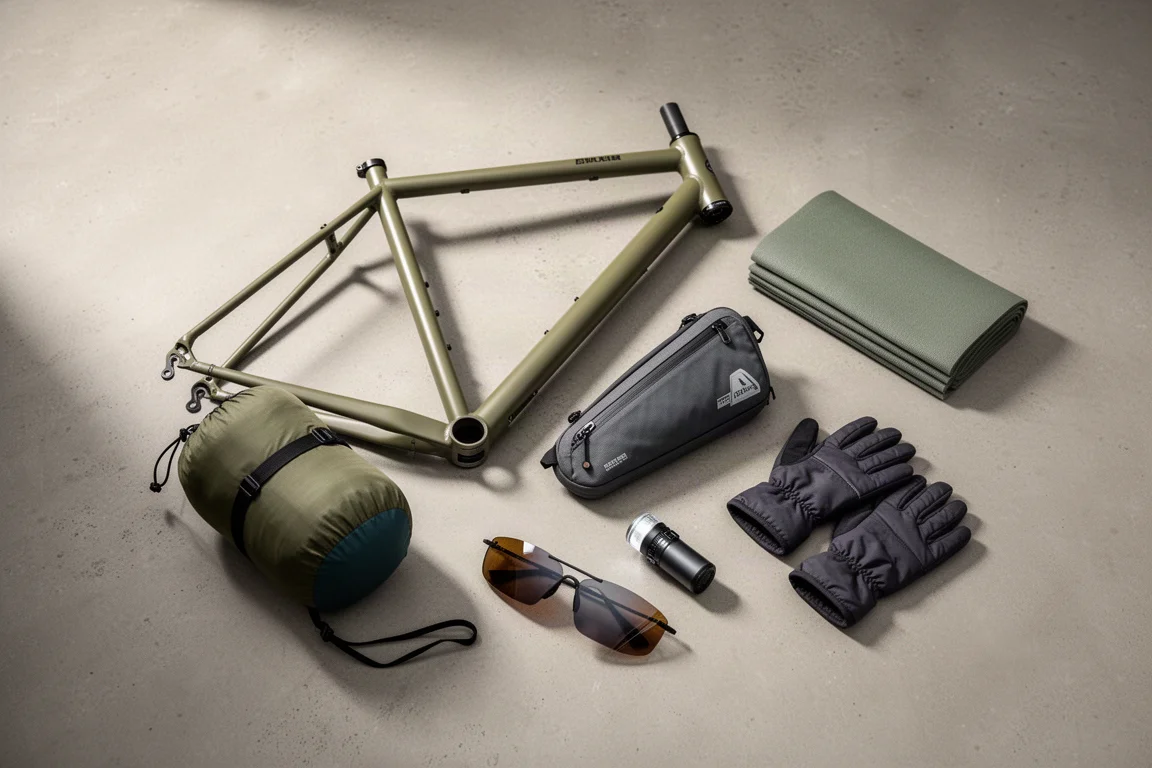
Eleven bikepacking essentials for long-distance cycling, from a steel gravel frame and a two-person tent to helmet lights, packable gloves, and a frame bag that puts weight in the right place.