Trekking Poles
Black Diamond Alpine Carbon Cork vs Leki Micro Vario: Trekking Poles Compared
A long-term look at two collapsible trekking poles, covering lock design, grip comfort, tip life, and what each pair asks of a long-distance hiker.
Introduction
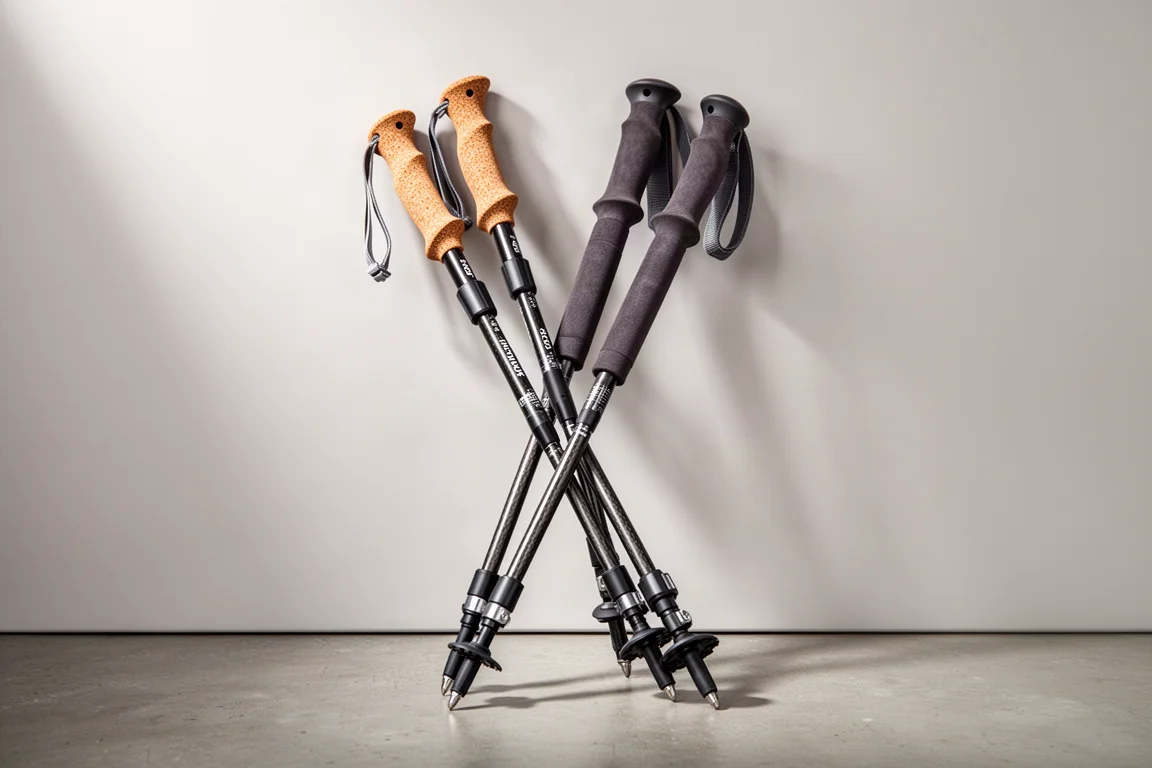
Trekking poles look like simple gear until something goes wrong with them far from a trailhead. After more than ten years of backpacking and thru-hiking, one pair has stayed at the top of the list: the Black Diamond Alpine Carbon Cork, carried through a 2017 Pacific Crest Trail thru-hike and later used on the Continental Divide Trail. The Leki Micro Vario sits on the other side of that experience. It is a genuinely comfortable pole, but a hardware failure that could not be resolved made it a risky choice for long-distance walking.
This comparison covers what each pair does well, where each one asks for patience, and which kind of hiker each one suits.
What Matters Most in a Trekking Pole
Four qualities decide whether a pair of poles feels like an asset or a liability: weight, packed size, locking mechanism, and grip material.
Carbon fiber shafts keep swing weight low, which matters over tens of thousands of steps in a day. Collapsibility matters for anyone who straps poles to a pack for a scramble or a flight. The locking mechanism decides whether a pole holds your weight on a steep descent or collapses underneath you. Grip material decides how the pole feels after six hours of climbing with sweaty hands.
Durability is the quiet fifth factor. A pole that survives a single season is not the same as a pole that survives eight years of long-distance hiking, and the difference usually shows up in the tips, the locks, and the grips rather than in the shaft itself.
Black Diamond Alpine Carbon Cork: A Long-Term Favorite
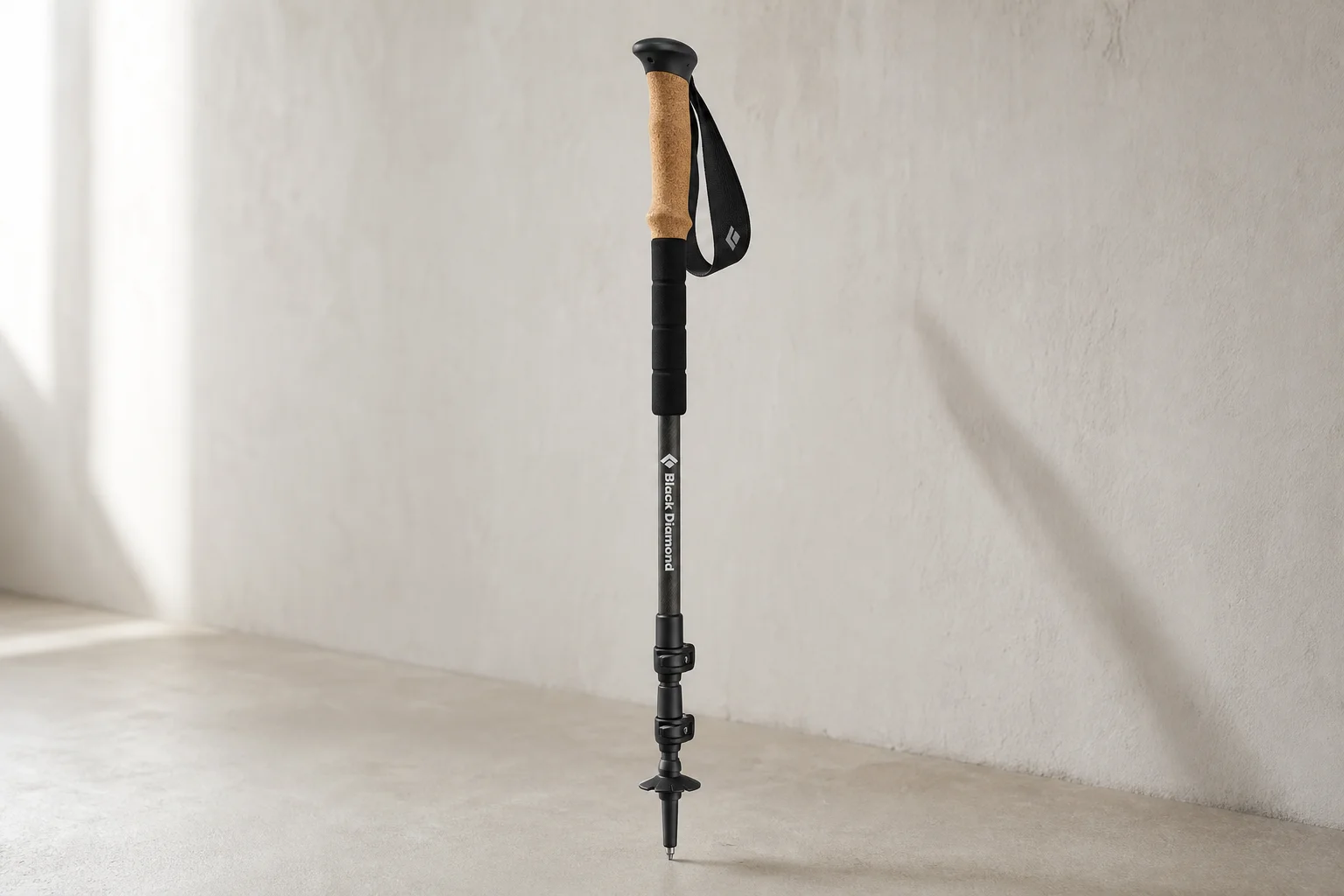
The Alpine Carbon Cork has been in continuous use since 2017. The carbon fiber construction keeps the pair light, and it has proven far more resistant to abuse than the material alone would suggest. Other carbon poles have snapped and aluminium poles have bent under similar use, while this pair has kept going.
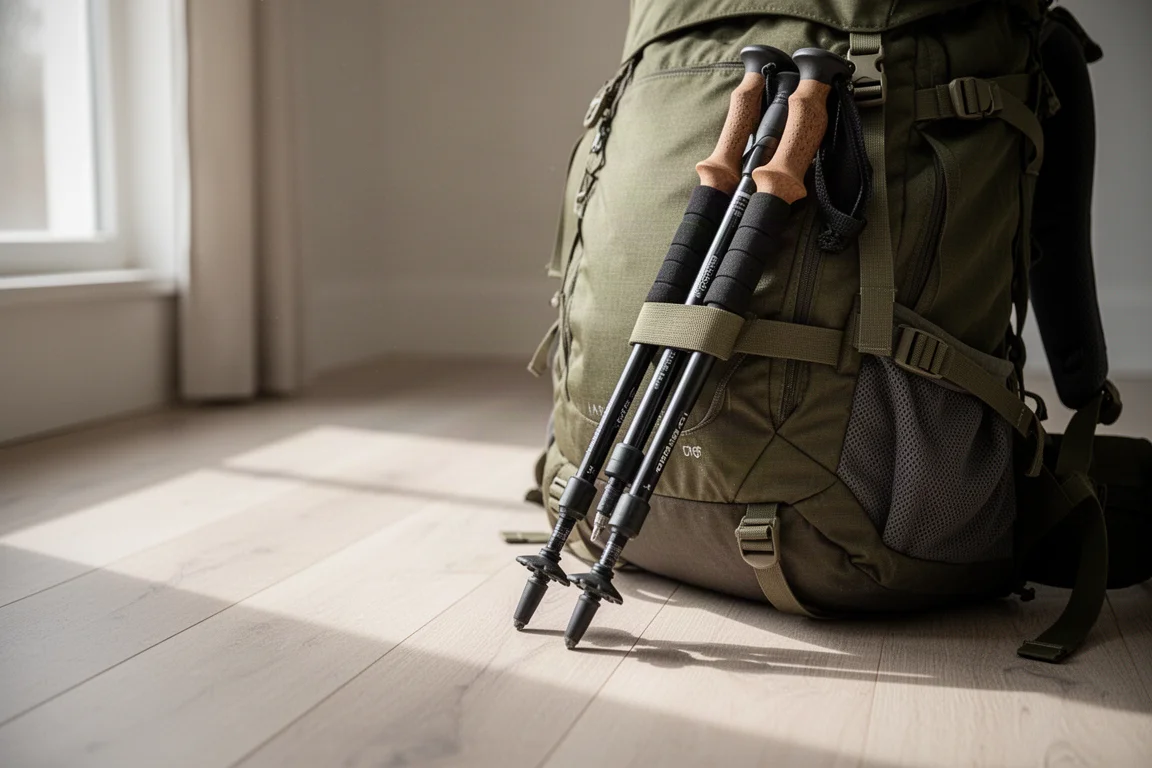
The poles are collapsible and use lever locks, which is a strong preference for anyone who has dealt with twist locks on a long trail. The tips have never needed replacing, even after multiple thru-hikes. A different set of poles used on an Appalachian Trail thru-hike wore down to the nubs by Maine and had to be replaced in the middle of the walk, which is exactly the kind of mid-trip problem this pair has avoided. The cork grips are another reason they stay in rotation, because cork does not turn slippery when hands get sweaty the way rubber and foam grips can.
Locking Mechanisms and Field Repairs
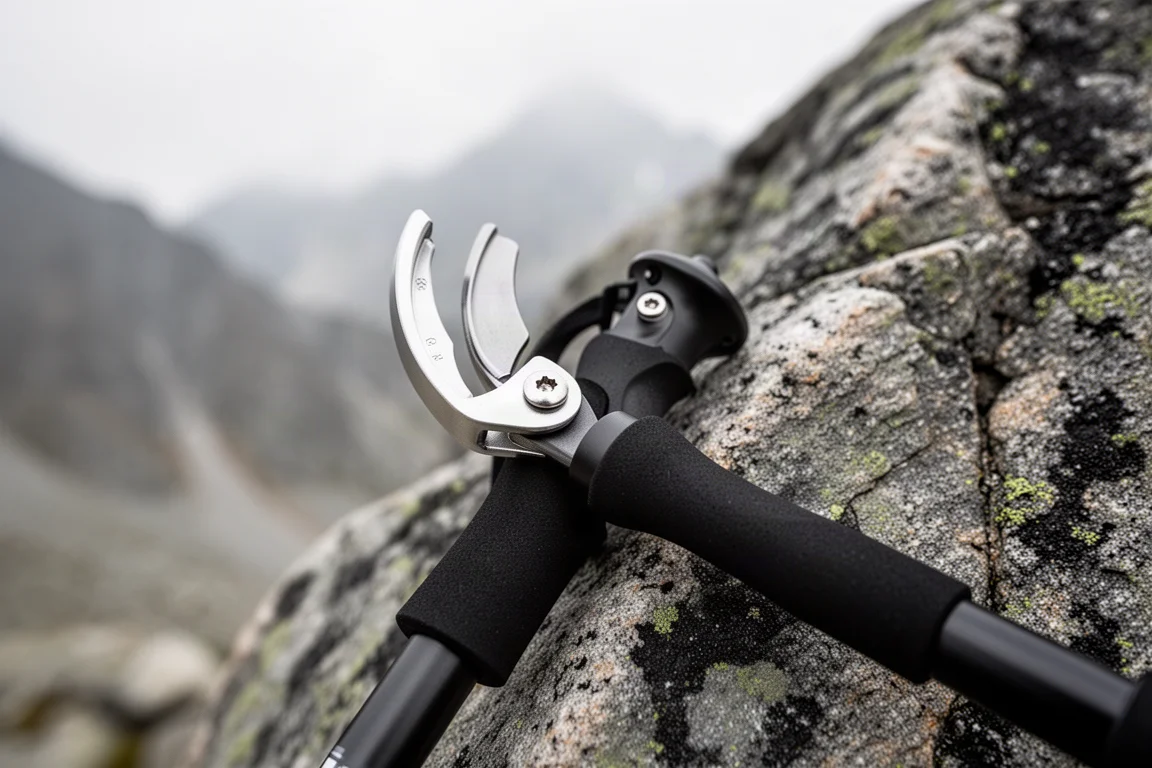
Lever locks are the reason these poles stay trustworthy. When a lever lock loosens, there is usually a screw that can be tightened to restore a firm grip on the shaft, which is a repair most hikers can handle on the trail. Twist locks loosen more quickly, are harder to repair, and tend to give way and collapse under a hiker’s body weight. Given the choice, fixed-length poles are a better option than twist locks.
On this particular pair of Black Diamond poles, the lever locks have never needed tightening. The only lever locks that have required adjustment were on a very cheap pair, and even those were preferable to twist locks.
The one hardware issue seen on an older Black Diamond pair was a small plastic piece on the metal lever that broke off. It had no effect on the locking mechanism and was cosmetic rather than functional. The current design has removed that plastic piece altogether, leaving a smooth metal lever, so the issue no longer applies to new poles.
Leki Micro Vario: Comfortable Grips, Mixed Support Experience
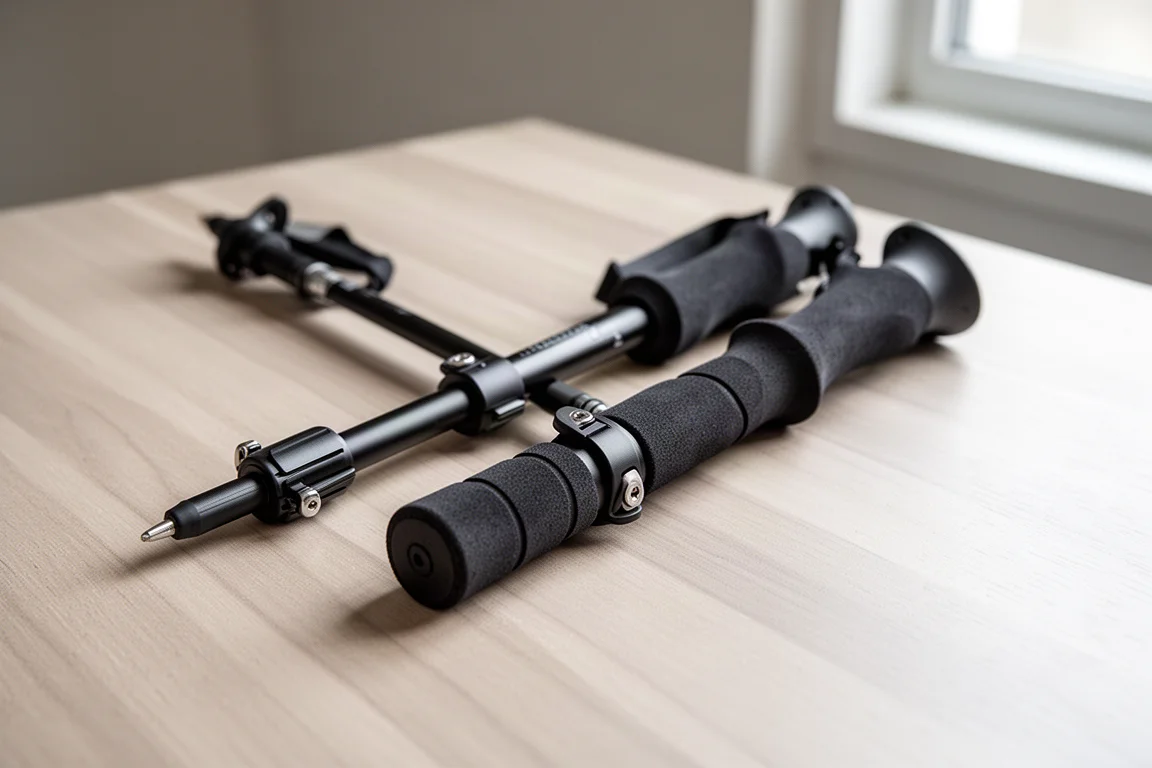
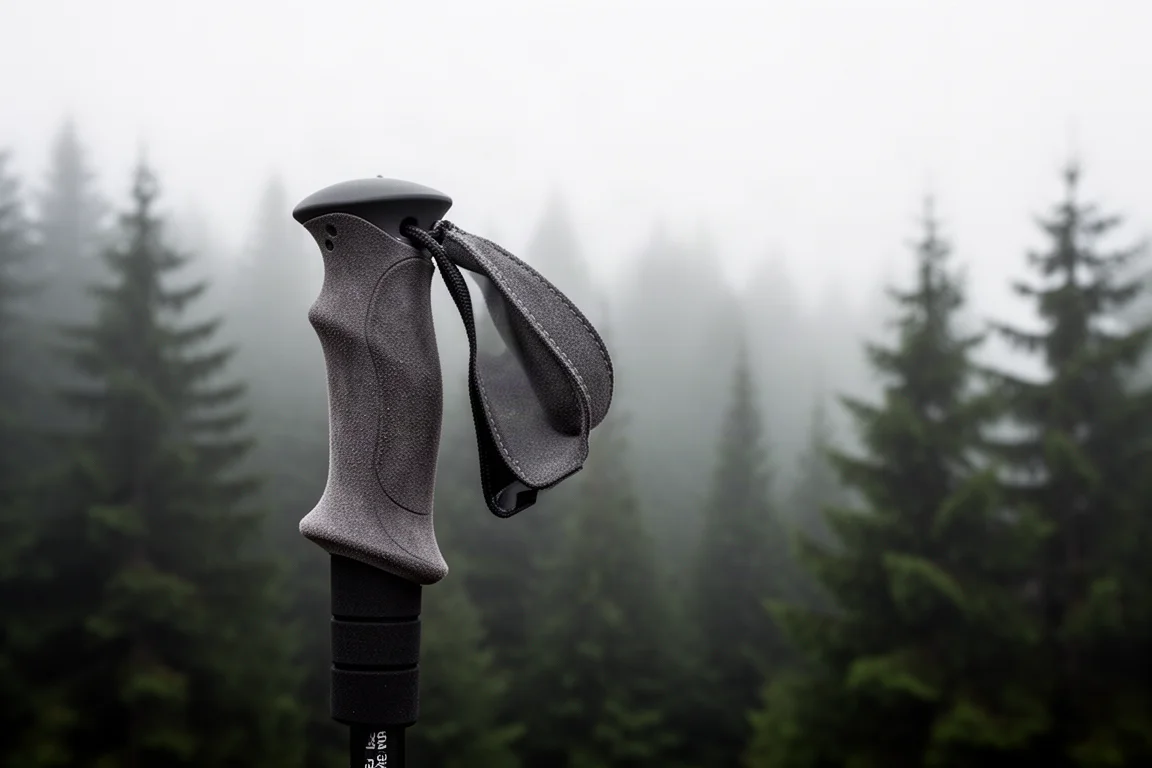
The Micro Vario is a collapsible pole designed for women, and its grip is its strongest feature. The rubber grips carry a suede-like coating that makes them more comfortable than cork, and they stayed secure even with sweaty hands. As a walking experience, they were the closest any other pair has come to matching the Black Diamond poles.
The problem came later. A pin worked its way out of one of the locking levers, and no replacement pin could be found online. A support request went unanswered, which left the poles unusable for the kind of long-distance walking they were bought for. On a thru-hike, a pole that cannot be repaired or replaced mid-trip is a real liability, and that is ultimately why this pair was set aside.
Cork Grips and Everyday Comfort
Grip choice comes down to a trade-off between immediate comfort and long-term behaviour. Cork grips stay grippy when hands sweat, and they gradually mold to the shape of the hand. After roughly eight years, the cork on this pair shows visible thumbprints where the grip has worn down, which makes it easy to tell which pole belongs in which hand.
The suede-like rubber grips on the Leki Micro Vario were more comfortable out of the box, and they did not become slippery. Hikers who value that softer feel may prefer them, while hikers who want a grip that ages predictably will likely stay with cork.
Durability and Tip Life Across Multiple Thru-Hikes
Eight years of use have left this pair of Black Diamond poles with surprisingly little wear. The cork grips are marked by hand pressure and the printed numbers on the shafts have been scraped off over time, but both are cosmetic. The worn spot on the shaft actually marks the correct extension height for the user, so it functions as a personal reference point rather than a defect.
The tips are the more impressive part. They have survived multiple thru-hikes without replacement, which is unusual for poles used on rocky ground. Poles that need new tips partway through a long trail turn a simple piece of gear into a logistical problem, and that has not happened here.
Who Each Pole Suits Best
Hikers covering long distances over multiple seasons are the natural audience for the Black Diamond Alpine Carbon Cork. It rewards people who prefer lever locks, want cork grips, and would rather buy once than replace poles every year or two.
The Leki Micro Vario suits hikers who prioritize grip comfort and want a women’s-specific design, provided they accept real uncertainty about long-term support and parts availability. It is a comfortable pole, and the comfort is not a small thing over thousands of steps.
Buying Advice
The Black Diamond Alpine Carbon Cork currently sells for around $230, up from roughly $170 eight years ago. That increase is easier to accept when a pair has already delivered eight years of thru-hiking with no tip replacements and no lock repairs. If a single set of poles needs to last several seasons of long-distance walking, that track record is the strongest argument for the higher price.
The Leki Micro Vario is the more comfortable pole to hold, and the suede-like grip coating genuinely stands out. The trade-off is that a broken locking pin ended its service life early with no available replacement part, so it makes more sense for shorter trips and for hikers who can source spares.
Either way, it is worth checking three things before buying any pair: how the locking mechanism adjusts and whether it can be tightened in the field, the availability of replacement tips and lock hardware, and whether the grip material suits your hands. Those three details decide how a pair of poles behaves on the trips that matter most.
Conclusion
After more than a decade of backpacking and thru-hiking, the Black Diamond Alpine Carbon Cork remains the pair that keeps coming back onto the trail: light, collapsible, reliable in the locks, and durable in the tips. The Leki Micro Vario shows how much grip comfort can matter, and also how quickly an unrepairable hardware failure can end a pole’s useful life. For long-distance hikers who want one pair to last, the Black Diamond poles are the safer bet.
Further reading
Related Reviews
Trekking Poles
Best Trekking Poles for Thru-Hiking: Four Sets Compared
A practical comparison of four trekking pole sets for long-distance hiking, from a $23 aluminum pair to a $200 carbon pole that packs down smaller than the rest.
Trekking Poles
Gossamer Gear LT5 Trekking Poles Review: Ultralight Support That Breaks Slowly
A long-term look at the Gossamer Gear LT5 Trekking Poles, covering ultralight weight, twist locks, EVA foam grips, repairability, and what happens when one snaps.
Trekking Poles
Leki Skytera vs Skysolo: Choosing the Right Folding Trekking Pole
A practical comparison of two new Leki folding trekking poles: the lightweight Skytera and the beefier, taller-friendly Skysolo.