Trekking Poles
Best Trekking Poles for Thru-Hiking: Four Sets Compared
A practical comparison of four trekking pole sets for long-distance hiking, from a $23 aluminum pair to a $200 carbon pole that packs down smaller than the rest.
Introduction
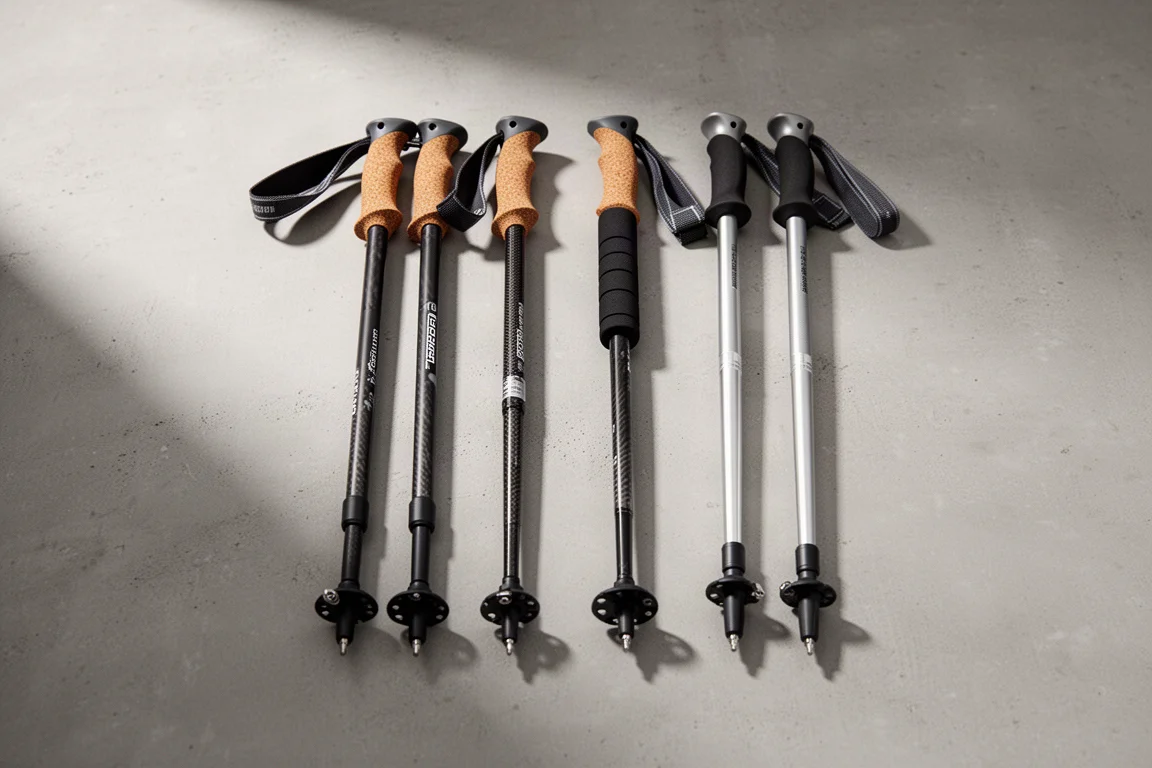
Trekking poles quietly do a lot of work on a long hike. They take strain off the knees on descents, add stability on rough ground, and double as the structural support for many lightweight shelters. The four sets compared here span roughly $23 to $200 per pair, and each one has been used on real trail miles rather than short test walks.
The differences between them come down to four practical things: how small they pack down, how the grips feel after hours of sweaty climbing, whether the locks stay put, and how much extension range they offer. The notes below focus on those points so you can match a pole to your own height, shelter, and budget.

One theme runs through all four sets: the parts that fail on trekking poles are the locks, the grips, and the joints between sections. Everything else tends to last.
What to Look For in a Thru-Hiking Trekking Pole
Packability. Poles that collapse into short sections are easier to strap to a pack and less of a snag hazard when you break them down for a town stop or a ride.
Grip material. Cork remains the most popular choice because it absorbs sweat and keeps hands from feeling greasy. Foam is lighter. Grip feel varies a lot between models, so it is worth paying attention to texture as well as material.
Lock reliability. Most pole problems start at the locks. Look for a locking system that stays firm after weeks of use, and expect to check the tension on budget models before a trip.
Extension range. Height matters. A pole built for a shorter frame will not give a taller hiker the roughly 90 degree elbow angle that makes poles comfortable to use, and it may not be tall enough to pitch a trekking-pole shelter with decent headroom.
Price. Entry-level aluminum sets cost a fraction of carbon ones. The trade-off is usually weight, refinement, and how sturdy the pole feels under load.
Women’s Leki Micro Vario Carbon: The Most Packable Option
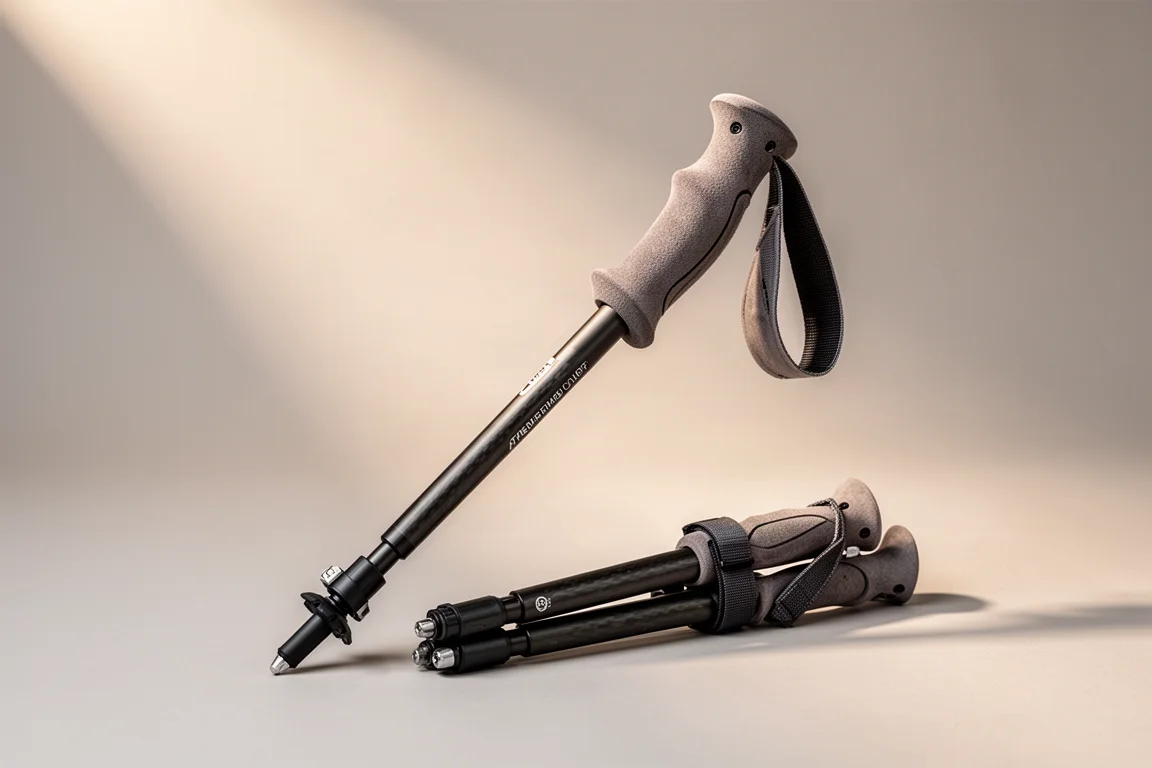
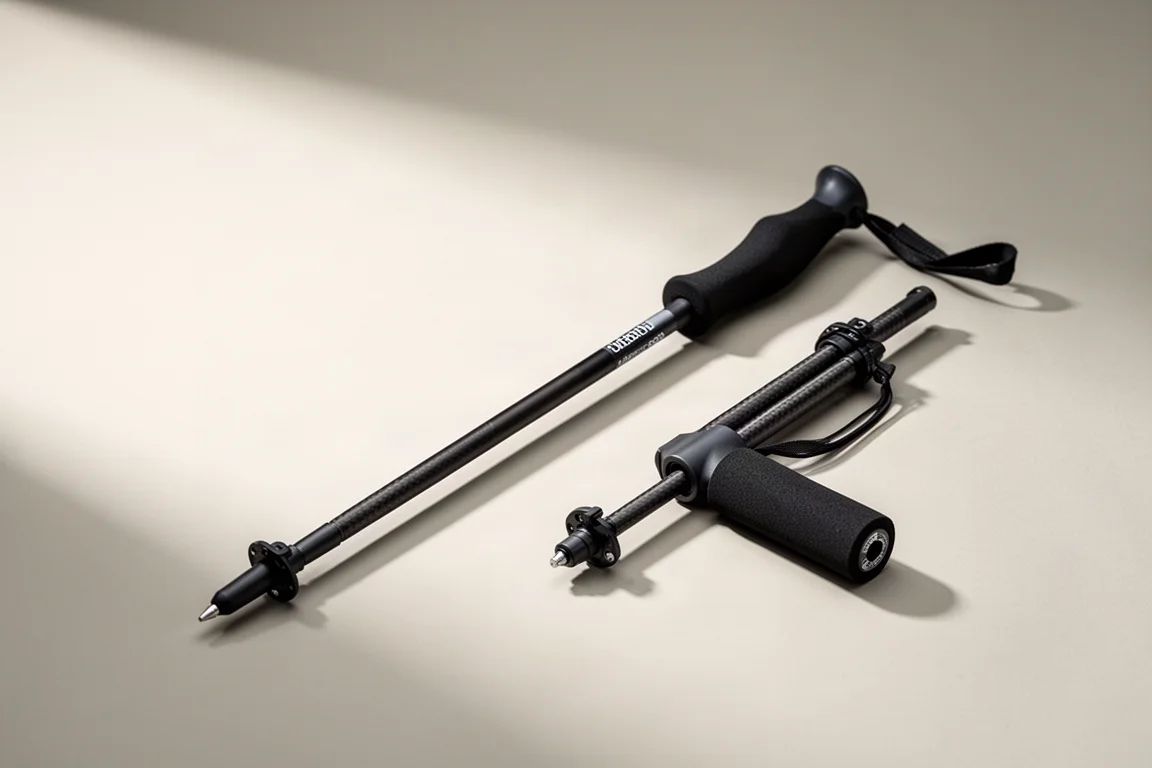
The Women’s Leki Micro Vario Carbon is the standout for packability. Its sections collapse further than any other pole on this list, which makes it easy to tuck into a pack, carry through town, or travel with. Hikers who regularly break poles down to lash them to a bag will notice the difference immediately.
It is also light. The pair weighs roughly one pound, or about eight ounces per pole, and it still feels durable in use. The locks held firm without slipping across roughly 150 to 200 miles of trail. Leki covers the carbon shafts with a one-year warranty and the aluminum shafts with a lifetime warranty, which says something about how the brand views the two materials.
The grips are the real highlight. They have a suede-like texture and are the softest and most comfortable grips of any pole here. They avoid the sweaty, clammy feeling that foam and rubber grips can leave behind after a long climb.
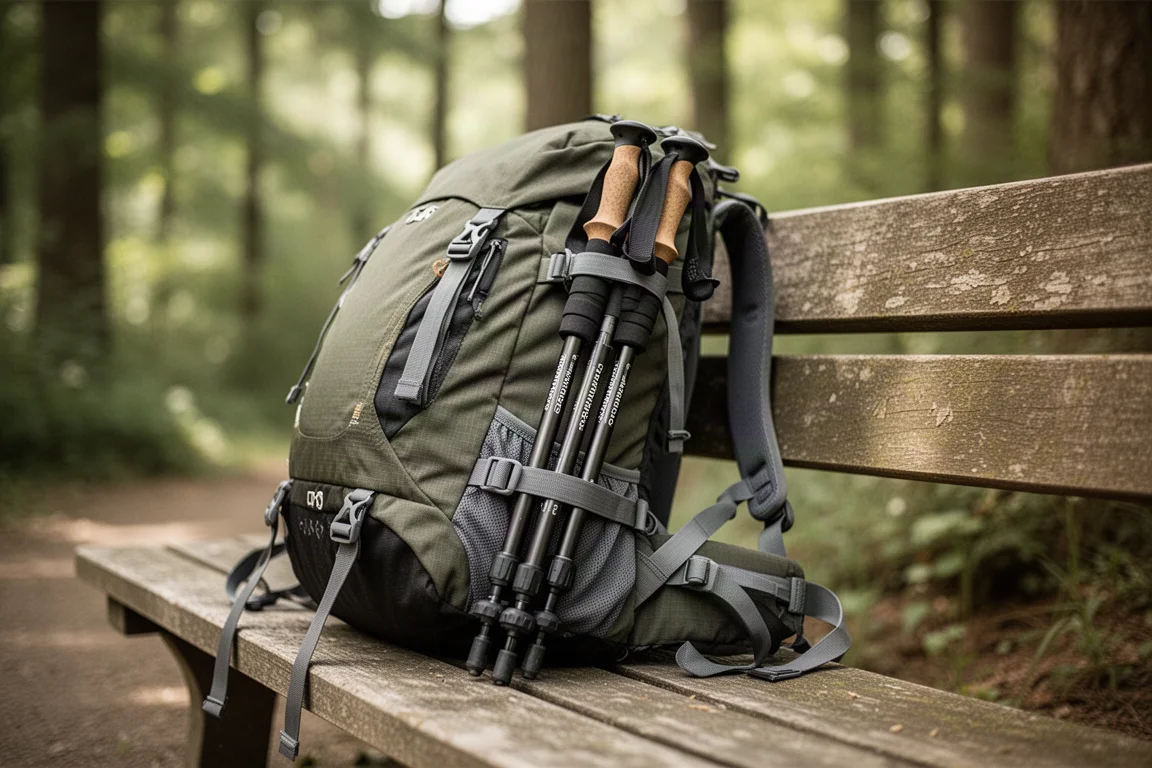
Extension length is the trade-off. Because these are women’s-specific poles, they extend less than unisex or men’s models. A hiker around 5 feet 8 inches can use them fully extended, and slightly taller hikers may still get away with it, but anyone well above that range should choose a longer pole. Shelter setup is the second consideration: many trekking-pole shelters call for more height than these poles offer. They did work with two different trekking-pole shelters, though taller hikers who want extra headroom may feel the limit. At around $200 per pair, they are also the most expensive set here.
Black Diamond Alpine Carbon Cork: The Proven Long-Distance Pick
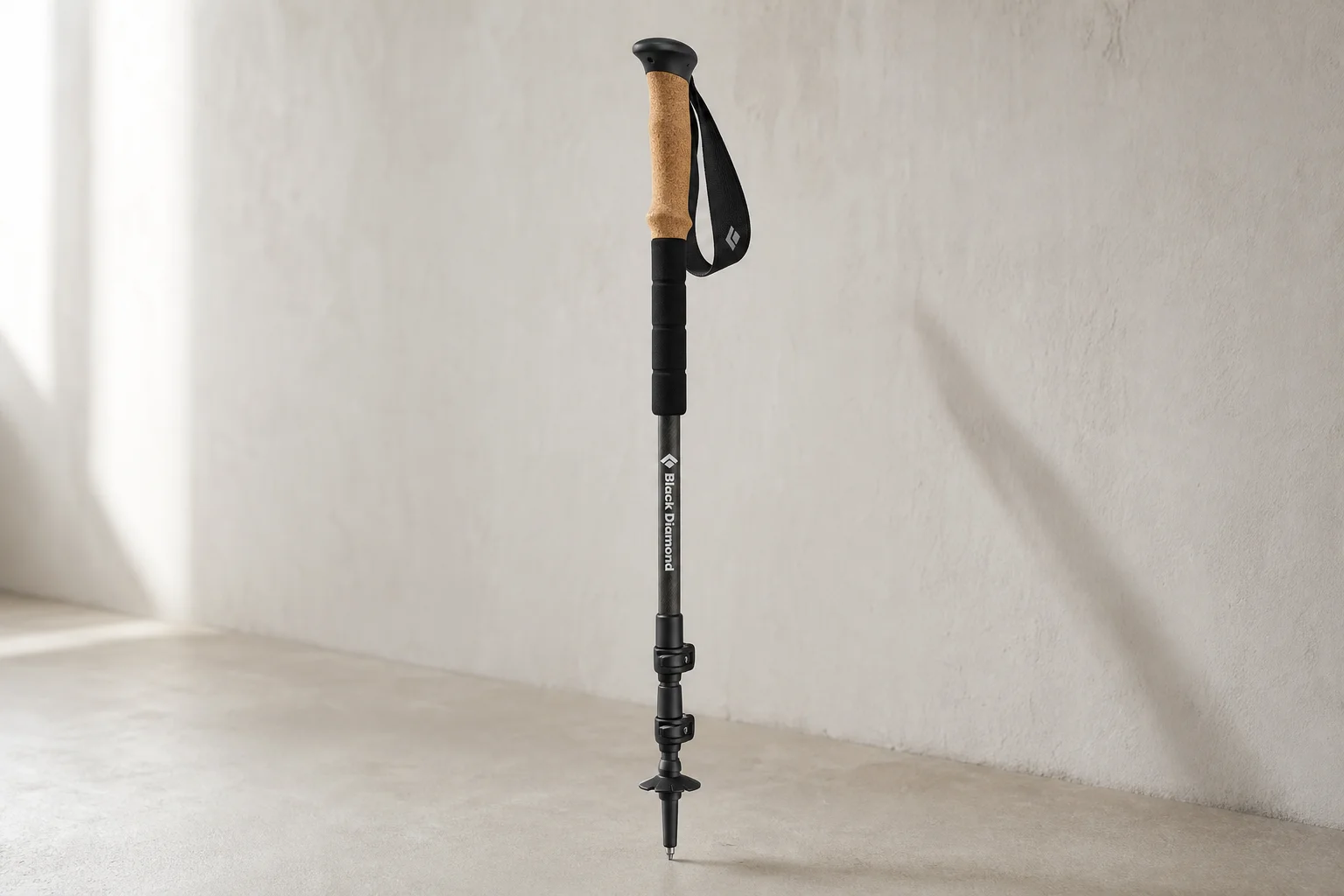
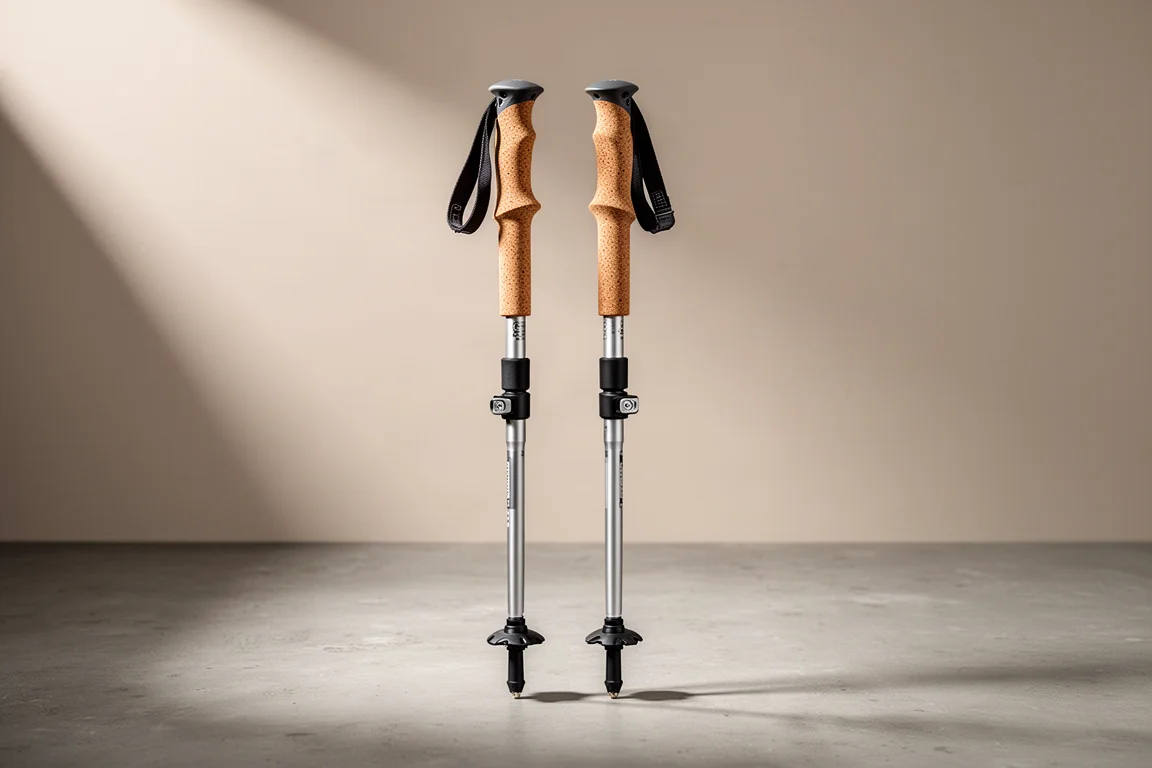
If height, shelter requirements, or price rule out the Leki poles, the Black Diamond Alpine Carbon Cork is the dependable alternative. This set has covered more than 5,000 miles of long-distance hiking and has stayed reliable throughout, with no lock slipping and no recurring issues.
The cork grips are comfortable and stay comfortable when hands get sweaty, keeping them from feeling slimy on hot climbs. There is no extension-length constraint to work around, so the poles suit taller hikers and shelters that need a taller support. The main drawback is cost: roughly $170 per pair puts this set firmly in the premium bracket, and it does not collapse as compactly as the Leki.
Zpacks Ultralight Carbon Fiber: Best Value Carbon Option
The Zpacks Ultralight Carbon Fiber poles are the value choice among carbon sets. A single pole weighs between 7.2 and 7.7 ounces depending on the grip, with foam at the lighter end and cork at the heavier end.
The unusual part is that they are sold individually as well as in pairs. A single pole costs about $59, and a pair costs about $99. That is a genuinely useful option for hikers who want one pole as a walking stick, or who own a shelter that pitches from a single support and would rather not pay for a second pole they will never carry. Over roughly 100 miles of use, the locks held without slipping.
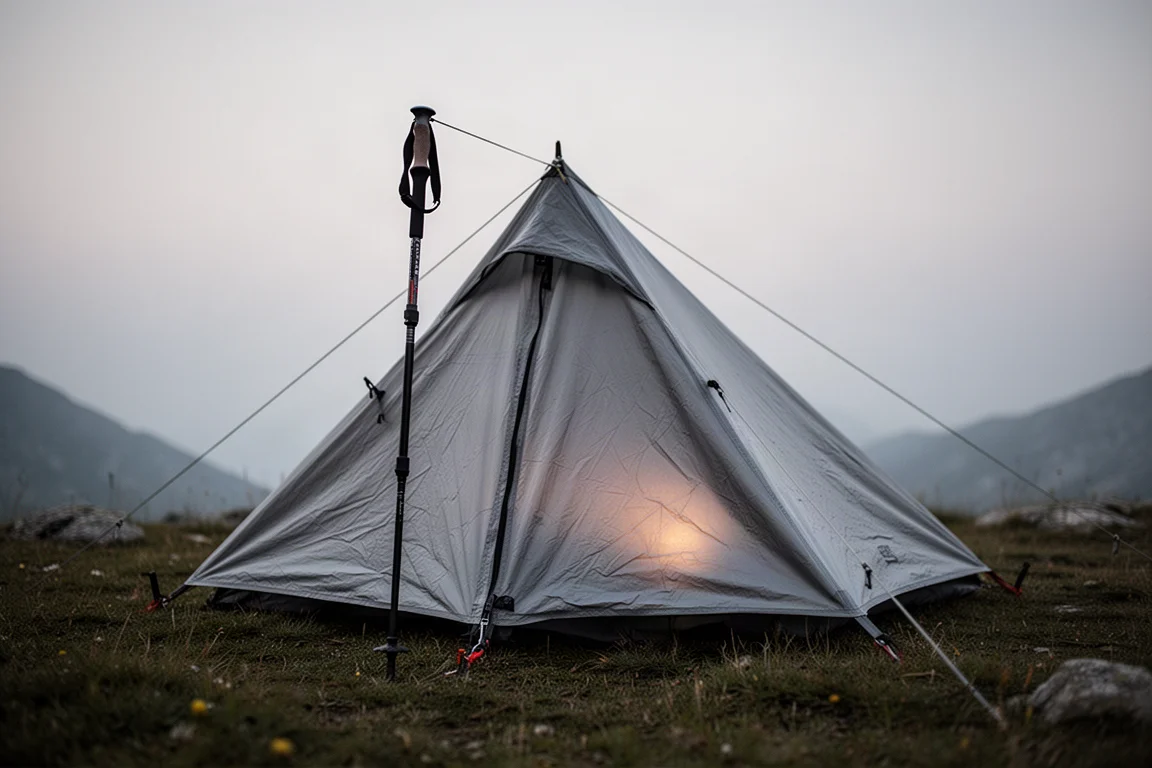
Two points are worth weighing. First, these poles felt slightly less sturdy than the others here, with a bit more vibration through the shaft. That is a feel-based observation rather than a measured result, and the poles held up without failure, but it is noticeable next to sets that have covered thousands of miles. Second, the locks are plastic. A partially damaged plastic lock can often still be operated, yet it is a component worth watching on a long trip. The lower price reflects those compromises.
Cascade Mountain Tech Aluminum: Best Budget Pick
The Cascade Mountain Tech Aluminum poles are the budget entry, and the price is hard to argue with at about $22.99 per pair. They are available with cork grips, which is uncommon at this price and matches what many long-distance hikers prefer.
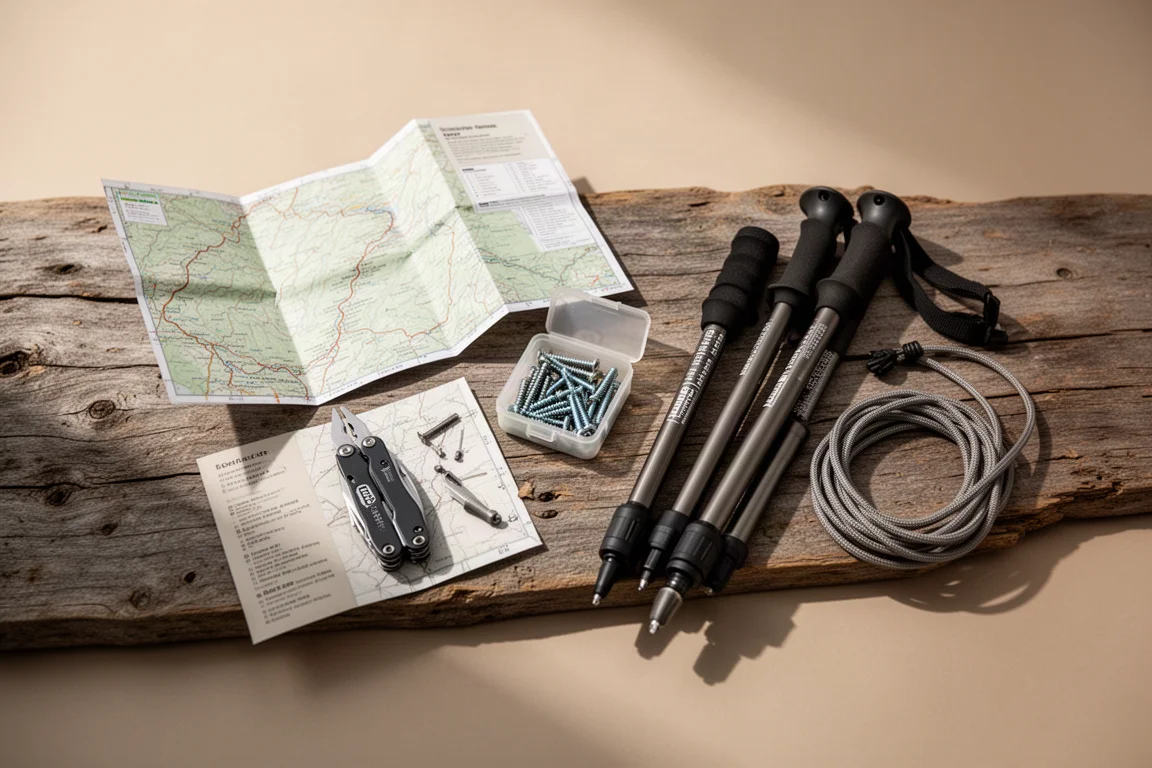
They do need a small amount of attention before a trip. Out of the box, the locks slipped noticeably on early outings. Tightening the screws on the locking mechanisms firmed them up, and the slipping stopped completely. After that adjustment, the poles performed without issue over roughly 40 miles of trail.
As a first set of trekking poles, a spare pair for guests, or a low-cost way to find out whether you like hiking with poles before spending carbon money, they make sense. They are not as refined as the carbon options, but they cover the basics at a fraction of the cost.
Buying Advice: Matching Poles to Your Hike
Start with height and shelter, because those two factors eliminate options faster than anything else. If you are around 5 feet 9 inches or taller, or if your shelter needs a taller pole for comfortable headroom, the women’s-specific Leki poles are the wrong match even though they are the most comfortable and most packable set here. The Black Diamond Alpine Carbon Cork sidesteps that problem entirely.
Next, decide how much packability matters to you. If you frequently collapse your poles for travel, town stops, or strapping them to a pack, the Leki’s short packed length is worth the premium. If your poles mostly stay extended for weeks at a time, that advantage matters far less.
Finally, set a budget and be honest about how you will use the poles. A $23 aluminum pair is a reasonable way to test whether poles suit your hiking style, and it is also a sensible spare set. If you hike long distances every season, the reliability of a proven carbon pole is easier to justify, and the Zpacks set sits in the middle for anyone who wants carbon weight without paying the highest price.
Conclusion
There is no single best trekking pole here, only the best match for your height, shelter, and budget. The Women’s Leki Micro Vario Carbon wins on packability and grip comfort if you fit its height range. The Black Diamond Alpine Carbon Cork is the safe long-distance choice when extension range matters. The Zpacks Ultralight Carbon Fiber offers carbon weight and a useful single-pole option at a mid-range price. The Cascade Mountain Tech Aluminum keeps the cost low enough that trying trekking poles carries almost no risk.
Check the height range first, then the locks, then the grips. Get those three right and any of these sets will serve you well on the trail.
Further reading
Related Reviews
Trekking Poles
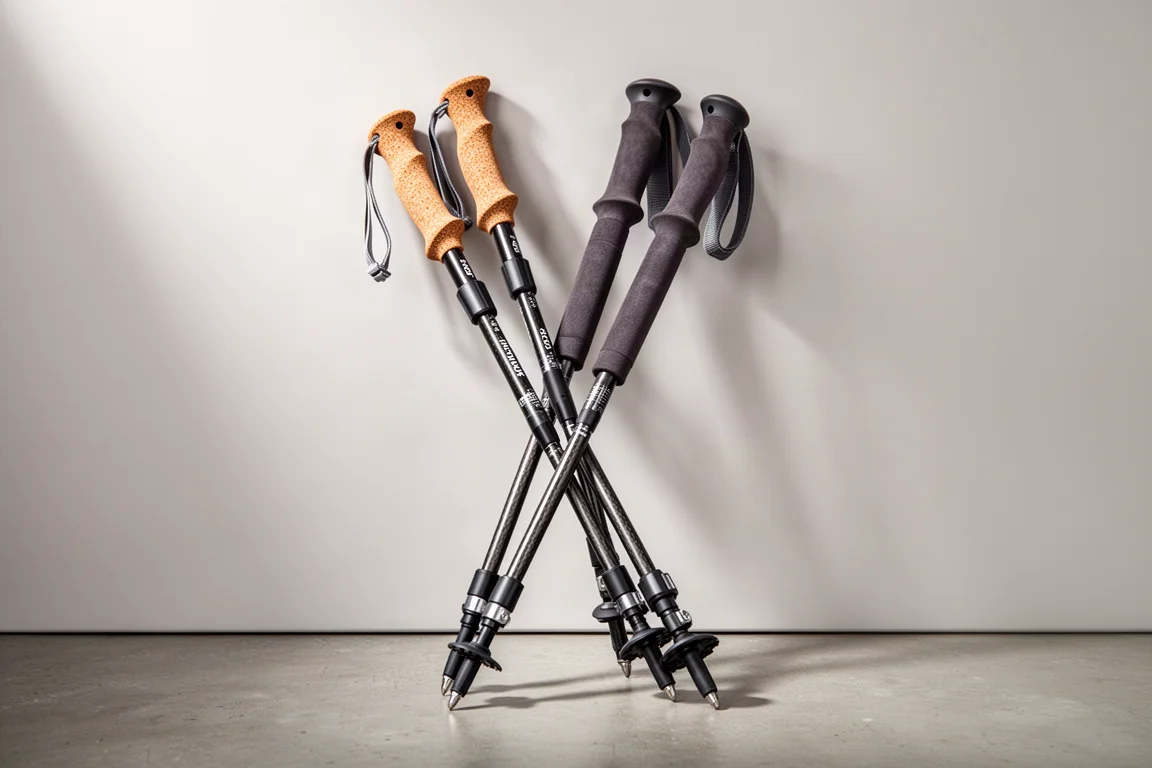
Black Diamond Alpine Carbon Cork vs Leki Micro Vario: Trekking Poles Compared
A long-term look at two collapsible trekking poles, covering lock design, grip comfort, tip life, and what each pair asks of a long-distance hiker.
Trekking Poles
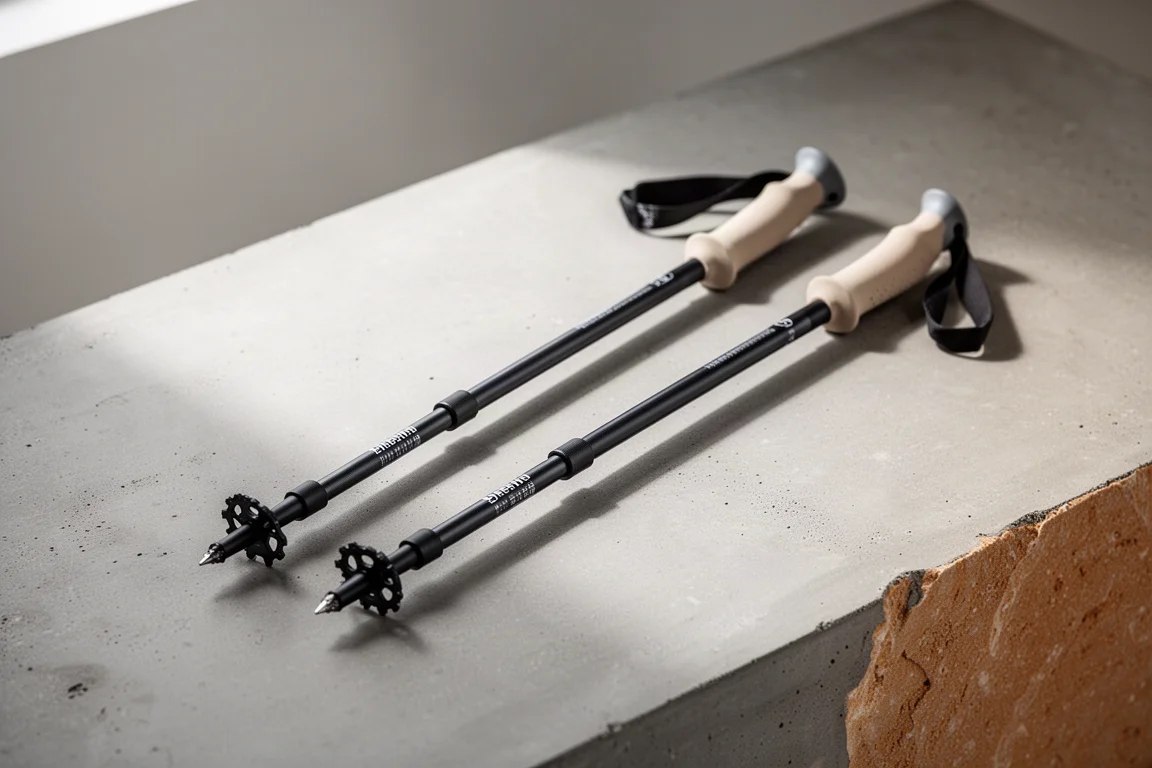
Gossamer Gear LT5 Trekking Poles Review: Ultralight Support That Breaks Slowly
A long-term look at the Gossamer Gear LT5 Trekking Poles, covering ultralight weight, twist locks, EVA foam grips, repairability, and what happens when one snaps.
Trekking Poles
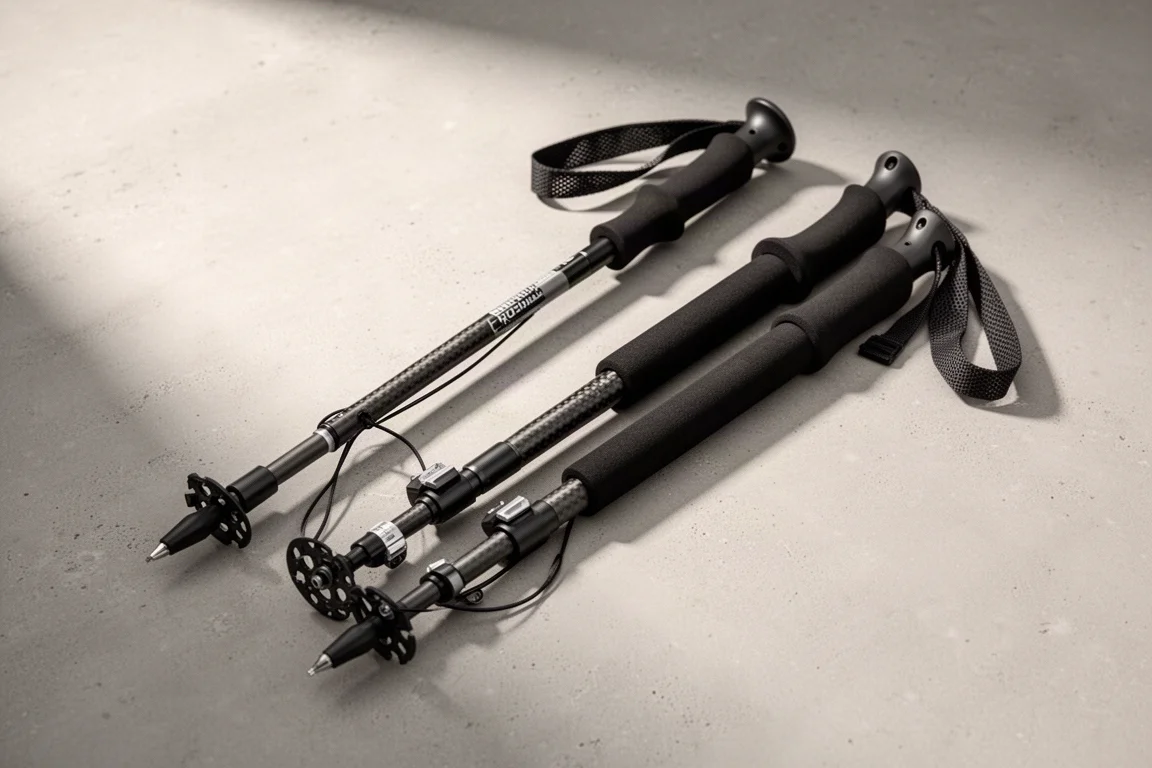
Leki Skytera vs Skysolo: Choosing the Right Folding Trekking Pole
A practical comparison of two new Leki folding trekking poles: the lightweight Skytera and the beefier, taller-friendly Skysolo.