Trekking Poles
Black Diamond Alpine Carbon Cork Review: A Trekking Pole Built for Long Trails
A lightweight carbon fiber trekking pole with cork grips and lever locks, proven over years of long-distance hiking. Here is what holds up and what to weigh before buying.
Introduction
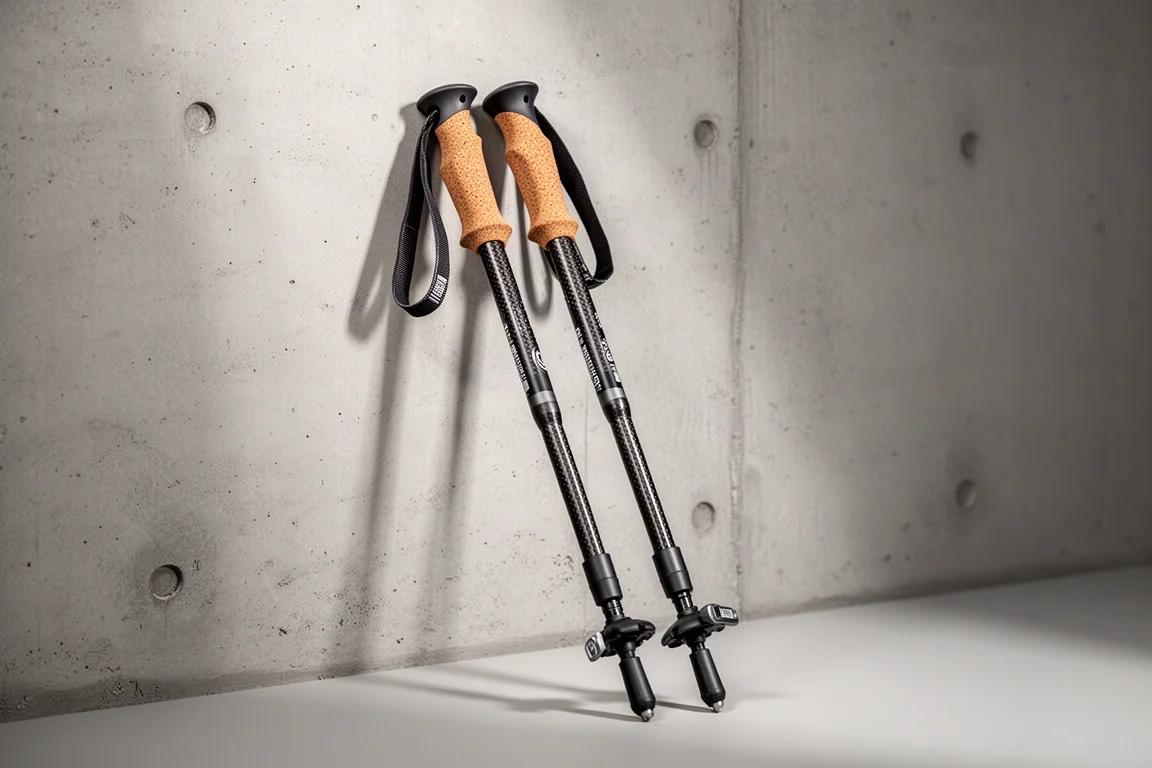
Trekking poles are one of the few pieces of hiking gear that take a direct hit on every step, and the difference between a set that lasts and a set that fails usually shows up far from a trailhead. The Black Diamond Alpine Carbon Cork has earned a following among long-distance hikers for exactly that reason. Carbon fiber shafts keep the weight down, cork grips handle sweat, and lever locks make length changes quick and reliable.
This review looks at what the poles do well over years of hard use, where they show honest wear, and who should consider paying for them.
Who This Product Is For
These poles are aimed at hikers who cover real distance: thru-hikers, multi-day backpackers, and anyone who treats a trekking pole as load-bearing equipment rather than an occasional accessory. The collapsible, multi-section design matters here, because poles that do not pack down are awkward to strap to a pack or carry through town between trail sections.
If you mostly walk short, flat day loops and want the lowest possible spend, a carbon fiber pole at this price is hard to justify. If you are planning a long route where a pole failure would mean improvising a repair mid-trail, the case is much stronger.

The poles suit hikers who want a light setup without treating gear as disposable. They also work well for anyone who has had a locking mechanism slip under body weight and does not want to repeat that experience.
Main Strengths
Three things separate this pole from the budget options: the shaft material, the locking mechanism, and the grip.
Carbon Fiber Shafts That Hold Up
Carbon fiber keeps the poles light, and lighter poles reduce fatigue over long days. The more interesting part is durability. Carbon poles can snap and aluminum poles can bend under hard use, but these shafts have stayed straight and intact through years of backpacking and long-distance trails, including the Pacific Crest Trail and the Continental Divide Trail.
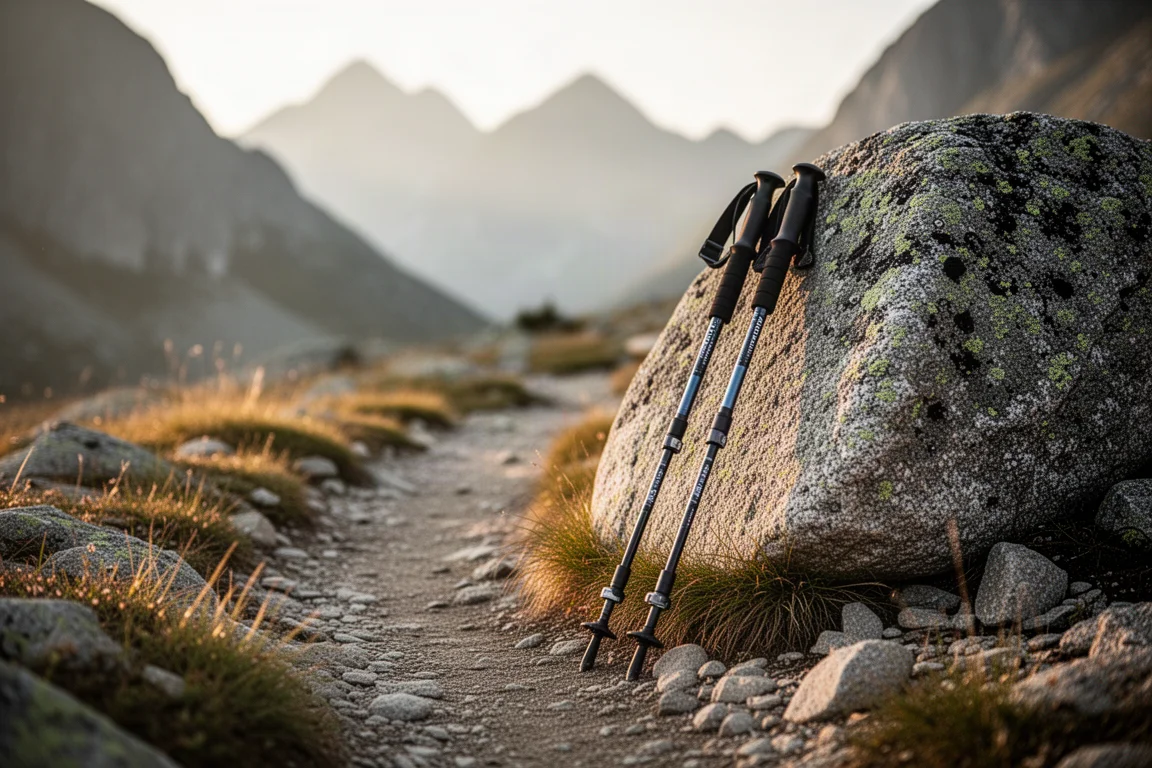
The poles are collapsible as well, which is essential for anyone who needs to stow them on a pack, in a vehicle, or on public transport between trail sections.
Lever Locks That Stay Locked
The locking mechanism is a lever lock, and that choice matters more than most buyers expect. Twist locks tend to loosen faster and are harder to repair when they do. Lever locks usually have a screw that can be tightened to restore a firm hold, and on this pole the levers have not needed tightening at all, even after years of use.
One older production version had a small plastic cover on the metal lever that could break off. It was cosmetic, since the lock kept working, and the design has since been changed so the lever is a smooth metal piece. Buyers looking at current stock are unlikely to see that issue.
Cork Grips That Stay Grippy
Cork grips stay secure when hands get sweaty, which is where rubber and foam grips tend to fall short. Some softer grip materials feel more comfortable out of the box, but comfort matters less than control on a wet, steep descent.
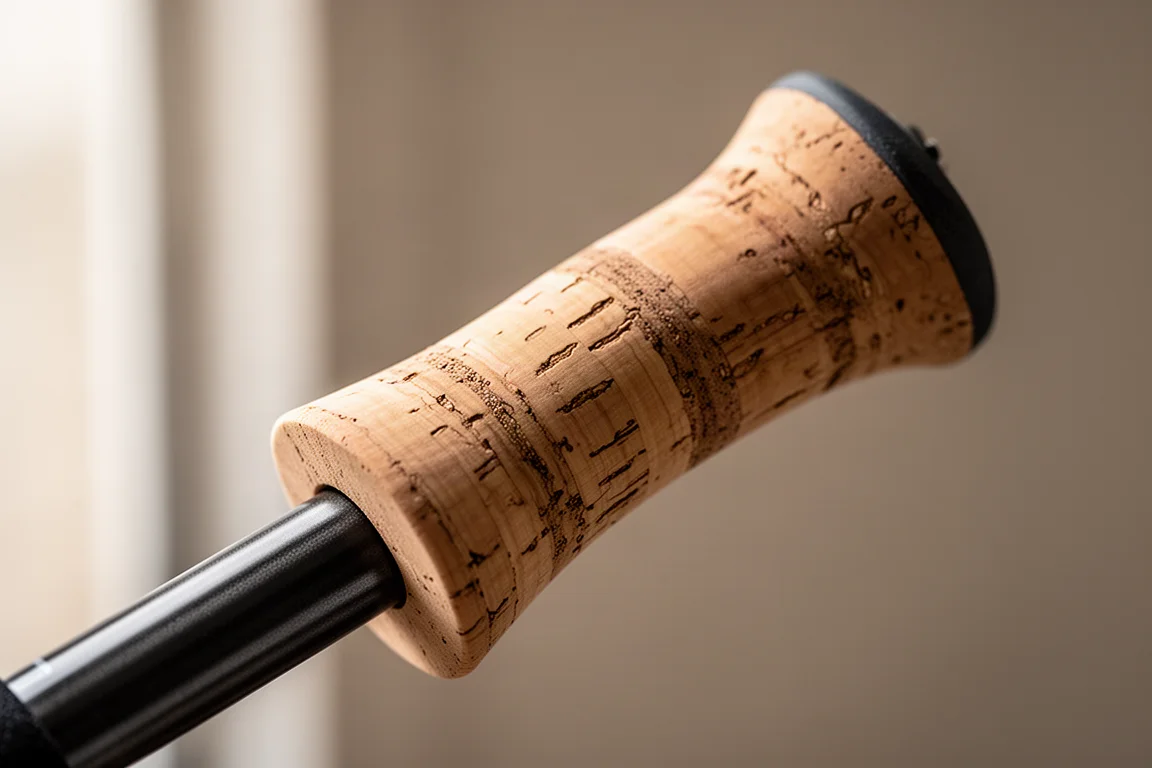
Over years of use, cork gradually takes on the shape of the hand. That shows up as imprints in the grip surface. It is wear, but it is also the reason a well-used pair feels fitted to the person carrying it.
Tips That Keep Their Bite
Trekking pole tips are a common failure point on long routes, and replacing them mid-hike is a genuine annoyance. These tips have lasted through multiple long-distance trails without replacement and still have material left. Hikers who have worn a different set of tips down to almost nothing within a matter of weeks will notice the difference.
Things To Consider Before Buying
Price is the first consideration. These poles cost about $230 now, up from roughly $170 about eight years ago, which puts them well above entry-level options. The value argument rests on longevity rather than a long feature list.
Expect visible wear over time. The cork grips develop imprints, and the printed length markings on the shafts can scrape away. Neither affects how the poles work, and the wear patterns make it obvious where to set the length for a given height.
Grip preference is personal. Cork is chosen for sweat management, not for softness. Anyone who prefers a padded, rubberized feel may want to handle a pair before committing.
Buying Advice
For hikers who put serious miles on their gear, the cost per year is reasonable. A pair that lasts eight years of backpacking and long-distance hiking works out to a modest annual expense, and it removes the risk of a locking failure or a worn tip derailing a trip.
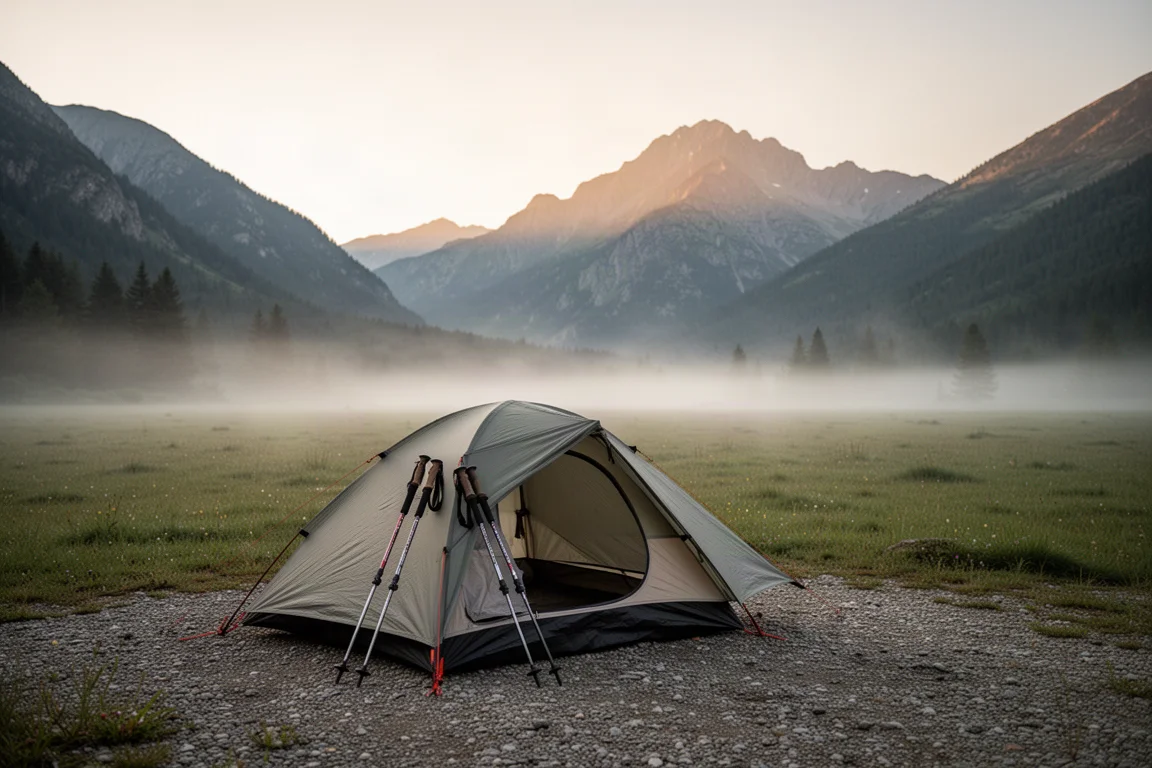
If you hike occasionally on gentle terrain, a cheaper pole will do the job. If you are planning a thru-hike or a long section hike, the extra spend buys reliability, and that is the part that matters when there is no gear shop for the next hundred miles.
Conclusion
The Black Diamond Alpine Carbon Cork earns its reputation through restraint rather than novelty: light carbon shafts, dependable lever locks, cork grips that work when wet, and tips that keep going. It is not the cheapest option, and the wear marks are real, but for long-distance hikers the durability is the point.
Product link
View more details for Black Diamond Alpine Carbon Cork
This product is mentioned in the review. Check the specifications, options, and compatibility before buying.
View more details for Black Diamond Alpine Carbon CorkFurther reading
Related Reviews
Trekking Poles
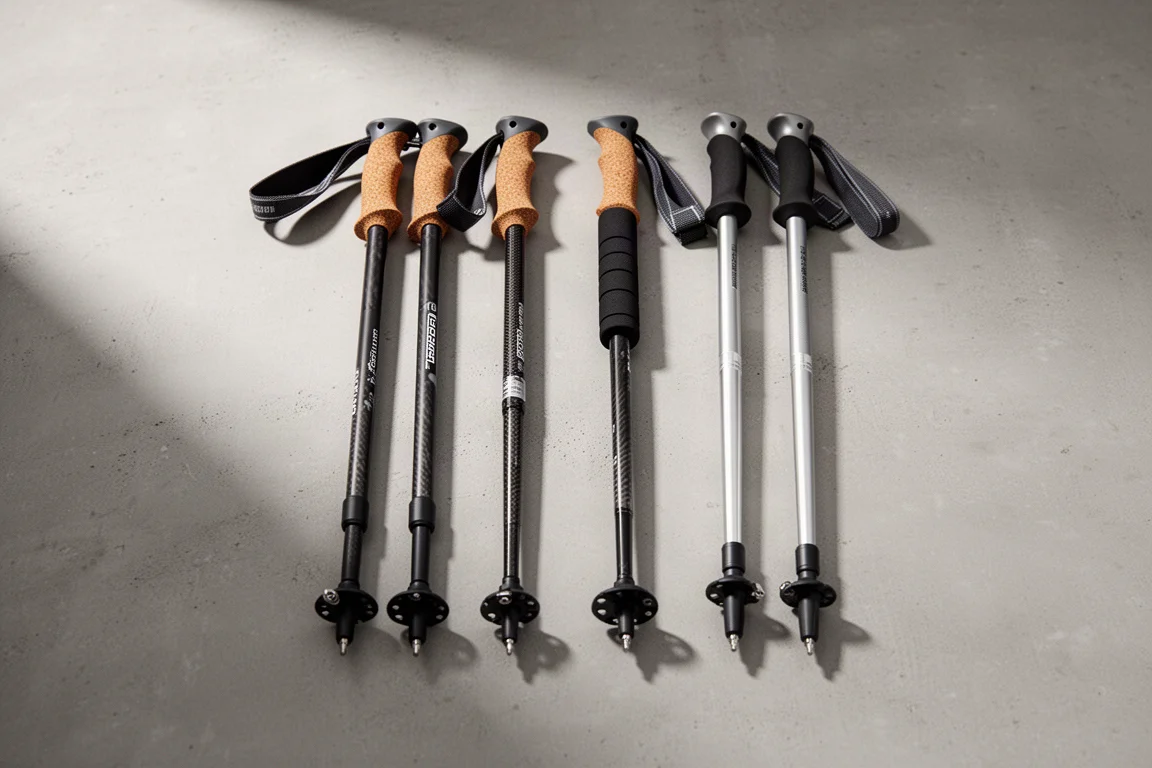
Best Trekking Poles for Thru-Hiking: Four Sets Compared
A practical comparison of four trekking pole sets for long-distance hiking, from a $23 aluminum pair to a $200 carbon pole that packs down smaller than the rest.
Trekking Poles
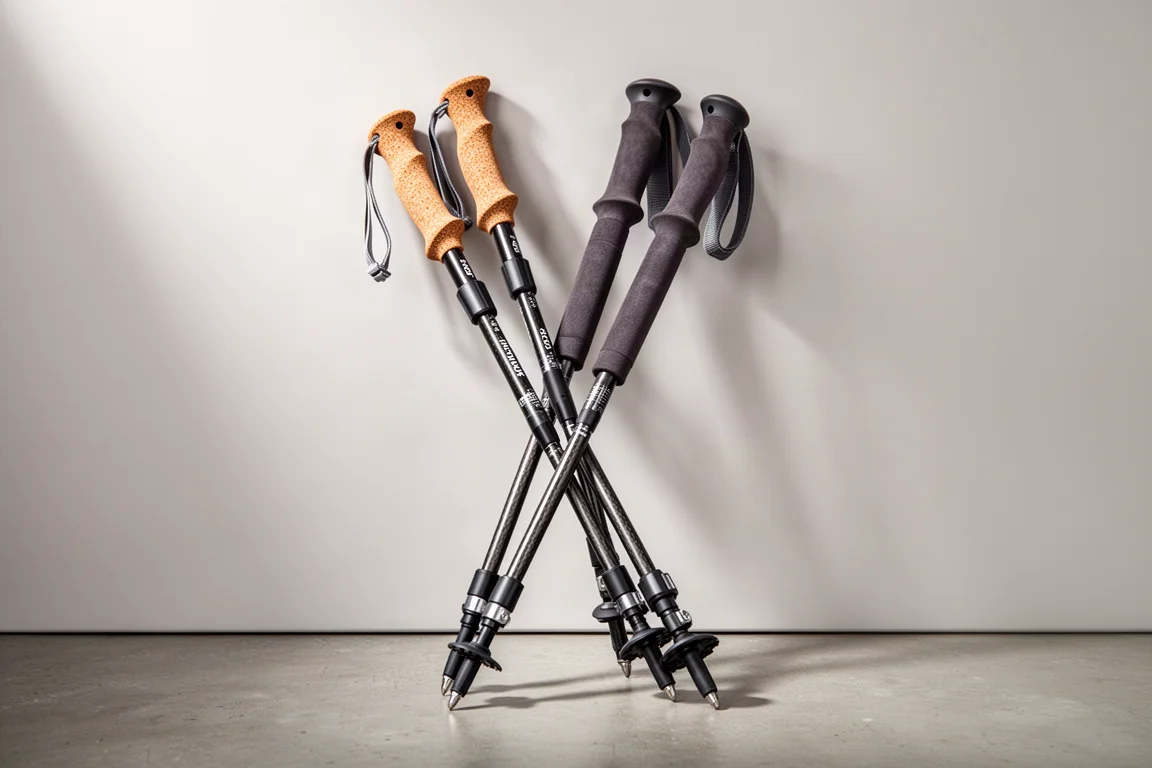
Black Diamond Alpine Carbon Cork vs Leki Micro Vario: Trekking Poles Compared
A long-term look at two collapsible trekking poles, covering lock design, grip comfort, tip life, and what each pair asks of a long-distance hiker.
Trekking Poles
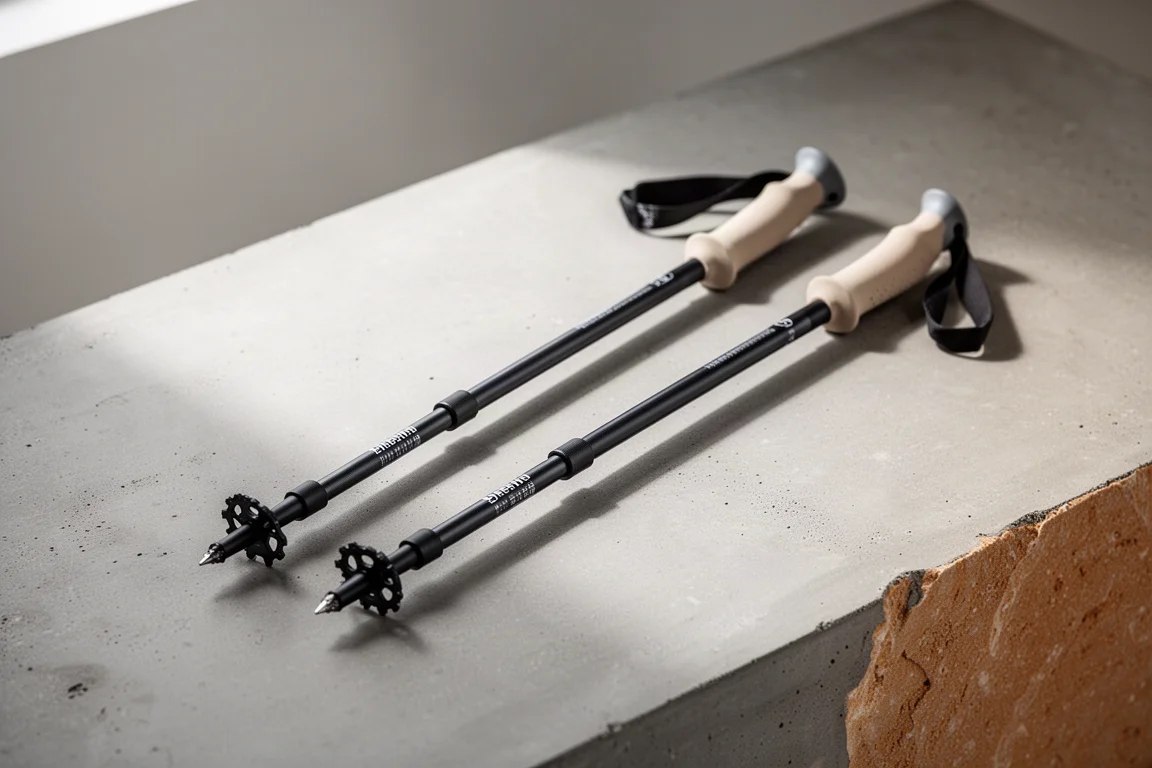
Gossamer Gear LT5 Trekking Poles Review: Ultralight Support That Breaks Slowly
A long-term look at the Gossamer Gear LT5 Trekking Poles, covering ultralight weight, twist locks, EVA foam grips, repairability, and what happens when one snaps.