Touring Skis
Black Crows Novis Freebird Review: A Versatile Touring Ski for Technical Terrain
A detailed look at the Black Crows Novis Freebird, a 102 mm touring ski built for mixed backcountry conditions, with strong edge hold and a weight that stays practical on the climb.
Introduction
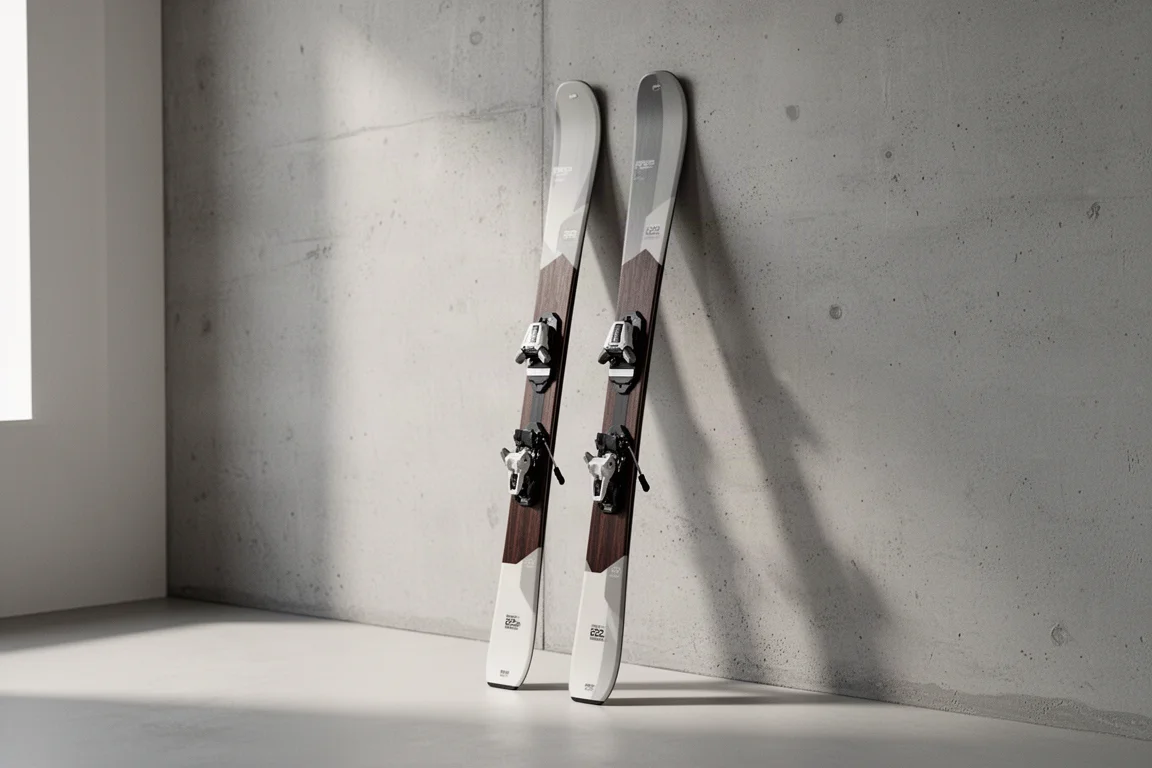
Black Crows describes the Novis Freebird as an adventure ski, and that label captures its intent well. Instead of chasing one narrow specialty, it is built to handle the mixed and unpredictable conditions that backcountry terrain tends to deliver. The Novis name has stepped back from the lineup, but the Freebird version carries forward largely unchanged and remains one of the more well-rounded touring skis in the range.
At 102 mm underfoot with a 19 m turn radius, the ski sits in a width that works in soft snow without feeling slow on firmer surfaces. The 179 cm length comes in at roughly 1,730 g, which places it on the heavier side of dedicated touring skis while still being light enough to justify mostly alpine touring use.
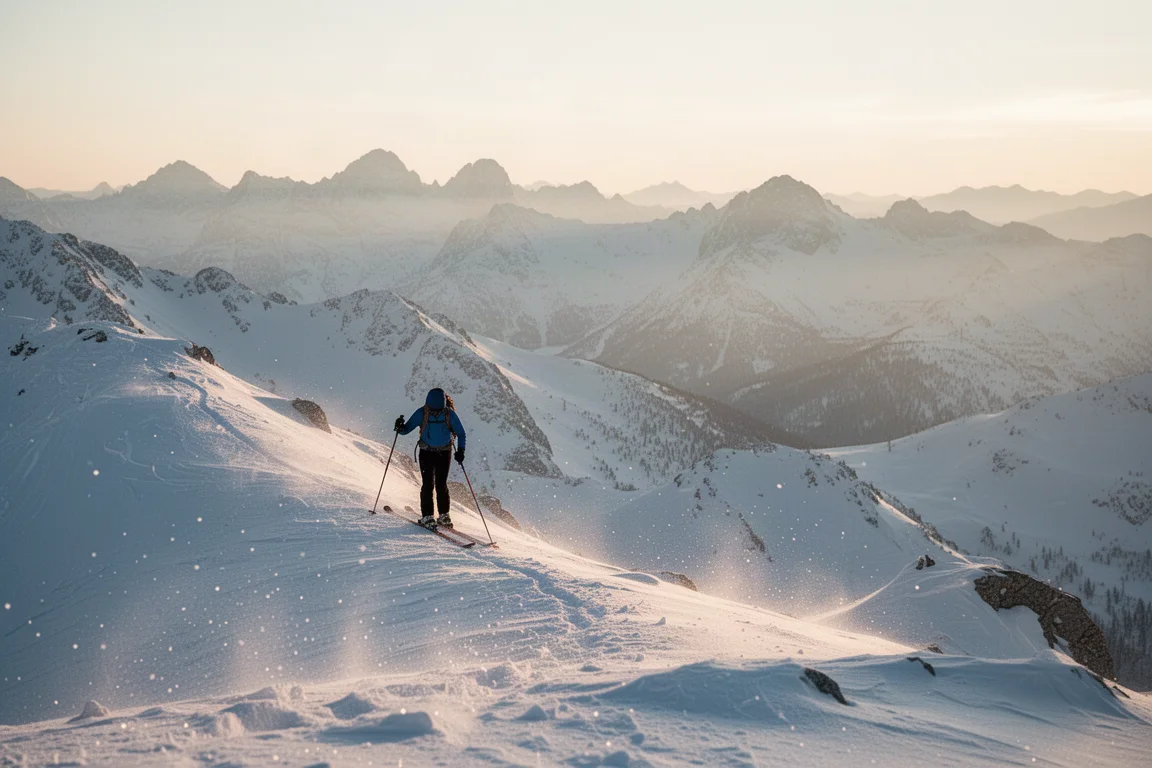
That weight balance is central to the ski’s appeal. It is not the lightest option on the market, and it is nowhere near as heavy as a resort-focused ski, which makes it a practical middle ground for skiers who want one setup to cover a wide range of terrain.
Who the Novis Freebird Is For
This ski rewards skiers who like to make deliberate, precise turns in demanding places. Technical skiers who seek out challenging terrain, tight chutes, firm traverses, and no-fall zones tend to appreciate the responsiveness and edge hold that a ski like this provides.
It also suits riders who tour mostly in the backcountry but still want a ski that feels solid on the occasional resort day. If your priority is a loose, surfy feel or the lightest possible setup for long approaches, this is probably not the first ski to consider.
Main Strengths
The construction blends poplar and paulownia in the core, adds a little metal underfoot, and mixes carbon into the fiberglass layer. The metal is there mainly for binding retention, but it also contributes strength and vibration damping. The result is a ski with a strong flex pattern that avoids the flimsy feel that some touring skis develop.
The shape is relatively simple and effective. Tip and tail rocker are present but low in splay and rise, and there is not much early taper. The shovel is wide, and the widest point of the tail sits close to the end of the ski. Combined, those choices produce long edge contact and a strong, trustworthy feel underfoot.
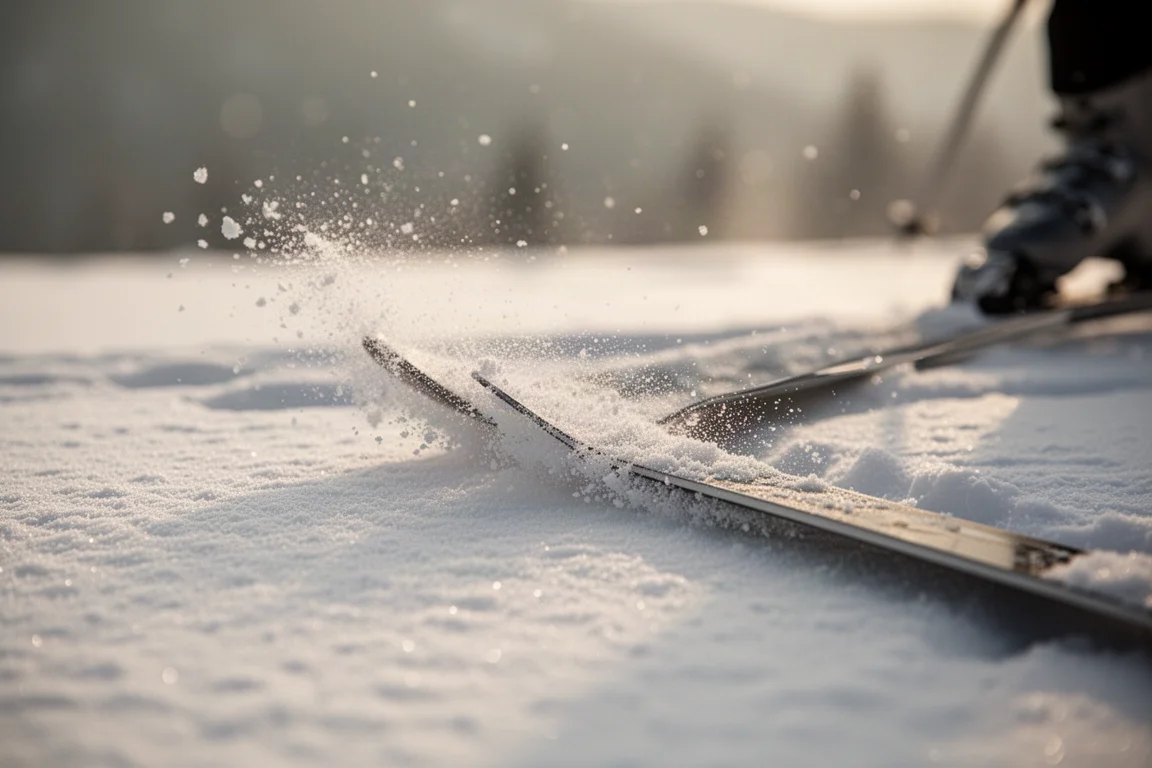
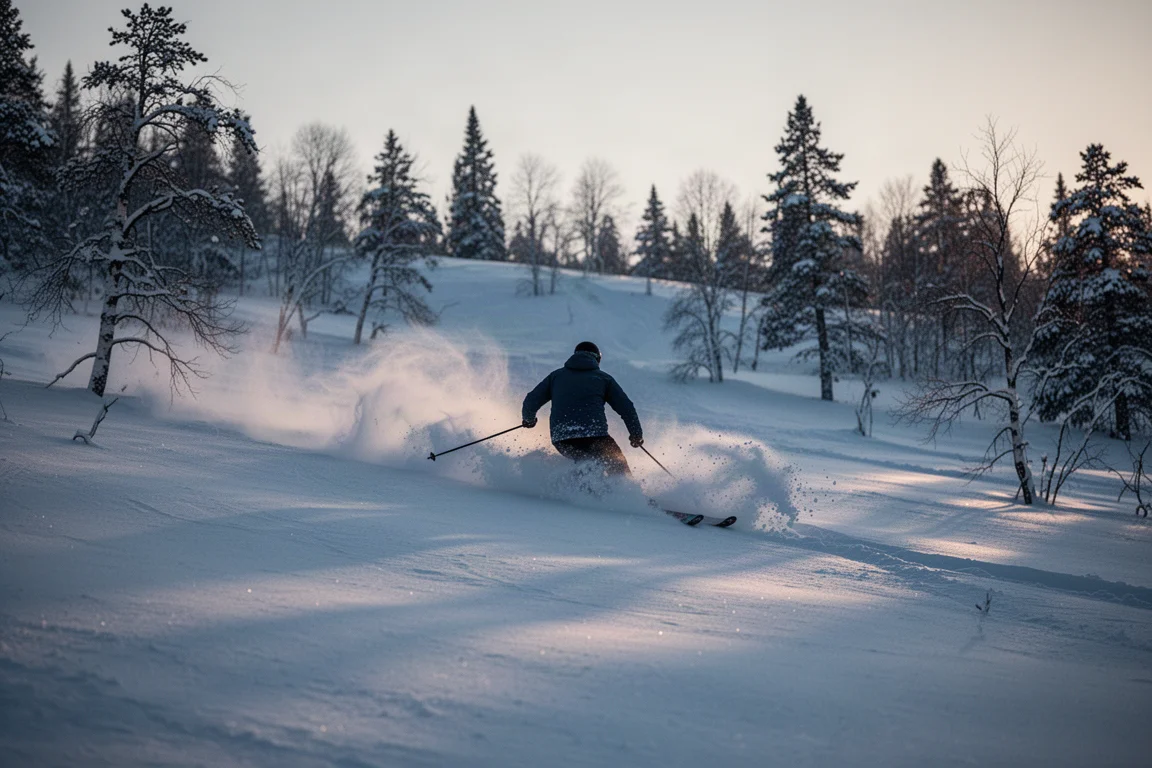
That character shows up most clearly on firm, wind-scoured snow, where the ski holds an edge without washing out. It stays composed on exposed traverses, and it remains quick and agile in tight trees and narrow chutes. It is not a particularly surfy ski, but it moves from side to side in a precise, responsive way.
Things to Consider Before Buying
The trade-off for that composure is a ski that feels less playful in soft snow than models with longer rocker profiles. If you want a loose, smeary feel that slarves easily, this is not the tool for that job.
Weight is another consideration. At roughly 1,730 g in the 179 cm length, it is heavier than dedicated lightweight touring skis, and that difference becomes noticeable on long, high-vertical missions.
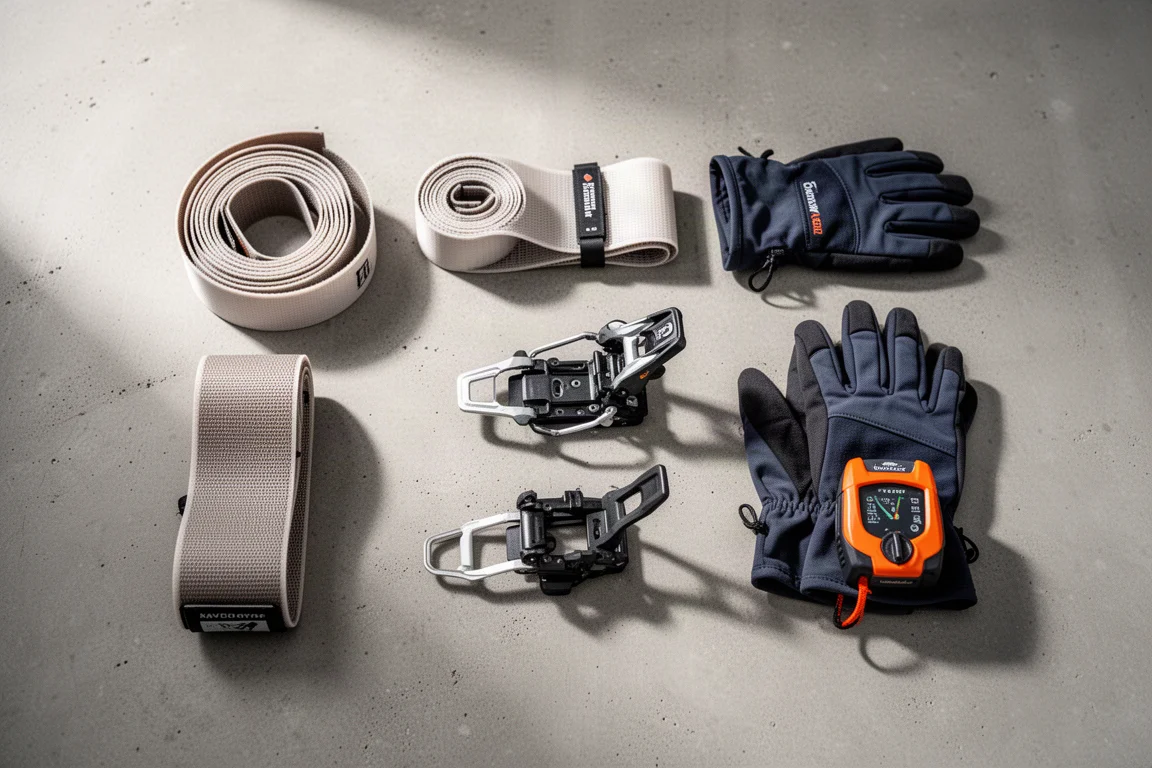
Binding choice matters as well. This is not a good candidate for a standard alpine binding. A stronger hybrid binding is a reasonable upper limit, while a lightweight tech binding brings the overall weight down and turns the ski into a lighter tool for deeper backcountry days and longer tours.
Buying Advice
The most useful way to think about the Novis Freebird is as one ski that covers a lot of ground rather than one that wins a single category. If most of your days involve variable backcountry snow, firm windboard, and terrain that demands precise turns, it is a confident choice.
Pair it with a binding that matches your priorities. A lightweight tech binding keeps the setup closer to a dedicated touring build, while a stronger hybrid binding adds downhill security for skiers who want more margin on aggressive descents.
Skiers who split their time between the resort and the backcountry will find the weight and shape easy to live with. Those chasing maximum float or minimum grams should look at more specialized designs instead.
Conclusion
The Black Crows Novis Freebird earns its adventure-ski description. A strong flex pattern, long effective edge, and moderate 102 mm waist add up to a touring ski that stays trustworthy in technical terrain without becoming a burden on the way up. For skiers who value precision and versatility over pure flotation or ultralight weight, it is a well-rounded option worth serious consideration.
Product link
View more details for Black Crows Novis Freebird
This product is mentioned in the review. Check the specifications, options, and compatibility before buying.
View more details for Black Crows Novis FreebirdFurther reading
Related Reviews
Touring Skis
Atomic Backland 100 Review: A Light Touring Ski That Still Holds an Edge
The Atomic Backland 100 is the lightest of Atomic's three 100mm-underfoot skis. Here is how its carbon build, tapered tail, and setup options shape the buying decision.
Touring Skis
Best Touring Skis 2025: Six Standout Picks from Lightest to Heaviest
A practical roundup of six touring skis, from featherweight uphill tools to confident freeride performers, with real weights, prices, and on-snow characteristics.
Touring Skis
Best Touring Skis 2026: Seven Lightweight Options Compared
Seven lightweight touring skis compared, from uphill-focused builds to descent-oriented shapes, with practical guidance on weight, flex, turn radius, and binding choice.