Grilling & Outdoor Cooking
Binchotan vs Ogatan vs Lump Charcoal: Which Charcoal Deserves Your Grill
Three charcoal styles tested side by side, from long-burning Japanese binchotan to budget-friendly lump charcoal, with real temperature numbers to help you choose.
Introduction
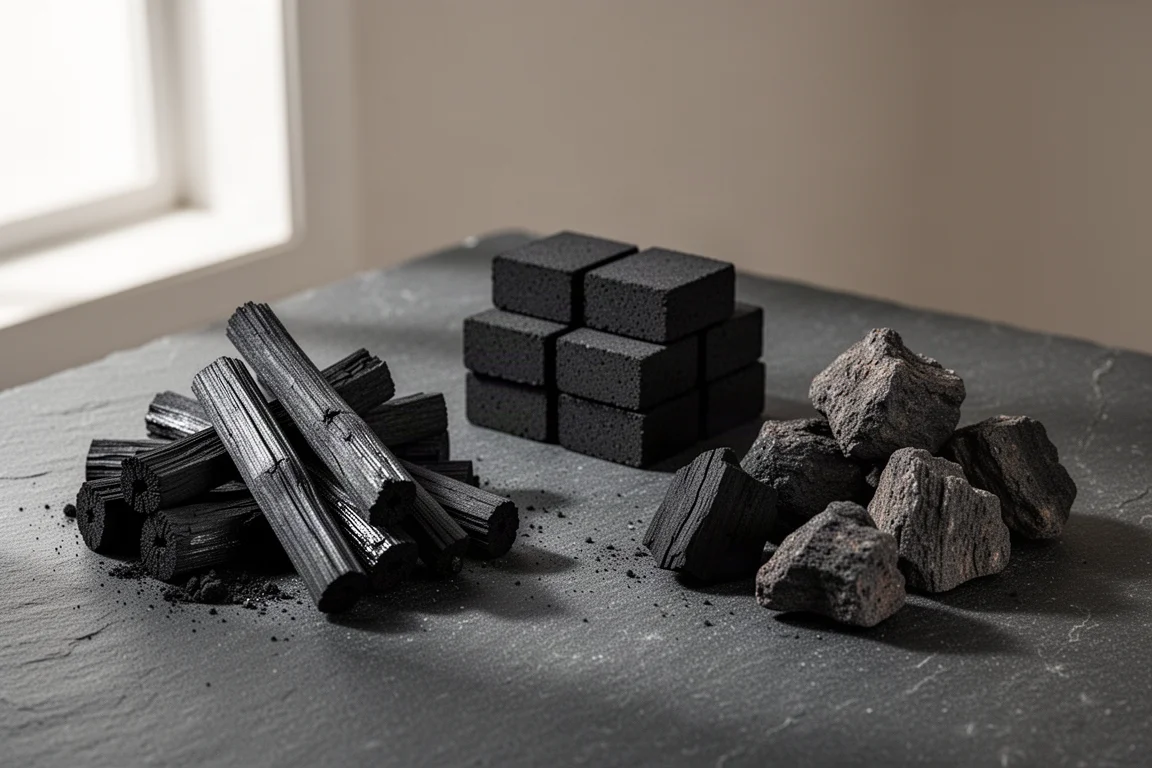
A warm afternoon, a cold drink, and meat on sticks over real charcoal is hard to beat. But not all charcoal is the same, and the type you pick changes how your grill behaves, how your food tastes, and how long you can keep cooking. We compared three popular options side by side: premium Japanese binchotan, upcycled Ogatan charcoal, and standard lump charcoal. We also took real temperature readings with an infrared thermometer to see which burns hottest. Here is what we found.
Japanese Binchotan: The Premium Choice
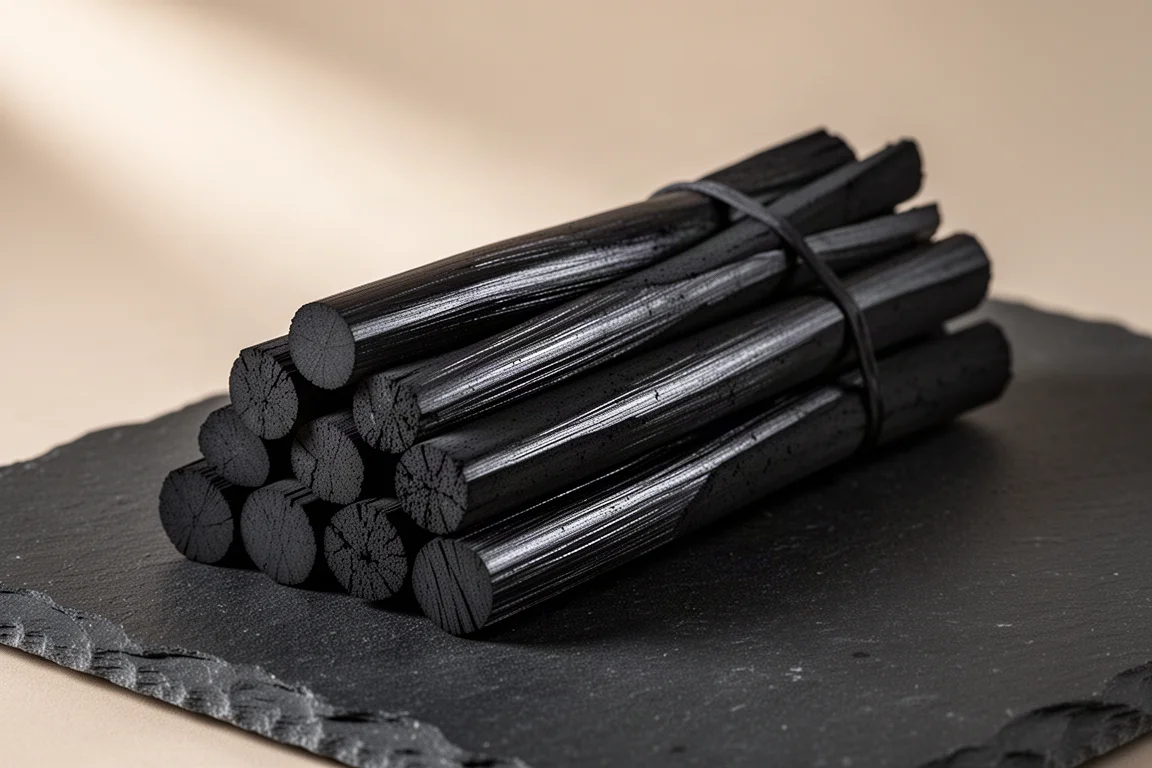
Binchotan is our favorite charcoal, and it is easy to see why. Made in Japan, it goes through a dehydration process that takes almost a week before being brought up to roughly 1,000 degrees. The result is a piece of charcoal that is around 97 percent carbon: very hard, very dense, and capable of burning at over 700 degrees Celsius for five, six, sometimes eight hours. It comes in different sizes, from small sticks to whole logs of charcoaled tree trunks.
Because of that density, binchotan takes more effort to light. Once it is going, though, it delivers a deep, intense heat with a noticeably cleaner taste. You do not get that acrid, burnt flavor on the food, and the high carbon content produces far infrared heat that penetrates the food more effectively than gas, cooking it evenly while helping it retain moisture. The result is a crispy outside and juicy inside, even on pieces that look quite charred.
Lump Charcoal: Cheap, Easy, Fast
Standard lump charcoal is the practical everyday option. A big bag costs about 15 dollars, it lights more easily than binchotan, and it gets the job done with a bit more of that classic charcoal flavor and a touch of burnt taste. It is a great way to get the heat and flavor you want with less fuss.
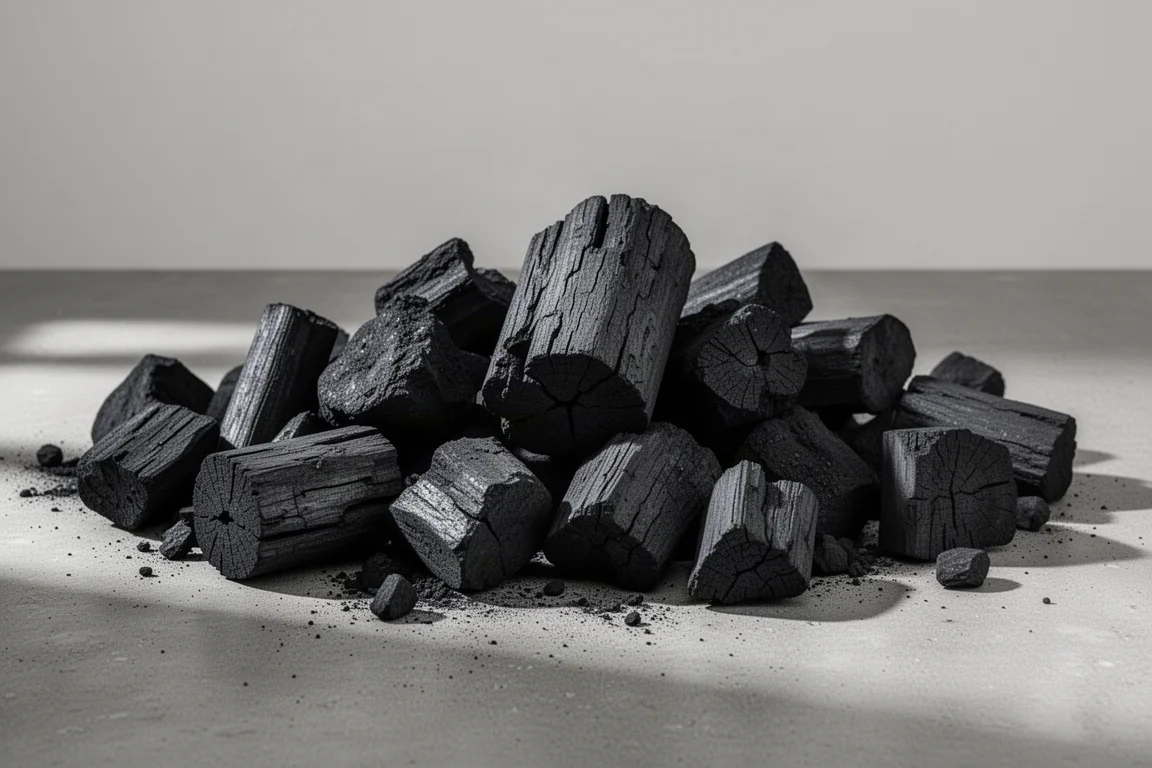
The trade-offs are burn rate and consistency. You will easily burn through a whole bag in one session, and the temperature can be uneven at times. If you want something simple and cheap, this is the way to go, but there is room for better results.
Ogatan Charcoal: The Smart Middle Ground
Ogatan charcoal sits nicely between lump charcoal and binchotan. It is made from trimmed bits of waste wood that are upcycled into charcoal, following a process similar to binchotan: dehydration, a high-temperature burn, then extinguishing to leave behind as much carbon as possible.
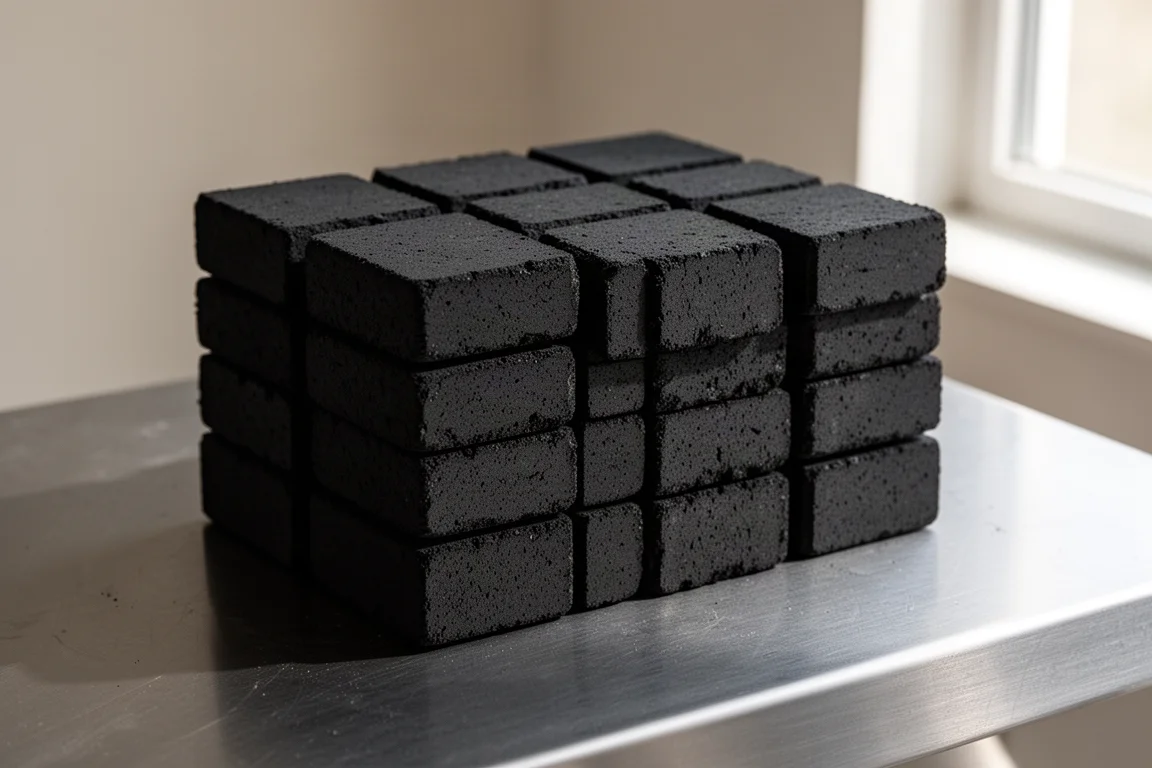
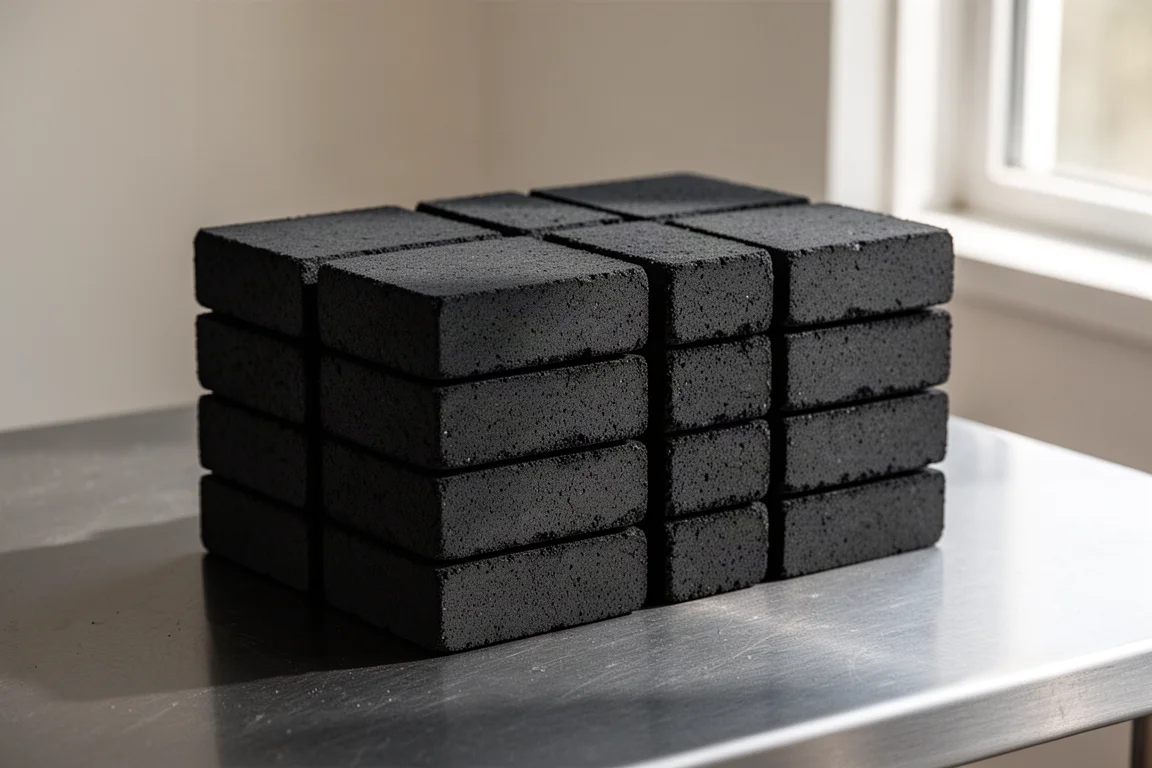
We like the regular shape of Ogatan pieces. Because they are uniform in size, you can stack them or spread them out to control your temperature easily. In our testing it came in at 670 degrees Celsius, hotter than lump charcoal at 580, and it burns evenly and consistently. The price is great too, which makes it an easy recommendation for regular grilling.
Temperature Test Results
Using a laser thermometer after letting each charcoal type sit for about 10 minutes to even out, the numbers spoke clearly. Lump charcoal reached 580 degrees Celsius, Ogatan hit 670, and binchotan climbed close to 700 degrees Celsius. Binchotan also delivered a noticeably denser feeling heat. Opening the grill vents to increase airflow pushed temperatures even higher. The verdict: binchotan runs hottest, Ogatan is a strong and consistent second, and lump charcoal trails on heat and evenness but wins on price and ease of lighting.
Getting Your Charcoal Lit and Hot
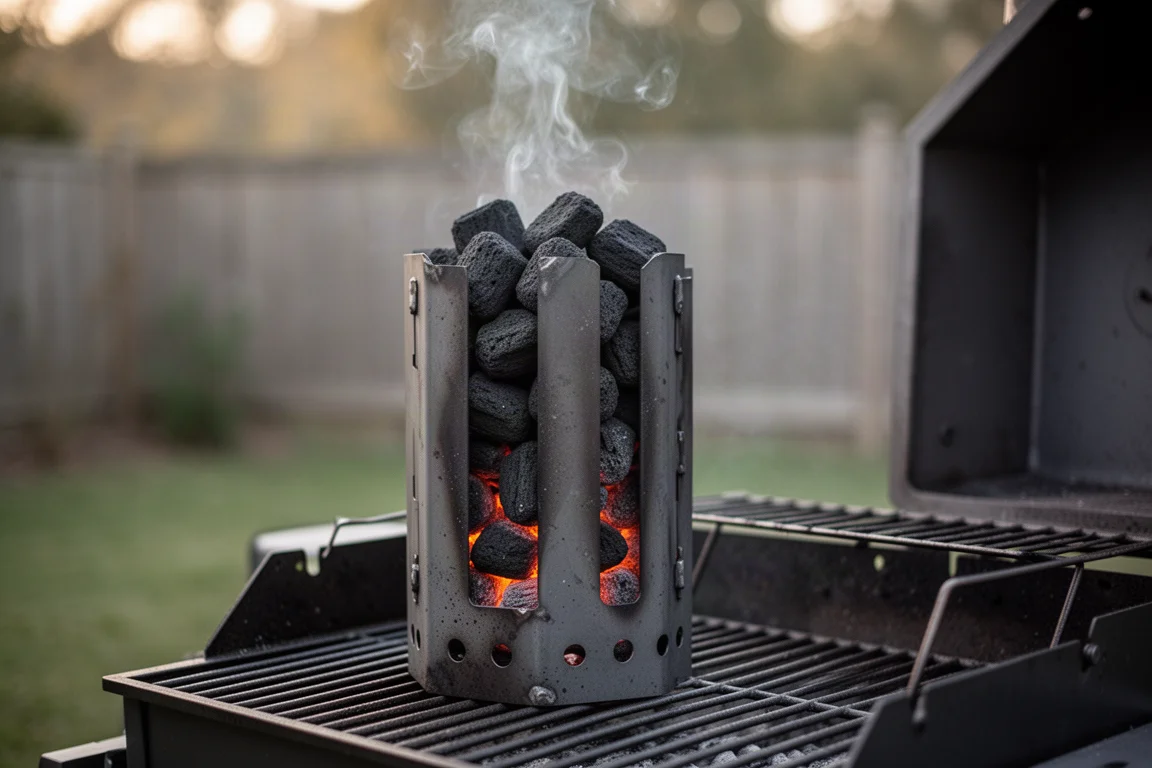
A charcoal chimney starter is a great way to get charcoal going, especially if you have a small portable gas burner on the side of your barbecue. It gets the charcoal burning really evenly before you dump it into your konro or other grill.
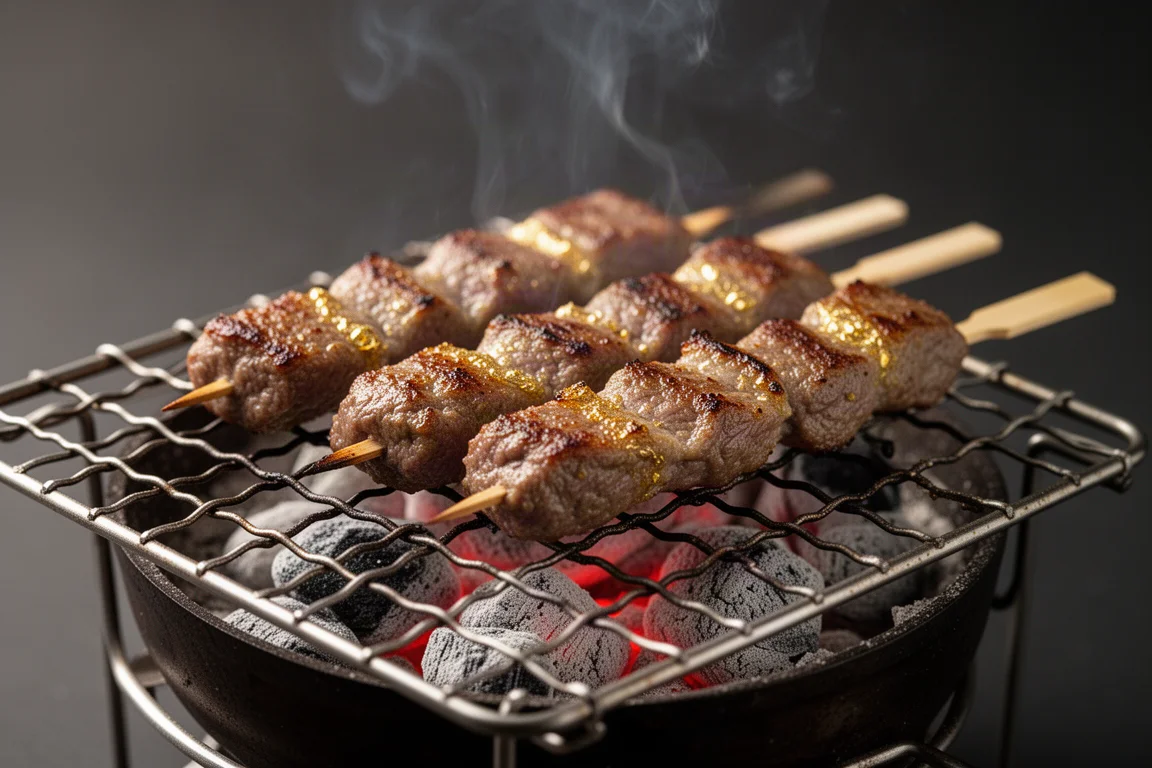
One useful trick: since binchotan is harder to light because of its density, you can start it with some lump charcoal. That helps balance out the price of the premium charcoal and works really well, getting your konro heated up and everything hot faster.
Conclusion
If you want the cleanest taste, the highest temperature, and hours of cooking time, binchotan is worth the extra effort and cost. If you want even, consistent heat at a great price, Ogatan is the smart middle ground. And if you just want something cheap and simple to fire up, lump charcoal will do the job. Whichever you choose, grilling meat on sticks over real charcoal is a genuinely special way to cook.
Further reading
Related Reviews
Backpacking Gear
Building a 10 lb Base Weight: An Ultralight Backpacking Gear List
A practical walkthrough of the ultralight pieces behind a 10 lb base weight, from a 765 g pack and a roomy one-person tent to a full camp chair and a dependable water filter.
Road Bikes
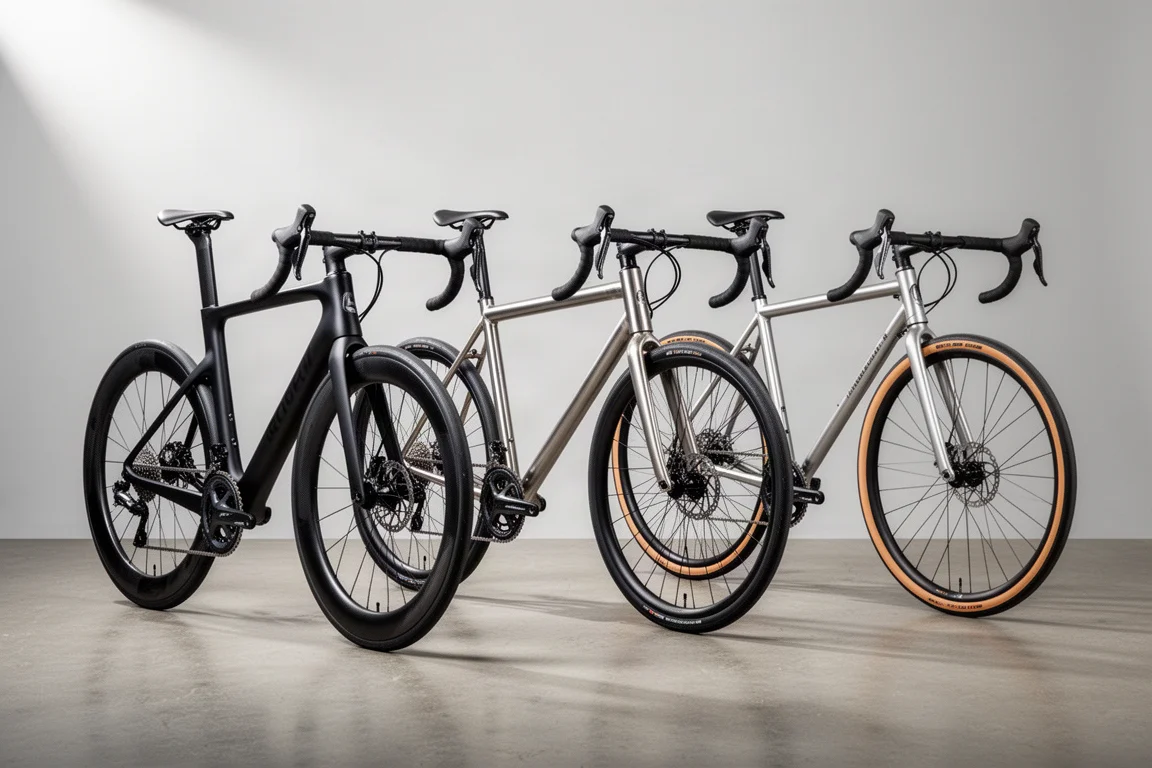
10 New Road Bikes Worth Watching: Aero, Titanium, Steel and Endurance Standouts
A practical roundup of 10 new road bikes, from aero flagships chasing single-watt gains to titanium, steel and endurance platforms built for real roads.
Bikepacking Gear
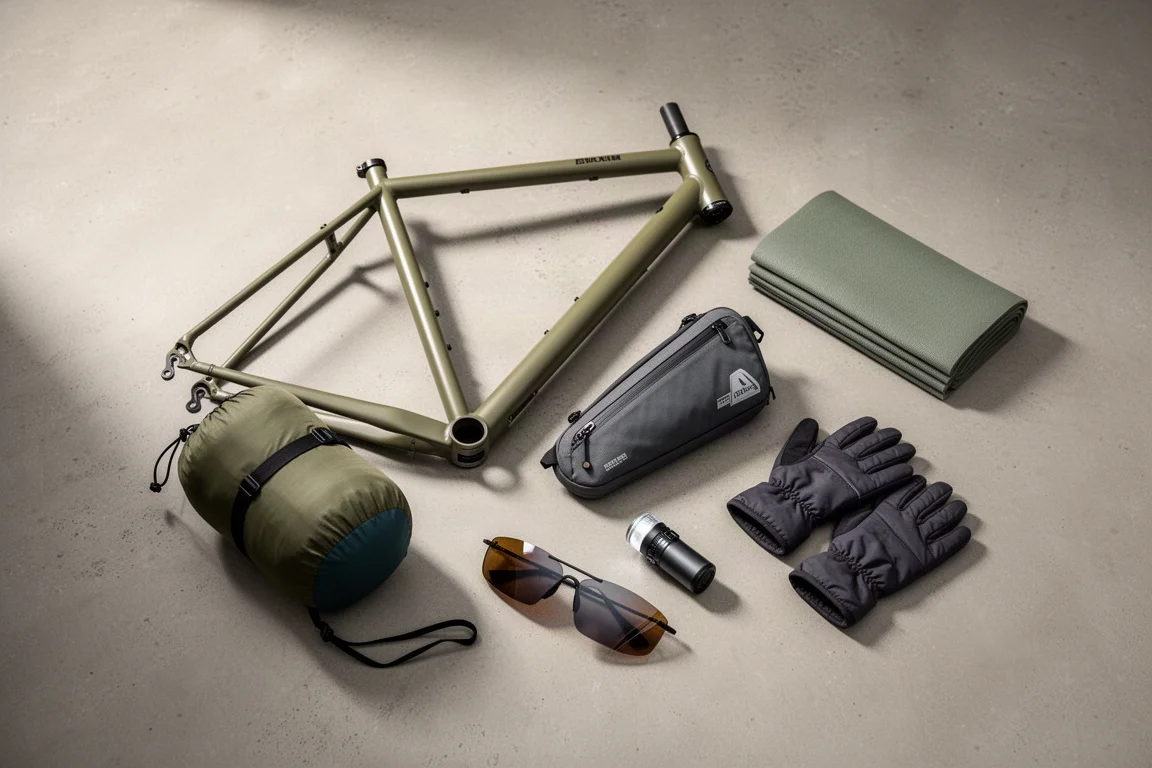
11 Bikepacking Essentials for Long-Distance Cycling
Eleven bikepacking essentials for long-distance cycling, from a steel gravel frame and a two-person tent to helmet lights, packable gloves, and a frame bag that puts weight in the right place.