Cycling Wheels
Bike Wheel Tier List: The Best Wheels We've Ridden
A comprehensive tier list of road and gravel bike wheels, from top-tier performers to ones to avoid, with clear buying advice.
Introduction
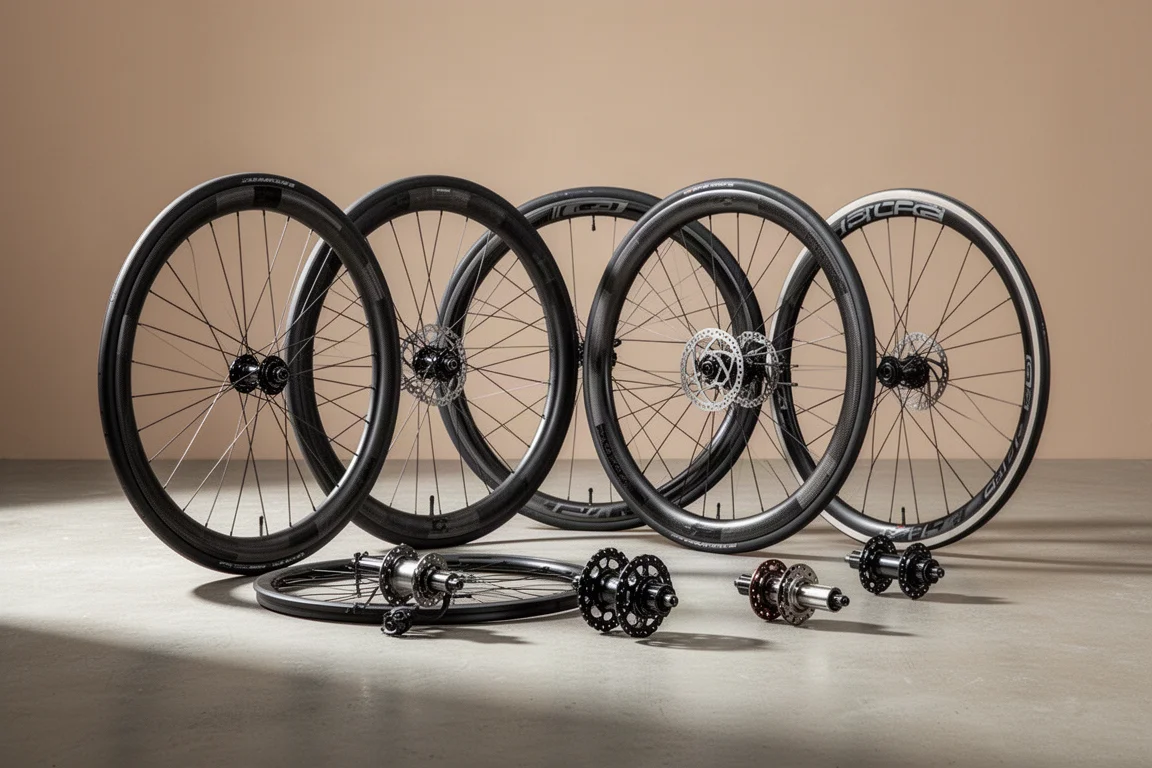
Buying a new wheelset can be one of the most impactful upgrades for a road or gravel bike. Prices range from a few hundred pounds to several thousand, and not every expensive wheel is worth the money. We’ve ridden a wide variety of wheels across different terrains, from smooth tarmac to rough gravel and even underwater conditions, and we’ve ranked them into tiers based on performance, value, durability, and overall ride feel.
This tier list covers 19 wheelsets, from entry-level options to top-of-the-range models. We’ll explain what makes each one stand out, who it’s for, and where it falls short. Whether you’re looking for a reliable alloy wheelset for training or a premium carbon upgrade for racing, this guide will help you make a more confident decision.
How We Evaluated
Our evaluation focuses on real-world riding experience rather than lab data. We consider factors like weight, rim width, hub engagement, braking performance, durability, and value for money. We also pay attention to the little things: how a wheel feels in crosswinds, how easy it is to mount tires, and whether the freehub sound is pleasant or obnoxious. Warranty and crash replacement policies also play a role, as they can add significant peace of mind.
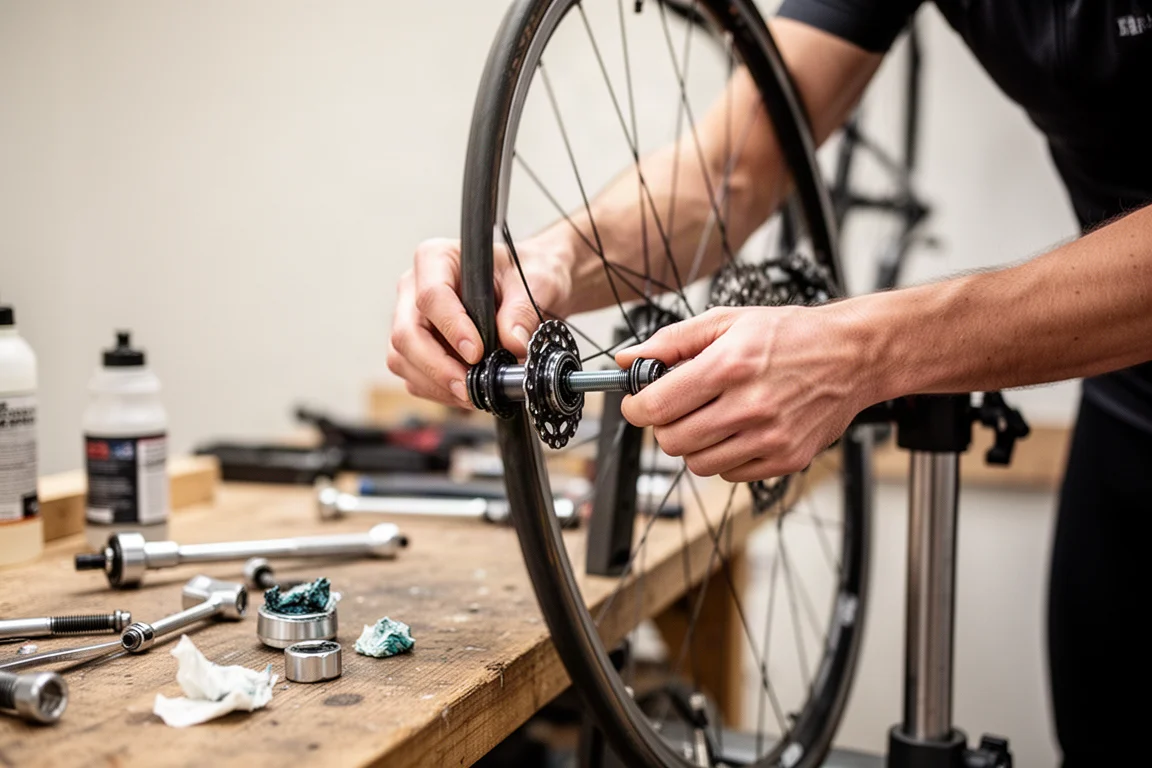
We’ve grouped the wheels into five tiers: Top Tier, Strong All-Rounders, Solid Mid-Range, Niche and Compromises, and Wheels to Avoid. Within each tier, the order is not strictly ranked, but the tiers themselves reflect our overall assessment. Keep in mind that wheel performance is highly subjective, and what works for one rider may not suit another. Use this guide as a starting point, not a definitive verdict.
Top Tier Wheels
These wheels represent the best of the best. They combine excellent performance, high-quality construction, and often a premium price tag. If you want the finest ride quality and don’t mind spending more, these are the ones to consider.
Campagnolo Bora
Campagnolo’s Bora wheels are essentially high-end Fulcrums with different logos and a distinctive rear spoke pattern. They offer multiple freehub options, including XDR and Hyperglide, which is a significant plus for compatibility. We’ve found them to be exceptionally good on the road, with a ride quality that justifies their premium positioning. They are a top-tier choice for riders who want Italian flair and proven performance.
Enve SES
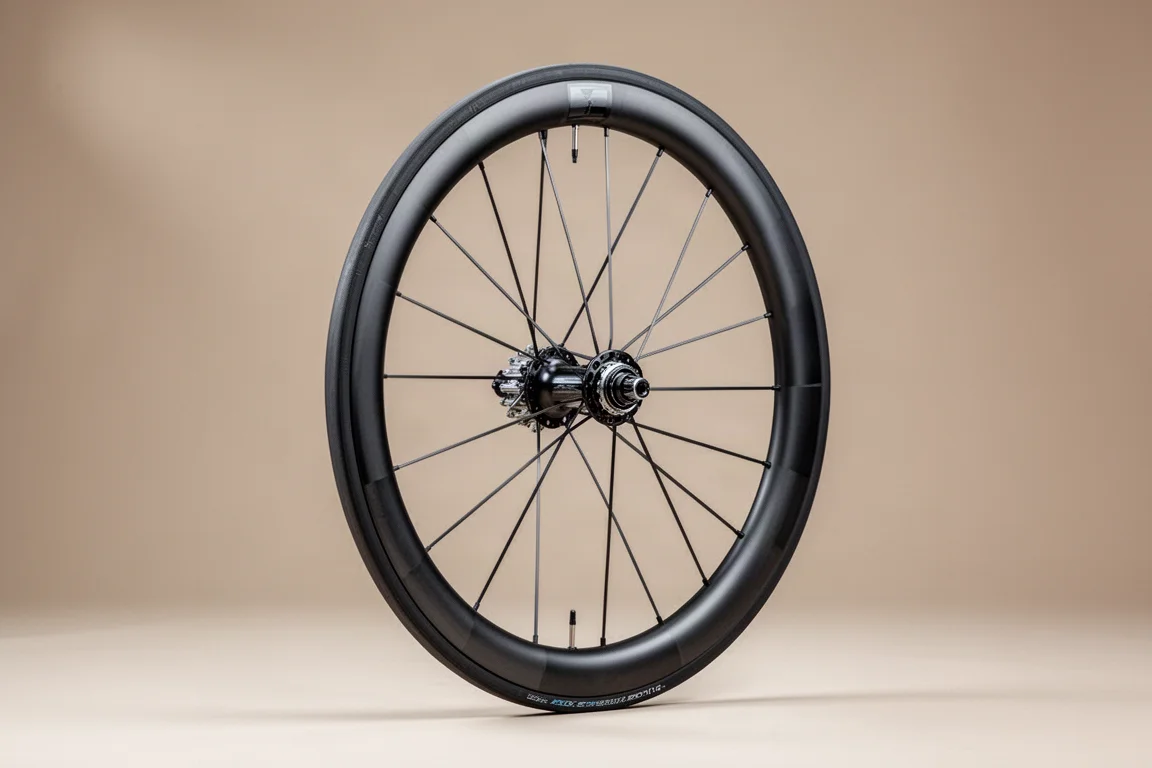
The Enve SES series is what we consider the Rolex of cycling wheels. They have a massive 25mm internal width, which makes tires look almost comically wide, and they are designed with mismatched front and rear depths to improve crosswind stability. In practice, they feel remarkably calm even in strong winds. You are paying for pro-level performance and the brand kudos, but the ride quality is undeniably excellent. The price is high, but for some riders, the confidence and performance are worth it.
Swiss Side Hadron Ultimate
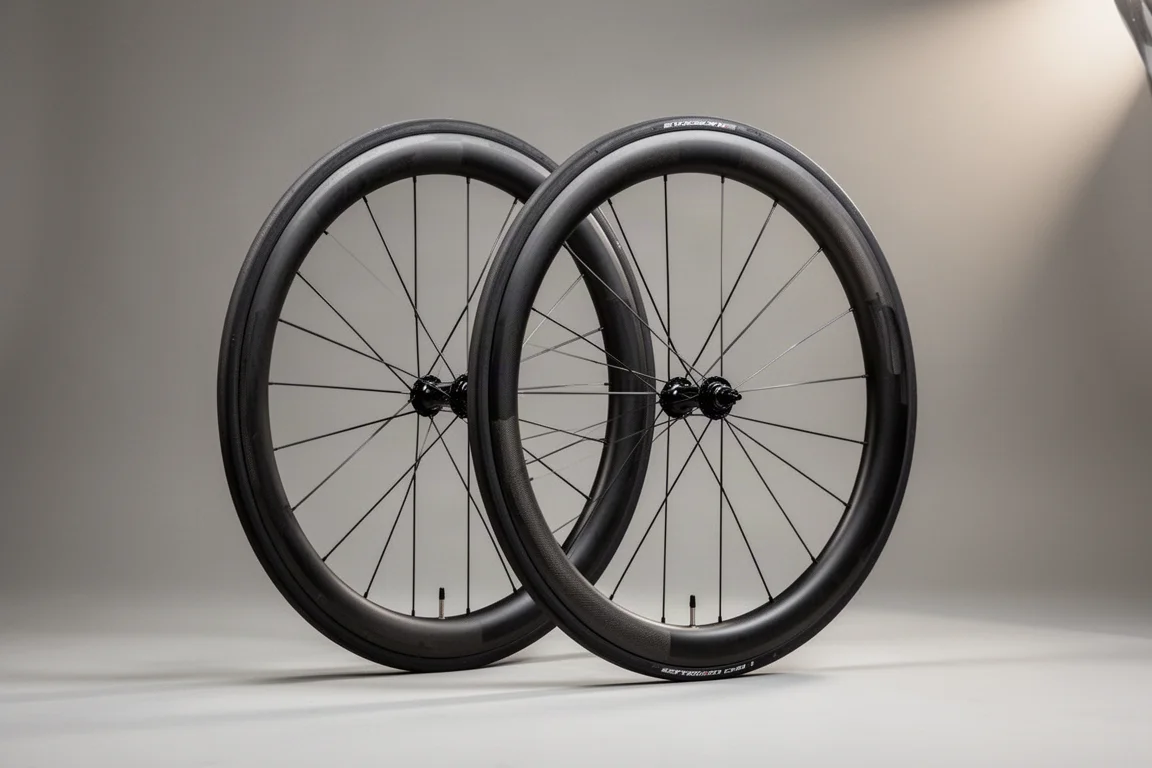
Swiss Side develops these wheels in collaboration with DT Swiss, and they are ridden by a World Tour team. They may not be as flashy as Zipp or Enve, but they deliver World Tour-level performance at a relatively reasonable price. We’ve ridden them on a team replica bike and found them to be fast, stable, and reliable. They also come with a 50% crash replacement policy, which is a strong bonus for racers. If you want race-ready performance without the premium branding tax, these are a smart pick.
Scope R3A
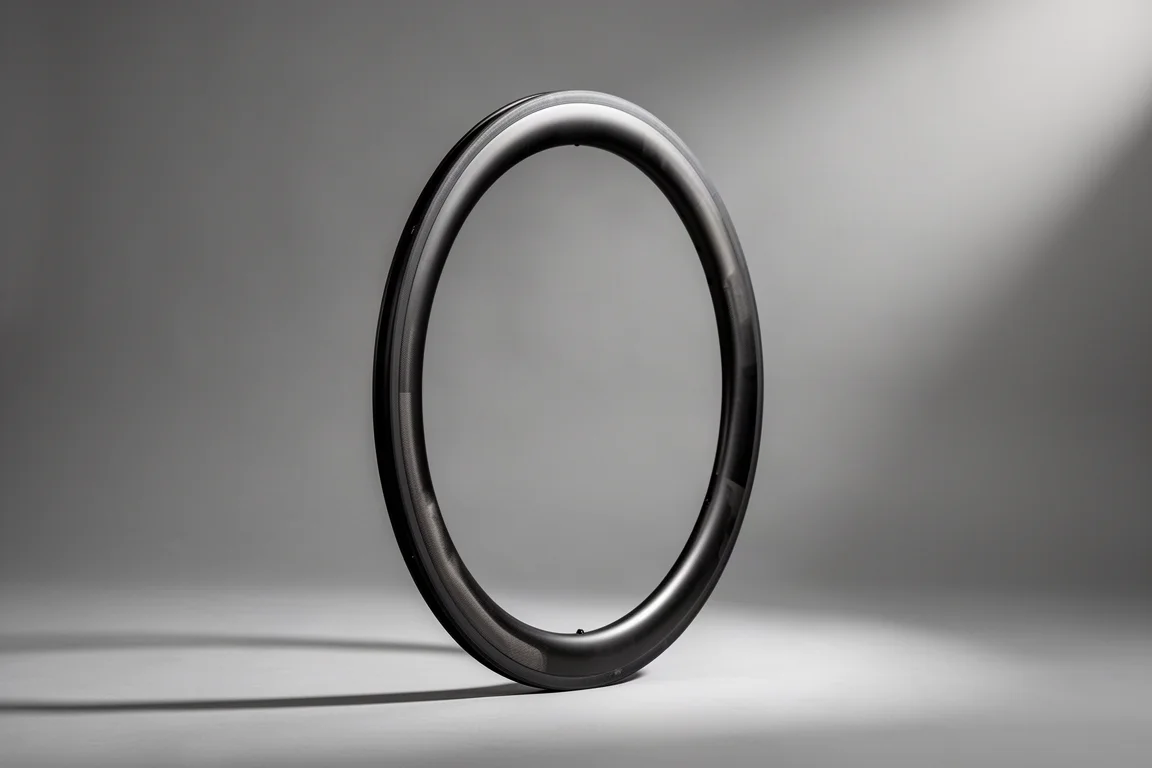
Scope’s R3A wheels have a 23mm internal width, making them great for gravel. They offer crash replacement and every freehub option you could need. The best part? They have a very loud freehub, which means you definitely won’t need a bell when riding through town. Some riders love the attention, while others prefer a quieter ride. We like them for their versatility and robust build. They are a solid choice for gravel riders who want a wide rim and a bit of personality.
SRAM S80
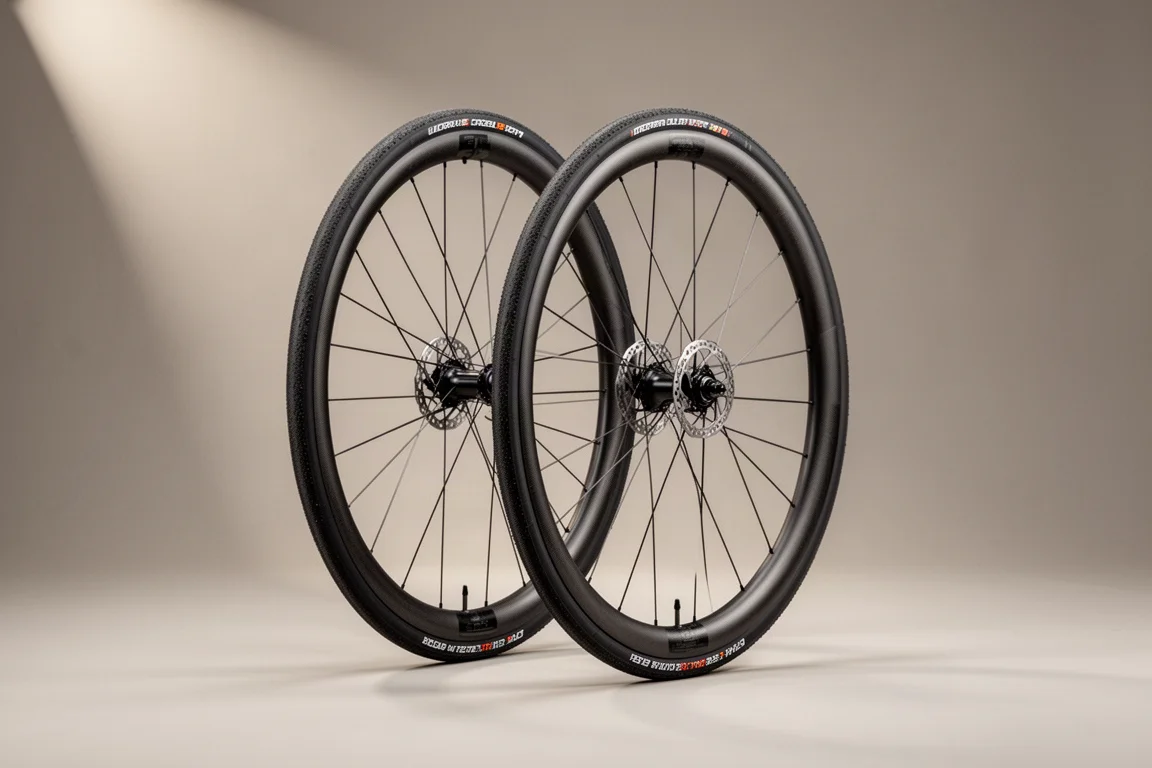
The SRAM S80 was our first set of racing wheels, and it holds a special place in our hearts. These 80mm carbon clinchers with an alloy braking surface were essentially Zipps without the dimples, and they cost a lot less. The alloy braking surface meant the brakes actually worked, even in the wet. They were fast, and we regret getting rid of them. While deep-section wheels like these are no longer race-legal in some disciplines due to depth limits, they remain a fantastic option for time trials or nostalgia builds.
Strong All-Rounders
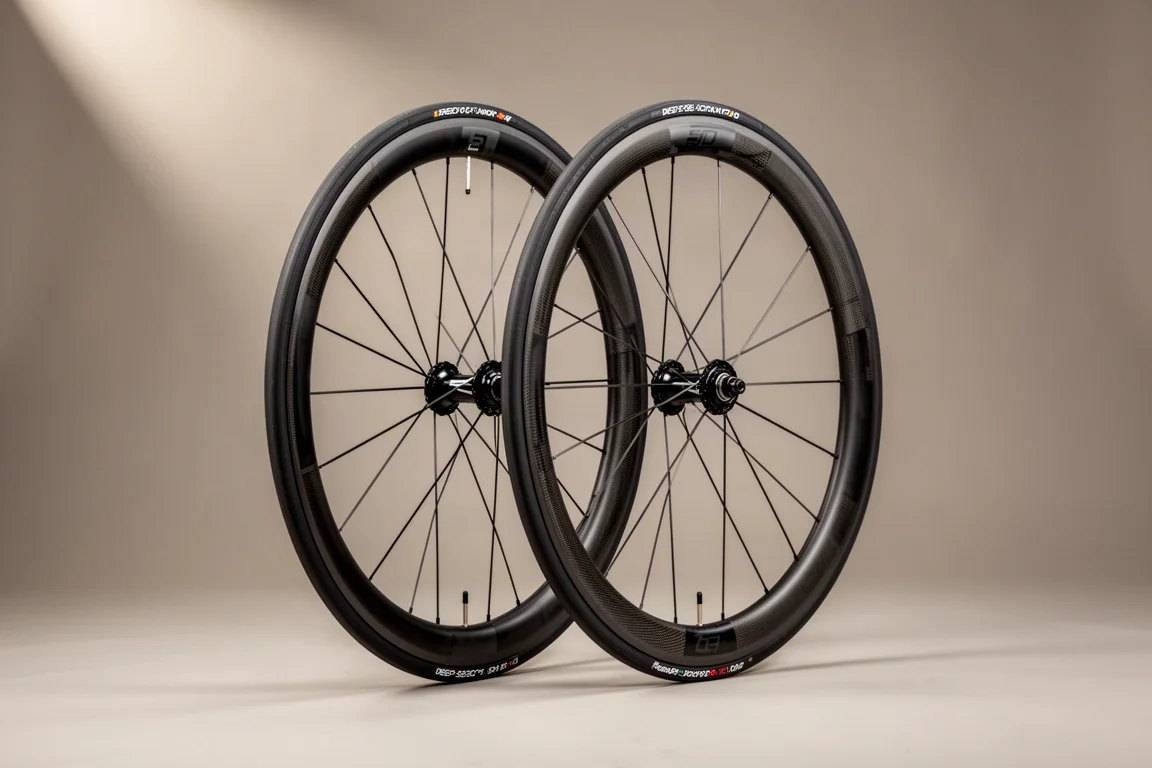
These wheels offer an excellent balance of performance, durability, and value. They might not have the absolute top-tier pedigree, but they are reliable, versatile, and easy to recommend.
Zipp 303 S
The Zipp 303 S is an entry-level wheelset from Zipp, but there’s nothing entry-level about its performance. It features carbon rims, tubeless-ready compatibility, and a claimed weight of 1,525g. The hookless design may require you to check ETRTO recommendations carefully, but the lifetime warranty covers intended use, including pothole damage and crashes. They are not the most exciting wheels, but they are dependable and offer great value for a Zipp product.
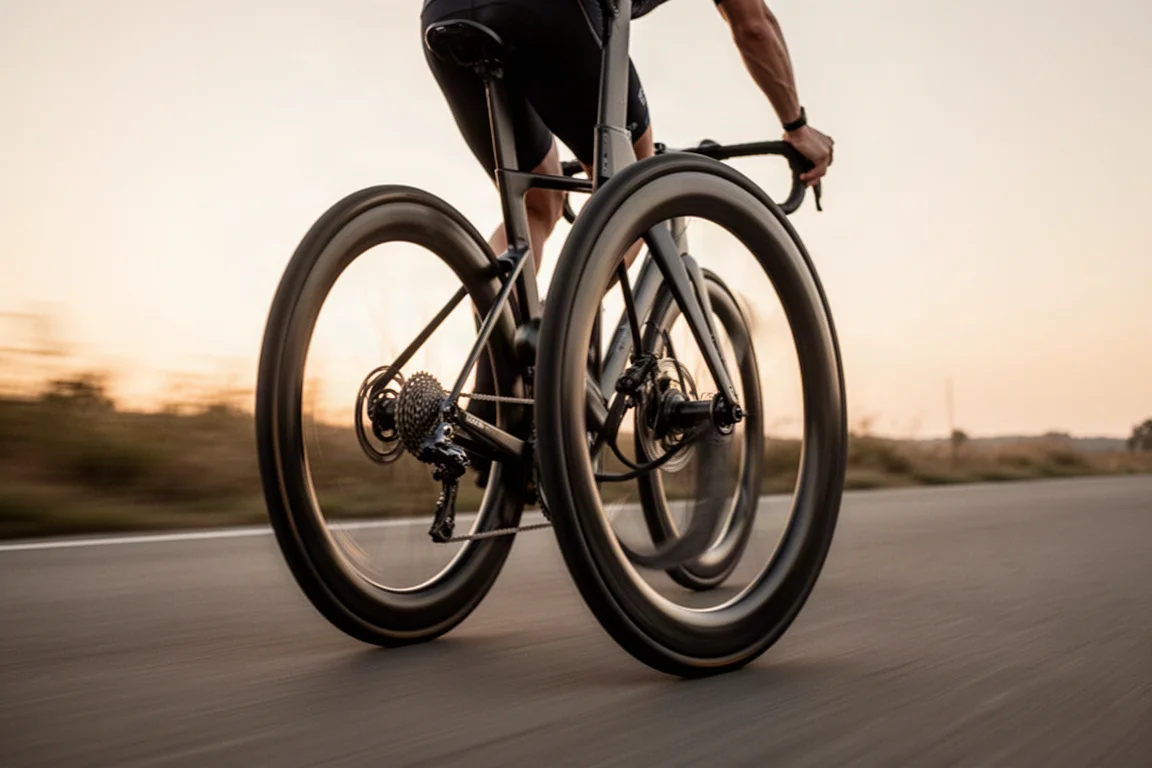
For riders wanting a reliable carbon upgrade with peace of mind, these are a strong choice. The 303 S works well for road riding and light gravel, and the warranty adds significant confidence.
Shimano Ultegra C50
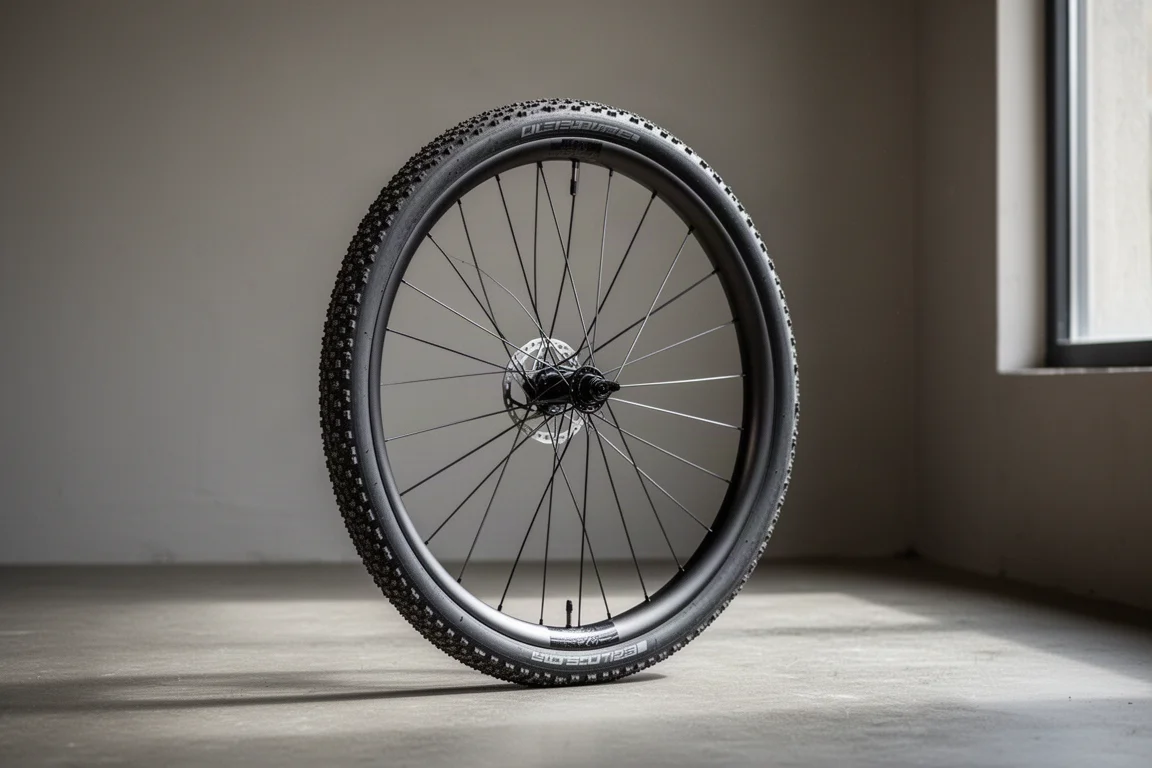
The Shimano Ultegra C50 is a significant step up from the 105 model. For about £250 more, you get a lighter wheel with better carbon layup, a deeper rim for improved aerodynamics, and a 2:1 spoke pattern on the rear. They also look cooler. They are not the lightest wheels on this list, but for the price, they are extremely good. The main drawback is that you are locked into Shimano’s freehub system. If you already run Shimano, that’s not an issue. For everyone else, it’s worth considering before you buy.
Halo Driveline
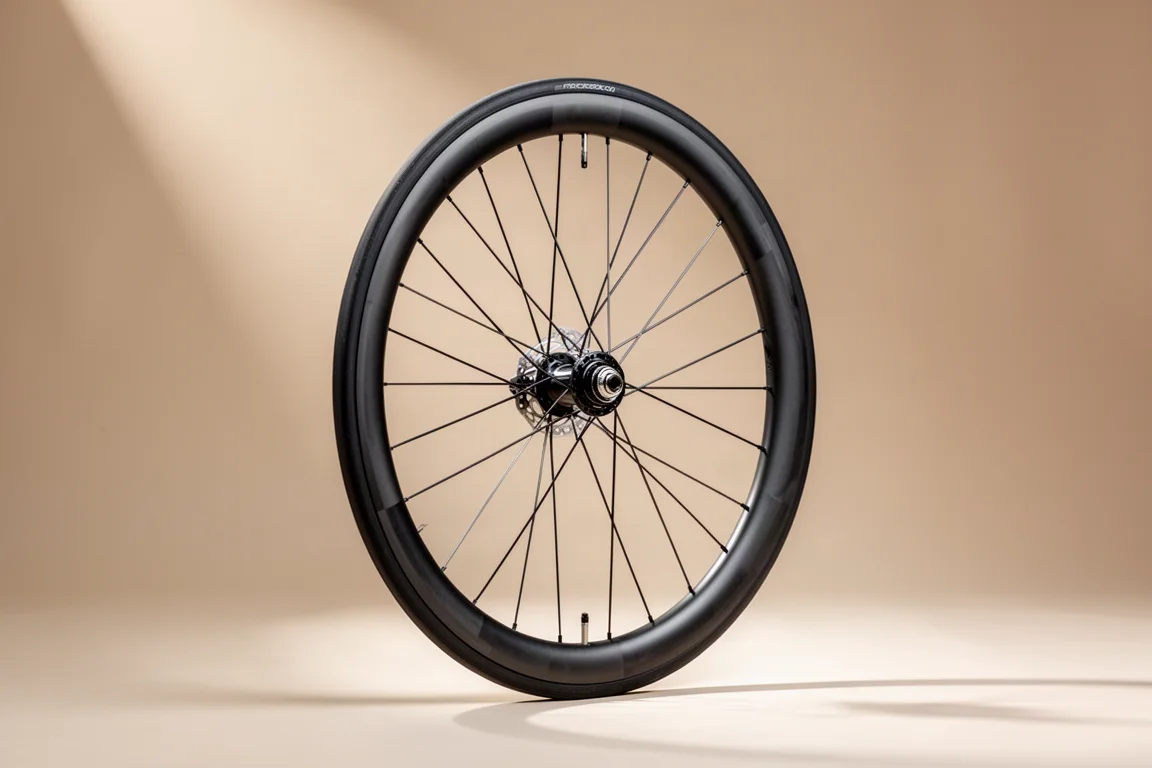
Halo is best known for mountain bike wheels, and the Driveline lives up to that reputation. We rode these the length of Thailand with heavy bags, through torrential rain and even underwater conditions, and the bearings are still running smoothly. The wheels remain completely true after many miles and flights. At around £330, they are exceptional value. If you need a bombproof wheelset for bikepacking or touring, these are hard to beat.
Solid Mid-Range
These wheels are good, but they come with some compromises or are simply overshadowed by better options at similar prices. They are still worth considering if you find a good deal or if they match your specific needs.
Zipp NSW 353
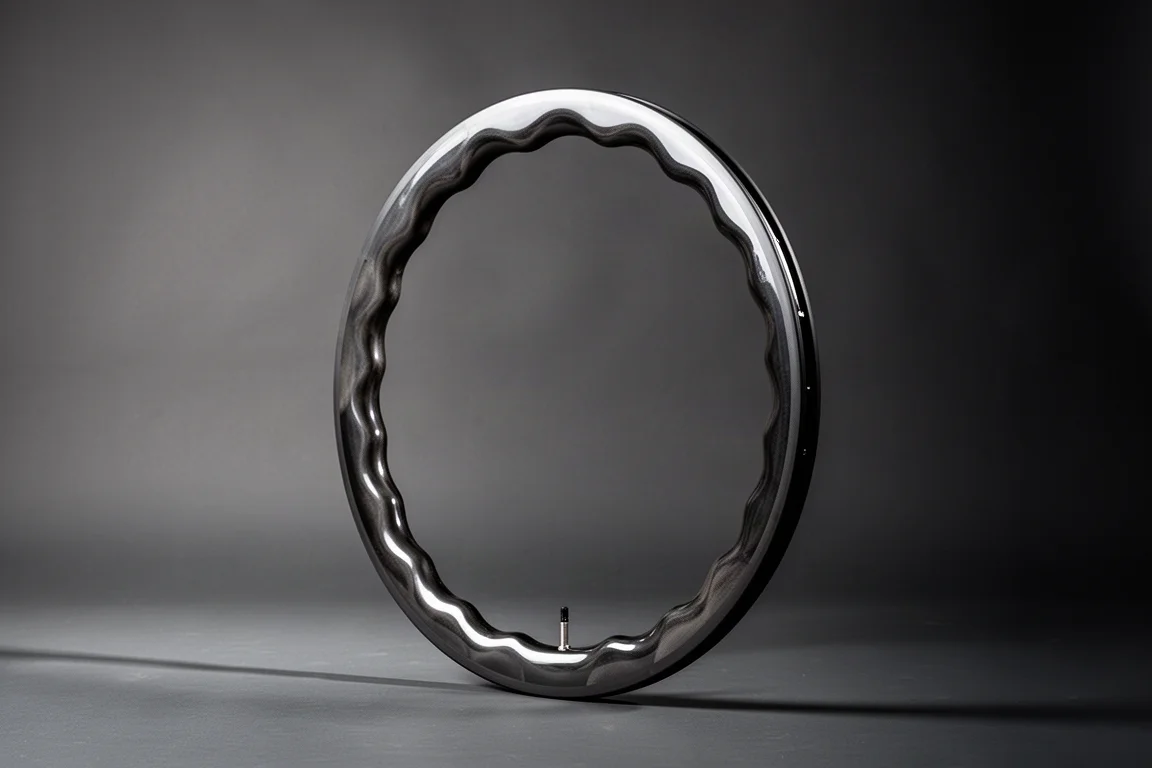
The Zipp NSW 353 sits at the top of Zipp’s range, with a shallower depth than the 453 and a wider internal width that makes it gravel-rated. The ride quality is unreal, and the freehub sound is distinctive. However, the wavy rim design and shiny finish are polarizing. We also think the lower-end Firecrest models look better. They are undeniably expensive, and for the money, you might prefer a more understated design. They go into the “pretty good” tier.
DT Swiss ER 1400
The DT Swiss ER 1400 is our house wheel. We use it on test bikes to reduce variables because it is reliable, alloy, and inoffensive. It is compatible with everything, and changing freehubs is easy. It’s not exciting, but it does its job perfectly. If you want a dependable alloy wheelset for training or general riding, this is a solid pick.
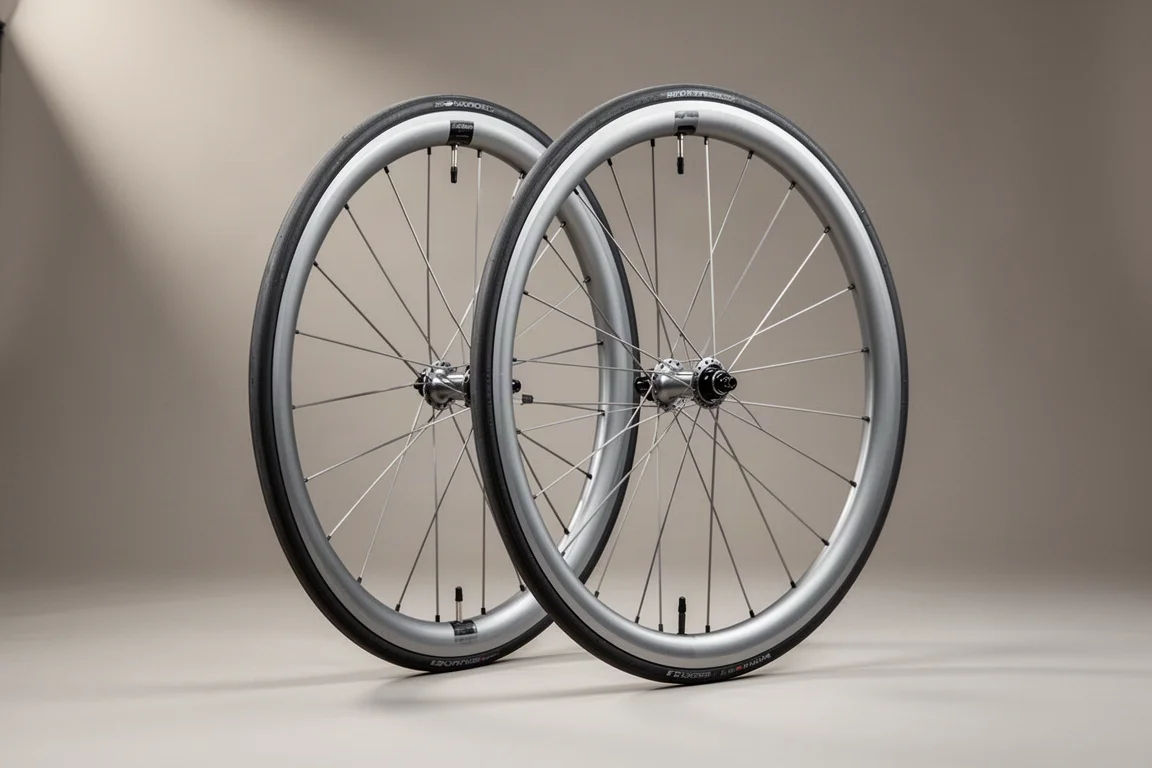
Shimano 105 WH-RS710-C46-TL
Shimano’s 105 WH-RS710-C46-TL is a 46mm deep carbon wheelset with a 21mm internal width and a claimed weight of 1,613g. It costs around £1,000 and uses Shimano’s cup-and-cone bearings, which are serviceable and have been perfected over decades. The freehub sound is exactly what we think a freehub should sound like. They are good value for money, but like all Shimano wheels, you are locked into a Shimano freehub. For riders already in the Shimano ecosystem, they are a great choice.
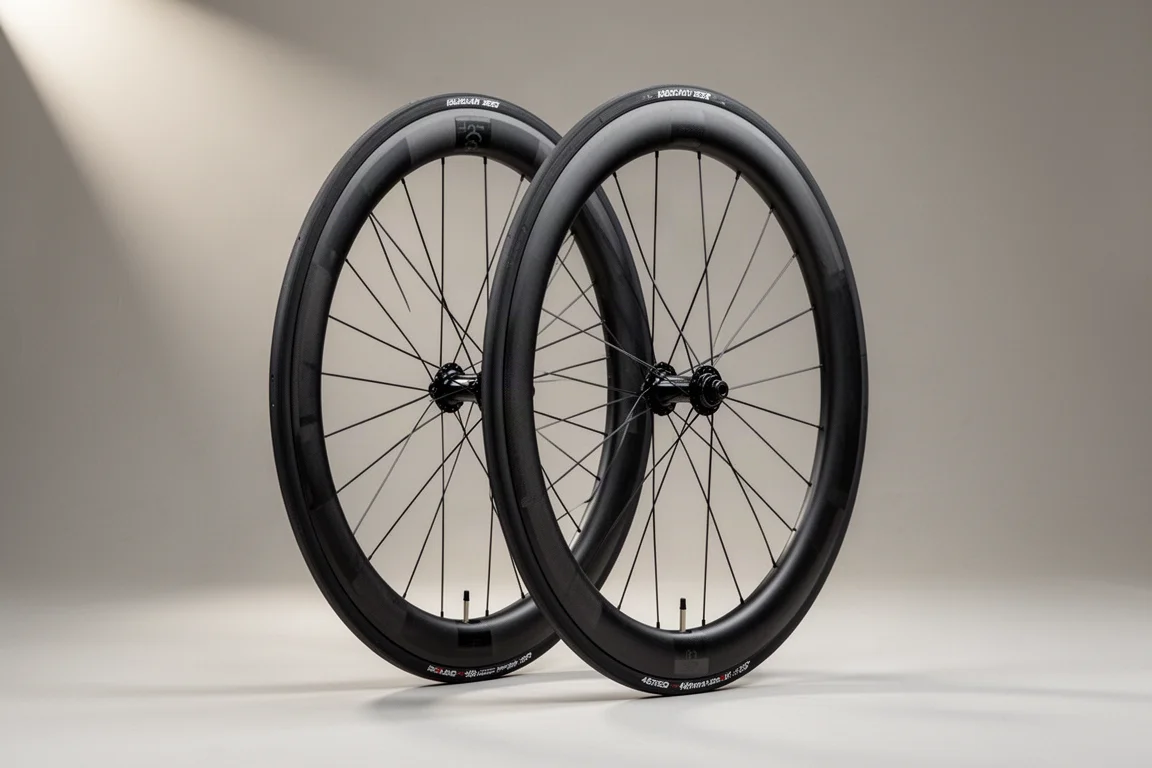
Miche CarboGraph
The Miche CarboGraph is a gravel wheel that we rode a few years ago. They look cool, have excellent hubs, and are surprisingly light. The price of around £1,300 also surprised us, as we expected them to cost much more. The only downside is that tires can be a pain to mount and remove, though that may depend on the tire and rim combination. Overall, they are a pretty good wheel, especially for gravel riders who want something a bit different.
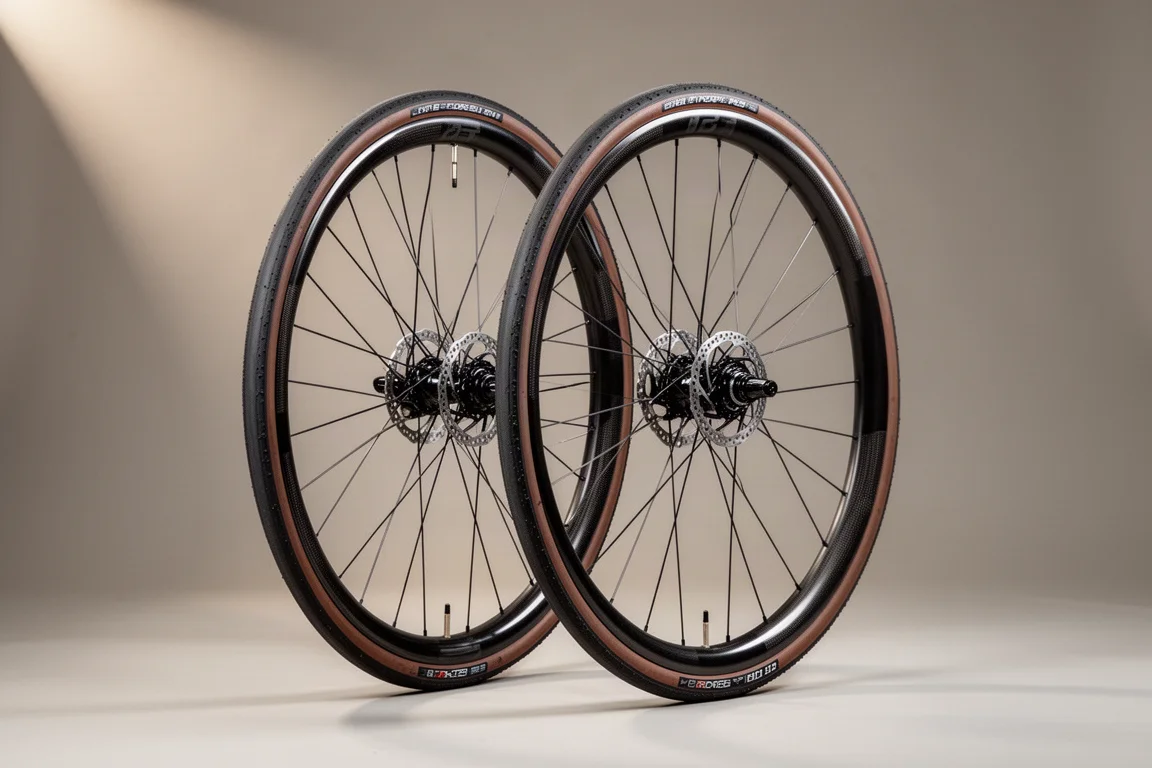
Princeton Wake 6560
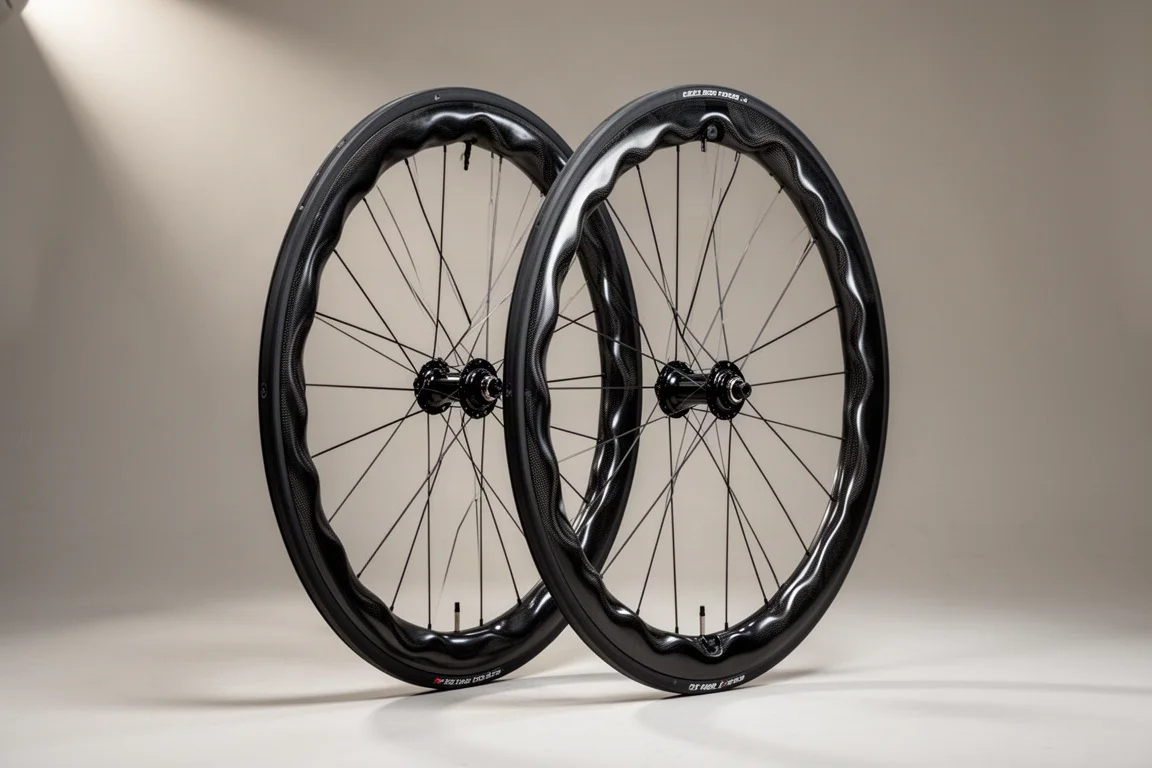
The Princeton Wake 6560 with Tactic hubs is the most expensive wheelset we’ve ever ridden. The hubs alone cost over £1,000, and the complete set is around £4,900. They are among the lightest on the market and feature a mega-deep wavy rim design. They ride well, as they should at that price. However, the wavy design is not for everyone, and some of the color options are extremely loud. If you want ultimate exclusivity and don’t mind the aesthetics, they are a pretty good wheel. For most riders, the performance gains over cheaper wheels are marginal.
Niche and Compromises
These wheels have specific strengths but also notable drawbacks. They might be right for a particular rider or use case, but they are not universally recommended.
Zipp 404 Firecrest
The Zipp 404 Firecrest with an aluminium rim brake surface is a classic. Many years ago, we saved up to buy a pair, but could only afford the front. The aluminium braking surface meant rim brakes actually worked, and the three white logos were iconic. It is god-tier in our book.
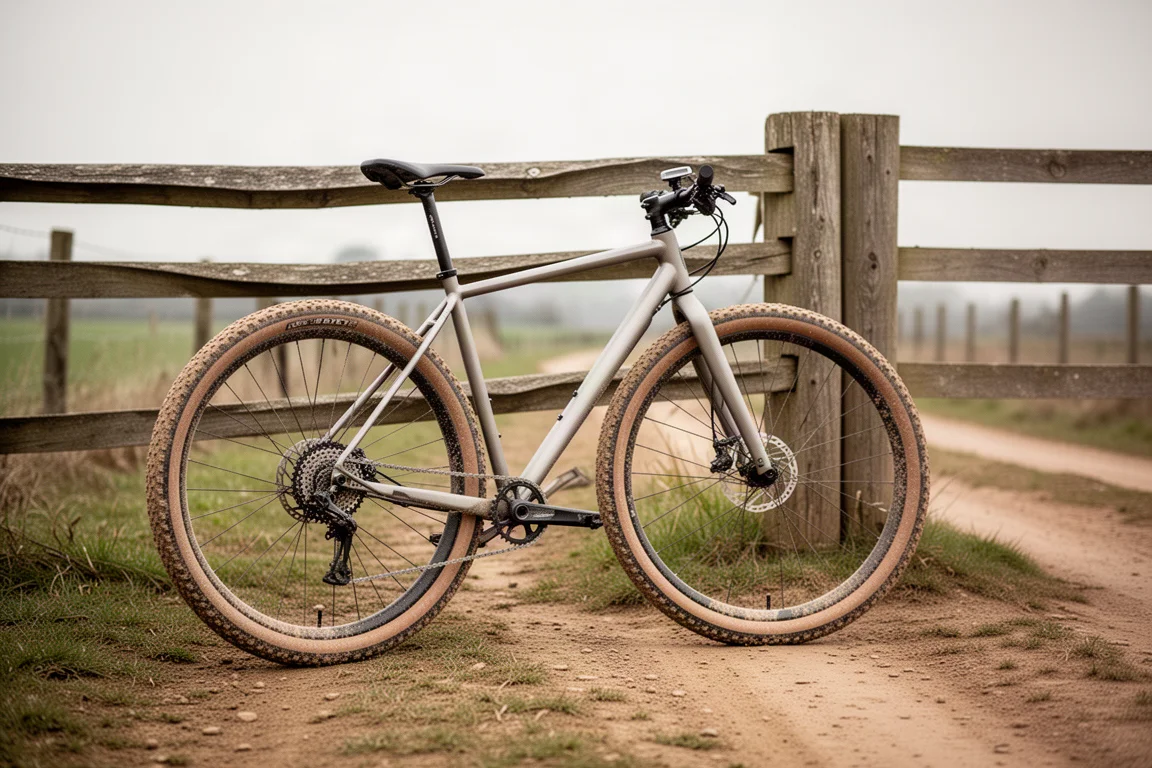
However, this is an older wheel designed for rim brakes, so it is only relevant if you still run rim brakes or want a nostalgic build. For modern disc brake bikes, there are better options.
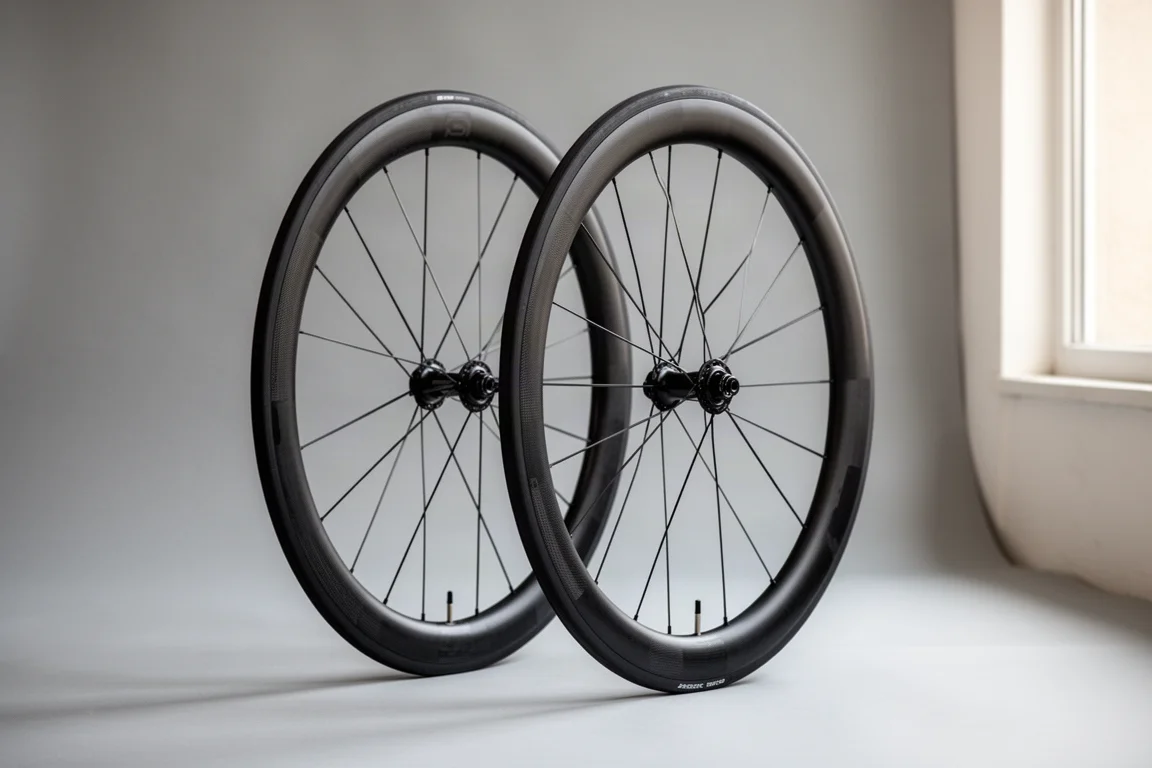
Enve Foundation 45
The Enve Foundation 45 is Enve’s more affordable wheel. It has a 21mm internal width, comes in 45mm or 65mm depths, and weighs about 1,500g for the 45mm version. It uses the same bearings as the higher-end SES wheels and includes crash replacement. The ride is good, but the price of around £1,800 is high for the performance on offer. You are paying for the Enve logo, and unlike the SES, the Foundation is rather boring to look at. There are better value options at this price point.
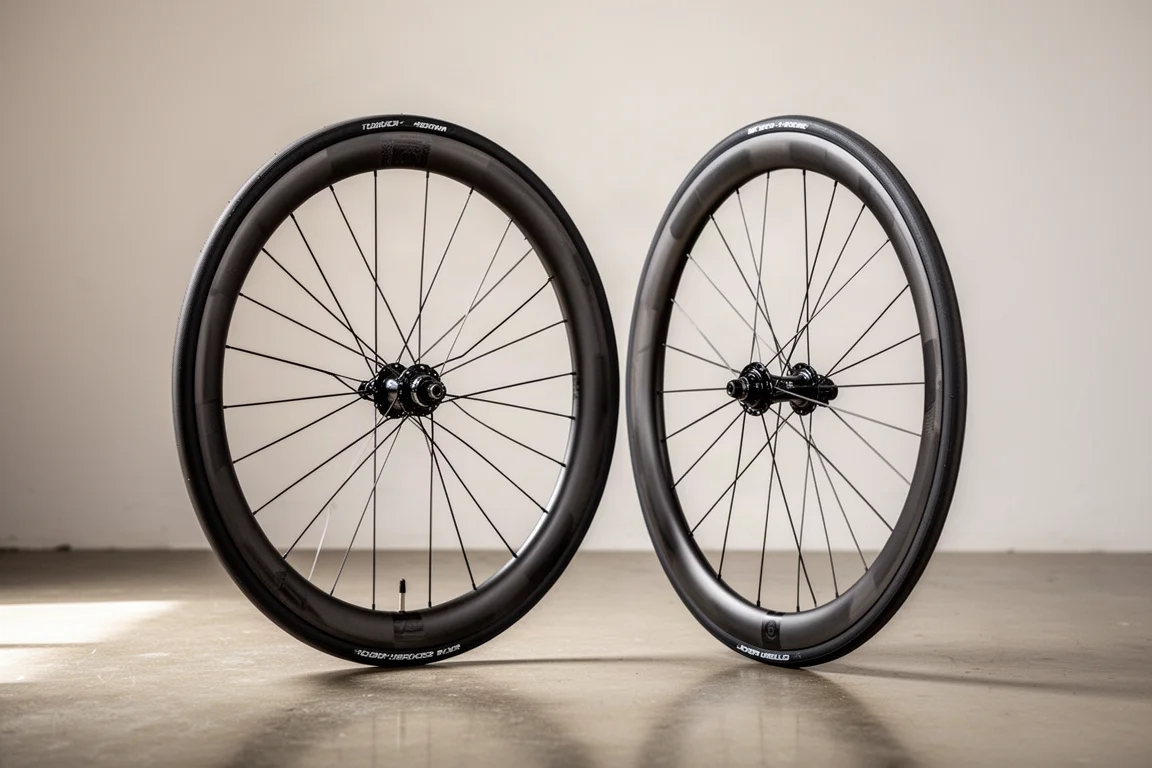
DT Swiss ARC 1400 DICUT DB
The DT Swiss ARC 1400 DICUT DB is a mid-range wheel with a 20mm internal width. It uses DT Swiss’s own DT240 hubs with a ratchet system, which gives very fast engagement that you can feel. They are available in rim brake and disc brake versions, which is increasingly rare. However, like many DT Swiss wheels, they are boring to look at, with only a tiny logo. At around £2,000, they are not cheap, and the design is not the most modern. They are reliable, but they lack excitement.
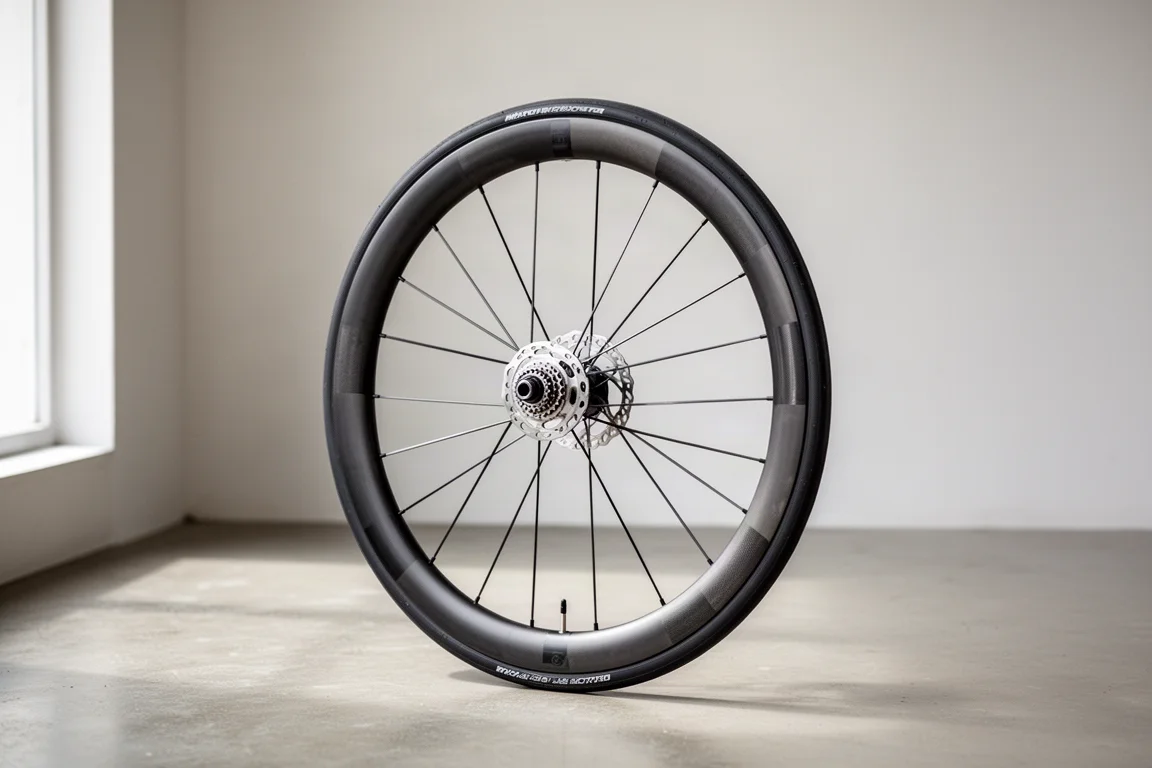
Elite Wheels Drive
The Elite Wheels Drive is extremely light for the price, but it uses carbon spokes, which makes it astronomically stiff. In our opinion, it is too stiff, and there is a reason high-end manufacturers often stick with steel spokes. The rim brake version we rode also suffered from poor braking performance. While some brands use carbon spokes successfully with advanced designs, a straight-pull carbon spoke like this is not ideal. They go into the “meh” tier. There may be better options in the Elite Wheels range.
Wheels to Avoid
These wheels have significant flaws that make them hard to recommend, even at a low price. We would not spend our own money on them.
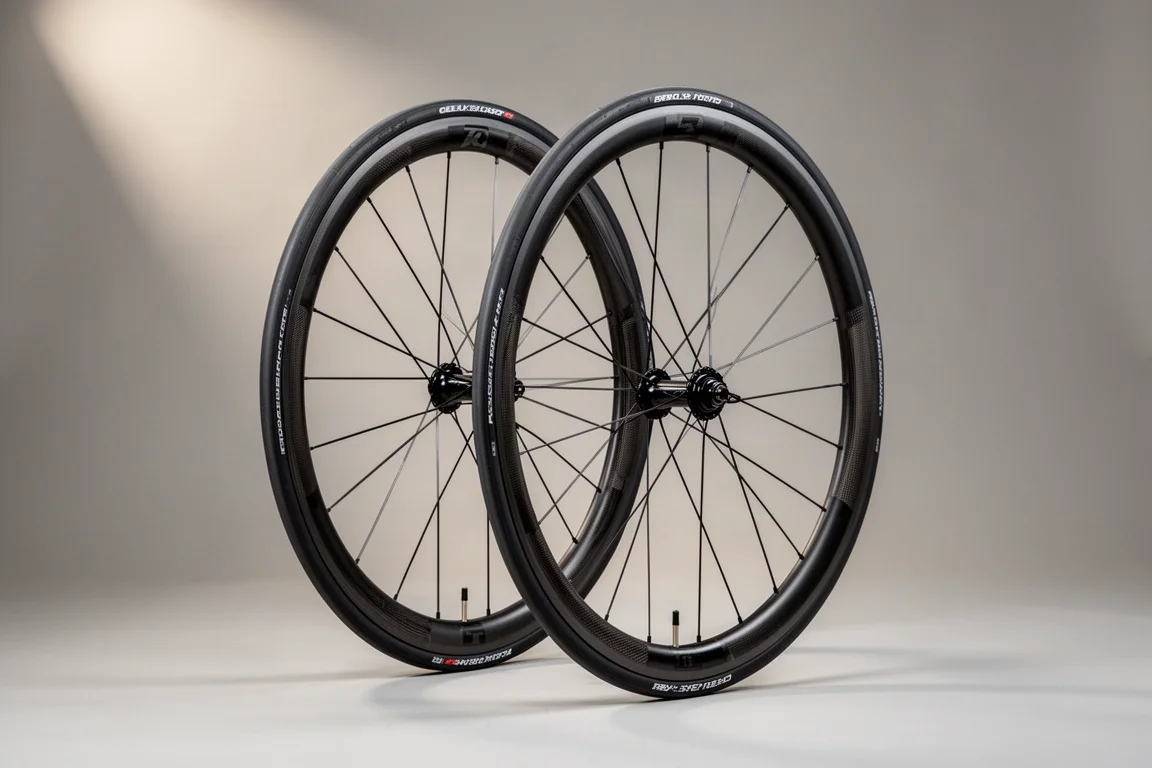
Fast Forward F4R
The Fast Forward F4R is a carbon clincher from around 2012 or 2013. We rode them on a race team, and while they were light and looked cool, the carbon braking surface was terrible. In the dry, braking was just about acceptable, but in the wet, there was a noticeable delay before the brakes engaged. As one expert once said, no braking surface should ever be made of carbon fiber. These wheels are outdated and potentially unsafe in wet conditions. They go in the bin.
Cube GR 2.3
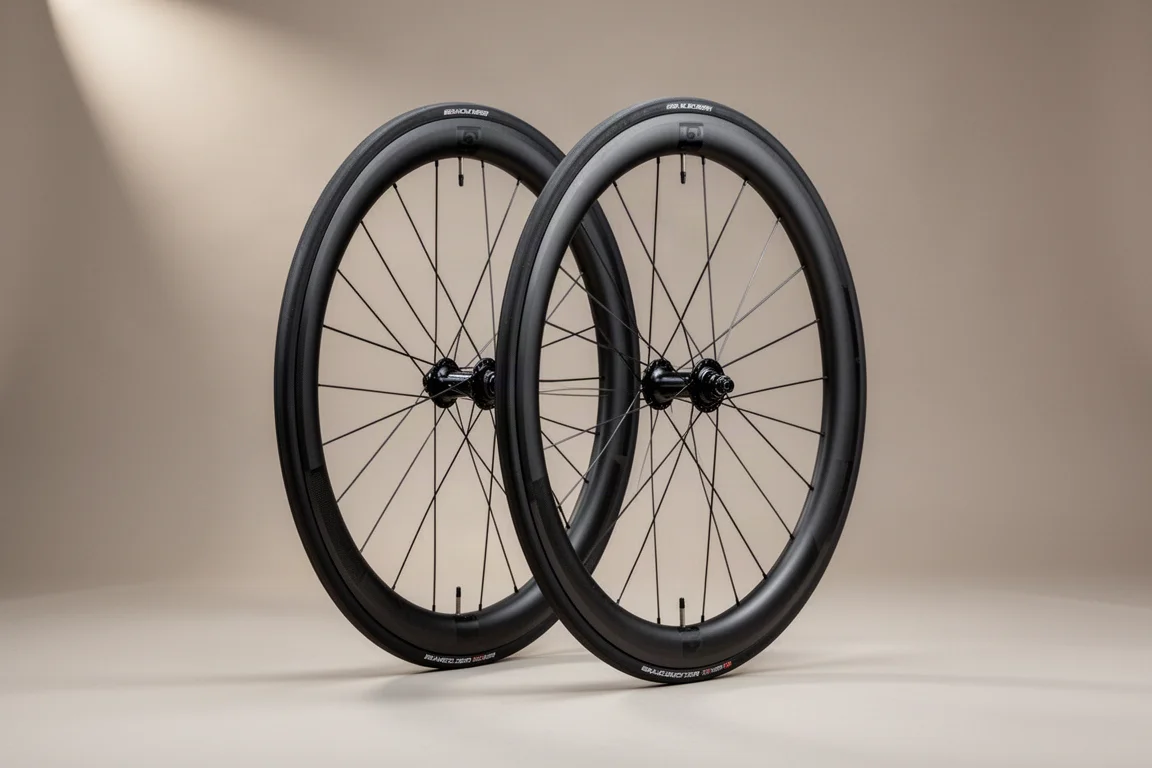
The Cube GR 2.3 with Alex rims came stock on a Cube Nuroad that we rode through India. Even new out of the box, the hubs were rumbly and horrible. After a few weeks, the wheels went significantly out of true, and the bearings were completely shot. They are very loud and let down an otherwise good value bike. It is frustrating that entry-level bikes often come with such poor wheels, forcing new riders to replace them after just a couple of months. For this reason, they go in the bin. We hope the industry improves this in the future.
Buying Advice
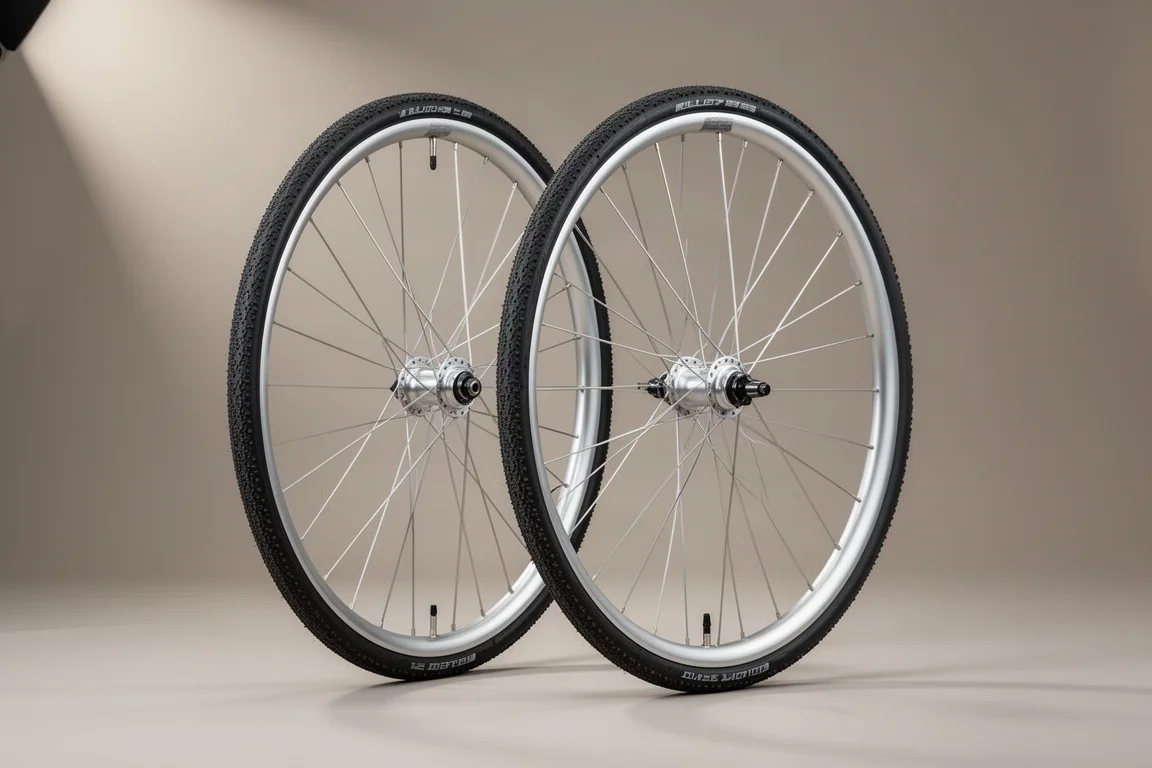
When choosing a wheelset, start by identifying your priorities. If you want the best performance and don’t mind spending a lot, the Top Tier wheels like Campagnolo Bora, Enve SES, and Swiss Side Hadron Ultimate are excellent. For a balance of performance and value, the Strong All-Rounders like Zipp 303 S, Shimano Ultegra C50, and Halo Driveline are hard to beat.
If you need a reliable alloy wheel for training, the DT Swiss ER 1400 is a solid choice. For gravel, the Scope R3A and Miche CarboGraph offer wide internal widths and good durability.
Pay attention to compatibility, especially freehub standards and rim width. Hookless rims, while increasingly common, require you to check maximum tire pressures and ETRTO recommendations. Warranty and crash replacement policies are also worth considering, as they can save you a lot of money if something goes wrong. Finally, don’t assume that a higher price always means better performance. As this list shows, some expensive wheels are not worth the premium, while some budget options punch far above their weight.
Conclusion
After riding all these wheels, we can confidently say that there are excellent options at every price point. The best wheel for you depends on your riding style, bike compatibility, and budget. We hope this tier list helps you narrow down your choices and feel more confident about your next purchase. Whether you prioritize durability, aerodynamics, or value, there is a wheelset here that fits your needs.
Further reading
Related Reviews
Cycling Wheels
Aero vs Lightweight Carbon Wheels: Hunt 60 Limitless and Hunt 32 Aerodynamicist Compared
Deep-section aero wheels and featherweight climbing wheels promise different things. Controlled real-world testing on flat laps and a steep climb shows where each set actually gains time.
Cycling Wheels
Best Carbon Road Bike Wheels 2026: Six Standouts From Entry Level to Premium
A practical guide to carbon road bike wheels across six price brackets, covering rim width, rim depth, hub engagement and what each step up actually buys.
Cycling Wheels
Best Rim Brake Road Wheels: Six Options From Budget to Premium
Six rim brake road wheelsets covering nearly every price point, from a value alloy set to sub-kilogram tubulars, plus advice on custom builds and buying secondhand.