Cycling Components
Bike Weight Savings: Seven Smart Upgrades for Road Riders
A practical guide to where road bike weight savings actually come from, from free trimming work to premium components.
Introduction
Saving weight on a road bike is rarely about one dramatic purchase. More often it comes from a handful of small decisions, some of which cost nothing at all, and a few of which are worth real money only if they match the way you ride.
This guide covers seven upgrades and changes that together can remove somewhere in the region of 300 to 400 grams, with most of the savings coming from work you can do yourself.
How These Savings Add Up
Weight matters most where it is hardest to move. Grams removed from a tire or a rotor have a different effect from grams removed from a frame, because rotating mass at the outer edge of the wheel has to be accelerated over and over. That is why tires and rotors often feel more significant than their numbers suggest.
It also helps to separate the cheap wins from the expensive ones. Trimming material that serves no purpose, or swapping an alloy part for a lighter equivalent, costs very little. Moving up a tier on a cassette or a head unit costs more, but it is a straightforward way to take a meaningful chunk out of the total. Rotors and chainrings sit at the other end: small savings, high prices, and a strong aesthetic pull.
That framing makes the whole exercise easier to budget for.
Free Weight Savings You Can Make Today
The cheapest savings are already on your bike, hidden inside parts that are longer than they need to be.
Start with the seatpost. Mark your saddle height, remove the post, measure the minimum insertion depth and add that figure to your marked height. Anything below that line can be cut away. On one build this removed roughly 10 cm of post and around 30 grams, for the price of a few minutes with a hacksaw.
The same idea applies at the front of the bike. If the steerer tube sits above the stem with spacers stacked on top, the excess can be trimmed, and alloy spacers can be replaced with carbon ones for a small additional saving at a low cost.
Computer mounts are another easy target. Some aluminium integrated mounts weigh well over 50 grams, while a 3D printed alternative can come in closer to 26 grams. That is a substantial saving for a part that often costs less than the metal version it replaces.
Carbon bottle cages are worth a look too. A cage swap can save around 20 grams per cage, and carbon cages are no longer the expensive luxury they once were.
None of these changes require a workshop or specialist tools, which is exactly why they are the right place to start.
PRO Performance Seat Clamp
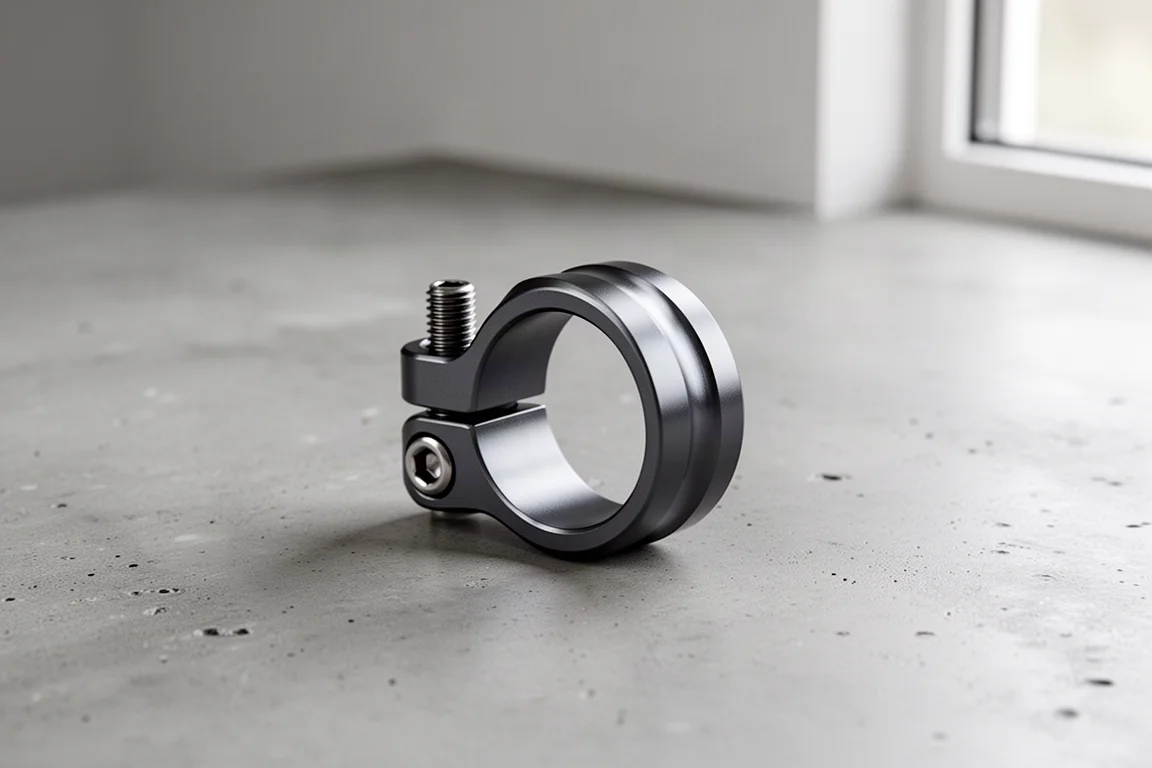
Not every change on this list is about grams. The seat clamp on a modern road bike is small, visible and often oddly shaped, and swapping the original for a cleaner looking unit is a purely cosmetic upgrade.
The PRO Performance seat clamp does not claim any weight advantage over the part it replaces. What it offers is a tidier finish at the top of the seat tube, which matters if you have already spent time making the rest of the bike look considered.
Continental GP5000 TT
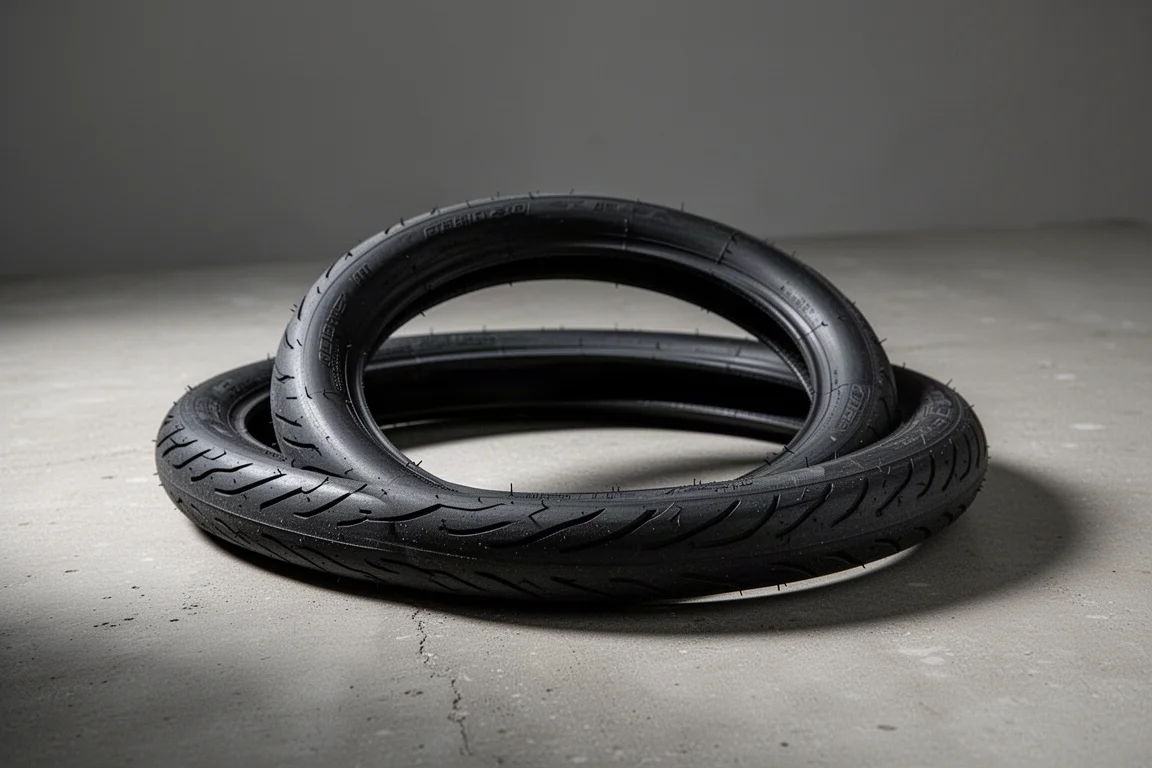
Tires are the single most effective place to spend money on rotational weight, because they sit at the very outer edge of the wheel.
An all-season tire such as the Specialized S-Works Mondo is built for durability and grip in mixed conditions, and it carries a weight penalty for that. Moving to a summer-specific racing tire such as the Continental GP5000 TT saves around 200 grams across the pair, which is a large amount for a component that directly affects how quickly the bike responds.
The trade-off is conditions. These are tires for dry roads, and the change makes most sense once the weather settles. Keep the all-season set for the rest of the year rather than discarding it.
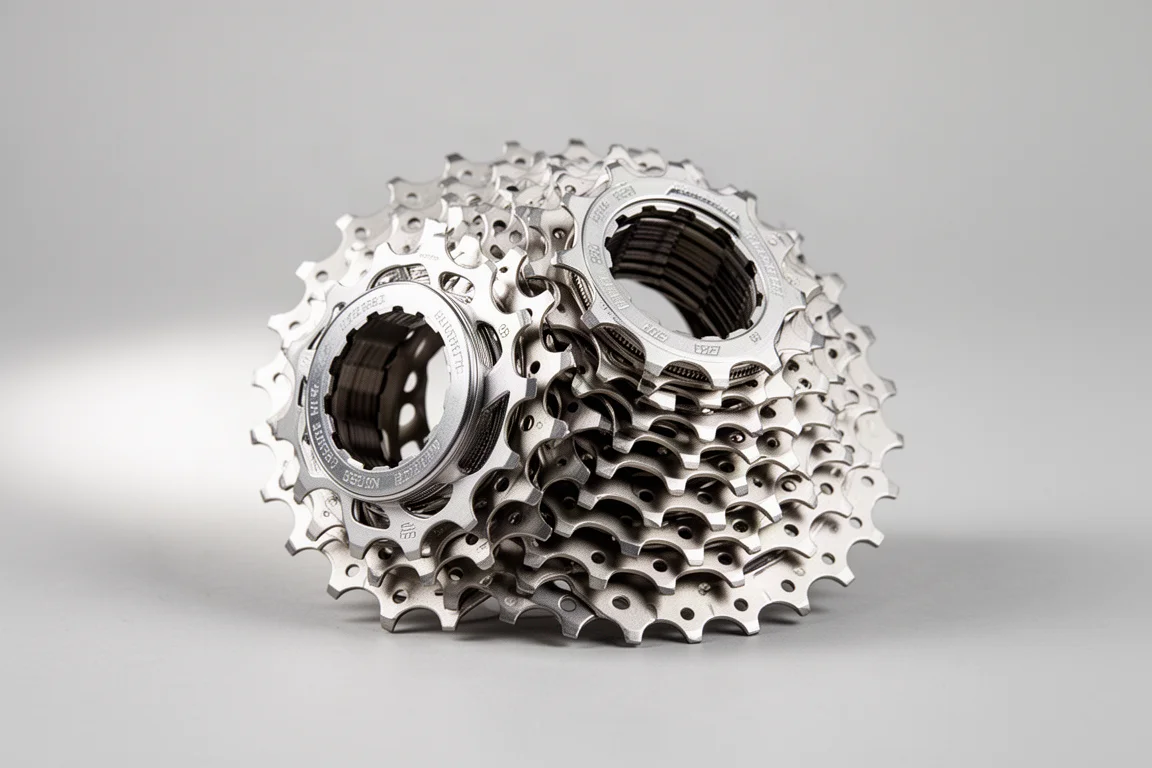
Shimano Dura-Ace Cassette
Cassettes contain a lot of machined metal, so they carry more mass than their size suggests. Moving up the range brings more advanced construction methods and lighter materials, and the difference between a Shimano Ultegra cassette and a Shimano Dura-Ace cassette is around 62 grams.
That is a useful saving because it does not require changing the rest of the groupset. You keep the drivetrain you already have and simply take weight out of one component.
It is not a cheap upgrade, and it is the kind of purchase worth watching for a deal rather than buying at full price. Even so, for riders who want a real reduction without replacing an entire groupset, it is one of the more sensible places to spend.
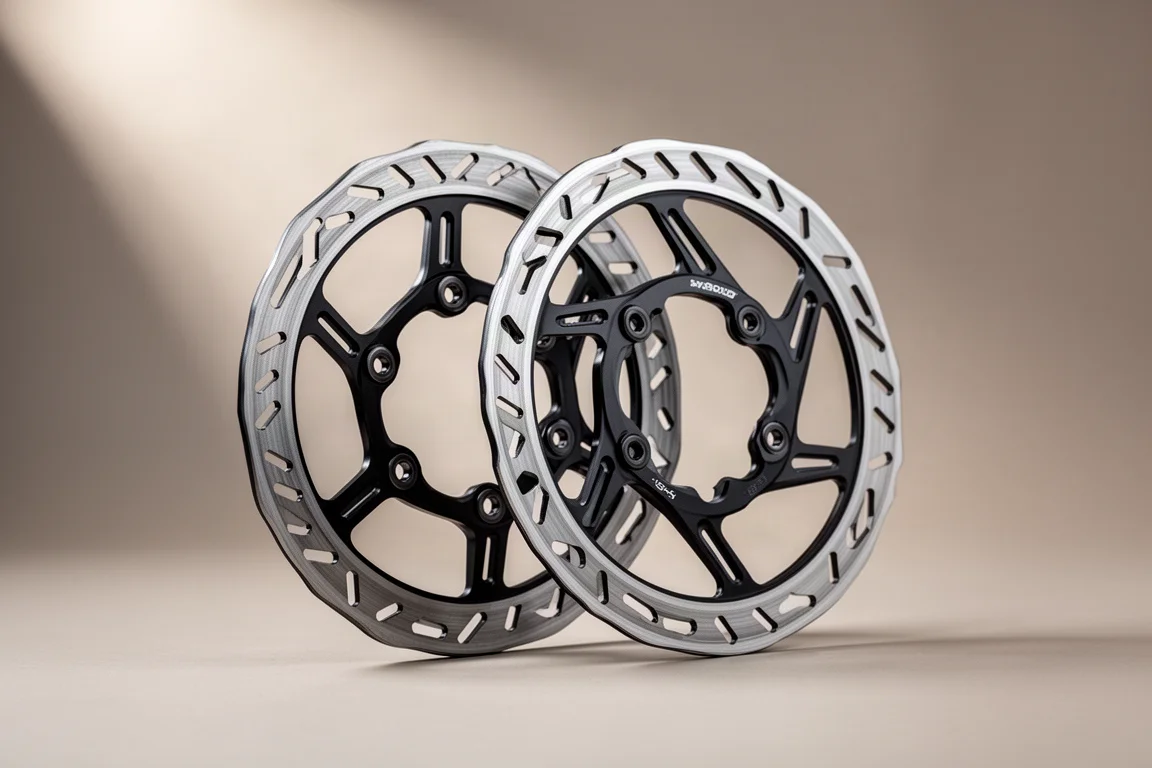
Carbon-Ti Rotors
Brake rotors are a good example of diminishing returns. Carbon-Ti rotors save roughly 16 grams per wheel compared with Ultegra-level rotors, for a total of just over 30 grams across the bike.
For that you pay a significant premium, and the saving is small enough that it will not transform how the bike rides. The appeal is partly visual: these are components that look special on a bike, and that is a legitimate reason to want them if the budget allows.
For most riders this is the last item on the list, not the first.
Garmin Edge 540
The cockpit is an easy place to overlook, but a large head unit adds real weight to the front of the bike. Downsizing from a Garmin Edge 1040 Solar to a Garmin Edge 540 saves close to 46 grams and costs less at the same time, which is an unusual combination.
The 540 keeps the core functionality that matters for training and navigation in a smaller body. If you have never relied on the larger screen of the 1040 Solar, the smaller unit is the more sensible choice on both weight and price.
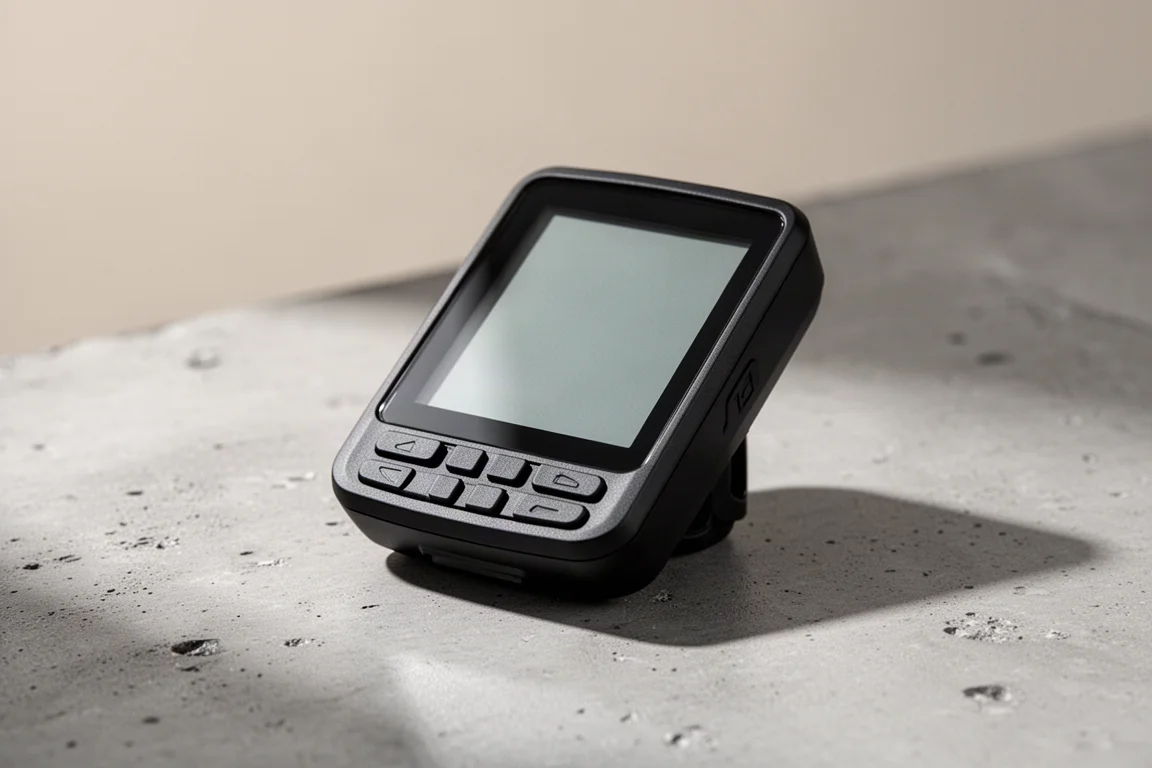
Garmin Edge 840
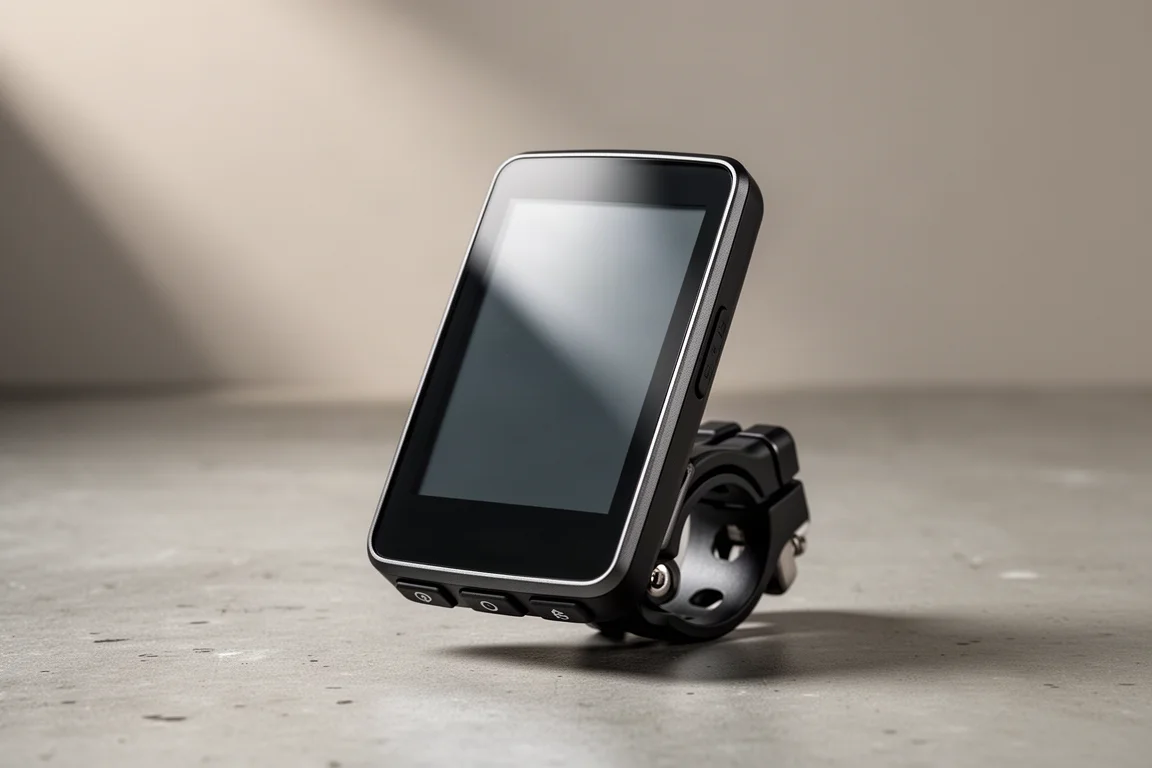
The Garmin Edge 840 makes the same downsizing argument as the 540, with a similar weight advantage over the 1040 Solar and a lower price than the larger unit.
Choosing between the two comes down to which interface you prefer rather than weight, since both remove roughly the same amount from the bars. Either way, shopping around tends to pay off, as head units are frequently discounted.
Carbon-Ti Chainrings
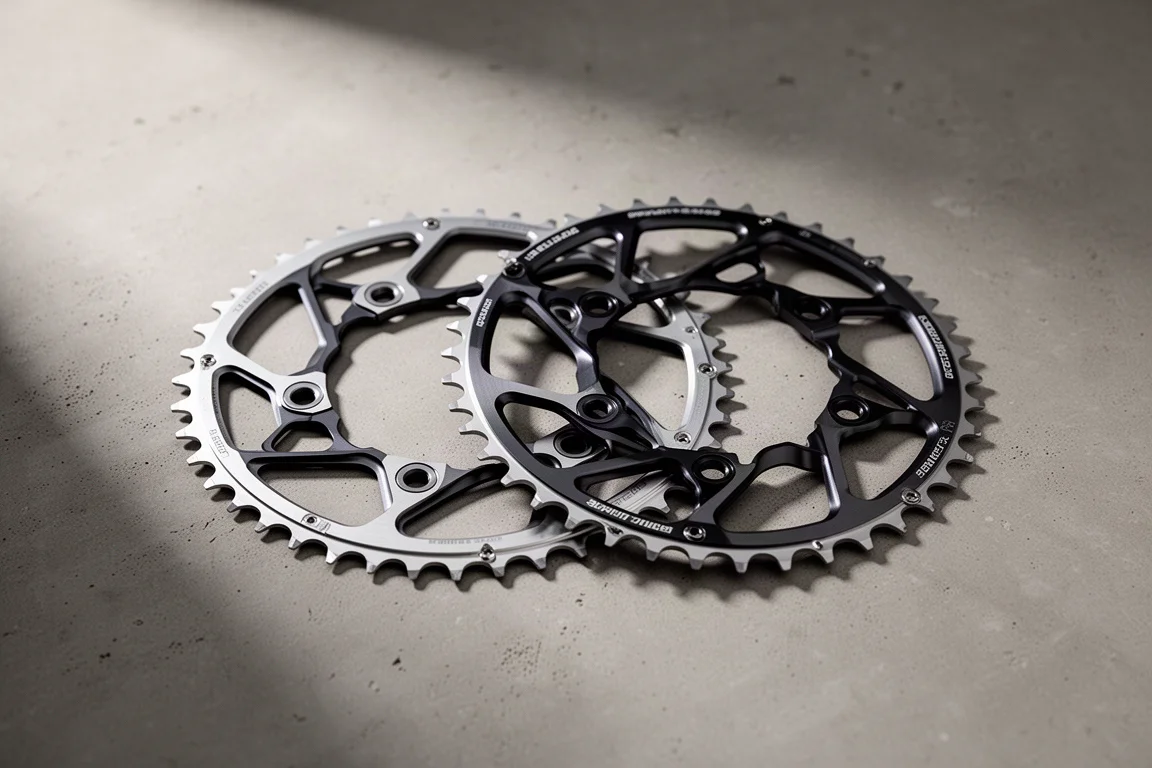
Carbon-Ti chainrings sit at the extreme end of the weight-saving spectrum. They are expensive, beautiful, and entirely unnecessary for most riders.
On a typical aluminium bike, the cost is hard to justify against the grams saved. For riders building a showpiece machine with a generous budget, they are the kind of component that finishes a build. Everyone else can admire them from a distance.
Buying Advice
Start with the free work. Trimming a seatpost and steerer tube, swapping alloy spacers for carbon, and choosing a lighter computer mount cost little and remove grams that were doing nothing for you.
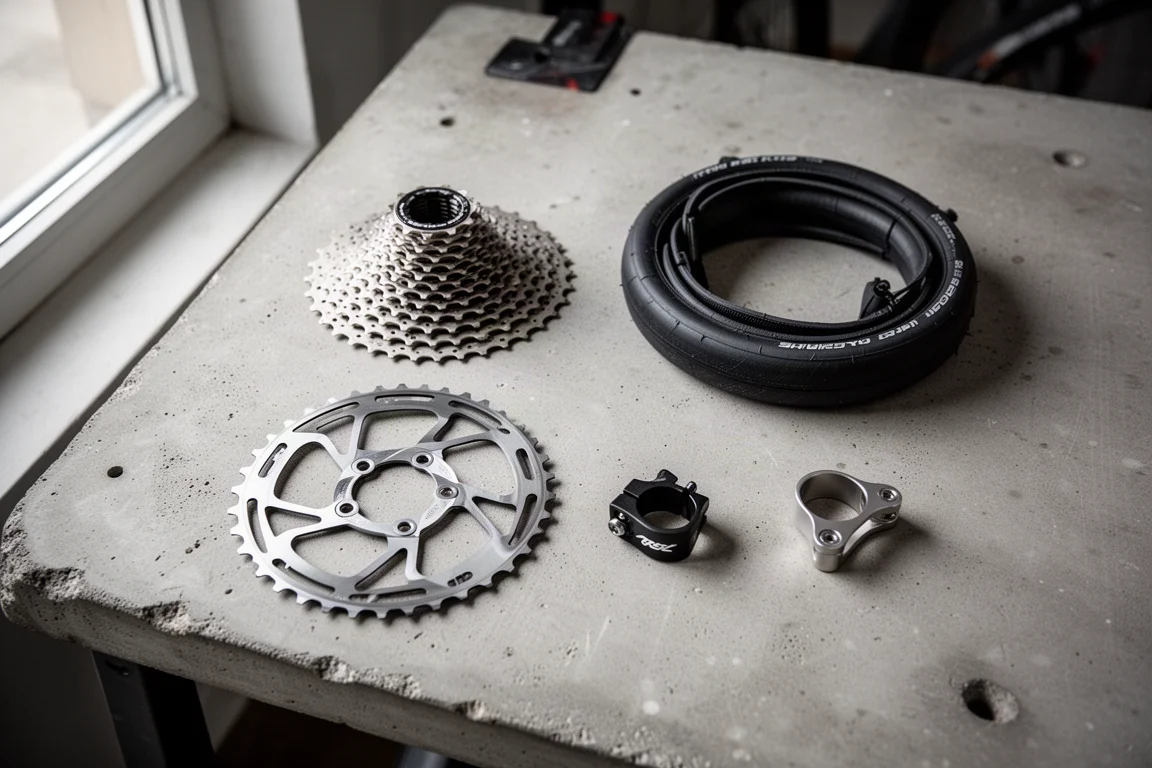
From there, tires are usually the next best spend because of where the weight sits, followed by a cassette if you want a meaningful reduction without touching the rest of the drivetrain. A smaller head unit can save weight and money at once, which makes it an easy recommendation for anyone not using the extra screen space of a larger unit.
Rotors and chainrings come last. They are premium purchases with modest weight returns, and they make sense mainly for riders who value the way they look as much as the numbers.
Conclusion
The pattern here is simple: the cheapest savings are the ones already sitting on your bike, and the most effective paid upgrades are the ones closest to the road. Add the small gains together and a total of roughly 300 to 400 grams is realistic without rebuilding the whole bike.
Further reading
Related Reviews
Cycling Components
A 20,000-Mile Budget Race Bike Build: Five Parts Worth Knowing
A rim brake race bike assembled from low-cost components and ridden for 20,000 miles. Here is what delivered real speed, what caused problems, and what to weigh before copying the formula.
Cycling Components
7 Bike Fit Products Fitters Avoid: What to Check Before You Buy
Seven bike components that regularly cause knee, foot and saddle problems, with the specific concerns behind each one and what to look for instead.
Cycling Components
Four Affordable Bike Upgrades That Improve Ride Feel
Four low-cost cycling products that make a real difference to ride feel, plus the free setup changes worth trying first.