Cycling Components
Bike Upgrades to Skip: Where Your Money Works Harder
A practical guide to the cycling upgrades that rarely pay off, and the alternatives that deliver more for the same money.
Introduction
There is no shortage of parts that promise a faster, lighter, more comfortable bike. Some of them deliver. Many of them do not, and a handful can actually make a good bike worse to ride.
The upgrades in this guide share a common trait: they are easy to sell and hard to justify. They sit at the very top of the price ladder, where the returns are smallest, and in a few cases they replace parts that already work extremely well.
None of this means you should never buy them. It means the order matters. Spending on fit, tyres, wheels, clothing and drivetrain basics first will change how your bike feels far more than any single boutique component.
What Makes an Upgrade Worthwhile
Three questions separate a worthwhile upgrade from an expensive habit. How much does it actually change the ride? How long does the benefit last? And what else could the same money buy?
The answers are rarely dramatic at the top end of the market. A part that saves three watts or forty grams may be a genuine improvement, but it is a small one, and it is easily cancelled out by a dirty chain, a poor riding position, or a wheel choice that does not suit the terrain. A measurable gain in one area is often undone by a compromise in another.
Durability matters just as much. A component that wears out quickly, or that needs careful maintenance to keep performing, rarely represents good value even if it is fast on the day it is fitted. Consumables deserve particular scepticism: chains, tyres and brake pads are designed to be replaced, so paying a premium for a short-lived item only makes sense in very specific circumstances.
The final question is the most useful one. If the same budget could fund a professional bike fit, a set of fast tyres, or a well-chosen pair of wheels, those alternatives will almost always produce a more noticeable change than a small component upgrade. Ranking your options by impact rather than by how often you see them on other bikes is the better strategy.
Oversized Pulley Wheels: A Costly Detour
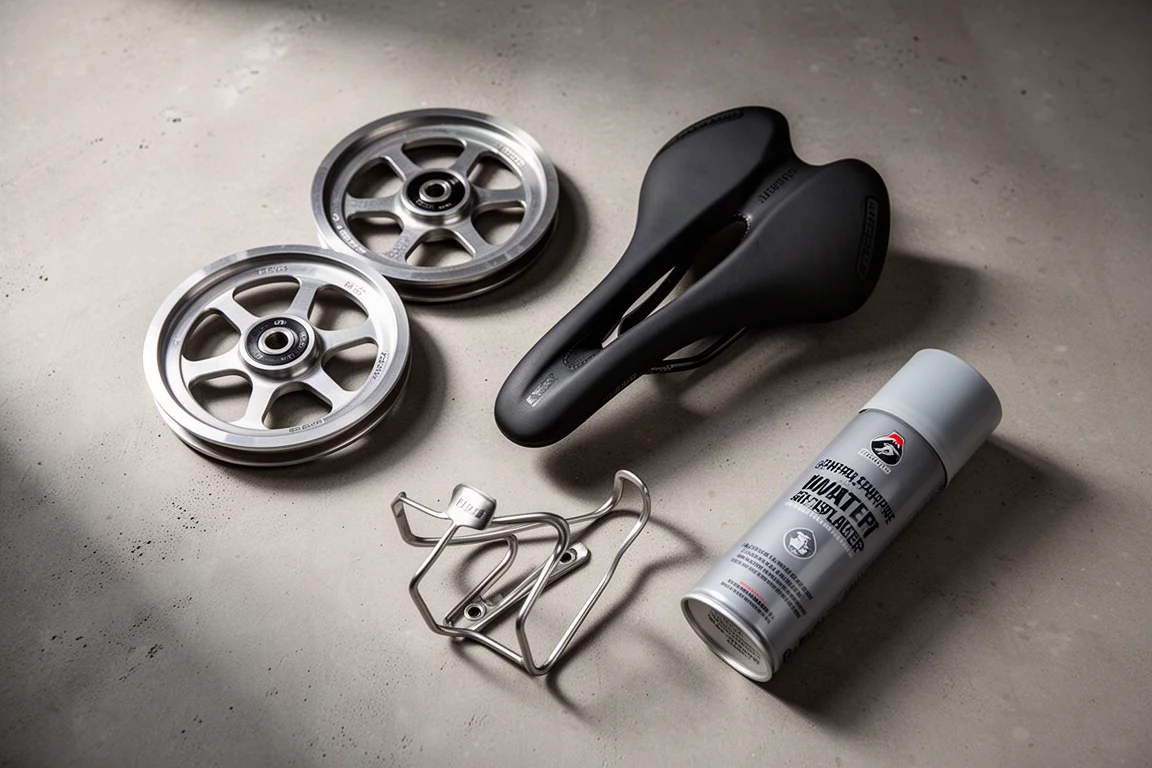
Oversized pulley wheels replace the stock jockey wheels on a rear derailleur with a much larger pair, sometimes with a fairing for aerodynamic claims. The theory is sound: a larger diameter means the chain articulates less, which reduces drivetrain friction. The reality is that the gain is tiny.
Even in the best case, the saving is around three watts. That is a real number, but it is a small one, and it arrives with a genuine downside. Stock jockey wheels on higher-end groupsets are already very good, and some modern top-tier groupsets now ship with a larger jockey wheel as standard. Aftermarket cages are not designed around the derailleur they are bolted to, so rear shifting quality often suffers as a result.
The price makes the case worse. Most oversized pulley systems sit in the £400 to £500 range, and special editions can reach £1,500. Ceramic versions and cheap imitations are widely available, and the low-cost copies are best avoided entirely. If you simply like the look, that is a valid reason to buy, but it is not a performance upgrade. Aerodynamic clothing, faster wheels, a better position on the bike and a good chain lube will each do more for the same money.
Ceramic Bearings: Diminishing Returns, With One Exception
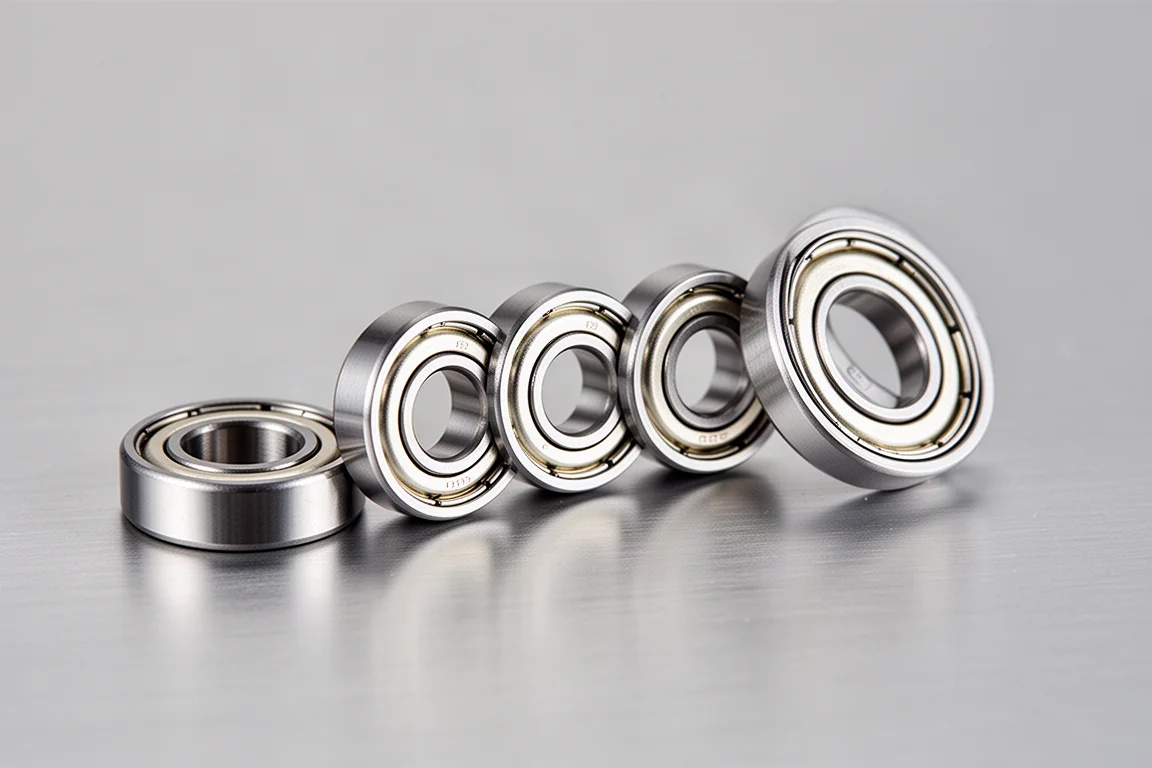
Bearings appear throughout a bike: in the headset, the bottom bracket, the hubs and the pulley wheels. Most modern bearings are sealed units filled with small ball bearings that roll around an outer race. Friction wears them over time, and contamination or corrosion speeds the process up. Ceramic bearings are marketed as the answer, offering lower friction and much better resistance to corrosion.
There is a structural problem. With the exception of pulley wheel bearings, almost all ceramic bearings still use a steel race, and steel is softer than the ceramic balls running against it. The balls wear a groove or pit into the race, so the bearing wears out anyway. You pay the premium and the failure mode remains.
There are exceptions. The Enduro XD5 uses nitrogen-infused steel and is built to last far longer than a conventional bearing, which explains both its reputation and its price. It is a genuine engineering answer to the problem, and it is priced accordingly, so it makes most sense on a build you intend to keep for a very long time.
For most riders, ceramic bearings belong at the end of the upgrade list rather than the start. If you do buy them, check the warranty carefully, because the bearing is likely to wear out eventually.
3D Printed Saddles: Premium Technology, Uncertain Comfort
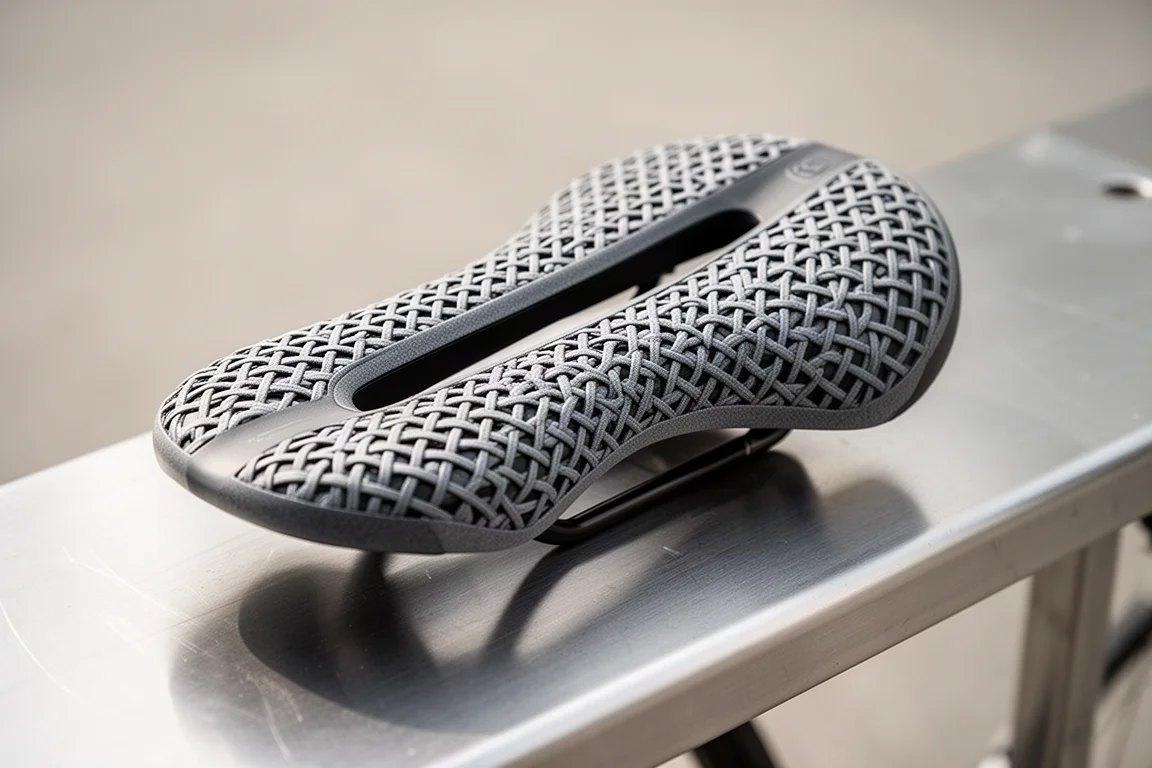
Additive manufacturing has reached the saddle market, and several major brands now offer 3D printed versions of their popular shapes. The process allows a manufacturer to build a saddle with a honeycomb structure that is firmer in some zones and softer in others, which is genuinely interesting engineering.
It does not follow that the result is comfortable. A saddle works because its shape suits your body, and printing it as a lattice does not change that. The price, however, changes a great deal: a 3D printed version of a top-end carbon saddle costs considerably more than the saddle it sits above, and it can weigh 44 g more as well. That is an unusual combination in a market where spending more normally buys less weight.
The sensible approach is to start with a shape that is known to work. A fairly flat traditional saddle with a large central cutout, sometimes called a pressure relief channel, is a good baseline for most riders. If you are struggling with discomfort, try one of those before spending on printed lattice construction.
A Better Saddle Starting Point: Selle Italia SLR Boost
The Selle Italia SLR Boost is a well-established shape built around a large central cutout and a short nose, and it is one of the saddles most often recommended as a starting point for riders who are still working out what suits them. It comes in several versions, including a top-end carbon build and a 3D printed model, so the shape itself can be evaluated without committing to the most expensive option.
The design logic is simple. The cutout relieves pressure through the middle of the saddle, the profile is flat enough that you can shift position as the terrain changes, and the short nose stays out of the way when you are riding low and forward. That combination is what makes it such a useful reference point.
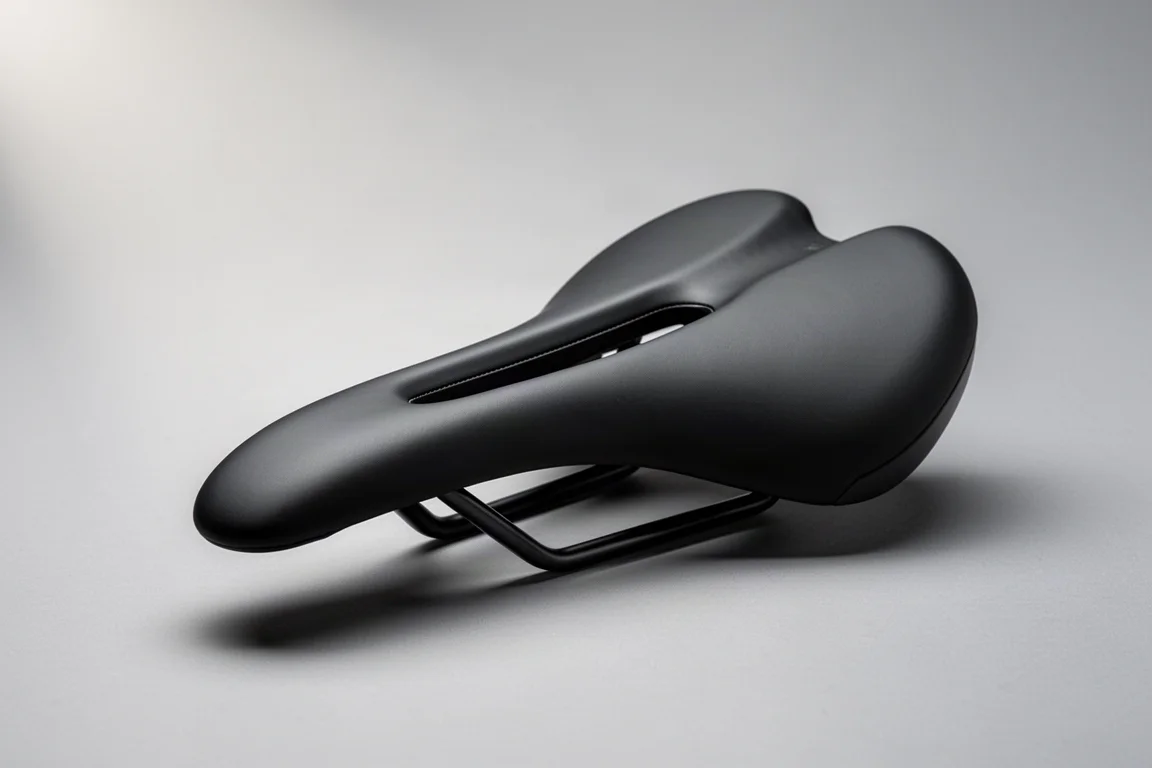
If the shape suits you, it is a much better use of money than a 3D printed saddle at a considerably higher price.
A Better Saddle Starting Point: Specialized Power
The Specialized Power takes a similar approach: a short overall length, a wide rear section and a pronounced central channel. It is a shape that suits riders who find long, narrow saddles uncomfortable, and it is one of the models most often suggested as a first port of call when saddle discomfort is the problem.
Getting the shape right matters far more than the material of the rails. A saddle that does not suit your position will feel wrong regardless of how light it is, and a heavier saddle that fits properly will always be the faster choice over a long ride.
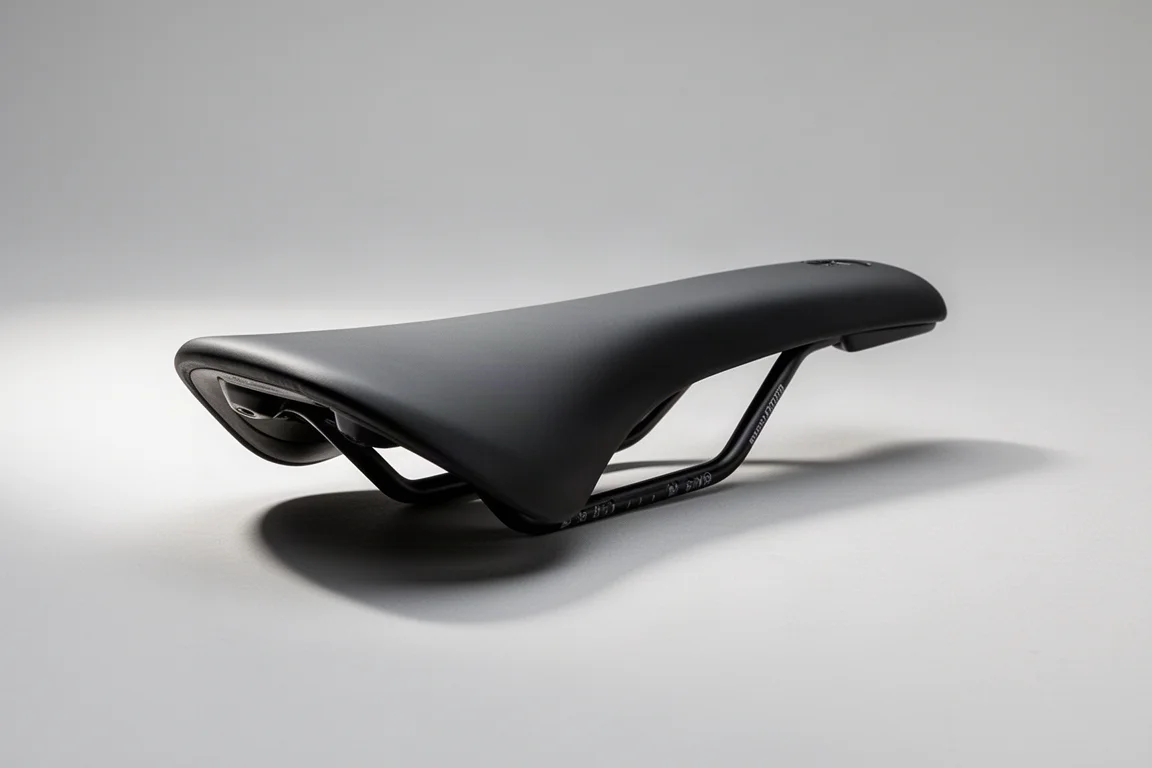
Sort the shape first, and the exotic materials become optional rather than essential.
Cycling-Specific Cleaning Products: GT85 at a Fraction of the Cost
Cleaning products are where the cycling premium is most obvious. A cycling-specific water displacer costs roughly 47 percent more than a general-purpose equivalent such as GT85, which is sold in most hardware stores. A cycling-specific bike wash costs around 78 percent more than a car shampoo that does the same job.
The formulas differ slightly, but the practical difference is small. Washing-up liquid cleans a bike perfectly well, and the salts it contains are not the type that damage paintwork. A biodegradable car shampoo is a particularly good buy, because a large container lasts a very long time for very little money.
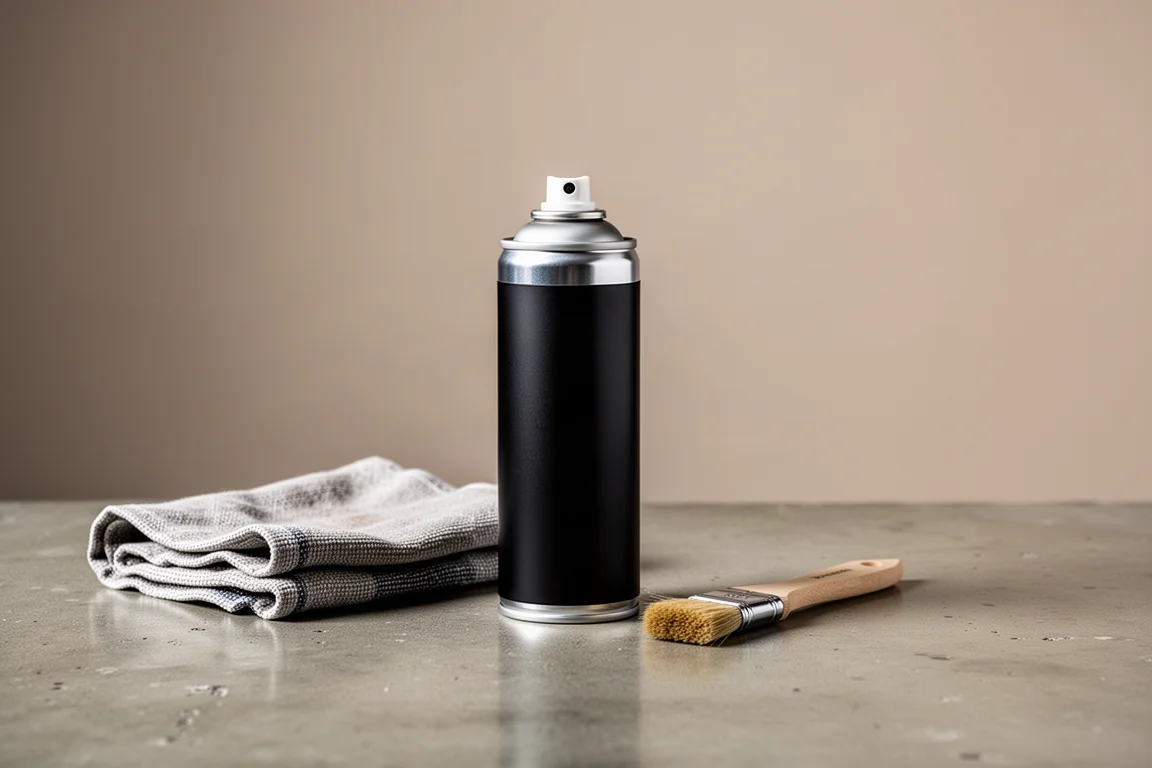
There is nothing wrong with buying a dedicated product if you prefer it, but the premium is hard to justify. This is one area where the cheaper option is genuinely just as effective.
Carbon Bottle Cages and Carbon Chainrings: Where Carbon Does Not Belong
Carbon fibre is a superb material for frames, wheels and handlebars. It is a poor choice for parts that experience repeated surface friction, and bottle cages are a clear example.
Carbon does not abrade well. Where a bottle rubs against the cage on every insertion and removal, the surface breaks down and turns to powder, and the cage eventually cracks or snaps. In a race or a fast group ride, a hurried bottle swap is enough to finish it off. Many cages sold as carbon are actually a nylon and carbon hybrid, and those are significantly more durable, so it is worth checking the manufacturer’s stated material before buying. The phrase “full carbon” is closer to a warning sign than a selling point.
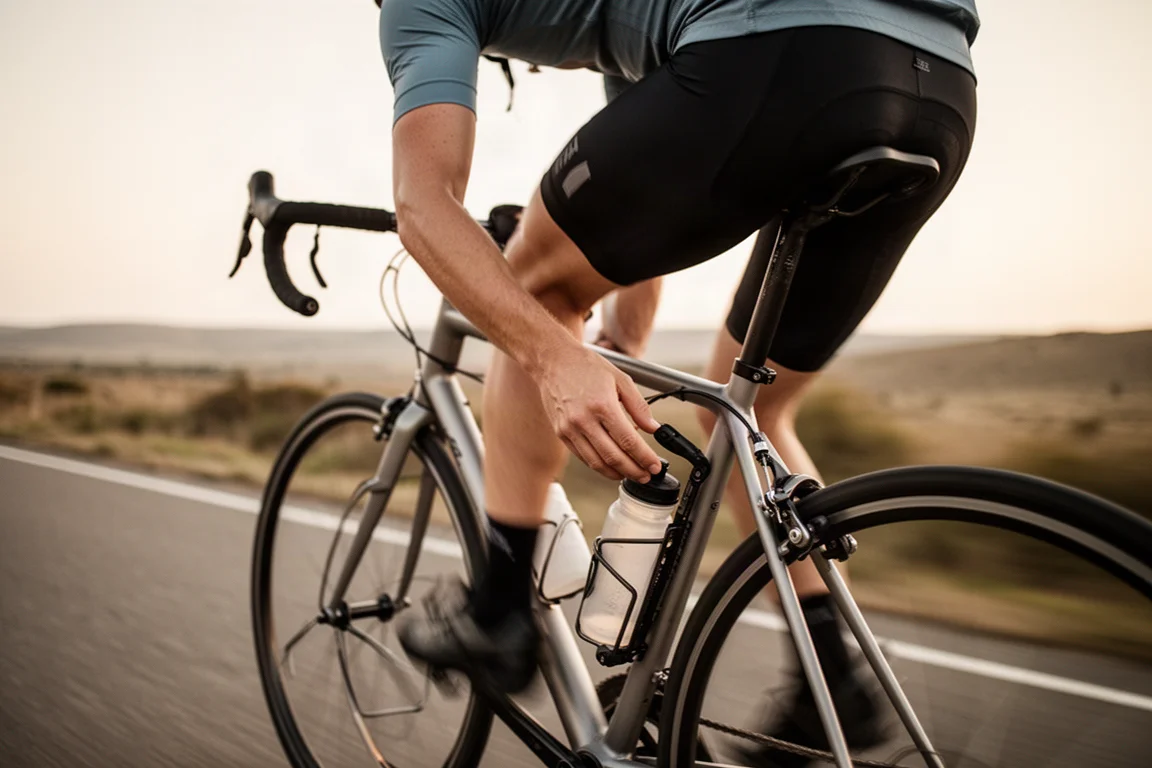
A plastic cage is a perfectly good choice, and some of them are very light. A steel cage is another option, and it can be bent by hand to grip a bottle tightly. Carbon chainrings follow the same logic. Where the teeth themselves are carbon, they abrade quickly and chip at the tips, which is usually the first part of any chainring to wear. The result is a dropped chain, or front shifting that stops working properly. Hybrid chainrings, where the body is carbon and the teeth are alloy, avoid the problem entirely.
Carbon chainrings are a race day item with a lifespan measured in a few hundred miles. For a cheaper route to the same marginal gains, aero socks are a better bet.
Low Friction Chains: A Consumable, Not an Upgrade
A low friction chain is one of the least rewarding purchases in cycling. The gains are small, and the part is a consumable, so the benefit fades as the chain wears.
Worse, the gains disappear the moment the chain gets dirty. A fast chain that is coated in grime and beginning to rust performs no better than an ordinary one. Buying several cheaper chains and replacing them more often is a more effective strategy, and it keeps the drivetrain cleaner at the same time.
There is a case for a low friction chain on race day, but it belongs at the end of the upgrade list rather than the start.
Preglued Patch Kits: A Small Choice That Saves a Ride
A patch kit is not strictly an upgrade, but it is worth getting right. Preglued patches have a habit of not sticking properly, which is how riders end up standing at the roadside in the rain repairing the same puncture more than once on a single ride.
A kit with a separate tube of glue takes about thirty seconds longer to use and holds far more securely. That reliability is worth far more than the small difference in cost, and it means you will not be stopping again two miles down the road.
Groupset Upgrades: Save Them for Last
Groupsets are the most tempting upgrade on any bike and often the least necessary. Moving from an 11-speed groupset to a 12-speed version of the same tier, with no other changes, adds one gear and very little else. It does not change how the bike feels to ride.
There is one clear exception. Moving up from the most basic entry-level groupsets, where the shift buttons sit in awkward places and are hard to reach from the hoods, is a genuine improvement. Beyond that, the returns flatten out quickly.
SRAM Apex 1
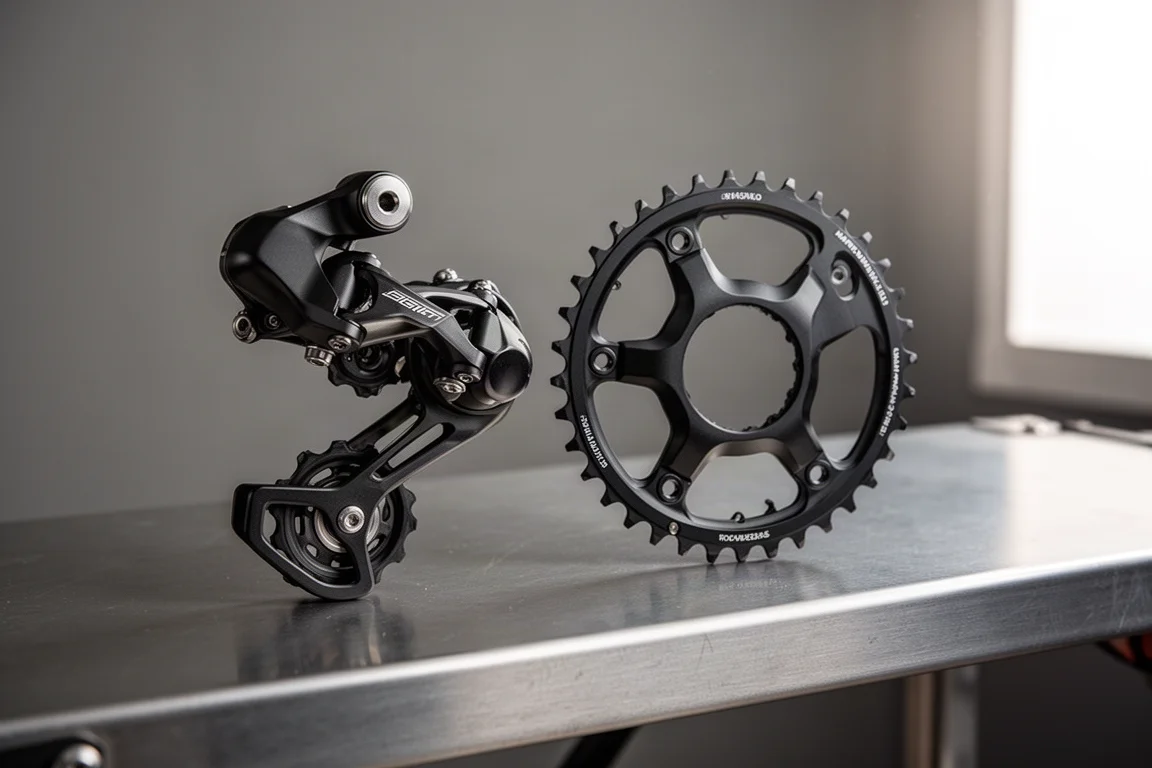
SRAM Apex 1 is a good example of how capable mid-range groupsets have become. It is a 1x system, which keeps the setup simple, and it has proven itself over long distances without drama. For riders who want dependable shifting rather than a headline number, it represents excellent value.
Shimano Tiagra
Shimano Tiagra is another strong mid-range option. It shifts well, it is inexpensive to maintain, and it sits at a price point where the money saved can go towards wheels or a frame instead. The range is expected to be replaced by Shimano CUES at some point, which is worth knowing if long-term parts availability matters to you.
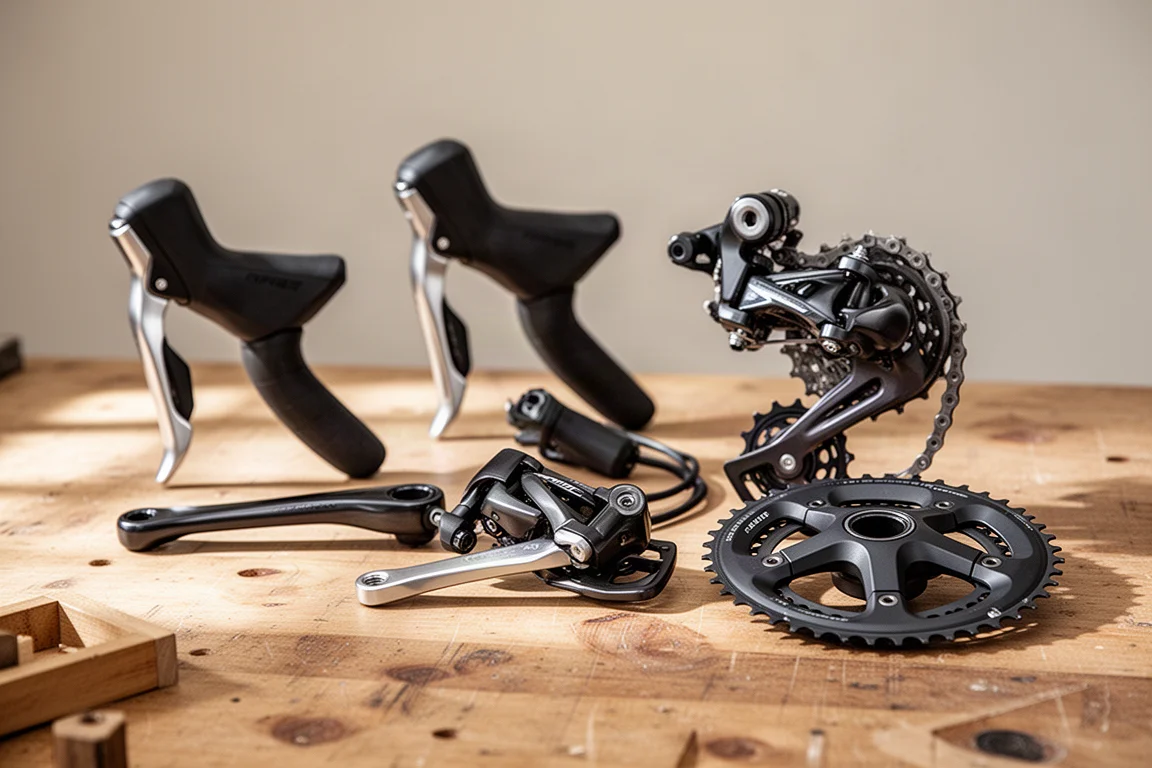
Comparing identical bike setups with different groupsets fitted makes the point clearly: a good frame and a good set of wheels feel excellent regardless of the groupset bolted to them. Fewer speeds also mean cheaper cassettes and chains when they wear out, which is a genuine running cost advantage.
Overall Buying Advice
If you are planning a round of upgrades, rank them by impact rather than by how often you see them on other bikes. Position on the bike, tyres, wheels and clothing sit near the top of the list. Aerodynamic clothing and a well-fitted skinsuit are among the most cost-effective speed purchases available.
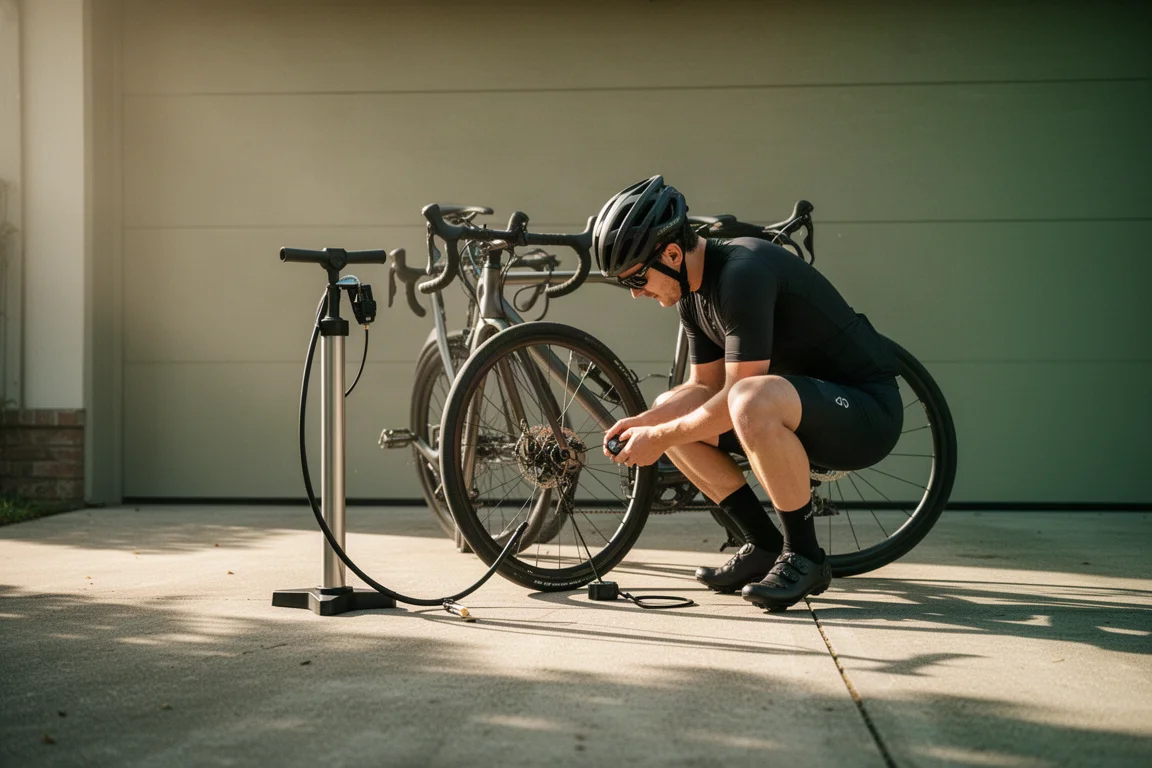
Component upgrades sit lower down. Bearings, chains, pulley wheels and exotic saddles are all best treated as finishing touches, bought once the fundamentals are in place and once you know exactly what you are trying to fix. If a part is a consumable, accept that it will wear out and budget for replacements rather than paying a premium for a short service life.
It also helps to think about what you are actually solving. Discomfort on long rides is usually a fit question. A bike that feels slow is usually a tyre, wheel or position question. Once those are addressed, the boutique parts become a matter of preference rather than performance.
Conclusion
The pattern behind all of these upgrades is the same: a small measurable gain, a large price, and a compromise somewhere else. Oversized pulley wheels trade shifting quality for three watts. Ceramic bearings wear out against steel races. 3D printed saddles cost more and can weigh more. Carbon bottle cages and carbon chainrings wear faster than the parts they replace. Low friction chains and premium groupsets deliver less than the marketing suggests.
None of that makes them bad products. It simply means they belong at the end of the list, after fit, tyres, wheels and clothing have been sorted. Spend in that order and every pound you put into the bike will do more work.
Further reading
Related Reviews
Cycling Components
A 20,000-Mile Budget Race Bike Build: Five Parts Worth Knowing
A rim brake race bike assembled from low-cost components and ridden for 20,000 miles. Here is what delivered real speed, what caused problems, and what to weigh before copying the formula.
Cycling Components
7 Bike Fit Products Fitters Avoid: What to Check Before You Buy
Seven bike components that regularly cause knee, foot and saddle problems, with the specific concerns behind each one and what to look for instead.
Cycling Components
Four Affordable Bike Upgrades That Improve Ride Feel
Four low-cost cycling products that make a real difference to ride feel, plus the free setup changes worth trying first.