Cycling Components
Bike Tech Experiments That Missed the Mark: Eight Bold Ideas Worth Knowing
Eight ambitious bike technologies that fell short in practice, from oval chainrings and early wireless shifting to a crankset recall worth checking.
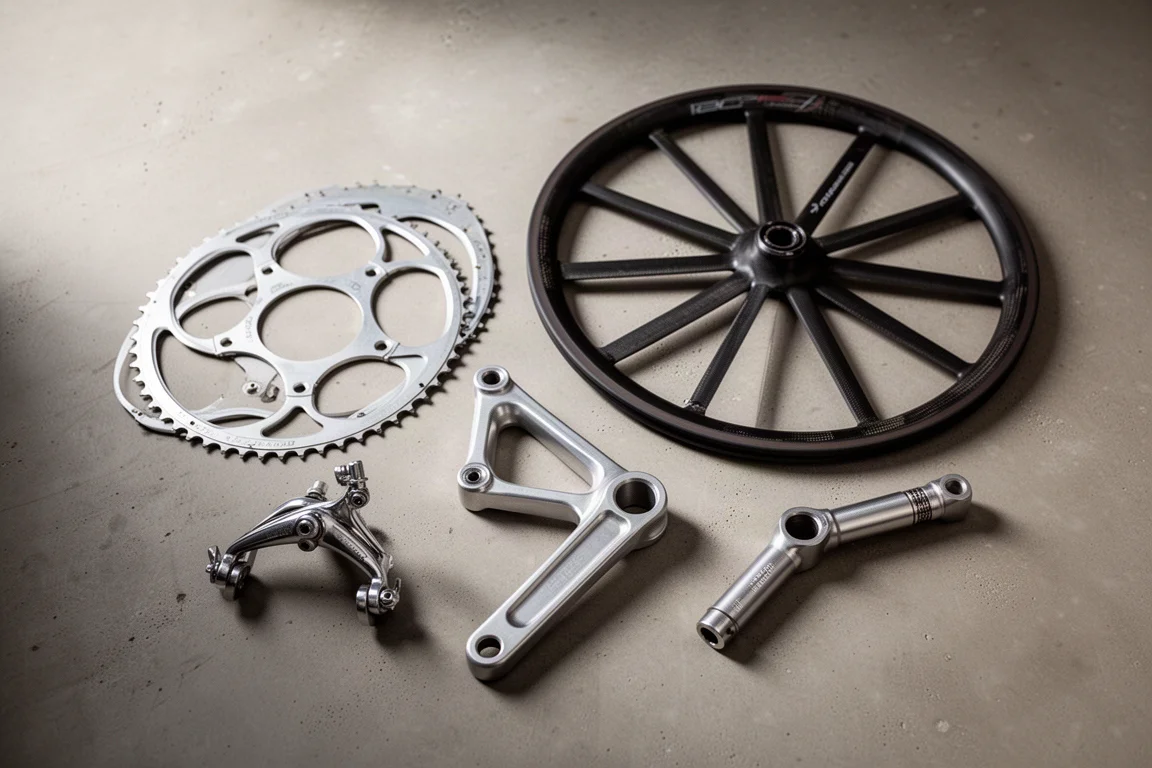
Introduction
Every so often the bike industry tries something genuinely different, and not all of it works. The eight products below all pushed in directions that later became mainstream or at least influential, and every one of them fell short in some way. What makes them interesting is that the shortcomings are specific and understandable rather than mysterious: a shape that was too subtle, a wireless signal that was too fragile, a brake that looked better than it stopped.
Some of these are now collector pieces with prices to match. Others are still in circulation and deserve a closer look before you buy, particularly the cranksets covered by one of the largest recalls in recent cycling history.
Shimano Biopace: Oval Rings With a Twist
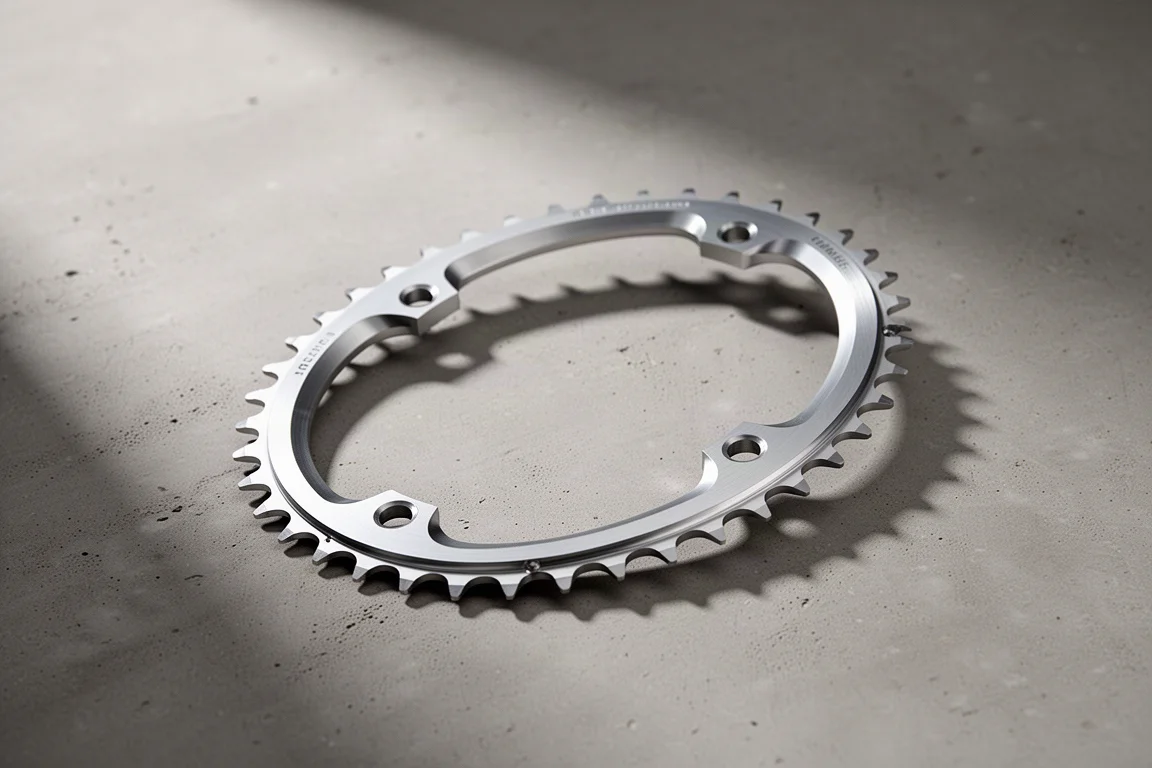
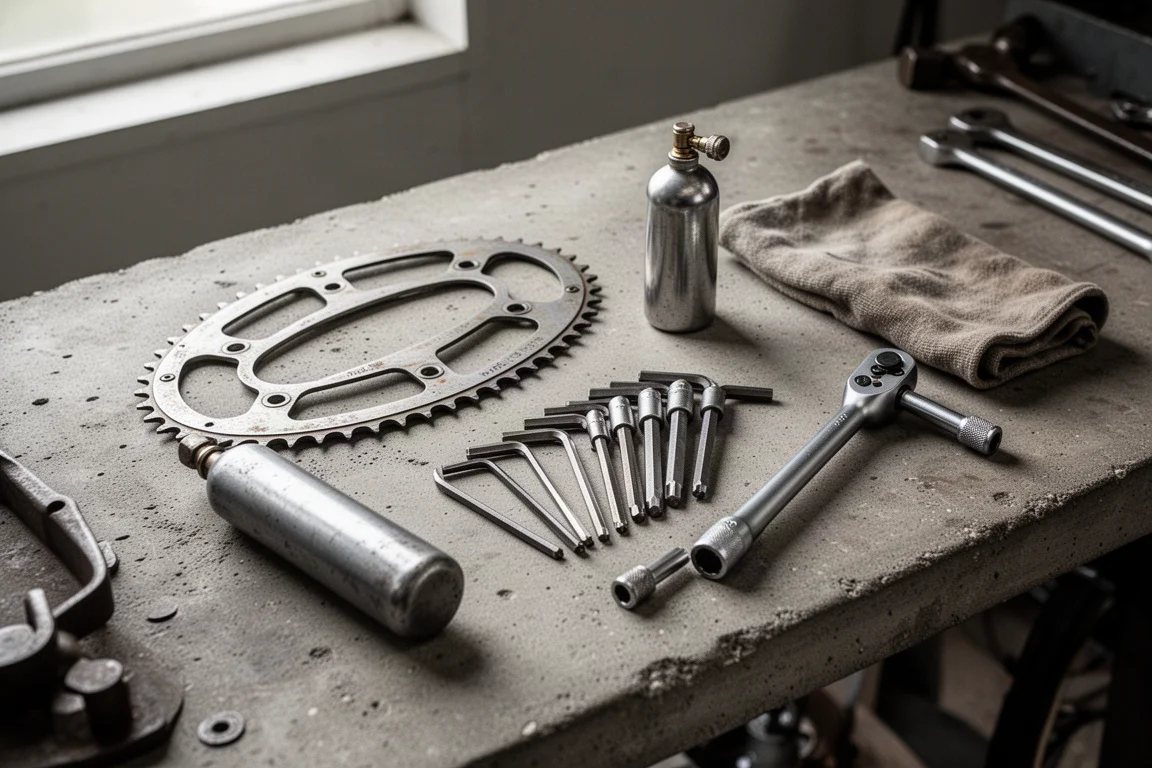
Shimano introduced Biopace chainrings in the 1980s. They were oval rather than round, and the idea itself was not new. Oval rings are usually oriented to make the most of leverage during the strongest part of the pedal stroke, the power phase around the three o’clock position. Biopace used the opposite orientation, and Shimano’s stated aim was different: a smoother, more rhythmic pedal stroke, a more efficient use of power, rings designed individually according to function, tooth heights shaped for smooth shifting, and a tooth alignment feature for improved shift performance. Rather than lengthening the power phase, the design set out to smooth the pedalling circle and reduce spikes in torque. It was also marketed as being good for the knees, although plenty of riders reported the opposite.
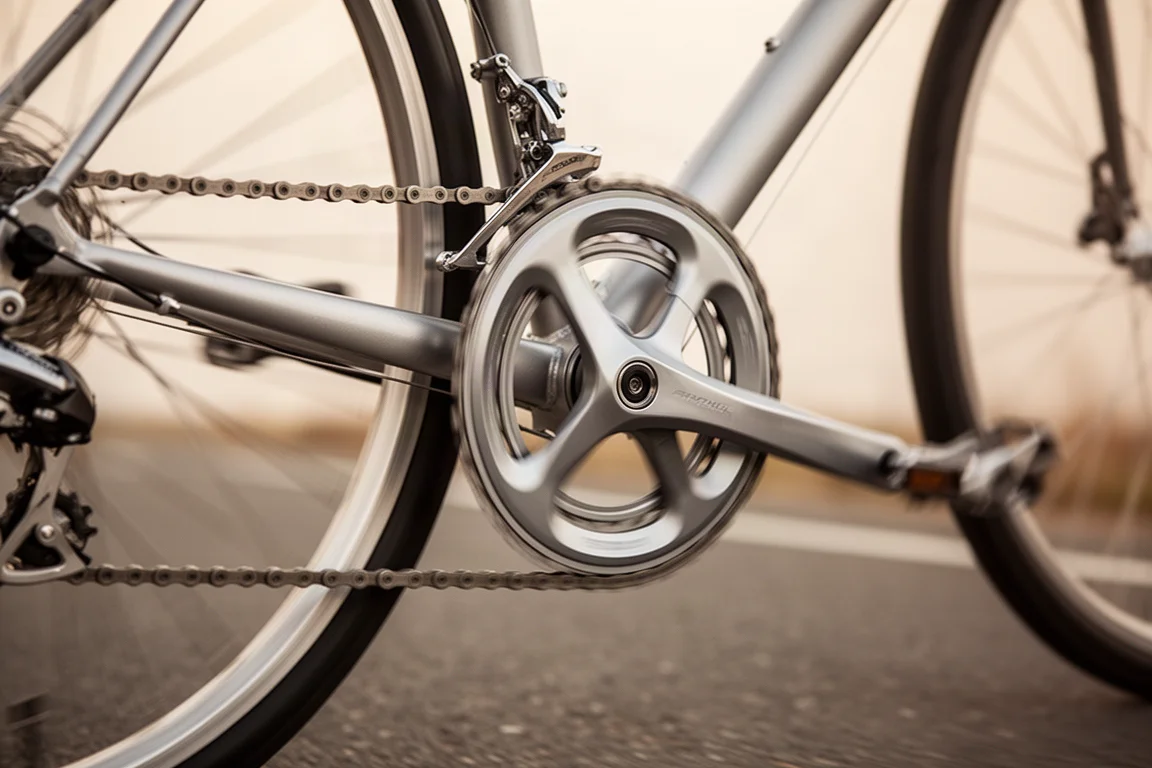
In practice the difference is subtle. The shape sits far closer to round than the modern oval rings sold today, and riders who spent entire seasons on Biopace often noticed nothing unusual at all. Switching back and forth between an oval and a round bike is where the difference starts to show. Shimano discontinued Biopace by the early 1990s, round rings returned, and the industry has since swung between round and oval more than once.
Mavic Mektronic: Wireless Shifting in 1999
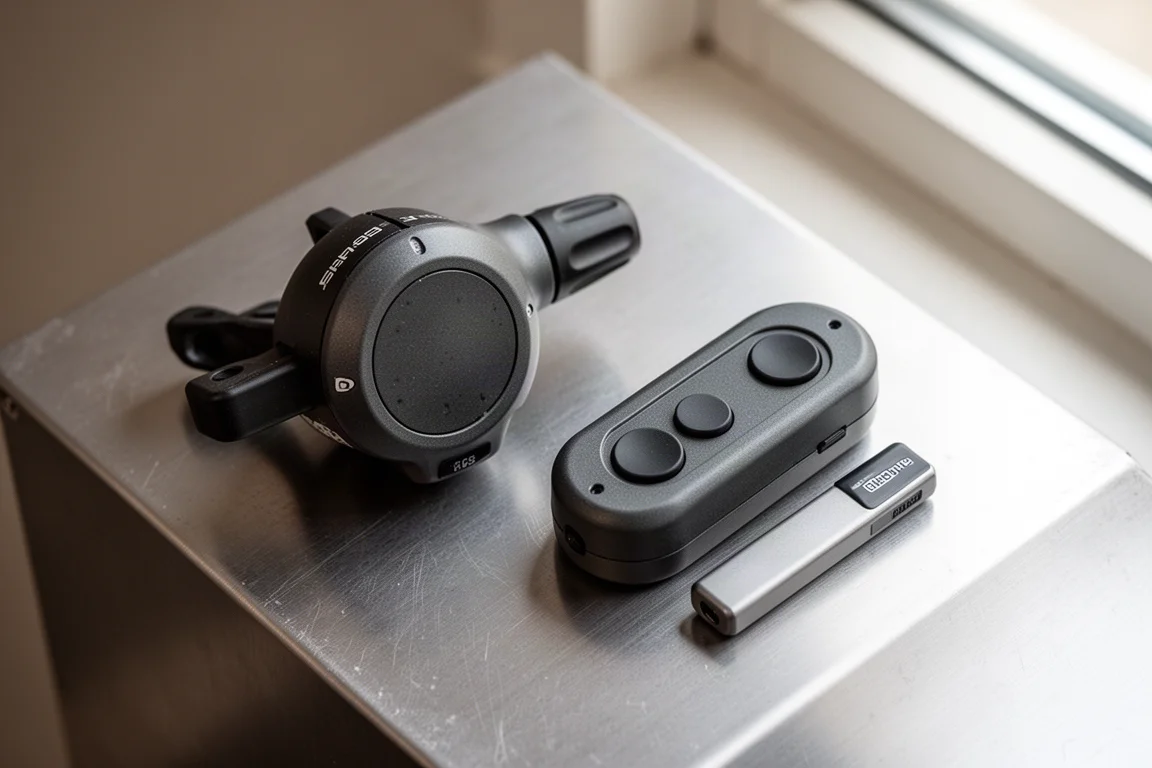
Mavic Mektronic arrived in 1999 as a fully wireless shifting system, with small buttons on the shifters and a head unit. It was well ahead of its time, and it came with problems that matched its ambition. The most obvious was speed: there was a long delay between pressing a shifter button and the shift actually happening, which is not what racing riders are looking for. Reception was fragile as well. Riding near a radio mast or a satellite dish could stop the system working entirely, and riders using the same equipment in a group reported that pressing their own buttons could shift someone else’s bike.
Wireless shifting is now standard across racing bikes and works reliably, which makes Mektronic an instructive early attempt rather than a dead end. It also carries one of the most memorable product names in the sport.
Campagnolo Delta Brakes: Form Over Function
The brakes now known as Delta were never officially called that. They arrived with the C-Record groupset, first launched in the mid-1980s, and were only available until 1992. Delta is the Greek letter shaped like a triangle, and the nickname stuck. Campagnolo described the design as a centrepull brake with an articulated parallelogram, with all the inner workings hidden from view. The result was sleek and, at the time, distinctly futuristic.
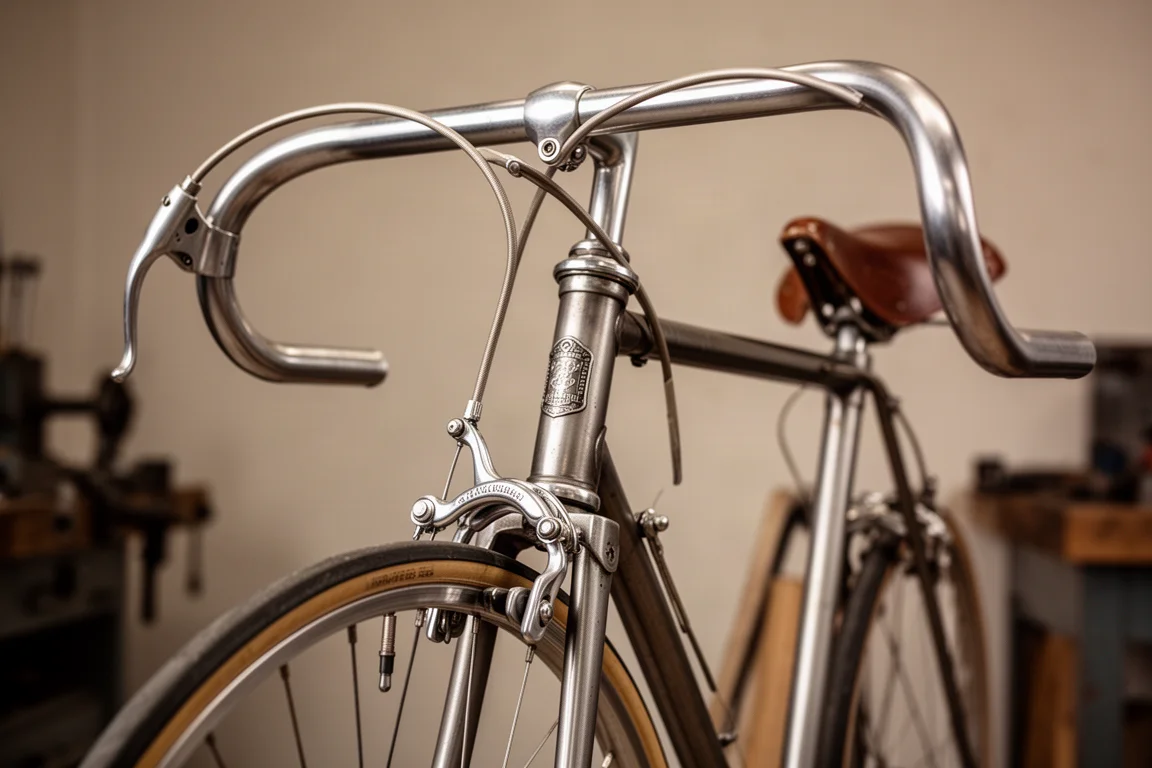
That look is the part that still appeals. Performance is where the reputation splits. The first version did not work well and was recalled entirely. Later versions addressed some of that, but riders continued to complain about on and off braking with very little modulation. Some argue the behaviour comes down to setup, which is a fair point, because setting up and servicing these brakes is complicated and not every mechanic’s favourite job. Demand has only grown since, and clean examples have changed hands for as much as around £3,000 on the secondhand market.
3T Strada: The 1x Road Bike That Ran Ahead of Its Support
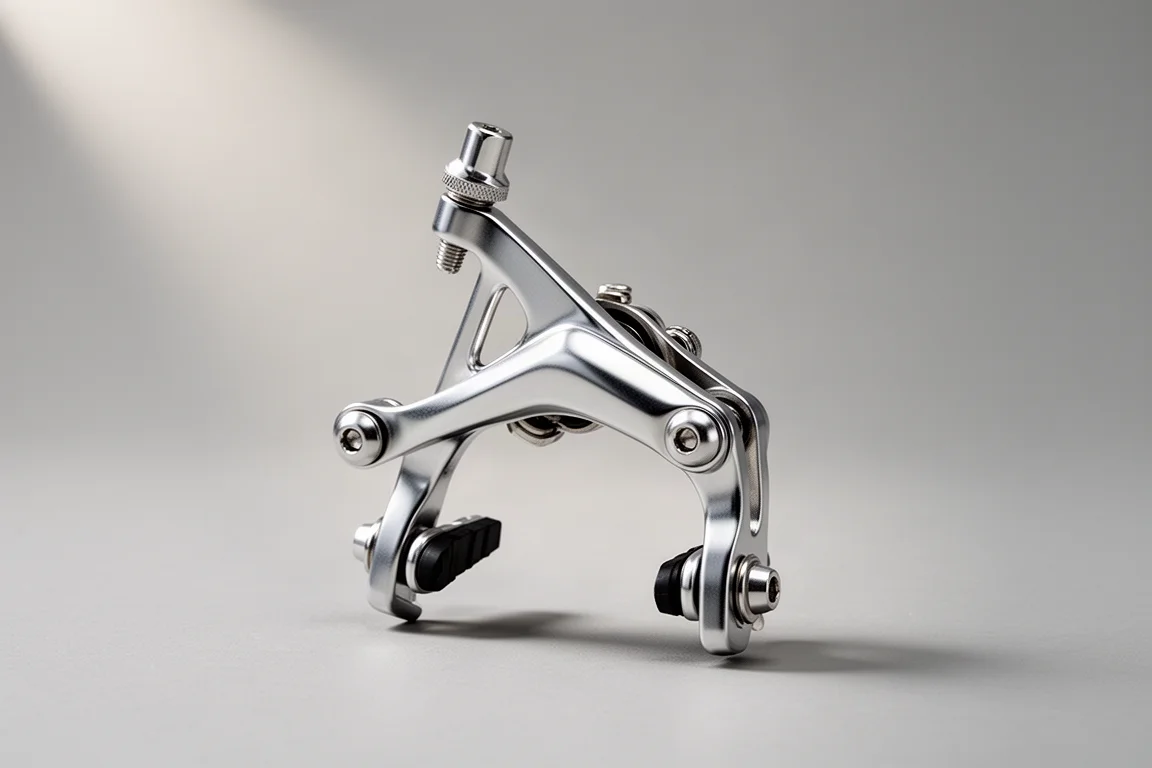
Back in 2018, the 3T Strada as raced by the Aqua Blue Sport team was one of the first high-end 1x-only disc brake road racing bikes. That meant a single chainring at the front instead of two, and no mount for a front derailleur at all. The result was clean and sleek, and the concept was sound. The supporting technology simply was not ready.
Gear range was the first problem, because there was not enough of it. The riders disliked the disc brakes of the era, and teams had not yet mastered wheel changes to the standard they have now. There was also no clutch or similar mechanism in the rear derailleur to help prevent dropped chains, and the 1x system in question was an early mechanical version.
Team riders were openly unhappy with the setup, and equipment choices matter enormously in professional racing, where knowing you are on a compromised bike can affect riders psychologically as much as physically. The team folded at the end of the 2018 season, with some riders ending their professional careers. 3T still exists and remains an interesting, slightly different brand, and the Strada has since returned to a two-chainring setup.
Shimano Airlines: Pneumatic Shifting for Downhill
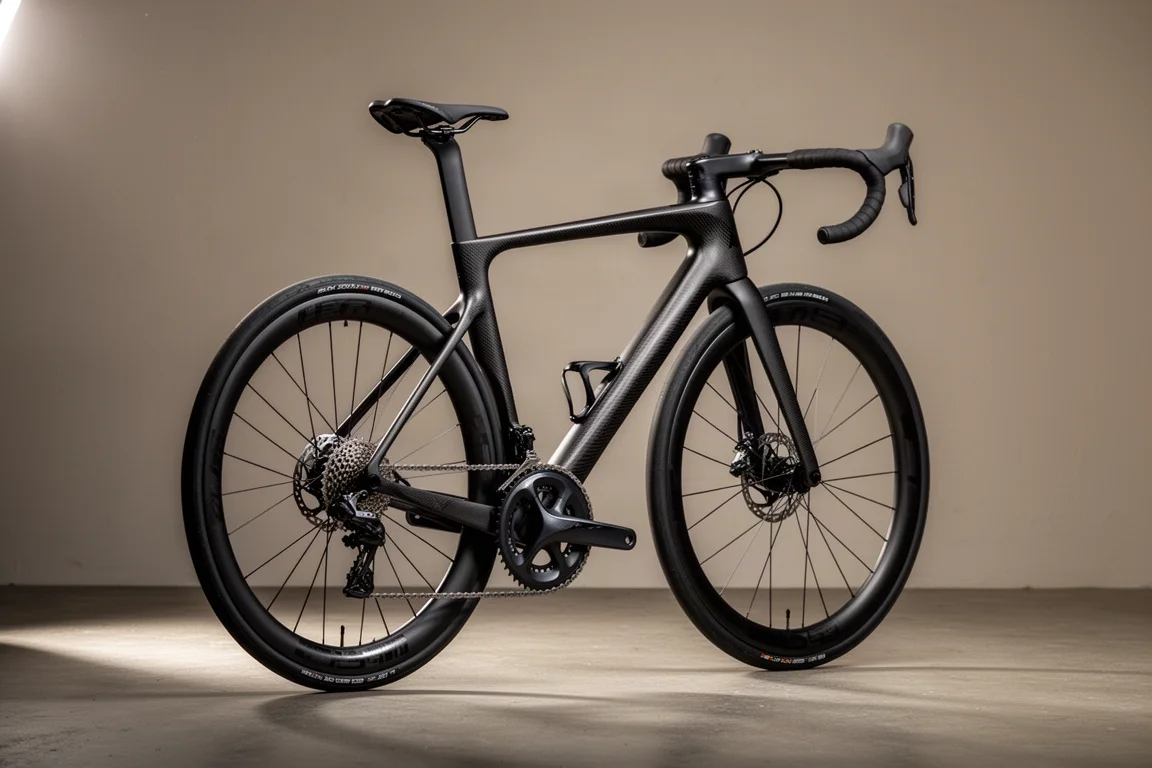
Shimano Airlines was a pneumatic groupset developed for downhill mountain bike racing. It used compressed air to operate a seven-speed derailleur, which meant carrying a tank of compressed air somewhere on the bike. It was good for around 400 shifts, which sounds low until you consider how little shifting happens on a downhill run. It was also heavy, because it was a gas canister.
The bigger obstacle was price. Airlines cost an eye-watering $1,600 in the late 1990s, which would be considerably more in today’s money. It was only ever fitted to professional riders’ bikes and never sold to the general public, which is a large part of why pneumatic shifting never caught on. Complete examples now command around £4,000 on the secondhand market.
Spinergy Rev X: A Wheel That Changed Safety Standards
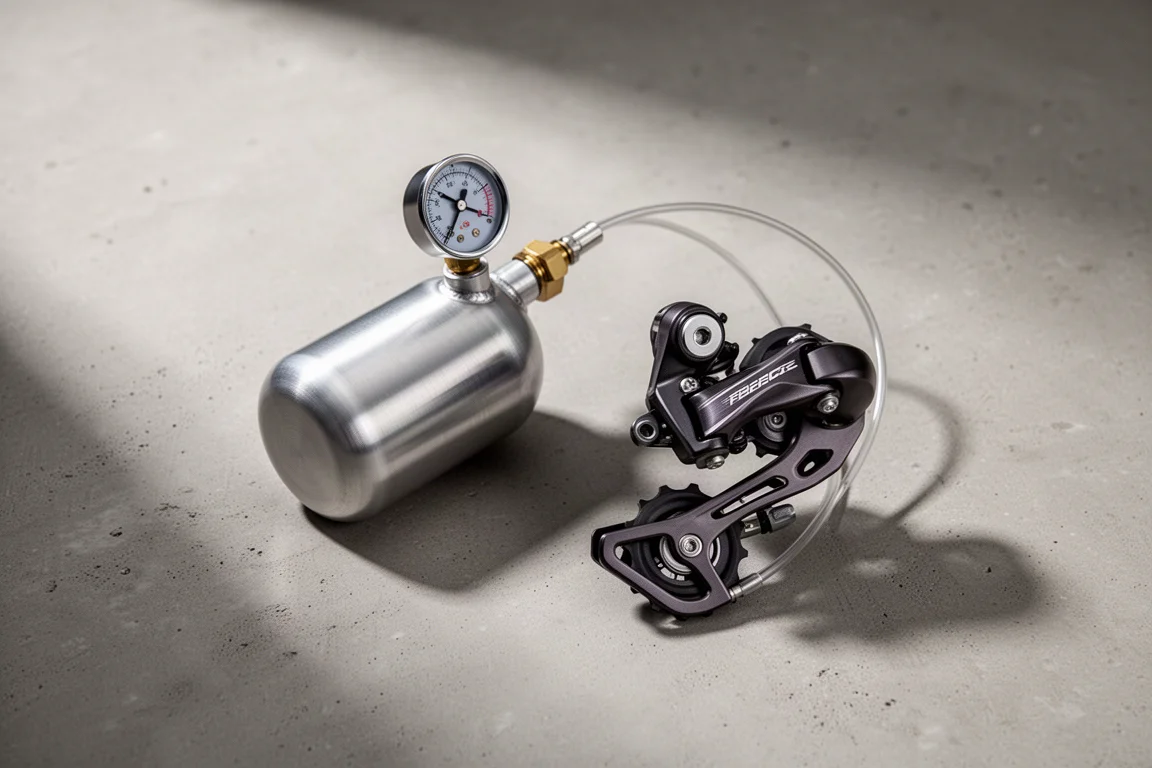
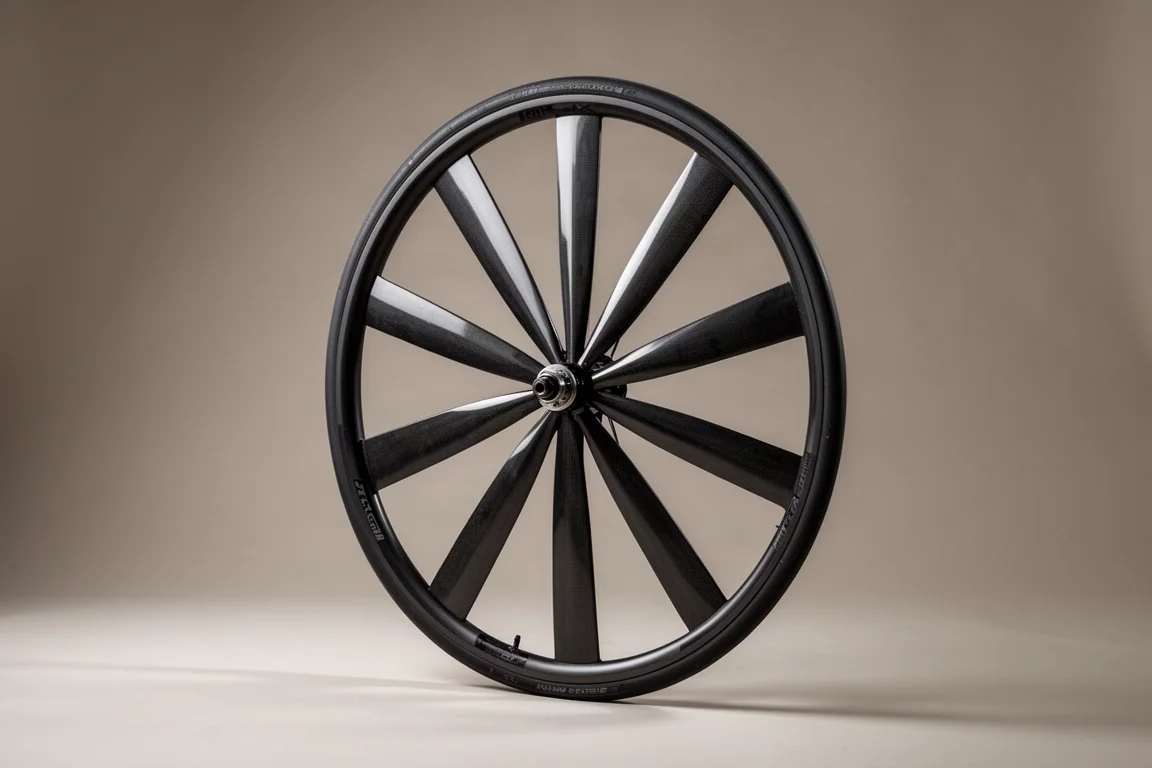
Spinergy Rev X wheels looked like a four-spoke design, but they were actually built with eight bladed spokes. They looked striking, and they were used at the top level of the sport. Safety was the problem. The carbon blades could delaminate or snap under stress, and when they failed they did not go floppy. They exploded underneath the rider, and crashes turned gruesome, with spokes causing deep cuts and serious injuries to professional riders.
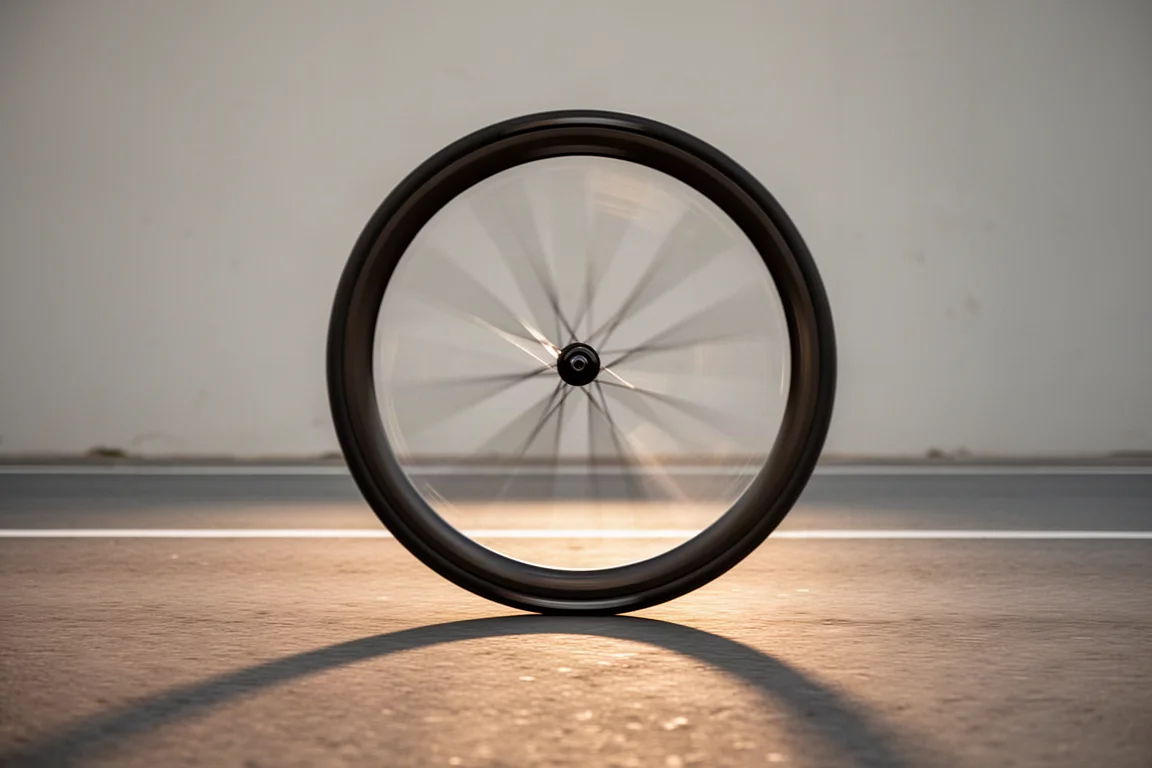
The response came quickly. In the early 2000s the UCI tightened its wheel safety standards and introduced a new test that the Rev X could not pass, which ended its use in racing. A used set is not something to buy for riding.
Shimano Ultegra R8000 and Dura-Ace R9100 Cranks: An Active Recall
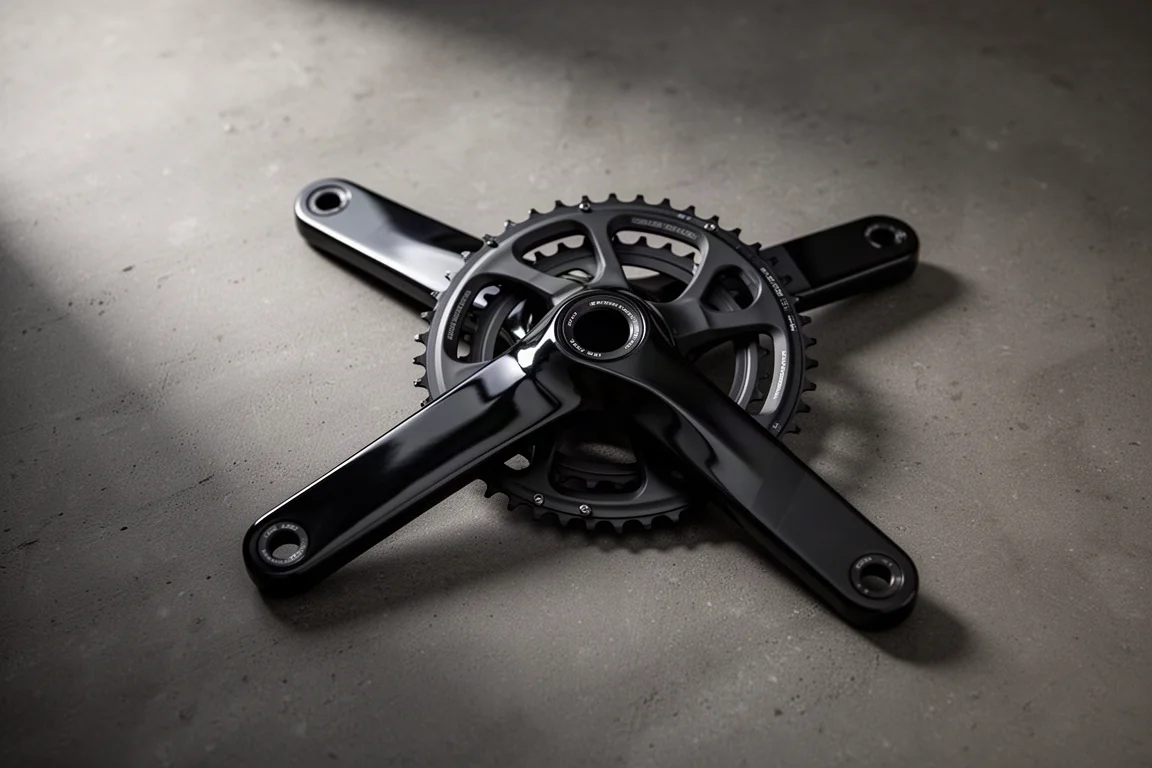
This is the most recent entry on the list, and the one with the clearest practical consequence. Shimano’s Hollowtech II road cranks, mainly Ultegra R8000 and Dura-Ace R9100 from 2012 onwards, are made from two pieces of aluminium bonded together to create a hollow construction. The approach made the cranks light and stiff, but over time the bond between the plates could separate, allowing cracks to form.
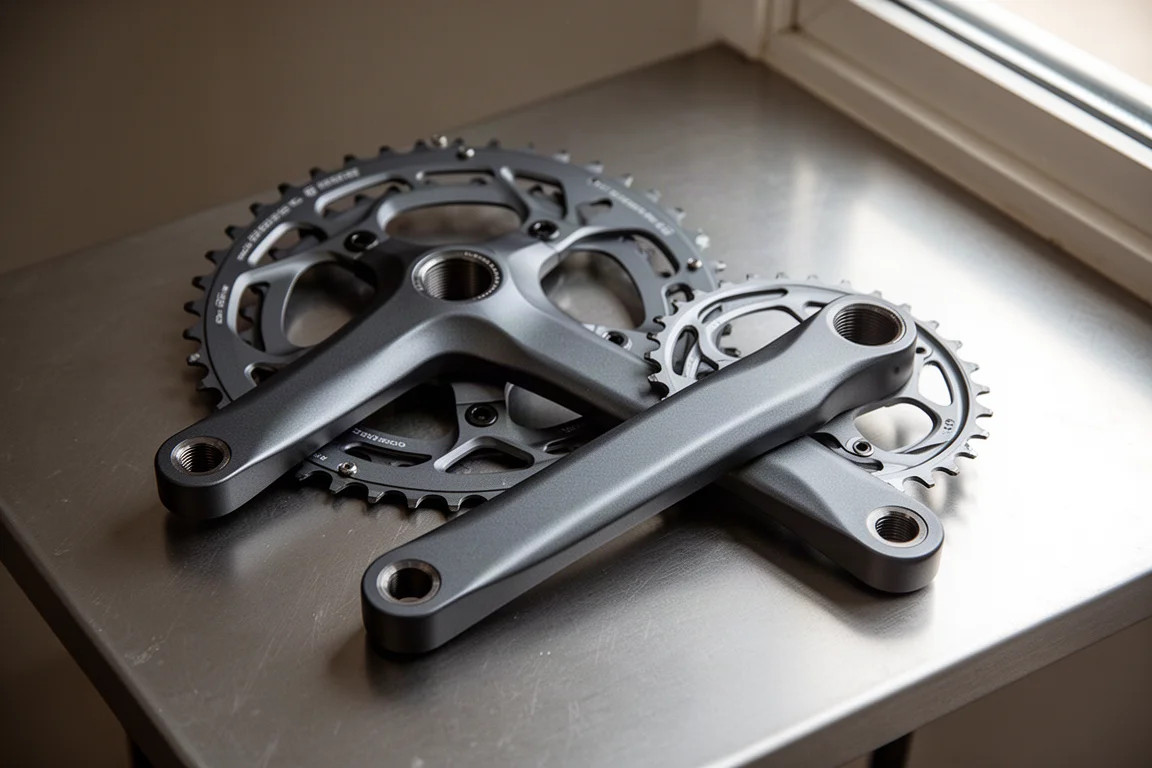
In the worst cases, a crank arm would snap mid-ride, sometimes violently when a rider was putting power down, sending them over the handlebars and occasionally causing injury. Reports accumulated steadily: forums filled with stories of snapped cranks, and one social media account collected photographs of broken examples, reaching 572 posts. Eventually, and in cooperation with the US Consumer Product Safety Commission and other regulators, Shimano recalled around 760,000 crank sets. The recall covers Ultegra and Dura-Ace 11-speed cranks manufactured between 2012 and 2019. If you own a set from that window, get it checked.
Buying Advice for Retro and Discontinued Bike Tech
The appeal of this category is real, but it helps to separate interest from usability.
Start with recall and safety status, before price or condition. Cranksets from the 2012 to 2019 window need verification regardless of how good the deal looks, and wheels with a documented history of sudden failure belong on a display stand rather than an everyday bike.
Next, understand what drives the price. Delta brakes at around £3,000 and Airlines groupsets at around £4,000 are priced for scarcity and nostalgia rather than performance. Neither will outperform a modern equivalent, and both are harder to live with day to day.
Serviceability matters just as much. Discontinued standards, unusual spoke counts, hidden mechanisms and proprietary pneumatics all make maintenance harder than it needs to be, and parts support may not exist at all.
Finally, be honest about what you want. If the goal is a period-correct build or a piece of design history on the wall, these products make sense. If the goal is faster, more reliable riding, modern equivalents do that better, and the lessons learned from these experiments are exactly why.
Conclusion
Every product here failed at something, but none of them failed for no reason. Biopace was too subtle to convince riders, Mektronic was wireless before wireless was ready, Delta brakes prioritised looks over modulation, the Strada arrived before 1x road components could support it, Airlines was never practical or available, the Rev X forced a safety rethink, and the recalled cranksets show how much a delayed admission can cost.
That is also why they remain interesting. The technology that works today exists because of attempts like these, and for collectors and enthusiasts, a well-chosen piece of flawed engineering can be more rewarding than another sensible upgrade.
Further reading
Related Reviews
Cycling Components
A 20,000-Mile Budget Race Bike Build: Five Parts Worth Knowing
A rim brake race bike assembled from low-cost components and ridden for 20,000 miles. Here is what delivered real speed, what caused problems, and what to weigh before copying the formula.
Cycling Components
7 Bike Fit Products Fitters Avoid: What to Check Before You Buy
Seven bike components that regularly cause knee, foot and saddle problems, with the specific concerns behind each one and what to look for instead.
Cycling Components
Four Affordable Bike Upgrades That Improve Ride Feel
Four low-cost cycling products that make a real difference to ride feel, plus the free setup changes worth trying first.