Bike Saddles
19 Bike Saddles Ranked Worst to Best: What to Buy and What to Skip
A no-nonsense ranking of 19 road bike saddles, shaped by more than 15,000 bike fittings, from models to skip to genuine top-tier picks.
Introduction
Few bike upgrades are as personal as the saddle, and few cause as much frustration when they are wrong. After more than 15,000 bike fits, a professional fitting team has developed clear opinions about which saddles work, which ones fail, and why. This ranking moves from the models they least recommend to the ones that genuinely earn a top-tier spot.
How These Saddles Were Ranked
The evaluation looks at more than padding and brand reputation. The key factors are the shape and width of the saddle, the flare angle of the wings, the placement and depth of the pressure relief channel, the support offered to the pelvis, and how the profile encourages or discourages the rider from sitting in the right position.
Pressure mapping data from group saddle tests also plays a major role. Several saddles in this ranking scored exceptionally well under mapping, while others created the kind of pressure patterns that show up later as discomfort on the road.
Saddles That Miss the Mark
This group shares a common problem: the shape or construction pushes the rider into a poor position, adds pressure where it should not be, or fails to support the pelvis properly. The fitting team has removed or replaced many of these models over the years.
Specialized Power
The Specialized Power is a short-nose saddle with a very aggressive wing flare. On wide versions, the wings catch most riders’ thighs, which pushes them forward on the saddle. Because the Power has almost no nose to speak of, that forward position leaves the rider without the support they need. The fitting team links this to a range of secondary problems, including soft tissue discomfort, neck and shoulder strain, and hand issues. It is a shape that suits a narrow range of riders, but in most fittings it fails.
Selle Italia Diva Lady
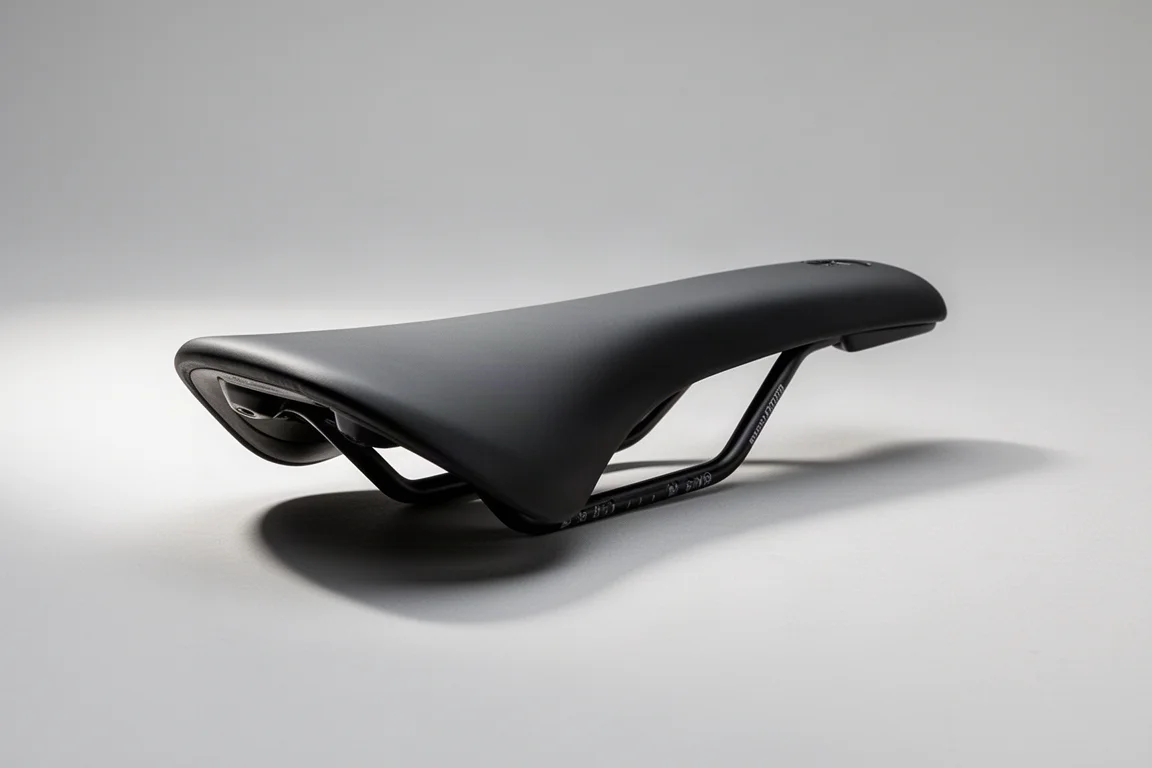
The Diva Lady is widely marketed as a women’s saddle, but the label is not the issue. The saddle is very, very soft, and that softness means the pelvis does not get much stability or support. It does have a reasonable pressure relief channel, but the nose is pronounced, which leads to frontal pressure where you do not want it. This is one of the models the fitting team regularly takes off bikes.
Specialized Mimic
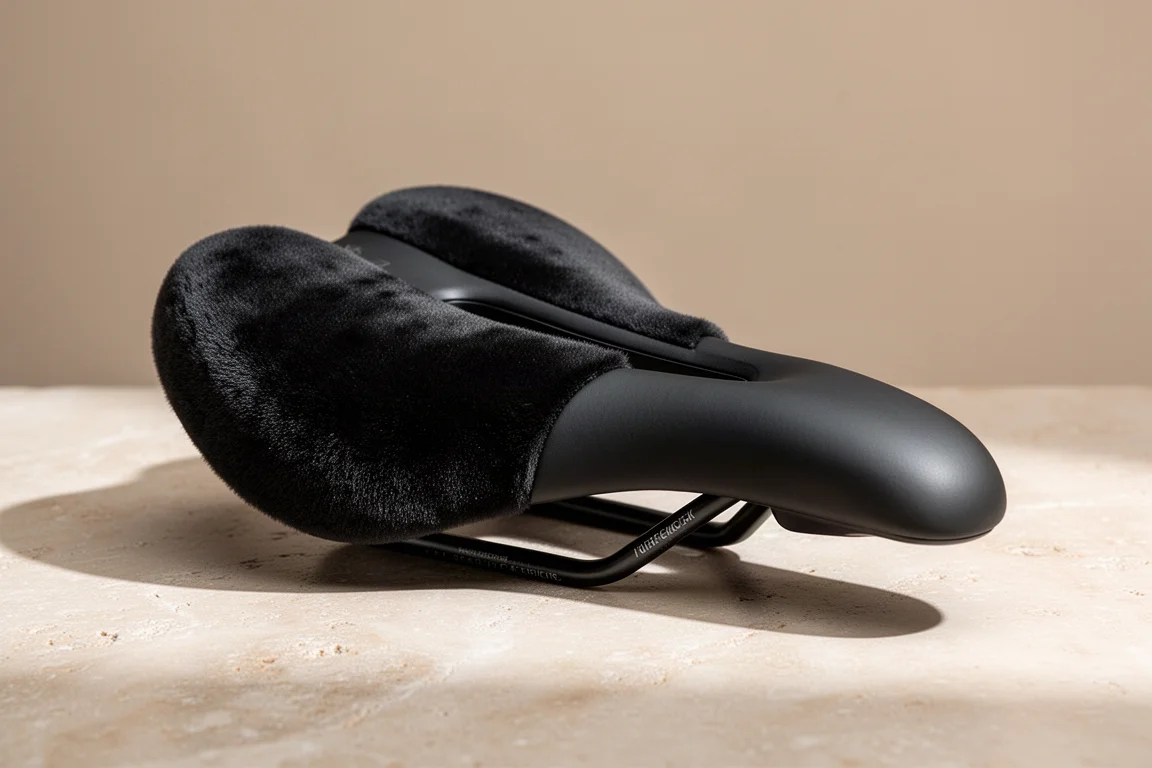
The Mimic takes the conventional Power and fills the pressure relief channel with a soft, squishy insert. That insert does not do much to actually relieve pressure, and the underlying shape still has the aggressive flare angle. Riders still get pushed forward, and the soft material does not fix the core problem. For most riders, it lands in the same category as the Power.
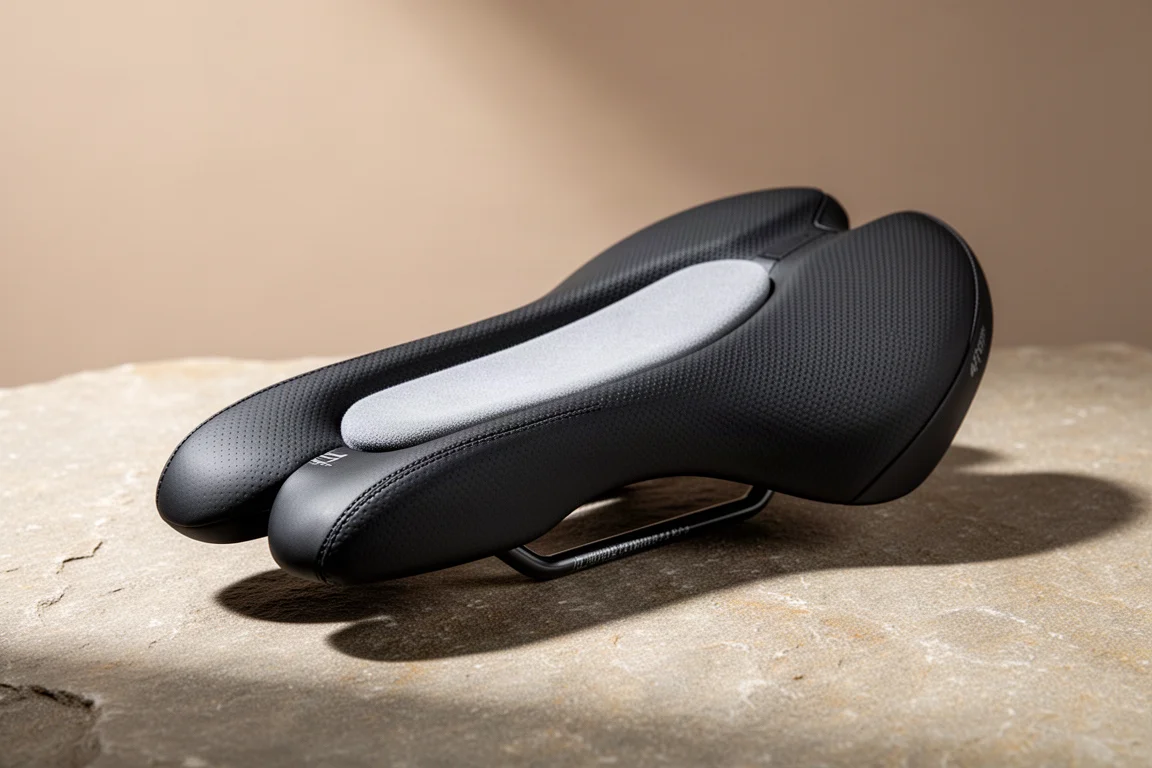
Pro Stealth
Pro is the component arm of Shimano, and the Stealth has been revised recently, though the changes are modest. It comes in 145mm and 152mm widths. The biggest problem is the width of the nose. When a rider sits in the correct position, further back on the saddle, the nose catches the inner thighs and causes chafing. Riders then start gravitating toward the front again. Any saddle that promotes a suboptimal interaction is hard to recommend.
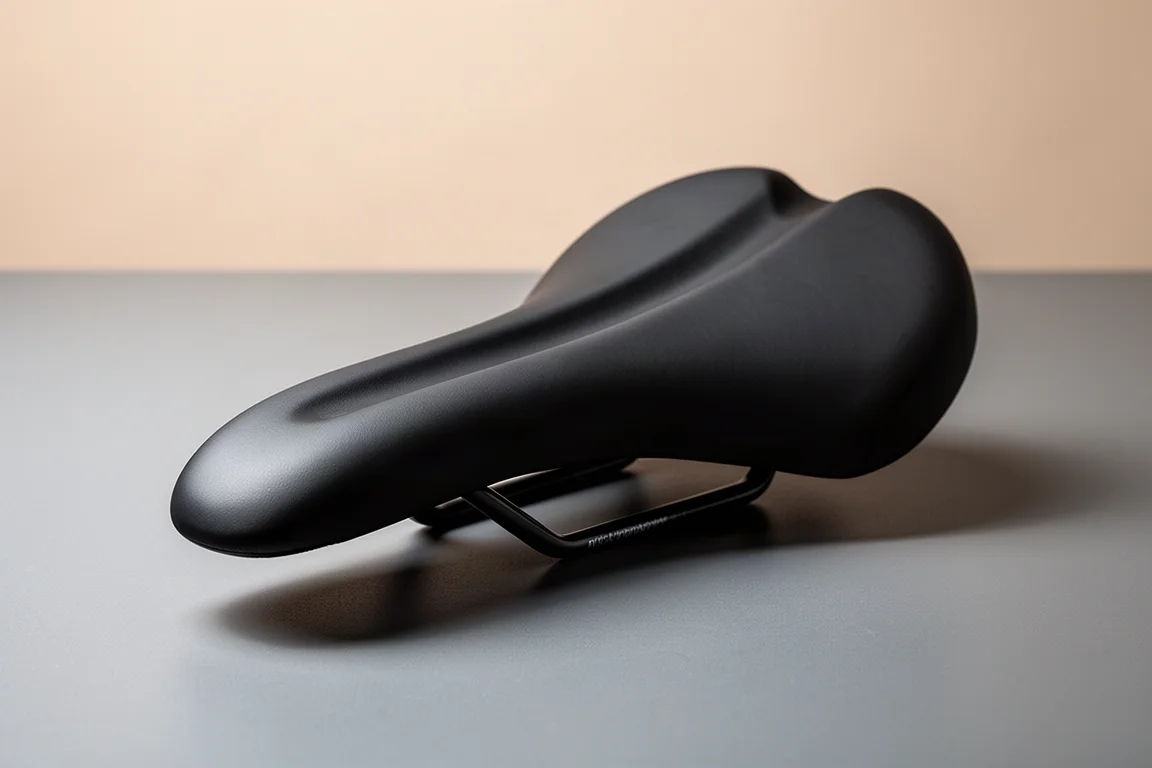
Fizik Arione
The Arione is a design from the early 2000s, and it shows. It is a very long saddle, which is its one real advantage: it allows a rider to sit in many different positions with reasonable comfort. That also means it can make a fairly poor bike position tolerable, at least until saddle sores develop. The shape tends to promote an asymmetric interaction with the saddle. It can be comfortable when placed precisely, but for most riders it feels dated.
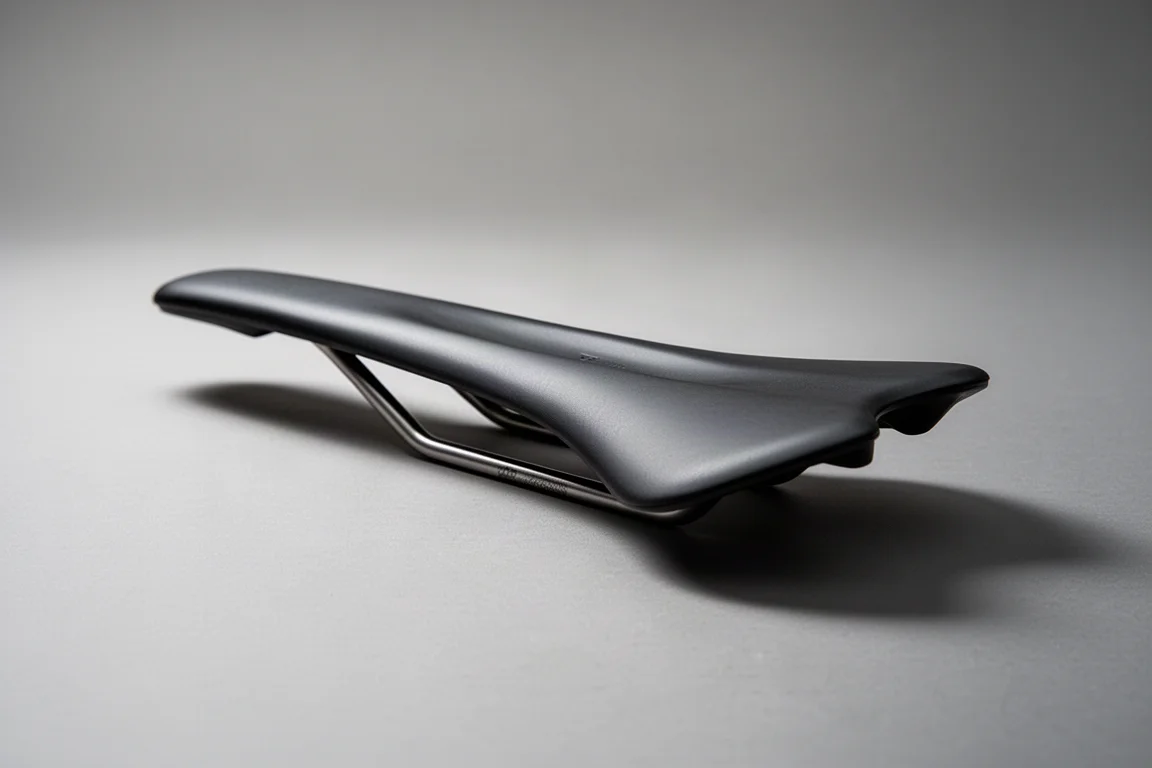
Specialized Power Mirror
The Power Mirror fixes part of the Power’s problem. When riders sit further forward, the nose is slightly wider, and the material is softer and better at relieving pressure. But the flare angle is still too great, and the design still feels too wide. Even the 143mm version, which is narrower than many saddles on this list, still creates the same symptom: riders catching their thighs on the wings. It is an improvement, but not a fix.
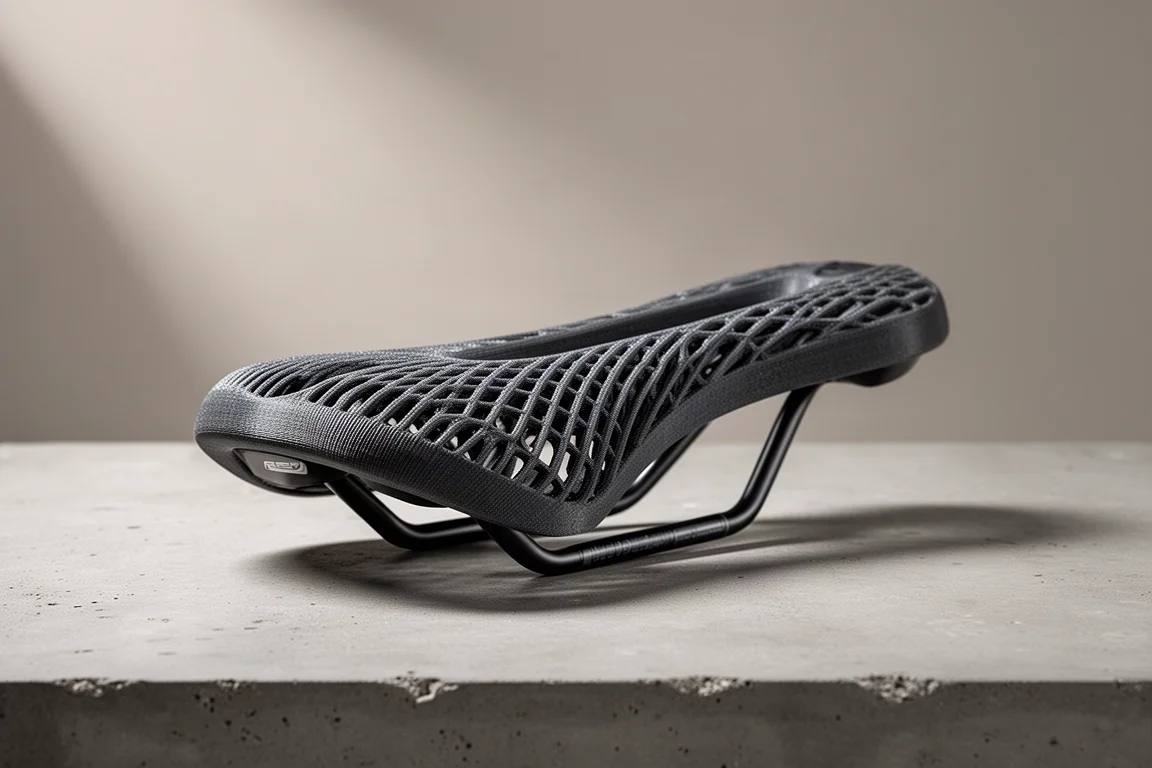
Fabric Scoop
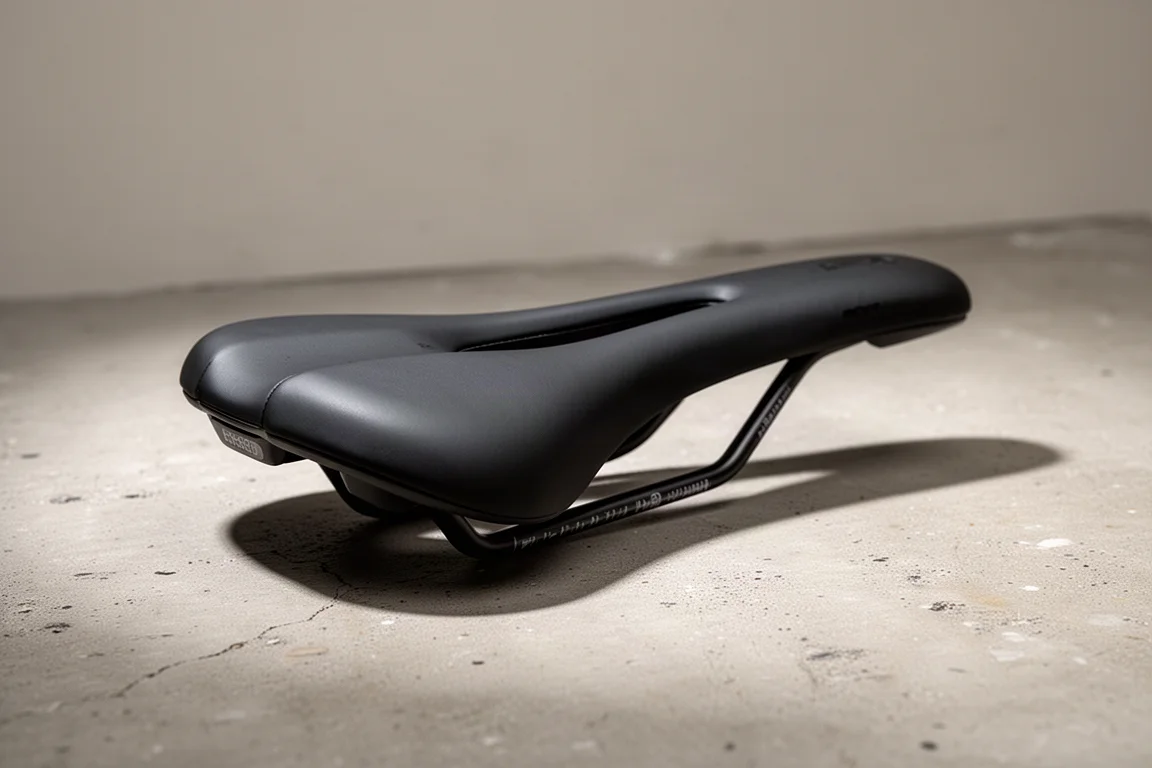
The Fabric Scoop came as original equipment on a lot of bikes, usually from the same brand family that includes Charge. It is available in flat, radius, and shallow profiles. The main issue is the lack of a pressure relief channel, with no cut-out in the middle. That tends to encourage an asymmetric interaction with the saddle, with riders sitting slightly skew or shifting to one side to ease pressure.
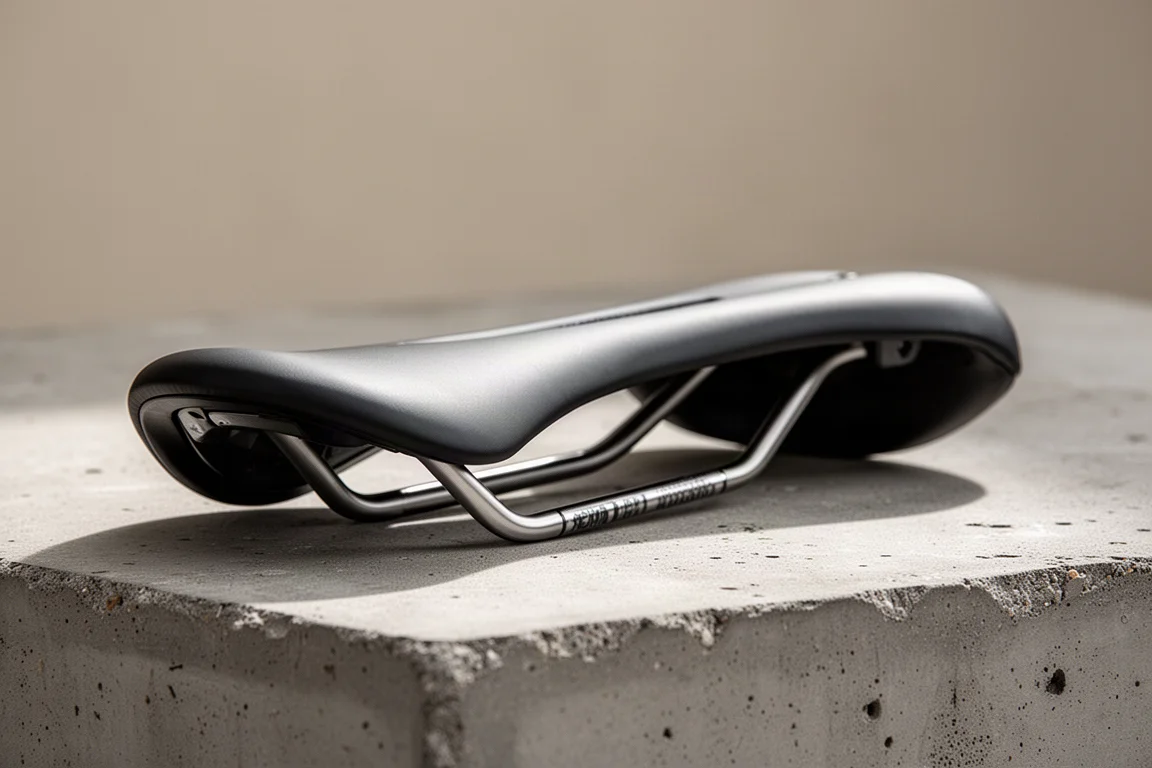
The shape itself is not terrible, and the build quality is decent for a saddle that typically costs around £50. It borrows from an older, well-known profile, but the missing relief channel keeps it out of the recommended tier for longer rides.
Solid Middle Ground
These saddles are not failures, but each carries a caveat that stops it from reaching the top tier. Some are excellent in specific positions or for specific riders, while others are held back by a single detail.
Pro Griffin Anatomic
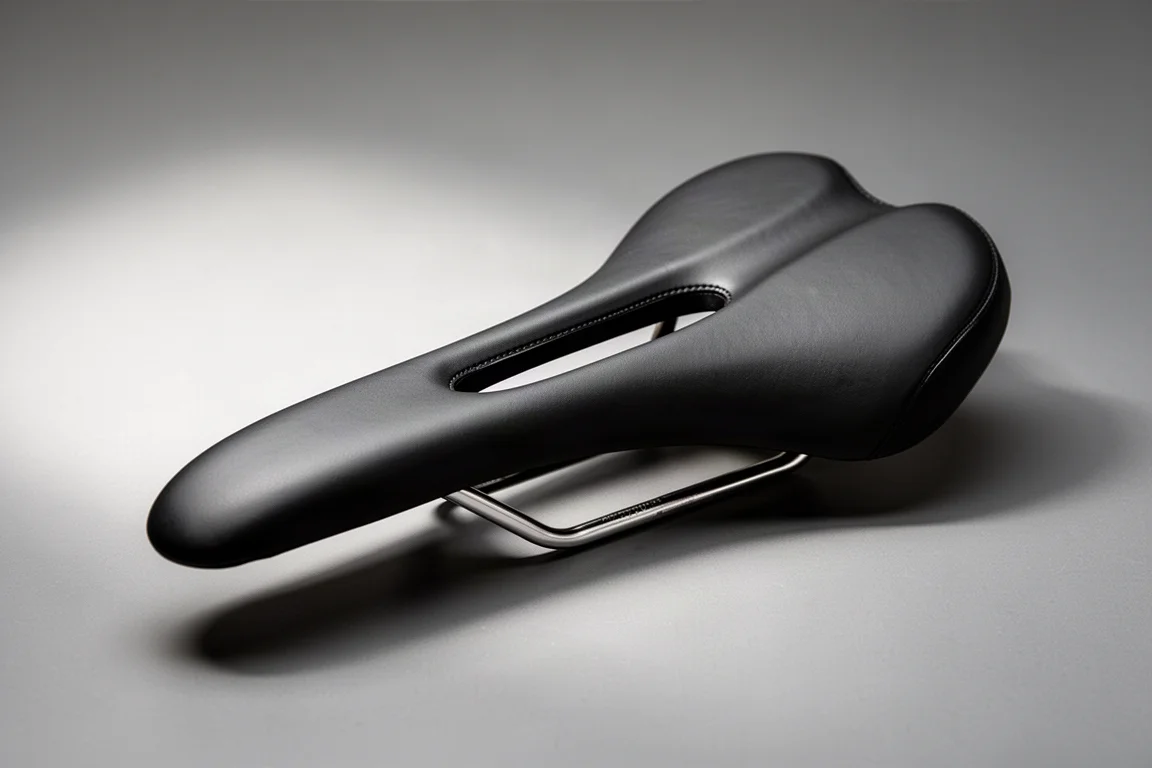
The Pro Griffin Anatomic is a traditional saddle in the best sense: reasonably long, nice and flat, with solid support and a decent amount of pressure relief. This version has gel padding, and the central cut-out is designed to relieve genital pressure. It is popular with riders who like having a nose and who want to move around on the saddle, which is a preference that stands out in the short-nose era. It earns a solid recommendation.
Pro Griffin Anatomic EVO
The EVO version costs roughly double and weighs about half as much. It also has a slightly larger pressure relief cut-out, which makes it easier to sit in the right spot, plus a carbon rail and a flashier base. If the Griffin shape works for you and weight matters, the EVO is the upgrade path. Both versions rate as genuinely good.
ISM PS1.1
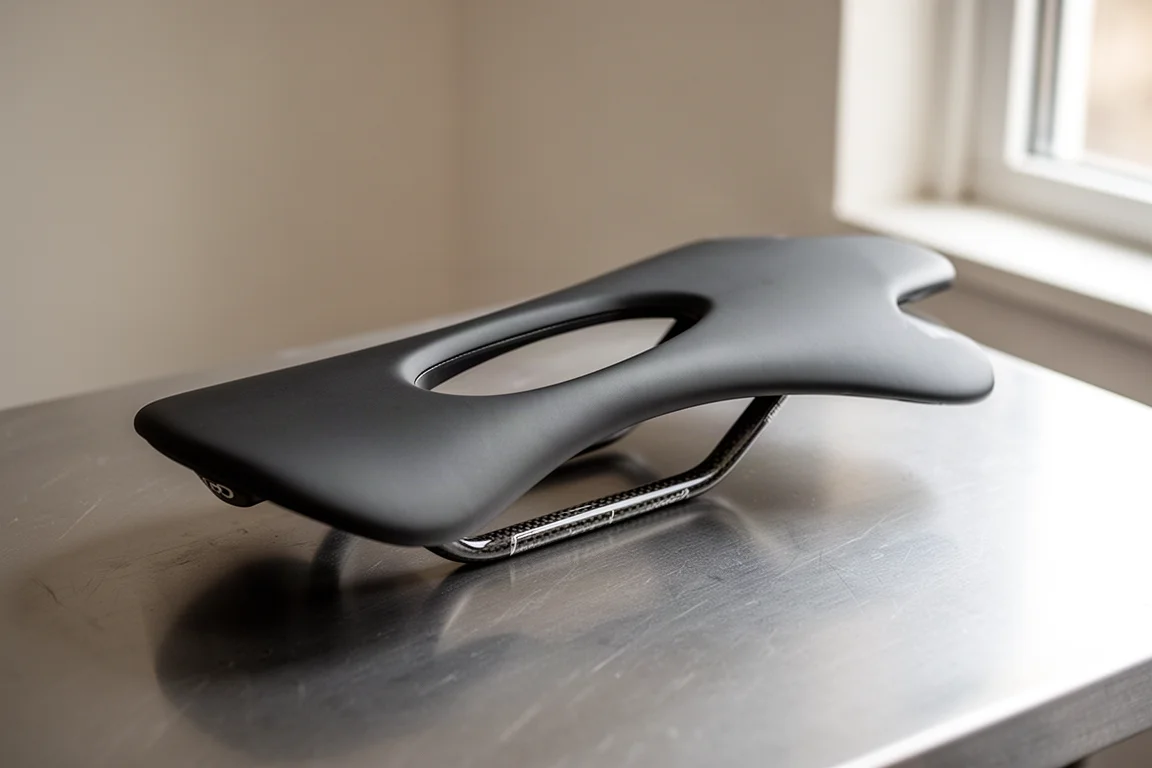
The ISM design, including the PS1.1, has little place on a road bike in the opinion of the fitting team. On a time trial or triathlon bike, the pelvic orientation is completely different, and these saddles make sense. On a road bike, they typically do not provide enough support for the pelvis, and that load has to go somewhere: the hands and feet. There is a strong correlation between these saddles on road bikes and excessive hand pressure, neck and shoulder issues, and hand numbness. A great triathlon saddle, but a poor road saddle.
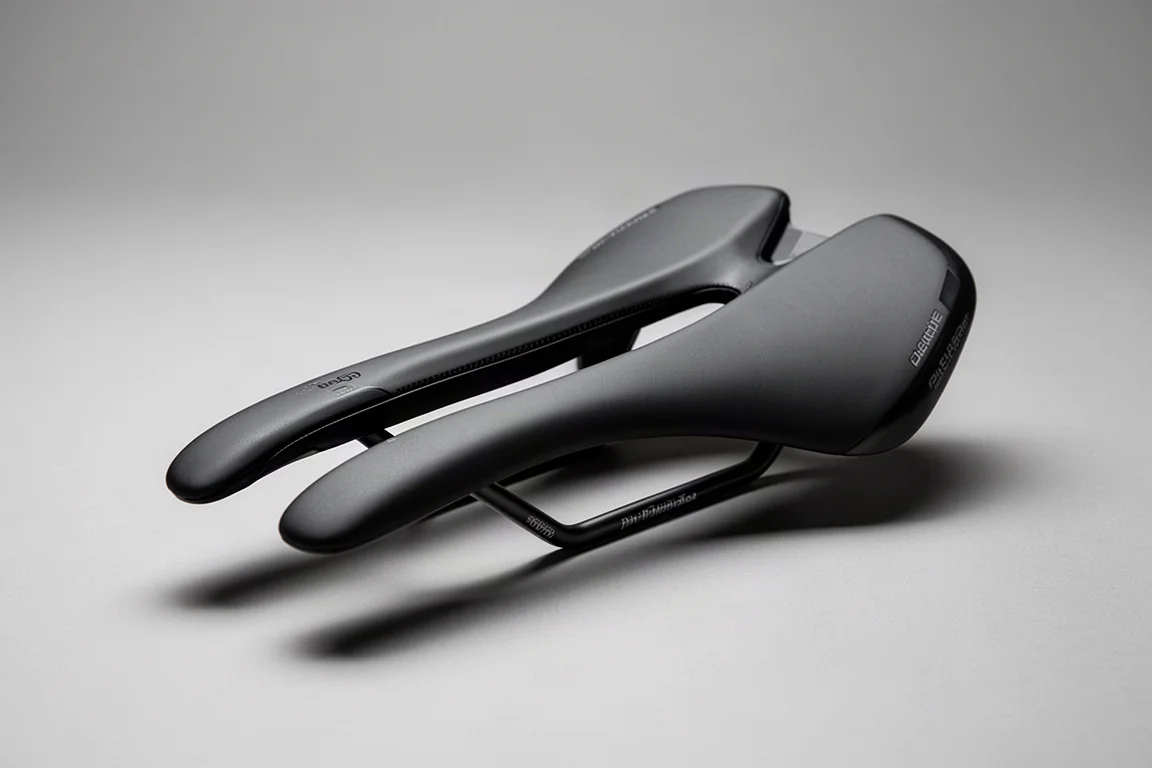
Fizik Vento Argo
The Vento Argo appears on many branded road bikes and has a very large pressure relief channel. The bigger problem is width, particularly on the 150mm version, where riders interact with the wings too much, similar to the Power issue. It is not a terrible saddle: the relief channel is good, there is a reasonable flat area for the sitbones, and rail adjustment is generous.
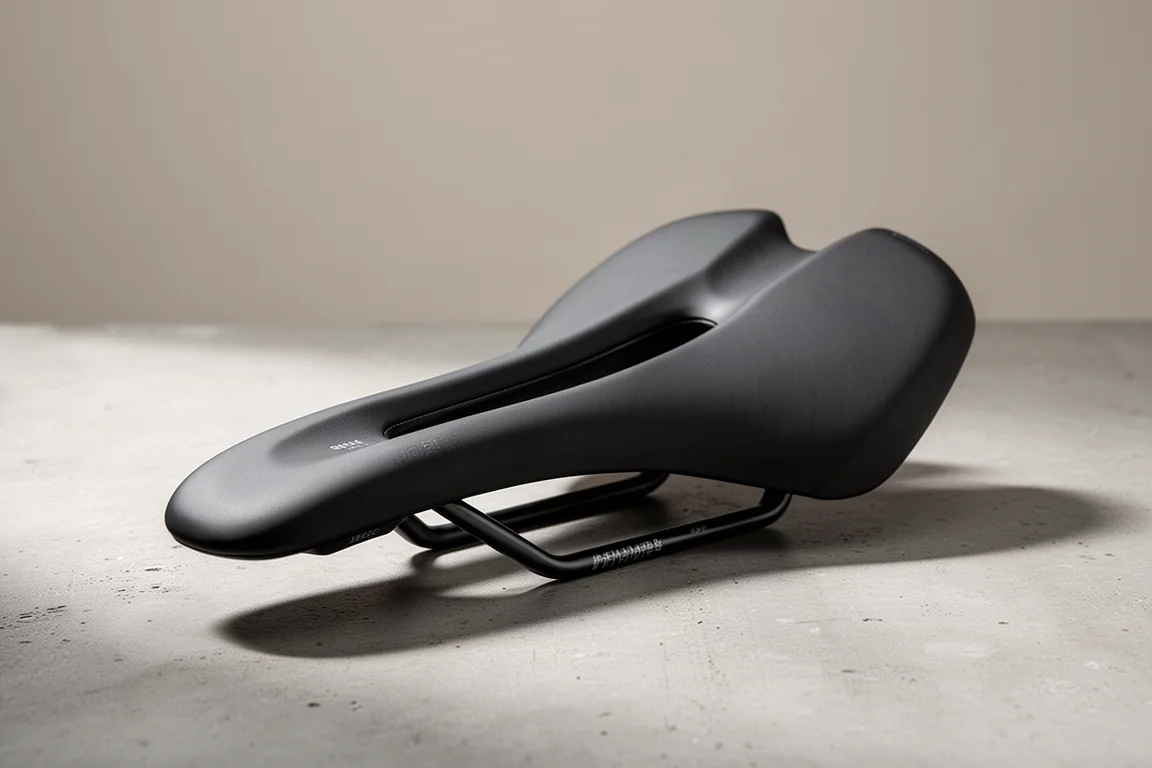
Ergon SR
The Ergon SR comes from an ergonomics company, and it shows. The orthopedic foam upper, the reasonable pressure relief channel, and the flat profile all add up to a solid all-rounder. The channel is not completely cut out, but that does not appear to be a problem in practice.

The main drawback reported by some riders is that the nose feels a little wide. It comes in steel, titanium, and carbon rail versions, and in two widths. The smaller size sells significantly more, but larger riders have found the bigger option works well.
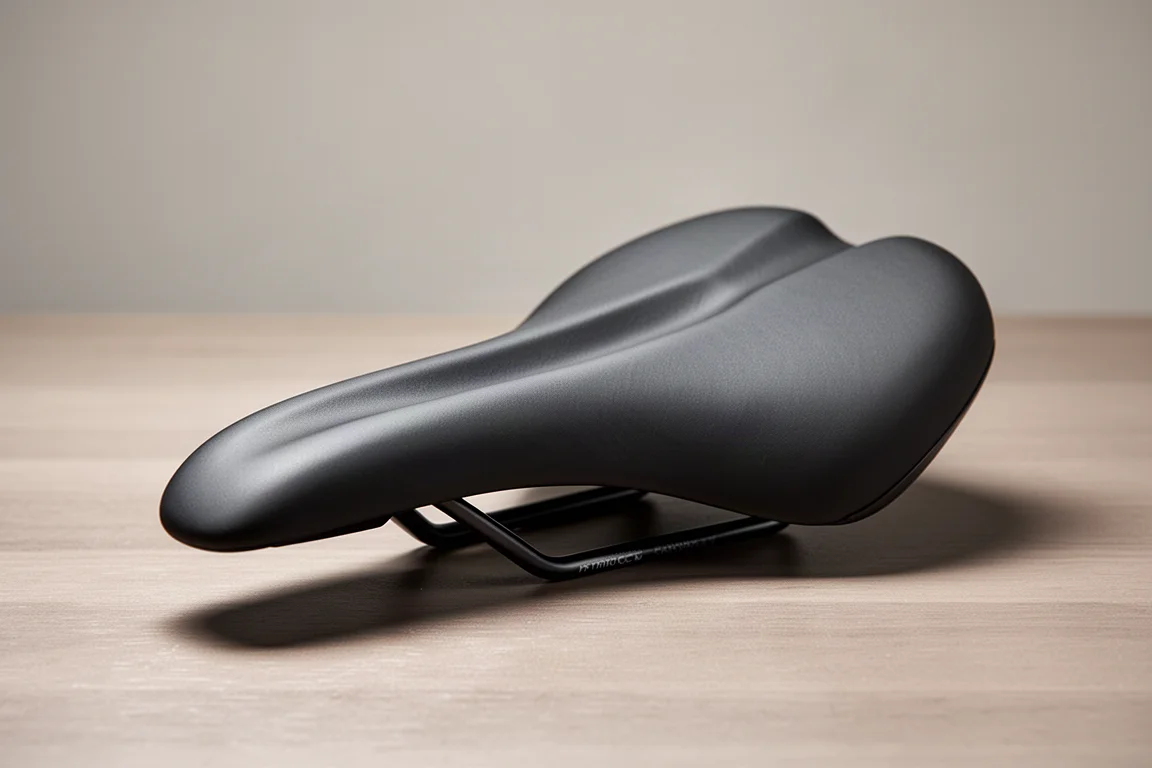
Selle Italia SLR Boost S3 3D
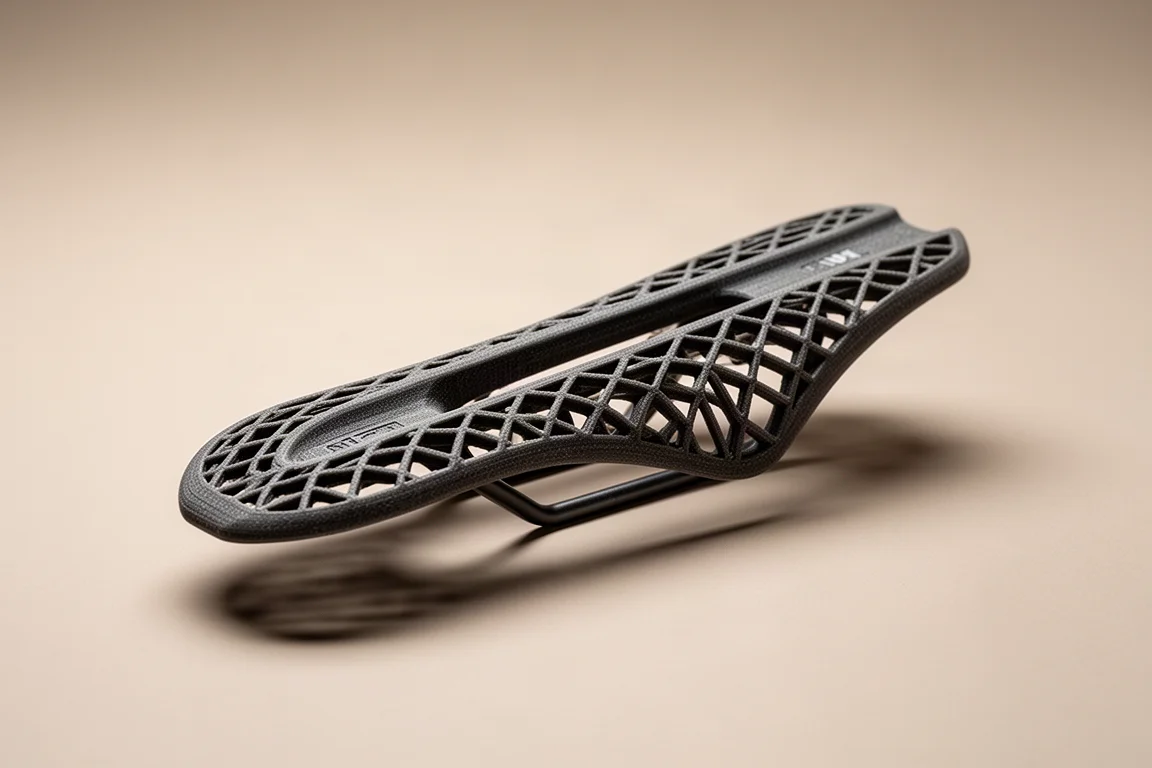
In contrast to the Specialized 3D printed saddles, which significantly reduced sitbone pressure, the 3D printed version of the SLR Boost is less impressive. Riders can feel the lattice work through their shorts, and in back-to-back testing most preferred the conventional build. Some riders do like it, but it lands in the pretty good category rather than the top.
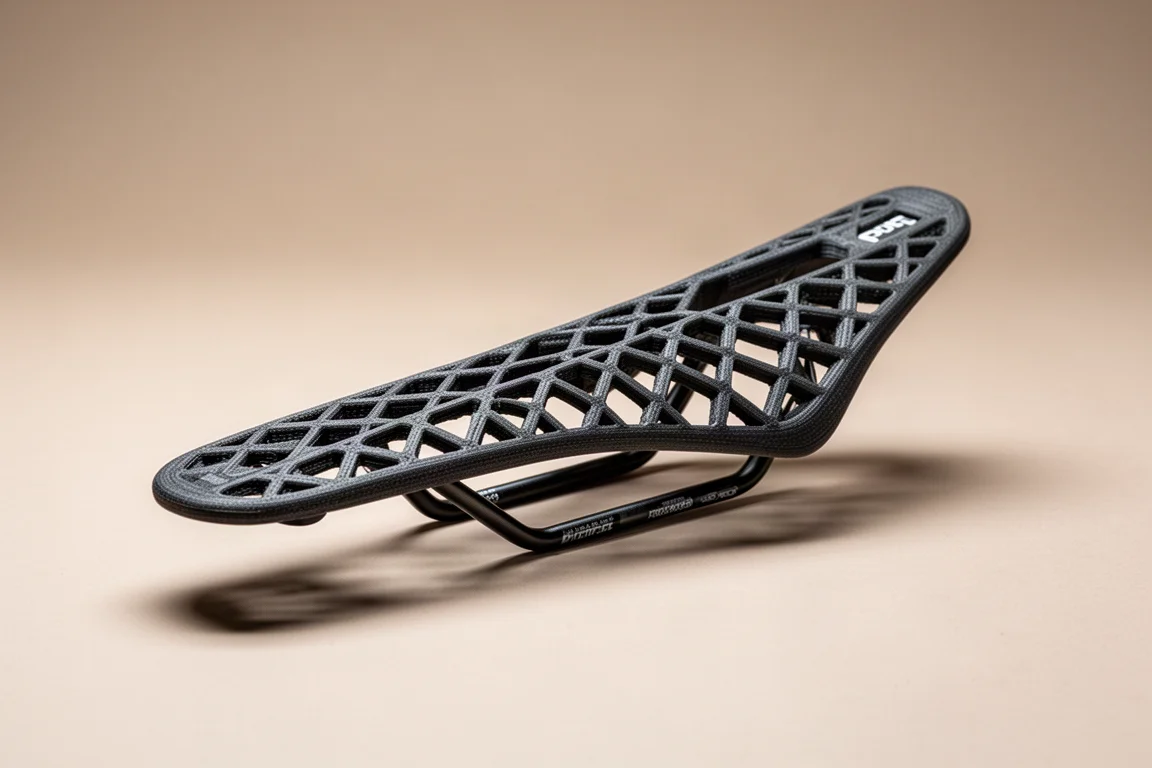
Selle Italia Advan
The Advan is the latest Selle Italia update and looks more modern. It is significantly better made than the earlier budget SLR Boost iterations, which had a nasty tendency to creak. This one feels like a much more premium product for about £5 more. The catch is the ridges in the shell, which a number of riders have reported feeling. This is a relatively new model, only out for six to nine months, and field reports are still coming in. It works for some riders, but the previous iteration is still preferred.
Top Tier Saddles
These are the models the fitting team consistently rates highest, whether because of shape, pressure mapping performance, or simply because they disappear under the rider.
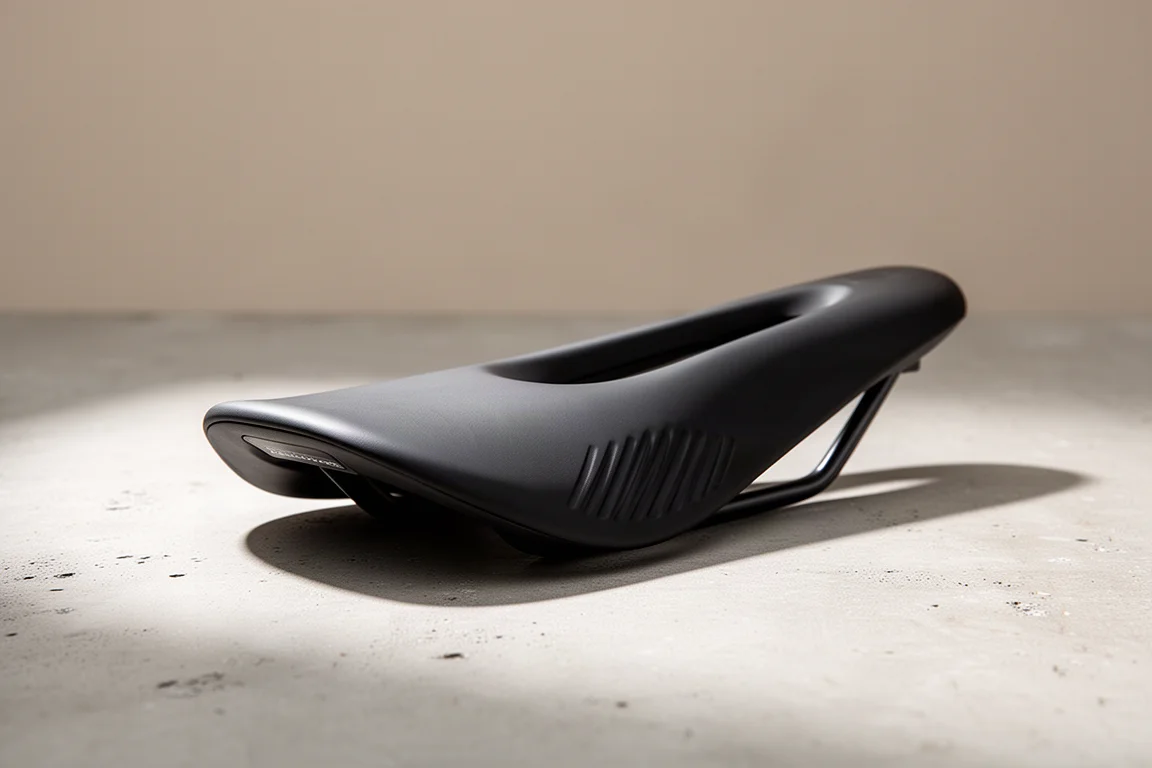
Ergon SR Women’s
The Ergon SR Women’s is particularly good for female riders because the pressure relief channel is shifted slightly further forward. The upper uses orthopedic foam, and the saddle comes in two sizes. The flat rear surface promotes good sitbone engagement. Pricing starts around £100, which is notable when other saddles here cost more than £400. It is a proper recommendation for women, and the fitting team also fits it to men, often after removing the women’s decal.
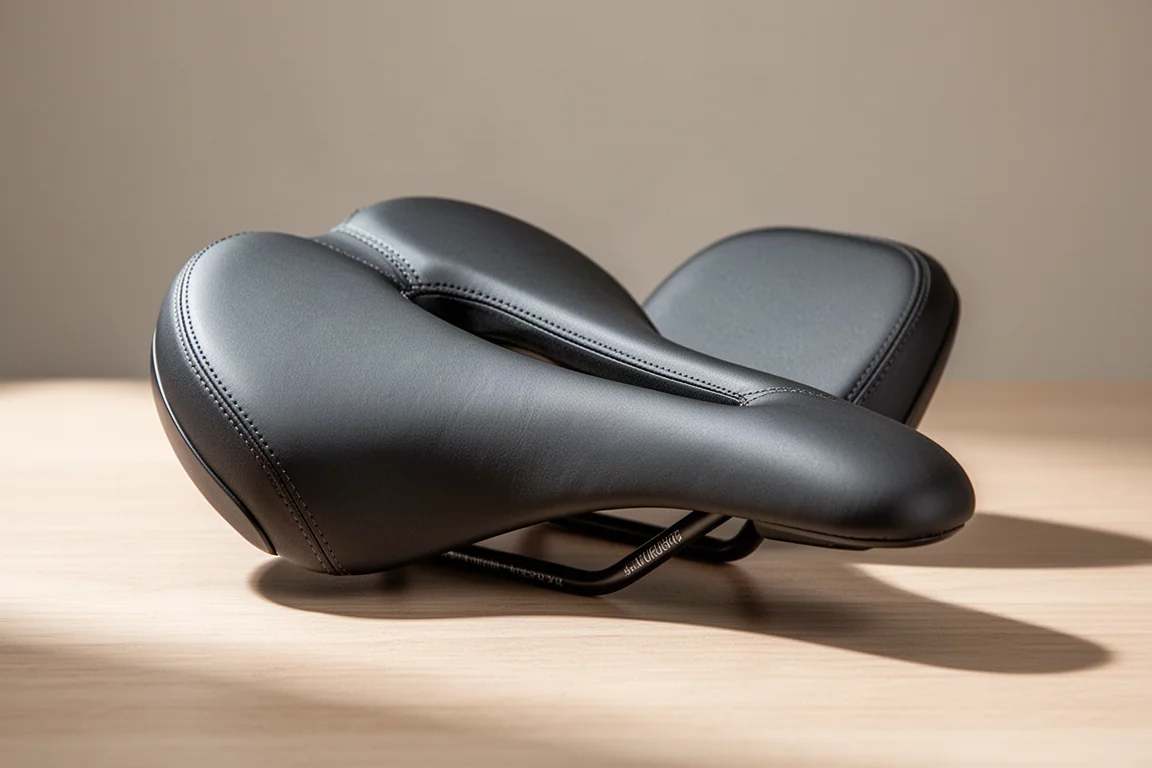
Berkel Pina Short Fit
The Berkel Pina Short Fit is handmade in Slovenia and comes in 132mm and 145mm widths, with the narrower version far more popular. It is extremely light, around 80 grams, and at roughly £250 that represents very good value. The construction uses carbon fiber rails and a carbon hull with minimal padding. There is a reasonable amount of flex and a nice chamfer to the nose, which helps reduce sitbone and soft tissue pressure. It is a strong alternative to the Selle Italia SLR Boost.
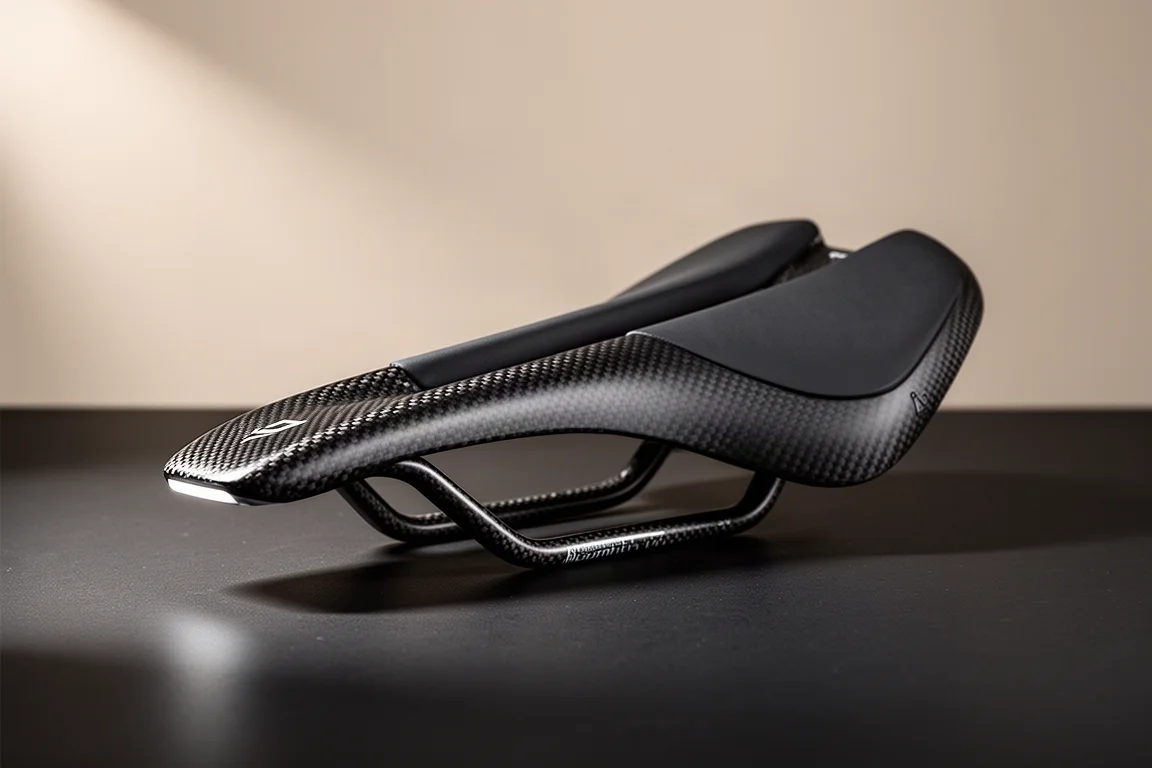
Specialized Power Evo
The Power Evo looks like the result of a brand listening to fit feedback. It is significantly narrower, the flare angle has disappeared, and it has a 3D printed lattice upper. In pressure mapping group tests, it came out on top, and it is probably one of the best saddles on the market. It should be, at over £400, but the price is the only real barrier.
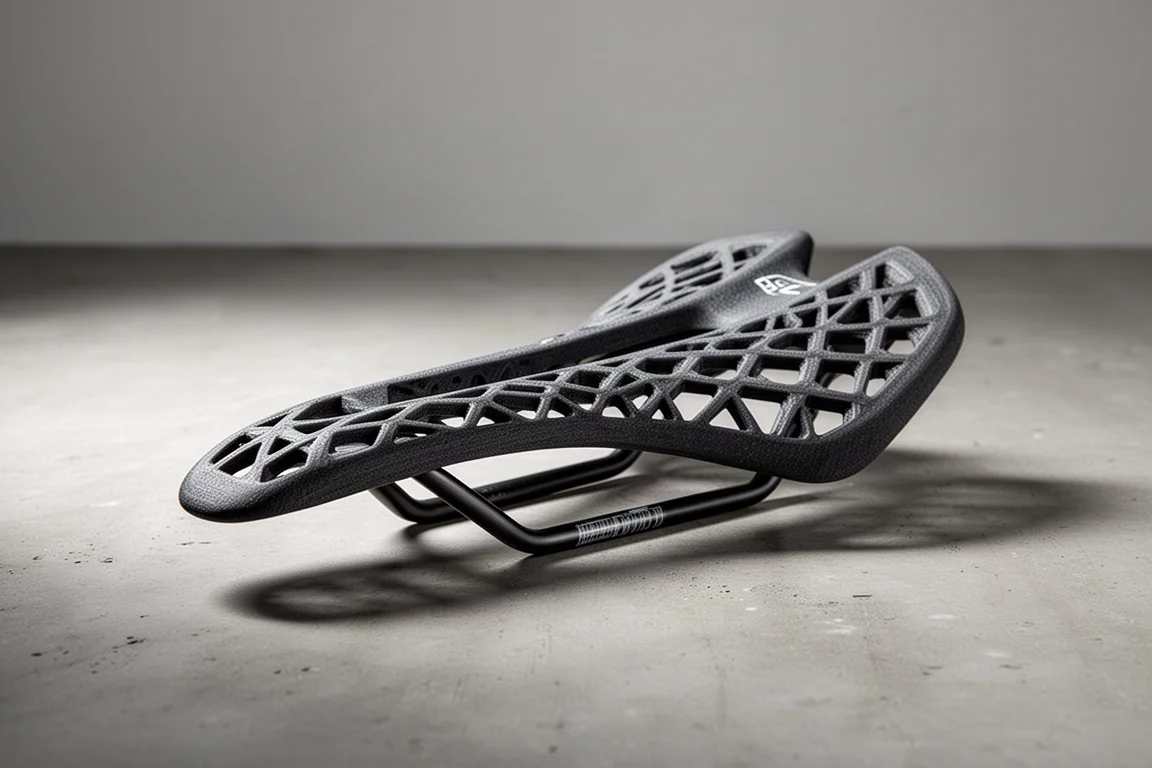
Specialized Romin Mirror 143
The Romin Mirror 143 brings back a shape that has been around for years and was missed when it disappeared. The 3D printed lattice upper is excellent, and in group pressure mapping it ranked near the very top. At around £200 it is not cheap, but it did an excellent job of reducing sitbone pressure. It is one of the irritating truths that 3D printed saddles tend to cost more than conventional builds, despite the automated production, but the performance here is hard to argue with.
Selle Italia SLR Boost S3
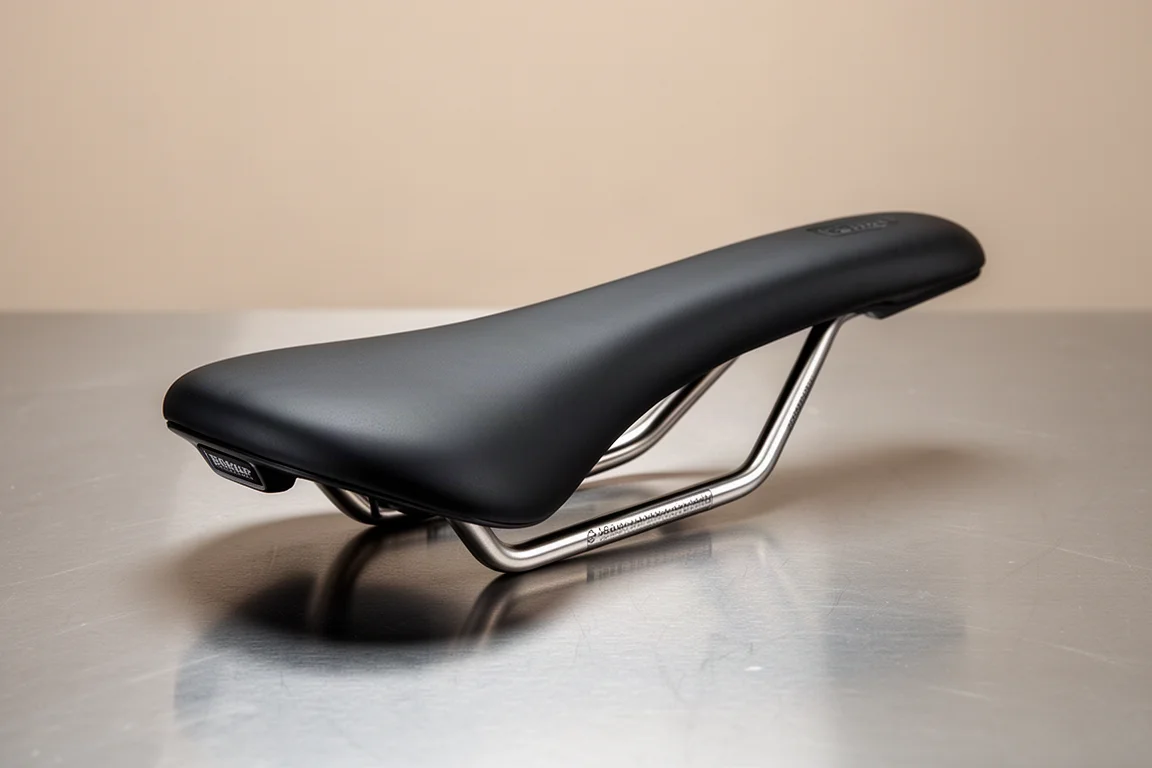
The SLR Boost S3 is a long-standing favorite. The Endurance version shown here has a gel padding upper and titanium rails, though that iteration may be phased out. This is a fantastic saddle. The key is that it is very narrow, which promotes a more rearward interaction with the saddle. Instead of being forced onto the nose, the rider takes up the full width of the saddle and gets more support. Riders who hated it often had a position problem rather than a saddle problem.
Overall Buying Advice
The pattern across these rankings is simple: width and flare angle matter more than padding, and the nose of the saddle should never force a rider forward. Look for a profile that lets you sit on your sitbones, a pressure relief channel placed where you actually need it, and a length that matches how much you move around on the bike.
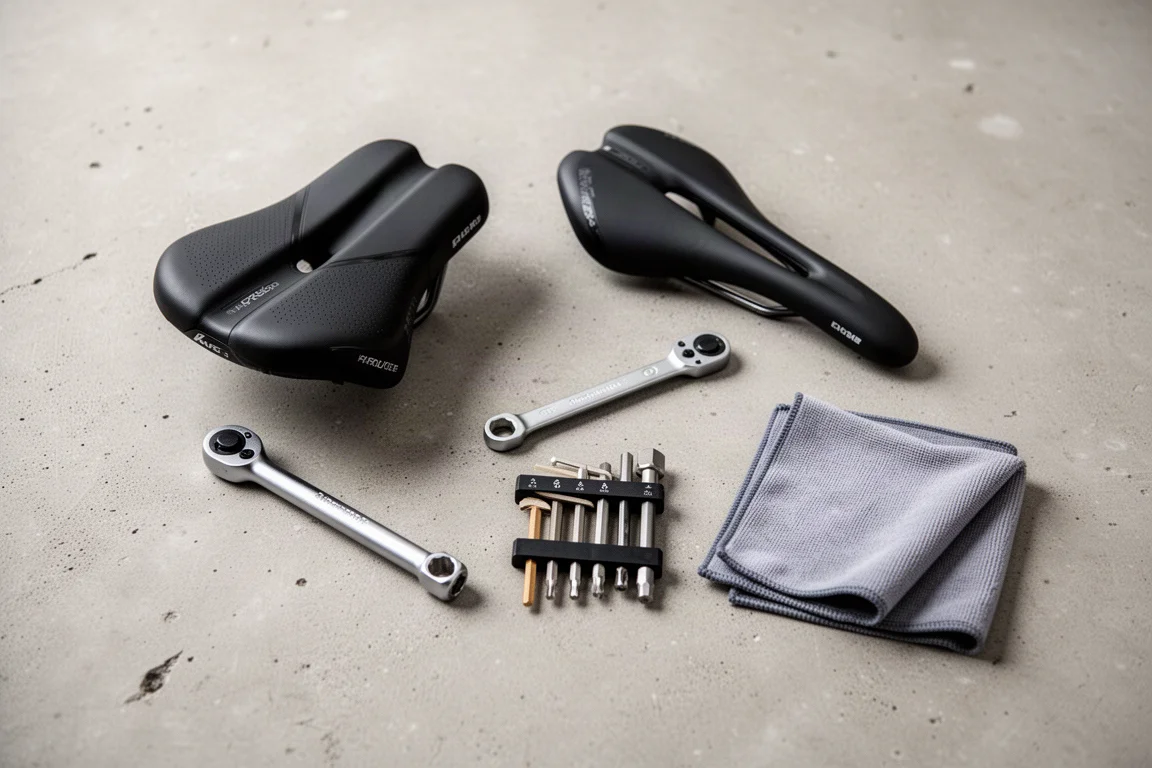
The top-tier saddles share a few traits: a narrower overall shape, a well-executed pressure relief design, and an upper that manages pressure without being overly soft. The good news is that strong options exist at very different price points, so a higher price tag is not automatically the deciding factor. The best approach is still a proper fitting, with the saddle tested in the position you actually ride.
Conclusion
No saddle works for everyone, but most riders fall into predictable patterns, and those patterns show up clearly across thousands of fittings. The models in the top tier earned their place through shape, pressure mapping results, and real-world riding. The ones at the bottom of this ranking share predictable flaws that fitting data keeps confirming. If you are shopping for a saddle, start with width and shape, test in your actual riding position, and treat padding as a secondary concern rather than the main event.
Further reading
Related Reviews
Bike Saddles
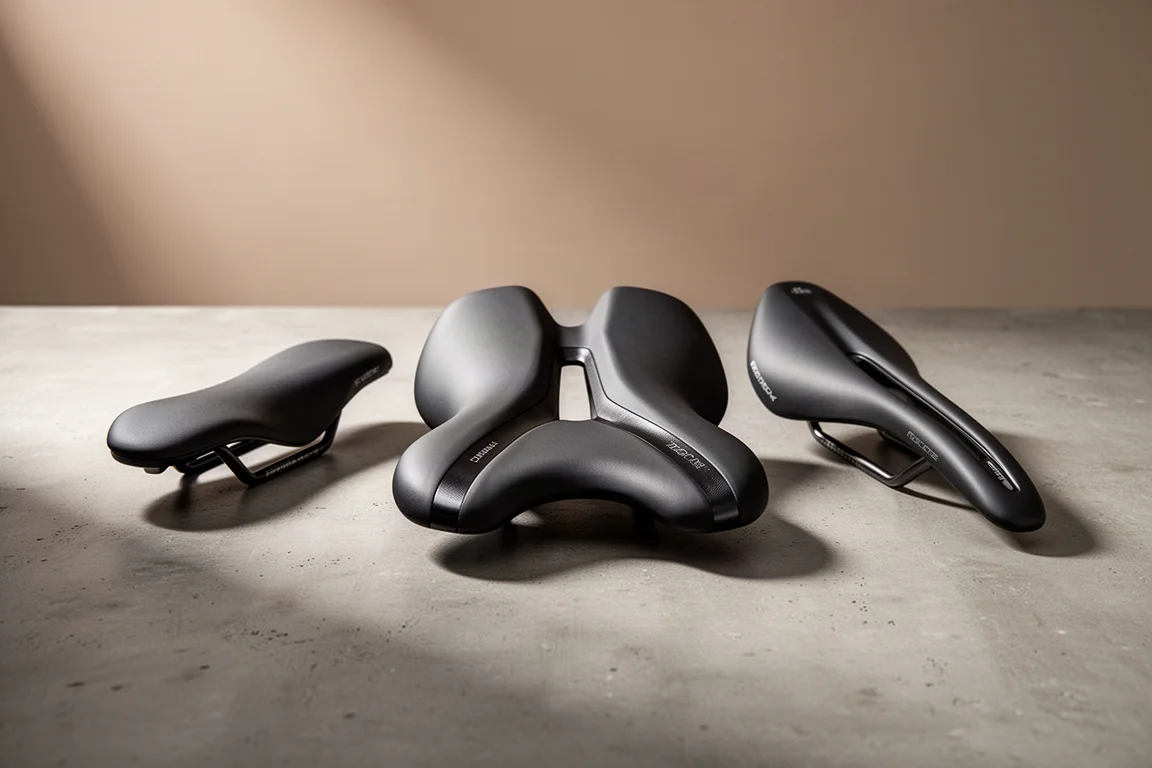
Best Road Bike Saddles for Comfort: Four Shapes Worth Trying
Short nose, narrow, flat or wide: how saddle shape changes pressure on the bike, and four road saddles worth testing before you buy.
Bike Saddles
Bike Saddle Comfort Guide: Shape, Width, and Fit Explained
Saddle comfort depends on shape, width, padding, and position. Three saddles show how short-nose, channel-relieved, and narrower designs behave in practice.
Bike Saddles
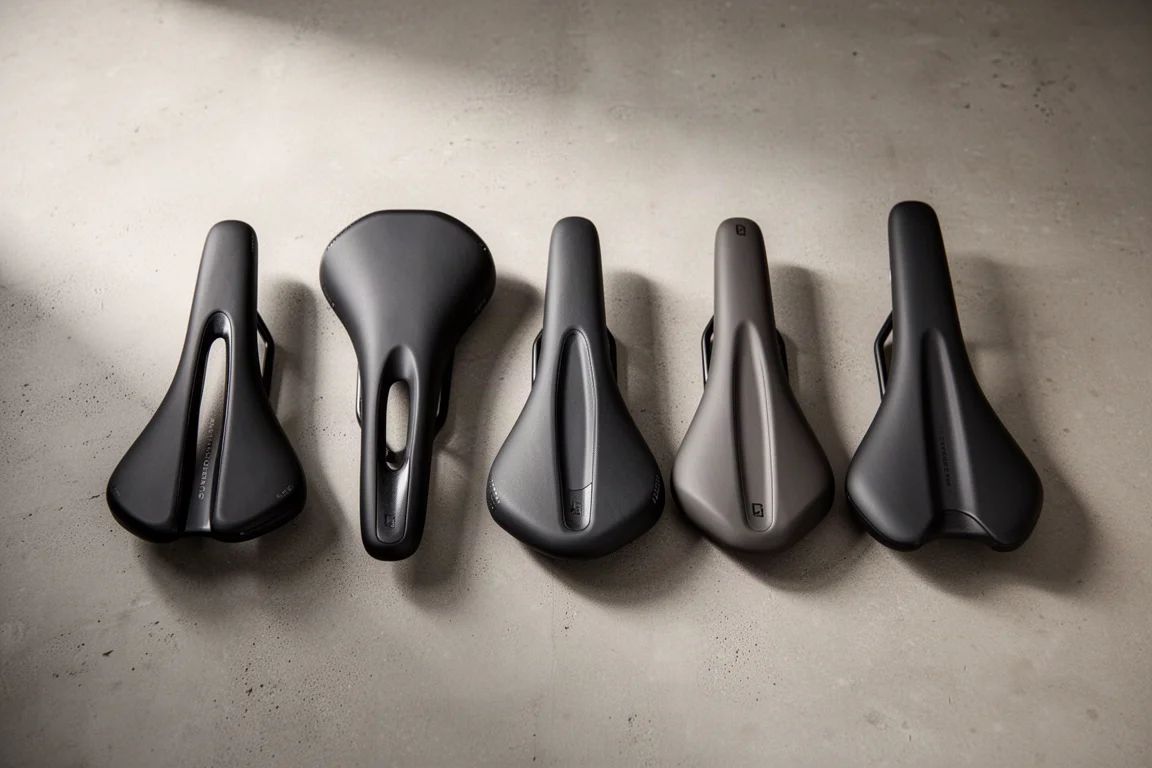
Bike Saddle Width Compared: What Nine Saddles Reveal About Comfort
Nine road saddles from Selle Italia, Specialized and PRO, compared by width, pressure distribution and pelvic stability to see whether wider really means more comfortable.