Bike Saddles
Bike Saddle Width Compared: What Nine Saddles Reveal About Comfort
Nine road saddles from Selle Italia, Specialized and PRO, compared by width, pressure distribution and pelvic stability to see whether wider really means more comfortable.
Introduction
Saddle width is one of the most argued-about numbers in cycling. The assumption sounds simple: wider means more support, and more support means more comfort. A pressure-mapping comparison of nine road saddles, covering widths from 135 mm to 168 mm across three brands, suggests the reality is considerably more complicated.
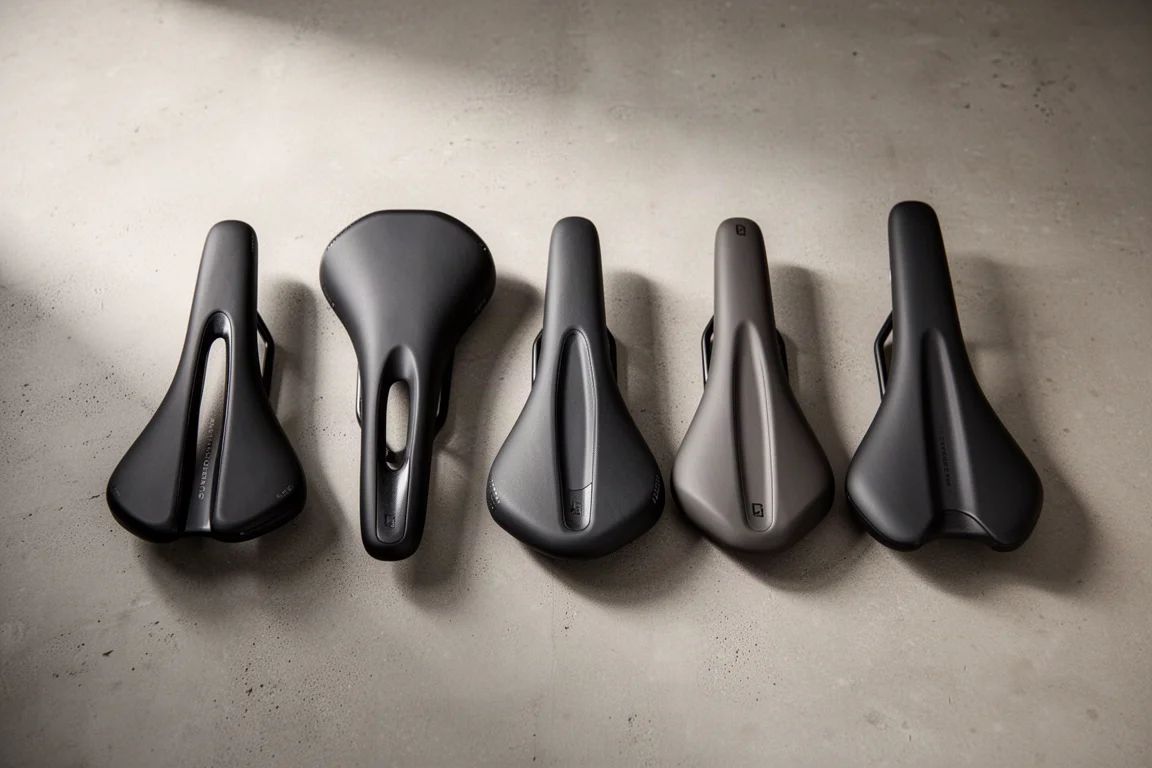
The saddles compared were the Selle Italia SLR Boost in 135 mm and 145 mm, the Specialized Power in 143 mm, 155 mm and 168 mm, the PRO Griffon in 142 mm and 152 mm, and the PRO Turnix in 142 mm and 152 mm. Pressure mapping was used to look at how load is distributed across the saddle, how stable the pelvis stays while pedalling, and how much weight ends up on the hands.
The short version: as the saddles got wider, comfort and pelvic stability generally got worse rather than better.
How Saddle Width Was Assessed
Pressure mapping records how a rider’s weight is spread across the saddle surface, and it is the same method used in professional bike fitting sessions. A strong result shows two distinct zones of pressure, one under each sit bone, a reasonable balance between left and right, and a stable pelvis.
There is no target number to chase. A heavier rider applies more pressure than a lighter one, so absolute figures are not comparable between people. What matters is the relative picture: how evenly load is shared between the left and right side, and how much the pelvis moves while pedalling. On the map, the mean pelvic movement line indicates overall stability and also hints at pelvic orientation.
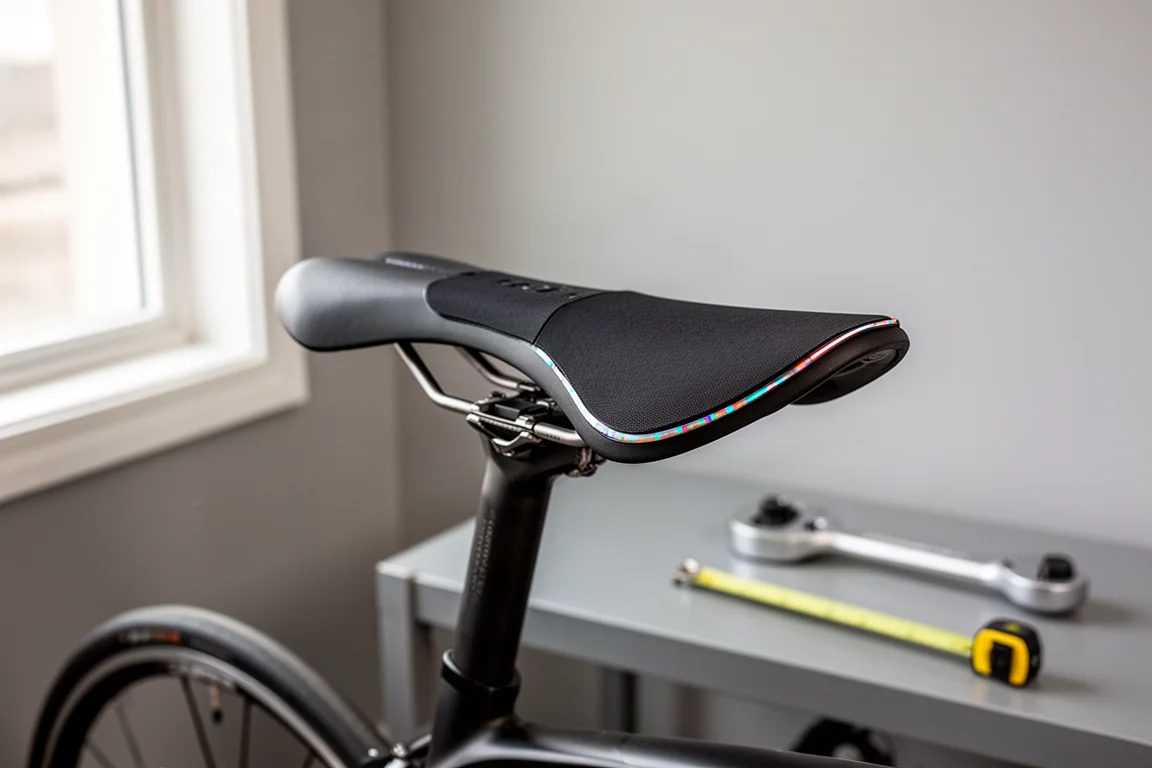
Two things the map cannot show are also worth remembering. It does not register the saddle wings clipping the inside of the legs, and it does not register how much weight is resting on the hands. Both turned out to matter a great deal in this comparison, and both changed the conclusion that the raw numbers alone would suggest.
Setup adds another layer. Saddles differ in the distance from the centre of the rail to the top of the saddle, so saddle height needs to be measured before a swap and re-measured afterwards. Tilt should stay the same, and rail angles vary between models, which makes home experimentation harder than it looks. A bike fit is the more reliable starting point.
Selle Italia SLR Boost: Narrow and Wide Options
Selle Italia’s SLR Boost uses a short-nose shape, and the two widths compared here sit at opposite ends of the brand’s range: 135 mm and 145 mm.
Selle Italia SLR Boost S3 (135 mm)
The 135 mm SLR Boost S3 produced close to a perfect left-to-right distribution, with a reasonable balance between the two sides and solid pelvic stability. In terms of what a pressure map is meant to look like, this was the benchmark of the group.
It also ranked as the most comfortable saddle of the nine. The narrow profile leaves the legs free through the pedal stroke, which matters on a short-nose design where the wings sit further forward.
Selle Italia SLR Boost L3 (145 mm)
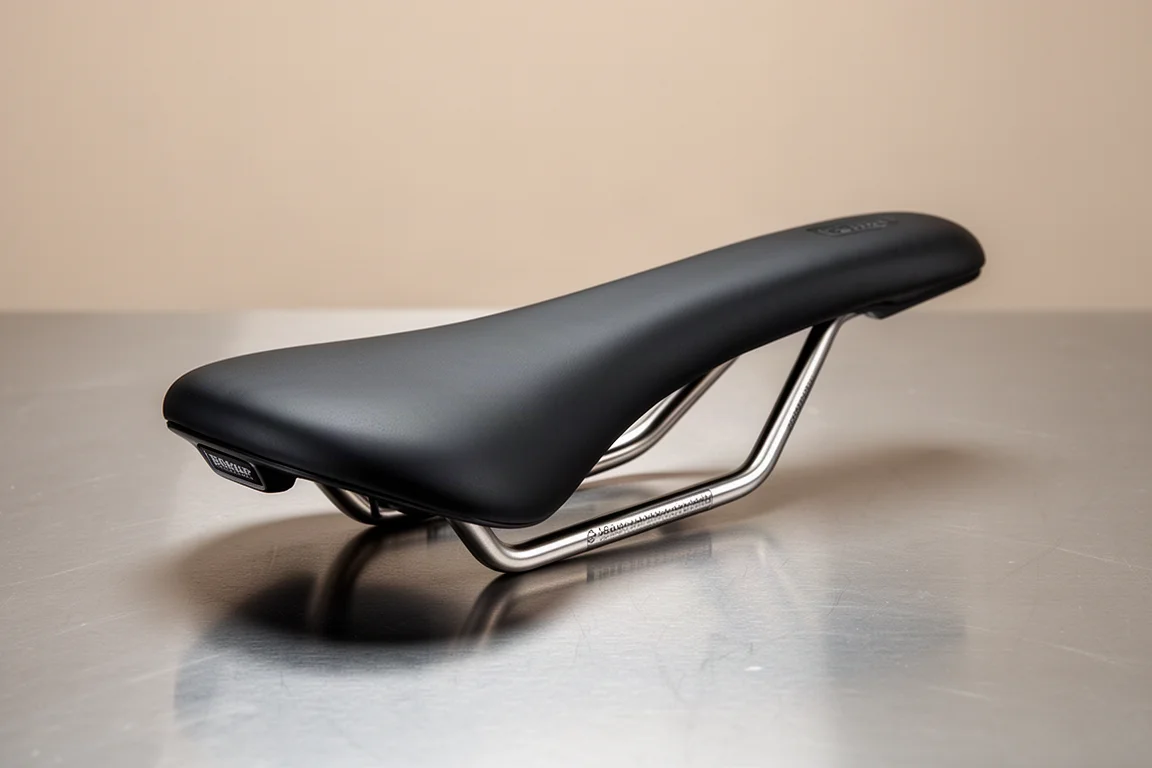
The 145 mm SLR Boost L3 is the widest saddle Selle Italia makes, yet it is still narrower than the narrowest options from most other brands. It is also the base level version of the model, less padded than the endurance variant.
The left-to-right balance stayed the same, which is expected: pressure is force divided by surface area, so a larger contact area lowers the reading. That lower number does not mean more comfort. In practice the wider body caught on the inside of the legs, which was tolerable over a short spell but looked likely to become a problem over longer rides. Weight on the hands was broadly unchanged from the 135 mm version.
Specialized Power: Three Widths Compared
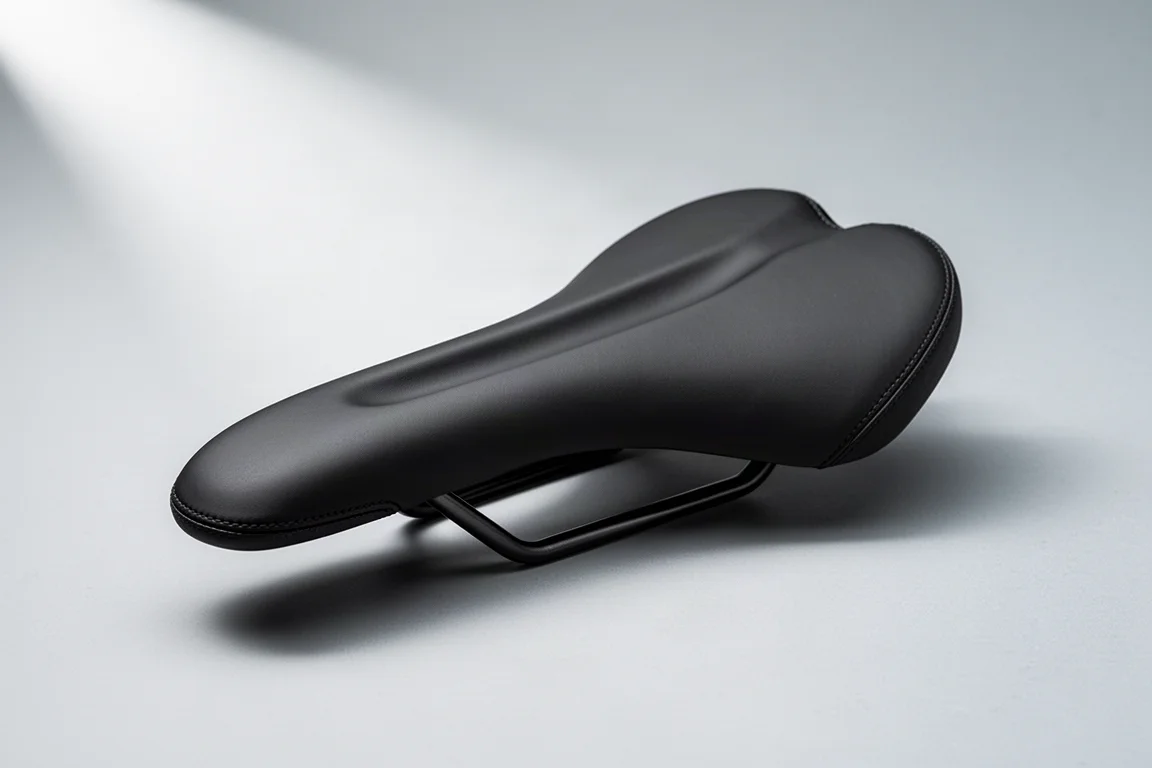
The Specialized Power is a short-nose saddle, and it was compared at 143 mm, 155 mm and 168 mm. It was also the most expensive family in the group, and the widest option raised a separate question about who these widths are actually intended for.
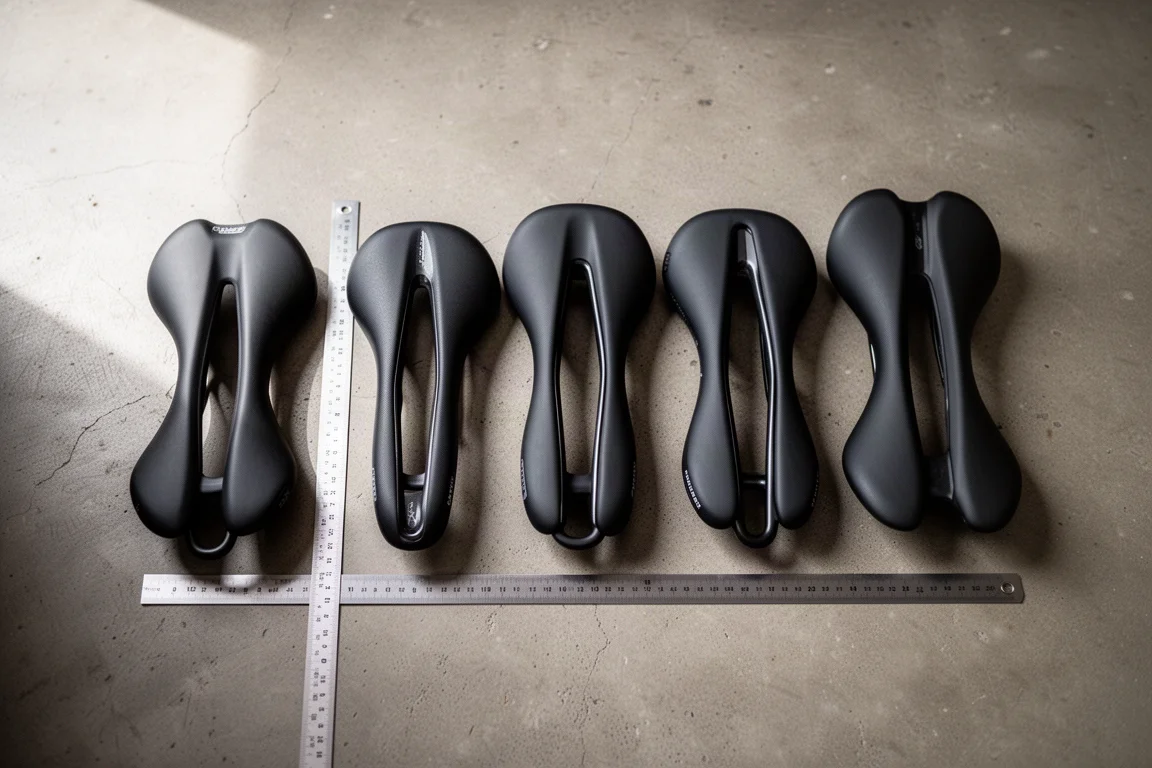
On complete bikes, the smaller the frame size, the wider the saddle tends to be. That is an odd pairing, because a smaller frame usually goes to a smaller rider with a smaller pelvis, and a 168 mm saddle is a very wide perch for that rider.
Specialized Power 143
The 143 mm Power added noticeable weight on the hands and caught the leg as it passed through the bottom of the pedal stroke. The pressure map showed roughly 15 percent more load on the left side than the right, with more pressure concentrated at the nose. A second reading taken from a properly seated position pushed the imbalance closer to 20 percent, but riding that way was not possible because the width cut into the legs. Moving forward for clearance produced the imbalance instead.
That pattern is a common one: riders drift toward the nose of a saddle to get their legs clear of the width. A 130 mm version of the Power is said to exist in some markets, but it is not available in the UK.
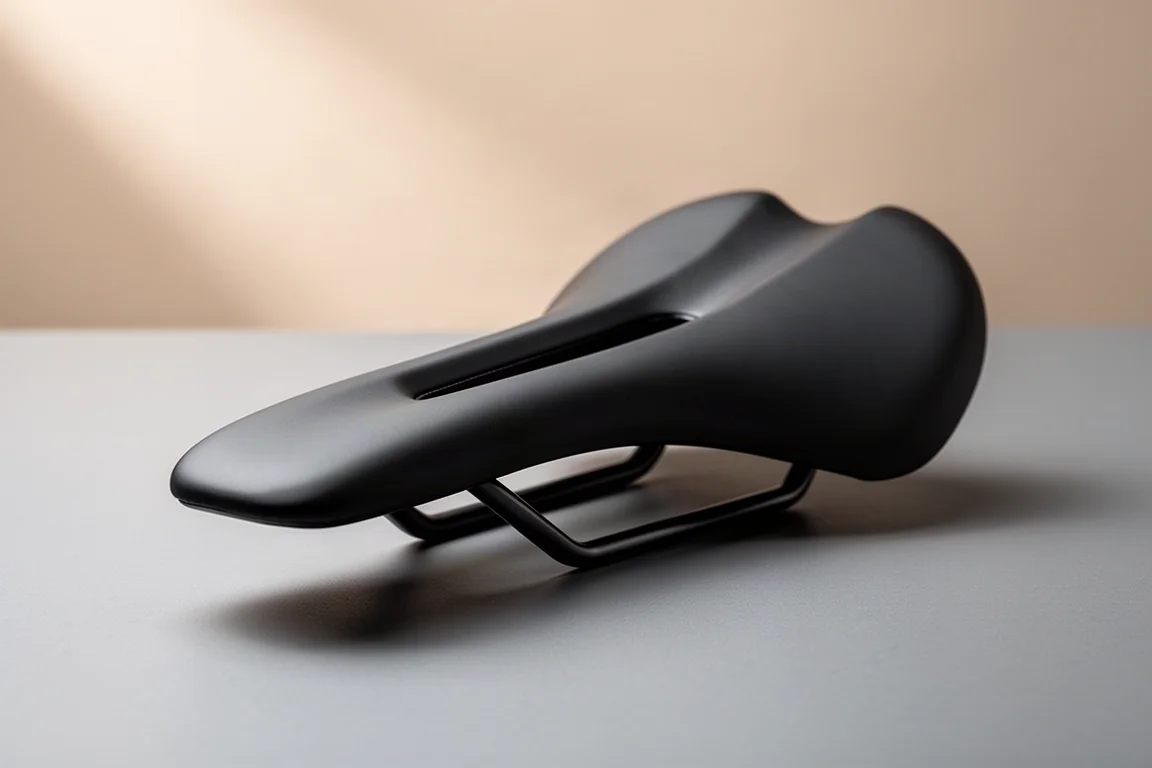
Specialized Power 155
At 155 mm the picture got worse. The saddle contacted the leg down the middle of the thigh, and the pressure map showed reduced pressure alongside reduced pelvic stability. A wider saddle is not automatically a more stable one: the mean pelvic movement line grew longer, and a longer line means less stability.
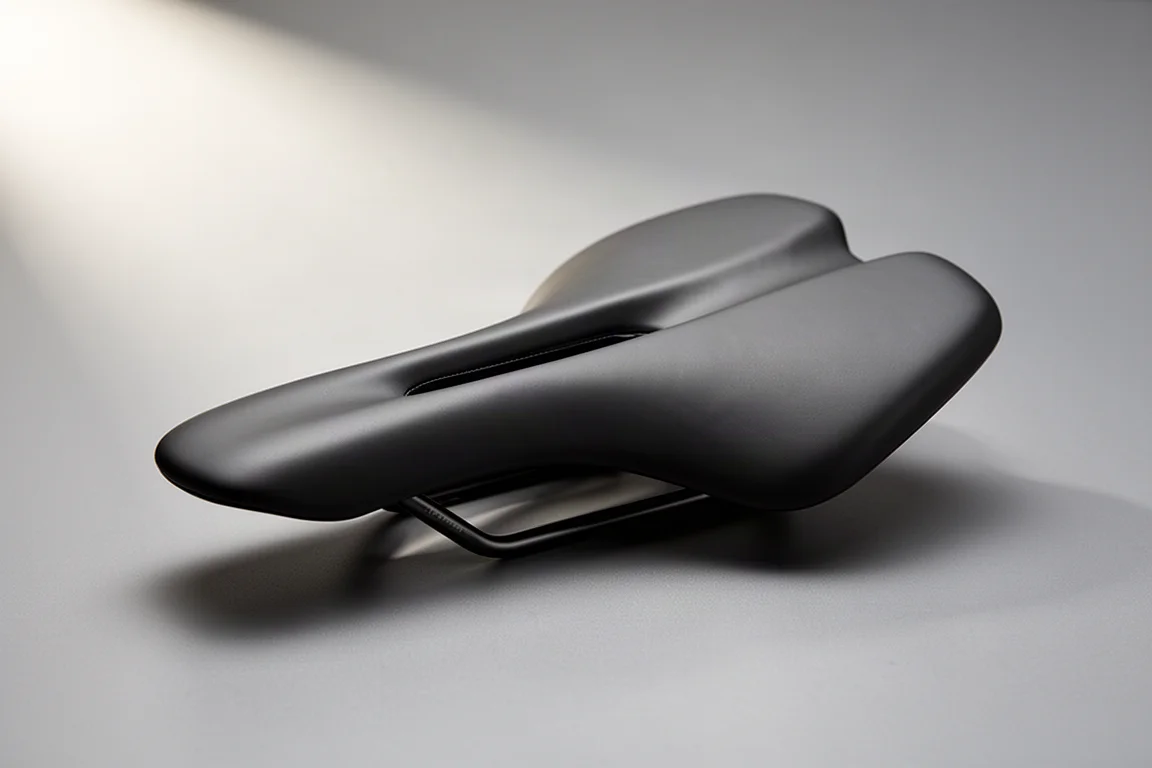
Specialized Power 168
The 168 mm Power put noticeably more weight on the hands and created a sense of sliding off the front. Pressure shifted forward and increased both at the sit bones and at the nose. Across the three widths, the trend was consistent: more width, less stability, less comfort, more weight on the hands.
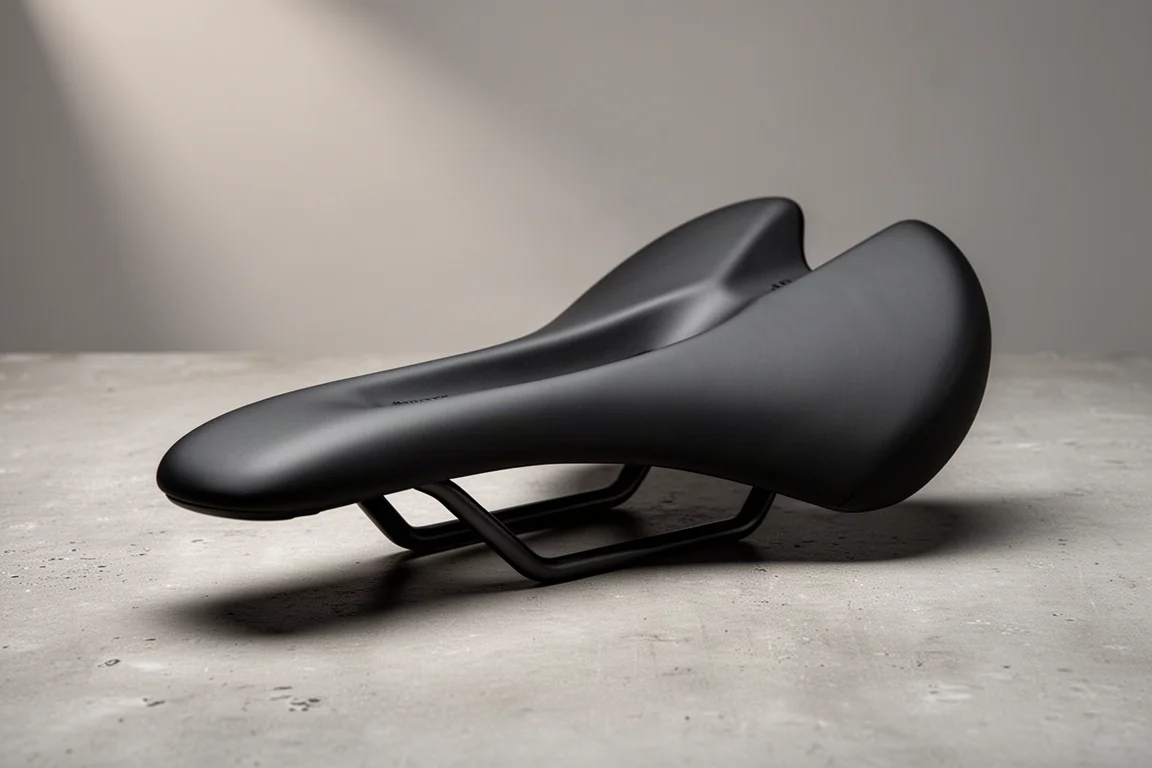
PRO Griffon: The Flatter Profile
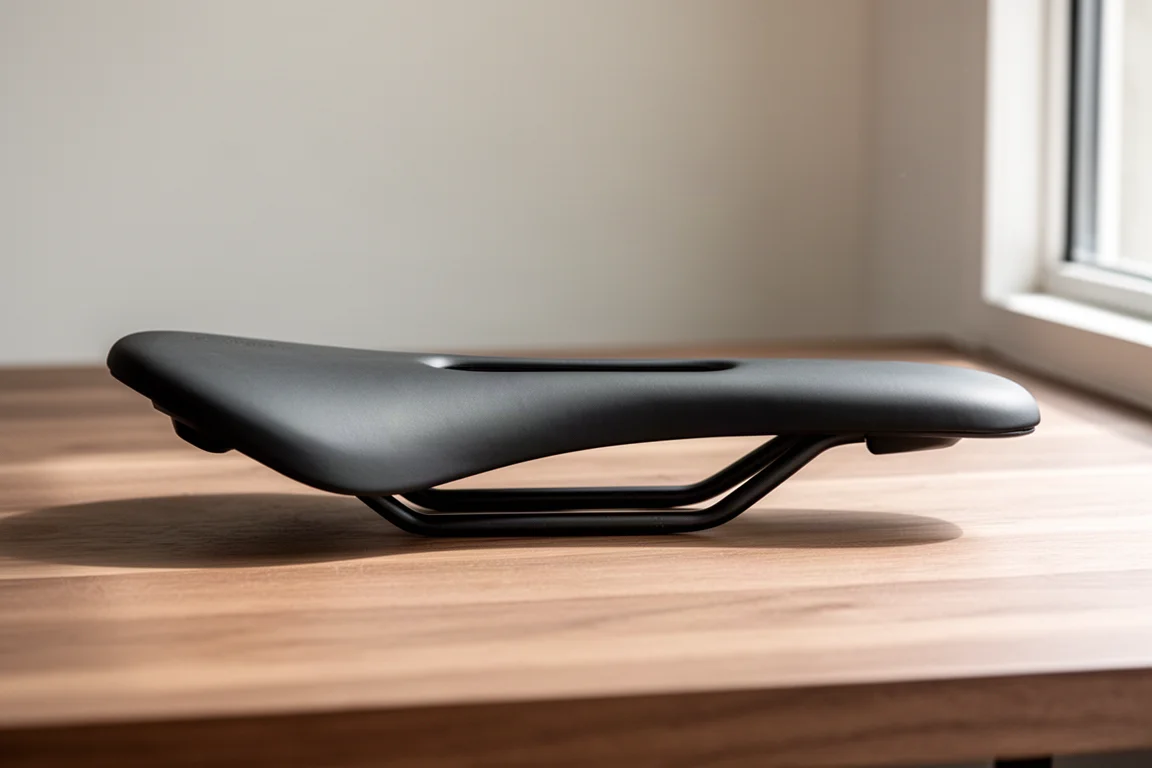
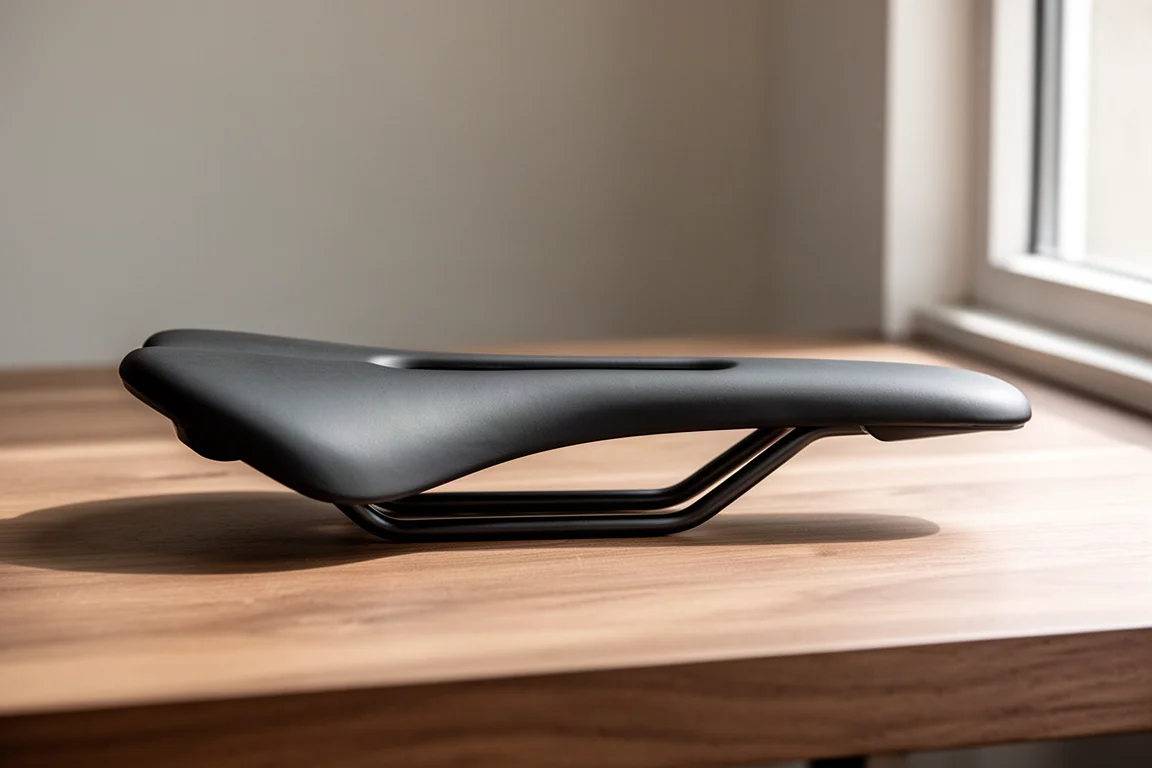
The PRO Griffon takes a more conventional shape. It is longer than the short-nose designs, fairly flat from front to rear, and has a pressure relief channel cut into the shell. The two widths compared were 142 mm and 152 mm.
PRO Griffon 142
The 142 mm Griffon felt softer under the rider than the Selle Italia tested, and it delivered the best pelvic stability of the whole session. It is the flattest saddle in the group and has the longest nose, which may help: a short-nose saddle removes material that can otherwise contribute to stability.
Left-to-right pressure balance was slightly off, around 7 to 8 percent, but that is a modest difference by the standards of the day. This was the second most comfortable saddle overall.
PRO Griffon 152
The 152 mm Griffon showed the width, but far less intrusively than the wide Selle Italia or any of the Specialized saddles. Its pressure map was among the best of the session, with a good left-to-right balance and good pelvic stability. The mean pelvic movement line shifted slightly forward, which suggests the rider was moving up the saddle to clear the extra width.
PRO Turnix: A More Shaped Profile
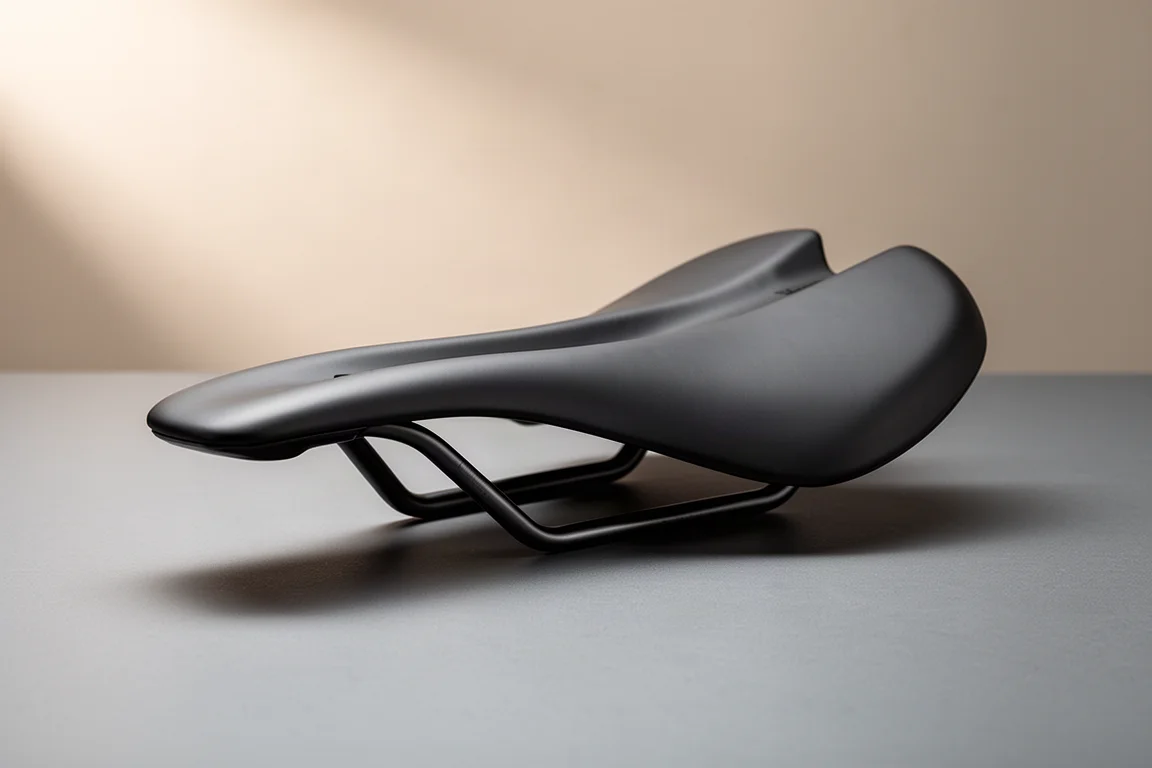
The PRO Turnix sits at the same price as the Griffon but takes a different approach. It has a more pronounced nose and tail, and a domed rather than flat rear, which creates a hammock-like contact shape.
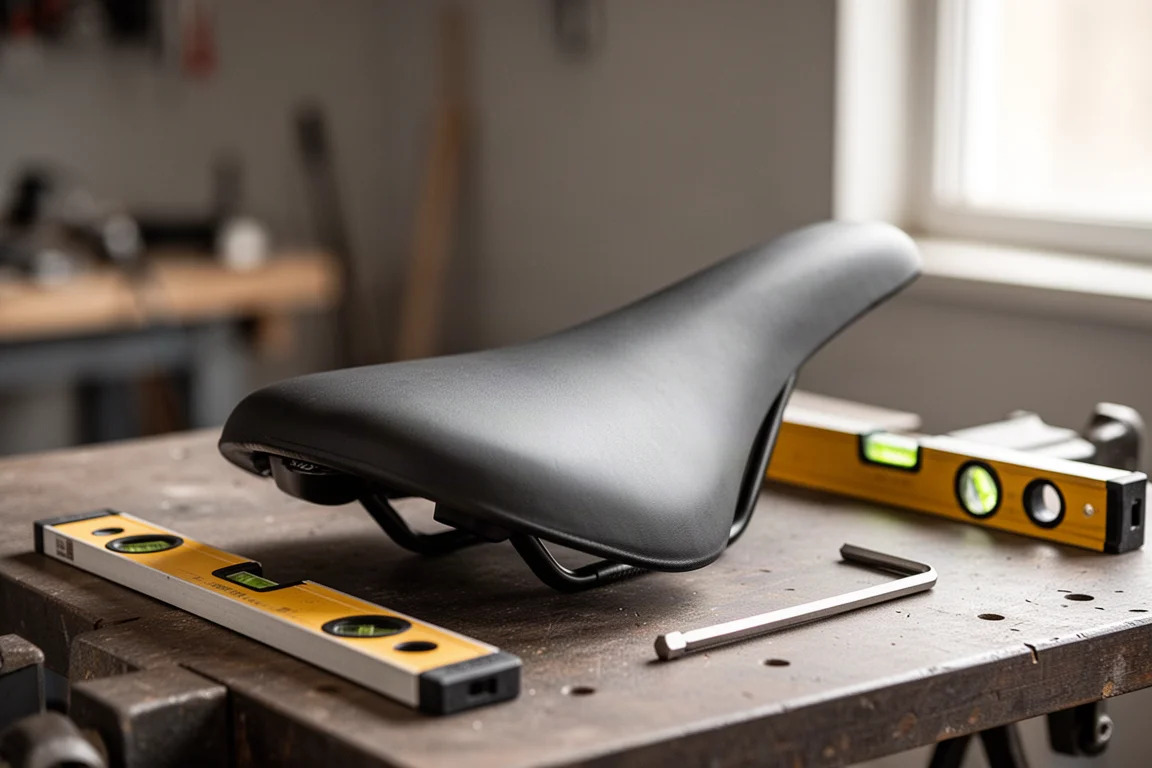
That shape spreads load across more of the saddle rather than concentrating it, which sounds like an advantage until stability enters the picture.
PRO Turnix 142
The 142 mm Turnix felt soft and was pleasant to sit on, but it was not particularly stable. The rider rocked on it, and there was more weight on the hands. The pressure map showed an even spread across the hammock-shaped contact points, so distribution was good while stability was not.
Stability is not a cosmetic issue. A saddle that lets the pelvis rock increases chafing, and it can mobilise the lumbar spine, which is a route to lower back pain. A saddle should hold the majority of a rider’s weight and stabilise the pelvis, leaving the hands feeling light. At a pace sustainable for around 20 minutes, the torso should feel close to weightless, though rider fitness and function affect how achievable that is.
PRO Turnix 152
The 152 mm Turnix was wider but the width was barely noticeable, which is unusual for this group. The trade-off was a feeling of falling forward onto the nose. Pressure distribution moved further forward, and pressure rose at both the sit bones and the nose. Neither reading was poor, but the pattern matched the rest of the session.
What the Results Suggest About Saddle Width
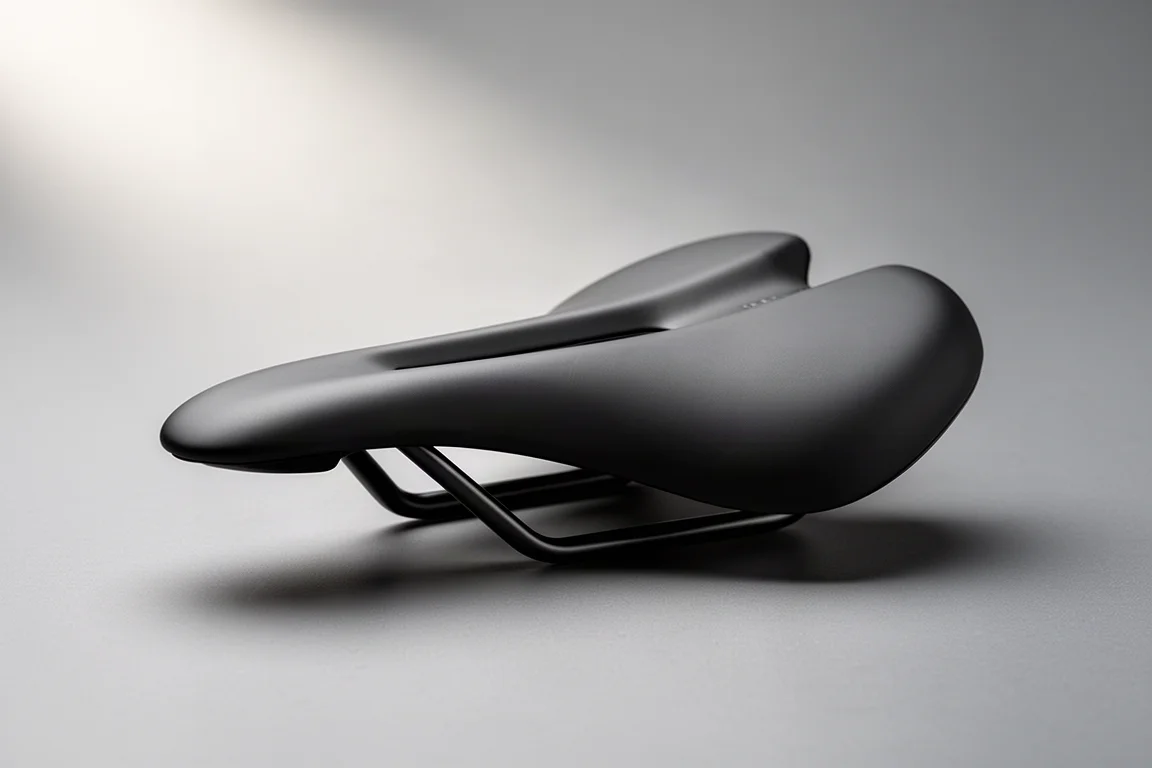
Across nine saddles, the pattern ran in the opposite direction to the usual advice. As width increased, pelvic stability fell, comfort fell, and weight on the hands rose. The pressure map explained part of it: a wider surface lowers pressure readings, which looks like an improvement, while saying nothing about whether the rider is actually comfortable.
The preference order that emerged, from most to least favoured, ran broadly like this: the 135 mm Selle Italia SLR Boost S3, then the PRO Griffon 142, the Selle Italia SLR Boost L3 at 145 mm, the PRO Griffon 152, the PRO Turnix 142, the Specialized Power 143 and 155, the PRO Turnix 152, and finally the Specialized Power 168.
Two findings stood out. The PRO Griffon was far more stable than its conventional shape suggested, and the Specialized Power family occupied the bottom of the ranking at every width tested.
The wider takeaway is that sit bone measurement on its own does not determine saddle size. Shape, nose length, profile and how a rider actually sits on the saddle all influence stability, and stability is what keeps a rider comfortable over distance. Short-nose saddles, for what it is worth, exist largely so professional riders can push their saddles further forward while staying within UCI rules.
Buying Advice: Choosing Your Saddle Width
Start narrower than you think. If a rider sits between two widths, the evidence here points toward the smaller one, at least for riders who are not carrying a lot of weight and who spend most of their time on the road.
Do not buy on sit bone measurement alone. The size of a saddle is not dictated by the size of the rider’s backside. Pressure distribution, pelvic stability and leg clearance all matter, and they interact with each other.

Set the bike up properly when you swap saddles. Measure saddle height from the centre of the bottom bracket to the top of the saddle before removing the old one, then re-measure after fitting the new one, because rail-to-top depth differs between models. Keep the tilt the same, and remember that rail angles vary, which changes the effective angle even when a saddle looks level.
If a saddle feels like it is catching the inside of the legs, that is a width signal rather than a padding signal, and it tends to get worse over longer rides rather than better. If the hands feel heavy, the saddle may be pushing the rider forward or failing to support the pelvis.
The most reliable route is a bike fit with pressure mapping. It is the only way to see how a specific saddle interacts with a specific rider before committing to it.
Conclusion
Nine saddles, three brands, and widths from 135 mm to 168 mm produced one clear result: wider was not more comfortable. The narrowest saddle in the group, the Selle Italia SLR Boost S3 at 135 mm, ranked first, and the flattest conventional shape, the PRO Griffon 142, came second. The widest saddle tested, the Specialized Power 168, ranked last.
That does not mean everyone should ride a 135 mm saddle. It means width is one variable among several, and the pressure map alone cannot decide it. If you are choosing between two widths, the narrower one is the safer place to start, and a professional bike fit is the safer place to finish.
Further reading
Related Reviews
Bike Saddles
Best Road Bike Saddles for Comfort: Four Shapes Worth Trying
Short nose, narrow, flat or wide: how saddle shape changes pressure on the bike, and four road saddles worth testing before you buy.
Bike Saddles
Bike Saddle Comfort Guide: Shape, Width, and Fit Explained
Saddle comfort depends on shape, width, padding, and position. Three saddles show how short-nose, channel-relieved, and narrower designs behave in practice.
Bike Saddles
19 Bike Saddles Ranked Worst to Best: What to Buy and What to Skip
A no-nonsense ranking of 19 road bike saddles, shaped by more than 15,000 bike fittings, from models to skip to genuine top-tier picks.