Bike Packing
Bike Packing Gear List: Eight Essentials for Self-Supported Trips
A practical bike packing loadout built around a steel gravel frame, a custom frame bag, and gear that doubles as backpacking kit.
Introduction
Bike packing looks expensive from the outside. It does not have to be. A three-bag system, a dependable bike, and a sleep and shelter kit that already works on foot will carry most riders through a self-supported overnight or a multi-day route.
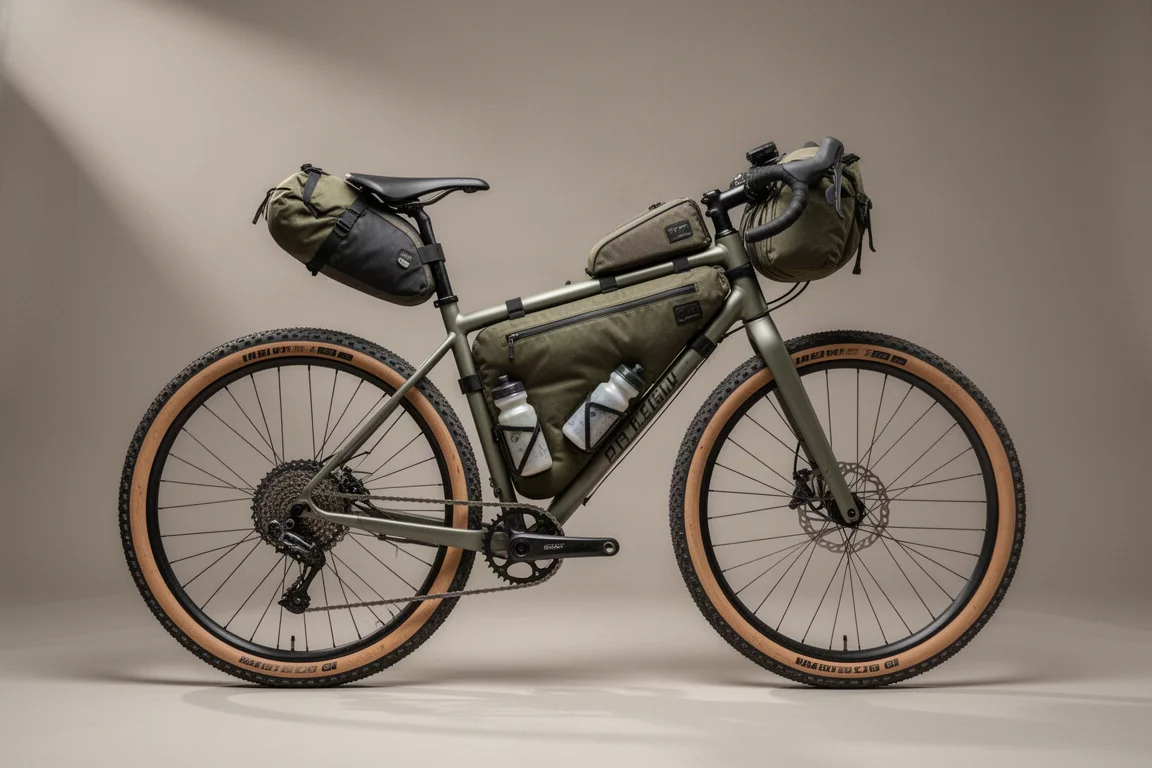
This loadout is organised around exactly that logic. A steel gravel frame carries a custom frame bag, a seat pack, and a handlebar bag, and almost every item inside them is gear that also earns its place on a backpacking trip. The aim is not the lowest possible number on a spreadsheet. It is a setup that is quick to pack, easy to live with, and ready for cold-weather riding.
How This Setup Is Organized
The packing system is a three-bag arrangement. The frame bag stays on the bike almost permanently, because it holds the shelter and the weight that changes through the day, food and water, down low and near the centre of gravity. The seat pack and the handlebar bag swap out depending on weather and trip type, so the same bike can be dressed for a wet weekend or a dry overnighter.
Base weight is deliberately not a headline figure here. Gear carried on a bike is not carried on your back and does not load your knees, so the trade-offs differ from a backpacking loadout. That opens the door to a slightly larger camera kit, a more comfortable sleep setup, or a luxury item or two, as long as the load stays balanced and climbable.
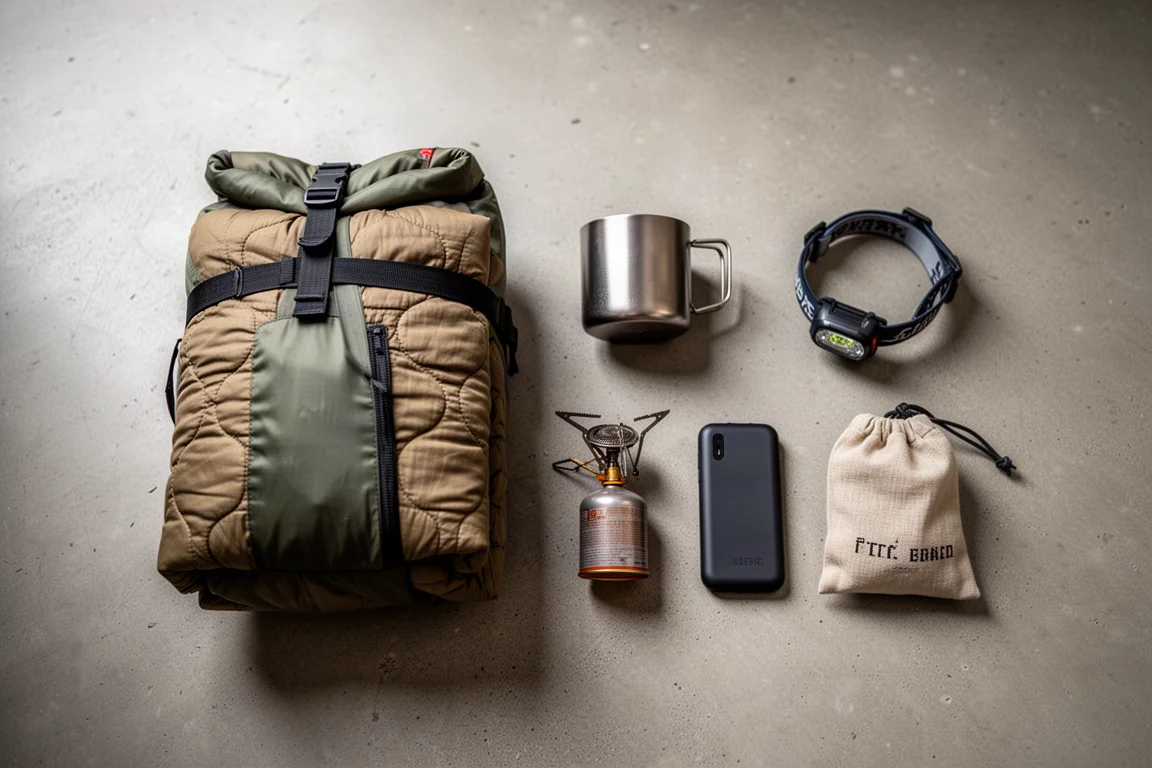
What matters more than grams is placement. Dense, heavy items go in the frame bag. Bulky, light items go in the seat pack. Frequently used items, the cook kit, electronics, layers, and camera, go in the handlebar bag where they can be reached without unpacking the whole bike.
The Bike: Kona Rove ST
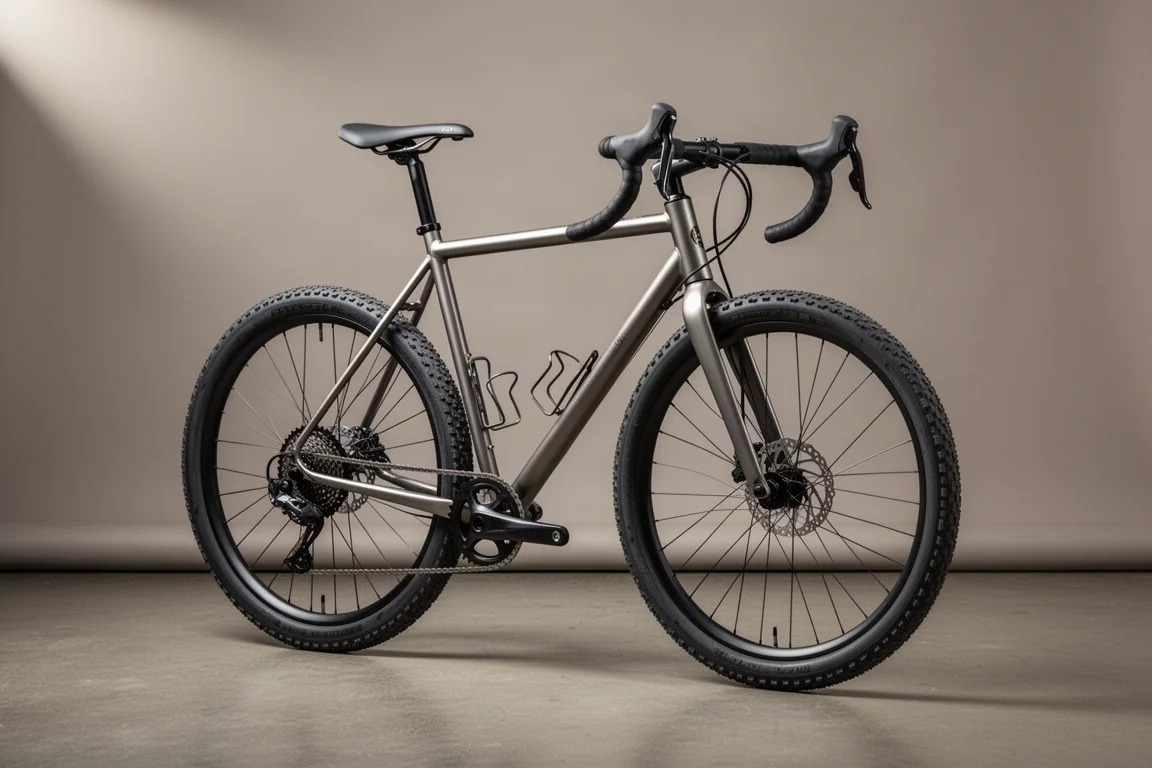
The platform for this setup is a Kona Rove ST. It is available as a complete bike, but this one was bought as a frame and built up with a custom parts mix, partly because components from an earlier bike carried over and partly because shop access made individual parts affordable.
The steel frame is the reason the load works. It is a stable, comfortable foundation for a bike that spends most of its time on mixed surfaces with bags front and rear, and it absorbs the extra weight rather than feeling nervous under it. Riders who already own a gravel, touring, or rigid mountain bike do not need to change frames to copy this setup. The bag layout matters far more than the badge on the down tube.
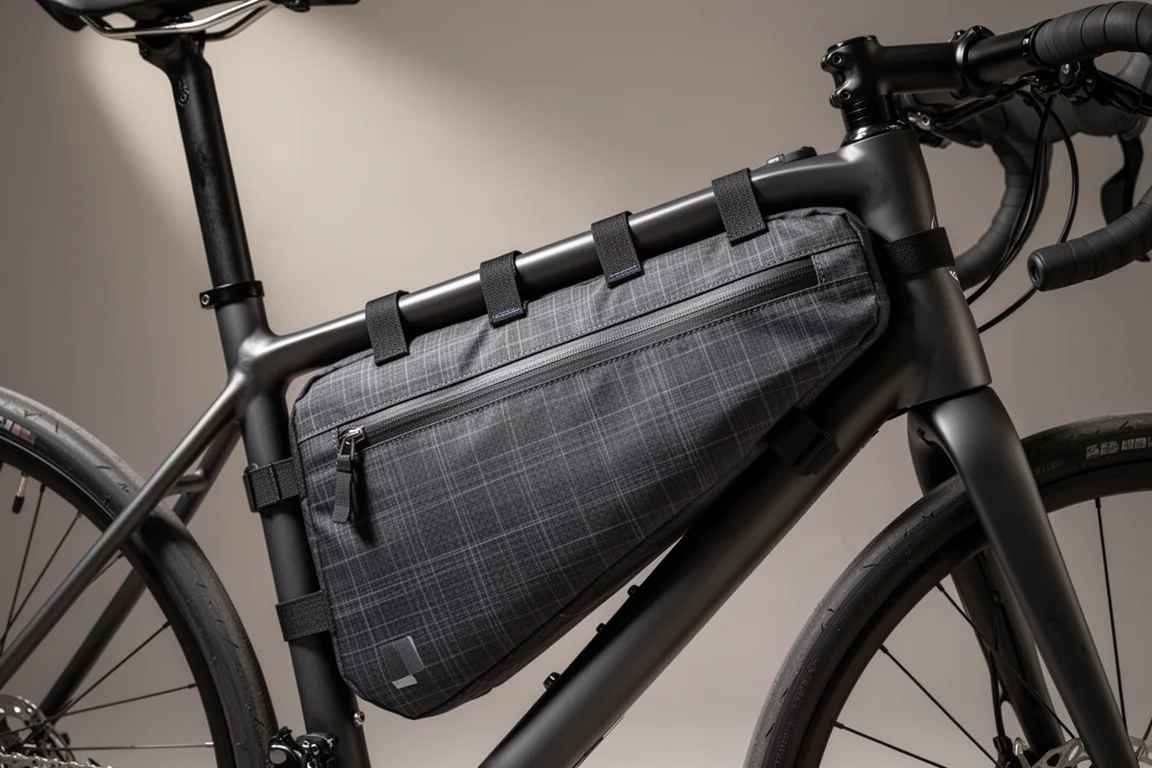
Frame Bag: Rogue Panda Designs Custom
Frame bags are where custom sizing earns its keep, and this one is a Rogue Panda Designs bag built specifically for this frame. It uses an X-Pac fabric and a lace-top, bolt-on mounting design: the bag laces along the top tube and bolts into the same mounts that would otherwise hold bottle cages, so it sits tight against the frame with very little movement.
Inside is a single main compartment with one zip. That simplicity is the point. The shelter lives there permanently, along with ten Easton Nano aluminium stakes and a 60-inch carbon fibre pole cut for that shelter. A Cnoc Vecto 2-litre bladder sits alongside it for long dry sections, and a DCF food bag with a long-handle spoon fills whatever space is left.
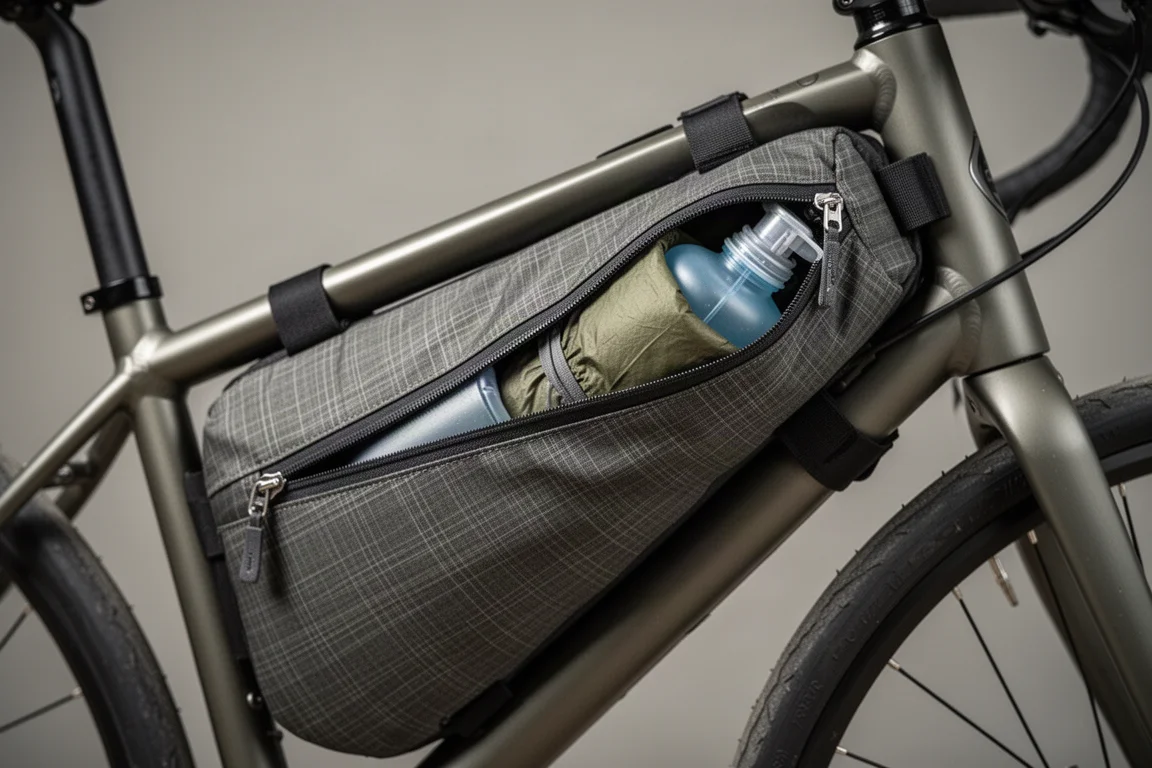
The result is a bag that carries the two categories of gear that most affect how a bike handles: the shelter, which rarely changes, and the consumables, which change every day. Keeping both low and central makes a loaded bike feel far more predictable on loose climbs and fast descents than hanging the same weight off the bars.
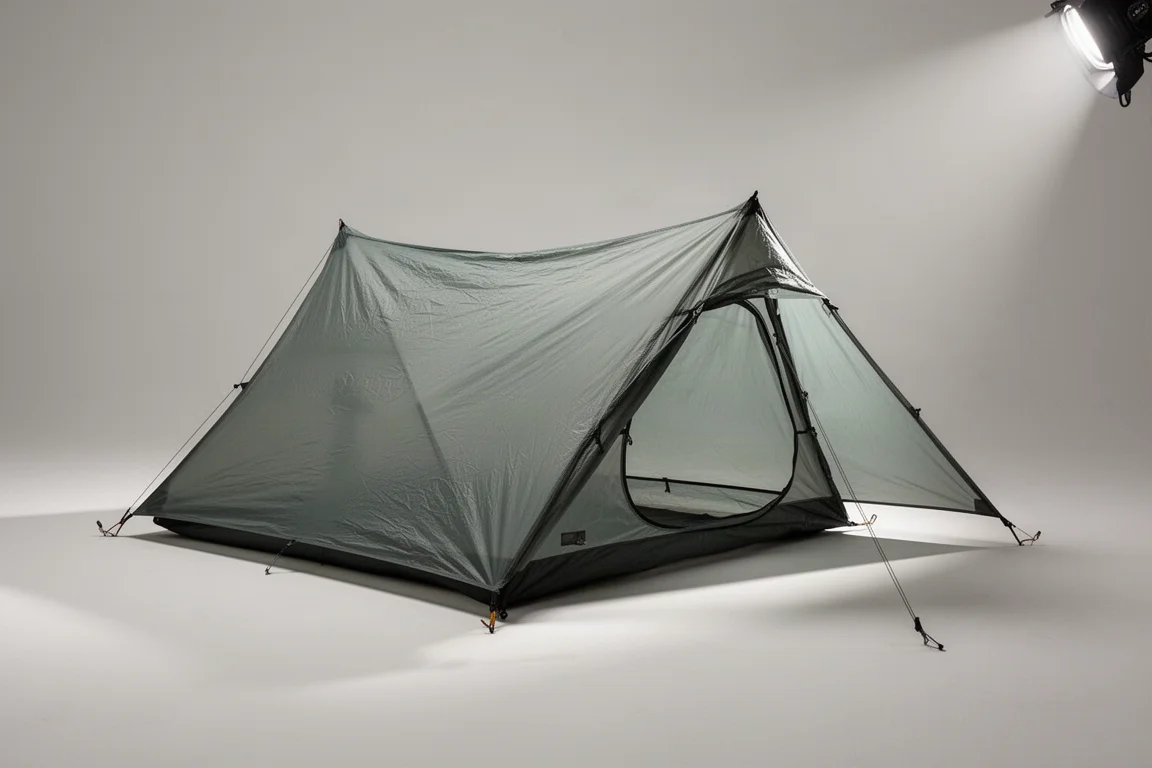
Shelter: Zpacks Altaplex DCF
The shelter is a Zpacks Altaplex in DCF, the same tent used on backpacking trips. Because it lives in the frame bag rather than a handlebar roll, it stays protected and out of the wind, and it never has to be repacked around a changing load.
The pitch depends on a 60-inch carbon fibre pole made specifically for this shelter, plus a set of ten Easton Nano aluminium stakes. Aluminium keeps the cost sensible without adding meaningful weight, and ten stakes gives enough options for hard ground, soft ground, and the extra guy lines a windy night sometimes demands.
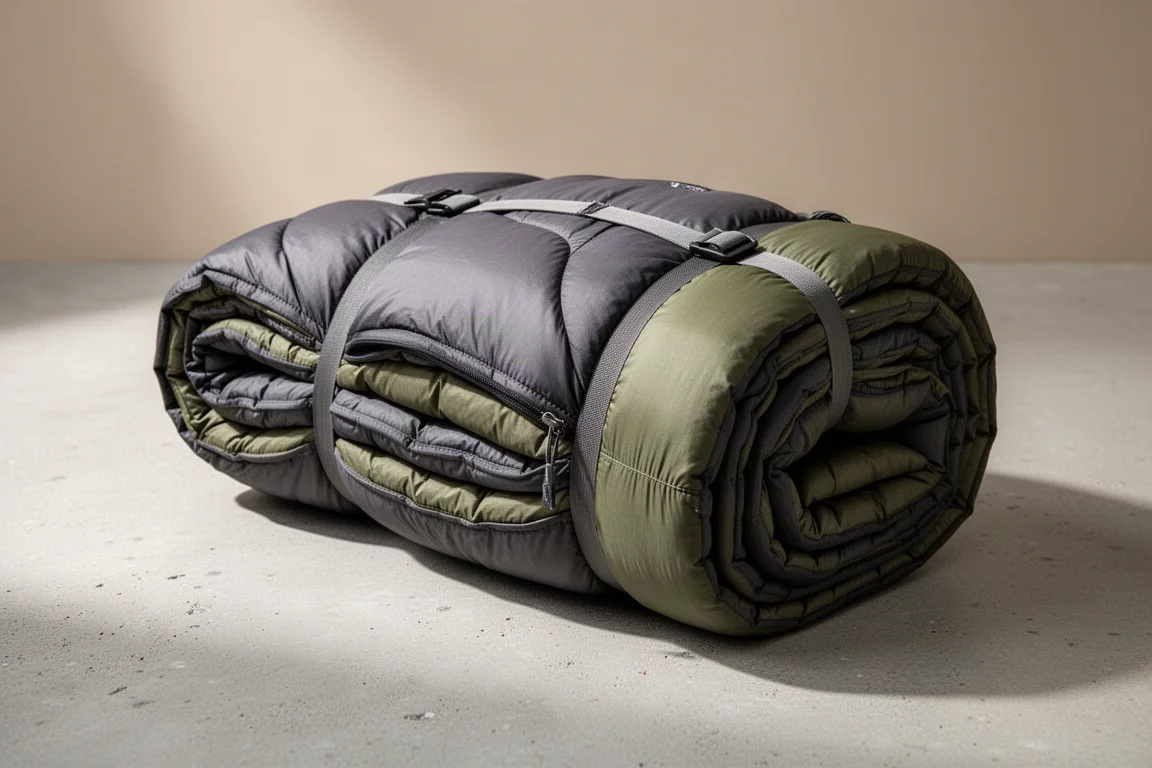
Sleep System: UGQ Bandit XL 20-Degree Quilt
The seat pack’s main compartment is a sleep system. At its centre is a UGQ Bandit XL 20-degree quilt, packed inside a DCF roll-top bag so it stays dry whatever the trail throws at it. A Therm-a-Rest UberLite pad goes underneath, a Sea to Summit Aeros pillow goes under the head, and a pair of Enlightened Equipment Sidekick sleep booties keeps feet warm without hauling a second pair of socks into the bag.
There is also a small stack of dedicated sleeping clothes: lightweight Patagonia tights, spare socks, and an Appalachian Gear Company alpaca beanie. Wearing the same kit you rode in is a fast route to a cold night, and a separate dry layer costs very little space in a seat pack.
Insulation: Enlightened Equipment Torrid Apex Jacket
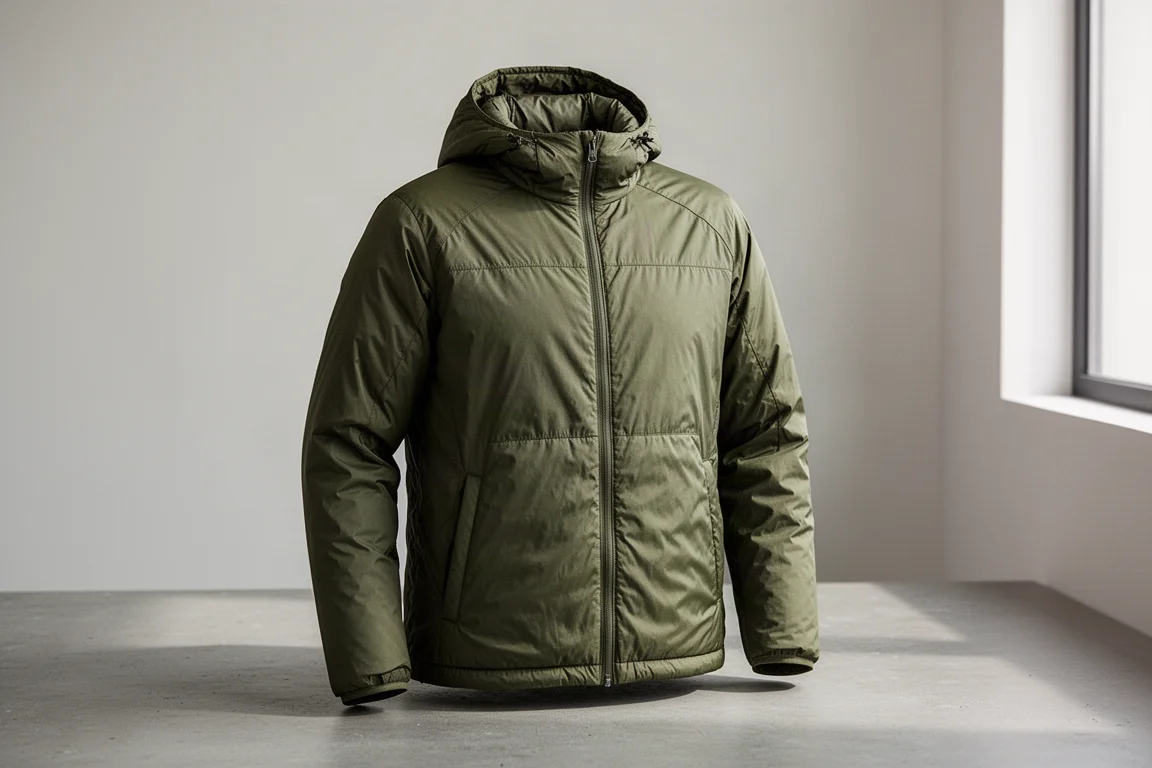
The main thermal layer is an Enlightened Equipment Torrid Apex synthetic jacket, and it rides in the rear bag where it is easy to grab at the end of a ride. Synthetic insulation is the pragmatic choice for bike packing: it keeps working in damp conditions and does not demand the careful, dry handling that down does.
The jacket doubles as camp insulation and as an extra layer for cold starts. Paired with the alpaca beanie and a wind and rain shell, it covers the temperature swings that come with riding in late autumn and winter, when moving fast on a bike feels considerably colder than walking the same route.
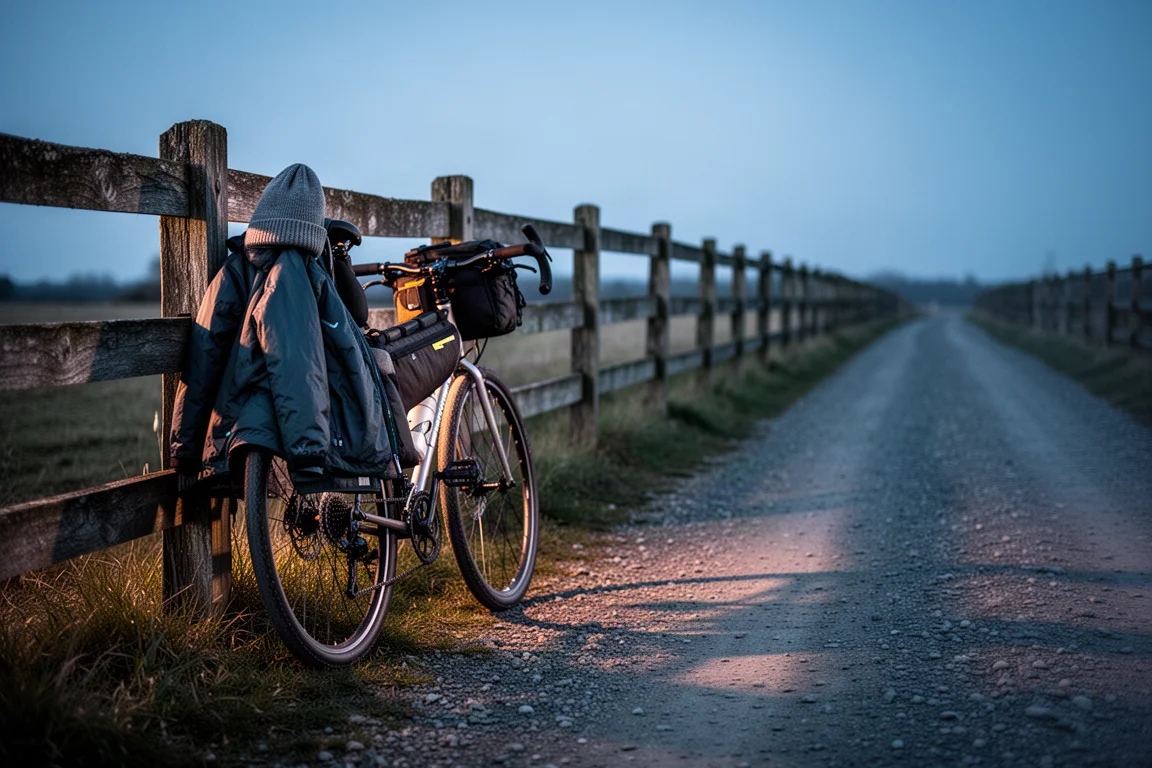
Because the jacket is bulky but light, it belongs with the sleep system rather than in the frame bag. That keeps the dense items forward and the compressible ones where they have room to expand without distorting the bike’s handling.
Cook Kit: Snow Peak Titanium 700 Mug
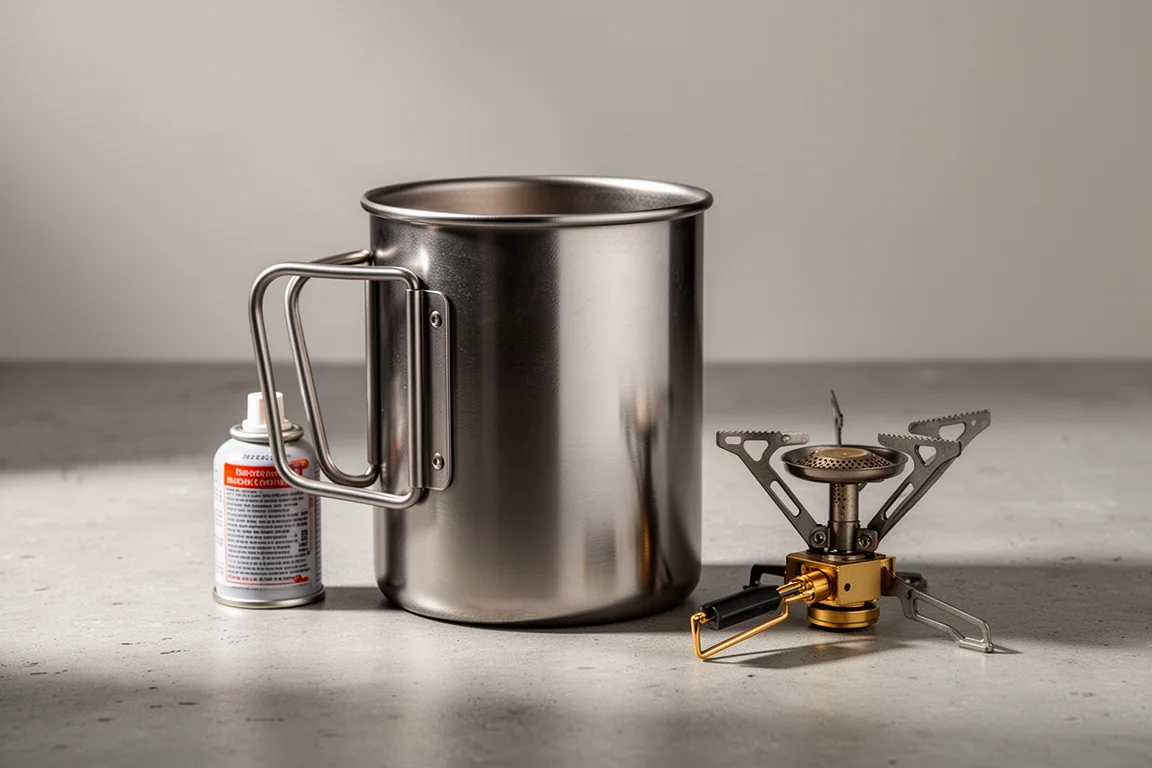
Cooking is kept to a minimum: a Snow Peak Titanium 700 mug, a small fuel canister, a lightweight canister stove, and a BIC Mini lighter, all bundled into a small DCF stuff sack in the handlebar bag. One mug handles boiling water, rehydrating meals, and coffee, which is about all a bike packing morning needs.
Titanium keeps the mug light and tough enough to be knocked around inside a bag, and a single-vessel system means there is nothing to nest, stack, or lose. For riders who prefer to eat in town, the whole kit takes up roughly the space of a large water bottle and can be left behind entirely.
Power and Charging: Anker PowerCore 10000 PD
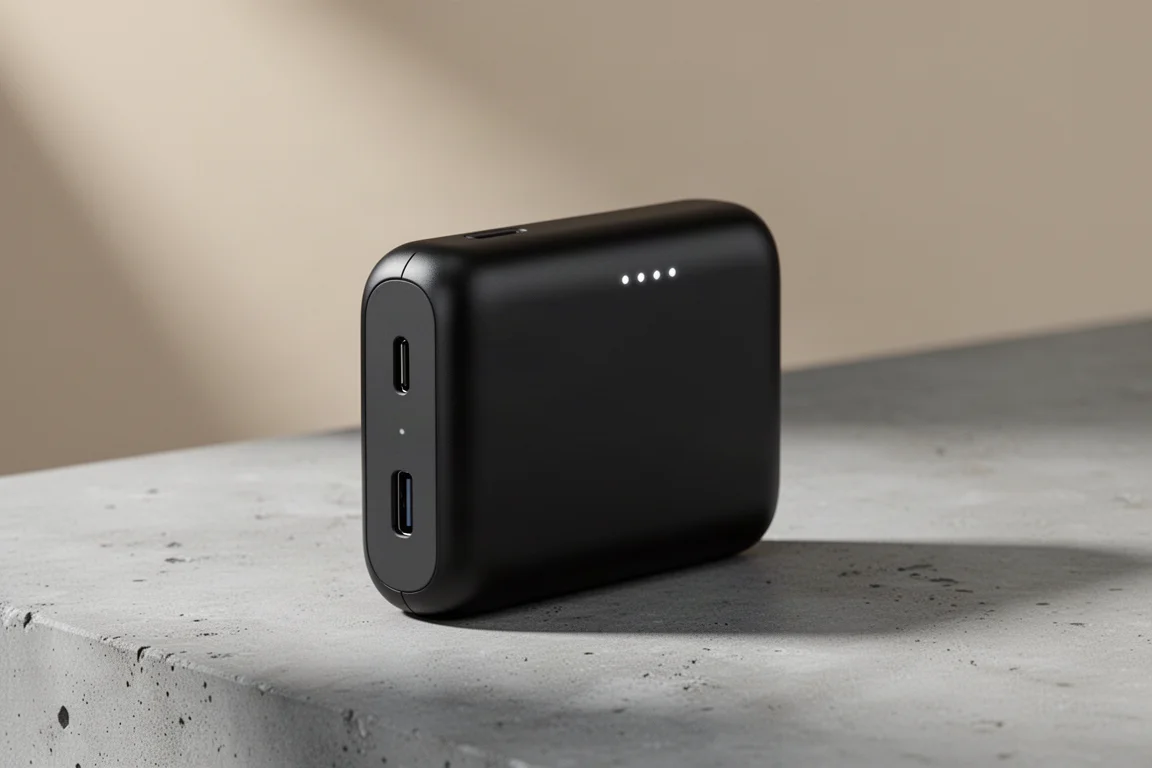
Electronics live in a DCF ditty bag in the handlebar bag. The core of that kit is an Anker PowerCore 10000 PD, which covers phone, headlamp, and bike computer top-ups between resupply points. A small charging brick lets the bank itself be refilled during a town stop, and a short set of cables handles everything else.
The 10,000 mAh class is a sensible middle ground for a bike packing trip: enough capacity for several days of navigation and camera use, small enough that it does not dominate the ditty bag, and simple enough that there is no reason to think about it until the phone gets low.
Camp Lighting: Nitecore NU25
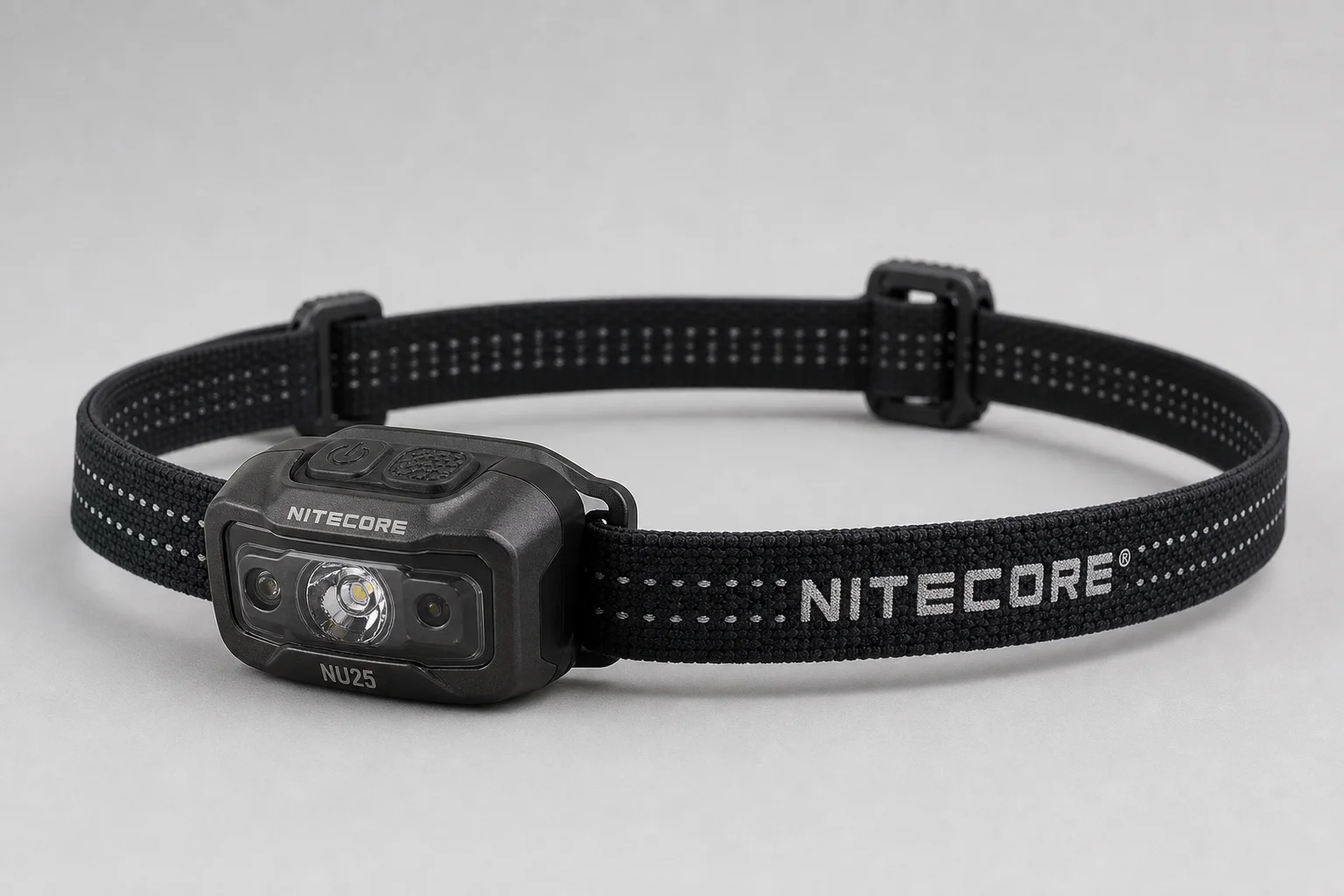
Camp lighting is a Nitecore NU25 headlamp, modified with a bungee strap so it sits comfortably over a cap or beanie. It handles cooking, tent admin, and late-night repairs, and it is small enough to live in the ditty bag without being noticed.
A headlamp that can be worn over a hat matters more than most people expect on a cold trip. It means the same light works on a bare head in summer and over a thermal cap in winter, and it removes the need to hold a torch in your teeth while you sort out a stove or a sleeping pad.
Supporting Gear Worth Knowing About
Not every item in the loadout needs its own section, but the supporting kit is where a lot of day-to-day comfort comes from. The seat pack itself is a Swift Industries Zeitgeist in X-Pac, stabilised with a Paradise Bagman seat rail rack so it does not swing on rough descents. Its two side pockets hold the field repair kit, chain lube, a rag, a tubeless repair and patch kit, a multi-tool with a chain breaker, and a spare inner tube, while the other pocket carries the water filter, a trowel, and a travel bidet. A second Zeitgeist doubles as the handlebar bag, and a small Swift Industries Sidekick pouch on the bars keeps a one-litre bottle, snacks, or a phone within easy reach.
A Gossamer Gear 8-inch foam pad does triple duty as a sit pad, a stretching and nap surface, and an extra layer under the sleeping pad for protection and warmth. Camera gear is a Canon M6 Mark II with a 24-70mm lens, a speed booster, a compact microphone, and an UltraPod 2 tripod. A cork massage ball earns its place on long days, and the riding clothing is built around a Patagonia Dirt Craft short with a chamois liner, an Outdoor Research Echo sun hoodie, a flannel for windier moments, a UV Buff, and prescription sunglasses.
On the bike itself there is a Garmin Edge Explorer 500 computer, a rear safety light and a Serfas True 250 headlight for night riding, a stainless steel bottle on the down tube, and a Lezyne Pressure Drive pump. Riding kit includes Shimano CX-5 shoes with SPD cleats, merino wool socks, Pearl Izumi Cyclone gloves with padded palms and long fingers, and a POC Omne Air Spin helmet.
Buying Advice
If you are starting from zero, the most useful takeaway from this loadout is that none of it is mandatory. Bike packing does not require a custom frame, custom bags, or a dedicated bikepacking bike. Any bike in the garage and any bags you already own can carry you through a first overnight, and a backpacking shelter and sleep system will transfer over almost unchanged.
Spend money where it changes the ride. A frame bag sized to your frame, a seat pack that does not sway, and a reliable sleep system matter far more than shaving grams. From there, add the safety and repair items that get you home: a multi-tool with a chain breaker, a spare tube, a pump, lights for night riding, and a power bank for navigation.
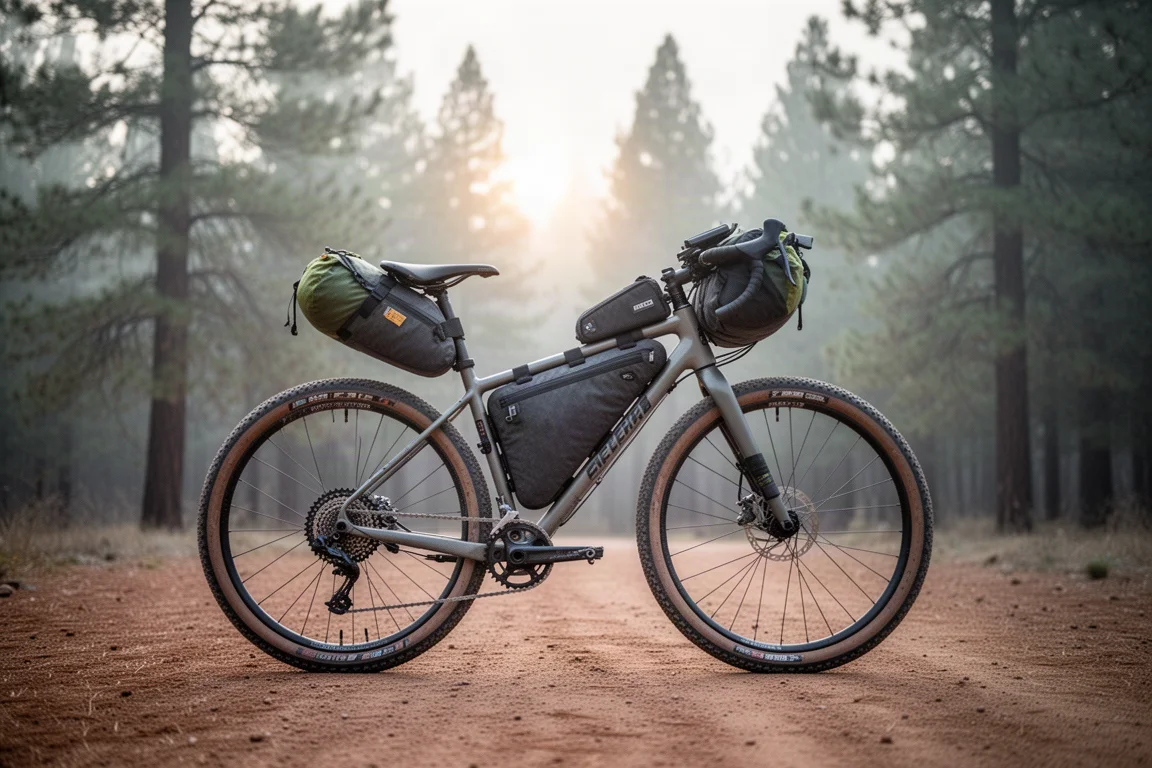
Build the load in the order you would use it. Shelter and consumables in the frame bag, sleep system and insulation in the seat pack, and everything you reach for during the day in the handlebar bag. Once that layout is settled, longer trips become a matter of adding food, water, and a little margin rather than rethinking the whole kit.
Conclusion
A bike packing loadout does not have to be exotic to work. A steel gravel frame, a custom frame bag, a seat pack stabilised with a rail rack, and a handlebar bag cover the entire load, and most of what goes inside them is ordinary backpacking gear that already has a place on your shelf.
The details that make it pleasant are placement and redundancy: heavy items low and central, sleeping insulation kept dry, repair and hygiene kit in dedicated pockets, and lighting that works over a hat. Get those right and the bike stops feeling loaded and starts feeling like a vehicle for longer days out.
Further reading
Related Reviews
Bike Packing
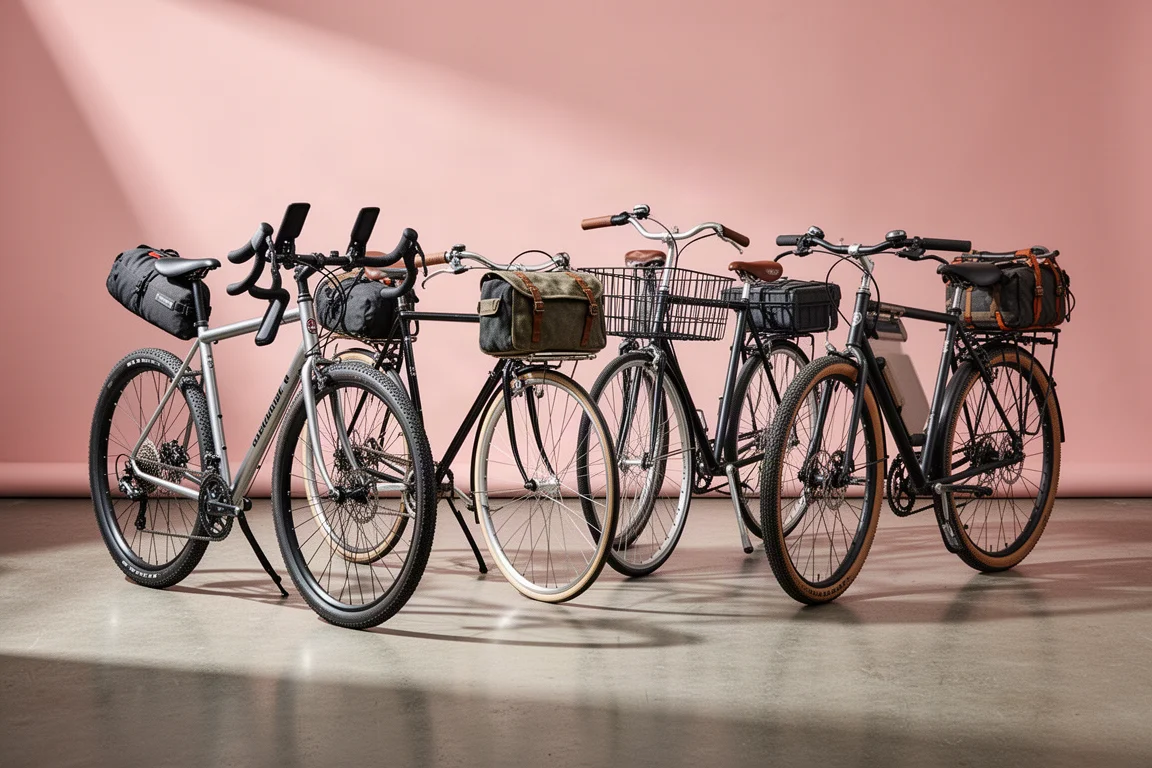
Best Bike Packing Setups 2026: Five Real-World Builds Compared
Five bike packing setups with very different philosophies, from a light steel tourer to a custom belt-drive rig, plus what each one gets right and where it compromises.
Bike Packing
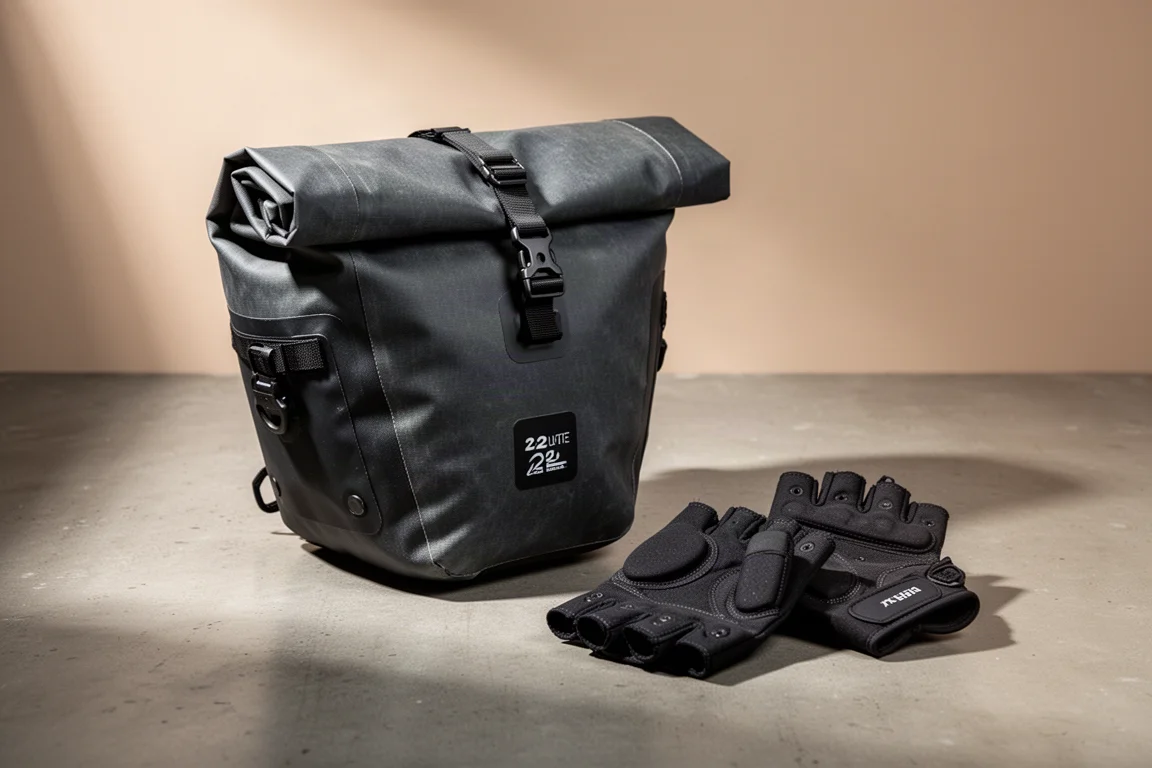
Bike Packing Essentials for Your First Trip: Two Picks Worth Packing
A practical look at two bike packing picks that solve the most common first-trip problems: load distribution and hand comfort.
Bike Packing
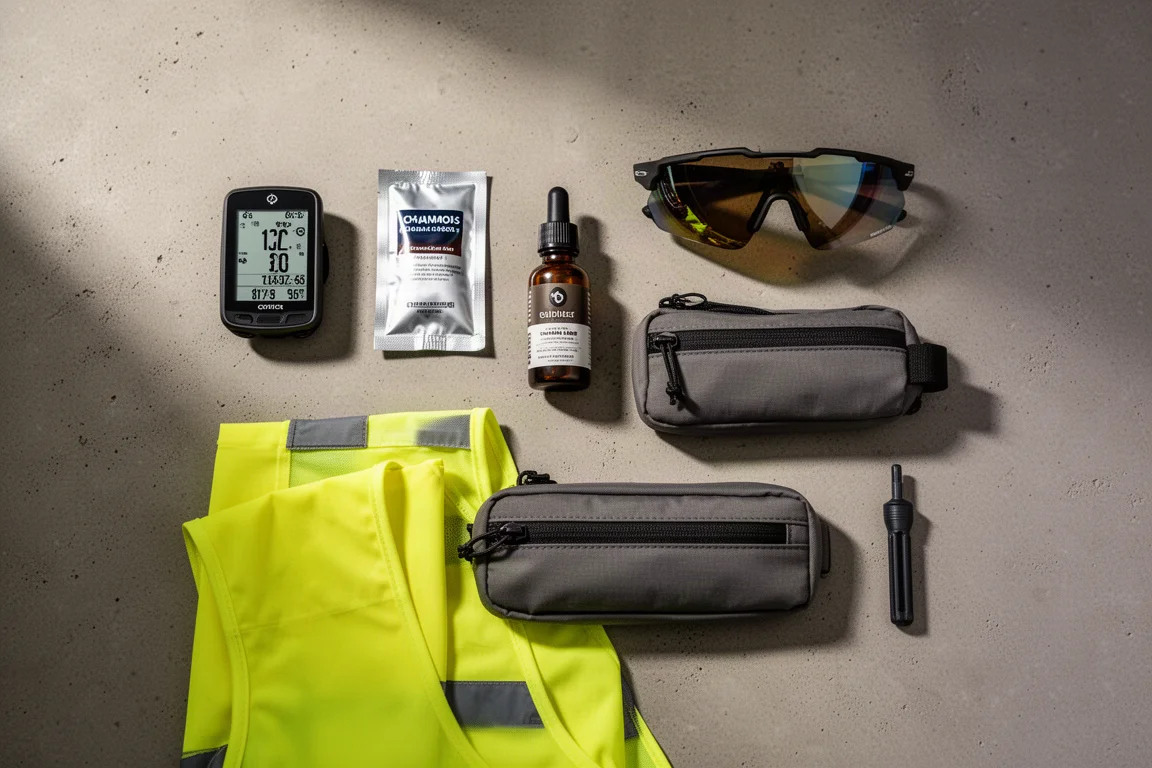
Bike Packing Essentials: 12 Gear Picks That Earn Their Place
A practical roundup of bike packing gear that proved itself over a 3,000 km route through Chile and Argentina, from a long-running GPS computer to tubeless repair.