Cycling Locks
Bike Lock Angle Grinder Test: How Long 11 Locks Really Last
Eleven bike locks from roughly £7 to £862 were attacked with an angle grinder on a ten minute clock. Here is what each one is rated for and how long it held.
Introduction
Every lock promises protection. The real question is how long it holds up when someone attacks it with a power tool.
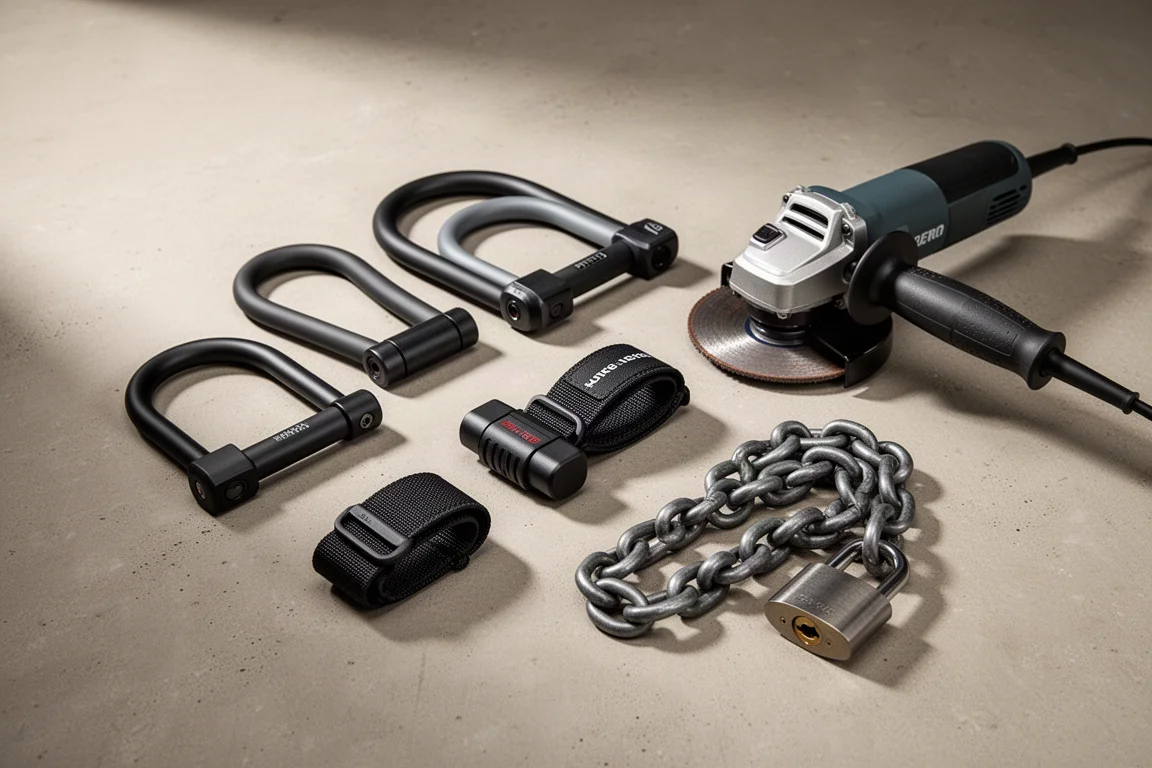
To find out, eleven locks spanning roughly £7 to £862 were put through a timed angle grinder test, with a ten minute limit on each attempt. The results split the field cleanly. Cheap locks disappear in seconds, mid-range locks buy minutes, and a small group of angle grinder resistant designs barely take a scratch in ten minutes.
This guide walks through what each lock is, what it is rated for, and how it performed, so you can match your spending to the risk your bike actually faces.
How These Locks Were Assessed
Two things matter in this test: the rating and the stopwatch.
Sold Secure is a testing body that was originally set up by insurance companies. It rates bike locks from Bronze through to Diamond. Bronze covers basic protection against less determined thieves. Silver is designed to stop opportunist thieves using common hand tools. Gold is built to resist more determined thieves using a wider range of tools over longer attacks. Diamond is the highest rating, and covers locks that survive sustained attacks with powerful specialist tools such as angle grinders.
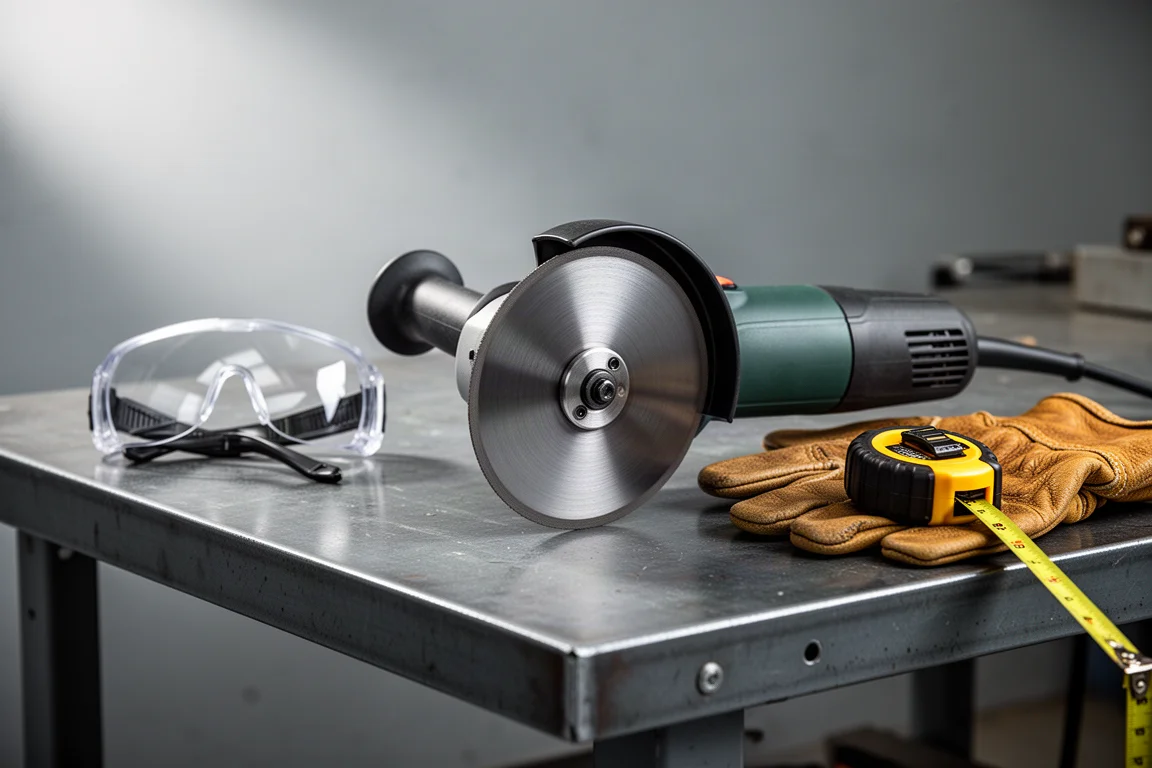
Standard metal cutting discs were used for most of the test. Diamond cutting discs were brought in for the locks that carried an anti-angle grinder coating, where metal discs wore away too quickly to make progress. Every attempt was capped at ten minutes, and the times below are the times recorded during those runs rather than manufacturer claims.
One more thing worth knowing before the numbers: technique matters. A cleaner cut in the right place can remove a minute or more from a result, and a lock with a thick shackle or a fixed arm geometry can force a second cut before the bike is actually free.
Budget Locks: Gone in Seconds
This group is where the gap between appearance and protection is widest. These locks look like locks, they are cheap, and they offer very little resistance to anyone carrying tools.
Sprogut
The Sprogut is a £6.98 lock sold through Amazon, and it was the first one tested. It did not require an angle grinder at all, and it was open in 14 seconds. As a visible deterrent on a bike parked in a busy, well-lit spot it has some value. Against anyone who has decided to take your bike, it does not.
OnGuard Rottweiler
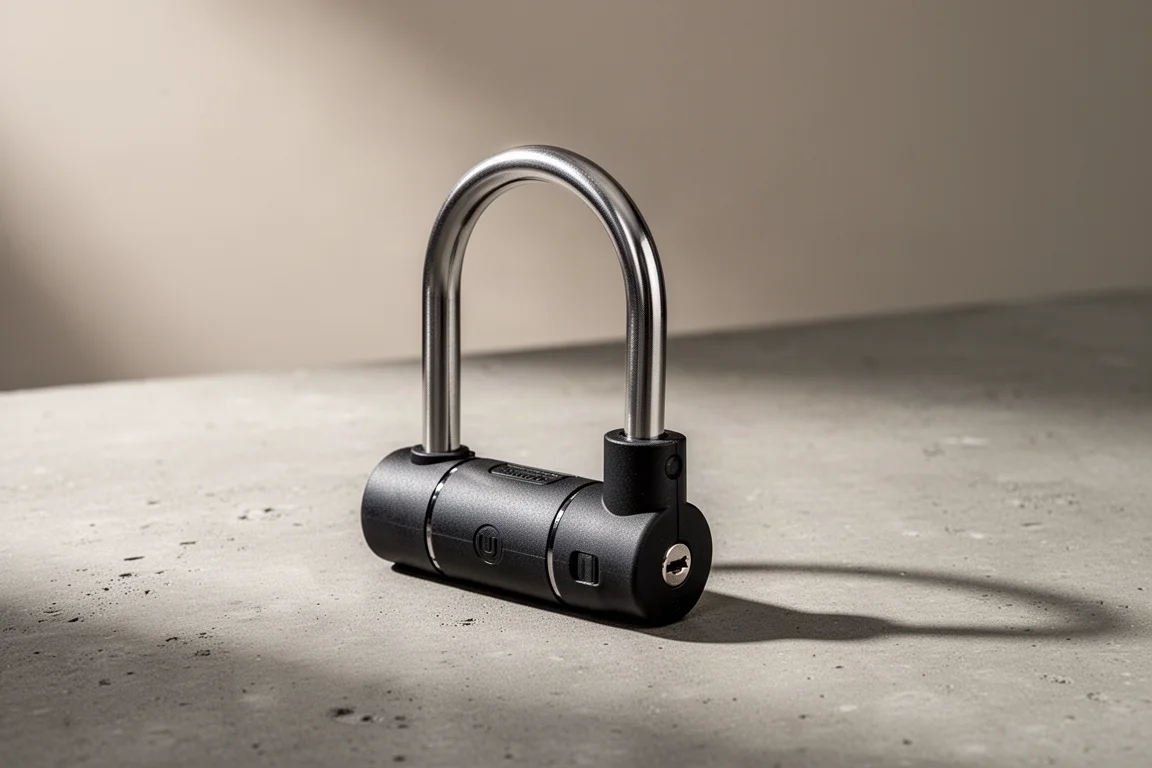
The OnGuard Rottweiler costs £24.99 and carries a Sold Secure Bronze rating. It lasted 9 seconds. The most striking part of the result was how easily it came apart with hand tools rather than powered ones, which is exactly what the Bronze tier is not meant to allow. As a deterrent it looks convincing enough. As protection it is close to cosmetic.
Kryptonite Original Keeper
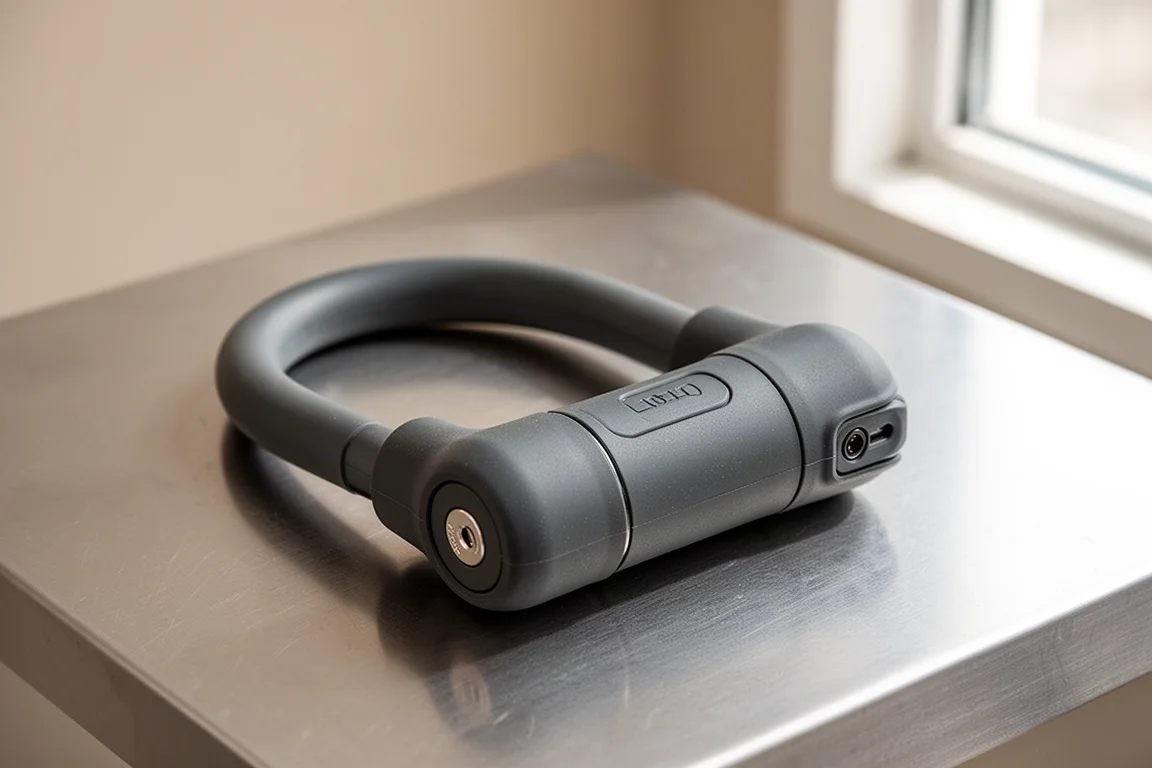
The Kryptonite Original Keeper is also Sold Secure Bronze and costs £30. It was open in 9 seconds, matching the Rottweiler almost exactly. Bronze is a low bar by design, and both of these locks sit right at it. If your bike is insured and your policy requires a Sold Secure lock, a Bronze lock may satisfy the paperwork, but it will not slow down a determined thief.
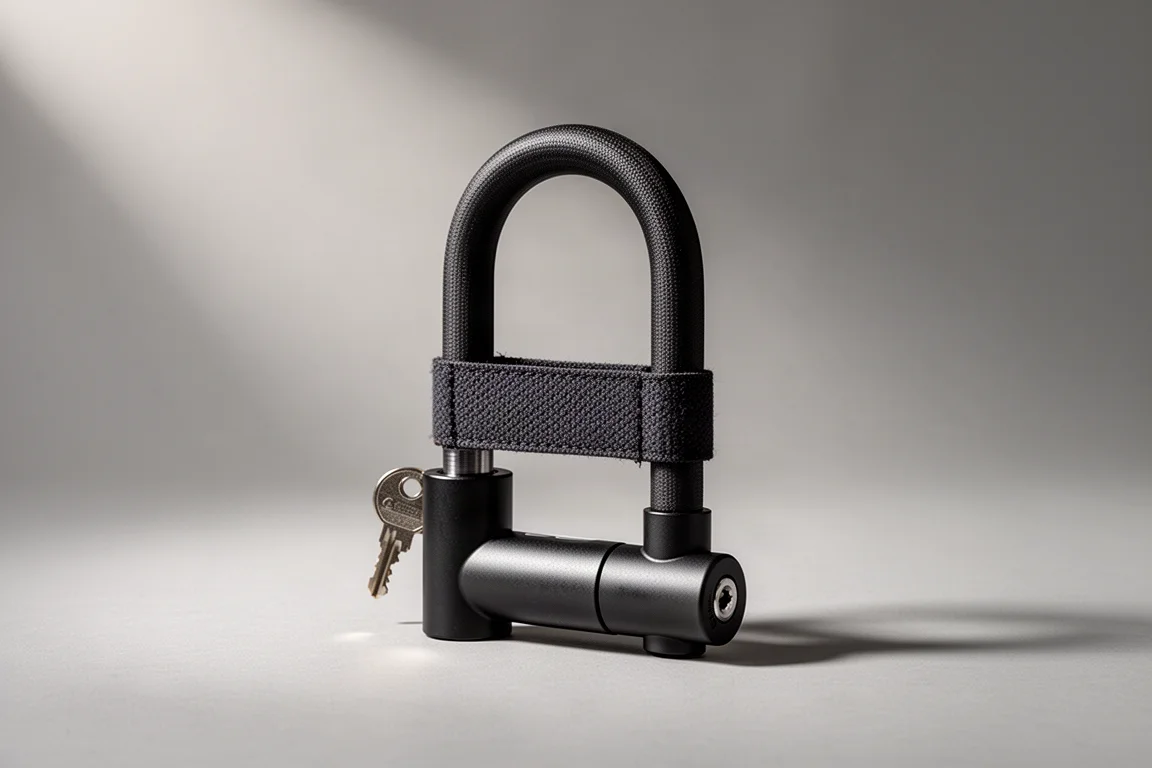
Mid-Range Locks: The First Real Resistance
Spending between roughly £50 and £65 changes the picture. This is the first tier where the stopwatch started to matter, and where a lock begins to buy meaningful time.
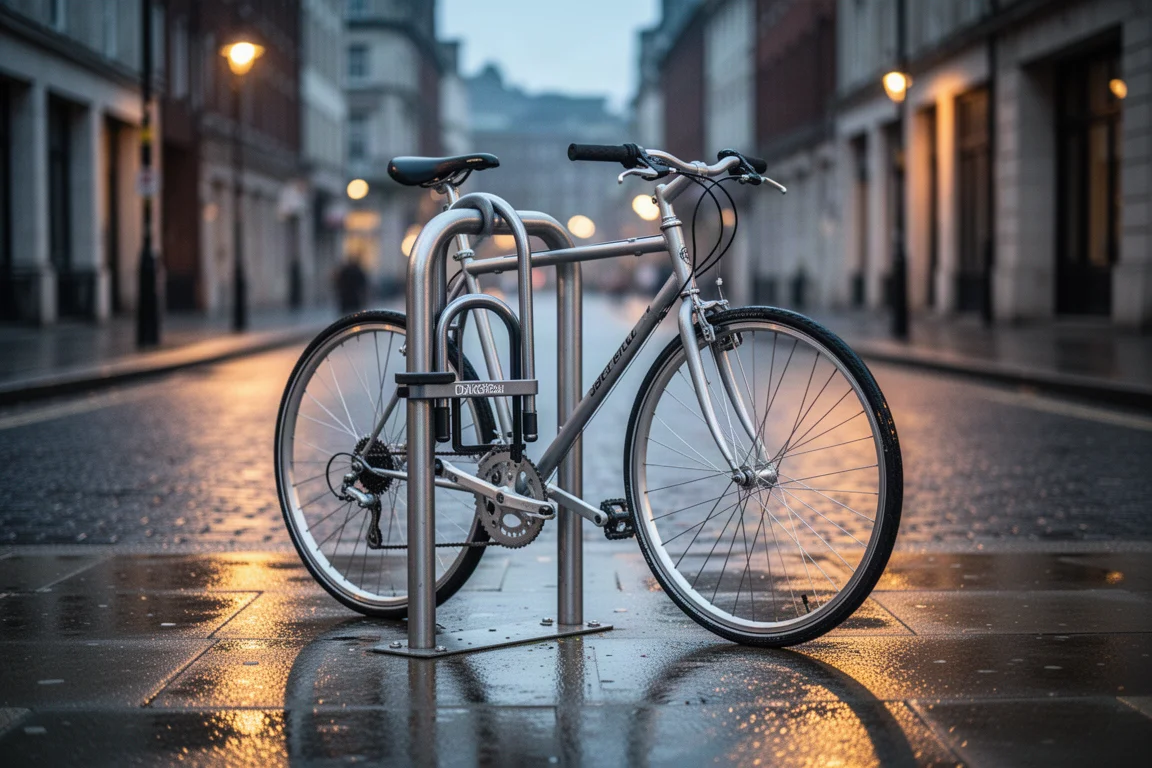
Kryptonite Evolution
The Kryptonite Evolution costs £50 and is Sold Secure Gold rated. It took 2 minutes 48 seconds to cut. Some of that time was lost to poor cutting technique, and a cleaner approach would likely have brought the result closer to 90 seconds, but the difference from the Bronze locks is still dramatic. For a lock at this price, that is a genuine step up.
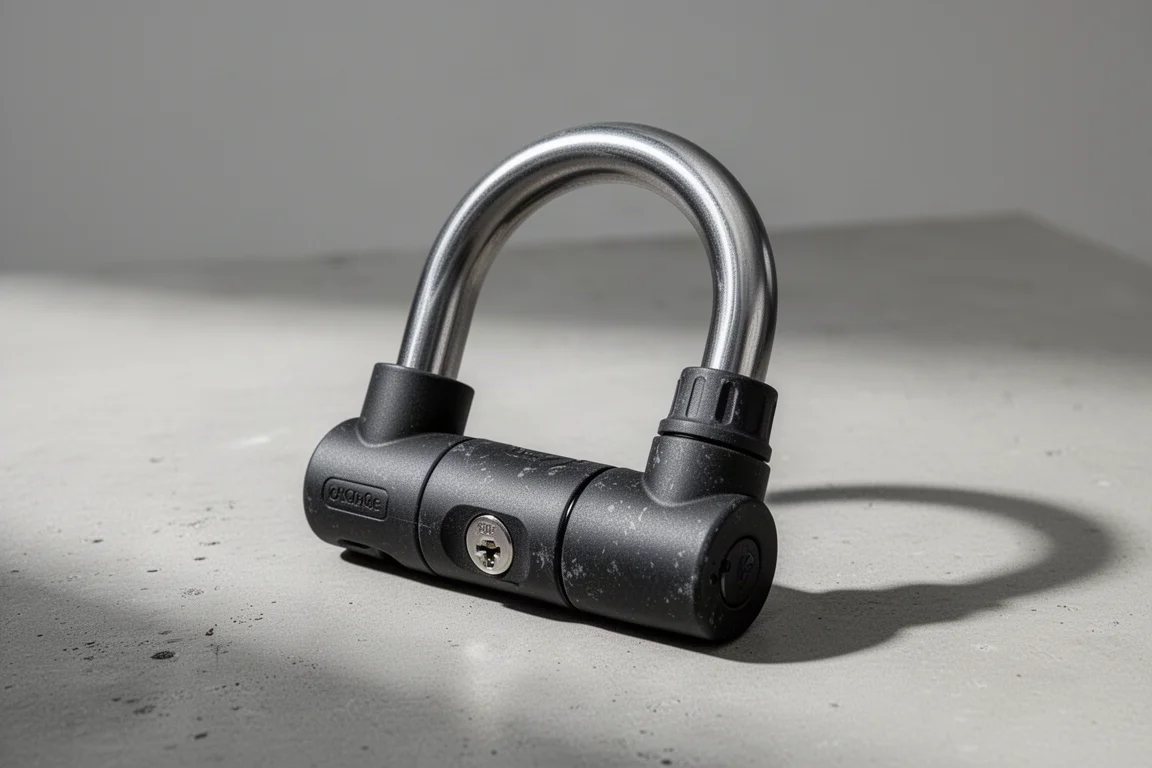
OnGuard 8000 Brute
The OnGuard 8000 Brute is Sold Secure Diamond rated and costs around £50, which makes it one of the cheapest Diamond rated locks you can buy. It held out for 55 seconds. That is a shorter time than the Gold rated Evolution managed, which shows that rating tier and raw cutting time do not always move together. It is a strong value option for the rating, and worth understanding as exactly that.
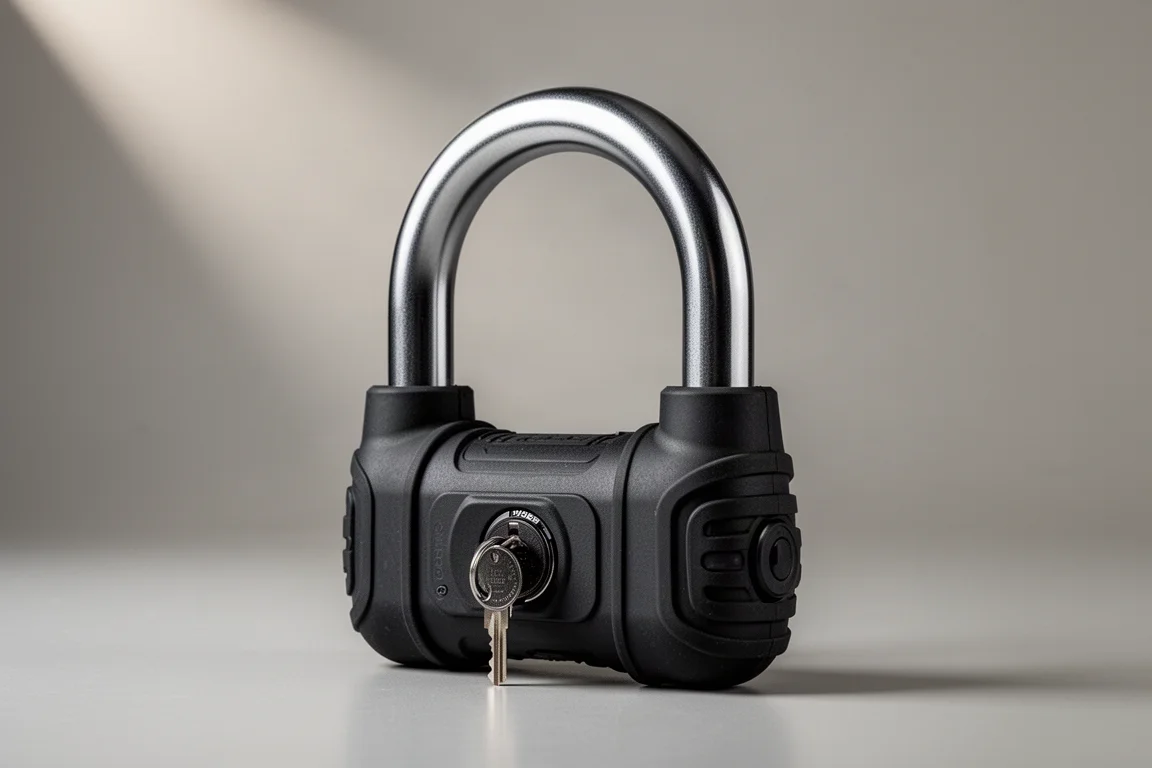
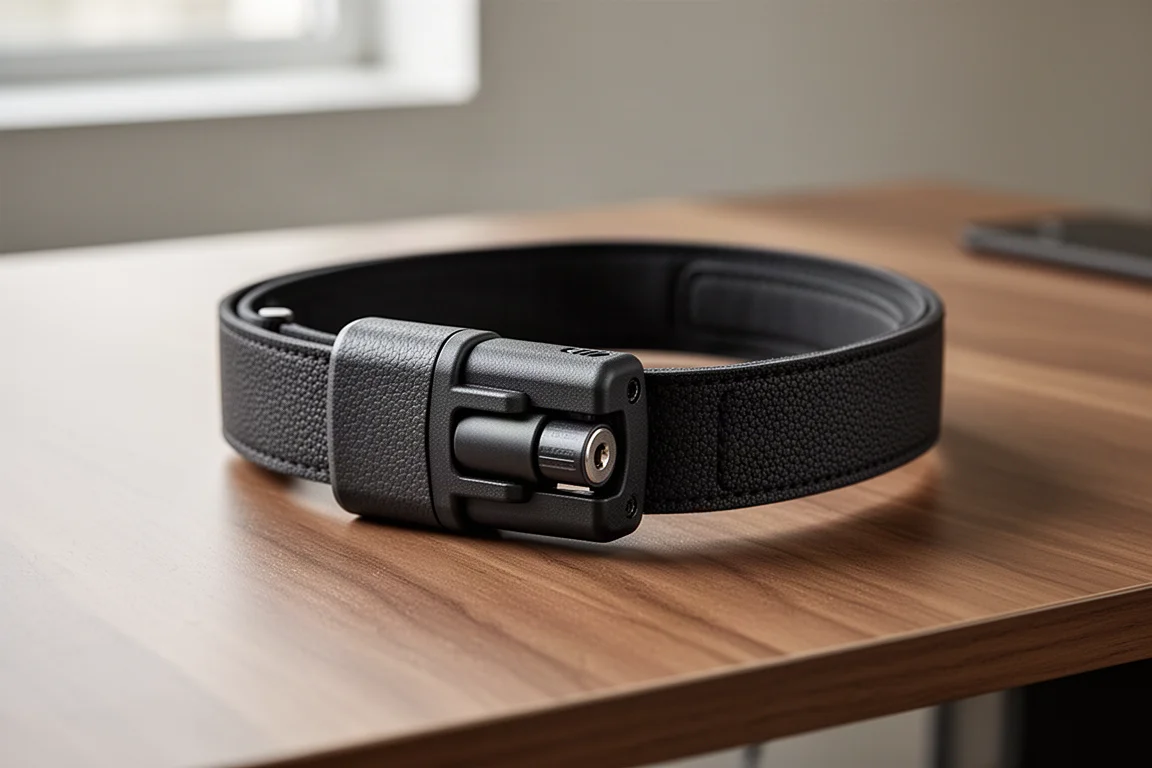
Hiplok DX
The Hiplok DX is Sold Secure Diamond rated and costs £61.99. It is a wearable design, so it can be carried on a belt or through a bag strap rather than rattling around in a frame bag. It lasted 53 seconds, with the final seconds lost to a clumsy cut rather than the lock itself. The combination of a Diamond rating and a wearable format is the reason it stands out here.
Upper Mid-Range: Locks That Fight Back
Above roughly £85 the locks start to punish the tool. Cutting times climb past a minute, discs wear faster, and the work becomes physically tiring rather than quick.
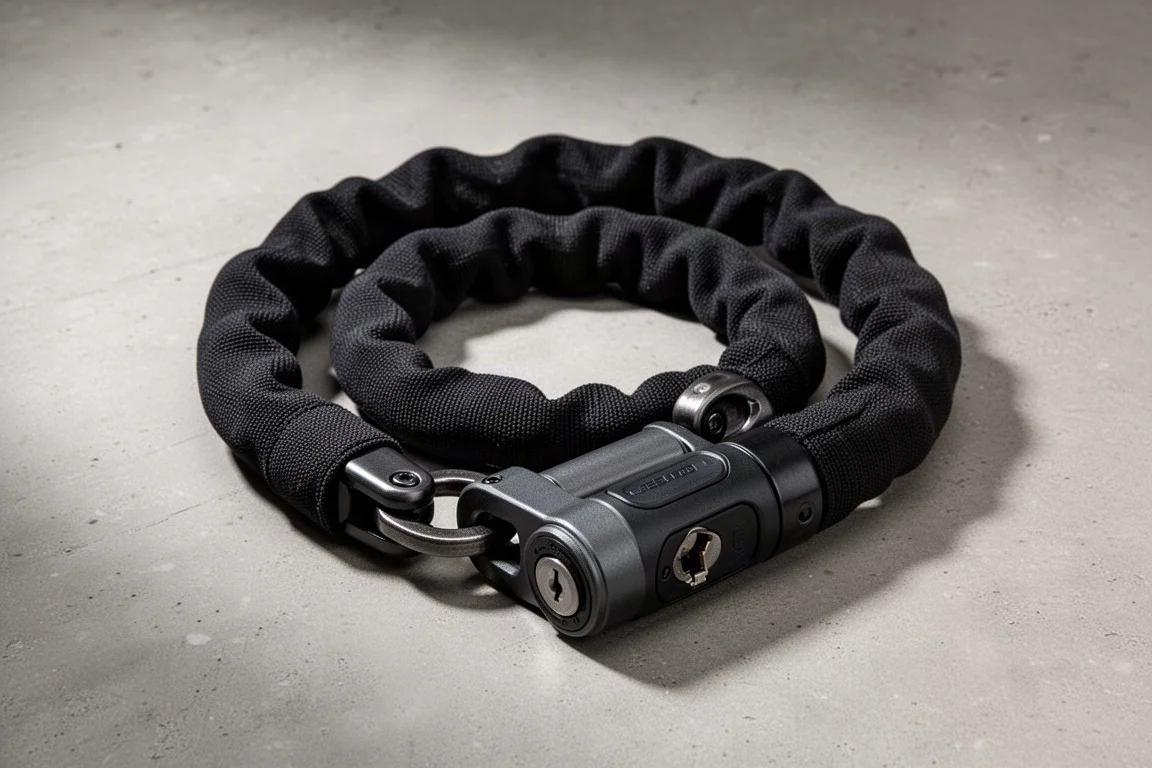
OnGuard The Beast
The OnGuard The Beast costs £84.99 and does not carry a Sold Secure rating. It survived 1 minute 4 seconds before it was cut, and during the attempt the cutting action generated enough heat to set the lock alight. The missing certification is the important caveat. It performed respectably, but it does not carry the third-party rating that insurers and policy documents often ask for.
Kryptonite New York Forget About It
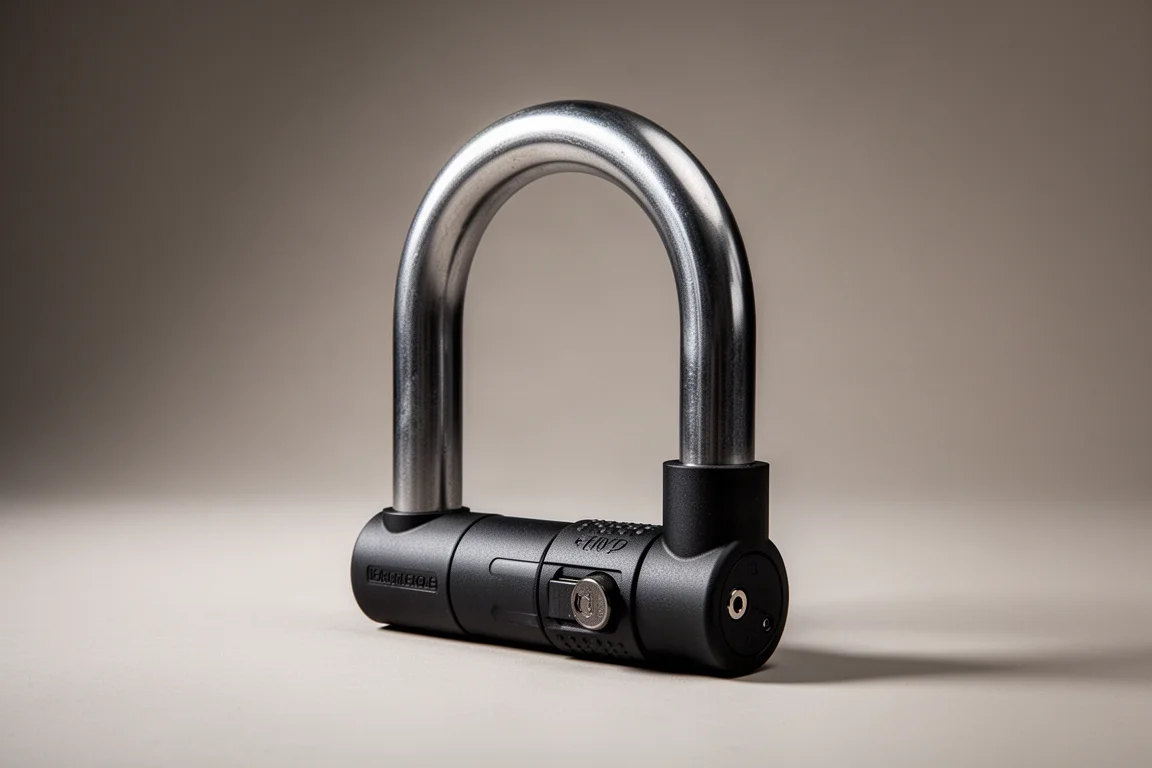
The Kryptonite New York Forget About It is Sold Secure Diamond rated and costs £100. At 2 minutes 38 seconds it was the hardest lock to cut in the first half of the test. The difficulty came down to the thickness of the shackle rather than any specialist coating. It is not an angle grinder proof lock, but it forces a long, loud, disc-destroying effort.
Angle Grinder Resistant Locks
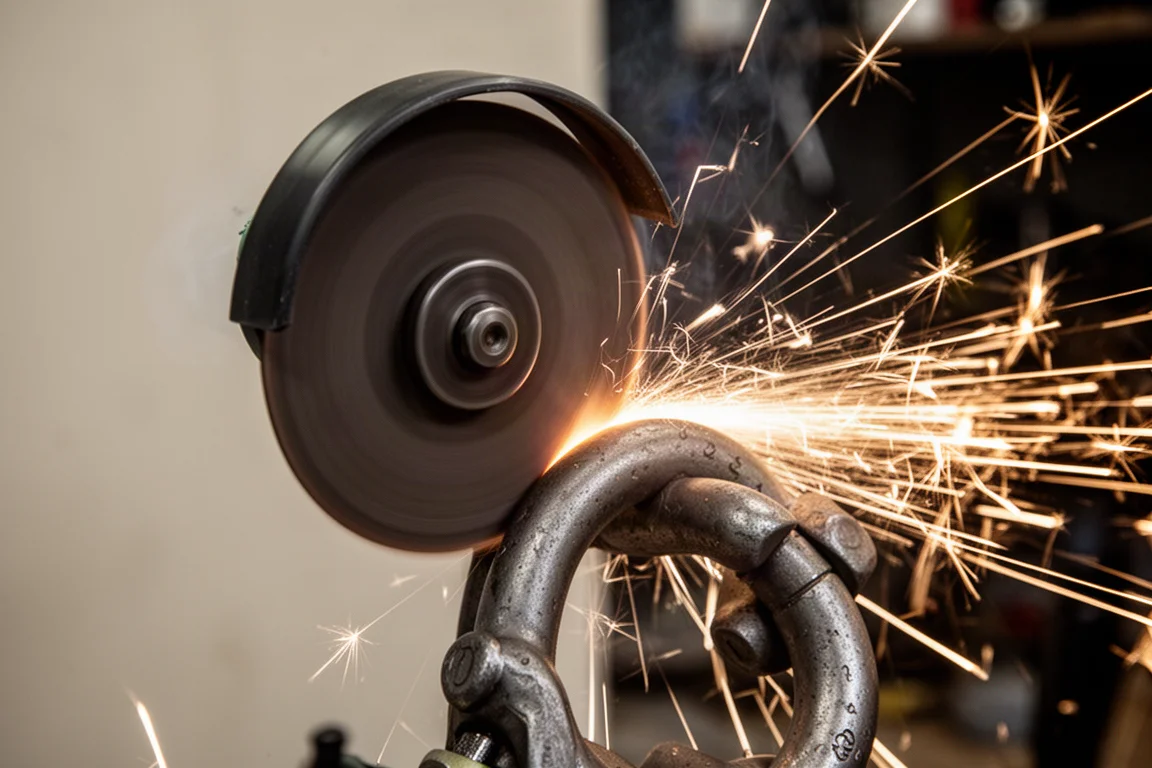
This is the tier where the test changed shape. All three locks here carry a coating or material treatment designed specifically to defeat cutting discs, and all three were attacked with diamond discs after the standard metal discs proved ineffective.
OnGuard Rock Solid
The OnGuard Rock Solid costs £199, carries a Sold Secure Diamond rating, and is specifically marketed as angle grinder resistant. After a full ten minutes of continuous cutting, the lock showed a dent representing roughly 10 percent of the way through the material, and the person cutting it was physically drained. The estimate given afterwards was that a full cut would take somewhere near an hour of work, with several battery changes if the grinder were not plugged into the mains.
Hiplok DX1000
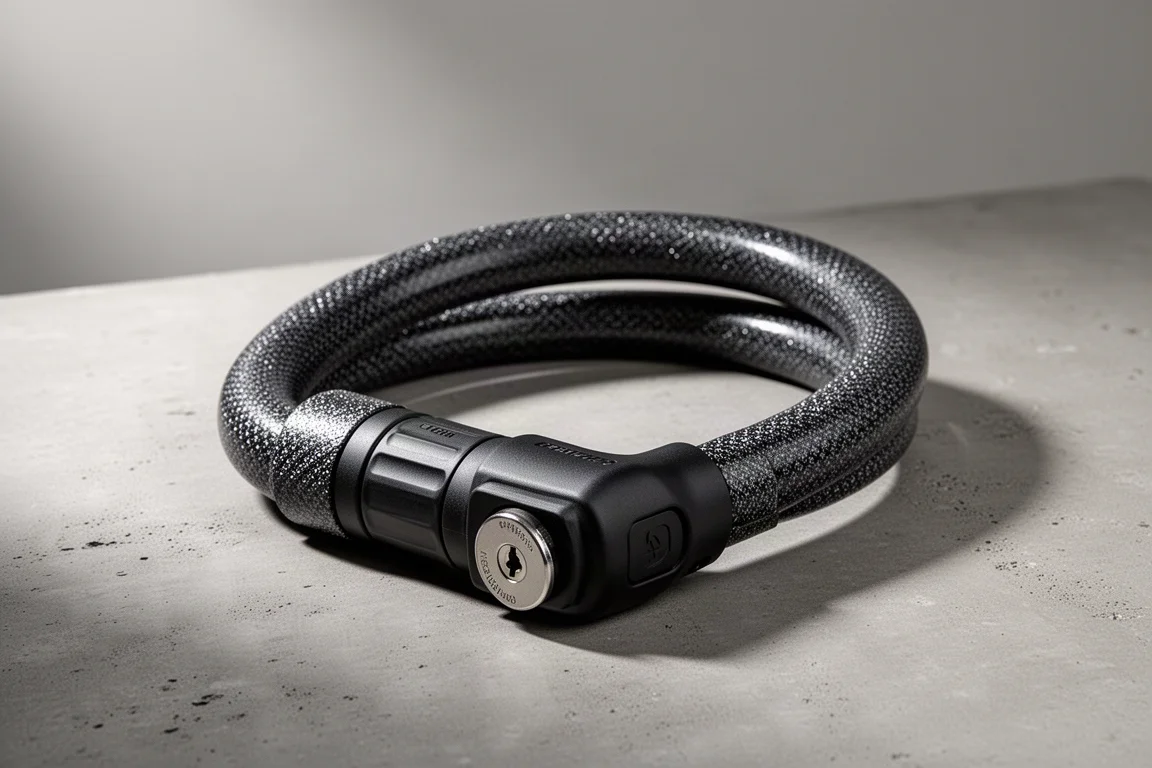
The Hiplok DX1000 costs £299 and carries an anti-angle grinder coating along with a Sold Secure Diamond rating. Ten minutes of cutting produced no dent at all, only a small polished patch where the disc had been running. The result was stronger than the Rock Solid, and the effort required was described as heavier still, partly because a second section of the lock is hardened as well.
Squire Behemoth
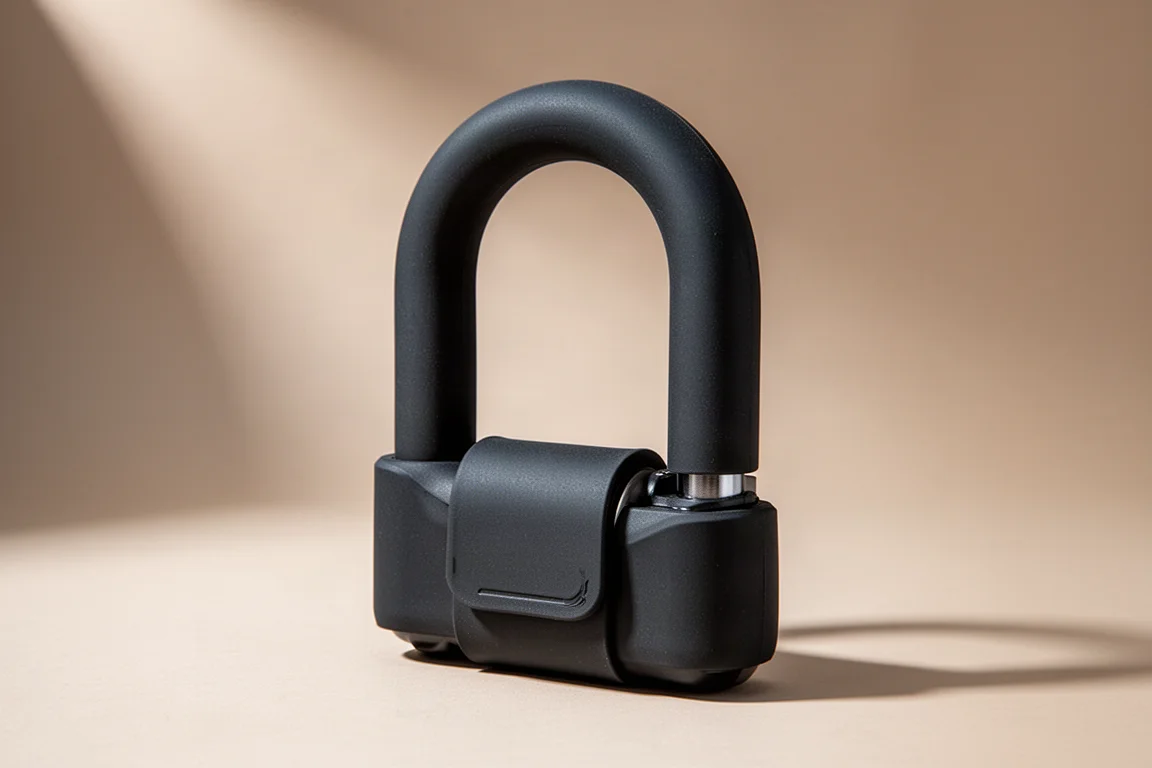
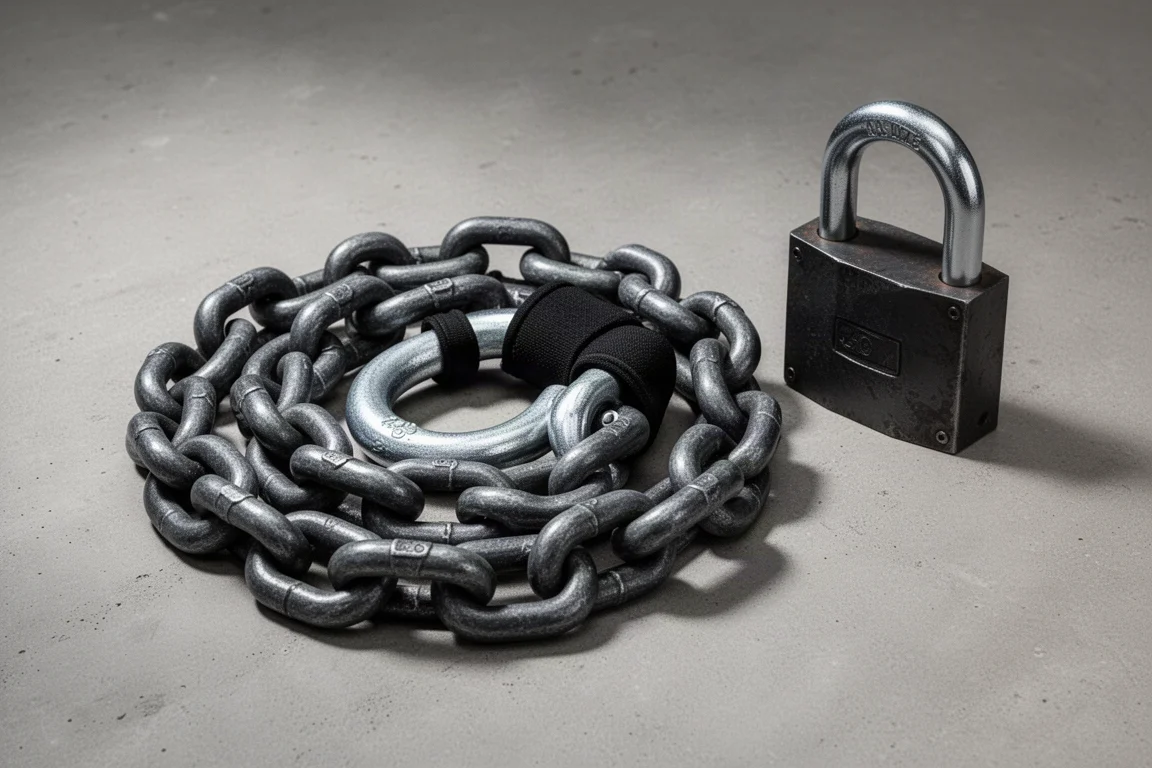
The Squire Behemoth costs £862 and is a different class of object. It uses a 20 mm diameter hardened boron alloy steel closed shackle paired with a padlock described as the strongest production padlock in the world, the Stronghold SS100CS, and it ships with two keys. It weighs more than every other lock in the test combined.
It was cut in 3 minutes 19 seconds, but that number tells a misleading story. The padlock held up. The chain is what failed, and the size of the links meant that speed was never the point. Getting through one section did not release the bike, because the remaining links kept everything in place. The takeaway is that a genuinely tough padlock is only as good as the chain it is attached to.
Buying Advice: Matching the Lock to the Risk
The results point to a simple rule. Buy the cheapest lock that matches the risk your bike actually faces, and do not pay for a rating you will never use.
If your bike lives indoors, is only ever left for a few minutes in a busy location, and is fully insured, a Bronze rated lock may be enough to satisfy the practical and policy requirements. The Sprogut, the Rottweiler and the Original Keeper all fall into this bracket, and none of them will slow down a thief who has come prepared.
If your bike is left outside regularly in a city, the mid-range tier is where the real value sits. The Kryptonite Evolution, the OnGuard 8000 Brute and the Hiplok DX all force an attacker to spend time and make noise, and the Hiplok DX adds a wearable format that makes it easy to carry every day.
If you are locking an expensive bike in a high-risk location, the angle grinder resistant group is the only one that changes the outcome rather than the delay. The OnGuard Rock Solid and the Hiplok DX1000 survived ten minutes of sustained attack, which is a fundamentally different result from surviving two or three minutes. The Squire Behemoth is the heaviest and most expensive option here, and it is best understood as a padlock solution. The padlock is exceptional, and the chain is the part that let it down.
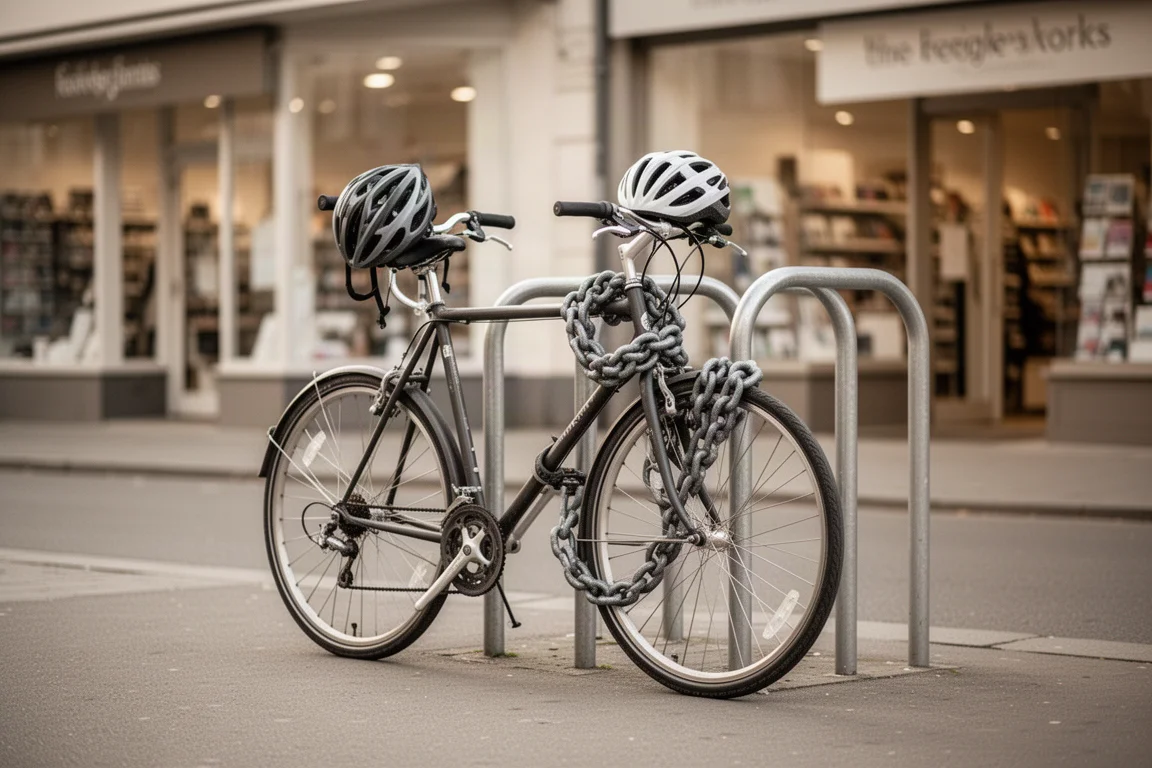
Whatever you choose, check your insurance policy wording. Most insurers require a Sold Secure rated lock and specific locking requirements, and a lock without a rating may not satisfy a claim even if it performs well in a test.
Conclusion
The stopwatch separates these locks more clearly than any marketing claim. Sub-£30 locks fell in single-digit seconds. Locks around £50 bought between 53 seconds and nearly three minutes. Above £200, the outcome changed entirely: ten minutes of grinding produced a dent of roughly 10 percent on one lock and nothing more than a polish mark on another.
If you take one thing from this, make it the pairing rule. A strong lock on a weak chain, or a Bronze lock on an expensive bike, is money spent on appearance rather than protection.
Further reading
Related Reviews

Backpacking Gear
Building a 10 lb Base Weight: An Ultralight Backpacking Gear List
A practical walkthrough of the ultralight pieces behind a 10 lb base weight, from a 765 g pack and a roomy one-person tent to a full camp chair and a dependable water filter.

Road Bikes
10 New Road Bikes Worth Watching: Aero, Titanium, Steel and Endurance Standouts
A practical roundup of 10 new road bikes, from aero flagships chasing single-watt gains to titanium, steel and endurance platforms built for real roads.
Bikepacking Gear
11 Bikepacking Essentials for Long-Distance Cycling
Eleven bikepacking essentials for long-distance cycling, from a steel gravel frame and a two-person tent to helmet lights, packable gloves, and a frame bag that puts weight in the right place.