Cycling Components
Bike Fit Upgrades Worth Buying: Seven Components That Change How a Bike Fits
Seven fit-focused components, from narrow handlebars and short-reach levers to wide-fit shoes and a studio fitting jig, and who each one actually helps.
Introduction
Most fit problems on a road bike are not solved by training harder. They show up as hands that go numb on longer rides, shoulders and a neck that tighten after an hour, knees that track badly, or a reach to the brake levers that never feels quite right. Very often the cause is dimensional: a handlebar that is too wide, a crank that is too long, a shoe that pinches across the forefoot, or a saddle tilt that sits a few degrees out.
This roundup covers seven components and tools that address those problems directly. Some are inexpensive and easy to try, and one is a professional studio tool rather than a home purchase. Each entry explains what the component actually changes and who tends to benefit most.
What to Look For in Fit-Focused Upgrades
Before spending anything, it helps to understand which measurement you are trying to change. Handlebar width, measured centre to centre at the controls, drives how far the arms have to travel outward. Reach, measured from the centre of the bar to where the controls sit, drives how far forward you have to go. Crank length drives how much the hip has to close at the top of the pedal stroke. Shoe width drives pressure across the forefoot. Saddle tilt affects where you sit and how much weight lands on your hands.
Adjustability matters almost as much as the headline specification. A component that is easy to set up correctly is more likely to stay correct, and a change that does not require new stems, new frames, or irreversible modifications is easier to reverse if it does not work out.
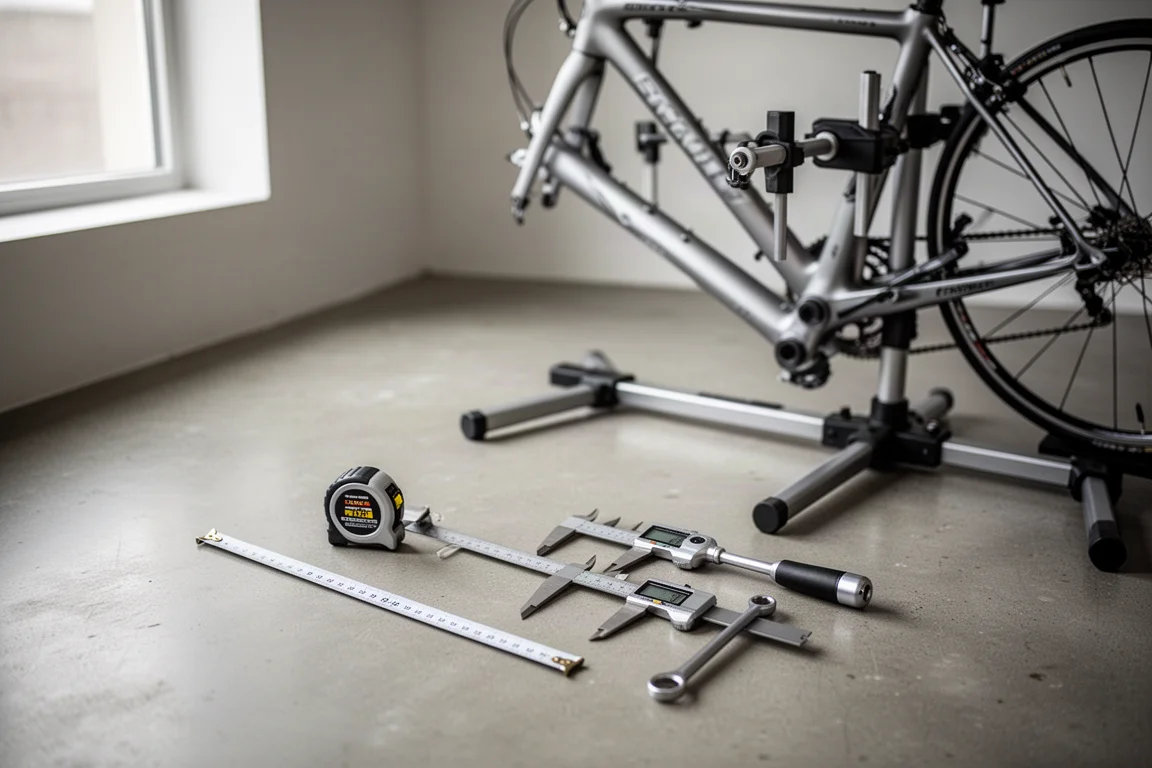
It also pays to have your position measured and assessed before you buy, particularly for shoes and handlebars. Numbers on a specification sheet are a starting point. The fit is what actually determines whether a component helps.
Ergon VCLS Seatpost: Saddle Tilt Without the Fuss
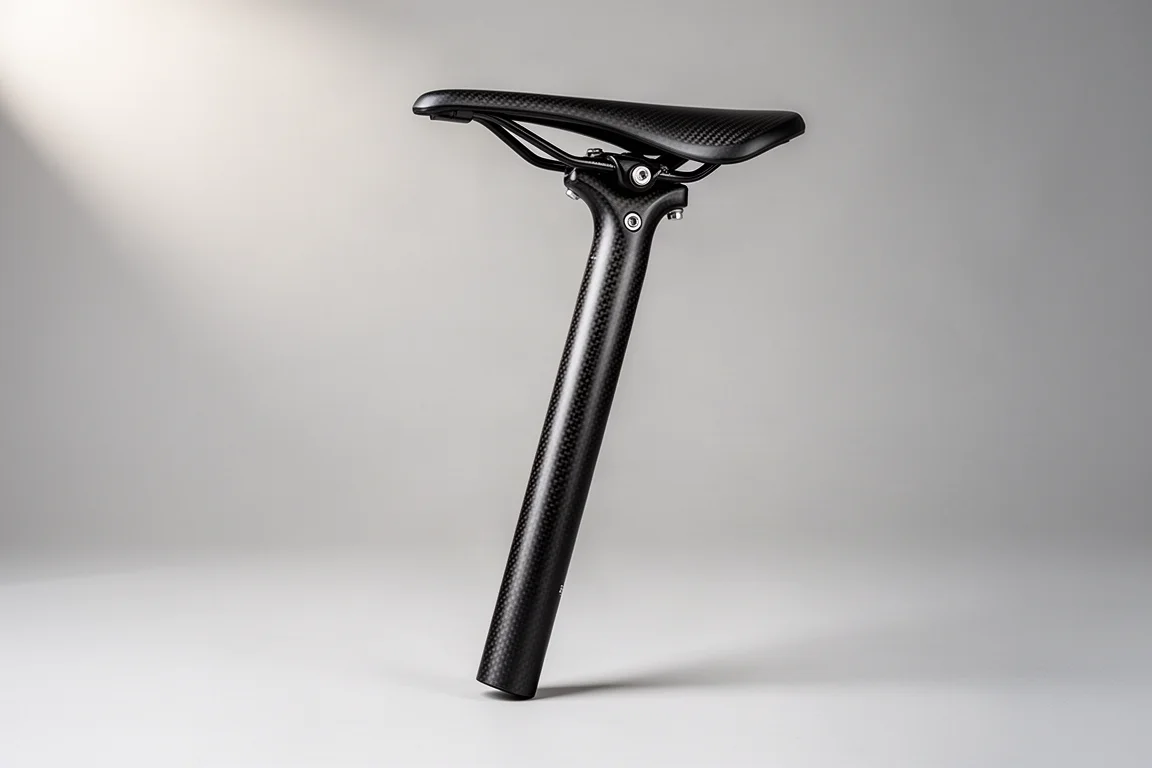
The Ergon VCLS is a leaf-spring carbon seatpost built from two separate components. It is frequently seen on Canyon bikes, but it is made by Ergon. The compliance from the leaf-spring design is the part most riders notice first, because the post flexes vertically under the rider and takes some edge off rough surfaces.
The reason it stands out for fit work is the tilt adjustment. A single bolt underneath locks the two pieces together. Loosen the bolt, set the saddle angle, tighten it again, and the tilt is set. For anyone who spends a lot of time adjusting saddles, that simplicity is the whole argument. It is a rare case where a component is both comfortable and unusually quick to set up correctly.
Fourier Handlebar: Narrow Widths for Smaller Riders
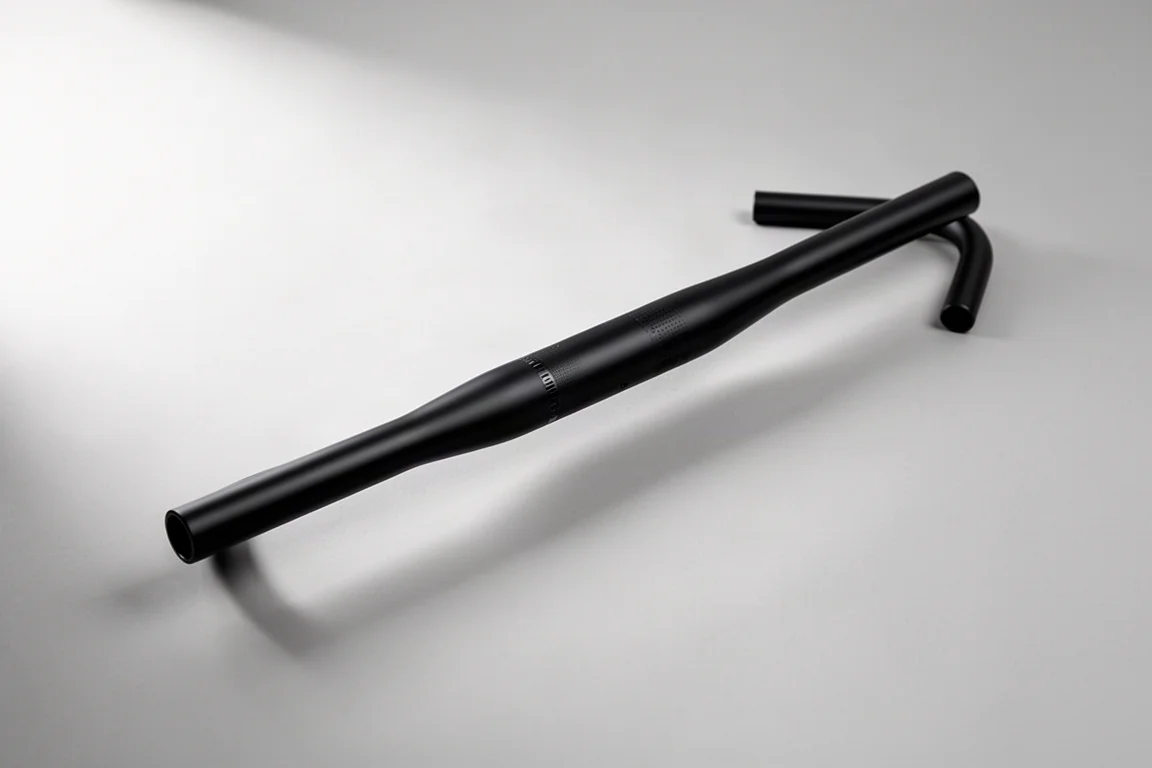
Handlebar width is one of the most common mismatches on smaller bikes. The narrowest commercially available bar is usually 36 cm, measured centre to centre across the point where the controls are mounted. For smaller riders that is often simply too wide, and you do not have to be especially small for it to be a problem. Riders of average build regularly run 34 cm bars.
The Fourier handlebar is available in 32 cm and 34 cm widths, which makes it one of the few options at that end of the market. It is an inexpensive component at around £50, but the change in feel can be substantial. Shorter reach to the controls, less pressure on the hands, and a narrower frontal position are the usual outcomes.
Lake CX-238: Wide-Fit Shoes for Road and Gravel
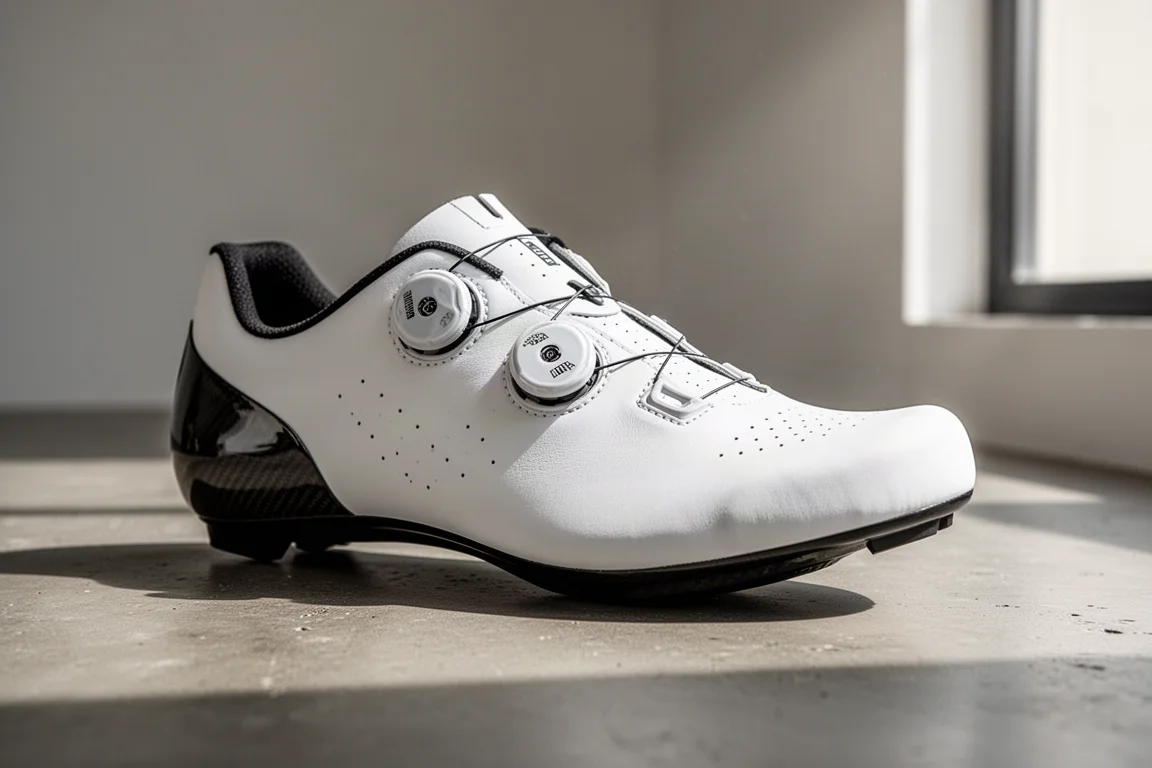
The Lake CX-238 is a wide-fitting shoe as standard, so riders with wide feet often do not need a separate wide version. A leather upper is paired with a double barrel closure and a carbon fibre sole, and by the standards of the category it is extremely roomy. There is effectively nothing wider on the market, including the extra wide versions of Lake’s own higher-end models.
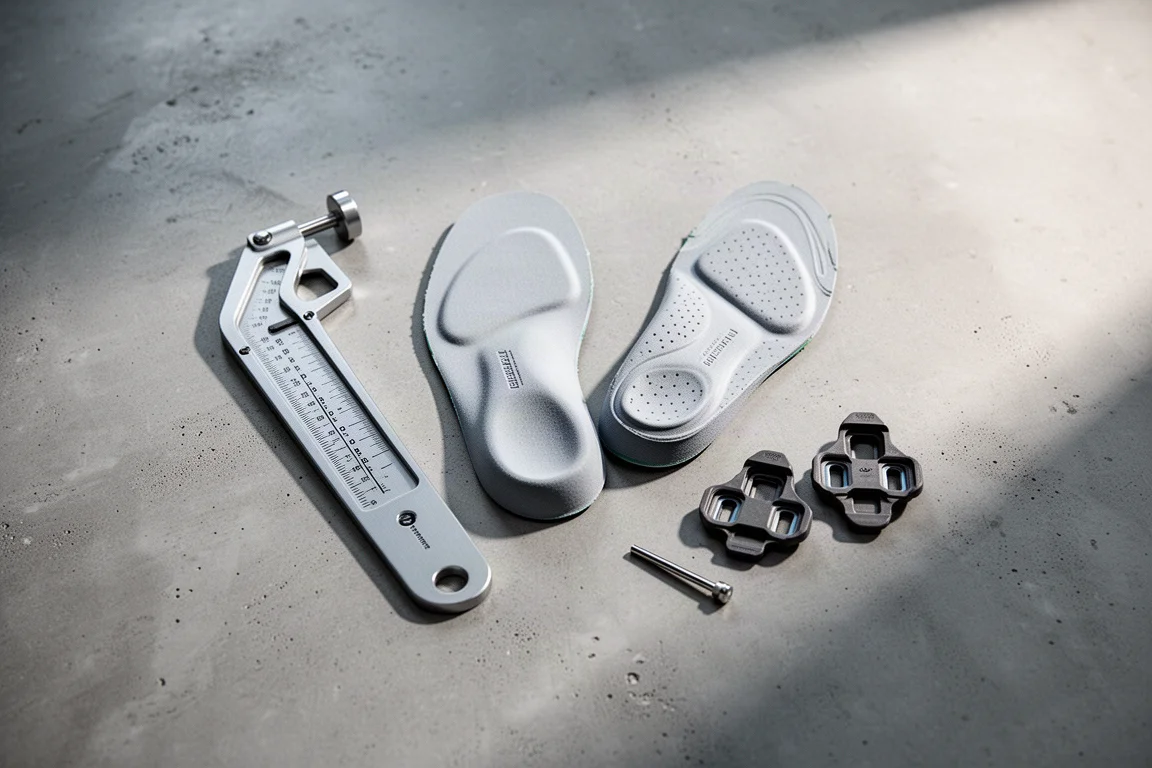
The same last and upper are also available in a mountain bike and gravel version with a two-bolt sole, which means one shoe shape can be used on a road bike and an off-road bike. That consistency matters if you move between bikes, because the fit does not change when the shoe does. As with any shoe, measure and assess your feet before buying rather than assuming a size.
Specialized Hover Bar and Riser Drop Bars
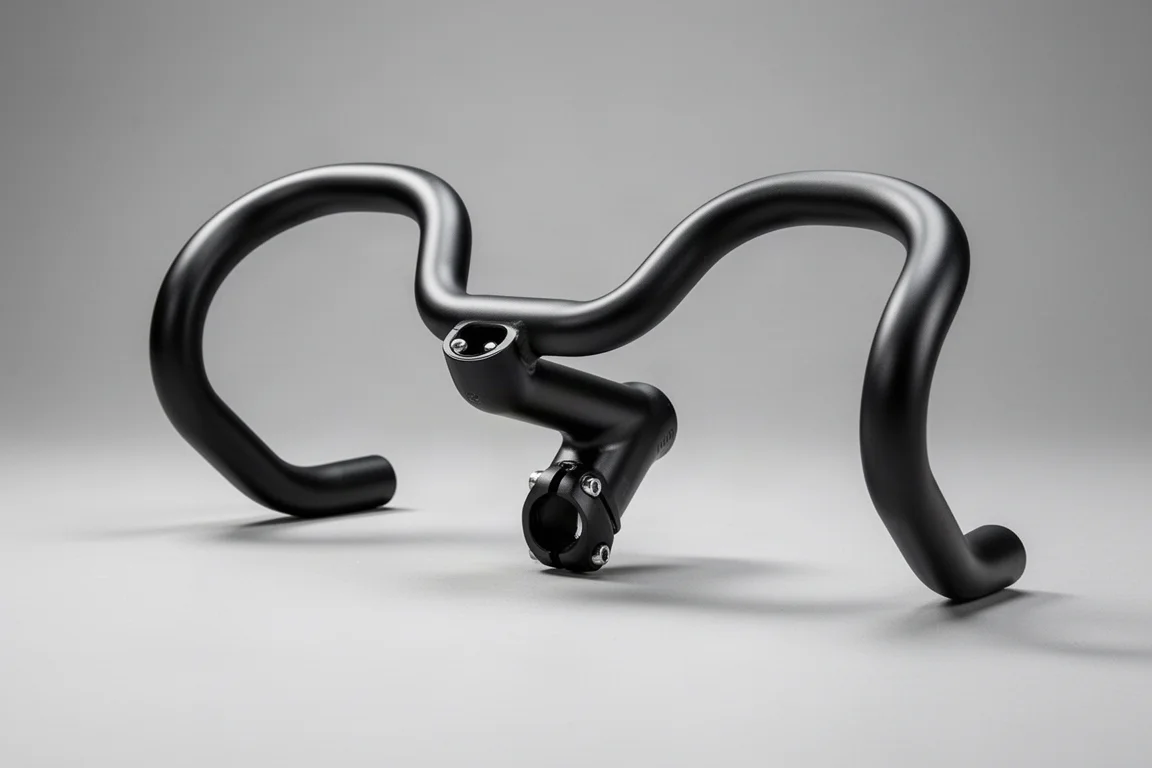
Riser drop handlebars raise the front end without changing the bike. Specialized introduced the format with the Hover Bar, originally designed for the second-generation Venge and now offered for more conventional front ends. It provides a 25 mm or 40 mm rise, and other brands offer similar bars with a 25 mm rise.
The benefit is straightforward: the controls come up 25 to 40 mm without swapping the frame or flipping the stem, and inverting a stem can have a negative effect on handling. Riders dealing with neck, shoulder, or hand discomfort are the usual candidates, particularly when the saddle-to-bar drop is more aggressive than the rider’s position can comfortably support.
Shimano 105 Short-Reach Hydraulic Levers
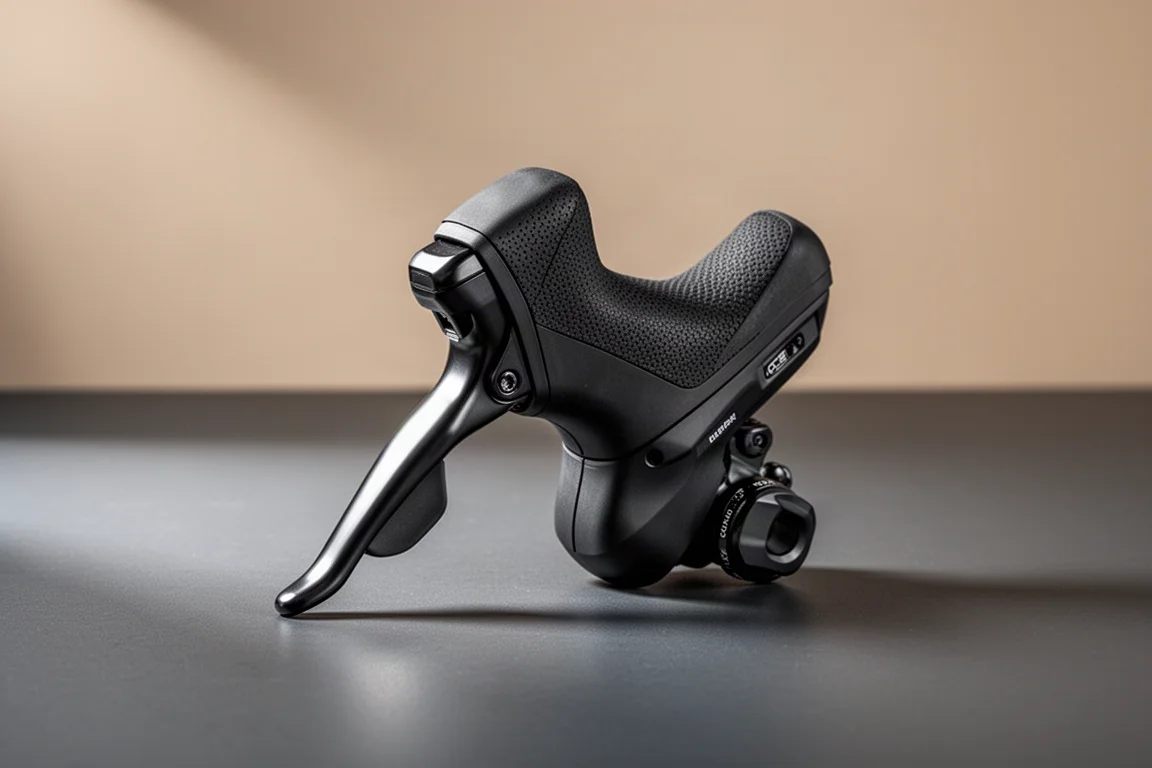
Reaching the brake levers from the drops is a common complaint, and it usually has one of two causes: the bar is too wide, or the reach is too long. When bar width and reach are already optimised and the problem remains, lever design becomes the limiting factor. Shimano addressed this with a lever body that is shorter than standard, reducing the distance to the back of the hood. The design is intended specifically for smaller hands and is offered on the 105 hydraulic groupset, historically in 11-speed form.
Handlebar reach is the other half of the equation. Most short-reach bars measure around 75 mm from the centre of the bar to the controls, and a few designs come in closer to 70 mm, with the shortest options around 65 mm. Combined with a short-reach lever, that is a practical way to bring the controls closer when the stem is already as short as it can reasonably go.
Shorter Cranks: 160 mm Options from Shimano and SRAM
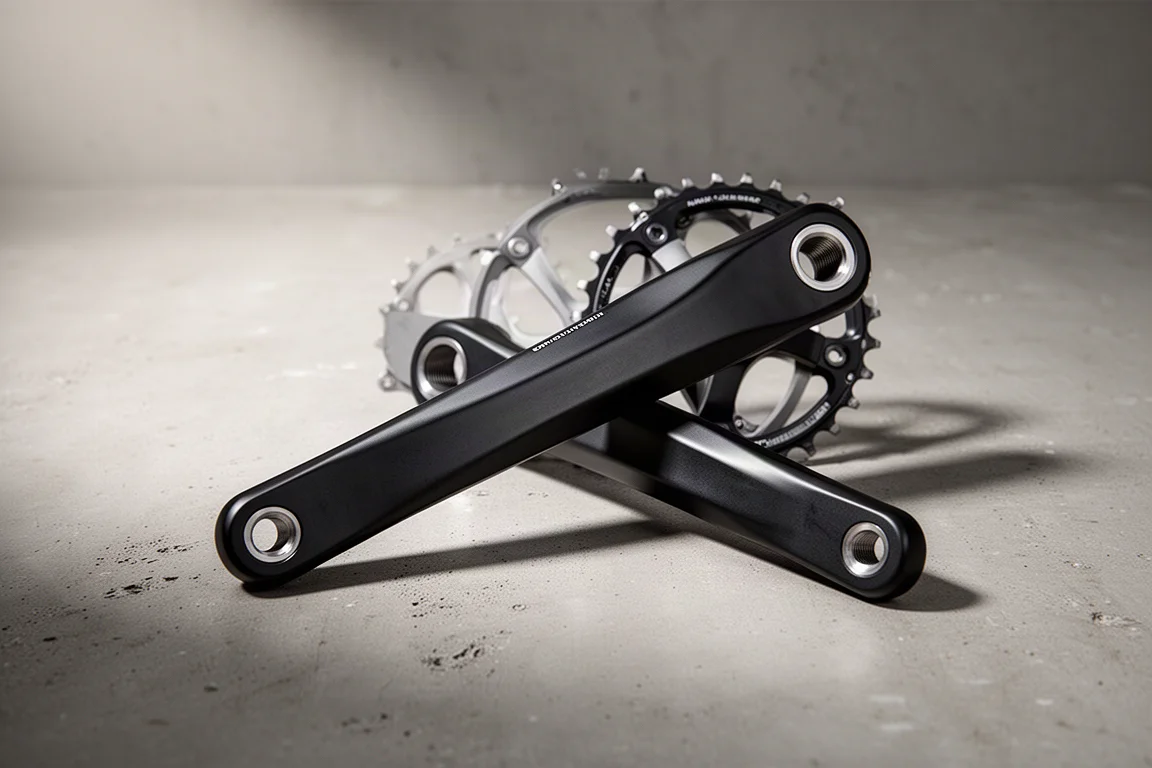
Crank length has moved in a useful direction. Shimano now offers 105 and Ultegra cranks in 160 mm, and SRAM offers 160 mm in Force and Rival. For a long time the shortest commercially available crank was 165 mm, so this is a meaningful shift for smaller riders.
Shorter cranks make it easier to come over the top of the pedal stroke, which matters most for riders with hip impingement or a very closed hip angle. The arms are still not as short as some fitters would like, but the direction of travel is right.
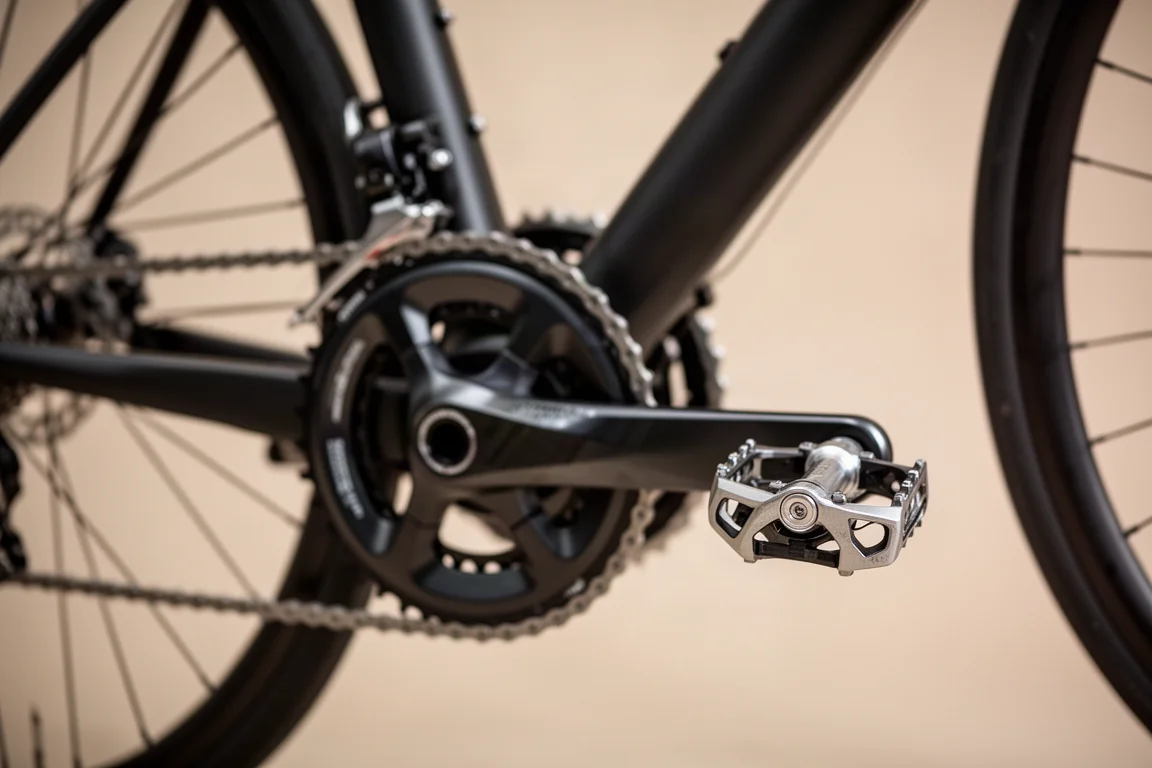
For riders who have already shortened the stem and the reach as far as they reasonably can, crank length is often the next place to look, because it changes the position at the hip rather than the position at the hands.
Purely Custom Fitting Jig: A Fit Studio Tool
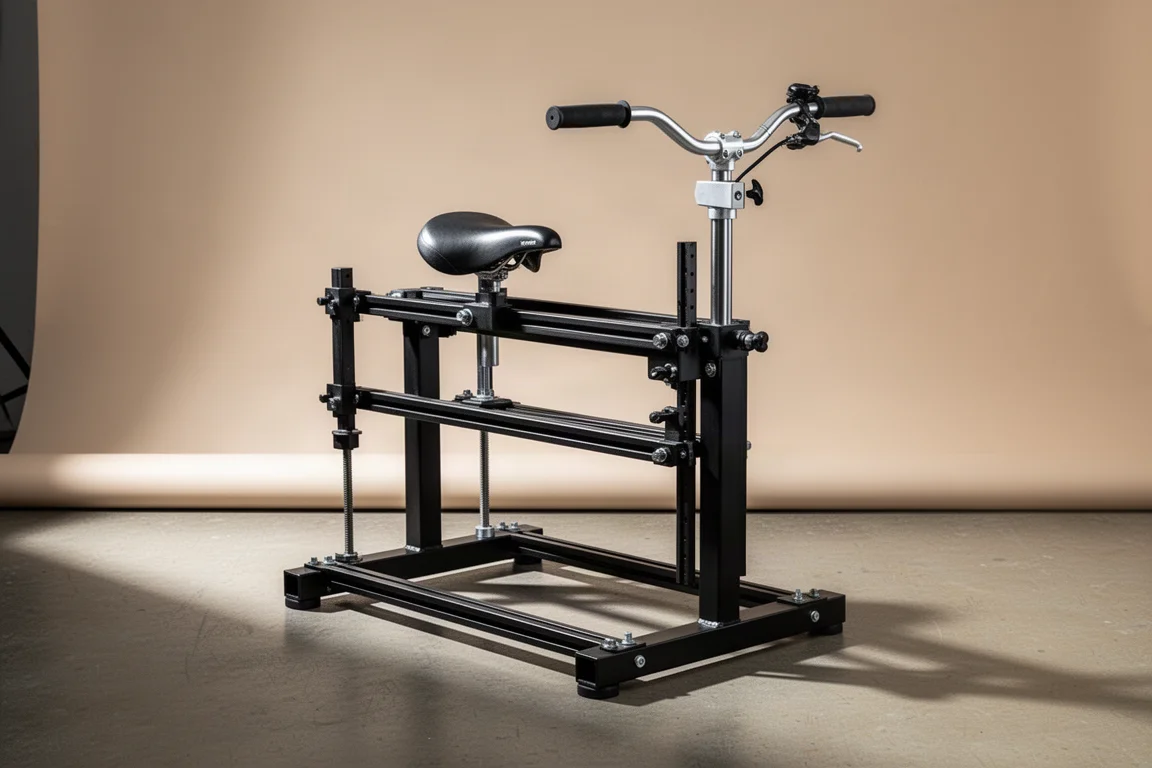
A fitting jig is a different category of purchase altogether. The Purely Custom jig is an infinitely adjustable apparatus that reproduces a rider’s position without the rider’s own bike, which removes the limitations of that bike from the process. Saddle position, handlebar position, and crank length can all be experimented with while power, cadence, heart rate, and torque vectoring are measured.
Historically, fitting was carried out on the bike itself, which meant every position change required swapping stem lengths or handlebar widths. The jig shortens that loop considerably. Some fitting studios also record position changes from four angles at 60 frames per second, which allows a direct before-and-after comparison and helps confirm whether a change made a measurable difference. This is professional equipment, priced around £20,000, and it makes sense for a fit studio rather than a home workshop.
Overall Buying Advice
Start with the problem, not the product. If your hands hurt, check bar width and reach before you buy anything. If your knees track poorly or your hips feel compressed at the top of the stroke, look at crank length and stance width. If your feet are under pressure across the forefoot, get measured and consider a genuinely wide shoe rather than simply going up a size. If your saddle tilt keeps drifting out of place, a post that is quick to adjust saves real time over a season.

Small, inexpensive changes are worth trying first. Two millimetre pedal washers move the feet slightly further apart, which can improve knee alignment and relieve pressure on the outside of the foot, and they retain good thread engagement with the pedal while remaining compatible with most pedal systems.
Then decide how much you want to spend. Narrow handlebars, riser bars, and short-reach levers are relatively low-cost ways to change how the front end feels, and each one is reversible. Shoes and seatposts sit in the middle of the range, where fit quality matters more than weight. A fitting jig is studio equipment and belongs in a professional setting rather than a home workshop.
Conclusion
None of these components is a substitute for a proper fit, but each one removes a specific limitation that riders commonly run into. Narrow handlebars and short-reach levers bring the controls closer. Riser drop bars lift the front end without touching the frame. Shorter cranks open the hip at the top of the stroke. A wide-fitting shoe removes pressure from the forefoot, and an easy-to-adjust seatpost keeps saddle tilt where you set it. Start with the measurement that is actually causing the problem, and the right upgrade becomes much easier to identify.
Further reading
Related Reviews
Cycling Components
A 20,000-Mile Budget Race Bike Build: Five Parts Worth Knowing
A rim brake race bike assembled from low-cost components and ridden for 20,000 miles. Here is what delivered real speed, what caused problems, and what to weigh before copying the formula.
Cycling Components
7 Bike Fit Products Fitters Avoid: What to Check Before You Buy
Seven bike components that regularly cause knee, foot and saddle problems, with the specific concerns behind each one and what to look for instead.
Cycling Components
Four Affordable Bike Upgrades That Improve Ride Feel
Four low-cost cycling products that make a real difference to ride feel, plus the free setup changes worth trying first.