Cycling Components
Bike Fit Red Flags: Five Cycling Components Worth Rethinking Before You Buy
Five saddles, pedals and seatposts that repeatedly cause fit problems, why they fail, and which small upgrades are worth the extra spend.
Introduction
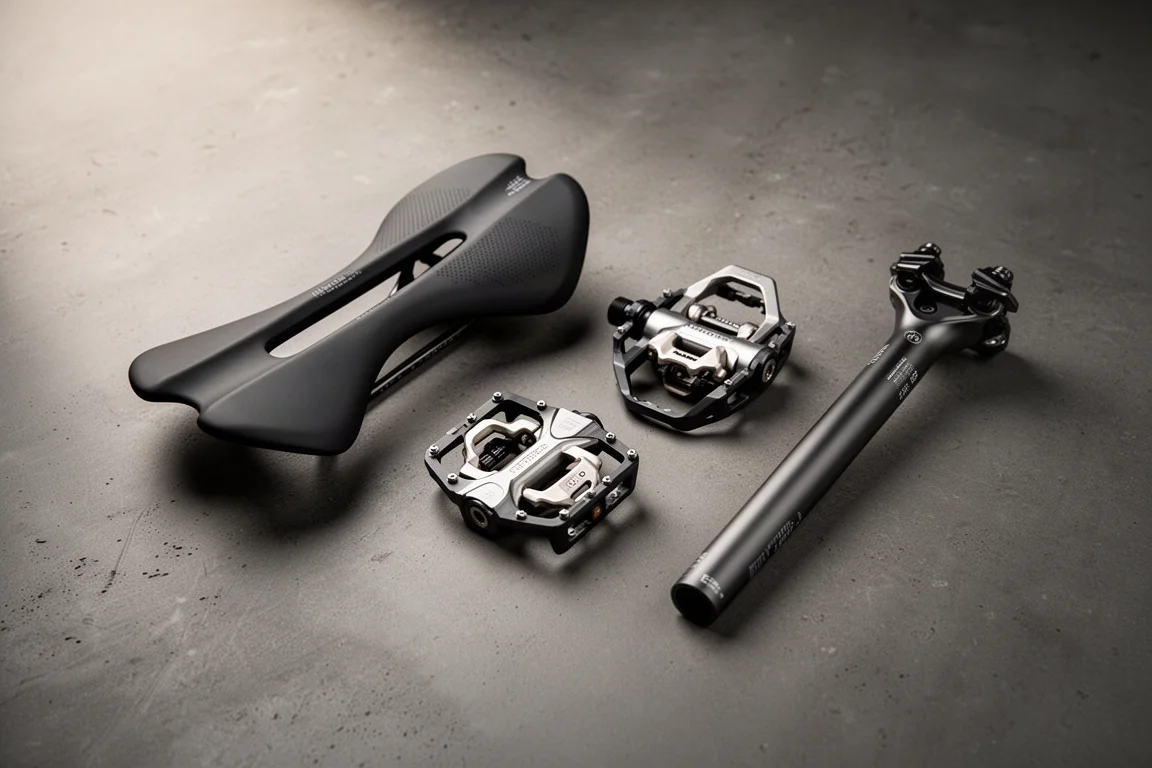
Saddles, pedals and seatposts sit at the three contact points where a bike either disappears underneath you or quietly ruins your knees, your hands and your confidence. The five components below turn up again and again during fit sessions, and almost always for the same reasons. They remove adjustment rather than add it, they put pressure where the body is not built to take it, or they simply will not hold a setting.
None of them are cheap mistakes. A pedal that destabilises the foot, or a saddle that pushes you onto the nose, can take months to show up as pain. By then the component has usually been blamed on something else: shoe fit, arch support, cleat position or the rider’s own flexibility.
This guide explains what goes wrong with each of the five, who is most likely to feel it, and where a small amount of extra money buys a much better outcome.
How These Components Fail Riders
Three things separate a component that works from one that causes problems.
The first is pressure relief. A saddle needs to support the sit bones and stay out of the way of everything else. When it is too wide, too flared, or has no nose at all, riders unconsciously slide forward until the body finds something stable, and that position rarely survives a full ride.
The second is adjustability combined with security. Retention systems, clamps and cleat interfaces all have to hold a setting under load and through thousands of cycles. A clamp that creeps, or a cleat that rocks inside the pedal body, turns every pedal stroke into a small correction the knee has to absorb.
The third is fit range. Components that come in one width, one length or one shape suit only a narrow slice of riders. When a part cannot be adjusted to the person, the person ends up being adjusted to the part.
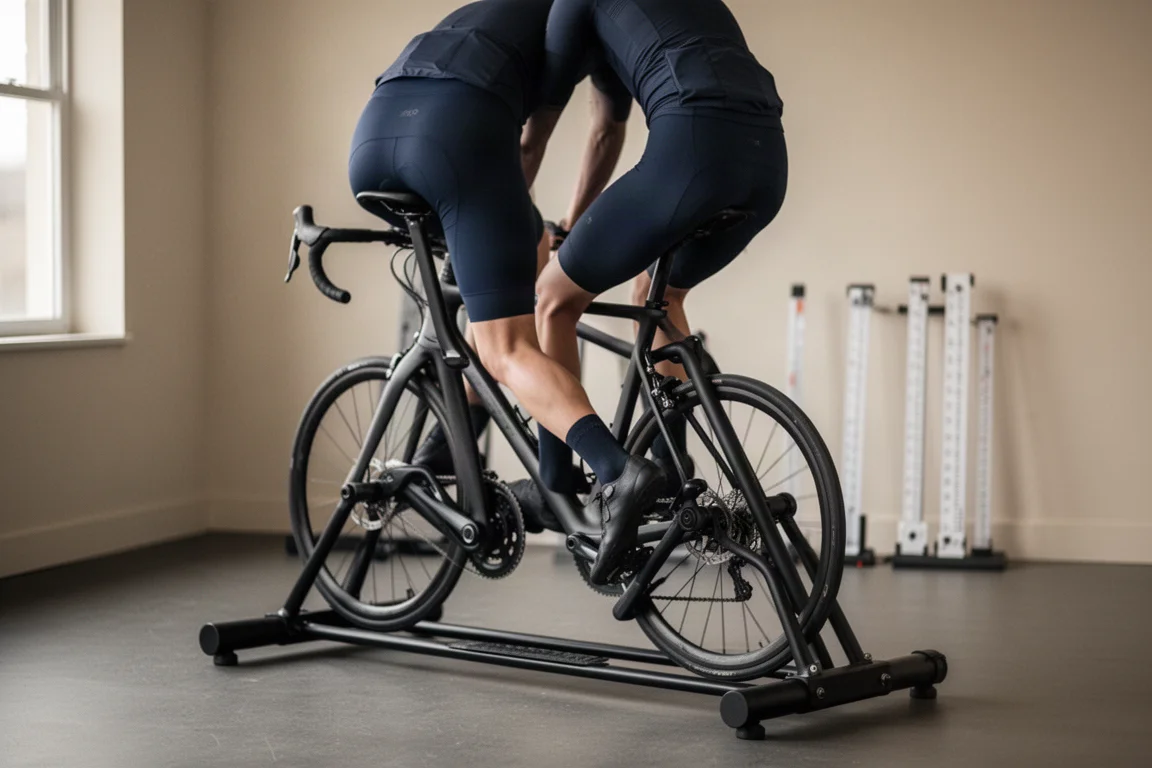
History is worth remembering here. Fixed cleats arrived in professional cycling in the mid to late 1980s, and the knee injuries that followed were not linked back to them for years. The lesson is not that any one design is inherently evil, but that the body needs some freedom to rotate. A component that removes that freedom, or that fails to hold the position it promises, should be chosen with care rather than enthusiasm.
Specialized Power Saddle
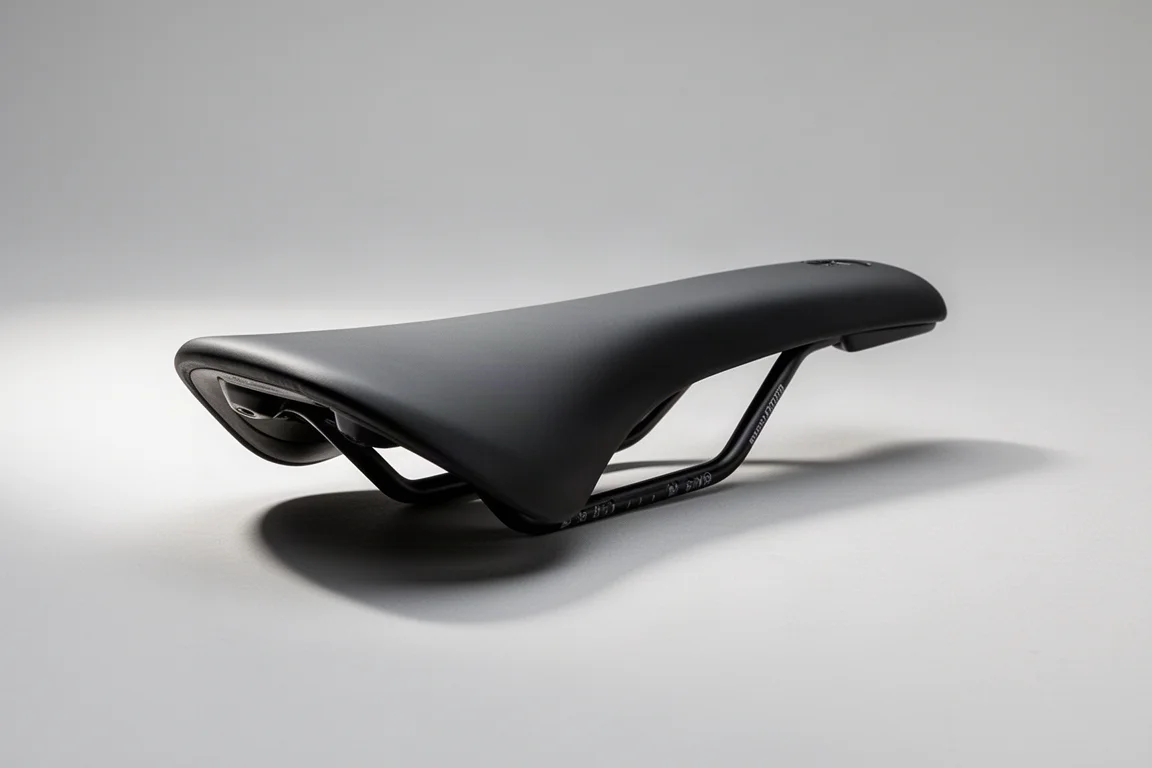
The Specialized Power is built around a short, wide shape with a pronounced flare angle at the rear. That flare is where the trouble starts.
Many riders find their thighs catch on the wings of the saddle, so they naturally shift forward onto the narrow nose. On a shape with no real nose, there is very little left to sit on. The result is a position that changes constantly through a ride and support that disappears exactly when the road gets harder.
Riders who get along with it often say the shape lets them move around. Moving around is not the same as being supported. It is closer to an engine sliding about inside an engine bay, where the movement looks like freedom but costs efficiency. A component that has the rider hunting for a stable position every few minutes is doing the opposite of what a saddle is for.
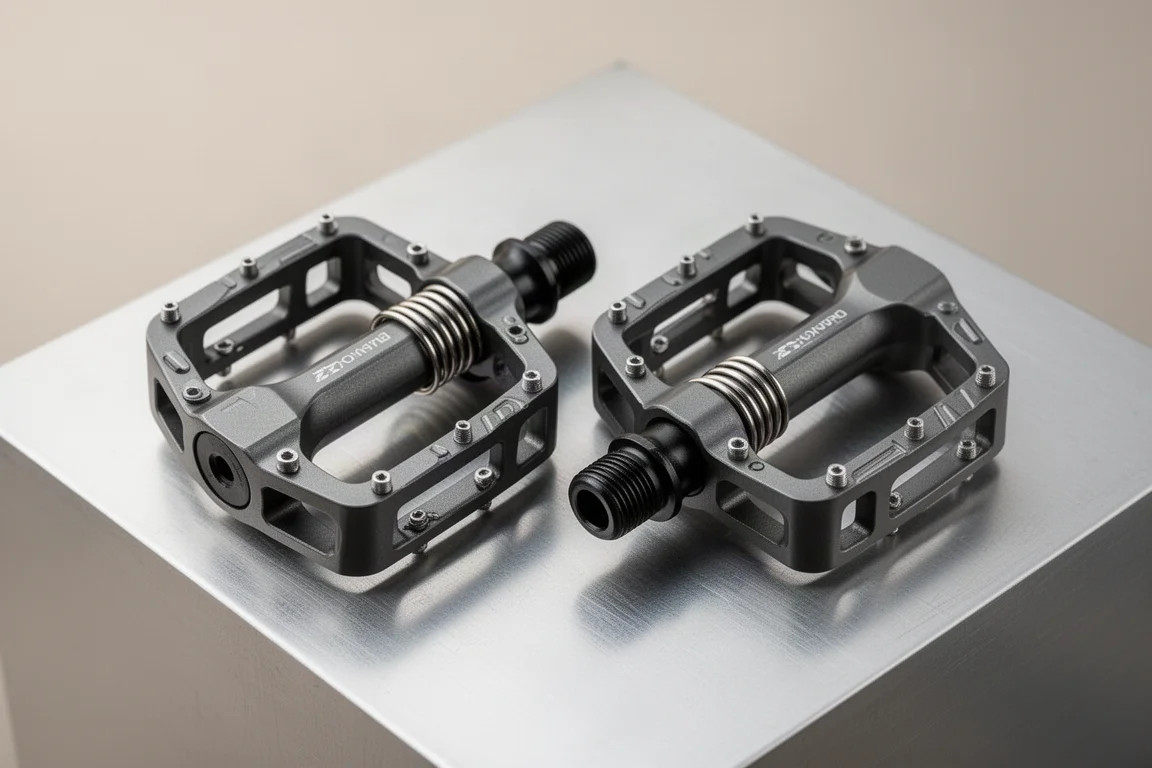
Speedplay Pedals
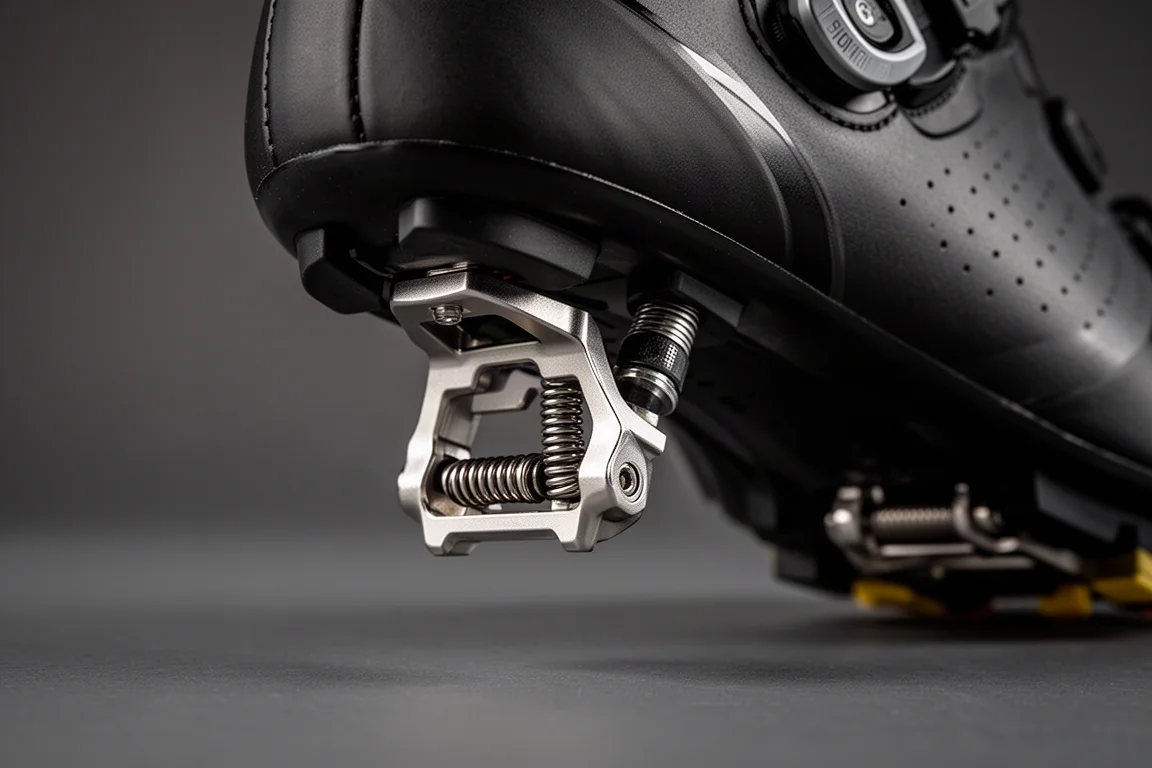
Speedplay is the most expensive, highest maintenance and least stable pedal system of the group. The C-spring that locks the cleat in place is a wear item, and it is typically finished after around a thousand miles. Replacement cleats cost roughly £75.
The platform has also lost the features that once made it genuinely useful to its own users, with axle extensions and base plate extensions no longer part of the offering. What remains is a system that offers a great deal of adjustment while failing to solve the problems riders actually bring to a fit.
It is worth being direct about who tends to suffer. Larger riders commonly report foot problems and knee problems when they use this system over time. Many people describe it as a bike fitter’s dream, but in practice it behaves much more like a maintenance and stability headache.
Adjustability only helps if the foot is stable enough to use it. Freedom that turns into rocking under load is not freedom, it is an extra variable the knee has to manage on every stroke.
Shimano R540 Pedals
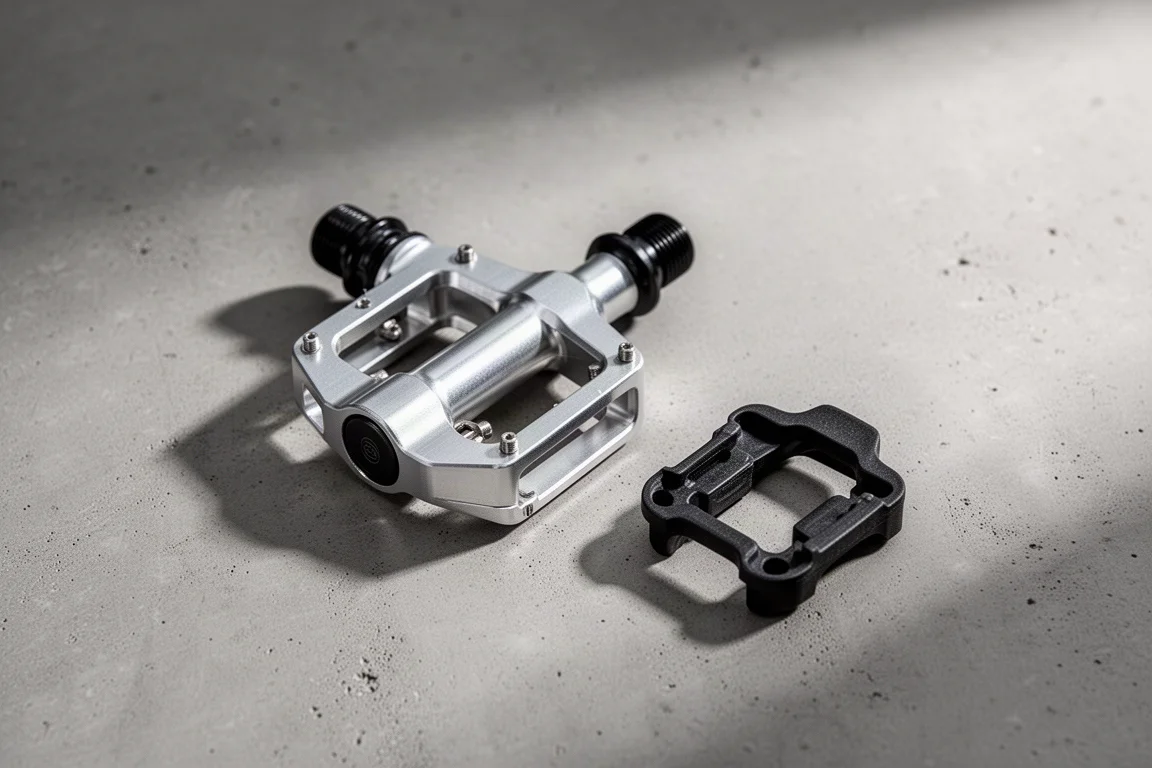
The Shimano R540 is the cheaper of the two Shimano road pedals here, and it is the one to avoid. The cleats do not seat properly in the pedal body. Instead they shift and wrap around inside it, so the foot never sits on a solid platform.
That instability is the whole problem. A pedal that lets the foot move when you push asks the knee to absorb the difference, and it does so thousands of times per ride. The savings at the checkout are real, but they are paid back in discomfort and, in some cases, in a longer and more expensive fit process.
Shimano R550 Pedals
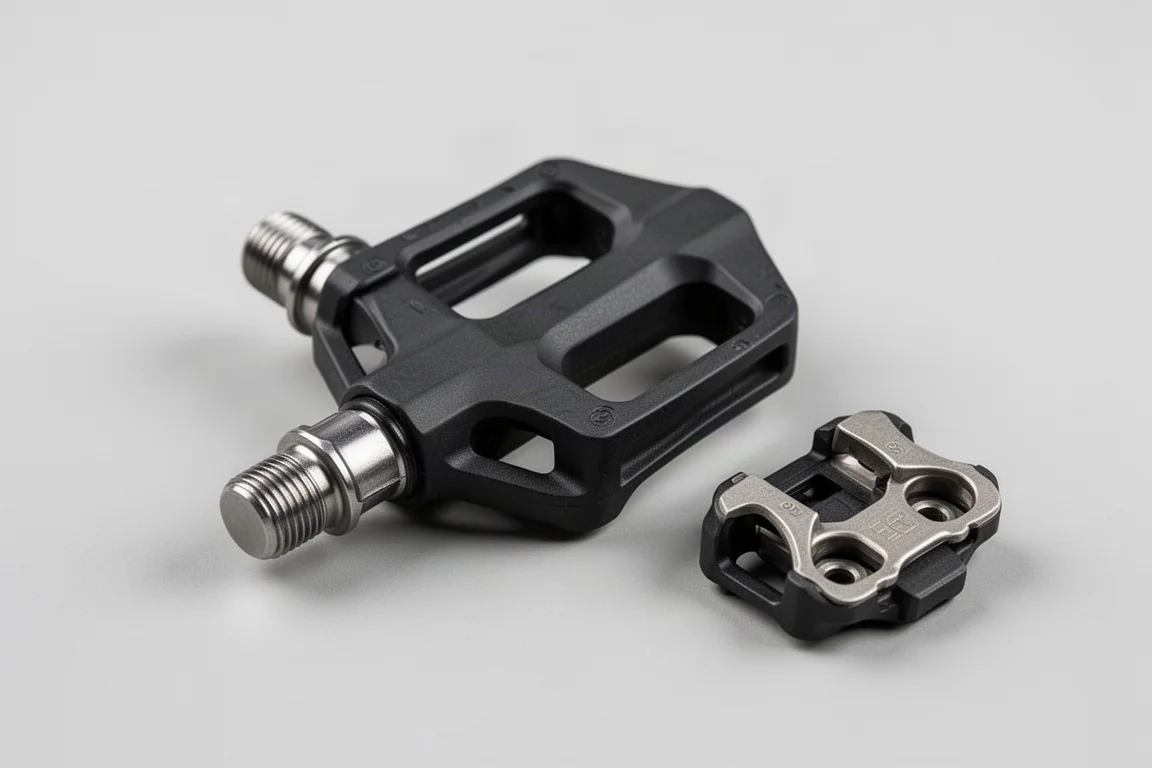
For a few pounds more, the Shimano R550 addresses the problem directly. The body is plastic rather than aluminium, which some riders read as a downgrade, but the cleat interface holds the foot far more securely.
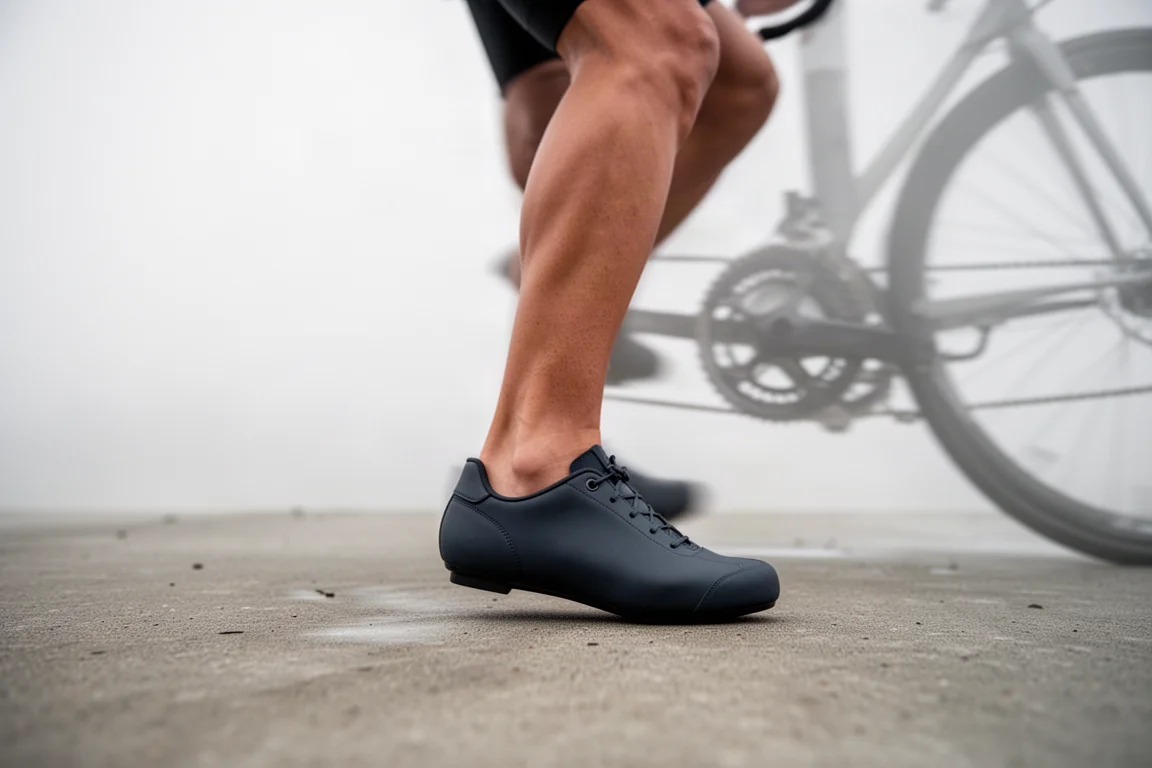
That trade is straightforward. A slightly less premium material is a small price for a pedal that keeps the foot stable and lets the knee track the way it is meant to. If you are already looking at the R540, this is the upgrade that costs almost nothing relative to the rest of a bike build.
3T Ionic Seatpost
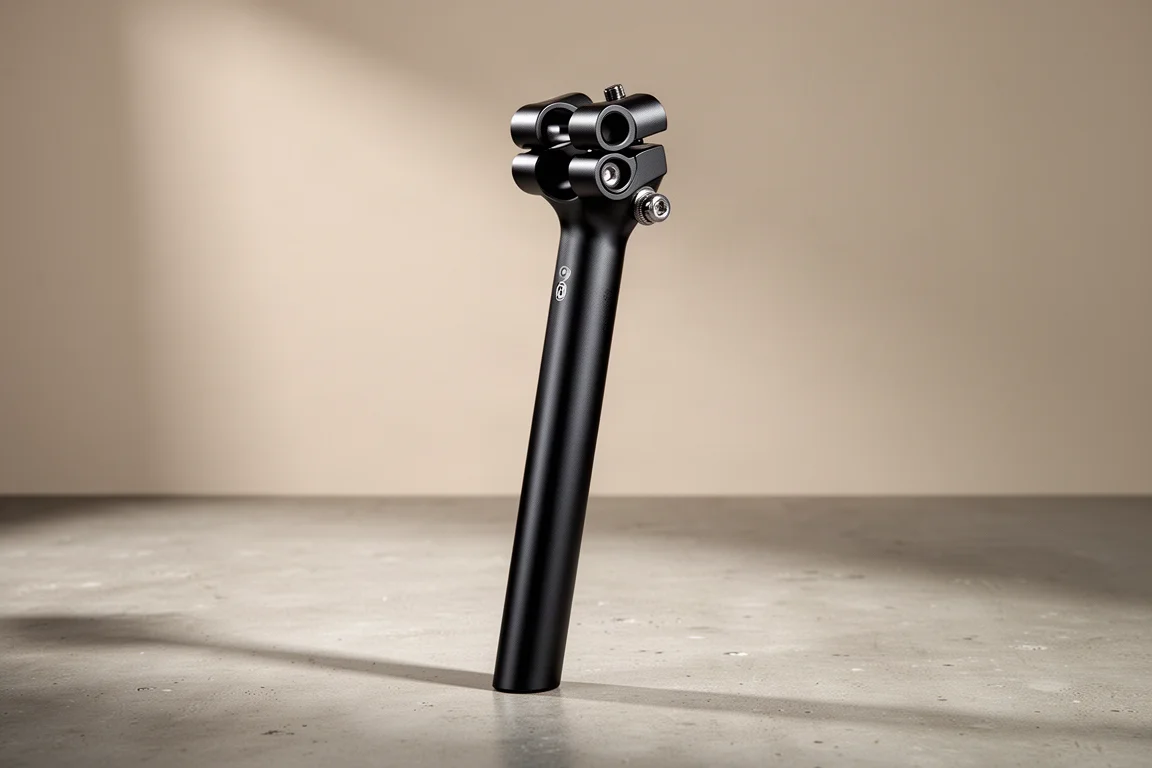
The 3T Ionic uses two opposing chambers that fit inside one another. The intention is adjustability, and the reality is that the saddle is almost always pitched either excessively nose down or excessively nose up, with no reliable way to land on a setting in between.
Seatposts of this type also have a reputation for not staying level and for working loose no matter how carefully they are tightened. Saddle angle drives pressure distribution, hand comfort and lower back load, so a post that will not hold its setting affects the entire bike rather than one contact point.
If you own a seatpost in this family, the practical answer is to move it on and fit something that holds a setting through a full season.
Buying Advice
Fit first, buy later. Several of the problems above come from buying a component before knowing the position it has to support. A short, wide saddle bought because it is popular is a guess. A pedal bought because it offers the most adjustment is a guess. A seatpost bought because it matches the frame is a guess.
Two practical rules are worth keeping in mind.
First, prefer round seatposts. A standard 27.2mm post is inexpensive, available in a wide range of offsets and materials, and does not lock you into a single supplier. Proprietary shapes cost far more to replace: a single D-shaped post can run to around £230, which is more than most riders spend on a saddle. At least one brand now offers a D-shaped post that still accepts a 27.2mm post inside it, and that is the kind of thinking the rest of the industry should copy.
Second, spend the extra few pounds wherever it buys stability. The gap between the Shimano R540 and the Shimano R550 is small, and the difference in how securely the cleat is held is not. The same logic applies to saddles: get the width, flare angle and nose shape measured rather than guessed, and if a shape forces you onto the nose, treat that as a signal rather than a preference.
Conclusion
A saddle that pushes you forward, a pedal that lets the foot rock, or a post that will not hold an angle all share the same flaw. They take adjustment away from the rider instead of giving it back, and they ask the body to compensate on every pedal stroke. The Specialized Power, Speedplay, Shimano R540 and 3T Ionic each have their defenders, but the pattern of complaints around them is consistent enough to be worth taking seriously before you spend.
The encouraging part is how little the good outcome costs. The Shimano R550 sits a few pounds above the R540 and fixes the engagement problem outright. A standard round seatpost costs a fraction of a proprietary replacement. And a saddle chosen against your own measurements, rather than a reputation, is usually the cheapest upgrade on the whole bike.
Buy the component that fits the person, not the one that fits the trend.
Further reading
Related Reviews
Cycling Components
A 20,000-Mile Budget Race Bike Build: Five Parts Worth Knowing
A rim brake race bike assembled from low-cost components and ridden for 20,000 miles. Here is what delivered real speed, what caused problems, and what to weigh before copying the formula.
Cycling Components
7 Bike Fit Products Fitters Avoid: What to Check Before You Buy
Seven bike components that regularly cause knee, foot and saddle problems, with the specific concerns behind each one and what to look for instead.
Cycling Components
Four Affordable Bike Upgrades That Improve Ride Feel
Four low-cost cycling products that make a real difference to ride feel, plus the free setup changes worth trying first.