Cycling Components
Bike Fit Red Flags: Five Component Choices That Shape Comfort and Control
A practical look at five bike components and frames that decide whether a bike fits a real rider, from handlebar reach to entry-level shifters and hammock saddles.
Introduction
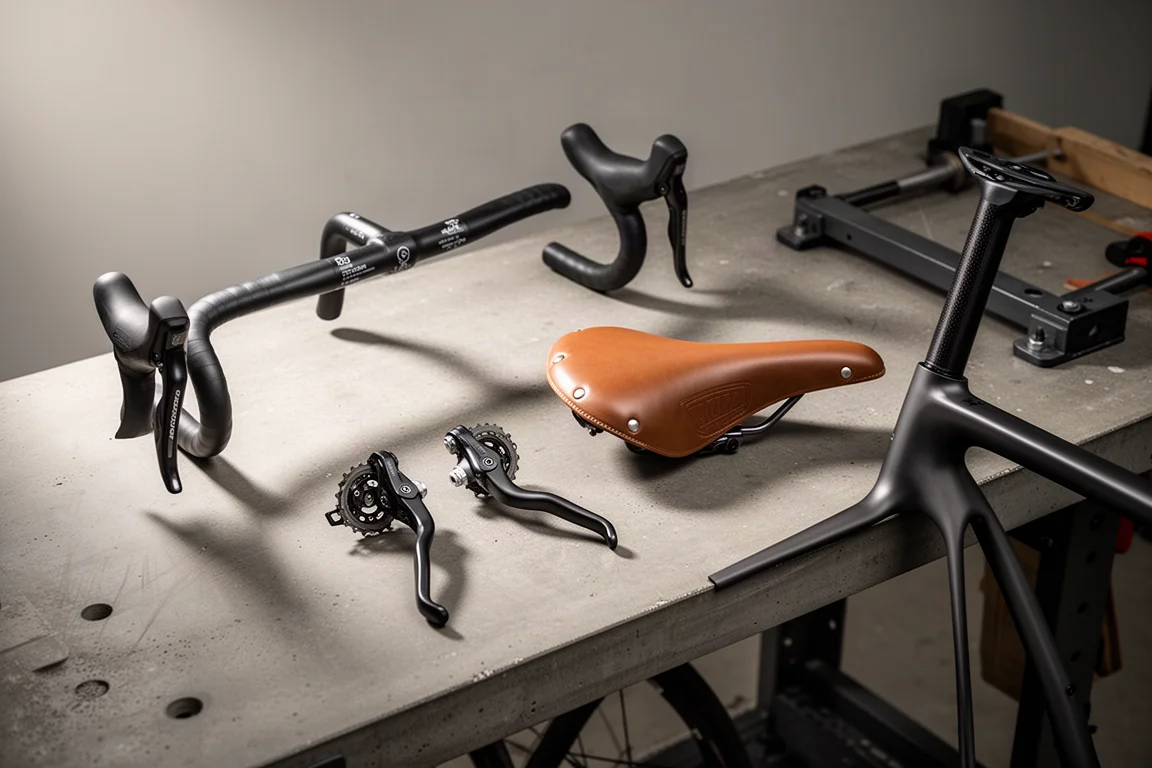
Bike fit problems rarely come from one dramatic mistake. They build up from a series of small component choices: a handlebar with too much reach, a saddle that gives comfort but no support, a frame whose geometry was drawn around a racing position most riders never use. Individually each choice looks harmless. Together they produce numb hands, aching necks and saddles that never quite feel right.

The five products below sit at exactly those decision points. Two of them are straightforward fixes for common discomfort, one is an entry-level groupset that is genuinely usable, and two are widely bought items that deserve a closer look before you commit.
Why Geometry Tables Matter More Than Size Labels
Stack and reach are the two numbers most often used to compare front ends. They describe the vertical and horizontal distance from the centre of the head tube to the bottom bracket. They are a reasonable starting point, but they leave a lot out. Seat tube angle changes how far the rider has to reach to the bars, and so do stem length, handlebar rotation, control position and even the shifters themselves.
Size labels are just as unreliable. A medium frame from a major brand often means a top tube around 55cm, which is longer than plenty of medium-sized riders need. Some brands size by seat tube length instead, so a frame labelled 50cm can still carry a 52.5cm top tube. Reading the geometry table rather than the size sticker is the more dependable habit, and a rider’s proportions matter too: a long torso calls for a longer top tube, a short torso for a shorter one.
Deda RHM Handlebars: Shorter Reach, Fewer Pressure Points
Handlebar reach is the distance between the centre of the bar and the position of the controls. Long-reach bars push those controls further away, and when they are combined with an anatomic bend the rider is left with two usable hand positions and nothing useful in between.
That extra distance is not a cosmetic detail. Excessive reach is linked with hand problems, neck and shoulder strain and even saddle discomfort, because the rider ends up carrying more weight through the front of the bike.
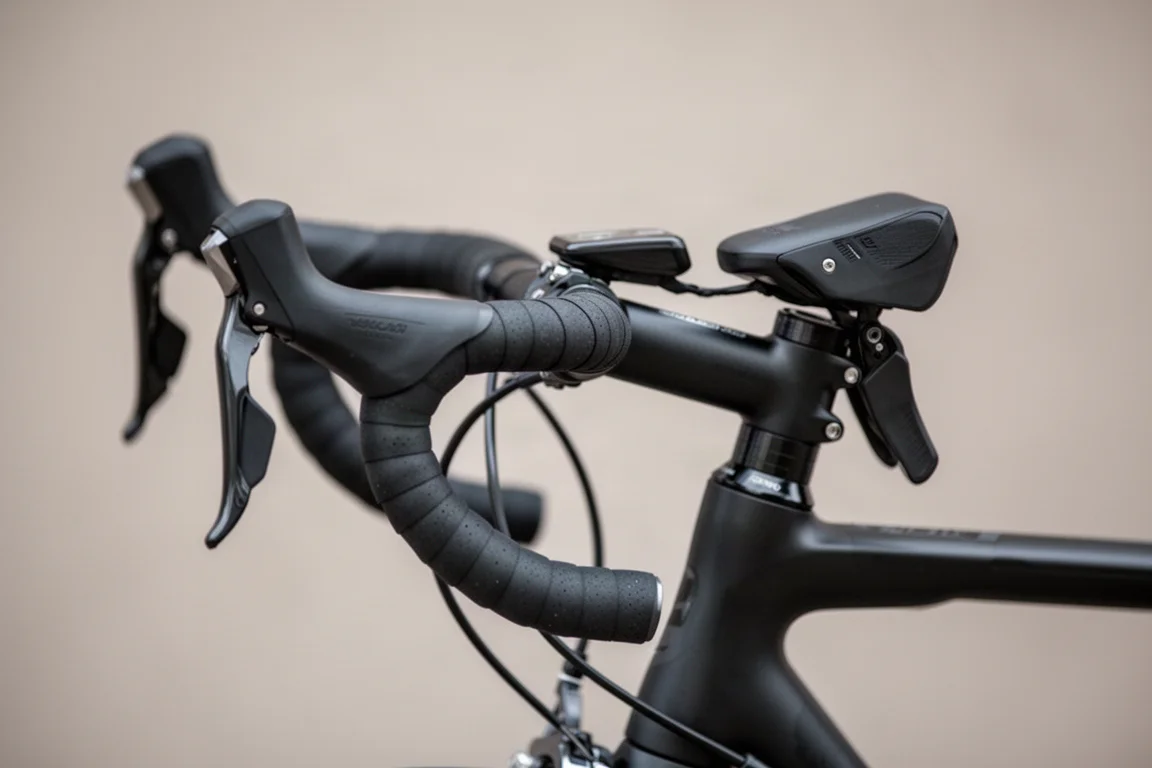
Moving to a shorter-reach shape such as the Deda RHM takes a meaningful amount of reach out of the bottom front of the bike, which is where much of the discomfort starts. It is worth treating published handlebar reach figures with some caution, since bars quoting the same number do not always measure the same in practice. The Deda RHM is a useful reference point for what a genuine 75mm reach looks like.
Shimano Claris: Functional Shifting at the Entry Level
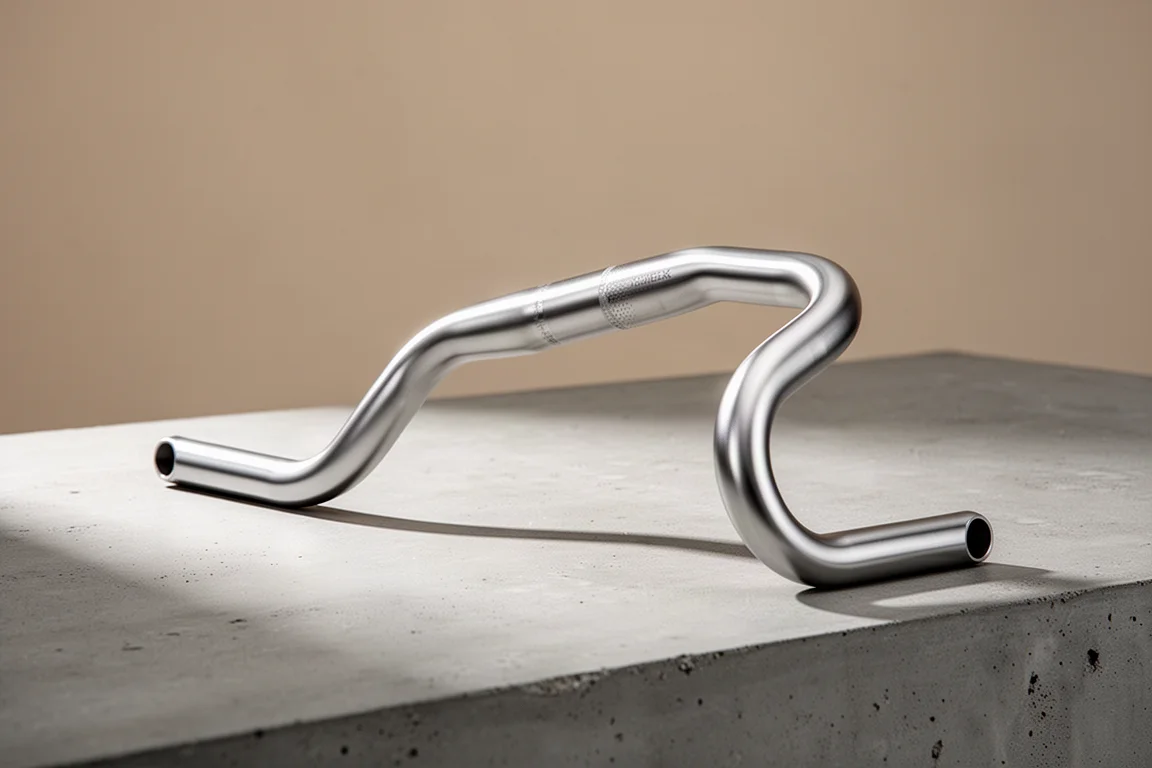
Entry-level road shifters have historically been a weak point, and the older eight-speed thumb-shifter design is the clearest example. Its paddle sits on top of the hood, which makes it effectively unusable from the drops for most riders. Newer versions add reach adjustment, but the lever still does not work properly once the hands are down in the drops.
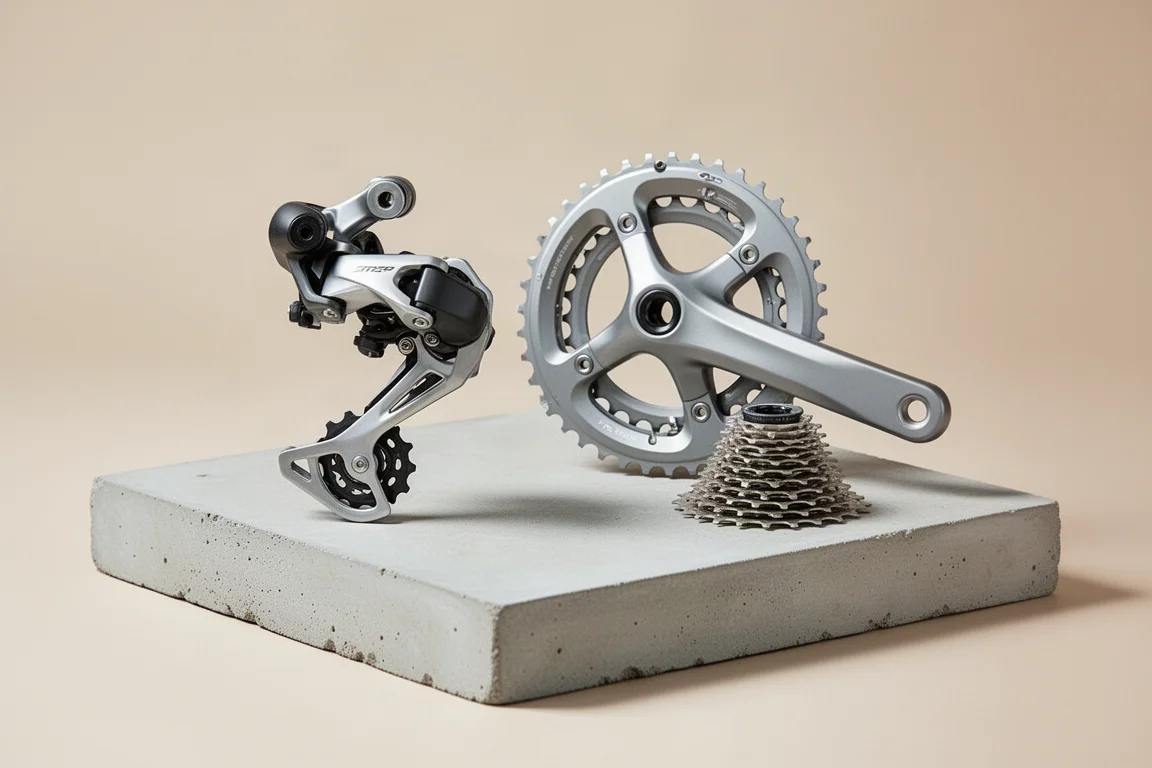
Shimano Claris is the better answer. It is an eight-speed transmission whose lever design borrows cues from the higher-end road groupsets, and its downshift button can be operated from the drops. Reach adjustment is included as well, so the lever can be brought closer to the bar. Complete bikes with Claris start at roughly £430, which makes it a realistic option for a first road or gravel bike. Riders who want an alternative can also look at microSHIFT’s eight-speed option, which uses a rigid brake lever and two separate buttons, though it does without reach adjustment.
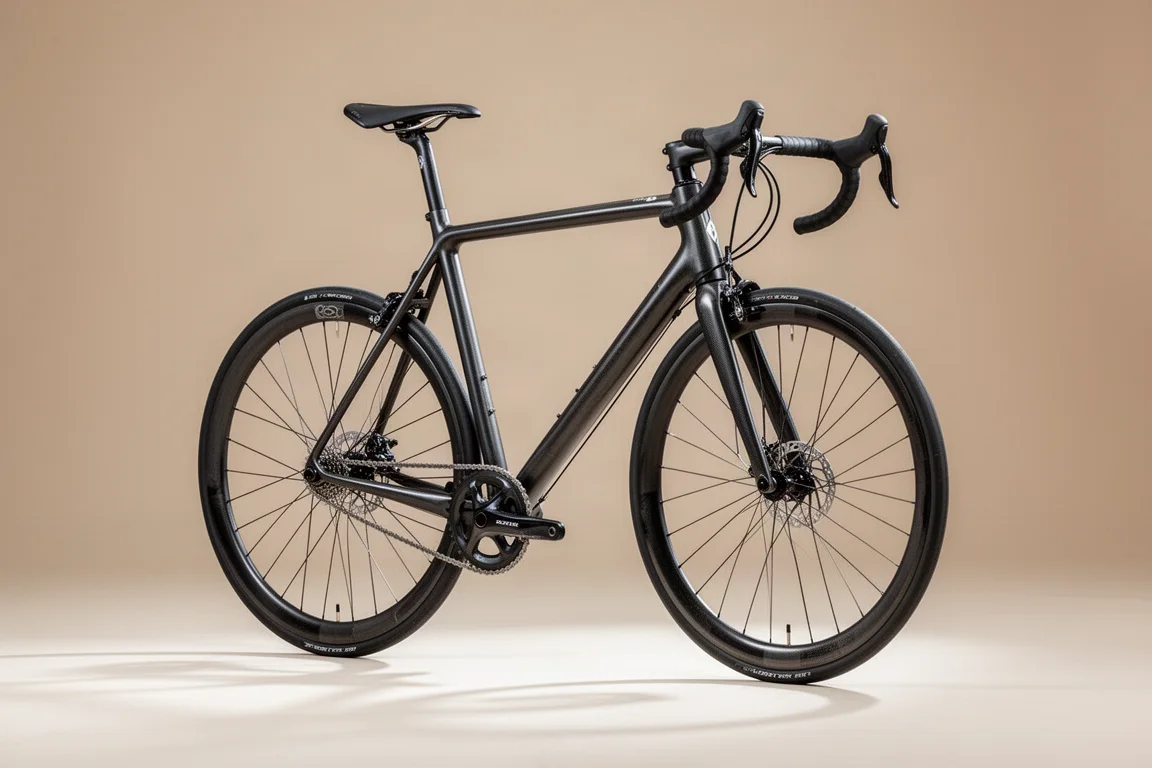
Specialized Aethos: Light and Simple, Held Back by Race Geometry
On paper the Aethos has almost everything: a light and stiff frame, a functional and easy-to-use design, and external cable routing instead of a fully integrated cockpit, which is far less of a mechanical headache to live with and to service. The problem is the geometry. It matches the Tarmac SL7, which means a long, low front end that does not fit most riders. A bike designed for ordinary riders ends up fitting racers instead. Built around a more relaxed geometry, the same frame would come close to an ideal consumer road bike.

That is the frustration: the frame itself is not the issue, the position it forces is. If your fit already puts you long and low, the Aethos is a light, agile and simple bike. If it does not, budget for a fit before you buy, or look for something with a shorter reach to the bars.
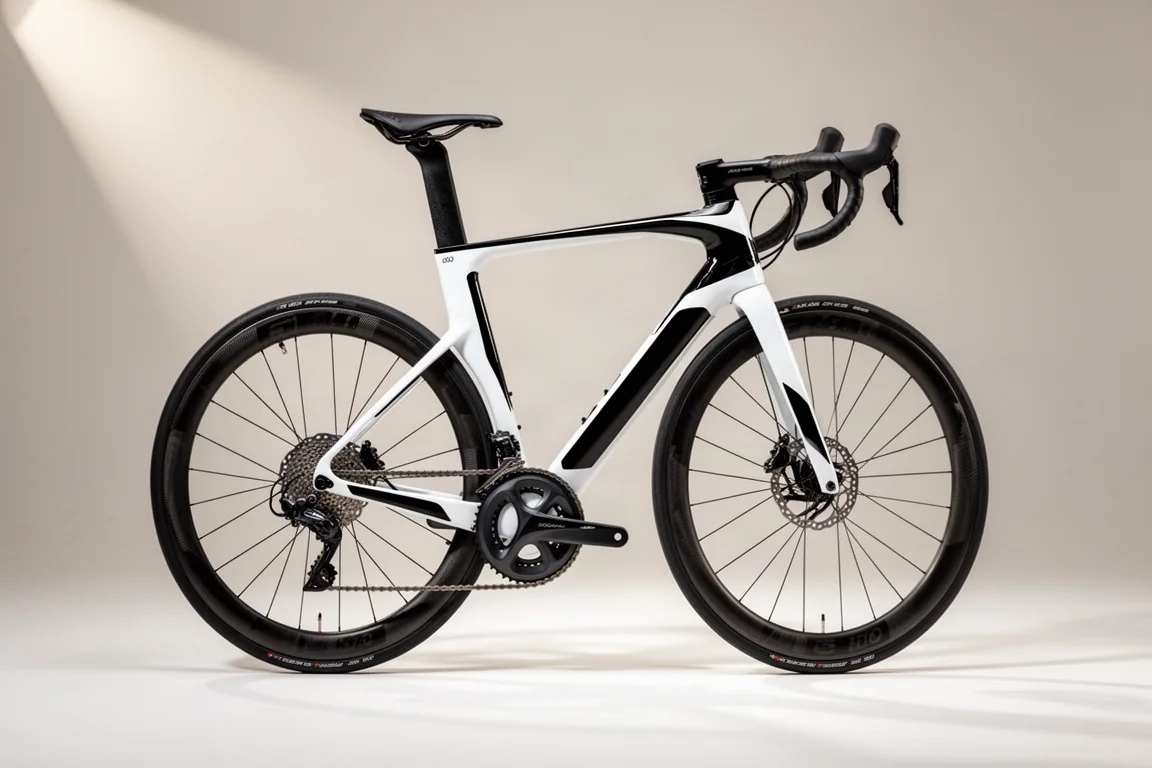
Specialized Tarmac SL7: The Long and Low Race Benchmark
The Tarmac SL7 is the geometry reference the Aethos follows. Its front end is long and low, which is exactly what a racing position asks for and what a racer can hold for hours. For most other riders that same position is a stretch: weight moves onto the hands, the neck has to crane further, and the saddle becomes harder to live with.
If you are shopping for speed and you already know you fit an aggressive position, the geometry makes sense. If you are not certain, this is the kind of frame to confirm through a fit before committing.
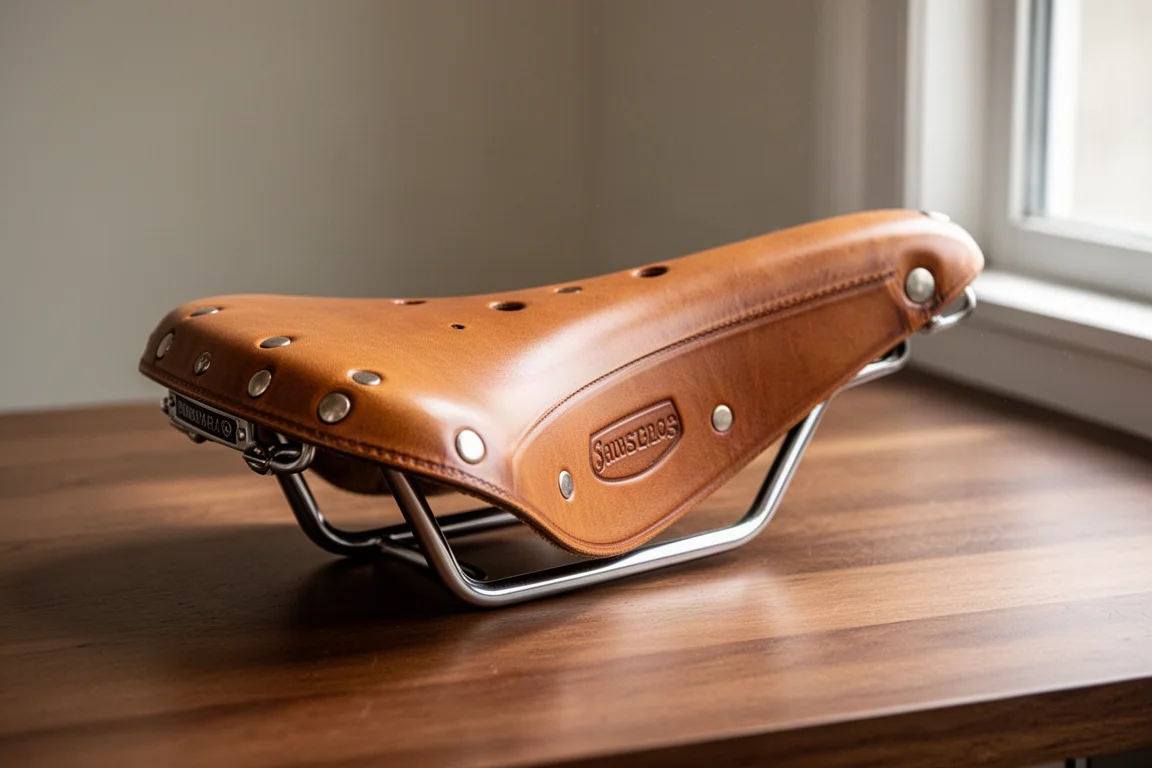
Brooks Leather Saddles: Comfort Without Support
The hammock design of a leather Brooks-style saddle is genuinely comfortable, and it has been for a very long time. The trade-off is support. A hammock shape does not hold the rider’s weight in place, so a lot of that weight and instability travels forward into the front of the bike. Riders using this style of saddle on a road bike often end up with neck and shoulder complaints alongside hand issues.
There are situations where it works well. Short distances, and traditional touring builds where the handlebar and saddle sit closer to level, tend to cause fewer problems. On a road bike with a lower front end, it is a shape worth avoiding.
Other Fit Traps Worth Knowing
Two other trends are worth understanding before they appear on your next bike. The first is the one-and-a-quarter-inch steerer. Technically it is the better design, and it can deliver lighter weight and more front-end stability, which is why some large manufacturers have adopted it. In practice it brings a long list of compatibility problems: only two or three brands offer stems for it, the range of available lengths is narrow, and cockpits are limited. The industry is not there yet. A standard one-and-one-eighth steerer works perfectly well.
The second is integrated suspension in road bikes, used at the front end and through couplers to isolate the rider from road vibration. It makes sense for the terrain it was designed around, but most buyers are not riding that terrain. What it usually adds is weight, complexity and cost. Large tyre volumes run at lower pressures deliver far more compliance for far less money, especially compared with an era of 23mm tyres pumped to 130 PSI.
One more pattern is the flat handlebar on a gravel bike. Gravel geometry is derived from road bikes, so it already places more weight through the front of the bike. A flat bar tends to drop the wrists, which can irritate the ulnar nerve and lead to numb hands, pins and needles or wrist pain that resonates up through the neck and shoulders. Drop bars are simply better ergonomically here. Flat bars make complete sense on a mountain bike, where the riding is more dynamic and control matters more.
Buying Advice: Start With the Fit, Then the Parts
A bike fit before you buy removes most of the guesswork. It tells you the reach and stack you can actually hold, which is far more useful than a size label. If a fit is not practical, learn to read the geometry table: top tube length, seat tube angle and stack and reach together, not one number in isolation. A handful of manufacturers, including Canyon and some triathlon brands, publish component geometry such as handlebar widths and stem lengths, and those tables are worth more than any small, medium or large sticker.
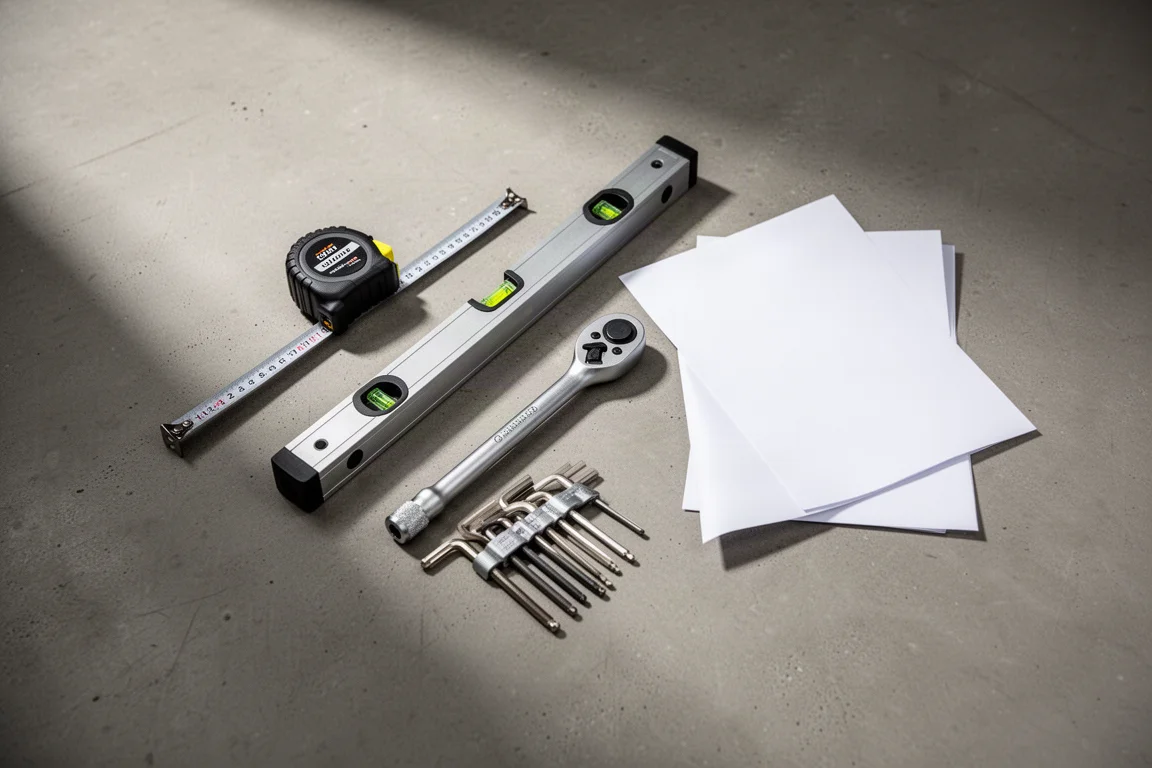
When you are comparing options, prioritise the parts that change your position: a shorter-reach handlebar, a shifter you can operate from the drops, and a frame whose front end you can hold without straining. Saddles are personal, but a shape that offers support rather than pure cushioning will usually serve a road rider better over distance. Everything else, from wheels to finishing kit, can be changed later without altering how the bike fits.
Conclusion
None of these five products is a bad purchase in every situation. The Deda RHM handlebar and the Shimano Claris groupset solve real problems at sensible prices, and both are easy to recommend for riders dealing with reach or shifting frustrations. The Aethos and the Tarmac SL7 are fast, well-made bikes that simply assume a racer’s position, and a leather hammock saddle still has a place on short, relaxed rides. The deciding factor is not the badge or the price. It is whether the component puts your body where it needs to be.
Further reading
Related Reviews
Cycling Components
A 20,000-Mile Budget Race Bike Build: Five Parts Worth Knowing
A rim brake race bike assembled from low-cost components and ridden for 20,000 miles. Here is what delivered real speed, what caused problems, and what to weigh before copying the formula.
Cycling Components
7 Bike Fit Products Fitters Avoid: What to Check Before You Buy
Seven bike components that regularly cause knee, foot and saddle problems, with the specific concerns behind each one and what to look for instead.
Cycling Components
Four Affordable Bike Upgrades That Improve Ride Feel
Four low-cost cycling products that make a real difference to ride feel, plus the free setup changes worth trying first.